The One Thing Michigan Astilbe Needs Before September Ends

Astilbe is one of the shade garden favorites in Michigan, prized for its feathery, colorful plumes that brighten up spots where many other plants struggle to bloom.
As summer fades and September settles in, this plant has one need that matters more than almost anything else right now, and getting it right decides how strong astilbe wakes up again next spring.
Even as growth slows heading into fall, the roots are still working beneath the soil, storing up energy for winter dormancy. A dry stretch during this window can quietly weaken the plant before it’s had a real chance to prepare for the cold months ahead.
Getting moisture right now sets astilbe up for a fuller, healthier display next season. Here are eight simple, friendly tips to help your astilbe stay happy through fall and beyond.
1. Keep The Soil Consistently Moist
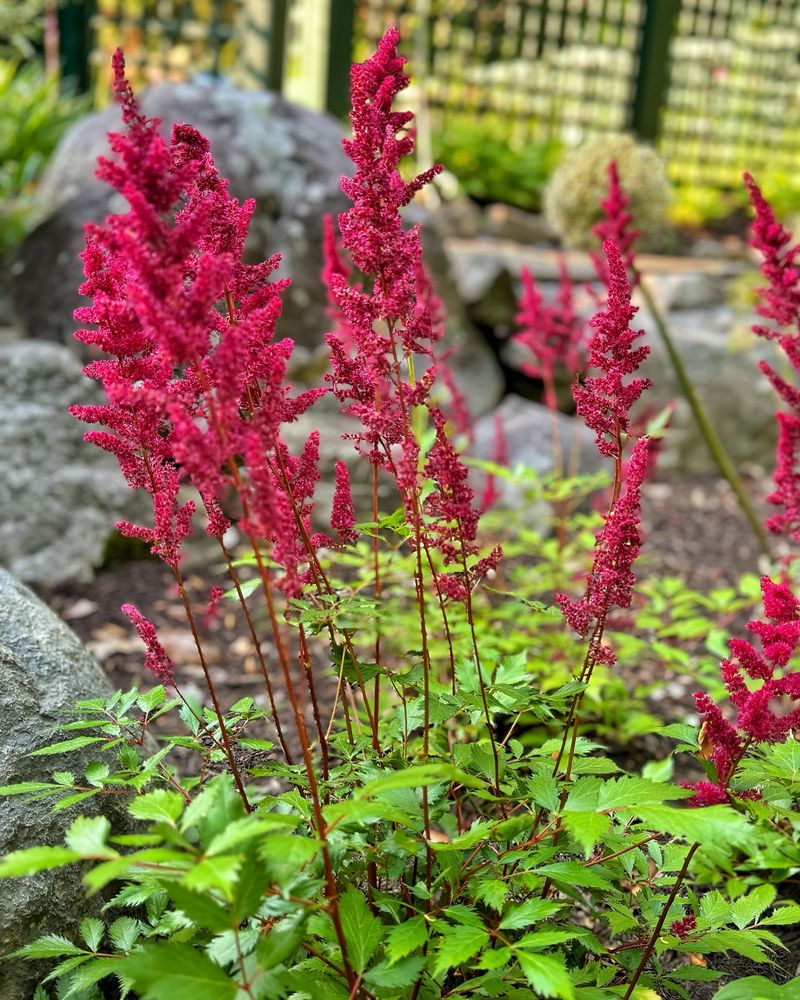
Astilbe drinks more water than most shade plants, and it never enjoys drying out. Steady moisture in late summer and early fall keeps the roots strong while the plant slowly gets ready to rest for winter.
When the soil turns dry for too long, astilbe gets stressed. You might notice the leaf edges browning or the plumes fading faster than usual. That stress uses up energy the plant should be saving for the cold season ahead.
Think of September as a recharging time. The roots are quietly storing power so they can push out fresh growth in spring.
A plant that goes into winter thirsty and weak often returns slow and thin, while a well watered one bounces back full and lush.
Aim to keep the soil damp but not soggy, kind of like a wrung out sponge. Check it every few days, especially during warm, breezy weeks that pull water out of the ground fast.
Deep watering works better than quick sprinkles because it reaches the roots where it truly counts.
Early morning is a great time to water. The plant gets a good drink before the sun heats up, and the leaves have time to dry out during the day.
Consistency matters more than flooding the plant once in a while. A regular rhythm of gentle watering keeps astilbe calm and content, so it can spend its energy preparing for a beautiful spring return instead of fighting to survive dry spells.
2. Check The Soil Around The Crown

The top of your garden bed can trick you. Surface soil dries out first, so it may look bone dry while the deeper layers stay damp, or the other way around. That is why smart gardeners dig a little and feel for themselves.
The crown is the spot where the stems meet the roots, sitting right at the soil line. This area matters a lot because it holds the growth points for next year.
Checking moisture near the crown and root zone tells you what the plant is actually experiencing.
Push a finger two or three inches into the soil beside the crown. If it feels dry down there, your astilbe needs a drink even if the surface seemed fine. If it feels cool and moist, you can wait a bit longer.
Your Michigan Garden Changes Every Week. Your Plan Should Too.
Gardening in Michigan changes quickly throughout the season. Every Friday you’ll receive a simple weekly plan showing exactly what to plant, prune, fertilize, harvest, and protect so you never miss the right timing.
September weather in Michigan can swing from warm and dry to cool and damp within days. A quick finger test each time you visit the garden keeps you from guessing wrong.
You can also use a small trowel to gently open the soil and peek. Just be careful not to slice into the roots while you check.
Getting to know the true moisture level saves your plant from hidden thirst. It only takes a few seconds, and it beats relying on how the top looks.
Once you build this habit, watering becomes easy because you always know exactly what your astilbe wants before the season winds down.
3. Do Not Let Leaves Hide A Dry Root Zone

Leaves can be sneaky storytellers. Astilbe foliage often stays green and upright even when the roots below are struggling for water. By the time the leaves look sad, the plant may have already gone through real stress.
Plants store water in their tissue, so the top can stay perky for a little while after the soil dries out. That short delay tricks many gardeners into thinking everything is fine when trouble is quietly building underground.
Fall makes this even trickier. As days shorten, astilbe naturally slows down, and some leaves may fade or brown just because the season is changing.
That normal color shift can hide a dry root zone if you only glance at the top. Rather than trusting the leaves, trust the soil. A quick moisture check beats a visual guess every single time.
The roots are where the plant actually feels thirst, so that is the place worth watching. Make it a routine to feel the ground before deciding whether to water. Combine that with a glance at the leaves for the full picture, but let the soil have the final say.
This habit protects your astilbe from silent drying that weakens it before winter. Healthy roots going into dormancy mean a strong, full plant come spring.
When you look past the leaves and check what is really happening down below, you give your astilbe the honest care it needs to thrive year after year.
4. Add Mulch Before Winter

Mulch is like a cozy blanket for your garden bed. A few inches of organic material around your astilbe helps the soil hold moisture much longer, so you spend less time watering during dry stretches.
Beyond holding water, mulch acts as a buffer against Michigan’s wild temperature swings. Fall here can bounce from warm afternoons to frosty nights, and that push and pull can stress shallow crowns.
A good mulch layer keeps the soil temperature steadier and gentler. Astilbe crowns sit close to the surface, which makes them a bit exposed. Cold snaps and freeze thaw cycles can heave the soil and lift roots right out of the ground.
Mulch softens those shocks and keeps the crown tucked in safely. Shredded bark, chopped leaves, straw, or compost all work well. Spread about two to three inches evenly across the root zone, and you will notice the soil stays cooler and damper underneath.
Late fall, once the ground begins to cool but before hard freezes settle in, is the best window to lay it down. That timing gives your plant protection right when it starts heading into rest.
Mulch also breaks down slowly and feeds the soil over time, improving it for future seasons. That means healthier dirt and happier plants down the road.
With a simple mulch layer in place, your astilbe faces winter with far more comfort. It holds moisture, guards against temperature drama, and shields those tender crowns so your plant can rest easy until spring.
5. Keep Mulch Away From The Crown

Mulch is wonderful, but placing it wrong can cause problems. Piling it right against the crown traps too much moisture at the exact spot that needs to breathe, and that can lead to rot.
The crown holds next year’s growth points, so keeping it healthy is a top priority. When mulch buries it, water and dampness sit there constantly, creating a soggy zone where fungus and rot love to move in.
Picture a donut instead of a mound. Spread the mulch in a ring around the plant while leaving a small gap of bare soil right at the base. That little breathing space makes a big difference.
A gap of an inch or two is usually plenty. It lets air reach the crown and keeps excess water from pooling against the sensitive center of the plant.
This same tip applies to many perennials and even trees, where mulch volcanoes stacked against stems cause real harm. Astilbe follows the same rule, so give the crown room to stay dry on top.
Check your mulch now and then, since it can shift or wash toward the center after heavy rain. A quick nudge to pull it back keeps that protective gap in place all season.
Doing this right means your astilbe gets all the moisture holding and temperature protection of mulch without the risk of a rotting crown.
A simple ring shape keeps your plant safe, comfortable, and ready to burst back to life when warmer days return.
6. Avoid Heavy Fall Fertilizing

September is a resting season, not a growing race. Feeding your astilbe heavily now pushes it to grow tender new shoots at the worst possible time, right when it should be slowing down.
Fresh growth is soft and delicate, and it cannot handle the cold nights that Michigan fall brings. Instead of helping, a big dose of fertilizer sends the plant’s energy in the wrong direction.
What your astilbe really wants at this point is strong root preparation. The roots are quietly gathering strength to carry the plant through winter, and that job matters far more than a burst of leafy growth.
By skipping the heavy feeding, you let the plant follow its natural rhythm. It shifts focus underground, building the reserves it needs for a powerful spring comeback.
If you like to fertilize, spring is the smarter choice. That is when new growth is welcome and the plant can actually use the boost as the weather warms.
A thin layer of compost in fall is fine, since it feeds the soil slowly and gently without forcing a growth spurt. That kind of feeding supports the roots rather than rushing the leaves.
Think of fall care as helping your plant wind down peacefully. Less pushing, more resting.
When you hold off on strong fertilizer, you protect all that tender potential and keep the plant’s energy where it belongs. Come spring, your patient approach pays off with fuller plumes and healthier foliage that make the wait worthwhile.
7. Divide Only When Needed

Astilbe clumps can grow crowded over the years, and a packed center often means fewer blooms and weaker growth. When that happens, dividing the plant gives each piece more room, water, and nutrients to thrive.
You will know it is time when the middle looks bare or thin while the edges push outward. Splitting the clump refreshes the plant and lets you spread astilbe to new spots in your garden for free.
Timing matters a lot in Michigan, though. If you divide in early fall, give new divisions enough time to establish roots before the ground freezes.
Freshly divided plants need weeks to grow new anchor roots. Rushing this too late in the season leaves them fragile and unprepared for the cold, which can cost you the plant.
To divide, dig up the whole clump, then gently pull or cut it into sections that each have healthy roots and a few growing points. Replant them quickly at the same depth they were before.
Water the new divisions well and keep the soil moist while they establish. A layer of mulch afterward helps hold that moisture and shields the tender crowns.
If your astilbe still looks full and blooms nicely, there is no rush to divide at all. Only tackle it when the plant clearly needs more space.
Handled with good timing and gentle care, division rewards you with stronger plants and more plumes. Just give those roots the head start they need before winter settles in.
8. Prepare For Michigan Winter Conditions

Everything you do in fall builds up to one goal: helping your astilbe rest safely through a Michigan winter. When the plant heads into dormancy healthy and well hydrated, its crowns hold on strong and return beautifully in spring.
Moisture is the foundation of it all. A plant that goes into winter with balanced water in its roots is far tougher than one that entered the cold thirsty and stressed.
Mulch adds the next layer of protection. That cozy ring around the base steadies the soil temperature and guards those shallow crowns against the freeze thaw cycles that Michigan is famous for.
Avoiding stress ties the whole plan together. Skipping heavy fertilizer, dividing only when needed, and checking soil moisture all keep the plant calm as it slows down for the season.
Michigan winters can be harsh, with deep cold and shifting weather. Astilbe is hardy and handles these conditions well when it is prepared, but neglect before dormancy leaves it vulnerable.
Once the ground begins to freeze, your work mostly ends. The plant rests quietly under its mulch blanket, holding its energy for the warmer days ahead.
Come spring, you will see the payoff as fresh shoots push up and unfold into lush, feathery plumes. That strong return is the reward for the care you gave before September ended.
By focusing on moisture, gentle protection, and a stress free wind down, you set your astilbe up to face winter with confidence and greet the new growing season full of life.