Why North Carolina Magnolia Trees Grow Red Seed Pods This September
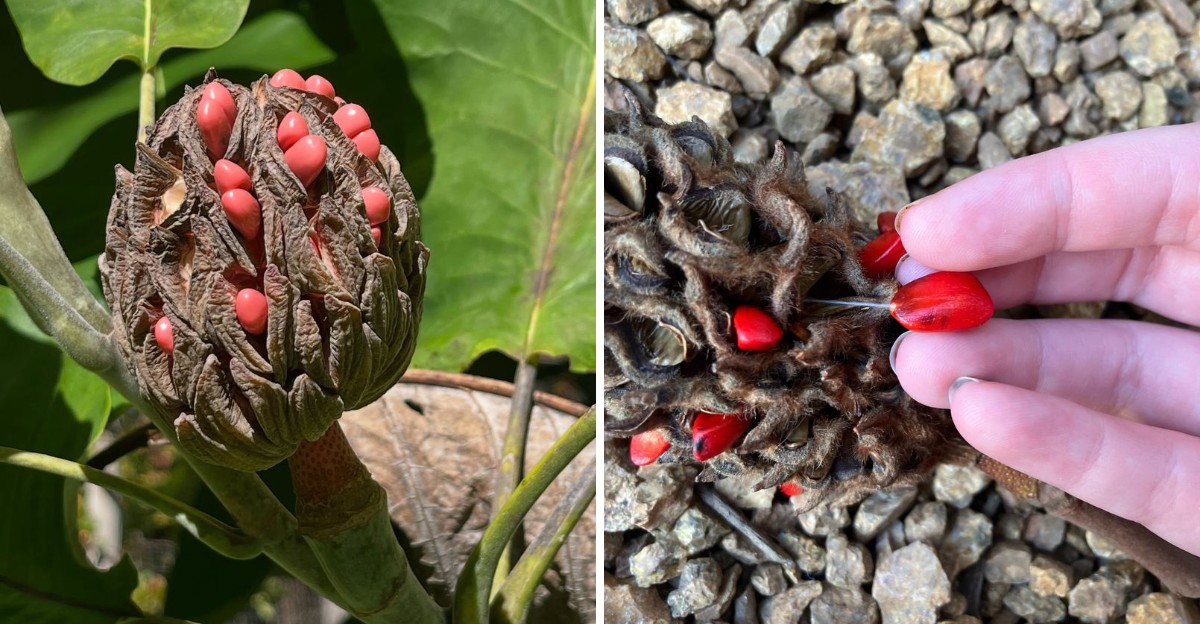
Southern magnolia trees in North Carolina go through a distinct seasonal change each September, when their large, cone-like seed pods begin splitting open to reveal bright red seeds tucked inside.
These seed pods form after the tree’s showy white blooms fade earlier in the year, and by early fall they’ve matured enough to release their seeds, which dangle from thin threads before eventually dropping to the ground.
The vivid red color makes the seeds stand out sharply against the tree’s dark green foliage, often catching the attention of birds looking for an easy meal this time of year.
This yearly process is a completely normal part of the magnolia’s reproductive cycle rather than a sign of stress or disease, even though the pods can look unusual to anyone seeing them up close for the first time.
For North Carolina homeowners wondering what’s behind this striking seasonal display, the explanation comes down to simple, healthy biology at just the right point in the tree’s yearly cycle.
1. Those Red Pods Are Magnolia Seeds
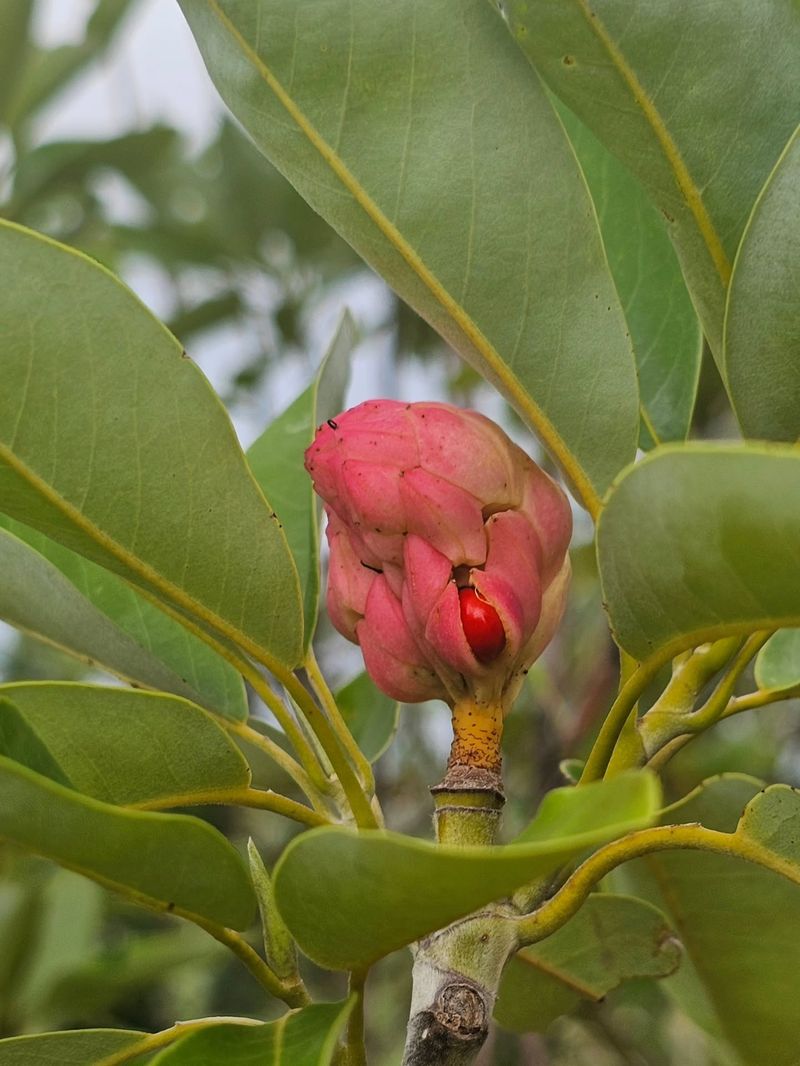
The first thing to know is simple and calming. Those red bumps you see are not bugs or a strange sickness. They are the seeds your magnolia tree makes.
After a magnolia blooms in late spring and summer, the center of each flower slowly grows into a cone-shaped fruit. As September rolls in, that cone begins to open.
Inside, small red seeds peek out, each one wrapped in a shiny, bright coating that almost looks like a berry.
People in North Carolina often spot these on Southern magnolias, which are common across the state. The cones can be green at first, then turn brown and woody as they ripen. When they split open, the pop of red really grabs your attention.
There is no reason to reach for a spray bottle or worry that pests moved in. This is just the plant doing what it was designed to do. A tree that makes seeds is usually a tree that is doing well.
If you look closely, you may notice the seeds hang by tiny thread-like strings before they drop. That little detail is part of the natural design, helping seeds swing free and fall away from the parent tree.
So the next time a neighbor asks about the red spots on your magnolia, you can share the truth with confidence.
Those pods are seeds, plain and simple, and they mark a healthy chapter in the tree’s year. Enjoy the color while it lasts, because it does not stay long.
2. The Tree Is Completing Its Natural Reproduction Cycle
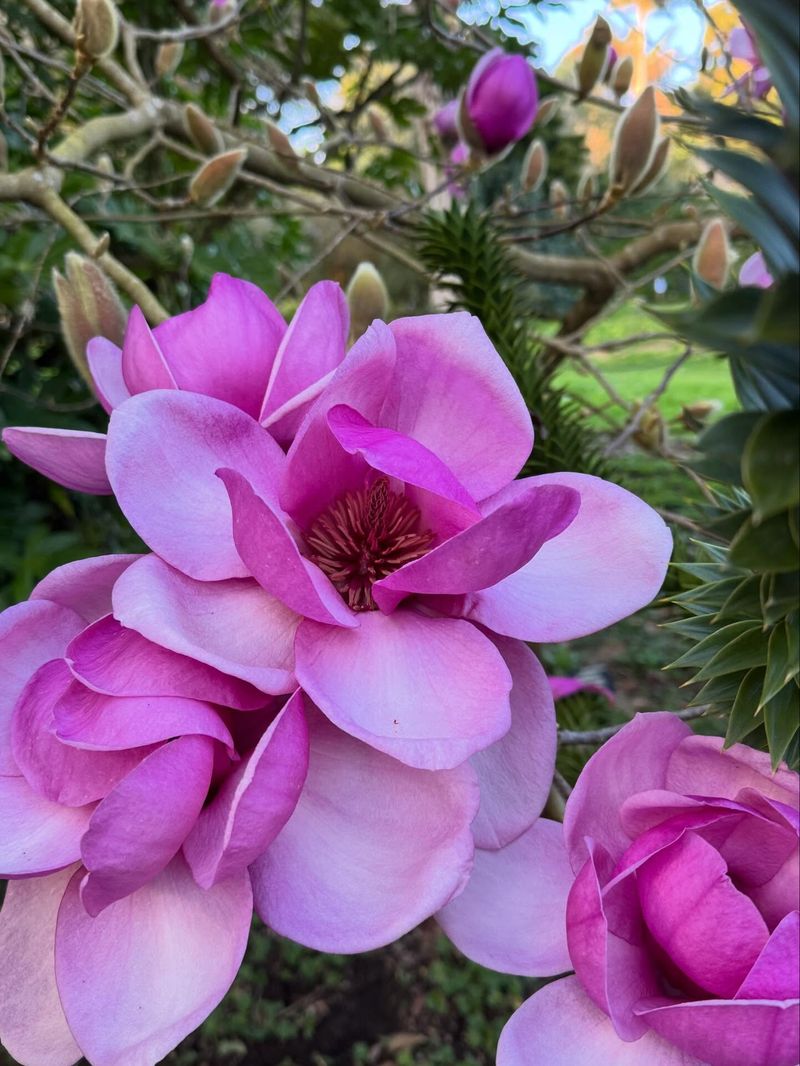
Every magnolia follows a steady yearly rhythm, and the red pods are the grand finale. It all starts with those big, creamy flowers that fill the air with a sweet lemony scent in spring and early summer.
Once a flower fades, the work is not over. The center of the bloom starts to swell and shape itself into a cone-like fruit. All through the warm months, that cone grows quietly while you barely notice it hiding among the glossy leaves.
Your North Carolina Garden Changes Every Week. Your Plan Should Too.
Gardening in North Carolina changes quickly throughout the season. Every Friday you’ll receive a simple weekly plan showing exactly what to plant, prune, fertilize, harvest, and protect so you never miss the right timing.
By the time September arrives, the cone has done its job. It begins to open in sections, and each little pocket reveals a bright red seed. This is the moment the tree has been building toward since spring.
Think of it like a plant version of planting a garden. The flower is the invitation, the cone is the growing stage, and the red seeds are the reward. Each seed carries the chance to become a brand new magnolia someday.
Understanding this cycle makes the whole process feel less mysterious and a lot more amazing. Your tree is not acting out of the ordinary. It is following a plan that magnolias have used for millions of years.
Seasoned gardeners in North Carolina often watch for this change as a friendly sign that fall is near. When the cones crack open, it means summer is winding down.
So instead of feeling puzzled, you can smile knowing your tree just wrapped up another full circle of growth right on schedule.
3. The Red Color Helps Attract Wildlife
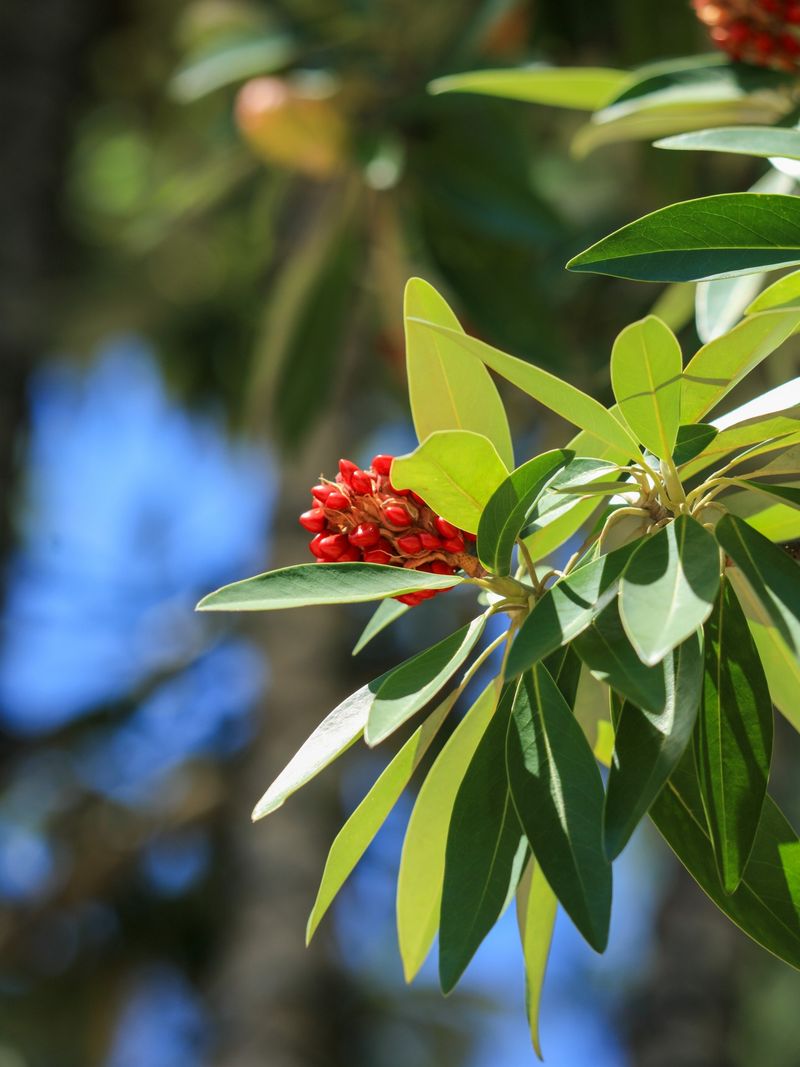
Ever wonder why the seeds are such a loud shade of red? Nature rarely picks a color by accident. That bold red works like a bright sign that says, come and get it, to the animals nearby.
Birds especially notice colors that pop against green leaves. When they spot those glossy red seeds, they swoop in for a snack. As they eat, they carry seeds to other spots, sometimes far from the parent tree.
This is the tree’s clever way of spreading its family around. A magnolia cannot walk, so it partners with wildlife to move seeds to new ground. The red coating is basically an offer of food in exchange for delivery.
Squirrels and other small creatures join the feast too. They may drop or bury seeds, which can lead to surprise seedlings popping up in your yard next year.
Watching this happen can be one of the best parts of having a magnolia. Grab a cup of coffee, sit near a window, and see which visitors come around when the cones open up.
In North Carolina, you might see cardinals, mockingbirds, and other feathered guests taking advantage of the treat. Their visits add movement, sound, and color to your outdoor space.
So the striking red is more than pretty decoration. It is a smart survival trick that has helped magnolias thrive for ages. By feeding wildlife, the tree gives itself the best chance to keep growing new generations across the region for years to come.
4. Falling Seeds Do Not Mean The Tree Is Struggling
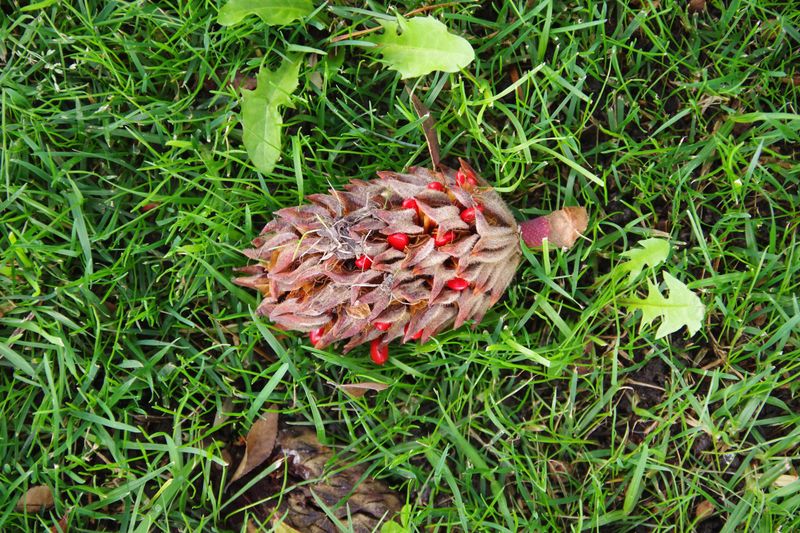
It is easy to panic when you see pods and seeds dropping all over the ground. Many homeowners assume the tree is sick or losing its strength. The truth is much more reassuring.
Dropping seeds is not a warning sign at all. It is exactly what a healthy, grown magnolia is supposed to do in the fall. The tree releases seeds so they can find fresh soil and sprout somewhere new.
Some folks also notice a few leaves letting go around the same time. Magnolias trade out older leaves gradually through the year, so a little leaf drop mixed with seed drop is perfectly normal.
If your tree still has firm branches, glossy leaves, and steady growth, you have nothing to worry about. Seed production actually points to a plant that has plenty of energy to spare.
Trouble usually shows up in different ways, like wilting, large bare patches, or soft spots on the trunk. A shower of red seeds simply is not on that list.
Instead of stressing, try shifting your view. Those falling seeds are a sign your magnolia reached a mature, productive stage of life. That is something to feel proud of as a gardener.
When neighbors point at the mess and ask if the tree is fine, you can calmly explain the real story. Your magnolia is thriving, doing its natural work, and giving back to the yard. So take a breath, relax, and let the tree finish its seasonal routine without fear.
5. You Can Leave Them For Wildlife
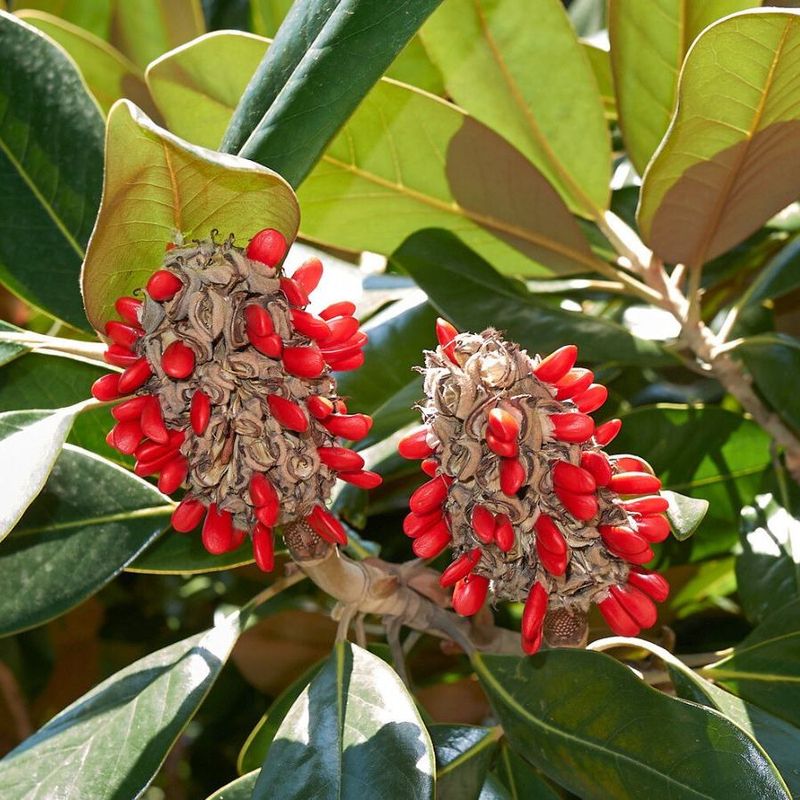
Sometimes the easiest choice is the best one. If the seeds fall in a spot where they are not causing trouble, you can simply leave them alone and let nature take over.
Fallen magnolia seeds become a small buffet for the wildlife in your area. Birds, squirrels, and other critters will treat your yard like a snack stop and clean up much of the drop for you.
Leaving seeds in a naturalized corner, along a fence line, or under shrubs works great. These low-traffic areas do not need a spotless look, so the pods blend right in with mulch and leaves.
By stepping back, you help support the little food chain in your own backyard. Every seed a bird carries off might grow into a new tree somewhere down the road.
This hands-off approach also saves you time and effort. There is no raking, no bagging, and no fuss. You get to enjoy the tree and the visitors it brings without extra chores.
North Carolina gardeners who love wildlife often plan for this on purpose. They set aside a wild zone where seeds, leaves, and cones can rest and feed the local creatures.
If you enjoy watching birds hop around and squirrels dart across the grass, this is a wonderful way to invite more of that action. The magnolia becomes a hub of activity.
So when the seeds pile up in a quiet spot, consider leaving them. Your yard’s wild guests will thank you with plenty of lively visits.
6. You Can Collect Seeds To Grow New Trees
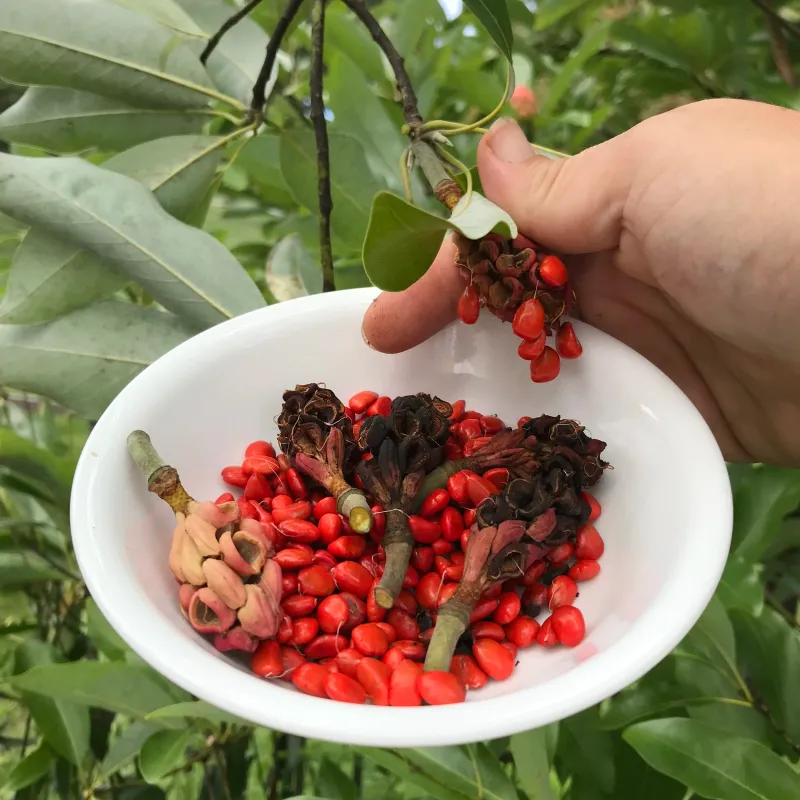
Here is a fun project for anyone who loves a hands-on challenge. You can gather those red seeds and try growing your very own magnolia from scratch.
Start by collecting seeds once the cones open and the red coating looks ripe. Soak them in water for a day or two, then gently rub off the soft red covering to reach the hard seed inside.
Clean seeds do best when planted soon or kept cool and moist through winter. Many gardeners store them in damp sand in the fridge, which copies the chill they would feel outdoors.
Patience is the real secret with this hobby. Magnolias grown from seed take their time, and a young tree may need several years before it ever produces its first flower.
Still, the wait can be worth it. There is something special about raising a tree from a single seed you picked up in your own yard.
Keep in mind that seedlings do not always match the parent tree exactly. You might get a slightly different shape, size, or bloom, which makes each attempt a little surprise.
For families, this makes a fantastic learning activity. Kids can watch a tiny sprout grow and understand how plants make more of themselves.
If your first try does not work, do not give up. Seed starting takes practice, and every season gives you another chance to improve your method. So grab a few red seeds, roll up your sleeves, and begin your own magnolia adventure this fall.
7. Clean Them Up If They Create A Mess
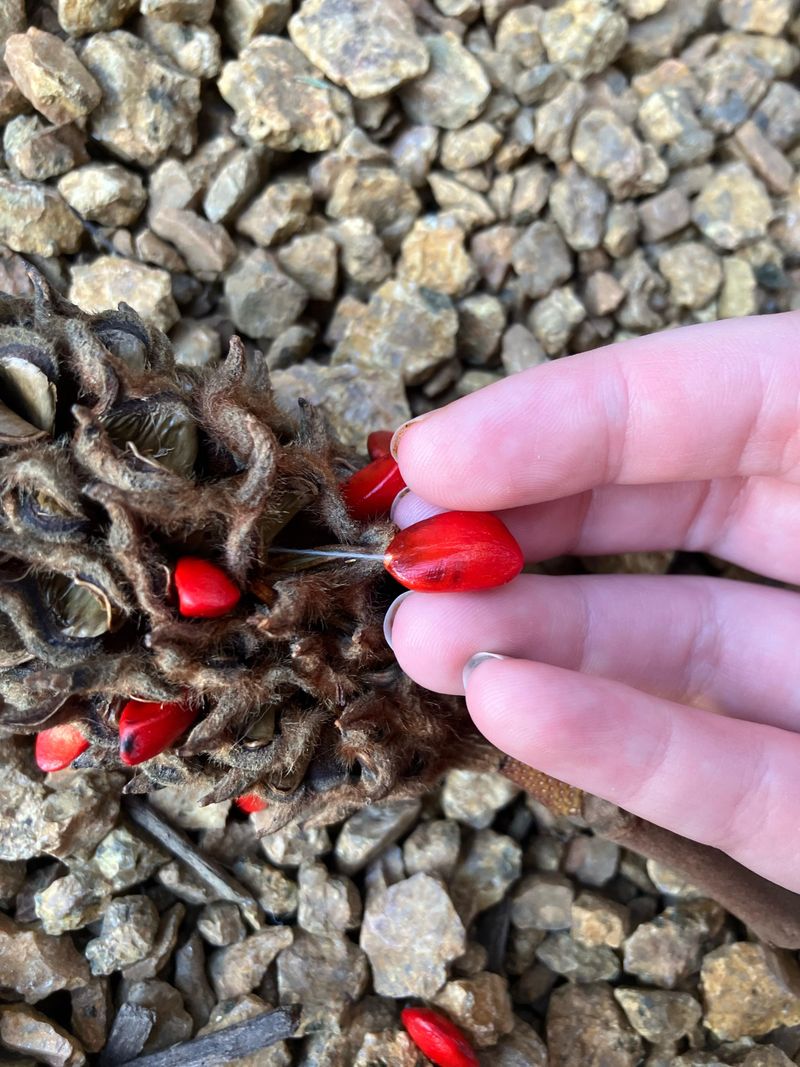
Not every part of the yard is a good place for pods to gather. When seeds and cones land on patios, driveways, or walkways, they can turn into a slippery, sticky nuisance fast.
The smart move is to clear them from spots where people walk. Round seeds underfoot can cause slips, and crushed pods may leave stains on stone or concrete.
A simple rake or leaf blower usually does the trick. For smaller areas, a stiff broom sweeps the pods into a neat pile you can scoop up in minutes.
If seeds fall on the lawn, mowing over them or raking them off helps keep the grass looking tidy. Regular cleanup also stops random seedlings from sprouting where you do not want them.
Try to time your cleanup for when the cones are actively dropping in September and early fall. A quick sweep every few days beats one giant cleanup later.
Toss the collected pods into your compost pile or yard waste bin. They break down over time and can add to your compost mix.
Keeping walkways clear matters most for safety, especially if you have older family members or little ones running around. A clean path gives everyone peace of mind.
None of this means the tree is a problem. It just means a big, healthy magnolia produces plenty of seeds, and a little tidying keeps things comfortable.
So keep a rake handy this season, and your yard will stay both beautiful and safe while the tree finishes its natural drop.
8. Do Not Remove Them By Pruning
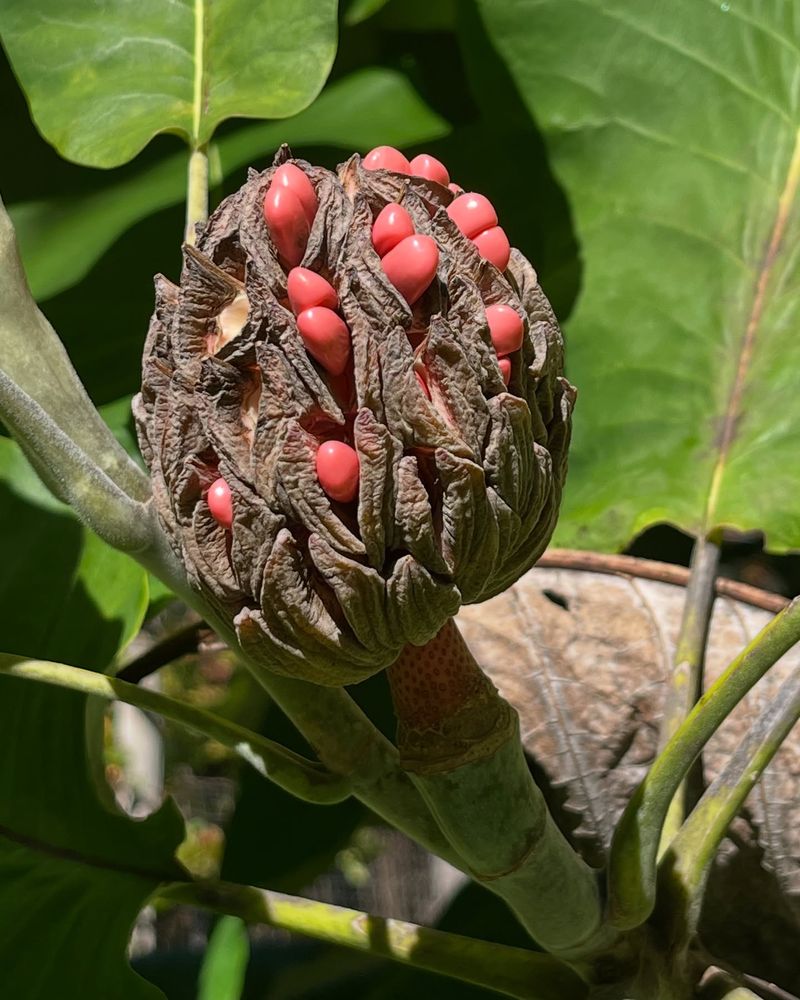
When the pods pile up, some people feel tempted to grab the shears and cut branches to get rid of them. That plan can backfire and hurt your tree in the long run.
Cutting healthy limbs just to remove seeds takes away leaves the tree needs to make food. Those branches also carry next year’s flowers, so you could lose future blooms.
Magnolias really only need pruning for specific reasons. Good times to cut include removing broken limbs, clearing damaged wood, or shaping growth that rubs or crosses awkwardly.
Trimming for the sake of seeds is not on that list. The pods will fall on their own within a few weeks, so the problem solves itself with a little patience.
If you do need to prune, timing helps a lot. For many magnolias, right after flowering is the safest window, since you avoid cutting off the buds forming for next season.
Always use clean, sharp tools and make careful cuts near the branch collar. Sloppy cuts can invite trouble and slow healing.
Remember that a magnolia’s shape is part of its charm. Over-trimming can leave it thin, uneven, or stressed, which nobody wants.
So resist the urge to chop away every cone-covered branch. The tree knows how to drop its seeds and move on.
Let the seeds do their thing, keep the shears in the shed unless you have a real reason, and your magnolia will reward you with a fuller, healthier look next year.
9. Seed Pods Can Reveal The Tree Is Mature
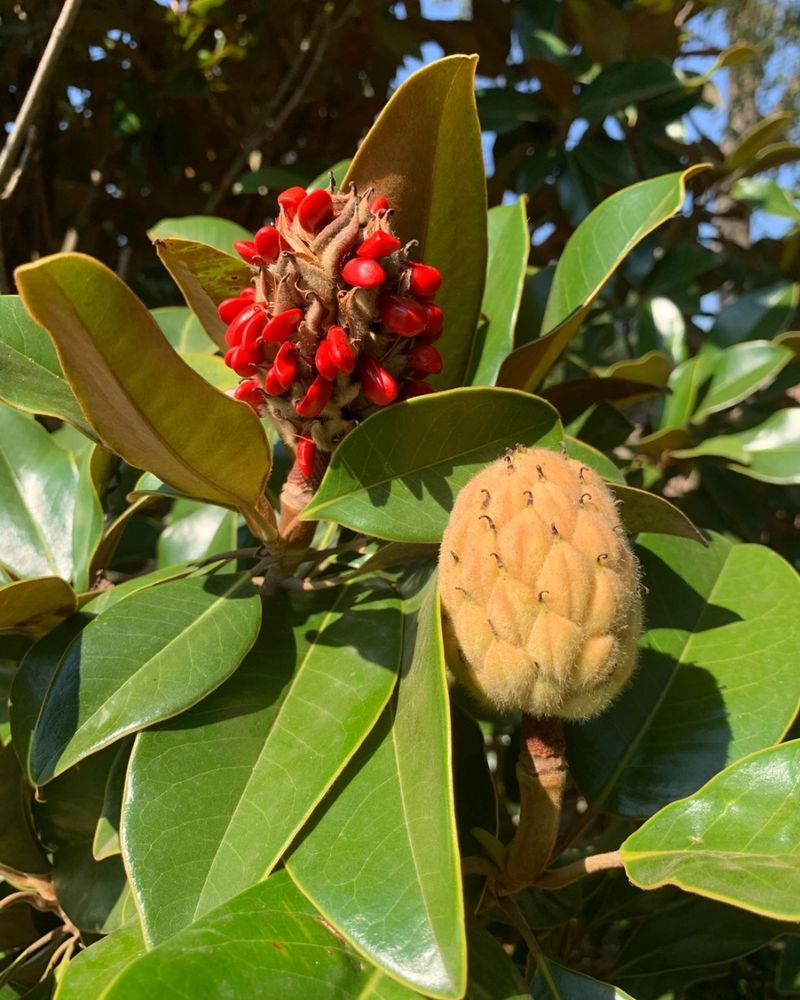
A tree loaded with cones is telling you a proud story. Heavy seed production usually means your magnolia has reached a grown-up stage of life.
Young magnolias often bloom first before they ever make many seeds. A small tree might show off flowers for a few seasons while it builds up strength.
Once the tree matures, it shifts more energy toward making seeds. That is when you start seeing those cones crack open and spill red seeds each fall.
So a big crop of pods is actually a milestone worth noticing. It shows your tree has settled in, grown strong roots, and reached the point where it can create new life.
The exact age varies by type and growing conditions. Some magnolias take several years to hit this stage, while others get there a bit sooner with good care.
Sunlight, water, and healthy soil all play a role in how quickly a tree matures. A well-cared-for magnolia rewards you with steady growth and reliable seed years.
If your tree just started producing lots of pods, take it as a compliment to your gardening. You gave it what it needed to reach this happy point.
North Carolina’s warm climate and rich soil often help magnolias thrive and mature nicely over time. The state suits them well.
So the next time those cones show up in bunches, tip your hat to your tree. It grew up right in front of you, and now it is ready to pass its seeds along to the world.
10. The Tree Is Providing More Than Beauty
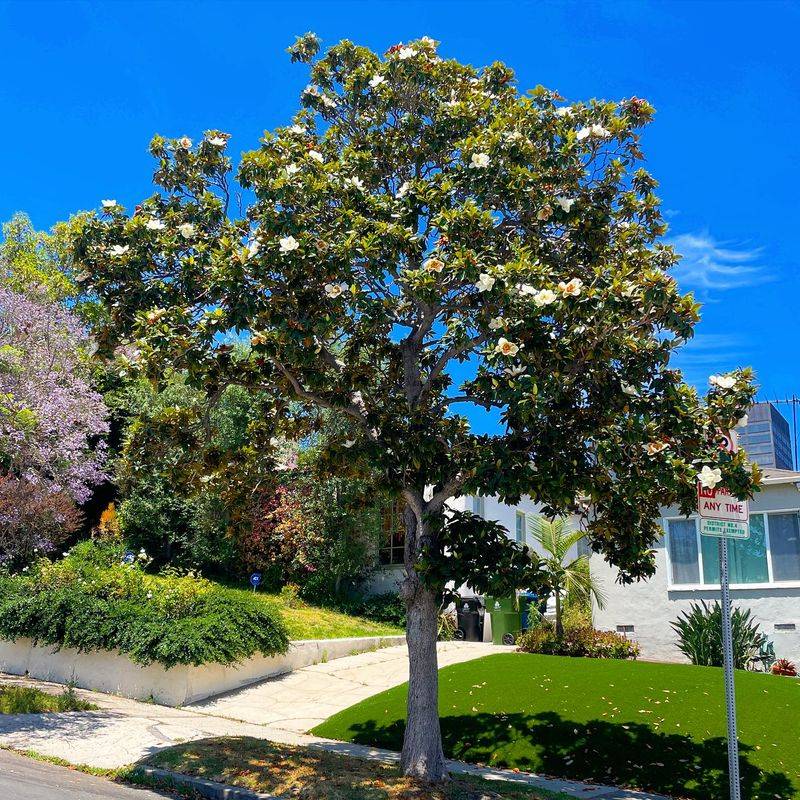
Magnolias get plenty of praise for their showy flowers, but they offer so much more than looks. These trees work hard for your yard all year long.
Their thick, glossy leaves create cool shade in summer and stay green through the colder months. That steady canopy gives your outdoor space structure and a sense of shelter.
Birds and small creatures rely on magnolias for more than just seeds. The branches provide safe spots to perch, nest, and hide from bad weather or predators.
When the red seeds arrive in fall, the tree becomes a food source too. This helps wildlife stock up and keeps your yard buzzing with activity.
Even the fallen leaves and pods play a part. As they break down, they feed the soil and support tiny living things that keep the ground healthy.
A large magnolia can also help with things like blocking wind and giving your home a bit of privacy. Its size and strength add real value to a property.
Season after season, the tree keeps giving without asking for much in return. A little care goes a long way with these dependable plants.
In North Carolina, magnolias have become a beloved part of the landscape for good reason. They mix beauty with usefulness in a way few trees can match.
So when you look at those red seed pods this September, see the bigger picture. Your magnolia is a generous, hardworking part of your yard that supports beauty, wildlife, and comfort all at once.