The Ornamental Tree Tennessee Homeowners Are Being Urged To Rethink
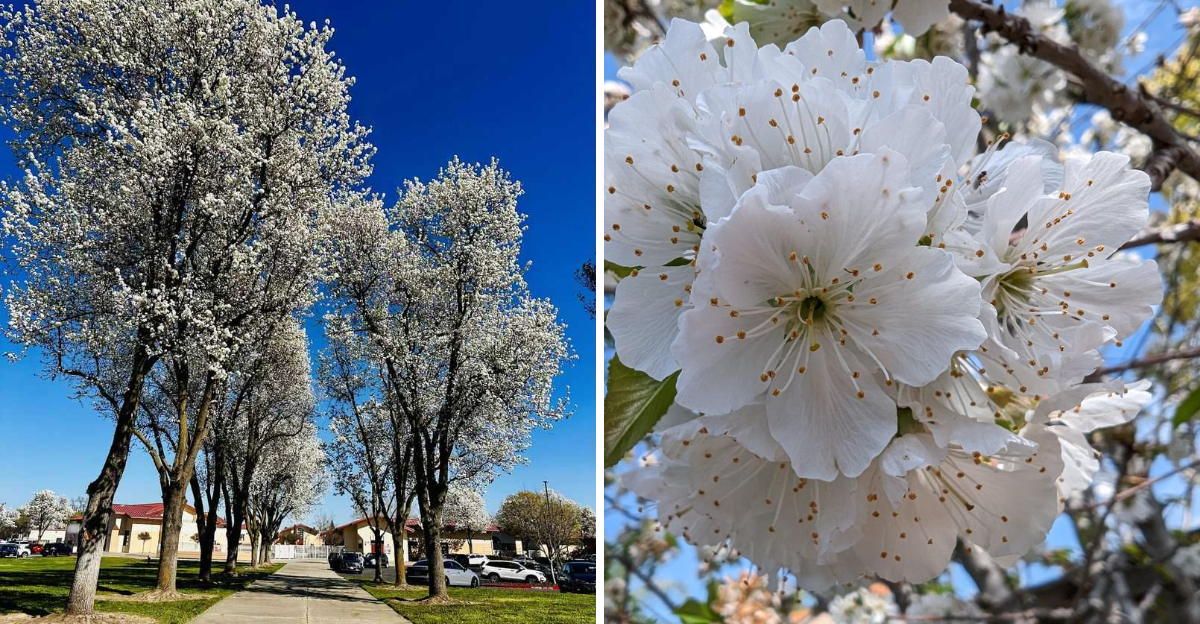
A quiet debate is spreading across Tennessee before most residents notice anything. A familiar white bloom outside your window might already be singled out.
Homeowners across Tennessee planted this tree without asking real questions. Nurseries promised you easy beauty and effortless growth for decades.
Experts now say that promise hid a serious problem. Cross pollination pushed this species into forests near you.
Dense thickets formed quickly, pushing out plants you once loved. Birds and insects near you lost space as numbers grew.
Advocates stopped issuing warnings and started pushing lawmakers toward action. Some states now reward homeowners for replacing theirs with something new.
Neighbors are already making changes before rules require it. Your own yard might already hold part of this mystery.
Knowing the full story changes how you view your choices. The full picture is closer than you’d expect, and easier to see once you know where to look. What comes next could quietly reshape everything you thought you knew.
Why Bradford Pear Became Tennessee’s Go-To Ornamental
Back in the 1960s, nurseries were searching for the perfect yard tree. Bradford Pear checked every box on their wishlist.
The tree grew fast, stayed neat, and burst into white blossoms every spring. Homeowners across the South fell hard for its clean look.
Nurseries pushed it aggressively because it sold easily. No other ornamental moved off shelves quite like this one did.
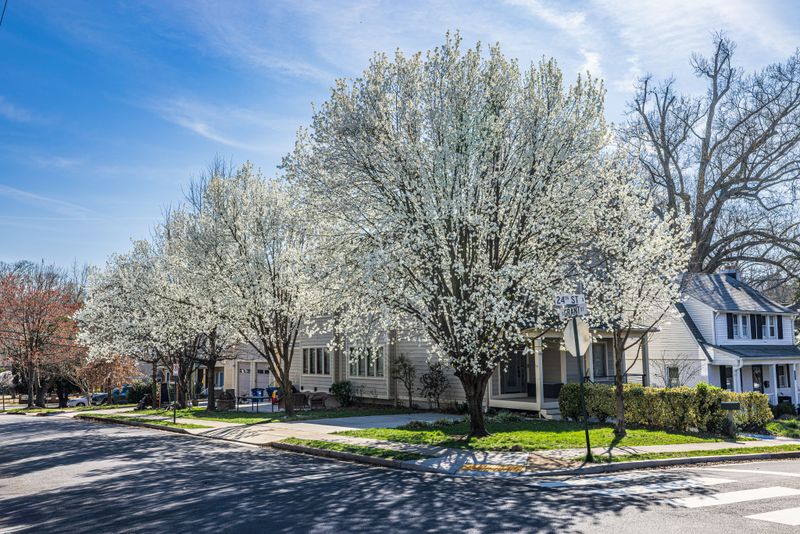
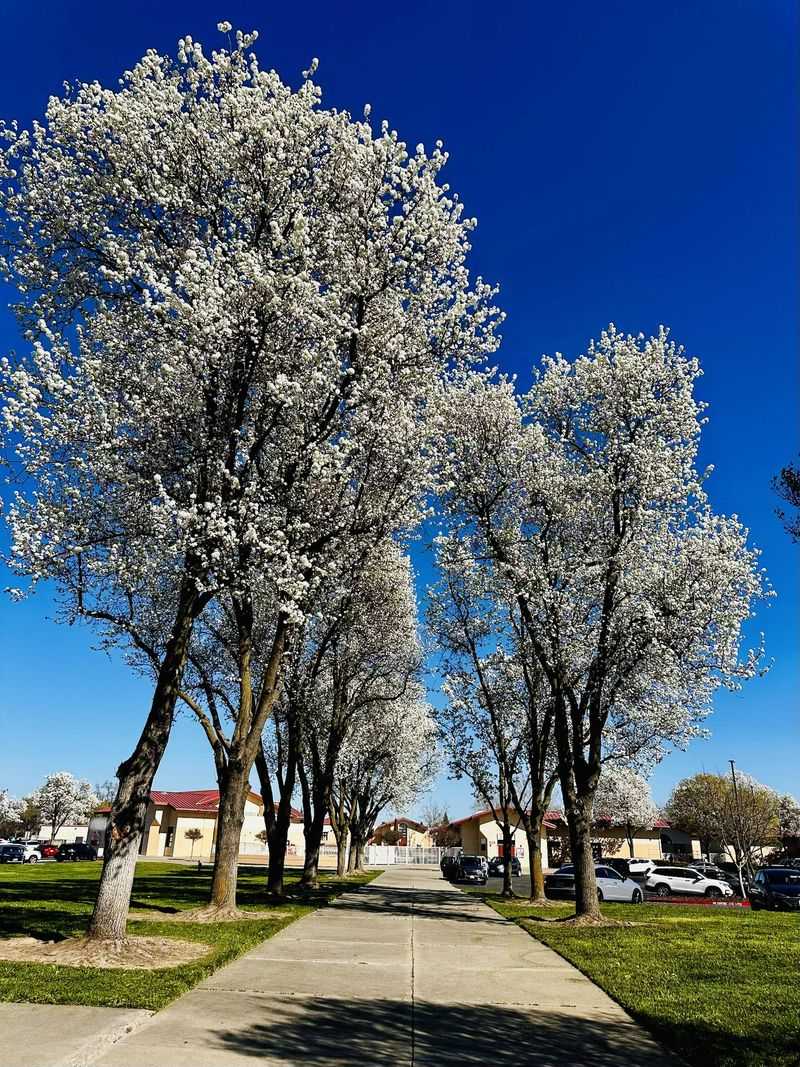
By the 1980s, Bradford Pear lined streets in nearly every Tennessee suburb. City planners loved it for its tidy shape and seasonal color.
The tree thrived in almost any soil type without much fuss. It tolerated drought, heat, and poor conditions better than most competing ornamentals.
Landscapers recommended it constantly, and developers planted rows of them around new housing developments. The Bradford Pear became a symbol of neat, affordable curb appeal.
Schools planted them. Churches planted them. Shopping centers used them as dividers in parking lots across the state.
For decades, nobody questioned whether this popular tree had a darker side. The white blooms looked innocent enough each March.
Scientists, however, were starting to notice something troubling happening just beyond those tidy suburban borders. The Bradford Pear was not staying where people planted it.
What made it so easy to grow also made it dangerously easy to spread. This tree’s popularity was quietly building a problem nobody wanted to face.
How The Tree Spreads Into Wild Landscapes
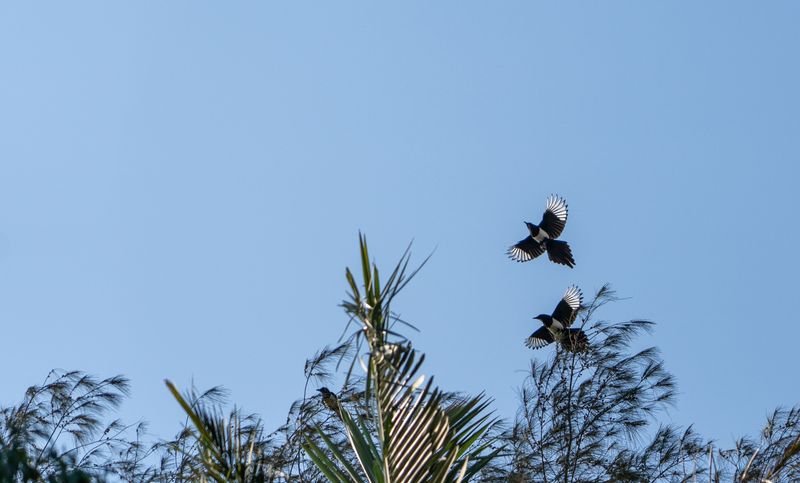
Birds are the main reason Bradford Pear has become such a stubborn problem. They eat the small fruits and fly off into wild areas.
The seeds pass through their digestive systems and land far from any yard. Those seeds sprout fast and grow aggressively in open fields.
Bradford Pear was originally bred as a sterile hybrid, so early versions could not reproduce. But nearby Callery Pear varieties cross-pollinated with Bradford trees over time.
That cross-pollination produced fertile seeds that birds spread freely. Now wild Callery Pear thickets appear along roadsides, forest edges, and abandoned fields statewide.
Your Tennessee Garden Changes Every Week. Your Plan Should Too.
Gardening in Tennessee changes quickly throughout the season. Every Friday you’ll receive a simple weekly plan showing exactly what to plant, prune, fertilize, harvest, and protect so you never miss the right timing.
The offspring grow thorny and dense, forming impenetrable hedgerows. Native wildlife cannot easily move through these sharp, tangled clusters.
Wild Bradford Pear offspring leaf out earlier than native species each spring. That early start lets them shade out slower-growing native plants before those plants even wake up.
A single mature tree can produce a large volume of small fruits in one season. Multiply that across thousands of suburban trees and you have a seed source running nonstop.
Roadsides throughout Middle Tennessee now show long ribbons of white blooms in early spring. Most drivers assume those are native flowering trees, but many are wild Callery Pear invaders.
Wildlife officials say the spread is increasing each year. Without intervention, open meadows and forest borders could see significant long-term changes.
The tree does not need much help to move into new territory. Birds and gravity do all the work for free.
Damage Caused To Native Plants And Wildlife
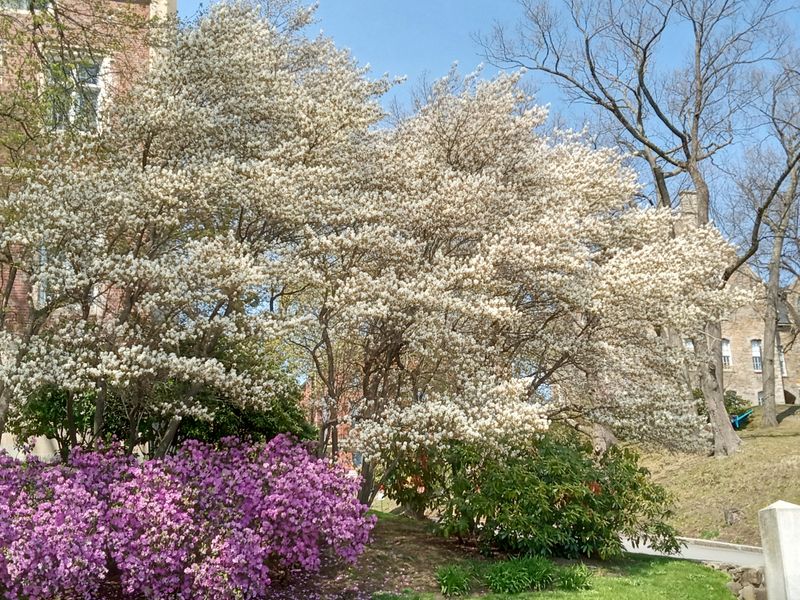
When Bradford Pear offspring take over a meadow, native wildflowers disappear first. Those flowers feed bees, butterflies, and dozens of native insect species.
Without native blooms, pollinators lose critical food sources during key parts of the season. That loss ripples outward through the entire local food web.
Native shrubs like serviceberry and wild plum get shaded out quickly. Those shrubs produce berries that songbirds depend on during fall migration.
Bradford Pear berries, by contrast, offer poor nutritional value for most wildlife. Birds eat them mostly because better options are no longer available nearby.
Ground-nesting birds struggle when dense thorny thickets replace open grassy fields. Species like meadowlarks and bobwhite quail need open ground to raise young successfully.
The thorny offspring also block deer and turkey movement through natural corridors. Hunters and wildlife watchers in rural areas have noticed these changes already.
Ecologists point out that Bradford Pear does not support native insects the way oaks or cherries do. A mature oak can support over five hundred insect species, while Bradford Pear supports almost none.
Fewer insects mean fewer nesting songbirds, since most baby birds need insects to grow. The ecological chain breaks down quietly but steadily over years.
Soil conditions may also shift beneath dense Callery Pear stands, based on early research. Altered soil could discourage native seed germination even after the invasive trees are removed.
The damage is not just visual or aesthetic. It runs deep into the biological systems that keep Tennessee landscapes healthy and productive.
Where Things Stand On Tennessee’s Possible Sale Ban
Tennessee lawmakers have not made a final decision yet. Years of field research and ecological surveys have built a strong case against Bradford Pear.
The Tennessee Invasive Plant Council lists Callery Pear, the parent species of Bradford Pear, as an established invasive threat after repeated documented harm. Nursery sales bans in neighboring states have added pressure on Tennessee lawmakers to consider similar action.
Ohio’s Callery Pear ban, first passed in 2018, took full effect in 2023 after a five-year phase-in period. Pennsylvania had already begun its own phase-out plan in 2021, ahead of Ohio’s ban taking effect.
Some Tennessee lawmakers and researchers have studied those programs closely. Advocates argue that voluntary removal alone has not been effective enough.
A formal sales ban, if passed, would prevent new trees from entering the landscape going forward. Supporters say stopping new plantings would be the first step before tackling established trees.
If a ban follows the pattern seen in other states, nurseries would likely be given advance notice to sell existing stock and transition to approved alternatives, giving businesses time to adjust without sudden financial harm.
Conservation groups have lobbied for stronger action, presenting photo evidence of affected meadows. Those images have made an impression on some state legislators.
Advocates also point to the cost of manual removal from state lands. Clearing invasive Callery Pear from parks and preserves already costs significant public money each year.
Supporters argue a ban would reduce future removal costs by stopping the source, since preventing new growth is far cheaper than fighting established invasions for decades ahead.
A future ban would reflect a broader shift in how Tennessee manages its natural landscapes, one where protecting native ecosystems takes priority over ornamental convenience.
Signs Your Property Has Bradford Pear Growth
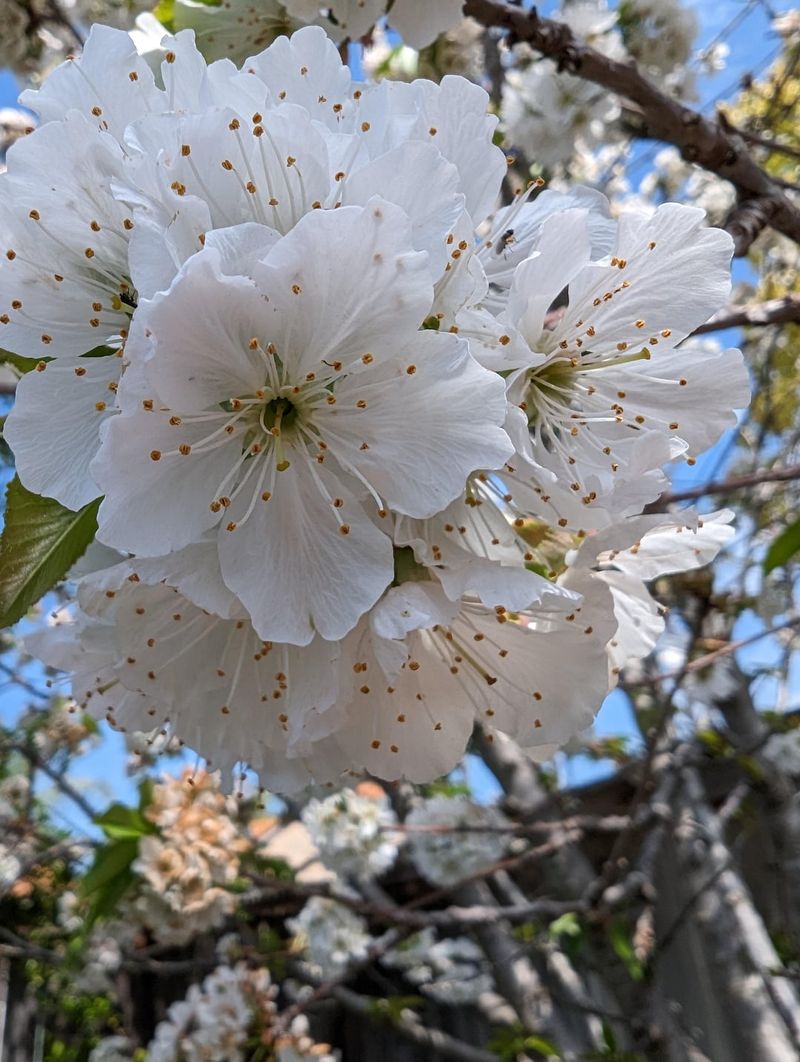
Spotting Bradford Pear on your property is easier than most people expect. The tree gives away several clear clues across different seasons.
In early spring, look for clusters of white five-petaled blooms appearing before most other trees leaf out. The blossoms have a distinct unpleasant odor often compared to fish or rotting material.
That smell is one of the easiest ways to identify the tree quickly. If your yard smells odd during bloom season, look up and around.
During summer, the leaves are glossy, oval-shaped, and dark green with wavy edges. They turn deep red or purple in fall, which many people still find attractive.
Wild offspring growing along fence lines or field edges often look scruffier than planted yard trees. They also tend to develop sharp thorns, unlike the original cultivated Bradford variety.
Check fence rows, woodland edges, and areas where birds frequently perch or roost. Those spots are prime locations for seed drop and new sprouting.
Young saplings can be confused with native cherry or serviceberry at first glance. Look for the glossy leaf surface and thorns as distinguishing features on wild plants.
Small round fruits, roughly the size of a pea, appear in late summer and persist into winter. Clusters of those tiny brown fruits are a reliable identification marker.
If you find wild growth on your land, removal is recommended before the plants mature. Young saplings pull out by hand much more easily than established root systems do.
Native Trees To Plant As Replacements
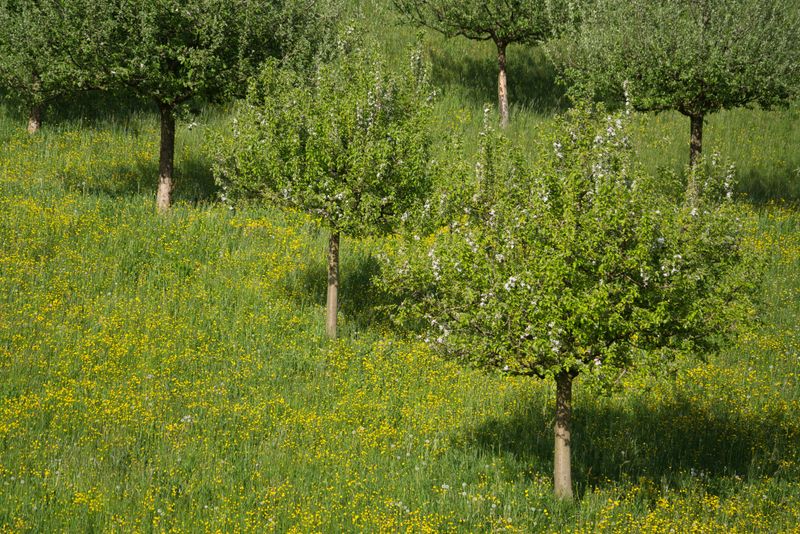
Pulling out Bradford Pear feels like a loss at first, but the replacement options are genuinely exciting. Native trees offer beauty plus real ecological value.
Eastern Redbud is one of the top choices recommended by Tennessee conservation groups. Its rosy-pink spring blooms appear at roughly the same time as Bradford Pear blossoms.
Redbud grows to a manageable size and supports native bees heavily during early spring. It also develops attractive heart-shaped leaves that provide solid summer shade.
Serviceberry, also called Juneberry, is another excellent swap for homeowners who want spring color. Its white blossoms arrive early, and its summer berries attract dozens of bird species.
Native flowering dogwood brings layered beauty with spring blooms, summer berries, and brilliant fall foliage. Birds and pollinators both benefit enormously from mature dogwood trees.
American Plum is a lesser-known but outstanding native choice for open yards. Its fragrant white spring flowers feed early pollinators, and its fruit feeds foxes, deer, and songbirds.
Fringe Tree, sometimes called Old Man’s Beard, produces spectacular white flower clusters in late spring. It grows slowly but rewards patience with a truly unique ornamental display.
Pawpaw trees suit shadier spots and produce edible tropical-flavored fruits in fall. They also serve as the only host plant for Zebra Swallowtail butterfly caterpillars in the region.
Replacing invasive Bradford Pear with any of these natives strengthens local ecosystems immediately. Every native tree planted is a direct investment in Tennessee’s long-term wildlife health.