The One Thing Michigan Viburnum Needs Before September Ends
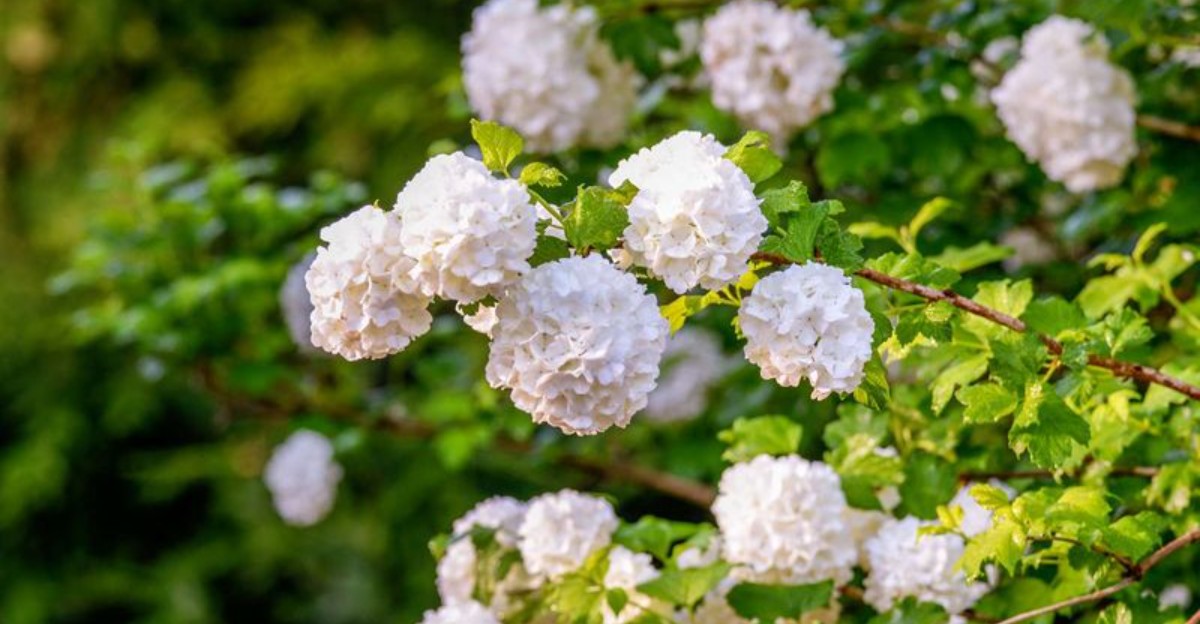
Viburnum has been a reliable performer in Michigan landscapes all season, but as September winds down, this shrub has one particular need that plays a real role in how well it transitions into winter.
Because viburnum is shifting its energy away from active growth and toward preparing for dormancy, its care requirements change in ways that are easy to overlook if the summer routine simply continues.
Skipping this step now can leave the shrub more vulnerable to winter stress, even if it looked completely healthy just weeks earlier.
Since viburnum is slow to recover once damage sets in, addressing this need before the month ends carries real weight. A little attention now can make a noticeable difference in how full and healthy viburnum looks again come spring.
1. Give Deep Water Before Winter
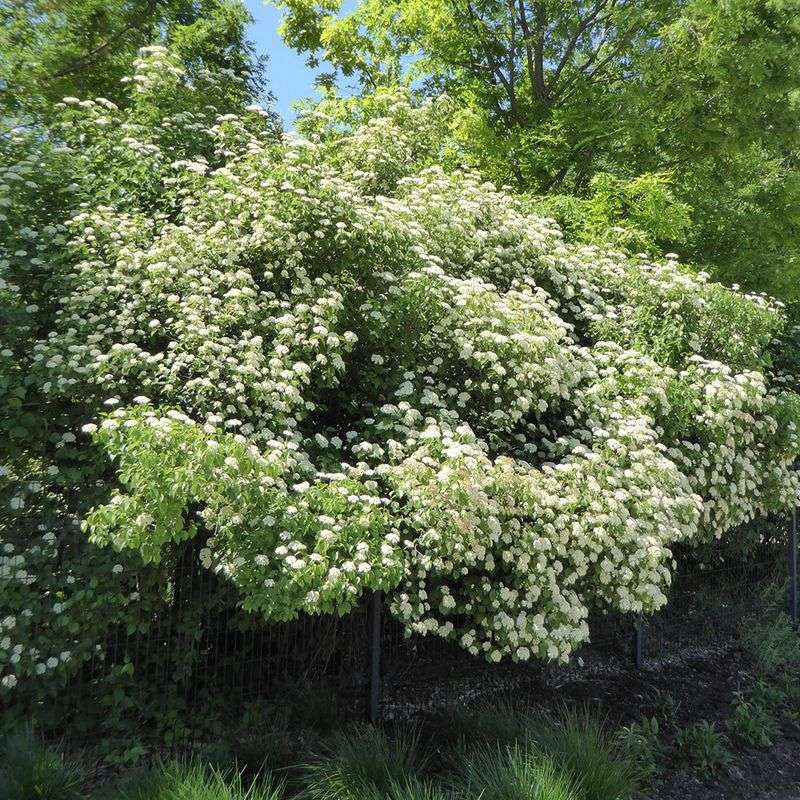
Fall in Michigan often turns dry, and that can catch gardeners off guard. Viburnums may look fine on the surface, but their roots can quietly grow thirsty as the weather cools.
Water is the one thing your shrub craves most right now. A slow, deep soaking helps moisture reach far below the surface where the roots really need it.
Instead of a quick splash, let your hose run gently at the base for a while so the water sinks deep into the ground.
Roots that go into the cold season well hydrated handle stress much better. Frozen soil can limit a plant’s ability to take up water, and dry winter conditions can increase stress before spring.
A well watered shrub stores up what it needs to hold steady through those chilly months. Aim to water every week or so when rain is scarce, especially through late September.
Check the soil with your fingers, and if it feels dry a couple inches down, it is time to add more.
Morning is the best time to water because the plant can soak it up before the evening chill arrives. Try to water the roots rather than the leaves, since wet leaves overnight can invite trouble.
Once the ground starts to freeze, you can stop. By then your viburnum will be tucked in with plenty of moisture stored away. This simple step sets the stage for a shrub that wakes up happy, healthy, and ready to bloom.
2. Avoid Fall Pruning Mistakes
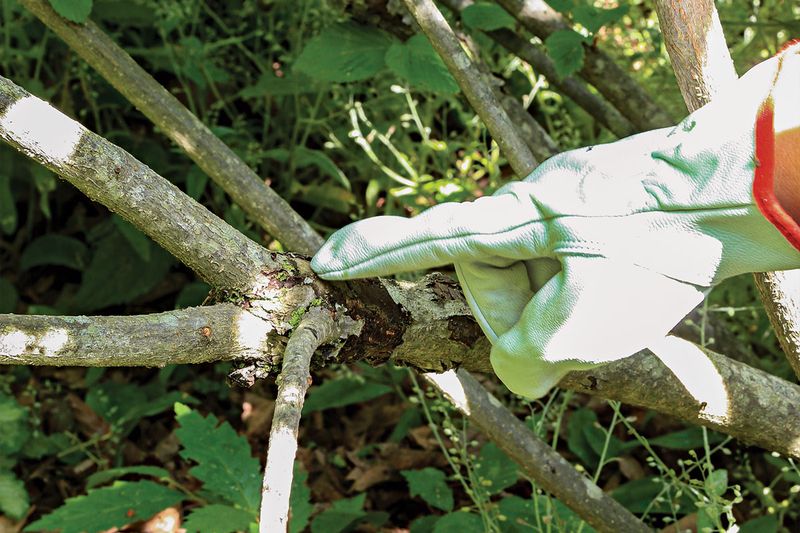
It feels tempting to grab the shears in September and tidy things up. Fresh cuts make a shrub look neat, but with viburnums this can cost you next year’s flowers.
Many viburnum types form their flower buds on older wood during late summer and fall. Those tiny buds are already tucked along the branches, waiting for spring.
If you trim heavily now, you snip away the very buds that would have opened into beautiful blooms.
A shrub that loses its buds may still grow leaves, but the flower show will be thin or missing entirely. That is a disappointing surprise after a long winter of waiting.
Timing matters more than you might guess. For most flowering viburnums, the best moment to prune comes right after they finish blooming in spring or early summer. That way you shape the plant without harming the buds forming for the next round.
Your Michigan Garden Changes Every Week. Your Plan Should Too.
Gardening in Michigan changes quickly throughout the season. Every Friday you’ll receive a simple weekly plan showing exactly what to plant, prune, fertilize, harvest, and protect so you never miss the right timing.
Before you cut anything, learn which viburnum you have. Some bloom on new growth, but many favorites set buds early, so knowing your variety saves you from a costly slip.
If your shrub looks a bit wild, resist the urge to fix it now. A slightly shaggy plant through winter is far better than a bare one come spring.
Patience truly pays off here. By holding back your shears until the right season, you reward yourself with a fuller, brighter display of flowers that make all that waiting worthwhile.
3. Protect The Root Zone With Mulch
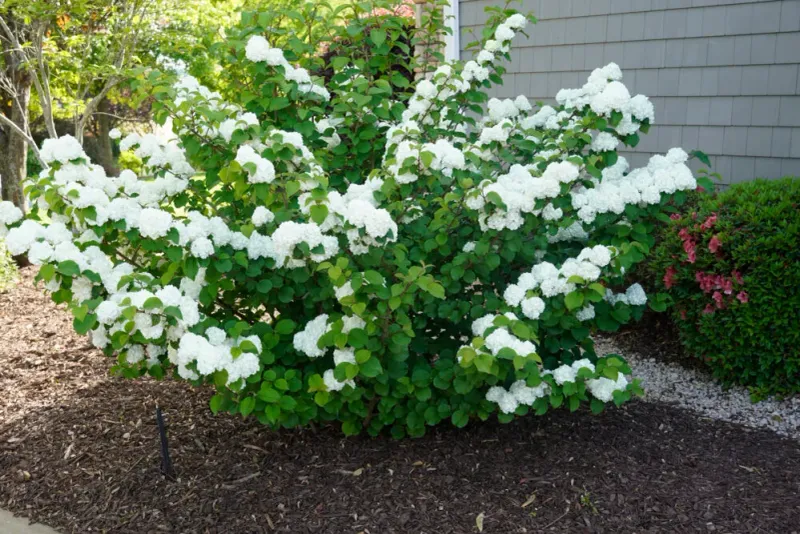
Mulch works like a cozy blanket for your shrub, and fall is the perfect time to spread it. A few inches of organic material around the base does more than look tidy.
Moisture stays locked in the soil when mulch covers the ground. That means the deep watering you gave your viburnum sticks around longer instead of drying out in the fall breeze.
Temperature swings are another challenge during Michigan winters. Mulch helps steady the soil, keeping roots from freezing and thawing over and over. That gentle cushion protects the tender roots hiding just below the surface.
Shredded bark, wood chips, or leaf mulch all do the job well. Spread a layer about two to three inches thick in a wide circle around the plant so the whole root zone stays covered.
Here is the key part many people miss. Keep the mulch a few inches away from the stems themselves. Piling it right against the trunk traps moisture there and can invite rot or pests.
Think of it like a donut shape rather than a volcano. The open space around the base lets the stems breathe while the roots stay snug.
Refresh the mulch if it has thinned out over the summer. A fresh layer now gives your shrub steady protection all winter long.
This small chore takes only a few minutes but pays back big. Your viburnum will thank you with strong roots and a lively start when warmer days return.
4. Check For Stress After Summer Heat
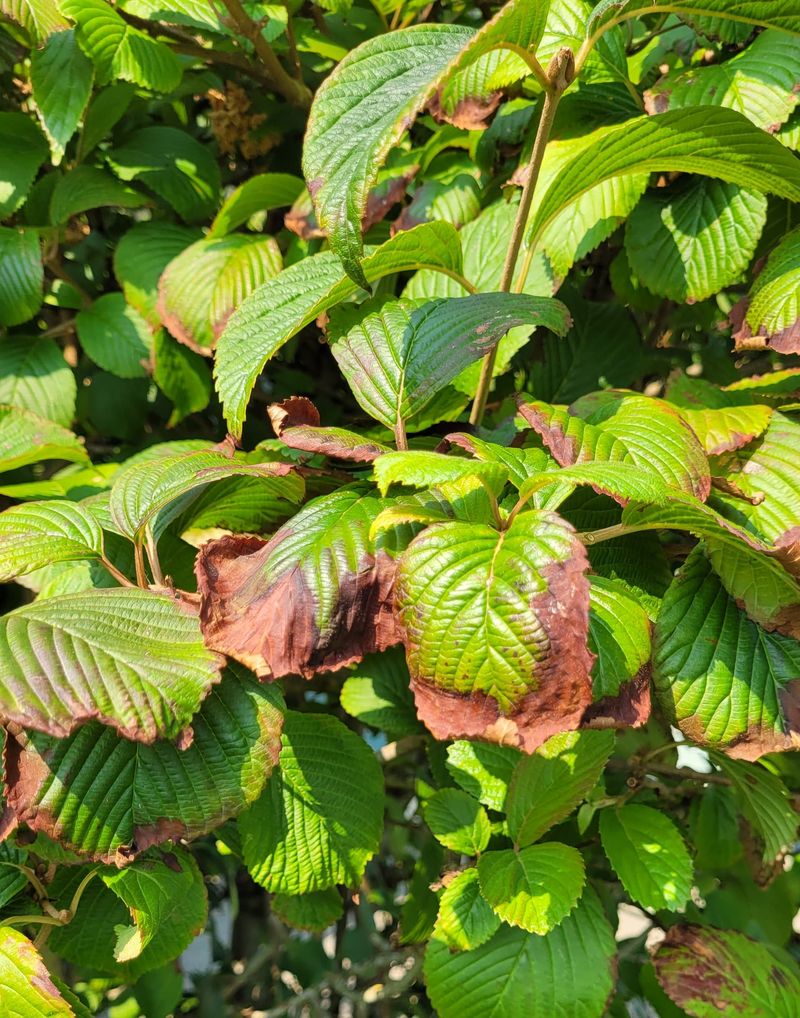
Summer can be tough on shrubs, and by September the effects start to show. Long stretches of heat, dry spells, and uneven watering all leave marks on a viburnum.
Take a slow walk around your plant and really look at it. Wilting leaves, browned edges, or thin patches can all point to a shrub that struggled through the warm months.
September gives you a valuable window to check things over. Spotting trouble now means you can help your viburnum recover before the cold arrives, rather than finding weak plants next spring.
Feel the soil and notice how it drains. Ground that stayed bone dry all summer may have left roots parched, while soggy spots could signal poor drainage that stressed the plant in other ways.
Look at the overall shape and color too. A healthy viburnum has firm stems and steady leaves, so anything droopy or dull is worth a closer look.
If your shrub seems tired, gentle care makes a difference. Deep watering, a fresh layer of mulch, and a little patience often bring a stressed plant back to strength.
Avoid the urge to fix everything at once with heavy feeding or trimming. A weakened shrub needs rest and steady support, not a big shock.
Think of this check as a friendly wellness visit for your garden. By noticing how your viburnum handled the summer, you set it up to enter winter in the best shape possible and rebound with energy.
5. Remove Only Dry Or Damaged Branches
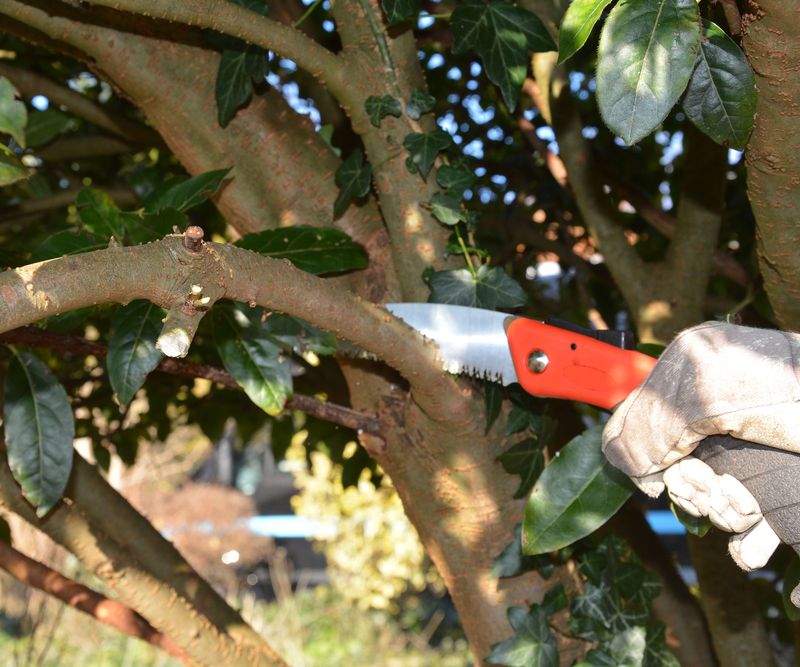
There is a big difference between cleaning up and reshaping a shrub. In September, your goal should be tidying, not giving your viburnum a full haircut.
Broken, damaged, or diseased branches can go anytime, and fall is a fine moment to clear them out. Removing these keeps trouble from spreading and helps the plant focus its energy where it counts.
Look for stems that feel brittle, snapped, or show signs of illness. Those are the ones to trim away, since they no longer help the shrub and may invite pests or disease.
Healthy branches, though, deserve to stay put. Even if a good limb looks a little out of place, cutting it now could remove flower buds waiting for spring.
Use clean, sharp tools when you trim. Wiping the blades between cuts helps stop any disease from moving to healthy parts of the plant.
Make your cuts close to a healthy junction rather than leaving long stubs. Neat cuts heal faster and keep the shrub looking cared for.
Save the bigger shaping work for the proper pruning season, which for most viburnums comes after they bloom. That timing protects your flowers while still letting you guide the plant’s form.
Think of this as light housekeeping rather than a makeover. By clearing only the parts that no longer serve your shrub, you keep it strong and ready.
A little careful trimming now goes a long way toward a healthy, thriving viburnum next year.
6. Avoid Heavy Late Fertilizer
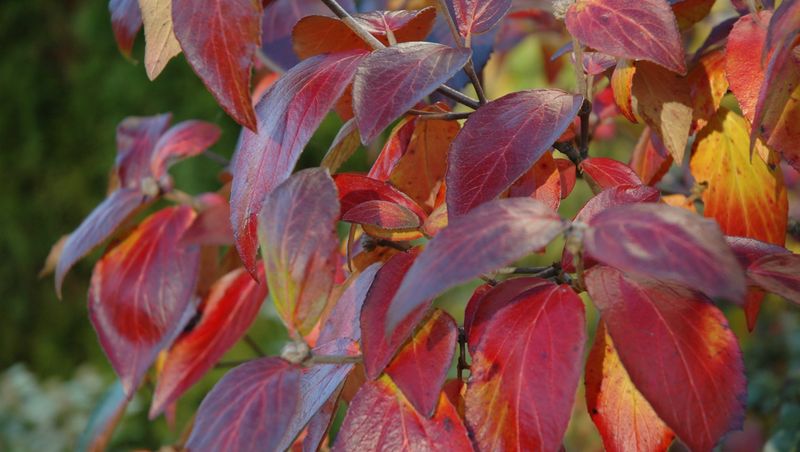
Feeding your shrub might feel like a kind gesture, but September is the wrong time for a big meal. Established viburnums rarely need a strong dose of fertilizer this late in the year.
Nitrogen, the nutrient that pushes leafy growth, can cause real problems in fall. It tells the plant to sprout tender new shoots right when it should be slowing down and settling in for winter.
Fresh growth is soft and delicate. When the cold hits, those new shoots cannot handle the chill and often get damaged, leaving your shrub weaker than before.
A viburnum in fall wants to shift its focus to the roots, not the tips. Heavy feeding disrupts that natural rhythm and can leave the plant confused about the season.
If your soil is truly lacking, a soil test can tell you what it needs. In most cases, though, a healthy established shrub does just fine without extra feeding this time of year.
Save your fertilizer for spring, when new growth is welcome and the plant is ready to use it. That timing gives your viburnum a real boost when it can handle it.
Compost or a thin layer of organic matter is a gentler choice if you want to enrich the soil now. It feeds slowly and works with the plant’s natural pace.
Holding off on heavy feeding is one of the kindest things you can do. Your shrub will rest well and wake up strong.
7. Watch For Pests And Disease Signs
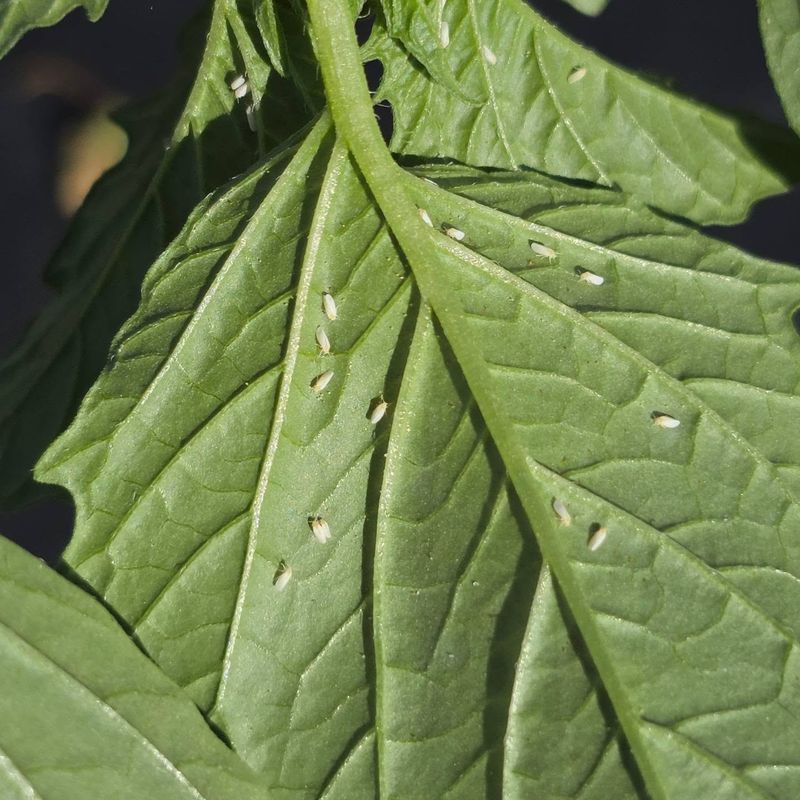
Bugs and disease do not always announce themselves loudly. Often the first clues show up quietly on the leaves and stems, so a careful look now can save you headaches later.
Flip a few leaves over and check both sides. Chewed edges, small holes, sticky spots, or odd discoloration all hint that something might be bothering your viburnum.
The viburnum leaf beetle is a well known troublemaker in Michigan. Its larvae munch holes in leaves during the growing season, and spotting damage early helps you plan your next move.
Disease can leave marks too. Powdery white patches, dark spots, or wilting sections may signal fungal issues that thrive in damp conditions.
Fall is a smart time to deal with these problems before winter sets in. Clearing away fallen leaves that carry disease keeps trouble from lingering near your plant through the cold months.
Removing affected foliage and cleaning up debris around the base cuts down on hiding spots for pests. A tidy area gives fewer places for problems to overwinter.
If you spot serious pest activity, a little research on your specific issue helps you choose the right, gentle solution. Acting early is always easier than fighting a big outbreak later.
Keep an eye out during your regular garden strolls. Catching small signs before they grow lets you handle them calmly and quickly.
A watchful gardener grows healthier shrubs. By staying alert now, you give your viburnum a cleaner, stronger start next spring.
8. Prepare For Strong Spring Growth
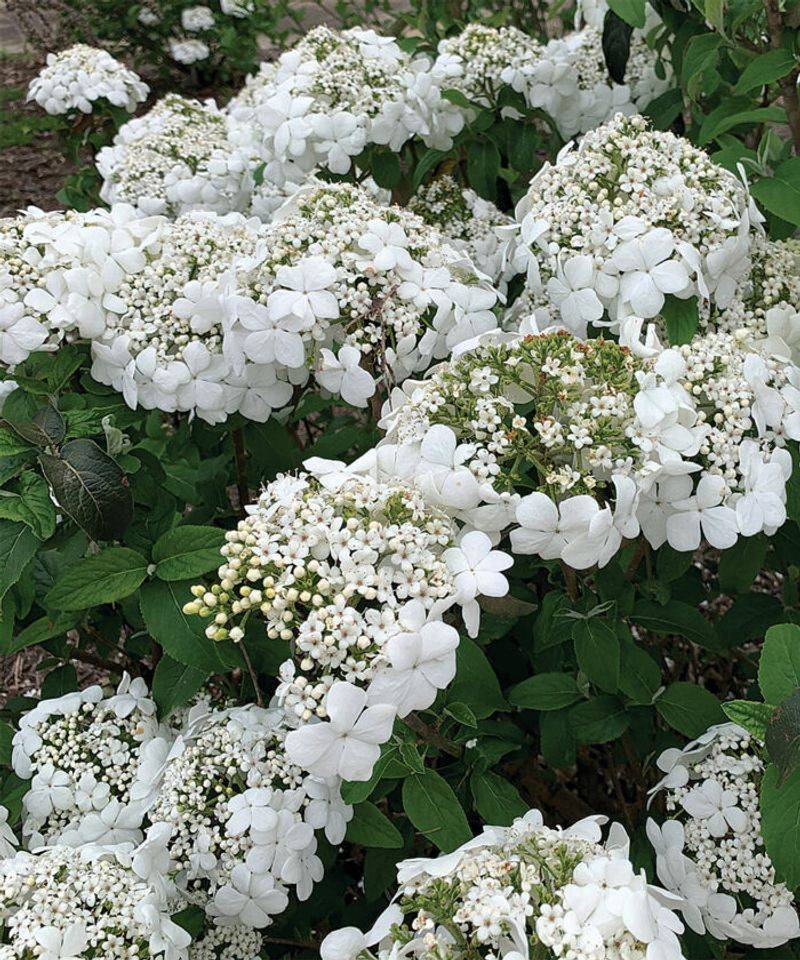
Everything you do this fall builds toward one exciting reward. When spring arrives, a well cared for viburnum bursts back with flowers and fresh leaves that make the whole yard feel alive.
Moisture is the foundation of that success. Roots that soaked up plenty of water before winter have the reserves they need to push out new growth once the weather warms.
Skipping heavy pruning also protects your spring show. Those flower buds you left alone this fall will open into the blooms you have been waiting for all winter.
Healthy soil plays a quiet but powerful role. A steady layer of mulch and rich, well drained ground give roots a comfortable place to rest and recharge through the cold.
Protected roots are strong roots. By shielding the root zone from harsh temperature swings, you keep the heart of the plant safe until it is ready to grow again.
Think of fall care as sending your shrub into winter with a full tank. Deep water, steady mulch, and a calm approach all add up to a plant that rests well.
When the snow melts, your effort shows. A viburnum that entered winter healthy greets spring with energy, color, and vigor that reward every bit of your work.
Little steps now create big results later. By giving your shrub what it needs before September ends, you set the stage for a season full of beauty. Your future self, standing in a blooming garden, will be glad you did.