7 Reasons Your Christmas Cactus Keeps Dropping Buds in Michigan
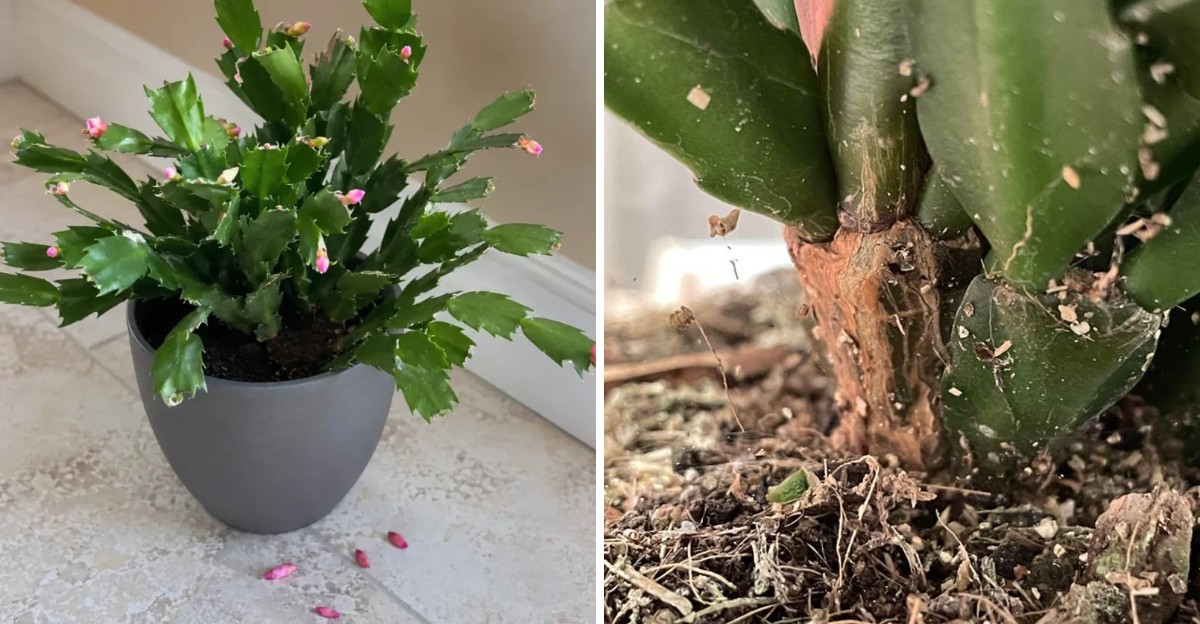
A blooming houseplant from Brazilian rainforests can drop its flower buds just because someone moved it across the room. In the wild, it grows perched on tree branches, soaking up humid air and filtered shade instead of soil.
Now drop that jungle native into a Michigan living room in December, with furnaces humming and windows frosting over. Indoor air in winter can sink well below the 50 percent humidity these tropical plants quietly prefer.
I love this plant, but I have watched mine toss perfectly plump buds onto the windowsill more than once. You may be surprised to discover how tiny the trigger can be, like one cold draft near the door.
Our long, gray winters test this plant in ways its rainforest ancestors could hardly have guessed or handled. So which sneaky habits in your home might be sending those pink buds tumbling to the floor this season?
1. Moving Your Christmas Cactus Once Buds Appear
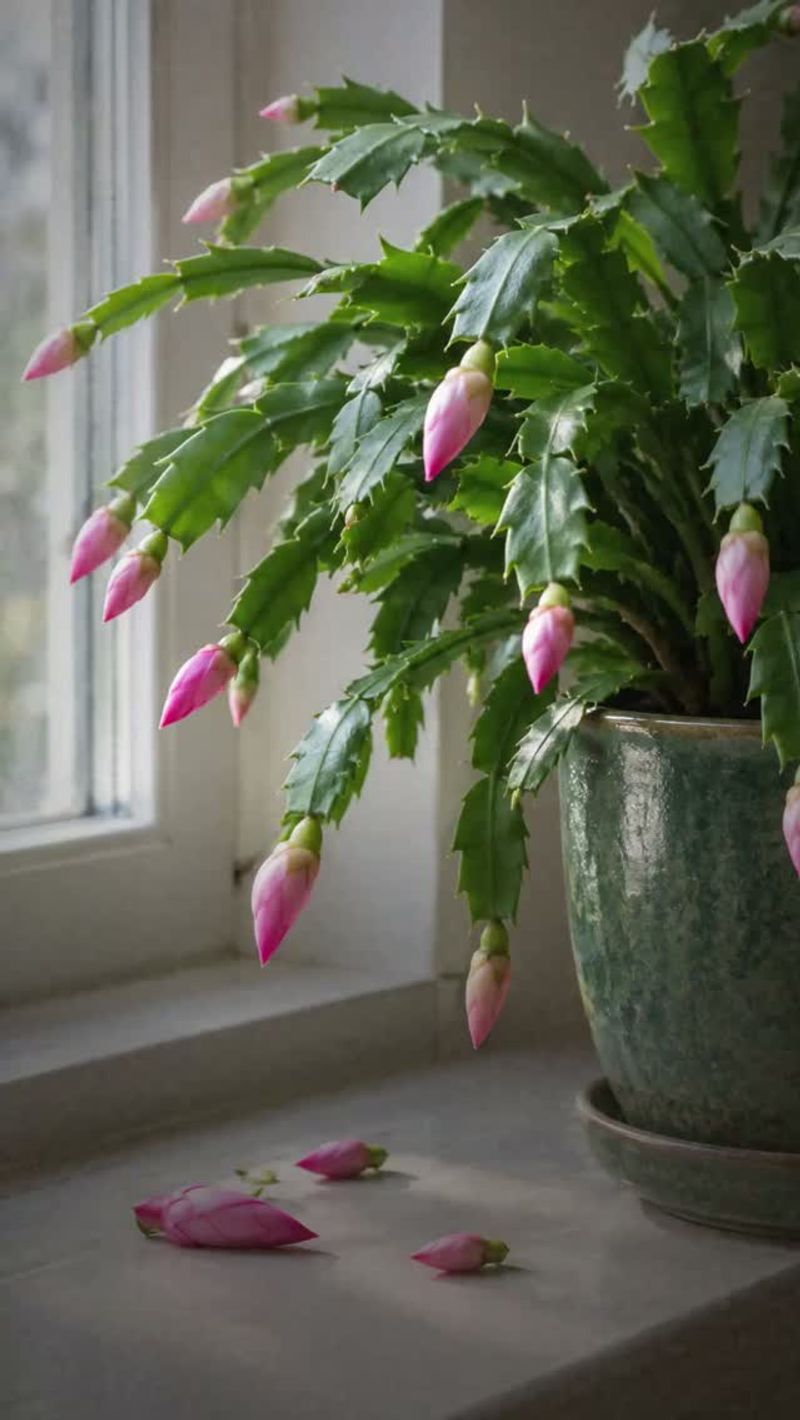
Garden centers grow these plants in steady greenhouse conditions, so the trip to your house is a big shock. I learned this the hard way after showing off a new plant in three different rooms one afternoon.
Christmas cactus buds respond to light coming from one direction, and they slowly angle themselves toward that source. Turn the pot halfway around, and the plant has to readjust, which can lead it to shed buds.
The way I see it, a budded plant is like a sleepy toddler who hates being picked up. Find a good spot early, ideally before buds form, and then let it settle in without fuss.
Bright, indirect light from an east or north window works well for most homes during the cold months. Mark the side of the pot facing the glass with a small sticker so you can return it correctly.
Shoppers in Michigan should ask the store to wrap a new plant before carrying it across a frosty parking lot. Even a short walk in freezing air can chill tender buds enough to make them fall later.
Some bud loss after a move is normal, so try not to panic if a few drop. Healthy plants usually hold on to most of their buds once they adjust to the new spot.
Patience pays off here, because a settled plant can stay in bloom for several weeks with steady care. Leave the watering can handy, but keep your hands off the pot until those flowers finally open.
2. Overwatered Or Thirsty Christmas Cactus Roots
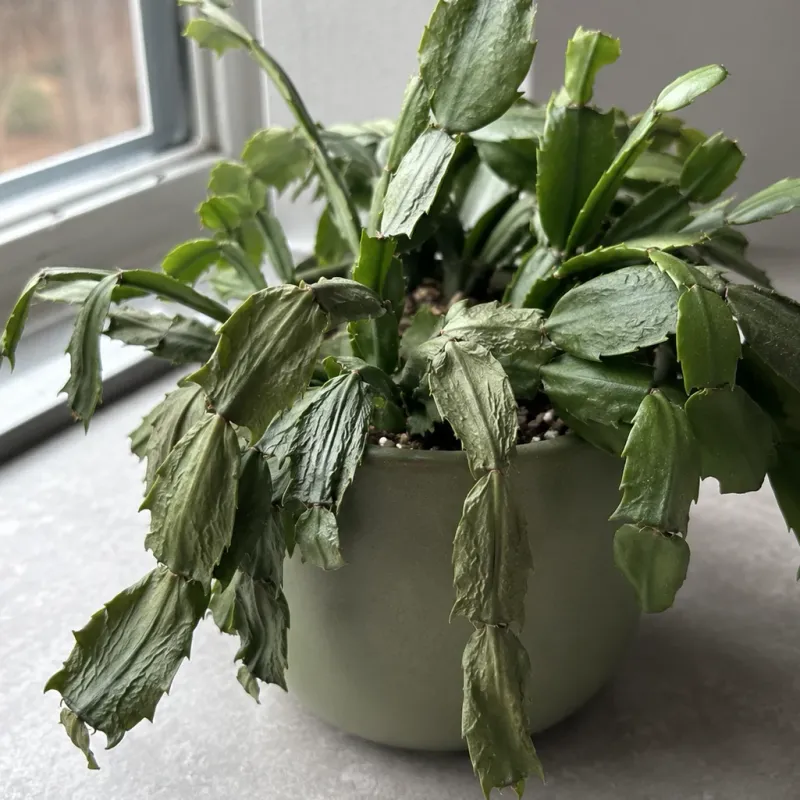
Soggy soil is one of the sneakiest bud thieves, because the leaves can look fine while roots quietly suffer. Roots sitting in wet mix lose access to air, and rot can set in surprisingly fast indoors.
On the flip side, a parched plant decides that survival matters more than flowers and lets buds go. These cacti come from rainforests, so they want more moisture than the desert cactus on your shelf.
My favorite trick is the simple finger test, which costs nothing and works better than any schedule. Push a finger into the soil, and water only when the top inch feels dry to the touch.
Water slowly until it runs out the drainage hole, then empty the saucer after about fifteen minutes. A pot without a hole traps extra water at the bottom, so swap decorative containers for practical ones.
Heated homes in winter dry soil faster than you might expect, especially near radiators or sunny glass. Check the pot every few days during bloom season instead of watering on autopilot every Sunday morning.
Some growers also notice stress from hard tap water, since chlorine and minerals can build up over time. Letting tap water sit out overnight helps it reach room temperature, which roots seem to appreciate.
Mushy stems near the soil line or a sour smell usually point to overwatering rather than thirst. Limp, wrinkled segments that perk up after a drink tell you the plant simply needed water sooner.
3. Cold Window Drafts And Hot Furnace Vents
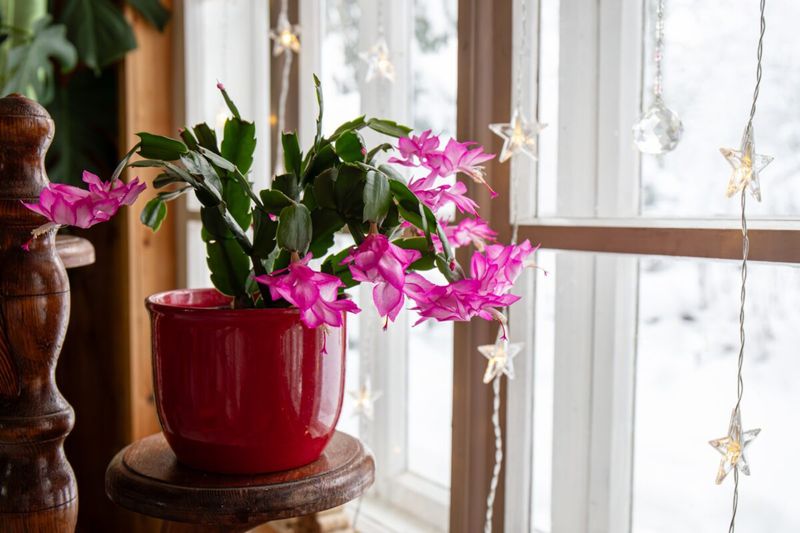
Frost feathers on the glass look lovely, but that same windowpane can chill buds sitting just inches away. During a January cold snap in Michigan, the air beside a window can feel far colder than the room.
Christmas cacti set and hold buds best with days around 60 to 65 degrees and slightly cooler nights. Sudden swings in either direction are what really upset them, more than a steady cool room ever could.
Heat vents create the opposite problem by blasting warm, dry air straight across tender stems and buds. I once parked a plant on a radiator cover, and the buds shriveled within a week or so.
Hold your hand near the plant on a windy evening, and you can often feel the sneaky draft. Moving the pot a foot or two back from the glass usually fixes the problem without losing much light.
Front doors are another trouble spot, since every opening lets in a gust of winter air. Entryway tables look festive with holiday plants, but a quieter corner keeps buds far safer from those blasts.
Summer vacations outdoors are fine for these plants, but bring them inside before nights drop near freezing. A sudden jump from chilly porch to toasty living room can shock a plant that already formed buds.
A cheap digital thermometer near the pot tells you more than guessing, and it fits on any windowsill. Aim for steady readings day after day, and your plant will thank you with a longer show.
4. Dry Winter Air From Indoor Heating
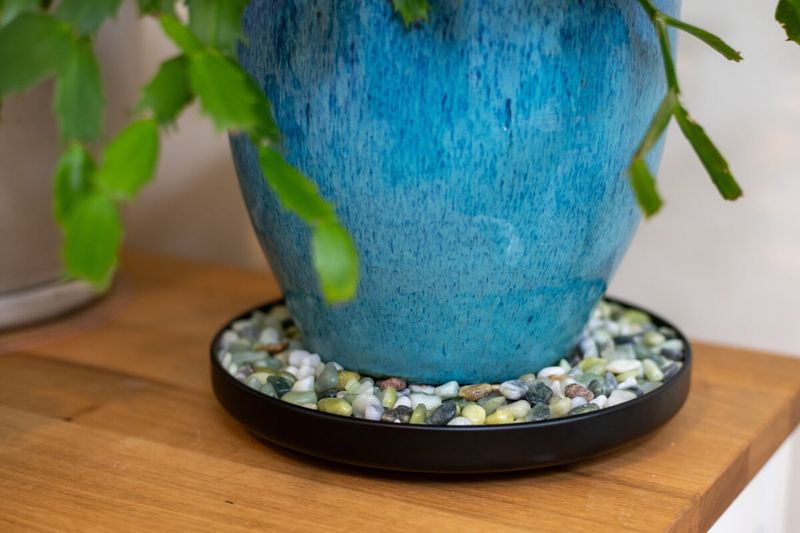
Static shocks from doorknobs are a pretty reliable sign that your indoor air has turned desert dry. Your rainforest plant feels that dryness too, and its buds can shrivel before they ever open.
Holiday cacti prefer humidity around 50 to 60 percent, which is much higher than most heated homes offer. Furnaces running hard through a Michigan winter can push indoor levels down into the twenties or lower.
In my house, a pebble tray became the easiest fix, and it looks nice on a windowsill too. Fill a shallow tray with gravel and water, then set the pot on top so it stays above the water.
Grouping several houseplants together also helps, since leaves release moisture that lingers in the air around them. A small room humidifier works even better, especially if your plant shares space with a forced air vent.
Misting gets mentioned a lot, but the boost fades quickly, so treat it as a bonus rather than a fix. Wet buds sitting in cool, still air can also invite gray mold, so mist lightly in the morning.
Bathrooms and kitchens tend to stay more humid than other rooms, thanks to showers and simmering pots. A bright bathroom with a frosted window can make a surprisingly happy winter home for your plant.
An inexpensive hygrometer shows exactly how dry the air is, so you can stop guessing and start adjusting. Once readings stay near 50 percent, plump buds usually hang on long enough to open fully.
5. Lamp Light Interrupting Long Dark Nights
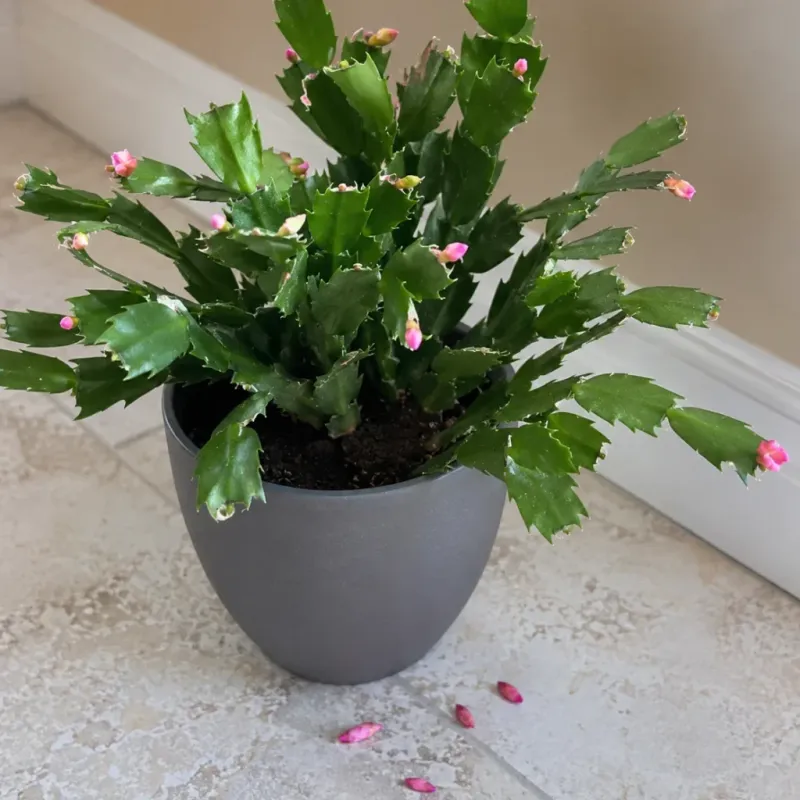
Flipping on a reading lamp for a late snack might be enough to confuse a budding holiday cactus. These plants are short day bloomers, which means long stretches of darkness tell them when to flower.
Most need around 12 to 16 hours of uninterrupted darkness each night for several weeks to set buds. Cool temperatures can also nudge them into blooming, so the two signals often work together in fall.
Living rooms with televisions and overhead lights rarely provide that kind of steady darkness in the evening. A spare bedroom or a quiet guest room that stays dark after sunset often works much better.
Once buds appear, light still matters, but now the plant needs plenty of bright, indirect daytime sun. Short, gray days in Michigan can leave a plant without enough energy to carry every bud to bloom.
I love parking my plant near an east window, where gentle morning light warms it without scorching segments. Harsh afternoon sun through south facing glass can redden stems and stress buds, so filter it with sheer curtains.
Grow lights help on dreary weeks, but set a timer so they shut off well before evening. Leaving them on late at night can scramble the dark signal you worked so hard to give.
Covering the plant with a cardboard box overnight is an old trick some growers swear by each autumn. Just remember to uncover it every morning, because daytime brightness is what fuels those colorful flowers.
6. Too Much Fertilizer During Bloom Time
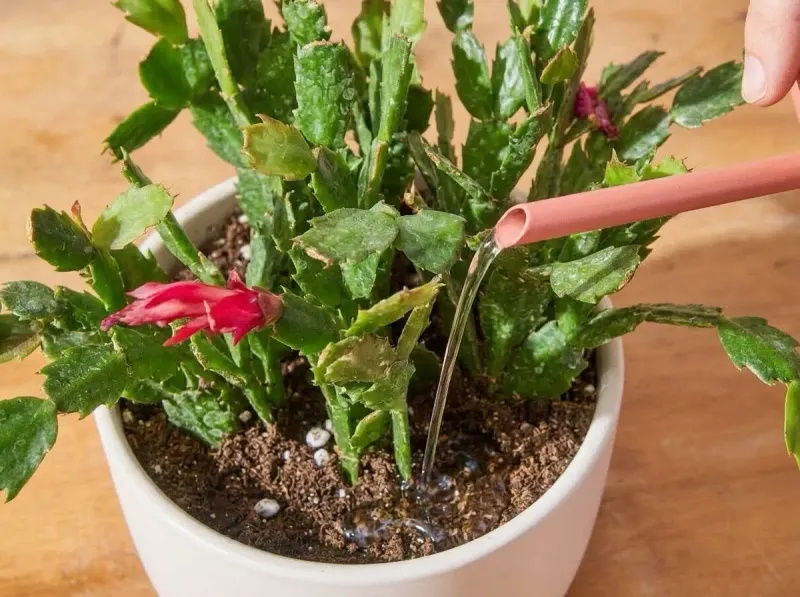
Feeding a plant more food when it looks stressed feels kind, yet extra fertilizer can backfire during bloom. Christmas cacti have fine, delicate roots that react poorly to the salts left behind by heavy feeding.
Those salts collect in the soil over time, pulling moisture away from roots and stressing the whole plant. A crusty white ring on the pot rim or soil surface is a handy clue they are building up.
Spring and summer are the real feeding seasons, when the plant is busy pushing out fresh green segments. A balanced houseplant fertilizer mixed at half strength once or twice a month usually does the job nicely.
Once buds appear in late fall, I put the fertilizer bottle away until the flowers finish their show. Resting from feeding lets the plant focus its energy on opening buds instead of handling extra minerals.
Too little nutrition can cause trouble as well, especially if the plant has lived years in old soil. Phosphorus supports flowering, so a bloom booster formula in late summer may help some tired plants.
Some extension experts suggest a pinch of Epsom salt in summer, because these plants appreciate extra magnesium. Keep that treatment to the growing season, and skip it once the plant starts setting buds.
Flushing the pot with plain water every few months rinses out built up salts before they cause harm. Let water run through the drainage hole for a minute, then allow the soil to drain well.
7. Mealybugs And Root Rot Hiding In The Pot
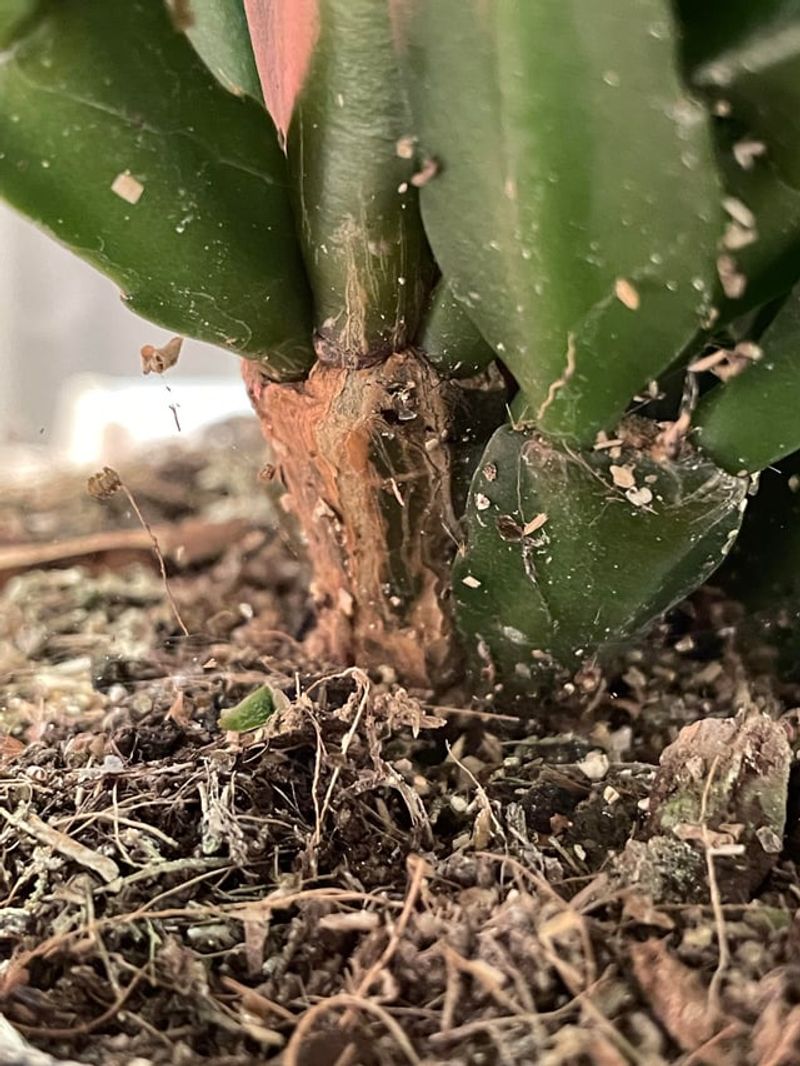
Tiny cottony blobs tucked where segments join are easy to mistake for dust, but they are mealybugs. These sap feeders weaken a plant slowly, and a weakened plant often responds by dropping its buds.
Spider mites and fungus gnats can show up in winter too, especially in warm, dry rooms or soggy pots. I check the undersides of segments with a flashlight every couple of weeks, which takes only a minute.
A cotton swab dabbed with insecticidal soap lifts mealybugs away, and repeat visits catch any newly hatched crawlers. Isolate an infested plant from your other houseplants until the pests are gone for several weeks.
Below the soil, root rot can quietly cause bud drop, often after weeks of heavy watering in dense mix. Healthy roots look firm and pale, while rotting ones turn brown and mushy and pull apart easily.
A loose, fast draining mix suits these epiphytes best, since they grow on trees rather than in ground. Blend regular potting soil with perlite or orchid bark, aiming for slightly acidic conditions the roots enjoy.
Repotting fixes poor soil, but doing it while buds are forming can trigger transplant shock and bud loss. Wait until spring, after flowering ends, and choose a pot only one size larger than the old one.
These plants actually bloom better when slightly snug in their pots, so there is no rush to upgrade. With healthy roots and a pest free plant, many Michigan growers enjoy blooms on the same cactus for decades.