The Underrated Virginia Native Shrub That Helps Create A Tick Smart Fence Line
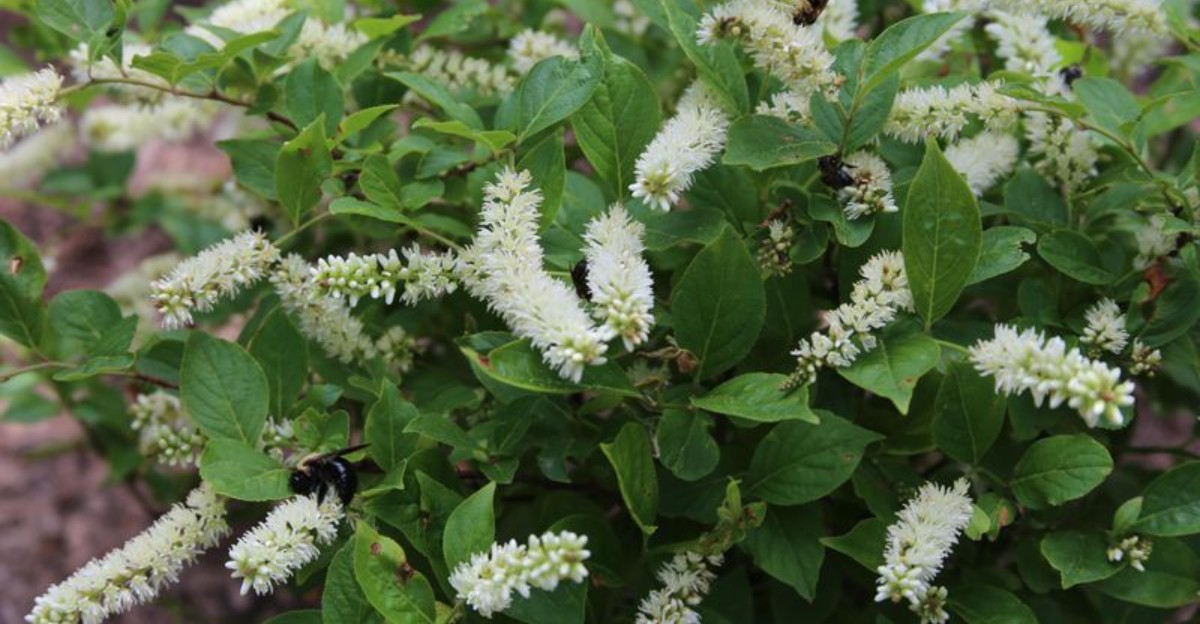
A fence line can be more than just a boundary in a Virginia yard. It can become a place where deer pass through, leaves collect, and ticks find the shade they need.
Many homeowners reach for sprays, but the plants along the edge can make a difference too. The right native shrubs add privacy, support birds, and help create a cleaner buffer between wooded areas and the lawn.
A mix of native shrubs can turn an overlooked border into a healthier landscape feature. These plants bring structure, wildlife value, and a more natural barrier between busy tick areas and the spaces where your family spends time.
1. American Beautyberry Builds A Smarter Wildlife Friendly Border
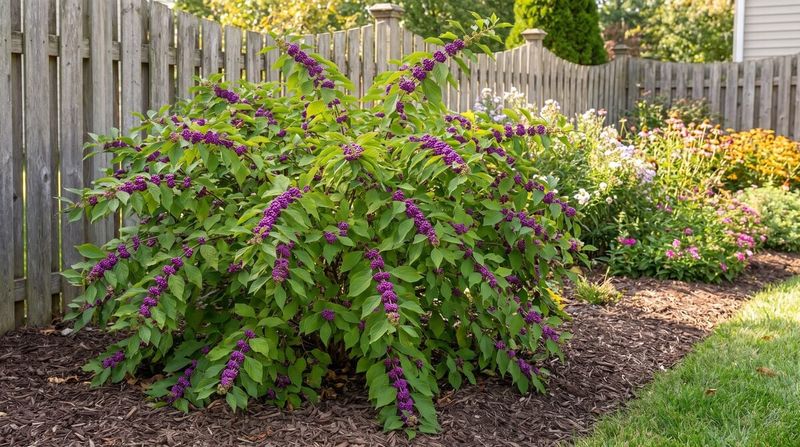
Old-time farmers in the Southeast used to crush beautyberry leaves and rub them on their skin before heading into the fields. Science later found compounds such as callicarpenal and intermedeol in the foliage that have shown insect-repellent activity in studies.
Callicarpa americana grows wild through the southeastern states, including plenty of spots in Virginia. It shoots up fast, reaching 3 to 8 feet tall with a loose, arching shape that spreads about as wide.
Deer treat it as a second-choice snack, nibbling fruit in fall or leaves only when better options run out. That moderate resistance matters because reducing deer activity near the yard can help lower some tick pressure.
Soil fussiness is not an issue here. Heavy clay, sandy patches, full sun, or part shade all work, which covers most property lines.
The show starts in early fall when clusters of shocking magenta berries wrap tightly around the stems. Birds pick at them well into winter, and pollinators visit the small pink flowers earlier in the season.
For fence line use, space plants about 5 feet apart and cut them back hard in late winter. Fresh growth stays denser and tidier, so you avoid the floppy, sprawling look that collects leaf litter.
Keep a mowed strip of grass or gravel between the shrubs and your play area. Ticks generally prefer shaded, humid areas, so a sunny, well-maintained buffer can make the landscape less favorable for them.
2. Virginia Sweetspire Adds Structure Without A Messy Edge
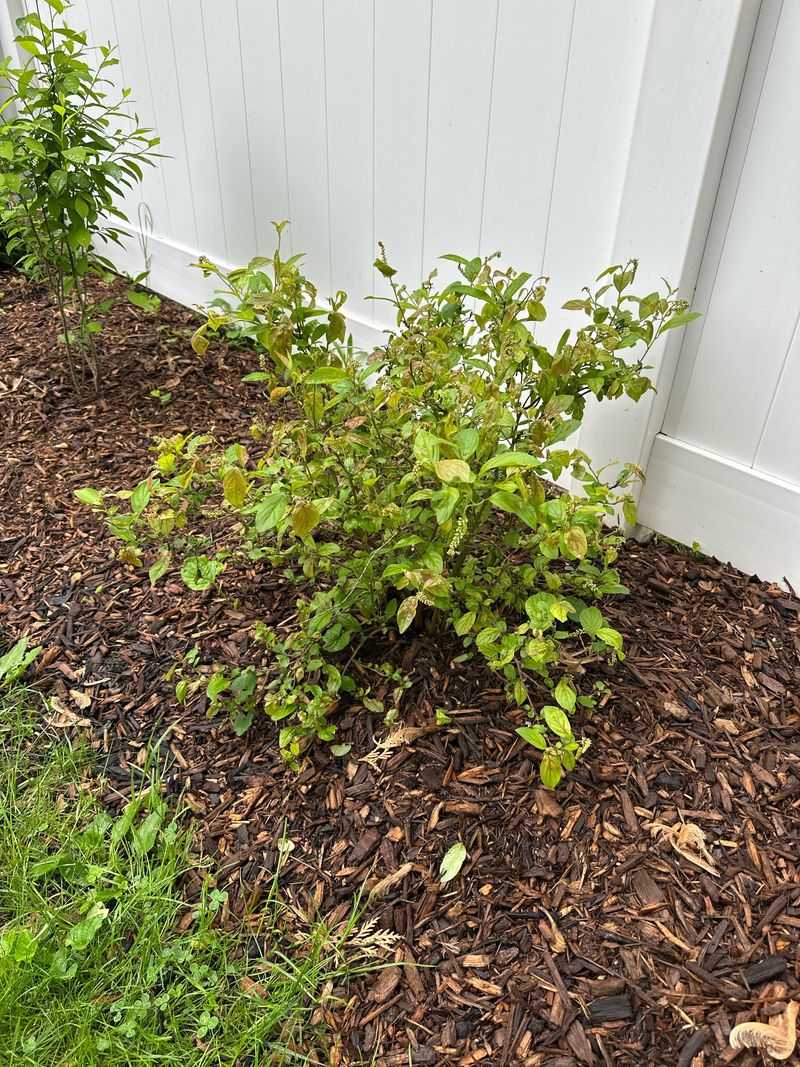
Named right after the state itself, Itea virginica feels like a homegrown pick for any border. The leaves carry a mild scent that most deer would rather skip, and fewer deer visits may help reduce one pathway that allows ticks to move through a landscape.
Growth habit is rounded and gently arching, usually 3 to 10 feet tall and about as wide. Plants spread by suckers, slowly knitting together into a colony that reads as one clean mass instead of eight separate lumps.
Adaptability is the real selling point. Full sun, deep shade, clay, soggy ground, even spots that flood after a hard rain are all handled without drama.
Late spring brings drooping white flower spikes that smell sweet and pull in butterflies and bees. Fall turns the foliage orange, burgundy, and red, and the color holds even on the shaded north side of a fence.
Your Virginia Garden Changes Every Week. Your Plan Should Too.
Gardening in Virginia changes quickly throughout the season. Every Friday you’ll receive a simple weekly plan showing exactly what to plant, prune, fertilize, harvest, and protect so you never miss the right timing.
For a tick-smart layout, plant sweetspire as your low front row and let taller shrubs sit behind it. The dense base keeps weeds from creeping in, and weeds are exactly what ticks love to climb.
Trim the suckers once a year with a spade or mower to hold a crisp edge. A defined line makes it obvious where the wild zone stops and the safe zone begins.
One helpful note: water new plants through their first summer. Once established, they mostly fend for themselves.
3. Inkberry Holly Creates A Tidy Evergreen Fence Line
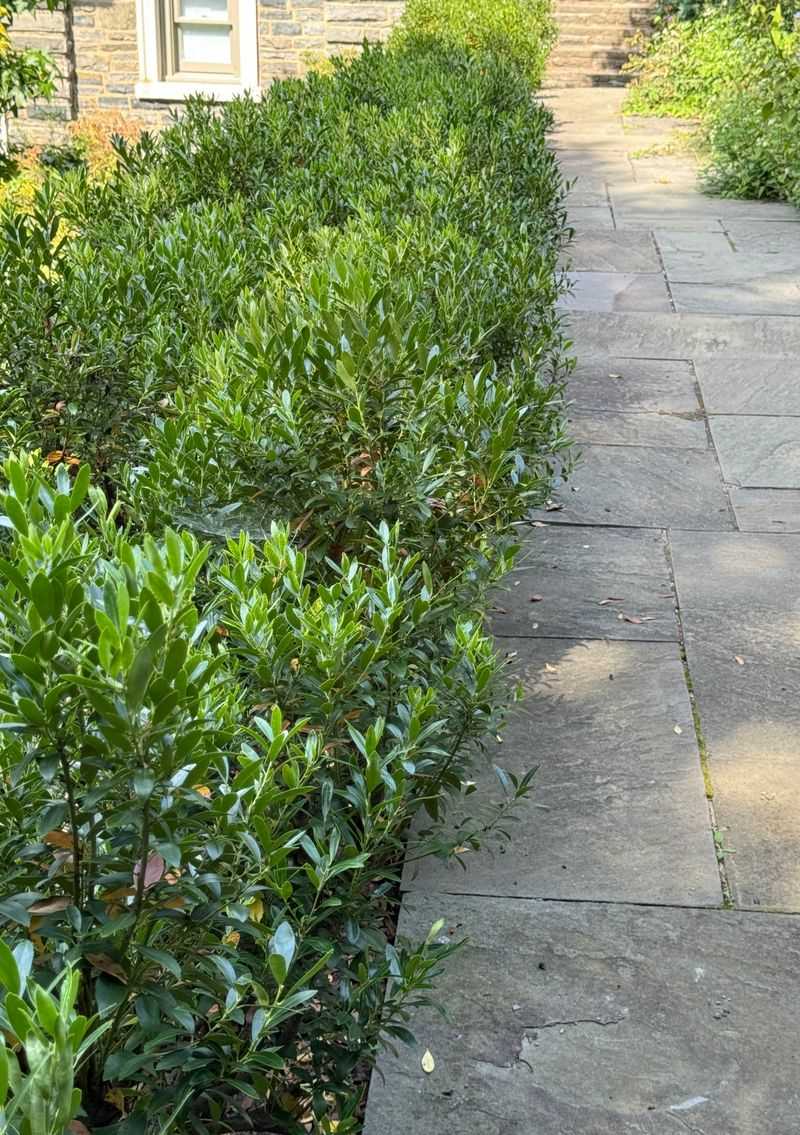
Want winter privacy without planting another row of non-native boxwood? Ilex glabra gives you glossy evergreen leaves and a billowy mounded shape, and it belongs here, especially on coastal plain.
Deer leave inkberry alone more reliably than almost anything else on this list. Its evergreen leaves are often less preferred by deer than many other landscape shrubs.
Mature size runs 5 to 10 feet high and wide, though shearing keeps it lower and denser. A tight, pruned form gives ticks fewer shady tunnels of leaf litter to hide in at ground level.
Soil tolerance is broad as long as things stay acidic. Heavy clay, light sand, damp low spots, even ground that floods for stretches all suit it fine.
Sun exposure can range from full sun to part shade, which helps when a fence line runs through both. Plants in brighter spots hold a fuller shape with less legginess.
Small black berries follow spring flowers, feeding birds through the colder months. Pollinators work the tiny blooms, so the plant earns its keep beyond looks.
A practical tip for gardeners: shear lightly in late winter, and pull any fallen leaves out from under the branches each spring. Clean ground plus rich mulch beats a damp thatch of debris every time.
Space plants 4 feet apart for a solid screen.
4. Arrowwood Viburnum Forms A Better Managed Privacy Buffer
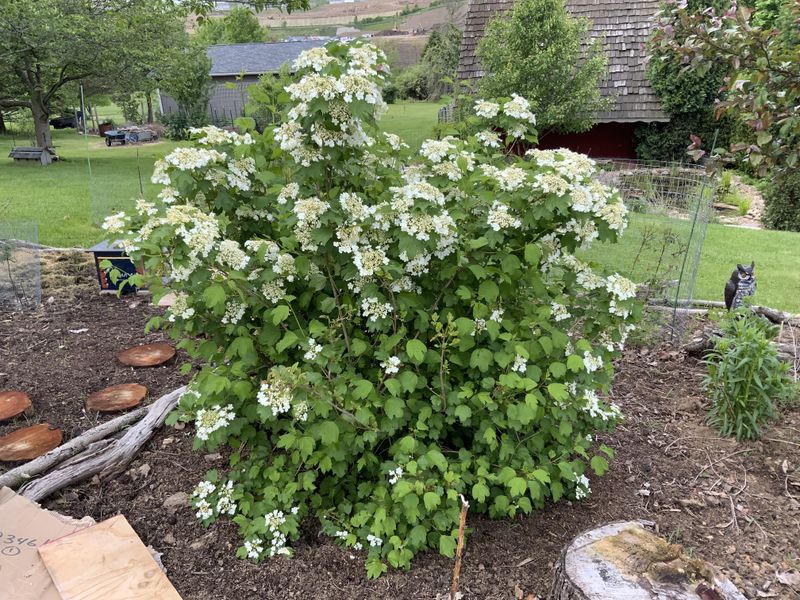
Native people once used the straight, arrow-like shoots of Viburnum dentatum for exactly what the name suggests. Today it earns its place as a workhorse hedge shrub across most of the eastern states, Virginia included.
Size lands anywhere from 3 to 10 feet tall and 6 to 10 feet wide, with a vigorous rounded form. That bulk builds a genuine screen, blocking both sightlines and casual deer travel through your property.
Deer resistance here is solid, which is the whole point of a tick-smart border. Animals that carry ticks tend to walk around dense, unpalatable plantings rather than push through them.
Light and soil requirements are wonderfully loose. Full sun through full shade works, and dry ground, soggy ground, and stubborn clay are all fair game.
Creamy white flower clusters open in late spring, mobbed by native bees and other pollinators. Blue-black berries follow in late summer, feeding thrushes, cardinals, and small mammals into fall.
Management keeps it tick-smart rather than tick-friendly. Remove a few of the oldest stems at the base each winter so air and sunlight reach the interior, since dry, breezy conditions are hard on ticks.
Plant a single row about 6 feet apart for a mixed hedgerow, and keep mulch shallow near the trunks. Two feet of mowed turf on the yard side finishes the barrier nicely.
5. Ninebark Adds Native Cover Without Overcrowding Spaces
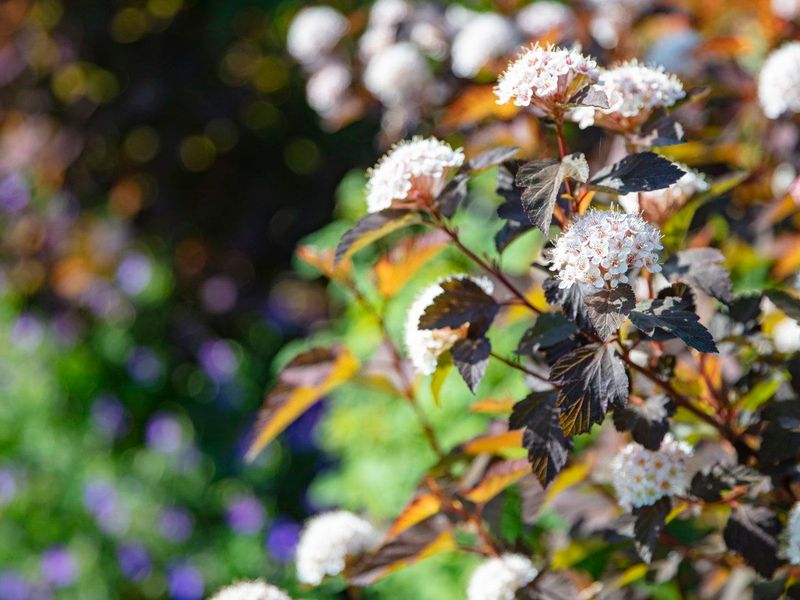
Peel a strip of ninebark’s older bark and you get a small surprise: layer after layer of auburn-brown and tan curling away like old paper. That trick gave Physocarpus opulifolius its name, and it makes winter far more interesting along a bare fence.
Deer browsing tends to be occasional rather than constant, especially when tastier plants grow nearby. Not bulletproof, but useful as part of a mixed planting that discourages heavy traffic.
Growth is quick, filling out to 4 to 10 feet tall and 6 to 10 feet wide with arching branches. The mounded shape covers ground fast, so bare soil and weedy gaps close up early.
Tolerance runs wide, from clay to sand and from full sun to full shade. Yards with awkward, half-shaded corners often work well here.
White to blush-pink flower clusters appear in late spring, buzzing with several kinds of bees. Seed heads darken and hang on afterward, adding texture rather than mess.
The overcrowding part deserves attention. Thin out a third of the stems every couple of years and the shrub stays open and airy instead of turning into a humid thicket at ground level.
Good airflow matters because ticks depend on moist shade to stay active. An open-structured shrub, mulched cleanly underneath, gives them much less to work with along your border.
6. Spicebush Fits Managed Woodland Edges Around Homes
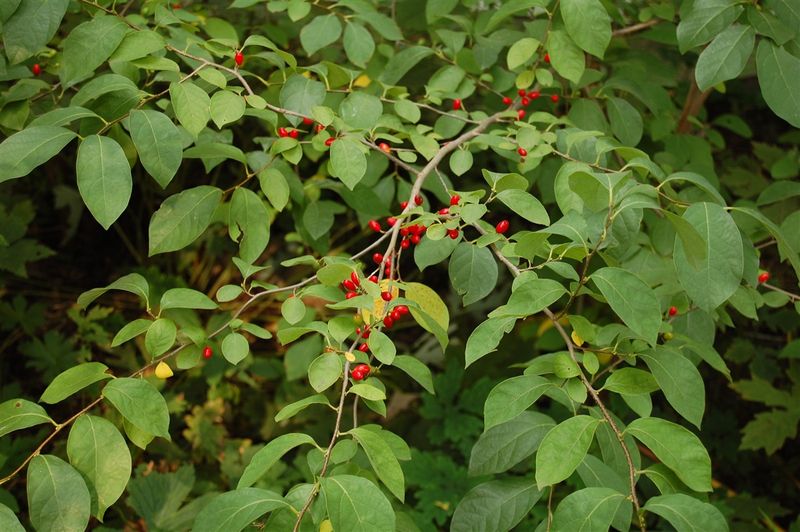
Snap a twig of Lindera benzoin and the air fills with a lemony, peppery scent. The Virginia Native Plant Society liked it enough to name spicebush its native plant of the year back in 2006.
Those aromatic leaves are generally unappealing to deer, though a hungry animal may still take a nibble. In a mixed border, the scent helps steer browsers elsewhere.
Mature plants reach 4 to 12 feet tall and wide with a soft rounded outline. Where lawn meets woods, that height fills the gap between tree trunks and grass without looking planted in a row.
Moisture tolerance stretches from occasionally saturated soil to fairly dry ground. Partial shade suits it, but a few hours of sun improve both fall color and berry set.
Tiny yellow-green flowers open in early spring before the leaves, feeding native bees at a hungry time of year. The foliage also hosts Spicebush Swallowtail caterpillars, which fold leaves into little tents.
Here is the tick-smart piece. A managed woodland edge with spicebush, raked clear of deep leaf litter and edged by mowed turf, creates a visible break between forest and family space.
Widen that mowed strip to about 6 feet if children play nearby. Many homeowners use that simple change to create a clearer separation between wooded areas and frequently used spaces.
7. Winterberry Holly Brings Birds To Open Landscape Borders
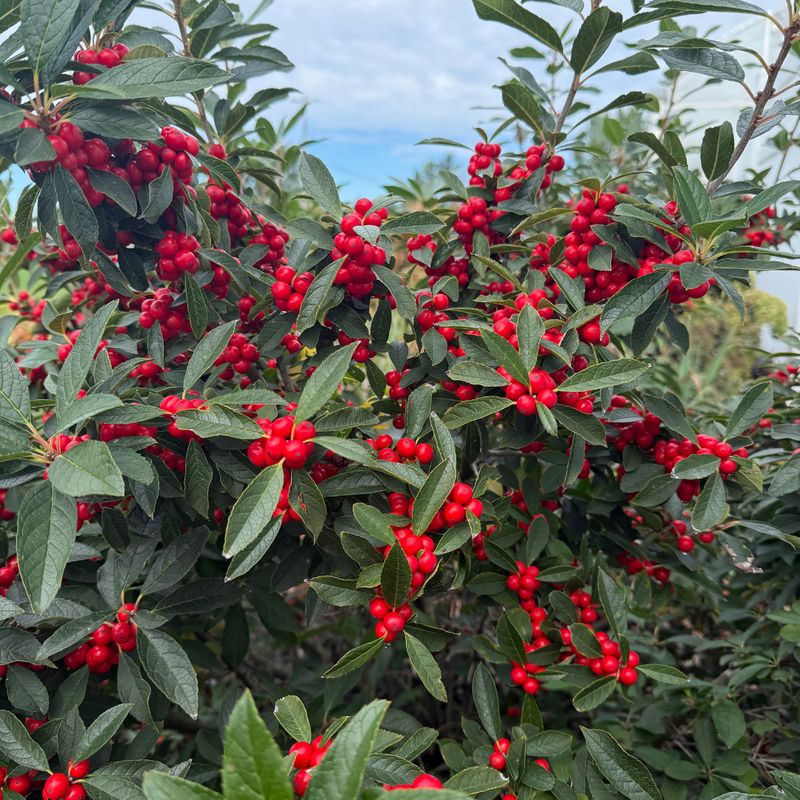
Come December, winterberry looks like someone strung red beads on bare gray sticks. Ilex verticillata drops its leaves and then puts on the flashiest fruit display of any native shrub.
Deer avoid it pretty reliably, which is exactly what you want anchoring a border meant to reduce tick traffic. Dense multi-stemmed growth also forms a physical nudge that pushes wildlife around the yard instead of through it.
Height ranges from 5 to 15 feet with a spread of 3 to 12 feet, so check the tag before planting. Compact selections fit tighter suburban fence lines without constant pruning.
Soil and moisture demands are flexible, covering everything from wet, boggy pockets to ordinary garden ground. Full sun brings the heaviest fruit, though part shade is tolerated.
One catch worth remembering: male and female plants are separate. Plant one male for every three to five females, or you get bare stems and no berries at all.
Robins, bluebirds, and waxwings strip the fruit in late winter when other food runs thin. That bird activity is a bonus, since some songbirds also poke through litter for insects.
Give plants an open, sunny spot rather than a shaded corner. Sunlight and airflow dry the ground quickly, and drier, sunnier conditions can make a border less favorable for ticks.
8. Oakleaf Hydrangea Softens Shaded Fence Line Areas
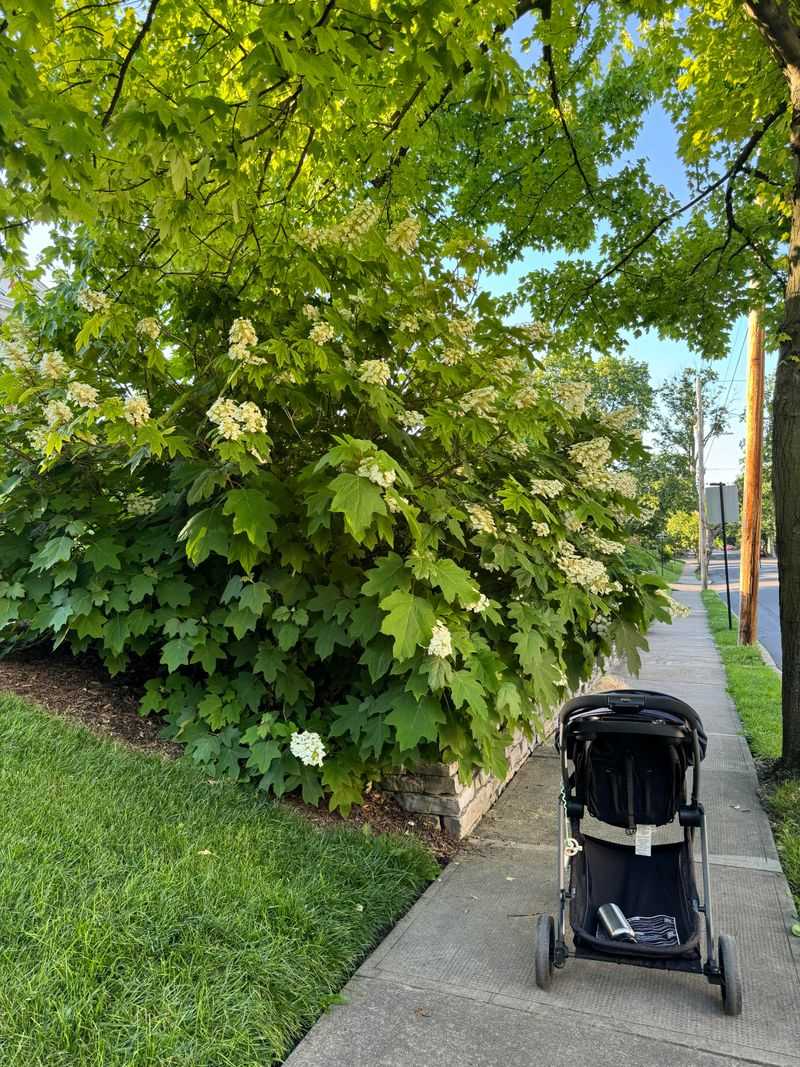
Shady fence corners tend to look grim, and that is where Hydrangea quercifolia shines. Its natural range includes parts of Virginia’s Appalachian Mountains and coastal plain, so it is a genuine native rather than a nursery import.
Compared with mophead hydrangeas, which deer treat like a salad bar, this one holds up much better. Browsing still happens in lean seasons, but it is far from a favorite.
Plants settle in at 4 to 8 feet tall and wide, building a dense rounded mass. Multiple stems from the base mean the shrub fills space without needing constant staking or shaping.
Cone-shaped white flowers open in late spring and slowly age to pink and rusty red. Big oak-shaped leaves follow with deep red and purple fall color, and peeling bark carries the interest into winter.
Part shade suits warmer counties, while cooler mountain areas handle more sun. Average to moist, well-drained soil keeps it happy, and pH is not a concern.
Because the leaves are broad and the shade is real, leaf litter can pile up underneath. Rake that layer out each spring and top with a thin, coarse mulch so the surface dries faster.
Finish the bed with a clean mowed or hardscaped edge. A crisp boundary between shrub bed and lawn is the simplest tick-smart habit there is.