The One Thing North Carolina Boxwood Needs Before September Ends
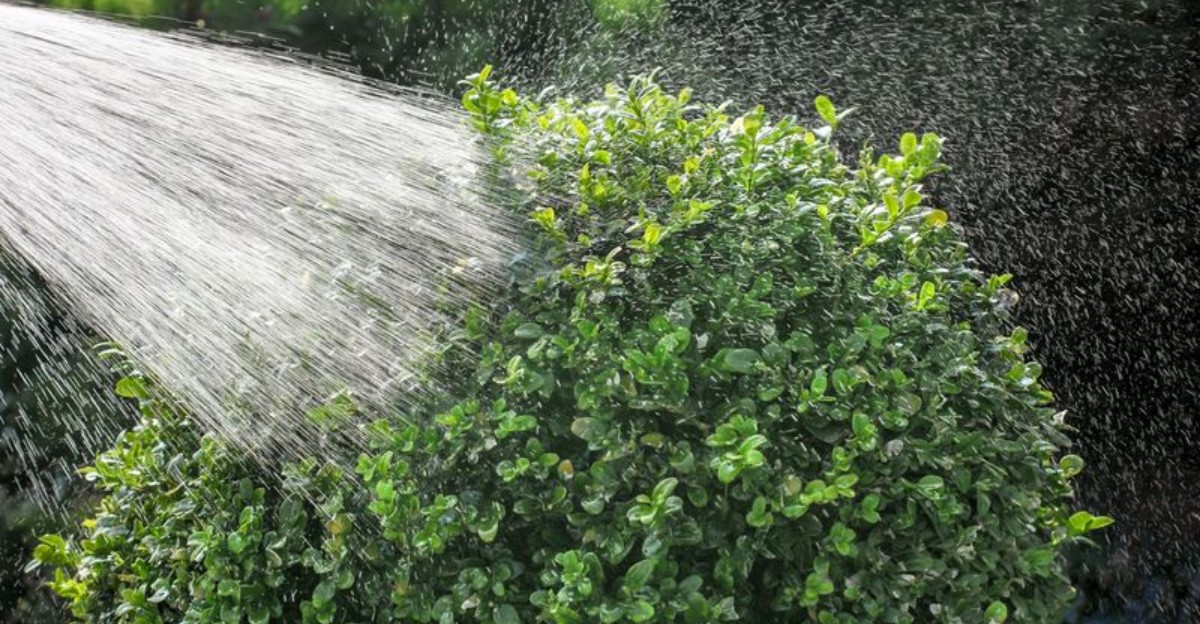
Boxwood has a reputation for being nearly indestructible, which is exactly why its fall needs so often get overlooked by otherwise attentive gardeners.
As the shrub shifts away from active summer growth and starts quietly preparing for winter, its priorities change in ways that don’t always match the care routine it’s had for the past several months.
Continuing the exact same watering and feeding schedule without adjusting can leave boxwood more exposed to winter stress than it really needs to be, even if the foliage still looks perfectly green and healthy right now.
Since this shrub is notoriously slow to bounce back once cold damage sets in, the next few weeks carry a lot more weight than they might seem to at first glance.
1. Check Soil Moisture Before Winter
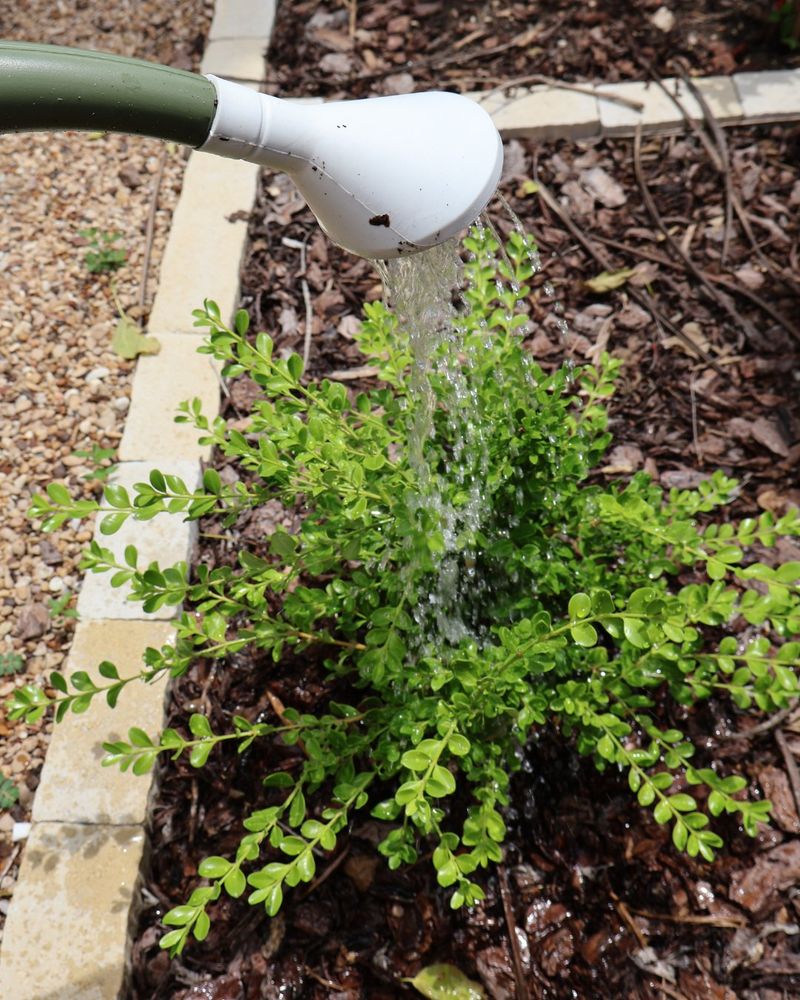
September might feel like summer is still hanging around, but for boxwoods, it marks a quiet turning point. Their roots sit shallow in the soil, so they lose moisture faster than you might think.
Before the cold weather rolls in, take a few minutes to check how dry the ground is around your shrubs. Push your finger a couple inches into the soil near the base.
If it feels dusty or crumbly, your boxwood is thirsty and needs attention right away.
Dry roots heading into winter cause a lot of trouble. When the ground stays hard and dry, boxwoods enter the cold months already stressed and weak.
That stress often shows up later as brown leaves, thin patches, or winter burn on the outer branches.
Think of soil moisture as a warm coat your plant wears through winter. Well-hydrated roots handle freezing winds and frost much better than dry ones.
A boxwood that goes into winter with damp soil stays greener and bounces back faster in spring.
Checking moisture is easy and takes almost no effort. You can use a screwdriver, a moisture meter, or just your own hands. Do this in several spots around each shrub since one side might dry out faster than another.
Making this a weekly habit through late September pays off big. You will catch dry spots early, water at the right time, and give your boxwoods the strong start they need before the season shifts.
2. Water Deeply Instead Of Lightly
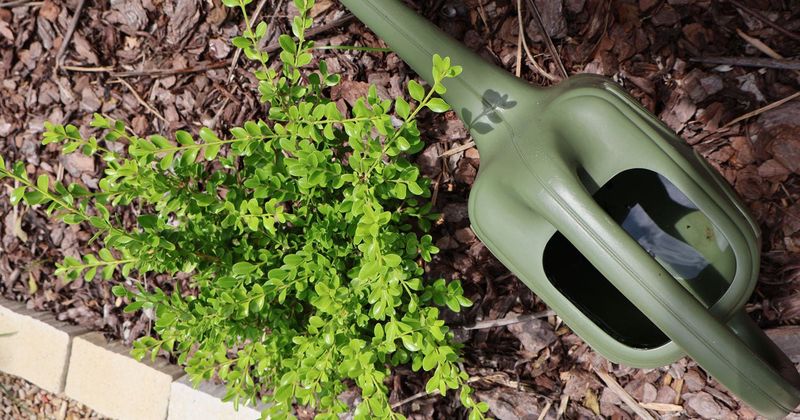
A quick splash from the hose feels helpful, but it barely reaches where boxwoods need it most. Their roots spread out wide and stay close to the surface, so shallow sprinkles only wet the top layer of soil.
Deep watering changes everything. When you let water soak slowly and reach several inches down, it travels to the entire root zone.
This encourages roots to grow strong and hold moisture that lasts through dry stretches.
Light watering every day actually trains roots to stay near the surface. Those shallow roots dry out fast and leave your shrub weak when winter winds arrive.
Deep, less frequent watering builds a tougher, healthier plant. To water the right way, set a hose on a slow trickle at the base of each shrub. Let it run for a while so the moisture sinks in deeply.
Your North Carolina Garden Changes Every Week. Your Plan Should Too.
Gardening in North Carolina changes quickly throughout the season. Every Friday you’ll receive a simple weekly plan showing exactly what to plant, prune, fertilize, harvest, and protect so you never miss the right timing.
A soaker hose or drip line works great because it delivers water gently and evenly. Aim to water your boxwoods deeply once or twice a week rather than a little each day. The goal is to soak the soil, then let it dry out slightly before the next round.
This rhythm keeps roots active without drowning them. Morning is the best time to water since the sun helps dry any wet leaves. That simple timing lowers the chance of leaf spots and other problems.
Give your boxwoods a good deep drink now, and they will reward you with lush, full growth that holds up beautifully through the colder months ahead.
3. Pay Special Attention To Recently Planted Boxwoods
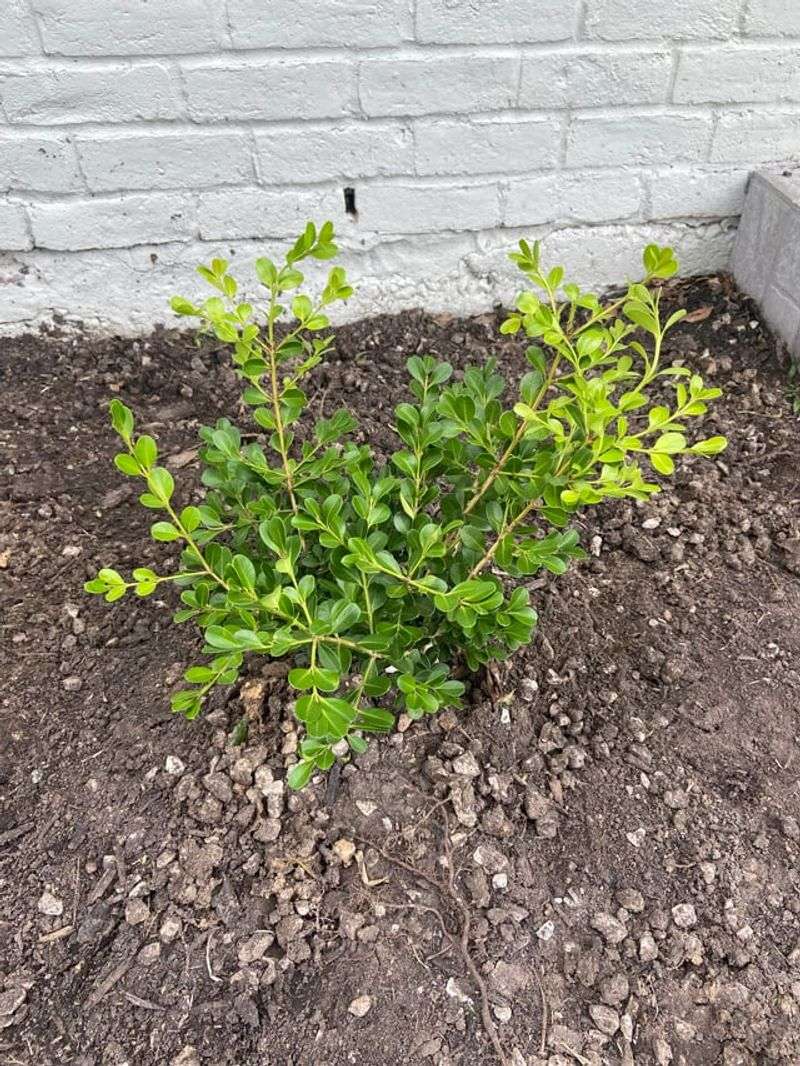
Young boxwoods are the ones that need the most love right now. Their roots have not spread far yet, so they cannot pull moisture from deep or wide the way older plants do.
Because of this, newly planted shrubs dry out much faster. A boxwood you tucked into the ground this year or last spring depends heavily on you for water, especially as fall settles in.
Established boxwoods have big root networks that store and reach for moisture on their own. New ones simply have not had time to build that safety net, which makes fall watering a real lifeline for them.
Keep a close eye on these young plants during September. Check the soil around them more often than you would for mature shrubs.
When the top few inches feel dry, give them a slow, deep drink so the water reaches their small root ball.
Watch for signs of stress like drooping or slightly yellow leaves. These are little warnings that your boxwood needs more moisture before the cold sets in.
A layer of mulch around young plants helps hold water in and protects those tender roots. Just remember to keep it a few inches away from the main stems.
The care you give now sets the stage for years of healthy growth. When you help new boxwoods enter winter strong and well watered, they settle in faster and come back thick and vibrant once spring arrives with warmer days.
4. Do Not Overwater Poorly Drained Soil
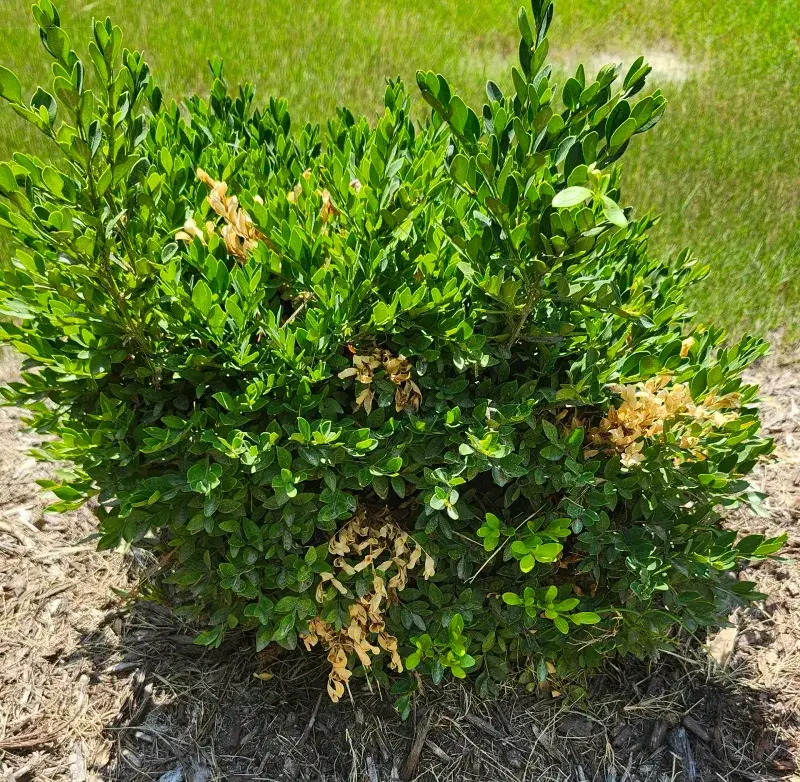
Here is the tricky part about boxwoods: they love moisture but hate wet feet. There is a big difference between damp soil and soggy, waterlogged ground.
Many North Carolina yards have heavy clay soil that holds water like a sponge. When you pour on too much, the moisture has nowhere to go and stays trapped around the roots.
Roots need air just as much as water. When soil stays soaked all the time, the roots cannot breathe and slowly begin to weaken.
This leads to root rot, which shows up as yellowing leaves and thinning branches. Before you water, take a moment to notice how your soil drains. If puddles sit around the base of your shrub long after rain, drainage is a problem you need to fix.
You can improve drainage by mixing compost into the soil or planting boxwoods in slightly raised beds. Raising the root zone lets extra water flow away instead of pooling.
Always feel the soil before adding more water. When the ground still feels moist a couple inches down, wait a day or two before watering again.
Overdoing it can hurt your plant more than a short dry spell would. Balance is the secret here. Boxwoods want soil that stays evenly moist but never swampy, kind of like a wrung-out sponge.
By watching drainage and watering only when needed, you protect those precious roots. Healthy roots mean a strong, green boxwood that sails through winter and greets spring full of life.
5. Add Mulch The Right Way
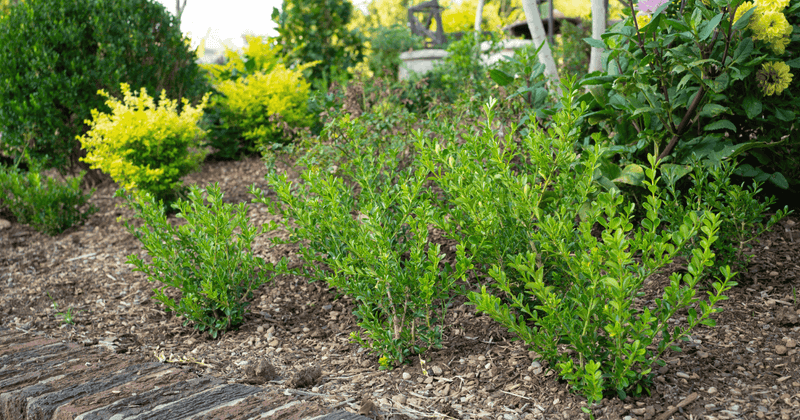
Mulch is like a cozy blanket for your boxwood’s roots, and fall is the perfect time to add it. A good layer locks in moisture so the soil does not dry out as fast.
Beyond holding water, mulch keeps soil temperatures steady. As the weather bounces between warm days and chilly nights, mulch smooths out those swings and keeps roots calm and protected.
Organic mulch like shredded bark, pine straw, or leaf mold works wonderfully. As it breaks down over time, it feeds the soil and helps it stay loose and healthy.
Spread a layer about two to three inches thick around the base of each shrub. Go wide enough to cover the root zone, since boxwood roots reach out farther than the branches above.
Here comes the most important part. Keep the mulch a few inches away from the trunk and lower stems. Piling it up against the wood traps moisture there and invites rot and pests.
Picture a donut shape rather than a volcano. The open space around the stem lets air move freely and keeps the base of the plant dry and safe.
Refreshing old mulch is fine, but do not just keep stacking more on top. Too thick a layer can smother roots and hold water in the wrong spots.
With mulch done the right way, your boxwoods stay hydrated, warm, and protected all winter. Come spring, you will see the payoff in fuller foliage and stronger, steadier growth throughout the season.
6. Avoid Heavy Fall Fertilizer
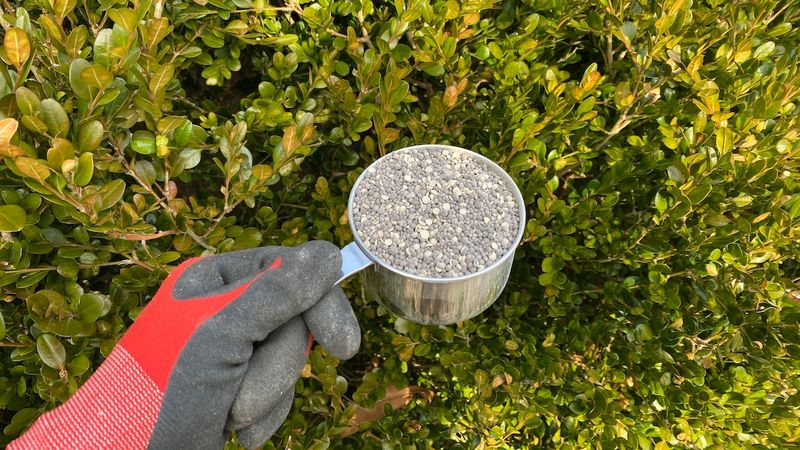
It feels natural to want to feed your plants before winter, but boxwoods are different. Heavy fertilizer this late in the season can actually work against them.
When you add lots of nutrients now, your shrub responds by pushing out fresh, tender growth. That soft new foliage does not have time to toughen up before cold weather moves in.
Tender leaves and shoots get damaged easily by frost and cold winds. Instead of helping, a late feeding leaves your boxwood weaker and more likely to show winter burn.
What matters most right now is not new leaves but strong, healthy roots. Roots are the foundation that carries your plant through winter and fuels the big burst of growth next spring.
If your boxwoods look green and healthy, they probably do not need feeding at all before September ends. A quick soil test can tell you if anything is truly missing.
Should your plants show real signs of hunger, wait until early spring to fertilize. That timing lines up perfectly with their natural growing season, so the nutrients get used the right way.
Focus your fall energy on watering deeply and mulching well instead. These steps support root health without triggering risky new growth.
Patience really pays off here. By holding back on the fertilizer now, you let your boxwoods settle into a calm, restful state for winter.
When spring returns, well-rested roots will fuel thick, vibrant foliage that makes the whole plant shine.
7. Inspect For Winter Stress Risks
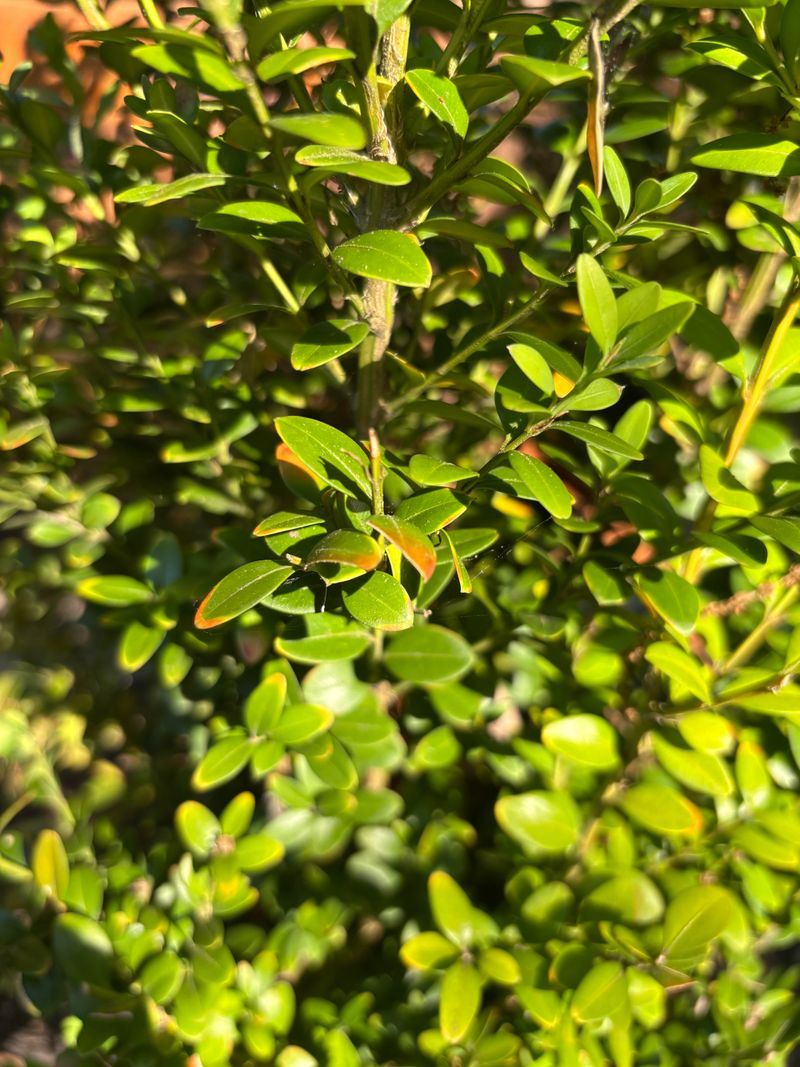
Think of September as checkup time for your boxwoods. A little inspection now can catch small problems before they turn into big headaches over winter.
Start by looking closely at the leaves. Green and glossy is what you want to see.
Yellow, brown, or bronze leaves can be a sign of drought stress, pests, or disease that needs your attention.
Peek underneath the foliage and along the stems too. Tiny bugs, sticky spots, or webbing point to pests like boxwood mites or psyllids. Catching them early makes them much easier to handle.
Watch for patches of thinning growth or unusual spots on the leaves. These clues may hint at fungal issues that spread if left alone. Removing affected branches helps stop the problem from growing.
Do not forget to check the base of your plants. Roots that sit exposed above the soil can dry out and suffer through winter cold. Cover them gently with soil or mulch to keep them protected.
While you inspect, clear away fallen leaves and debris around the shrub. That cleanup removes hiding spots for pests and lowers the chance of disease spreading.
Jot down anything that looks off so you can track changes over time. A quick note now helps you spot patterns and act fast.
Taking these steps before winter arrives gives you a clear picture of your boxwood’s health. When you fix small issues early, your shrubs head into the cold season stronger and ready to thrive.
8. Prepare Boxwoods For A Strong Spring Return
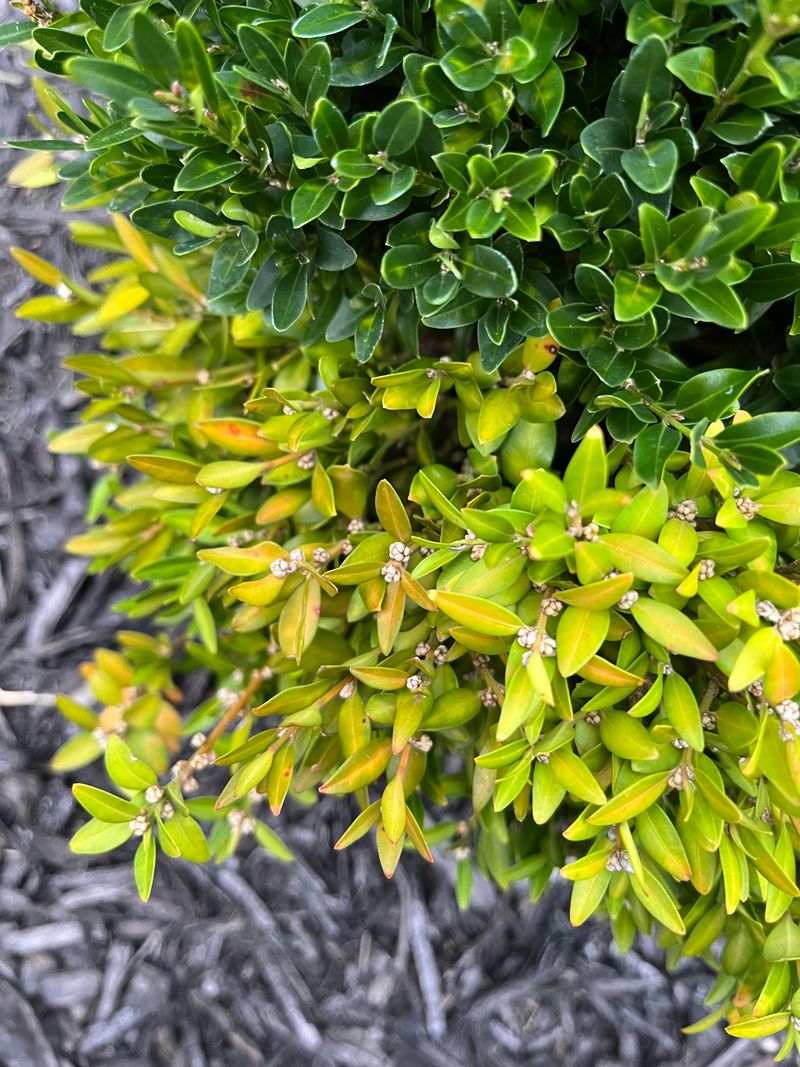
Everything you do this fall builds toward one exciting goal: a boxwood that explodes with fresh growth come spring. The care you give now is an investment in next year’s beauty.
Steady watering tops the list. When roots stay hydrated through fall, they store the energy your plant needs to wake up strong after winter rest.
Good drainage plays a huge role too. Roots that never sit in soggy soil stay healthy and ready to fuel that first spring flush of leaves.
Mulch keeps working quietly through the cold months. It holds moisture, guards roots from temperature swings, and slowly enriches the soil so your boxwood has everything it needs.
Here is a smart move: skip heavy pruning late in the season. Cutting now sparks tender new growth that cold weather can damage. Save your big shaping for spring instead.
Light touch-ups to remove damaged branches are fine, but hold off on major trimming until warmer days return. Your plant will thank you with fuller, more even growth.
Put these pieces together and your boxwoods enter winter calm, protected, and well fed at the roots. That is exactly the setup they need to rest easy and rebound quickly.
When spring finally arrives, you will notice the difference right away. Healthy roots push out thick, bright green leaves that fill in beautifully.
All those small fall efforts add up to a shrub that looks its best year after year. A little planning before September ends keeps your North Carolina boxwoods thriving for seasons to come.