This New Jersey Point Is Seeing Thousands Of Hawks Pass Through Right Now
You stand on the warm sand, unaware of the strange storm quietly building above you. Salt air fills your lungs while raptors quietly stack the sky in silence. Cold fronts arrive quickly, and everything shifts for you within hours.
Wings multiply fast above you as New Jersey becomes a narrow migration gateway. Beachgoers flip towels beneath you while falcons streak silently past unnoticed.
Strangers near you gather on a wooden deck by the lighthouse, trading codes and counts. Northwest winds push migrating hawks toward the coast beneath you. Silence hides a massive movement around you across New Jersey each fall.
Suddenly you feel a strong pull upward, a tug you cannot fully explain. Necks crane, your eyes narrow, breath catching without warning.
Nobody near you speaks, yet everybody instantly understands the signal. Your entire view of the sky shifts in that instant. Look up now, or you’ll miss it entirely.
The Hawkwatch Platform Beside The Lighthouse
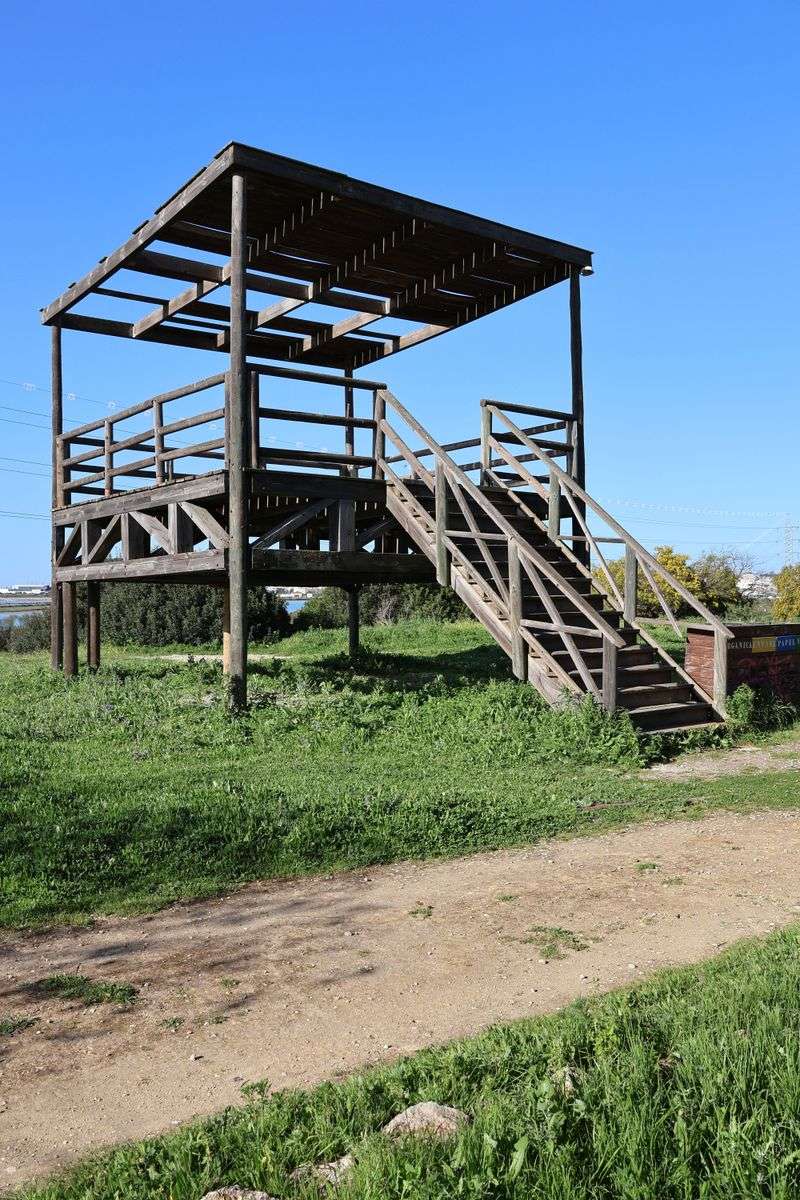
Picture a wide wooden deck facing a quiet pond, lined with folding chairs and a row of pointing fingers. That is the Cape May Point hawkwatch, and it starts humming shortly after sunrise.
Official counters work here from early September into late November, tallying raptors as they stream overhead. Their daily totals feed a record that researchers have leaned on for decades.
Visitors are welcome to sit right beside the counters, and questions are genuinely encouraged. Many of them narrate the sky out loud, calling out shape, wing angle, and flap rhythm long before a bird gets close.
The platform sits a short walk from the lighthouse parking lot, so it is simple to find. Restrooms are nearby, and trails behind the deck loop past ponds packed with herons, egrets, and shorebirds.
Mornings usually draw the biggest crowds, especially after a cool, clear night. Birds that rested in the dunes lift off, grab the breeze, and pour past in loose ribbons.
Bring your own chair if you plan to linger, since the built-in seating fills fast on busy flight days. A brimmed hat helps too, because you will be staring upward for a while.
Slow afternoons still hand out prizes. Monarch butterflies drift through, dragonflies swarm the dune edge, and a falcon may slice across the sky when you least expect it.
Fun bit of history: organized counting here goes back to 1976, making it one of the longest running watches in North America.
Why This Skinny Peninsula Acts Like A Funnel
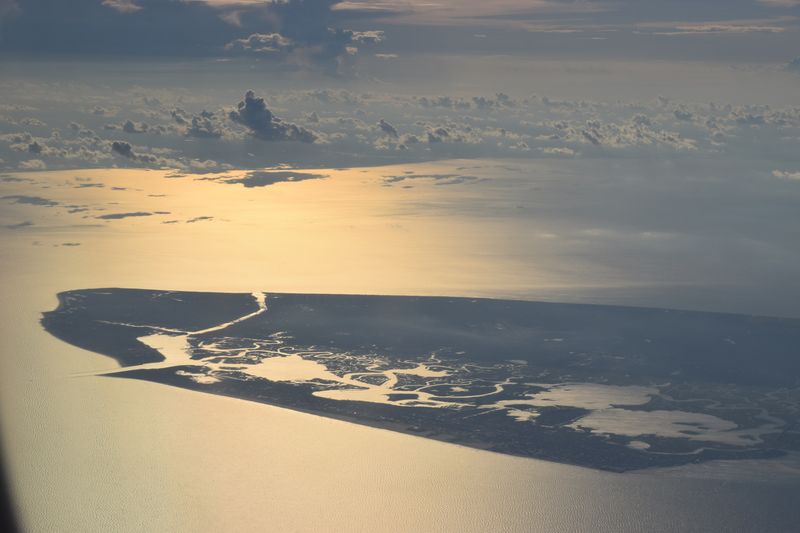
Geography does the heavy lifting here. Southbound raptors traveling along the Atlantic coast drift inland or downwind until the land simply runs out beneath them.
At Cape May Point, the peninsula narrows to a slender wedge with water on two sides. Delaware Bay stretches roughly twelve miles across, and that open crossing gives many birds pause.
Hawks rely on rising columns of warm air, called thermals, to gain height without flapping much. Water does not produce those columns well, so birds hesitate before committing to the gap.
Your New Jersey Garden Changes Every Week. Your Plan Should Too.
Gardening in New Jersey changes quickly throughout the season. Every Friday you’ll receive a simple weekly plan showing exactly what to plant, prune, fertilize, harvest, and protect so you never miss the right timing.
Instead of crossing right away, plenty of them circle back north, feed in the woods and fields, and try again later. That hesitation is exactly why watchers see such huge daily numbers.
Northwest winds push the flow even harder. A strong breeze off the mainland nudges migrating birds toward the coast, and the coastline steers them straight down to the point.
The result is a natural bottleneck that concentrates weeks of scattered movement into a few crowded miles of sky. On strong days, counters have logged thousands of raptors before lunch.
Habitat matters as much as shape. Salt marsh, freshwater ponds, dune thickets, and old farm fields sit shoulder to shoulder, offering food and cover for tired travelers.
Understanding the funnel helps you plan. Instead of hoping for luck, you can watch the wind forecast and show up when the setup lines up in your favor. Locals call it the Cape May effect, and once you see it, the nickname makes perfect sense.
Kestrels Steal The Early September Spotlight
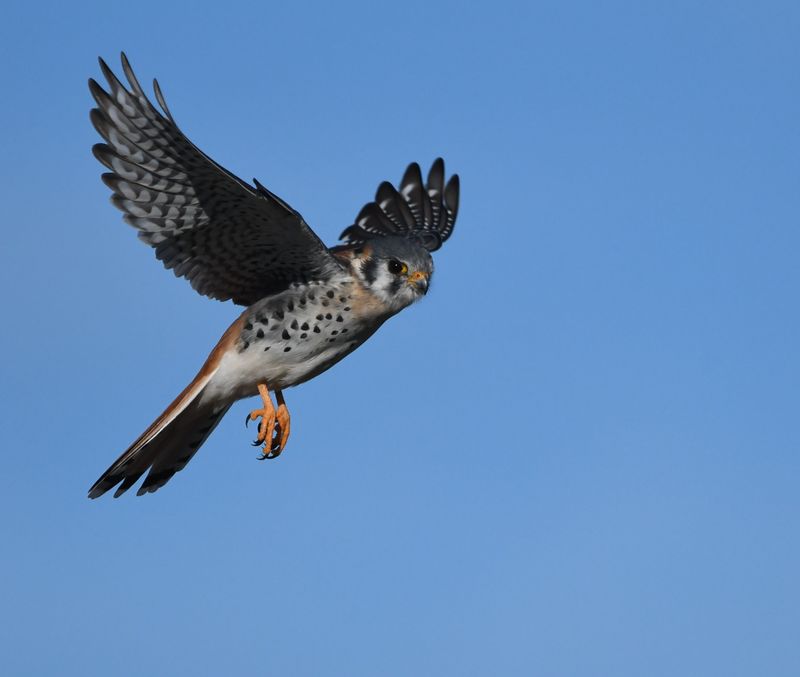
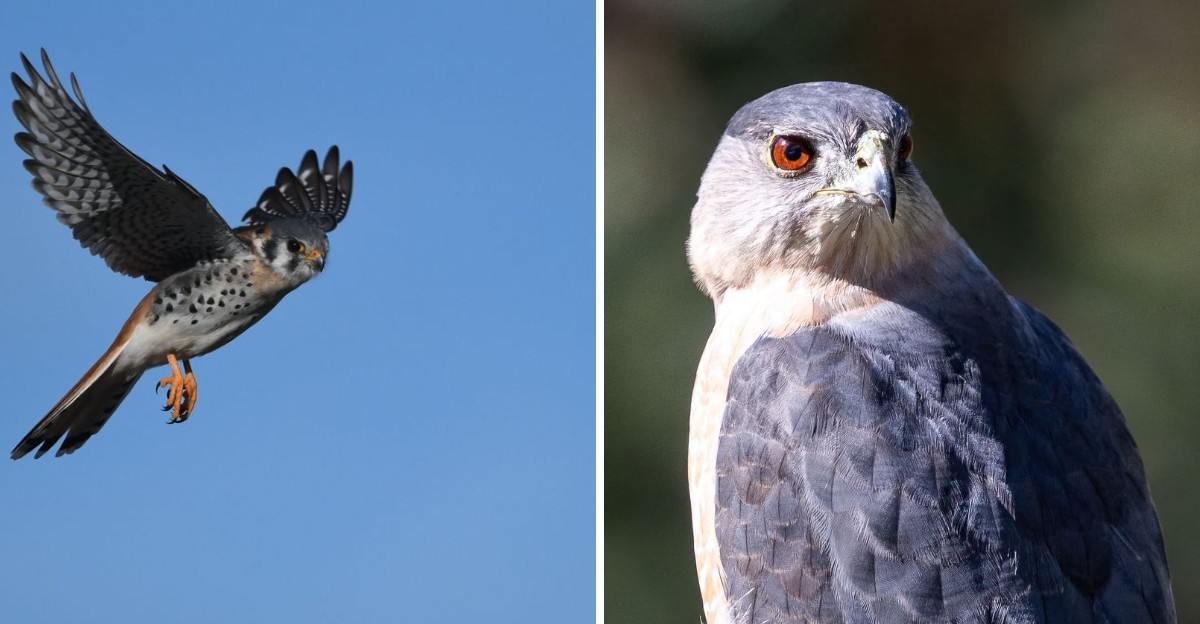
Small, fierce, and marked with warm rust-and-slate coloring, the American Kestrel dominates the first weeks of the season. North America’s tiniest falcon moves through Cape May Point in remarkable numbers right now.
Kestrels favor the same conditions that thrill watchers: crisp air, clear skies, and a brisk push from the northwest. On a strong day in early to mid September, several hundred can zip past the platform.
Look for a bird about the size of a mourning dove with pointed wings and quick, choppy wingbeats. Males flash blue-gray wings, while females wear warm rusty tones across the back and wings.
They often travel low, cutting over the dunes and hedgerows rather than soaring high overhead. Some pause on wires or bare branches, hovering briefly before dropping toward a grasshopper.
Grasshoppers and dragonflies actually fuel much of this journey. Cape May’s late summer insect boom turns the point into a roadside diner for hungry falcons.
Kestrel numbers have slipped across parts of their range over recent decades, which makes these counts genuinely useful. Researchers track the totals year after year to spot trends worth acting on.
If you want the best odds, arrive within an hour of sunrise. Falcon movement tends to be strongest early, then tapers as the day warms.
Merlins join the party too, darker and stockier, flying with a purposeful, arrow-straight urgency. Telling the two apart is a fun challenge for newer birders, and the counters are happy to help you sort it out.
The Regulars Crossing Overhead
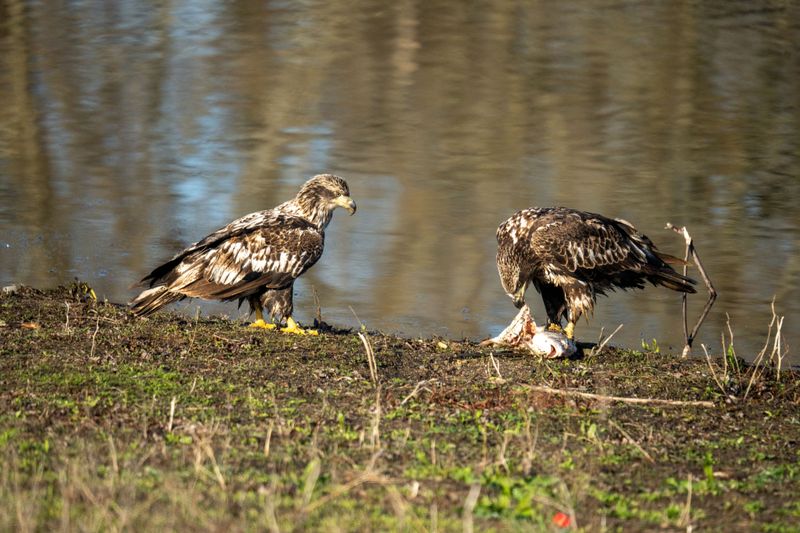
Roughly fifteen raptor species show up here across a full autumn, and the cast changes as the weeks roll on. Early September belongs to falcons and fish hawks, while late October leans toward bigger, broader wings.
Ospreys are hard to miss, with long crooked wings and bright white bellies. Many carry a fish southward, pointed headfirst, which counters love to point out to first-time visitors.
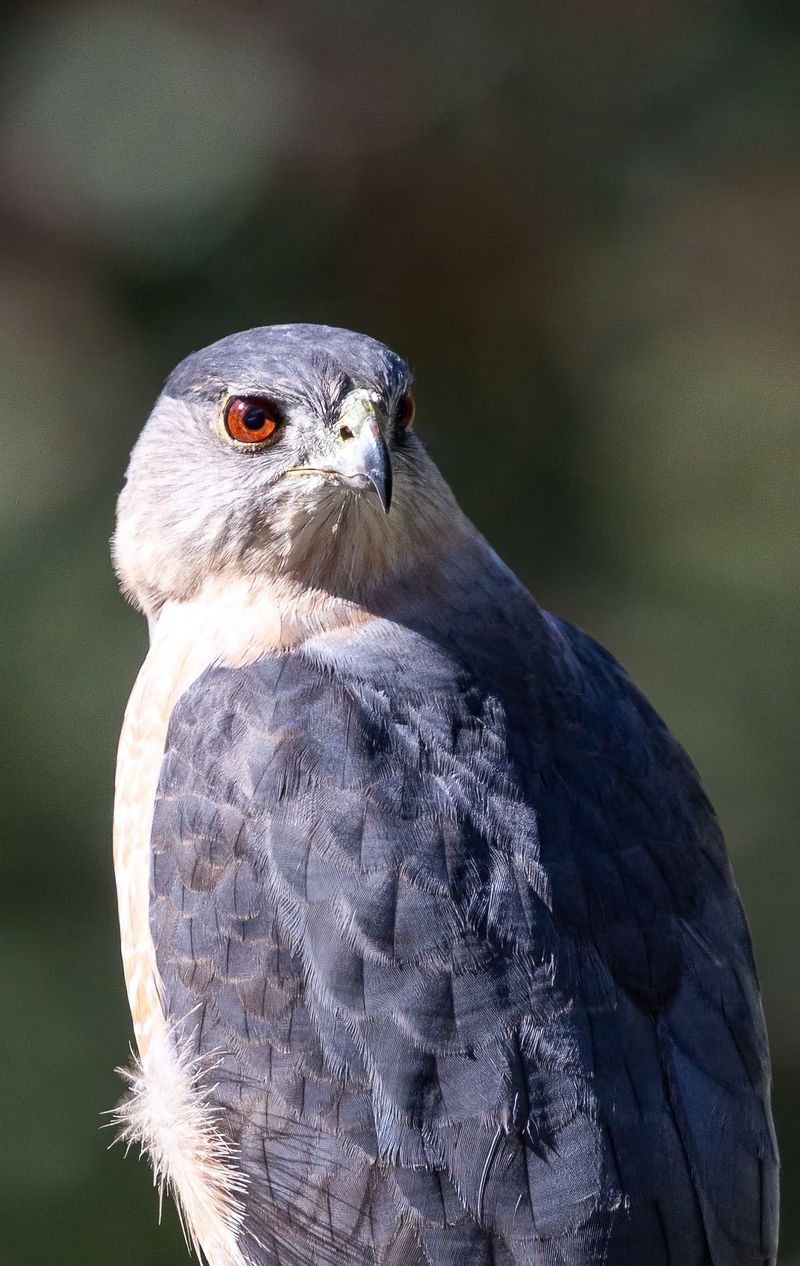
Sharp-shinned Hawks arrive in waves, small and quick, flapping in bursts before gliding. Their bigger cousin, the Cooper’s Hawk, flies with steadier, more deliberate strokes and a longer, rounded tail.
Bald Eagles cruise through regularly, and young ones can confuse people with their blotchy brown plumage. Patience helps, since that white head takes about five years to appear.
Peregrine Falcons treat the coast like a highway, often hugging the beach and startling the shorebirds below. Cape May consistently records strong Peregrine Falcon numbers each fall.
Northern Harriers glide low over the marsh with wings held in a shallow V, tilting like a kite on a string. That flashing white rump patch gives them away from far off.
Broad-winged Hawks pile into swirling flocks called kettles, sometimes numbering in the hundreds. Their big push usually peaks in mid to late September.
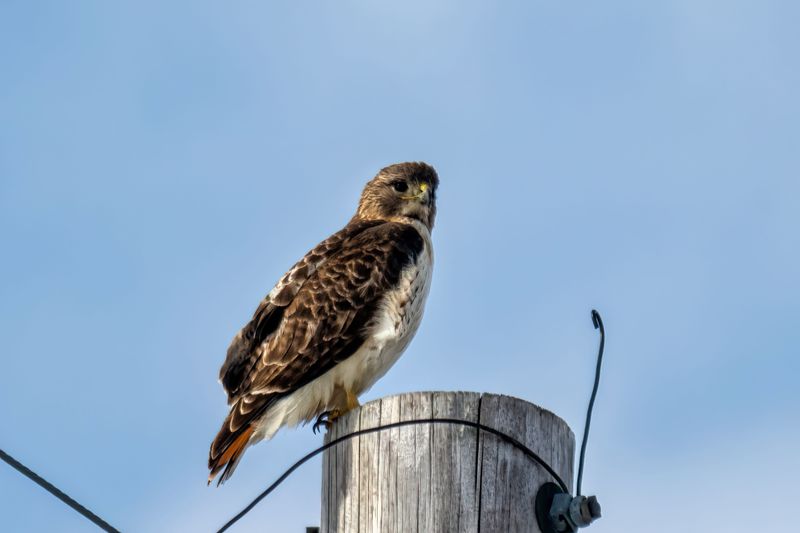
Turkey Vultures, Red-tailed Hawks, Merlins, and the occasional Northern Goshawk round out the lineup. Keep a checklist in your pocket, because the variety sneaks up on you fast.
Cold Fronts Are The Secret Ingredient
Ask any regular what makes a big day, and the answer comes back in two words: cold front. Weather drives this whole spectacle more than the calendar does.
When a front sweeps through overnight, it usually leaves behind cooler air, clearer skies, and winds swinging around to the northwest. Those winds nudge migrating raptors toward the coast and then down the peninsula.
Check the forecast a day or two ahead and look for that wind shift. A northwest breeze in the ten to twenty mile per hour range often signals an excellent morning.
Rain and thick fog tend to shut things down, since birds prefer to rest rather than fight poor visibility. Southerly winds usually mean a quieter sky and a slower count.
Timing within the day matters too. Falcons and accipiters move early, while buteos like Broad-winged Hawks wait for thermals to build around mid morning.
Temperature plays a role in comfort as well. September mornings at the point can feel surprisingly chilly before the sun climbs, so a light jacket earns its keep.
A practical tip: plan for flexibility rather than a fixed date. Watchers who can shift their trip by a day or two see far better flights than those locked into a weekend.
Even a modest day has charm, with butterflies streaming by and songbirds filling the thickets. Still, catching that post-front morning feels like a stroke of good timing.
Gear, Etiquette, And Nearby Spots Worth Your Time
You do not need fancy equipment to enjoy this, though a decent pair of binoculars changes everything. An 8×42 pair offers a good balance of brightness and steady views for beginners.
Sunglasses, sunscreen, and a wide brim keep the glare manageable when you are scanning upward for hours. Water and a snack help more than people expect.
Simple courtesy goes a long way on a crowded platform. Keep voices low, avoid blocking the counter’s view, and share sightings using clock directions so others can follow along.
If someone offers you a look through their scope, take it. Birders here are often happy to share what they’re seeing, and many visits turn into impromptu lessons.
When the sky quiets down, wander. Higbee Beach Wildlife Management Area draws warblers and thrushes on morning flights, while the Beanery offers hedgerows full of surprises.
Sunset Beach, the South Cape May Meadows, and the trails inside the state park each show a different slice of habitat. All sit within a few minutes of the hawkwatch.
The Cape May Bird Observatory runs walks, talks, and a fall festival that pulls in visitors from across the country. Checking their schedule before a trip is a smart move.
Dress in layers, park early, and give yourself more time than you think you need. Plenty of folks arrive planning to stay an hour and end up watching the sky until the afternoon light softens.