The One Thing North Carolina Camellia Growers Should Never Do During A Dry August
You won’t hear your camellia’s roots crying out for water. North Carolina’s August sun quietly drains moisture from garden soil. Beneath that surface, hidden hydration disappears long before you notice thirst.
Meanwhile your camellia keeps quietly building next season’s entire bloom set. Deep roots inside your camellia quietly decide whether October brings flowers or emptiness.
Camellias store their whole fall performance inside hidden root systems. Skip this critical window, and your buds refuse to form later. Piedmont clay across North Carolina compacts and restricts root access to water.
Coastal plains sand drains too quickly, leaving roots undernourished instead. Neither soil type forgives careless watering during this narrow window.
Every missed day this month pushes your shrub closer toward total bud failure. Nothing about this damage reveals itself until autumn arrives completely empty.
Understanding what happens underground now reshapes your entire fall outcome. Ignore this, and November leaves you with bare branches.
Why August Is Critical For Camellia Bud Development
August is not a quiet month for camellias across North Carolina. Beneath those waxy leaves, something remarkable is happening.
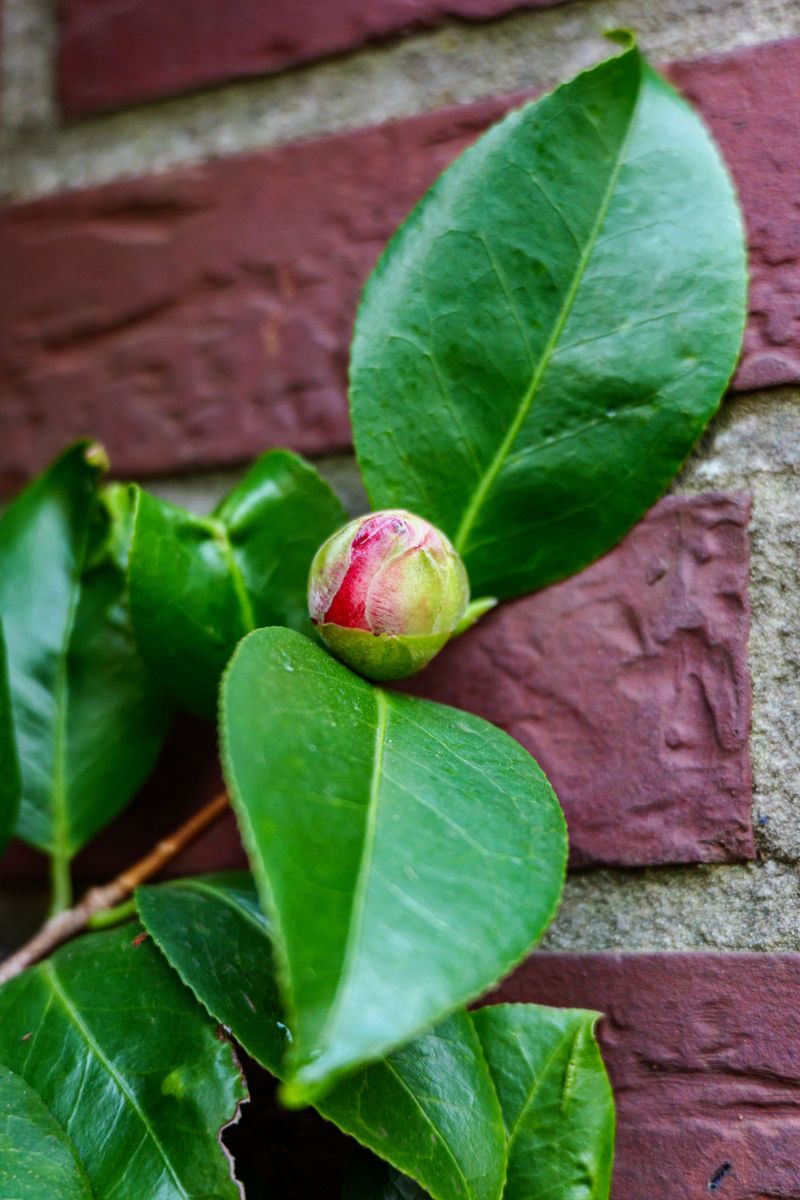
Buds are forming right now, setting the stage for fall and winter blooms. This is the window North Carolina growers rarely talk about.
When temperatures climb into the 90s, camellia roots work overtime pulling moisture from the soil. Without enough water, bud development slows before it ever gets started.
Think of August as the foundation month. What happens underground now shapes every bloom you will see from October through February.
Growers who ignore August watering sometimes blame cold weather or disease when buds drop later. In many cases, dry soil weeks earlier is an overlooked contributing factor.
The dry August camellia mistake starts here, in this critical growth window. Roots need consistent moisture to fuel bud cell development and hold buds firmly on the stem.
Skip this, and you are not just losing a few flowers. You are losing months of color and fragrance.
Paying attention to August is the single best investment any North Carolina grower can make for their camellia garden all year long.
The Drought Mistake That Triggers Bud Drop
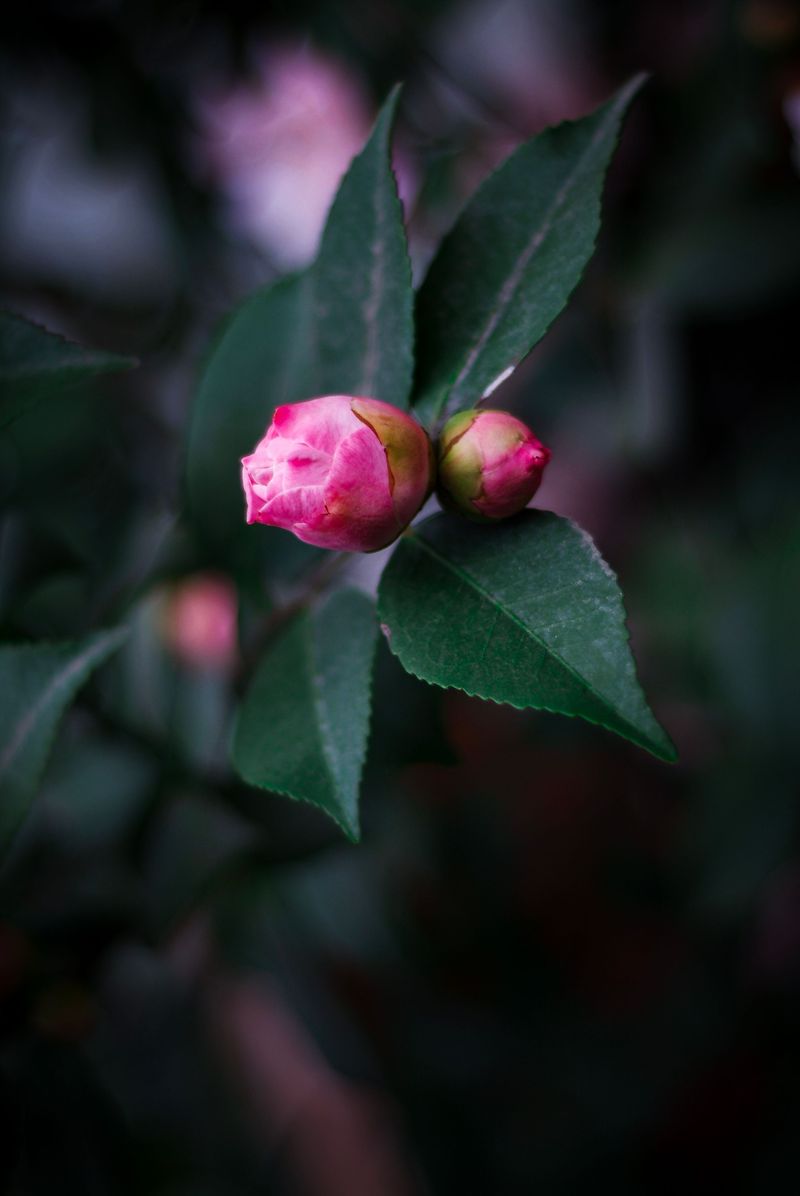
Buds dropping before they open is disappointing for growers. One day the plant looks fine, and the next the ground is covered in tiny green buds.
Drought stress is one of the most common triggers for this frustrating problem. Camellias respond to water shortage by shedding buds to survive.
It is a self-preservation move. The plant decides it cannot support both its leaves and its developing flowers, so the buds go first.
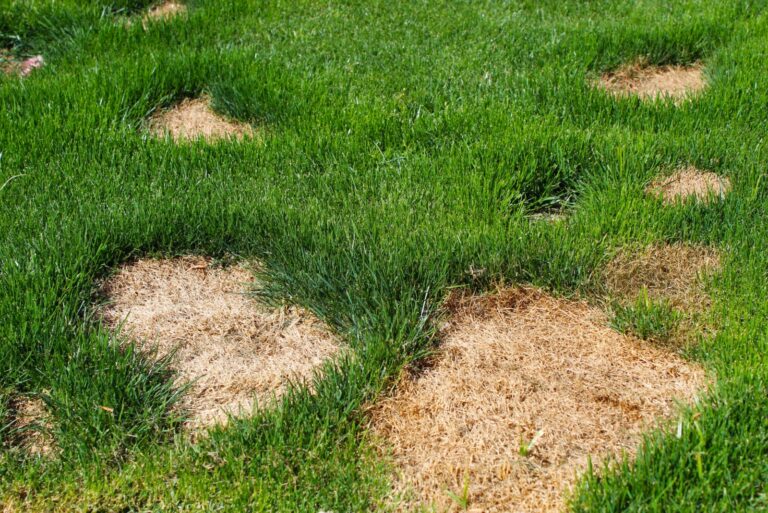
This often happens after several weeks of dry soil in August. By the time you notice bud drop in September, the damage was done a month earlier.
The dry August camellia mistake is easy to miss because the plant still looks green and healthy on the surface. You have to check the soil, not just the foliage.
Sandy soils common in eastern parts of the state drain fast and dry out quickly. Clay soils can crack and pull moisture away from roots just as efficiently.
Your North Carolina Garden Changes Every Week. Your Plan Should Too.
Gardening in North Carolina changes quickly throughout the season. Every Friday you’ll receive a simple weekly plan showing exactly what to plant, prune, fertilize, harvest, and protect so you never miss the right timing.
Neither soil type protects camellias from drought stress without your help. Consistent watering is the only reliable solution.
Once bud drop starts, it is unlikely to reverse for that season. Protecting buds means acting before the problem shows up on the ground.
How Dry Soil Disrupts Fall And Winter Blooms
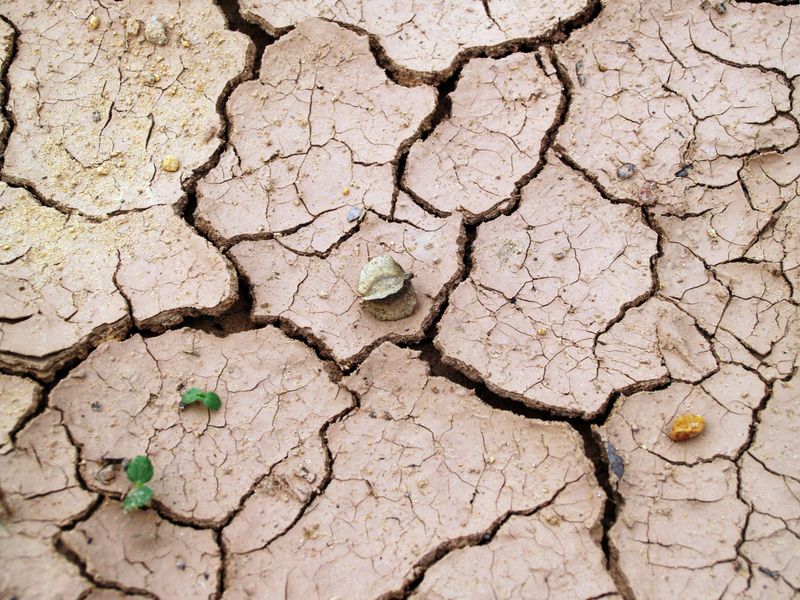
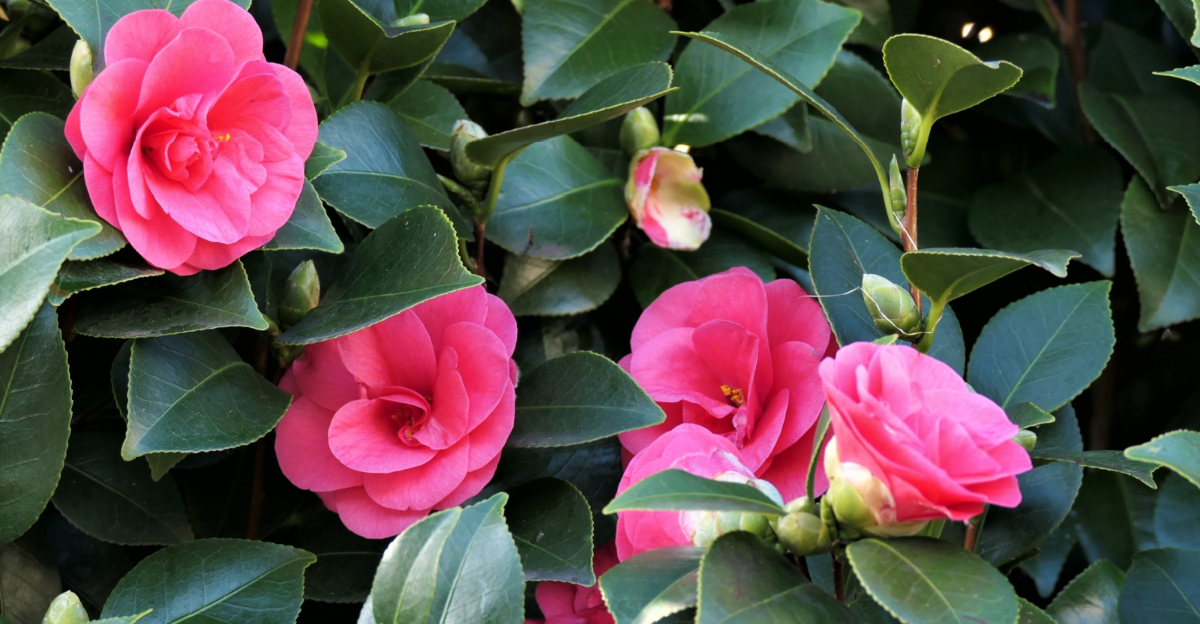
Camellias are famous for blooming when almost nothing else does. They light up fall and winter gardens with pinks, reds, and whites.
But that magic depends entirely on what happened months before. Dry August soil quietly reduces bloom performance before it begins.
When roots cannot absorb enough water, the plant stops investing energy in reproduction. Flower buds are expensive for a plant to make and maintain.
Stress signals travel from the roots upward, triggering a chemical chain reaction. Hormones tell the plant to cut its losses and drop developing buds.
Growers are often confused when their camellias bloom poorly after a beautiful summer. They assume the plant needs fertilizer or pruning, but hydration was the missing piece.
Fall blooms on Camellia sasanqua varieties and winter blooms on Camellia japonica varieties both depend on August moisture. Missing that window affects both species equally.
A plant that was thirsty in August often produces fewer buds, smaller flowers, or a shortened bloom season. The effects ripple forward for months.
Protecting fall and winter color means thinking ahead. August watering is the preparation work that shapes the visible bloom later.
Checking Soil Moisture The Right Way
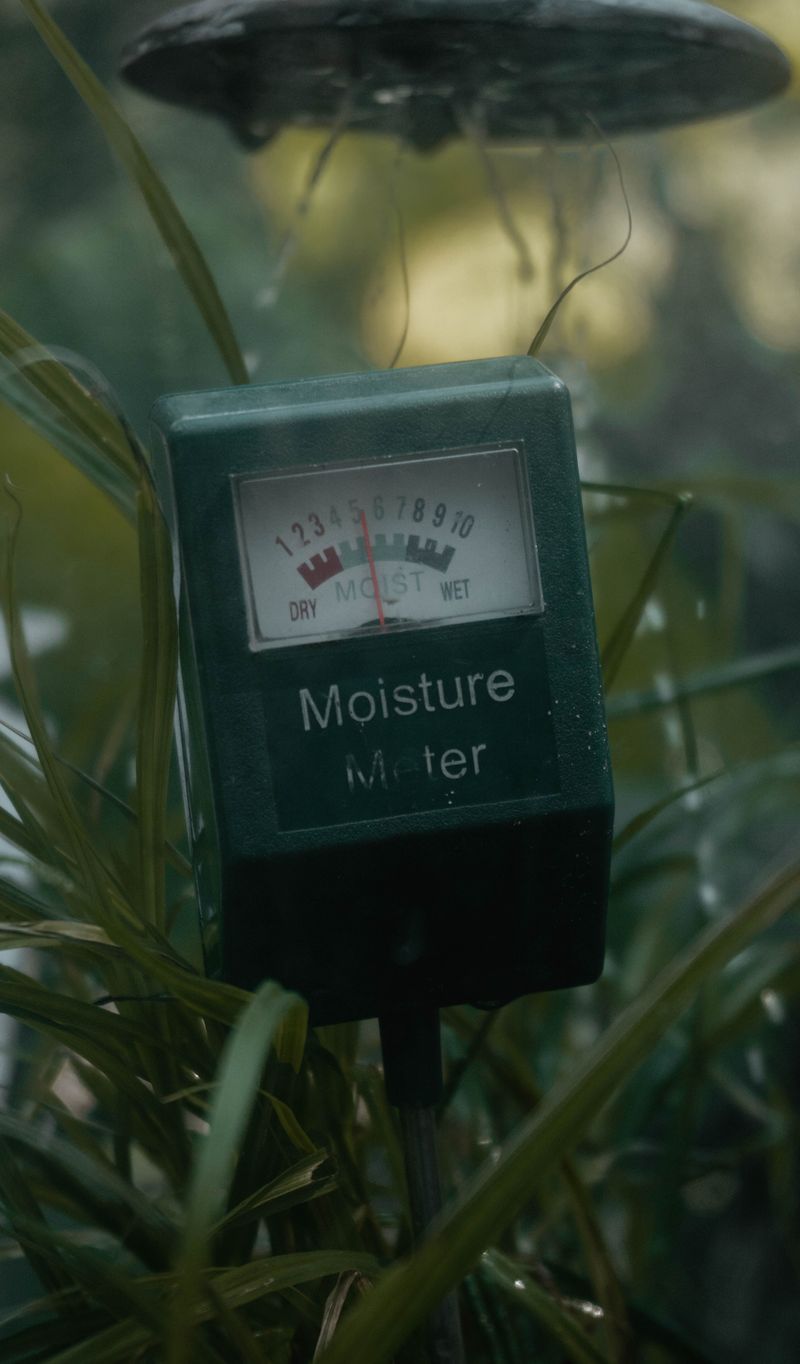
Most growers check soil moisture the wrong way. They glance at the surface, see dry mulch, and either panic or assume everything is fine.
Surface dryness tells you almost nothing about what is happening at root level. Camellia roots typically extend several inches deep, and that zone is what matters.
The finger test is simple and reliable. Push your index finger two inches into the soil near the drip line of the shrub.
If it feels dry at that depth, water immediately. If it feels cool and slightly damp, you likely have a day or two before watering is needed.
A wooden dowel or a screwdriver pushed into the soil works even better. Pull it out and check whether soil clings to it or comes out clean and dry.
Soil moisture meters are inexpensive and take the guesswork out entirely. A basic model from any garden center gives you a quick, accurate reading in seconds.
Check moisture every two to three days during August heat waves. Morning checks are best because soil conditions shift throughout the day.
Knowing your soil type also helps you predict how fast it drains. Sandy soils need more frequent checks than heavier clay-based ground.
Finding The Balance Between Dry And Soggy Roots
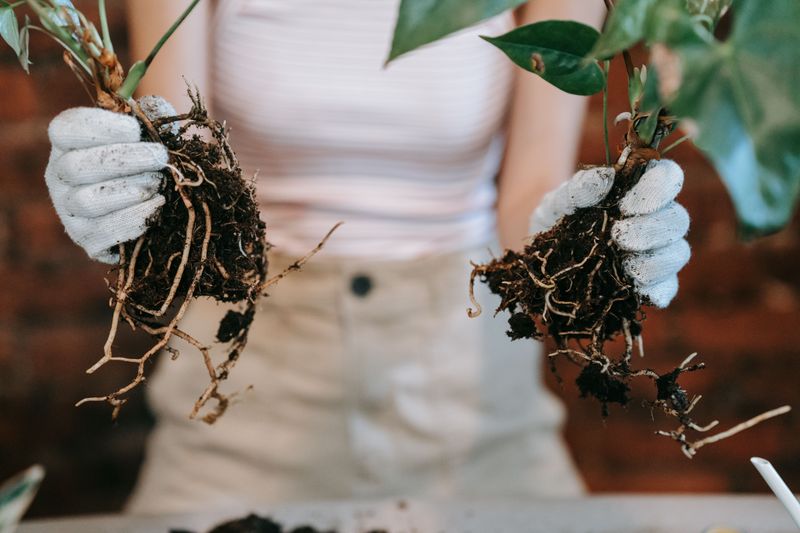
Overwatering is just as damaging as drought for camellias across North Carolina. Soggy roots lose access to oxygen and rot, leading to a slow decline that looks a lot like drought stress.
Finding the sweet spot between too dry and too wet is the real skill every North Carolina camellia grower needs. It sounds tricky, but the plant gives you clues.
Yellowing leaves that drop off in large numbers often signal root rot from overwatering. Wilting despite wet soil is another red flag worth investigating immediately.
Healthy camellia roots need oxygen as much as they need water. Soil that stays saturated for an extended period can begin cutting off that oxygen supply, though the exact timing varies by soil type and drainage.
Good drainage is the foundation of the whole system. Raised planting beds, amended soil with compost, and strategic mulching all help water move through at the right pace.
A two to three inch layer of pine bark mulch does double duty. It holds moisture during dry spells and prevents the soil surface from baking hard in North Carolina’s August heat.
Check your drainage by pouring a gallon of water near the base and watching how quickly it absorbs. Standing water after ten minutes signals a drainage problem worth fixing.
Balance is achievable with attention and a few simple adjustments. Camellias across North Carolina will reward that effort with a healthier root system all season long.
A Simple Watering Routine To Protect Buds
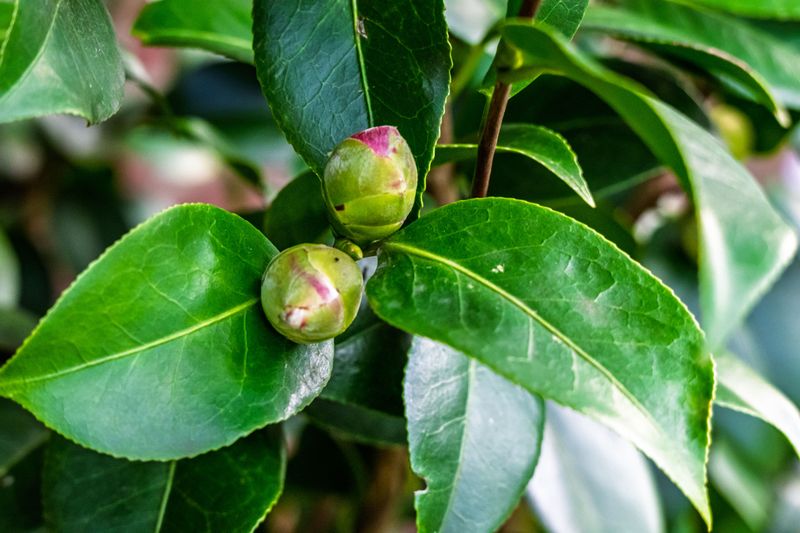
Consistency beats intensity when it comes to watering camellias in August. One deep soak per week does more good than daily light sprinkles.
A slow, deep watering session allows moisture to penetrate down to the root zone. Shallow watering only wets the top inch or two and encourages shallow root growth.
Soaker hoses and drip irrigation are the gold standard for camellia care. They deliver water slowly at soil level without wetting foliage, which reduces fungal problems.
If you water by hand, let the hose run at low pressure near the base until the soil is saturated several inches down. Move it to two or three spots around the drip line for even coverage.
Water in the early morning whenever possible. Soil absorbs moisture better before the heat of the day evaporates it off the surface.
During a true August drought, increase watering frequency and monitor soil moisture closely. Mark watering days on your phone calendar so the routine stays consistent.
Camellias thrive on predictability, and irregular watering creates the same stress as no watering at all. A steady routine now locks in those buds and sets up a stunning bloom season ahead.
What To Expect If You Fix It Now
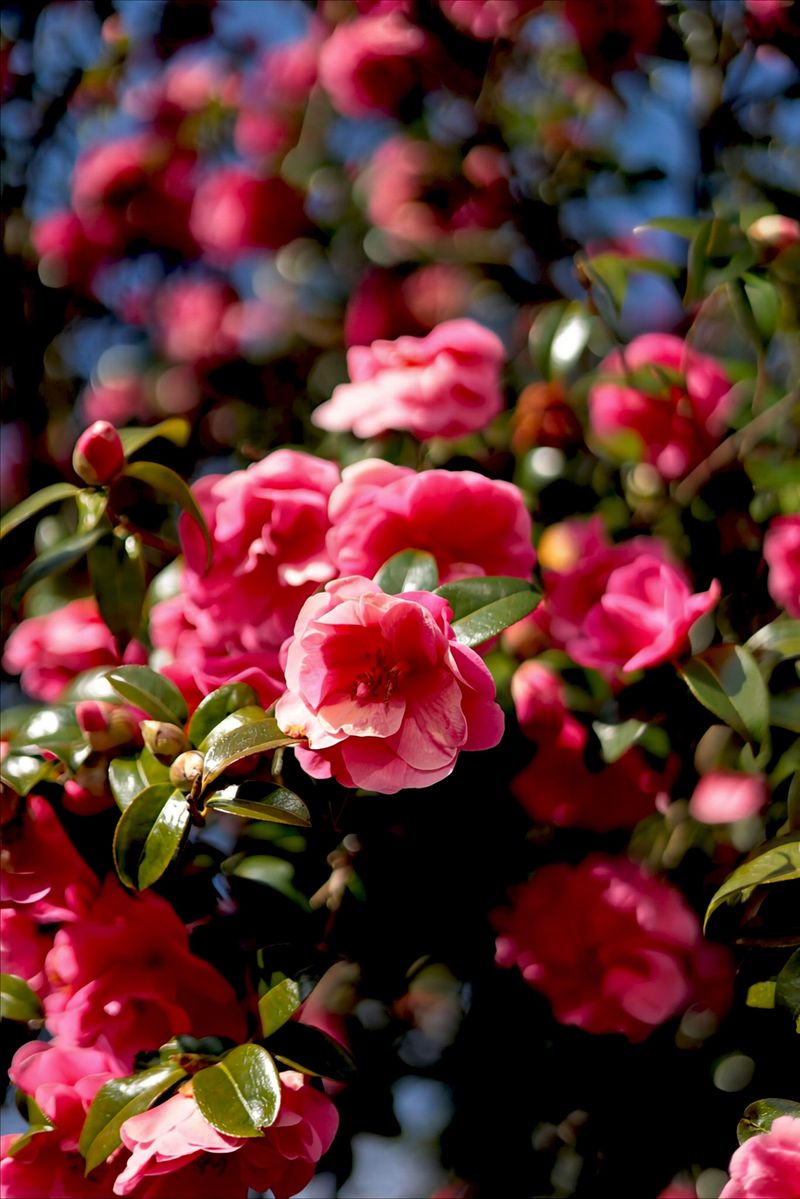
Starting a solid watering routine in August can often help rescue your bloom season. The plant responds faster than most growers expect.
With consistent moisture, you may notice new bud growth or firmer, plumper existing buds within a few weeks. That is the plant signaling that conditions have improved.
Buds that were just beginning to form have the best chance of recovery. Buds already showing stress signs may still drop, but new growth will fill in behind them.
Fixing the dry August camellia mistake now means your sasanqua varieties should bloom beautifully by late September and October. Japonica types will follow with their winter show.
Expect fuller flower clusters and deeper color when roots have had consistent hydration. Stressed plants produce pale, smaller blooms even when they manage to open.
Your shrubs will also enter fall with a stronger immune system. Well-hydrated camellias are generally better equipped to resist fungal issues and pest pressure than drought-stressed ones.
Long-term, growers who fix August watering habits see healthier, larger shrubs year after year. The compounding benefit of good root health is real and visible.
The fix is straightforward, the results can be significant, and the season ahead reflects the time you invest now.