The One Thing North Carolina Coneflowers Need In August Or They’ll Stop Reseeding Themselves
August in North Carolina has a way of tricking gardeners into moving too fast. The garden looks finished, the blooms are fading, and cleanup feels like the obvious next step.
But coneflowers run on a schedule most people rarely think to check, and one small decision this month decides if next year’s bed comes back thick or thin.
Nothing about the bed signals a problem in the moment, which is exactly what makes this so easy to get wrong. Your yard looks ready for fall, and the consequences don’t show up until months later when spring arrives and half the patch never returns.
Get this one detail right in August, though, and North Carolina coneflowers keep spreading themselves year after year without any help at all.
Leaving Seed Heads Intact Is The Key Step
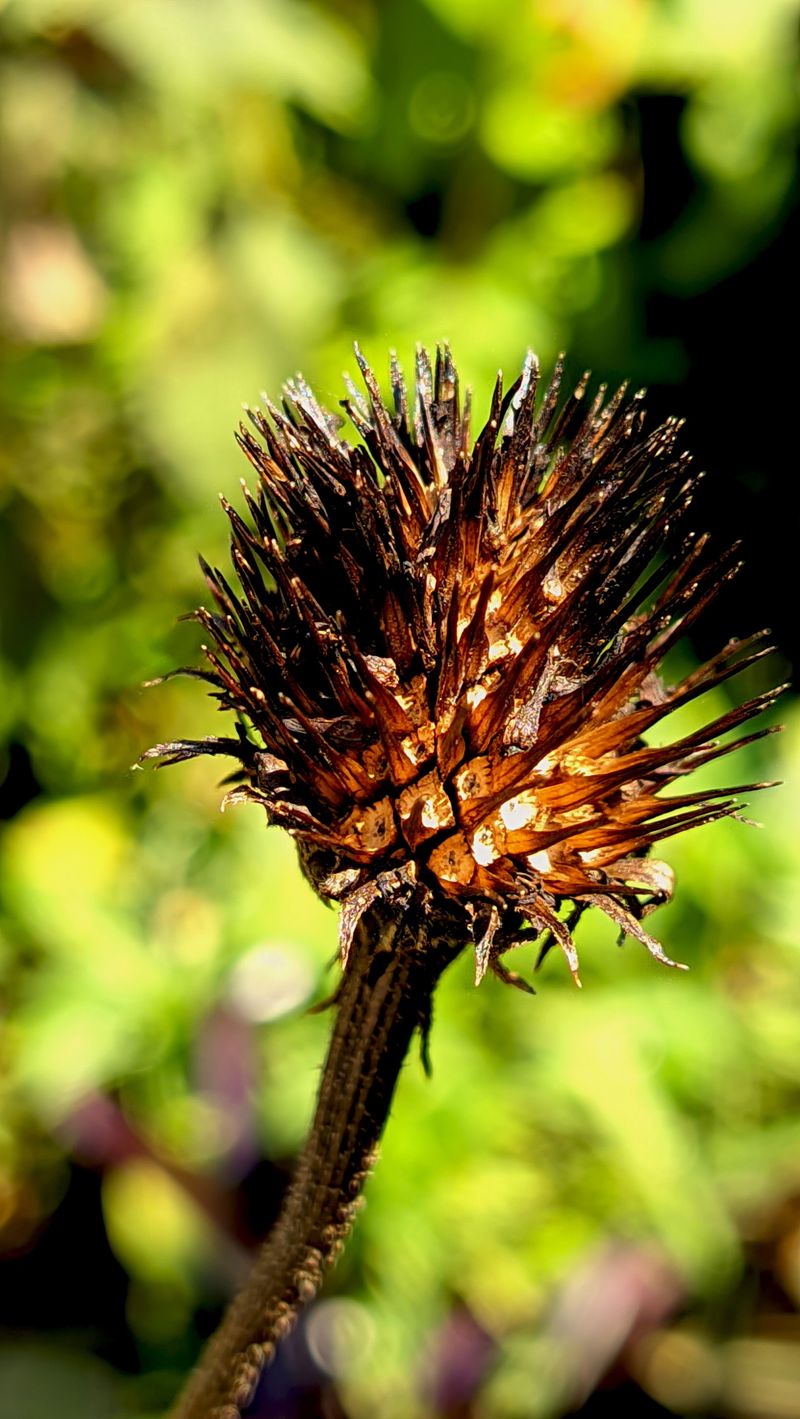
Your shears need to stay in the shed right now. Leaving seed heads intact on your coneflowers is the single most important August step you can take for natural reseeding success.
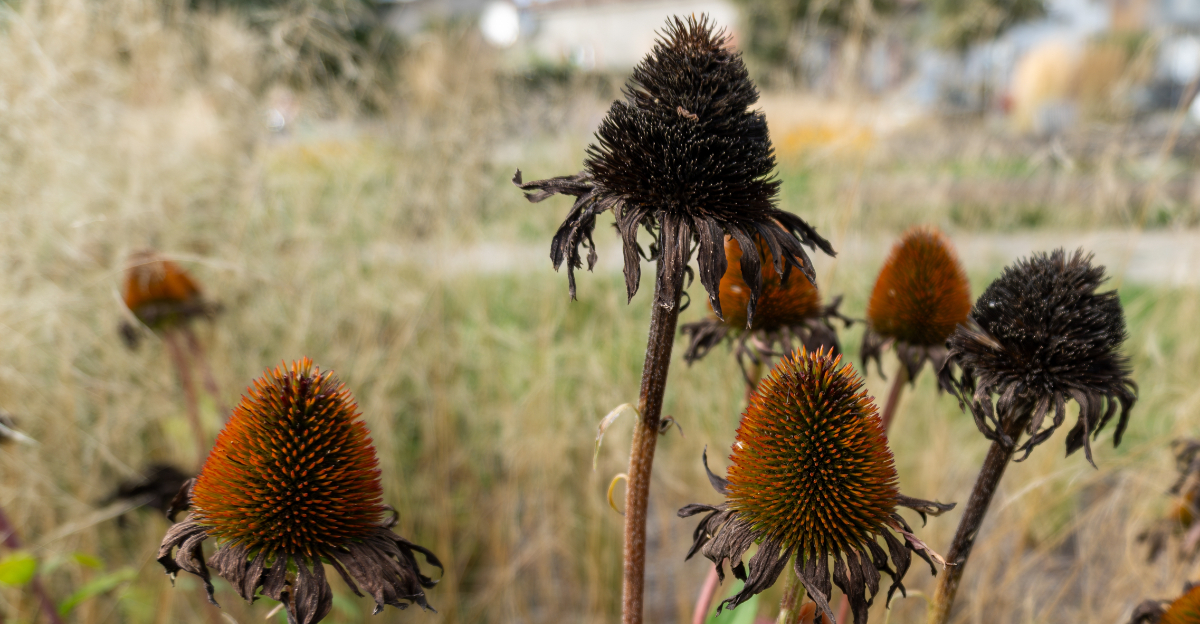
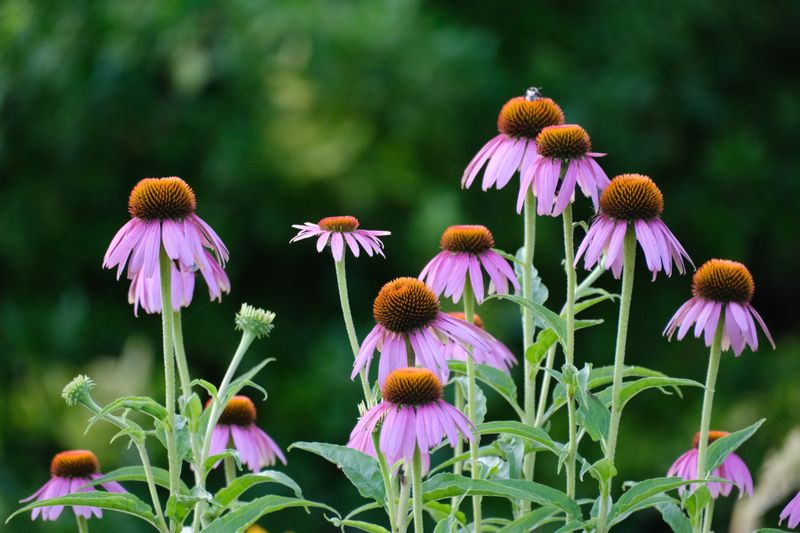
When the petals drop and the spiky brown center remains, that center is packed with seeds. Each seed head can hold dozens of seeds just waiting to fall.
Cutting those heads off early removes most future plants in that cluster. You lose not just one bloom but an entire generation of coneflowers.
Gardeners in North Carolina often assume a tidy garden is a healthy one. That instinct is understandable, but it works against you here.
The seed heads need to stay on the plant long enough to fully dry out. A fully dried head releases seeds that are mature enough to actually germinate next spring.
Immature seeds, shaken loose too early, rarely sprout at all. They just sit in the soil without ever sprouting.
Think of leaving those heads as an investment in next year’s garden. You are essentially planting for free without lifting a single trowel.
Resist the urge to clean up in August, even when the garden looks a little ragged. That rough, wild look is where your future blooms are hiding.
The payoff comes in spring when new seedlings appear right where you left those heads standing. That is the reward for patience and restraint in August.
Coneflower Seed Heads Need Time To Mature
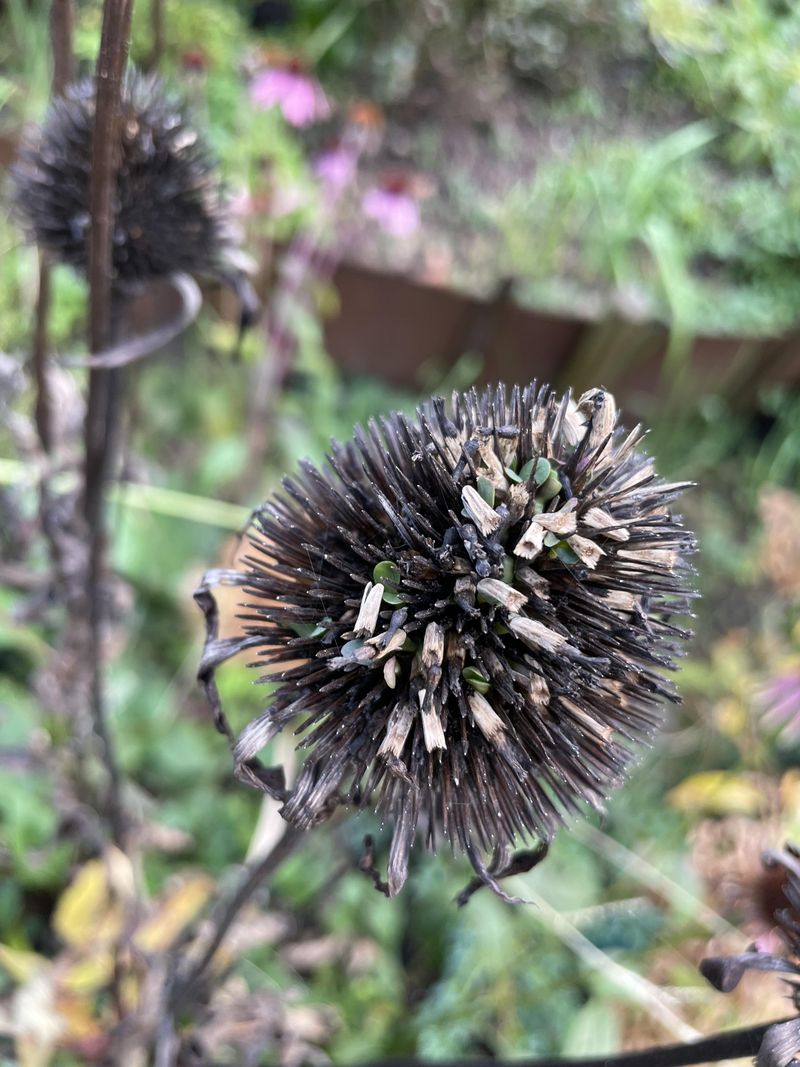
Patience is not just a virtue in gardening. It is an actual growing strategy.
Coneflower seed heads do not mature overnight, and rushing the process is where most gardeners lose the reseeding game. The seeds inside that spiky dome need weeks to fully ripen after the petals fall.
Right after blooming ends, the seed head looks brown and finished. But inside, the seeds are still developing and building the energy they need to sprout.
Cutting too early is like pulling a loaf of bread from the oven before it has finished baking. The outside looks done, but the inside is not ready at all.
In the warm late-summer climate of the Carolina Piedmont, coneflower seed heads typically need several weeks post-bloom to fully mature. That window often lands squarely in August.
Your North Carolina Garden Changes Every Week. Your Plan Should Too.
Gardening in North Carolina changes quickly throughout the season. Every Friday you’ll receive a simple weekly plan showing exactly what to plant, prune, fertilize, harvest, and protect so you never miss the right timing.
You can test maturity by gently rubbing the seed head between your fingers. If seeds fall out easily and feel firm, they are ready.
Soft or squishy seeds are not mature yet and will not germinate well. Give them more time before you even think about touching the plant.
Leaving the heads through August and into early September gives you the best results. The seeds that fall naturally during that window have strong germination rates.
Trusting the plant’s own timeline is one of the smartest moves a home gardener can make. Your coneflowers already know what they are doing.
Birds And Wildlife Benefit From Leftover Seed Heads
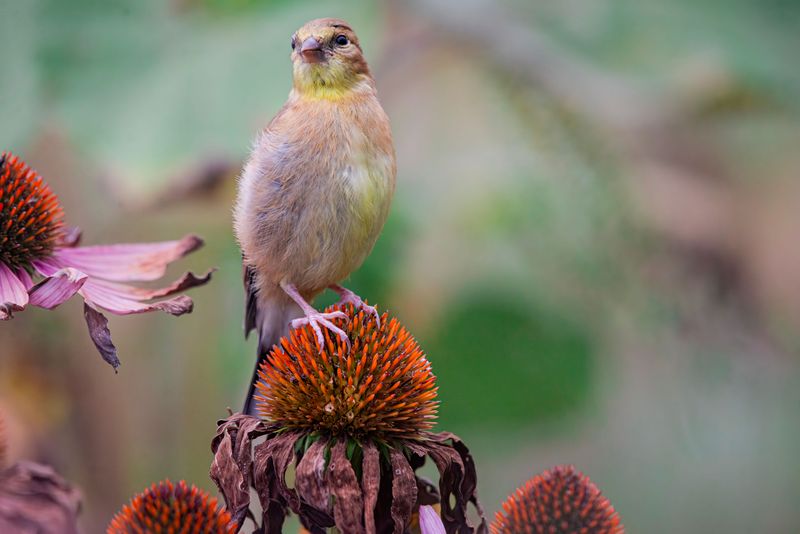
Here is a bonus you did not expect: skipping the August cleanup feeds your local wildlife too. Goldfinches absolutely love coneflower seeds, and they will visit your garden often once the heads dry out.
Leaving the seed heads standing turns your backyard into a mini wildlife refuge. You get to watch the whole show from your kitchen window.
Chickadees, sparrows, and finches commonly forage on dried coneflower heads through late summer and into fall. They cling to the spiky centers and pick seeds out with impressive precision.
Some seeds get dropped nearby during feeding, which actually helps spread your coneflower patch further. Wildlife does part of your gardening work for free.
Beyond birds, pollinators also linger around seed heads longer than most people realize. Bees and small insects use the dried stems and heads as shelter during cooler nights.
A garden that supports wildlife is a garden that stays balanced and healthy. Fewer pests, more predators, better blooms the following season.
You do not need a formal wildlife habitat to make a difference. Just leave those seed heads standing through August and let nature do the rest.
The environmental benefit stacks on top of the reseeding benefit, making this one of the most efficient decisions in your whole garden calendar. Two wins for the price of one.
Your neighbors might wonder why your garden looks a little wild in August. Just smile and tell them you are feeding the birds.
Timing Your August Garden Cleanup Correctly
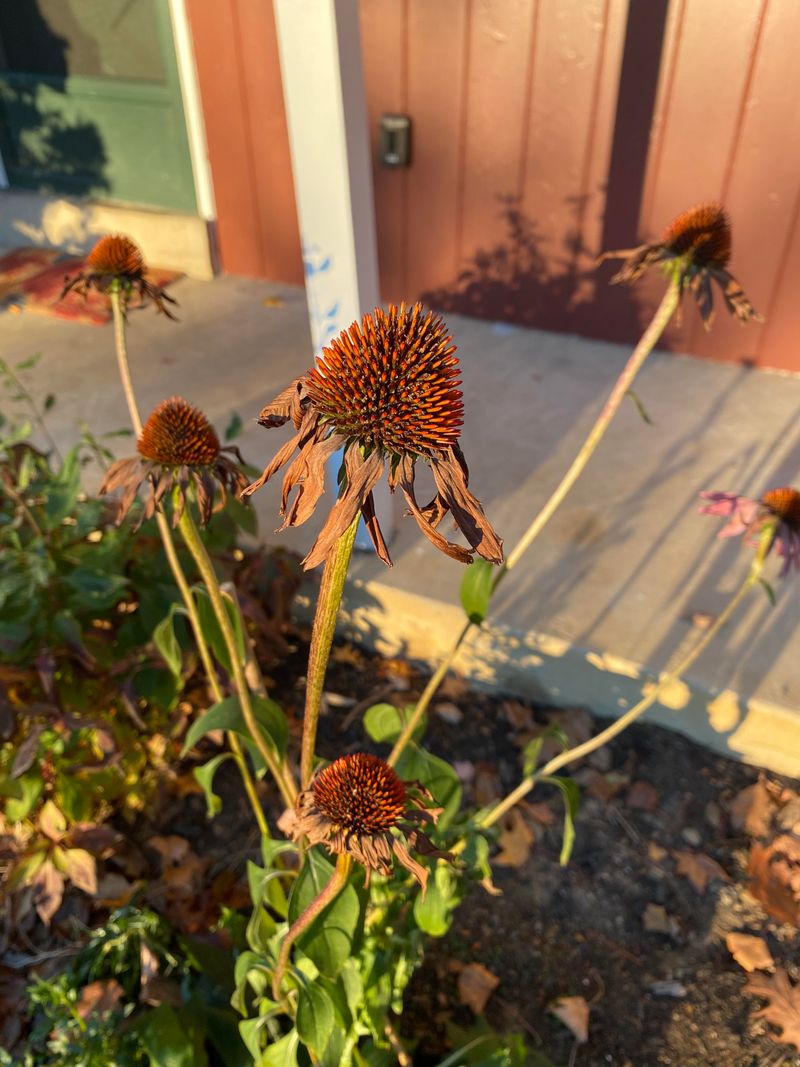
Timing matters more than most gardeners think, and August is the month that makes or breaks your coneflower reseeding plan. Most gardeners feel the pull to clean up as summer heat peaks and plants start looking tired.
That cleanup urge is natural but dangerously early for coneflowers. The seed heads are still working, even when the rest of the plant looks spent.
The sweet spot for cleanup falls in late September to early October for most of the Carolinas. By then, seeds have had time to drop on their own.
If you must tidy in August, focus on other plants first. Pull spent annuals, remove spent blooms on roses, and trim overgrown shrubs while leaving your coneflower seed heads alone.
A simple garden rule helps here: if it has a spiky brown center, leave it standing. That one rule prevents most of the reseeding mistakes home gardeners make.
You can also do a partial cleanup around the base of the plant without touching the heads. Remove dry leaves and debris while the stems and seed heads stay intact.
This approach keeps your garden looking cared-for without sacrificing next year’s seedlings. It is a compromise that works beautifully for both aesthetics and function.
Mark your calendar for late September as your coneflower cleanup date. Setting that reminder now removes the temptation to act too soon when August heat makes everything look overgrown.
Proper timing is the invisible skill that separates experienced gardeners from beginners. Get it right once and you won’t have to relearn it every year.
Signs Your Coneflowers Are Ready To Self-Sow
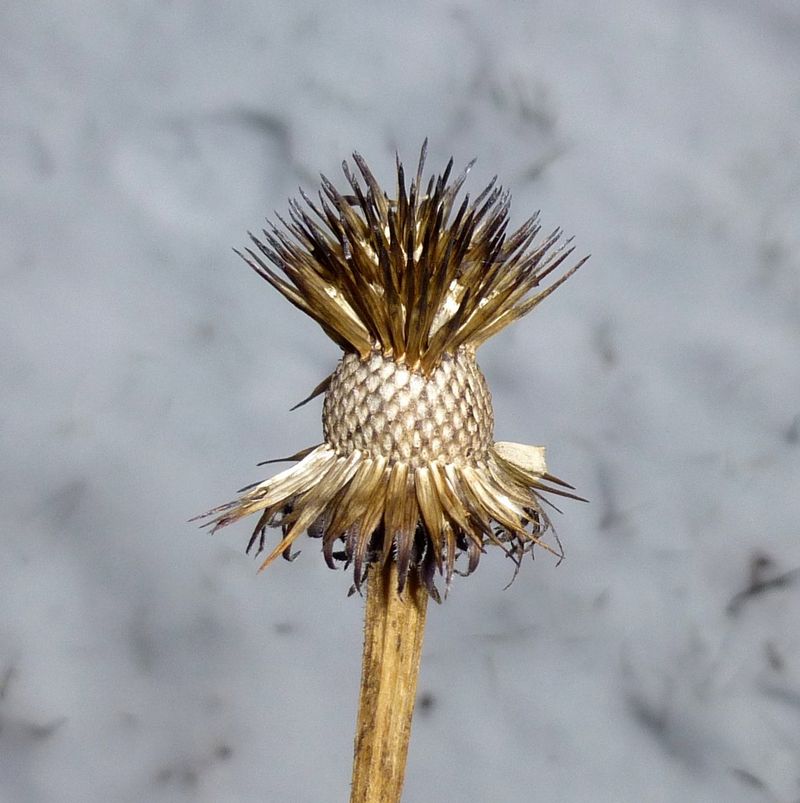
Not every dried seed head is ready to release seeds, and knowing the difference saves you from acting too early. Your coneflowers will actually tell you when they are ready if you know what to look for.
The first sign is color change. A seed head that has gone from greenish-brown to fully dark brown or black is much closer to seed-drop time.
The second signal is texture. Run your thumb lightly across the top of the seed head and notice if seeds shift or release with almost no pressure.
If seeds cling tightly and the head feels firm and closed, they are not ready yet. Come back in another week and check again.
A third clue is the surrounding area. Look at the soil directly beneath the plant for any small, dark seeds that have already fallen naturally.
Natural seed drop is the plant telling you it is doing the work on its own. That is the best possible outcome for effortless reseeding.
You might also notice the seed head beginning to lean slightly as it dries and lightens. That lean helps seeds scatter in a wider radius around the base.
Wind plays a big role too. On breezy August evenings, a fully mature seed head will release seeds with almost no help from you at all.
Watch for these signs before you even pick up your garden tools. Letting nature signal readiness keeps your coneflower reseeding cycle strong year after year.
Simple Steps To Encourage Natural Reseeding
Encouraging your coneflowers to reseed naturally does not require any fancy tools or expensive products. A few simple adjustments to your August routine make all the difference.
Start by pulling back any thick mulch from around the base of your coneflower plants. Seeds need direct contact with soil to germinate, and a thick mulch layer blocks that contact.
A thin layer of half an inch or less is fine. Anything deeper acts like a barrier that prevents new seedlings from reaching sunlight.
Next, avoid disturbing the soil directly under the plant during August. Raking or cultivating too close to the base can bury seeds too deep for germination.
Light, shallow soil works best for coneflower seeds to sprout. Think of the soil as a welcome mat, not a locked door.
Watering also plays a supporting role. Keep the area around your coneflowers consistently moist in late summer to help fallen seeds settle and stay hydrated.
Do not overwater, though, since soggy soil promotes rot and can keep seeds from sprouting. Aim for moist, not wet.
Finally, skip any pre-emergent herbicides near your coneflower beds in August and September. Those products prevent most seeds from sprouting, including your coneflowers.
Skipping this August step and your North Carolina coneflowers stop reseeding is a real risk, but these simple habits flip that outcome. A little awareness now means a garden full of free blooms come spring.