The One Thing North Carolina Eggplants Need In August To Keep Producing Until Frost
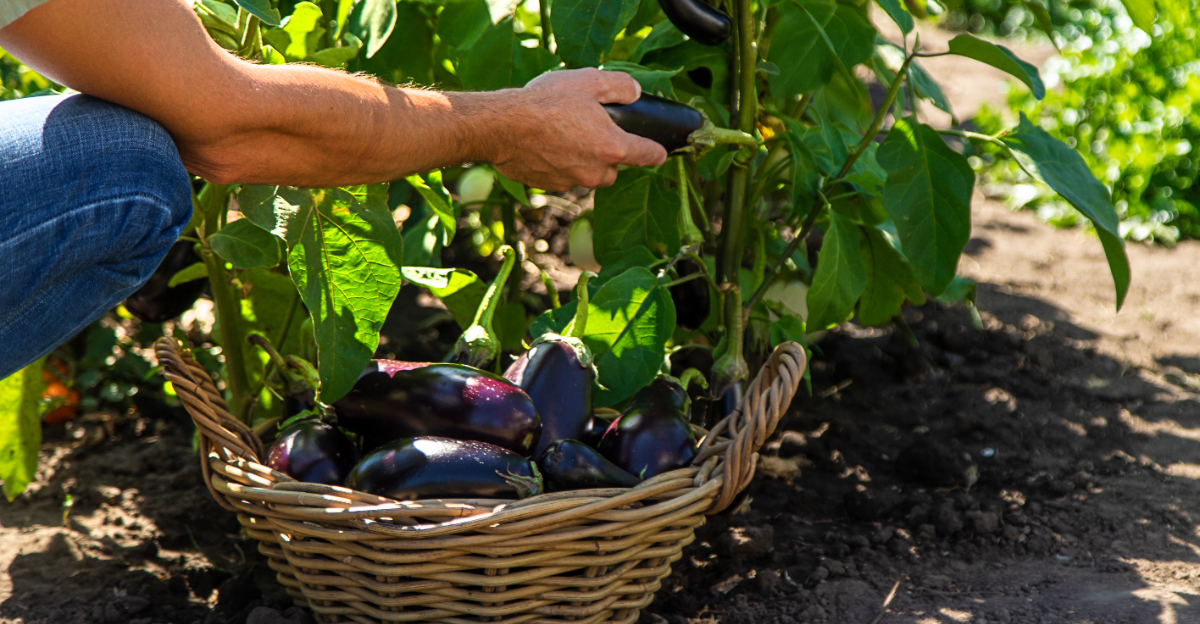
Consistent watering remains the one thing North Carolina eggplants need most in August to keep producing steadily until frost arrives.
Irregular moisture during this stretch often causes plants to drop flowers early, halting new fruit development even as existing eggplants continue ripening.
Deep, steady watering supports strong root systems capable of handling the lingering heat still common throughout the month.
Mulching around the base helps retain soil moisture, reducing stress during particularly hot or dry afternoon stretches.
Harvesting mature eggplants regularly also signals the plant to continue producing rather than slowing down prematurely.
Checking soil moisture several inches down gives a more reliable read than judging based on the surface alone.
Feeding plants with a balanced fertilizer supports continued fruit development as the season progresses.
Staying consistent with watering now often determines whether eggplants keep producing well into fall.
1. Regular Harvesting Keeps New Fruit Coming
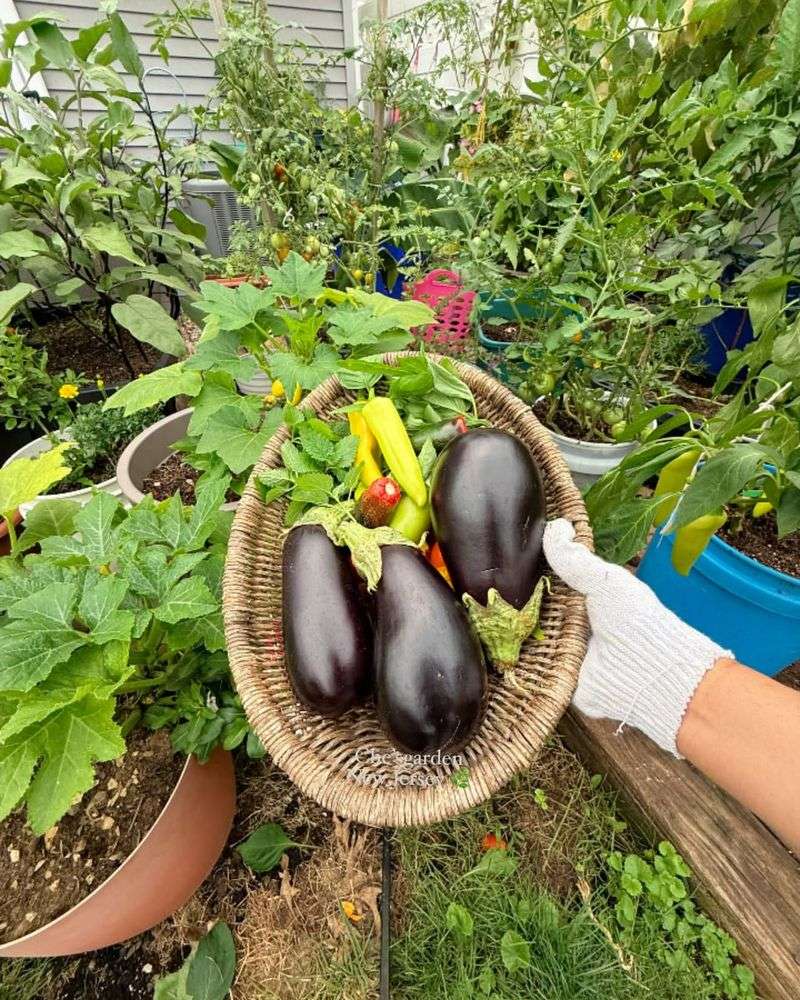
Nothing signals a healthy eggplant garden quite like a basket filling up with fresh fruit every few days.
When you pick mature eggplants consistently throughout August, you are essentially sending the plant a message: keep going.
The plant responds by redirecting its energy away from ripening existing fruit and toward forming new flowers and setting additional eggplants.
Eggplants are programmed to produce seeds and then slow down once those seeds are fully mature.
If you leave a ready fruit on the plant for too long, the plant starts focusing all of its resources on that one fruit instead of building new ones.
Harvesting breaks that cycle and keeps production moving forward in a steady rhythm. Most North Carolina gardeners find that checking their eggplants every two to three days during August works well.
The warm temperatures speed up fruit development, so what looks small on Monday can be ready by Thursday.
Staying on top of that pace makes a real difference by the end of the season. It is worth mentioning that harvesting alone cannot fix every problem.
Severe heat stress, insect damage, disease pressure, or a plant that is simply struggling will limit production regardless of how often you pick.
Regular harvesting supports a healthy, productive plant, but it works best when the rest of your care routine is solid too. Think of it as one strong piece of a bigger puzzle that all fits together.
2. Glossy Skin Signals The Right Harvest Stage
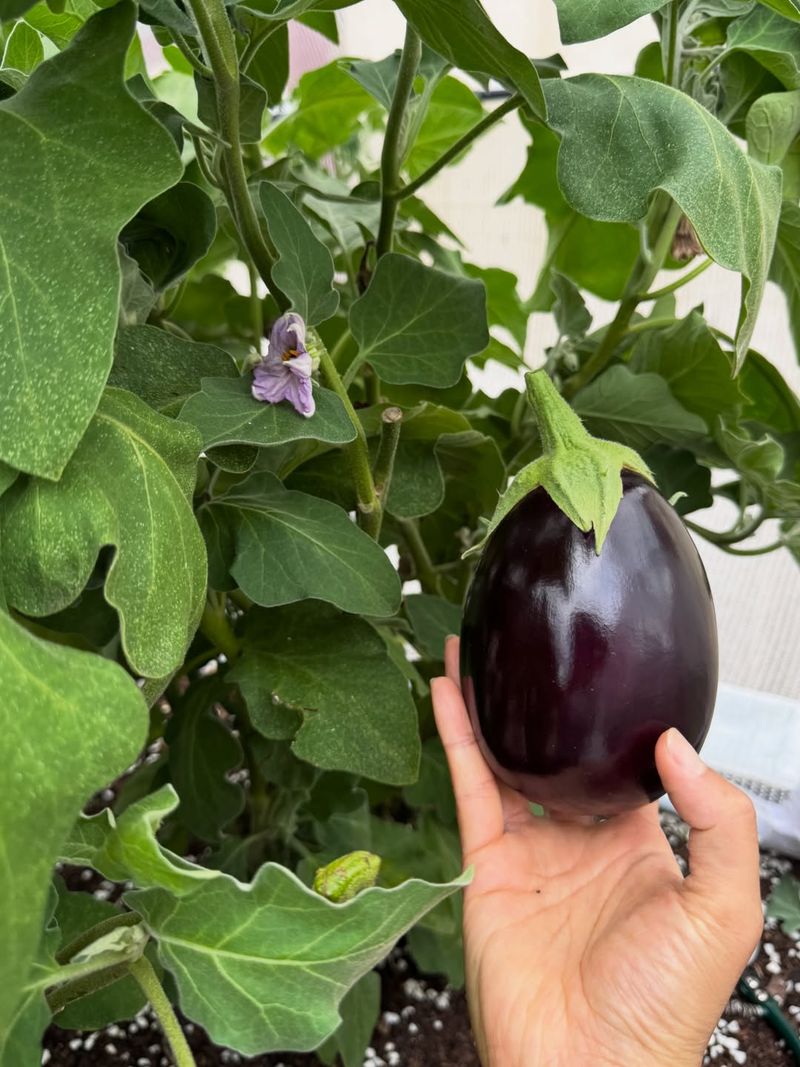
There is something almost satisfying about spotting a perfectly glossy eggplant hanging from the vine.
That smooth, shiny surface is not just attractive, it is actually one of the most reliable signs that the fruit is ready to pick.
Glossy skin means the eggplant is still at an immature stage, which sounds counterintuitive, but that is exactly when the flesh is most tender and the seeds are still soft and mild.
Once an eggplant moves past its prime, the skin starts to lose that shine and takes on a duller, sometimes brownish appearance.
At that point, the seeds inside have grown larger and firmer, and the flesh can turn bitter or spongy.
Your North Carolina Garden Changes Every Week. Your Plan Should Too.
Gardening in North Carolina changes quickly throughout the season. Every Friday you’ll receive a simple weekly plan showing exactly what to plant, prune, fertilize, harvest, and protect so you never miss the right timing.
Picking before that happens gives you better flavor and keeps the plant producing new fruit at the same time.
North Carolina gardeners grow a wide range of eggplant cultivars, and the expected color at harvest varies quite a bit.
Classic large varieties turn deep purple, while white cultivars like Casper stay pale and creamy.
Green varieties, pink-streaked types, and small round Thai eggplants all have their own unique look when they are ready.
Learning what your specific cultivar should look like at its glossy best is worth a few minutes of research.
Check the seed packet or plant tag for guidance on expected color and approximate size at harvest.
Once you know what to look for, spotting the right moment becomes second nature after just a few picks during the season.
3. Firm Fruit Should Give Slightly Under Pressure
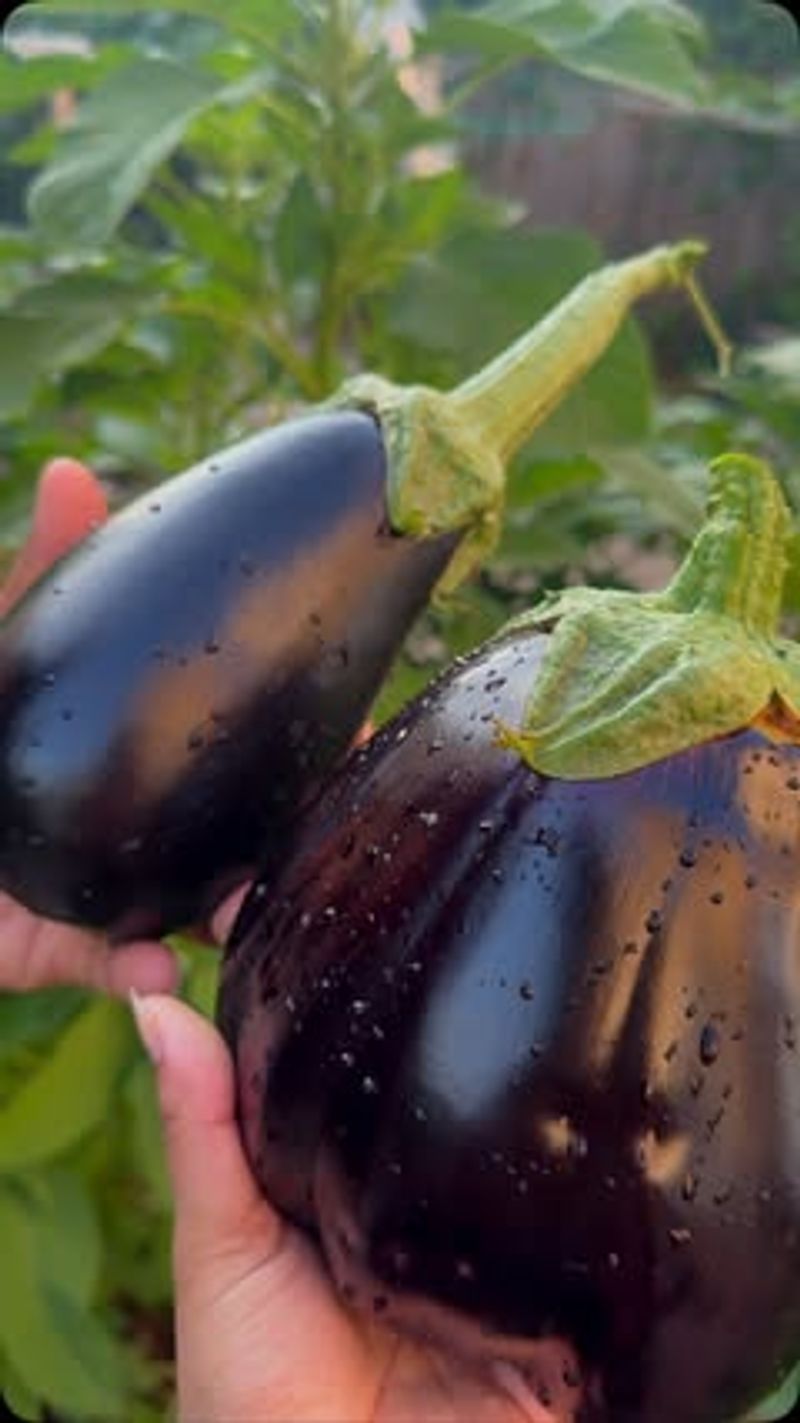
Picking up an eggplant and giving it a gentle press might feel a little unusual at first, but it is one of the most useful tricks experienced gardeners use.
A fruit that is ready to harvest will feel firm and solid, but when you apply light pressure with your thumb, there should be just a tiny bit of give.
That slight softness tells you the flesh inside is at its most flavorful and tender stage. If the eggplant feels rock hard with absolutely no give at all, it may need another day or two on the plant.
On the other end of the scale, fruit that feels spongy, soft, or already dented before you even press it has stayed on too long.
Spongy texture usually means the interior has become pithy and the seeds have developed past the point where the fruit tastes good in the kitchen.
Wrinkling or puckering of the skin is another clue that the eggplant has moved past its ideal window. Skin that was once smooth and taut starts to pull and pucker as the fruit ages on the vine.
Spotting that early saves you from leaving overripe fruit attached when it could be removed to encourage fresh growth.
Combining the squeeze test with a look at the skin appearance and a rough sense of your cultivar’s expected size gives you a reliable three-point check.
No single method tells the whole story, but together they make it much easier to harvest at exactly the right moment every time.
4. Oversized Eggplants Should Be Removed Promptly
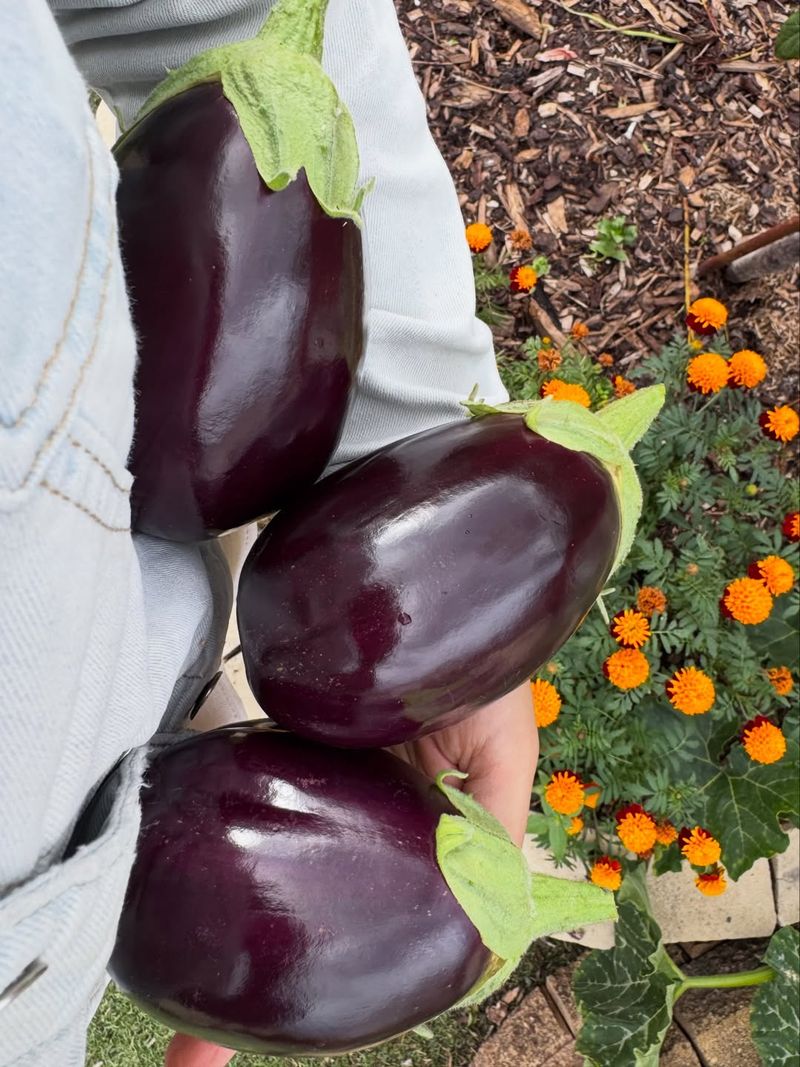
Not every eggplant in your garden is going to be a kitchen winner, and that is completely fine.
What matters more than perfect fruit is keeping the plant in a productive mode throughout the rest of August and into September.
Oversized, dull, or overmature eggplants that are no longer good for cooking still need to come off the plant as soon as you spot them.
When a large, mature eggplant stays attached, the plant continues pouring resources into ripening those seeds inside.
From the plant’s perspective, its job is done once seeds are fully developed, so it has less reason to put energy into forming new flowers.
Removing that fruit, even if you toss it in the compost pile, breaks the cycle and nudges the plant back into flower and fruit production mode.
Eggplant plants can get surprisingly bushy and full by mid-August, especially in the warm, humid North Carolina climate.
Dense foliage and thick branching make it easy to miss fruit hiding near the center of the plant or tucked beneath broad lower leaves.
A quick habit of parting the branches and peeking inside during each harvest check can reveal eggplants you might have walked right past.
Make it a routine to look under every large leaf and check the interior branches carefully each time you visit the garden.
Hidden fruit that goes unnoticed can grow oversized within just a few warm days.
Catching those stragglers early keeps your plant focused on what you actually want it to do, which is make more fresh eggplants for your table.
5. Smaller Fruit Can Be Ready For Harvest
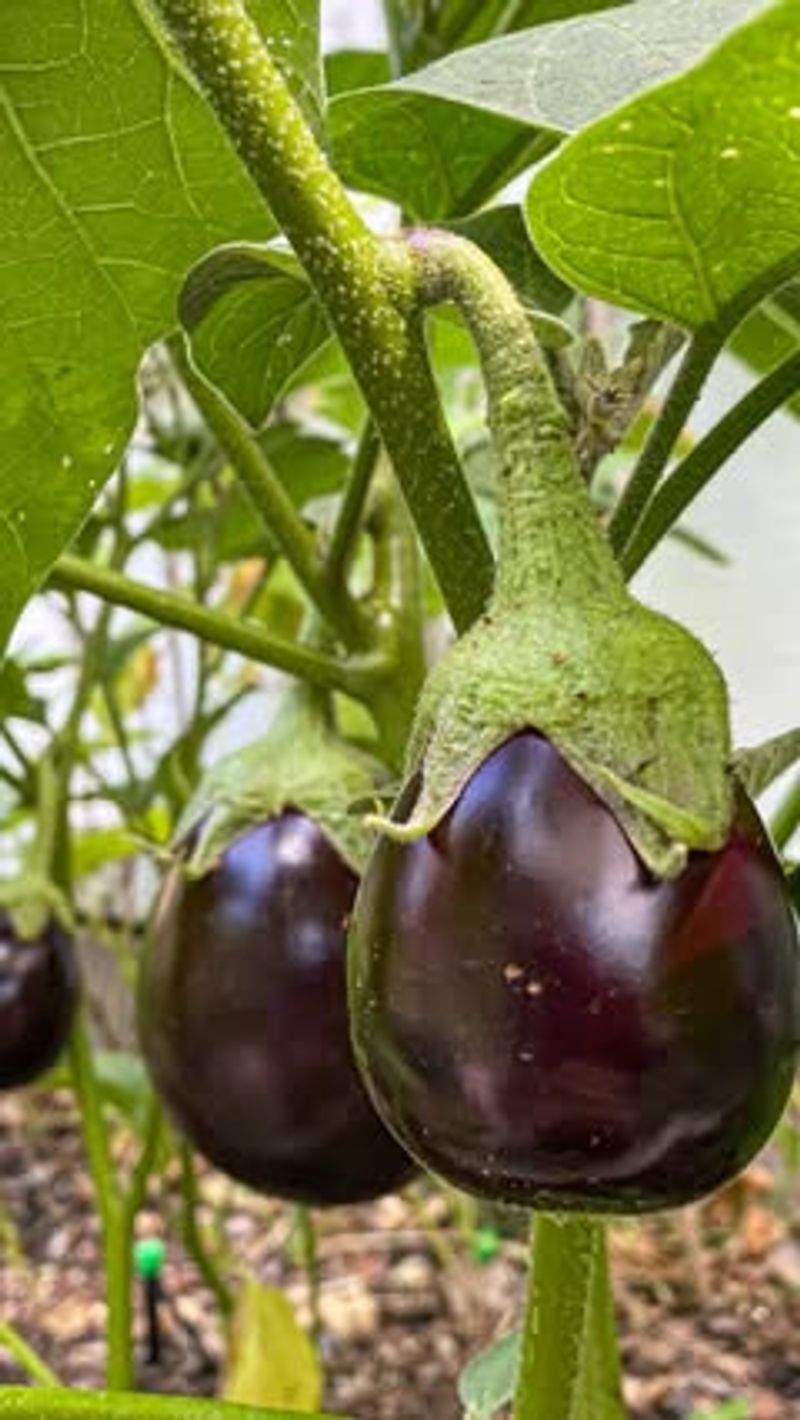
Many gardeners make the mistake of waiting for their eggplants to grow as large as the ones they see at the grocery store.
In reality, most eggplants taste their absolute best well before they reach maximum size, and waiting for that giant fruit can actually work against you.
Smaller fruit is often more tender, less bitter, and packed with better flavor than an eggplant that has been left to grow as large as possible.
Long, slender Asian cultivars like Ichiban or Orient Express are a perfect example of this.
These varieties are typically harvested when they are six to nine inches long and still narrow and glossy, not when they have ballooned out to their full potential.
Compact varieties and small specialty types like Fairy Tale eggplants have their own ideal harvest size that is quite different from the large globe cultivars most people picture first.
Harvesting at a smaller size also speeds up the turnaround time between fruits.
When you pick early and often, the plant sets new flowers faster and gets the next round of fruit developing sooner.
Over the course of a long North Carolina growing season, that faster cycle adds up to significantly more total fruit per plant.
The best starting point for knowing your ideal harvest size is the seed packet or the plant tag from the nursery.
Those descriptions usually include expected fruit size at maturity, which gives you a reliable target.
Once you harvest a few fruits at that size and taste them, you will have a personal reference point that makes every future harvest easier and more rewarding.
6. Clean Pruners Protect Productive Branches
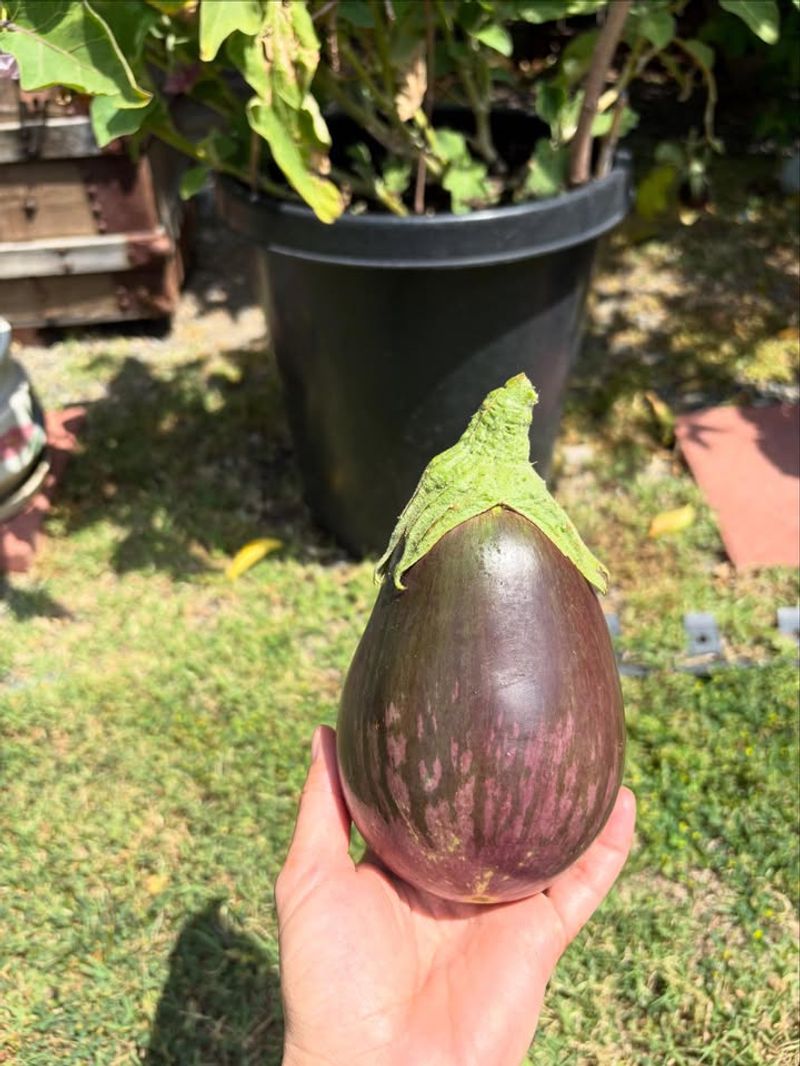
Grabbing an eggplant and giving it a twist might seem like the quickest way to harvest, but eggplant branches are surprisingly brittle and snap more easily than most gardeners expect.
A snapped branch means lost production from that section of the plant for the rest of the season.
Using clean garden scissors or hand pruners makes a cleaner cut and keeps the plant’s structure fully intact.
The right technique is simple.
Position your pruners on the fruit stem, leaving about an inch of stem attached to the eggplant along with the green leafy cap.
That short stem and cap help the fruit stay fresh longer after harvest and protect the cut end from drying out too quickly.
It takes only a second longer than pulling, and the benefit to the plant is well worth the small effort.
Cleanliness matters more than most gardeners realize when it comes to pruners.
Dirty or rusty blades can transfer fungal spores or bacterial pathogens from one plant to another, and eggplants are already vulnerable to several common diseases in North Carolina’s humid August conditions.
Wiping blades with rubbing alcohol between plants or at the start of each harvest session is a small habit with a real protective benefit.
One more thing to keep in mind: several popular eggplant cultivars have sharp, spiny points on the green cap and along the stem area.
Those little spines are easy to overlook until one catches your finger.
A pair of lightweight garden gloves makes harvesting more comfortable and protects your hands without slowing you down at all.
7. Every Branch Should Be Checked During Harvest
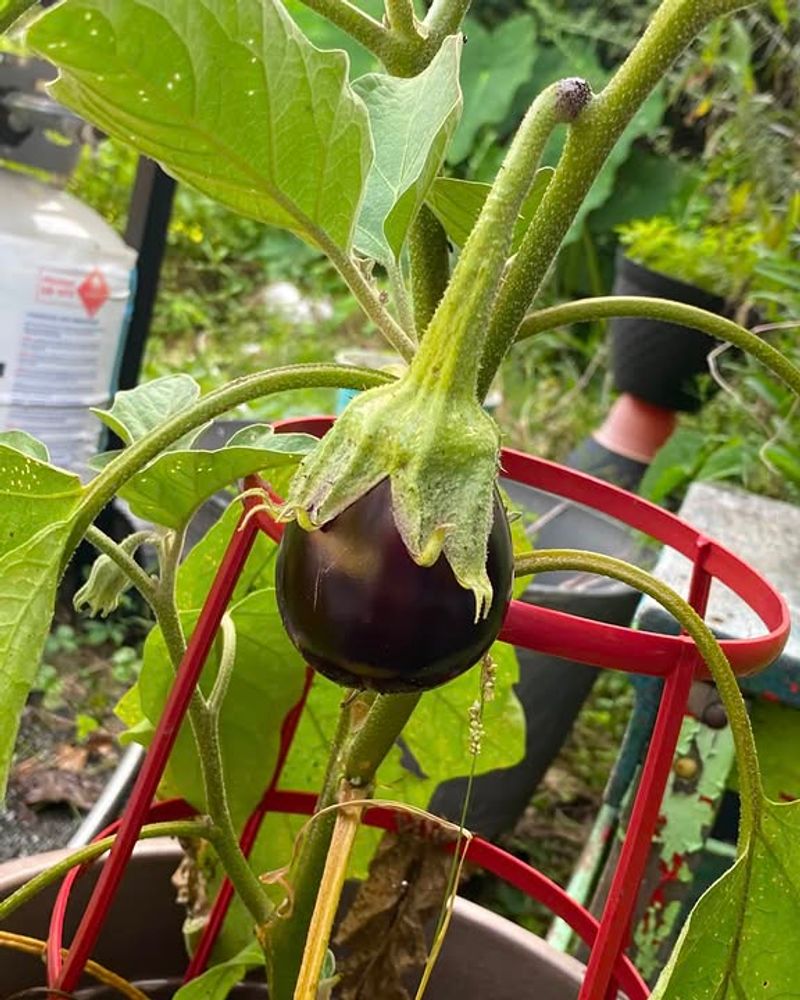
Eggplant plants in August can look almost jungle-like, especially after weeks of North Carolina’s warm, humid growing conditions have pushed them into full, heavy growth.
All of that lush foliage is great for the plant, but it creates plenty of hiding spots for fruit that is quietly developing out of sight.
A quick glance at the top of the plant is not enough for a thorough harvest check.
Building a habit of working through the entire plant systematically makes a real difference.
Start at the outer branches and work your way toward the center, gently lifting large leaves to look underneath and checking the interior where branches cross and overlap.
Fruit that forms near the base of the plant or tucked against supported stakes can reach full size and beyond before a casual observer even notices it is there.
Warm August temperatures speed up fruit development considerably compared to spring or early fall.
An eggplant that looked like a small, developing fruit three days ago can be fully ready, or even slightly past its peak, by the time you check again.
Frequent visits to the garden, every two to three days at minimum, help you stay ahead of that fast pace.
Heavy fruit loads can also pull branches downward toward the soil, which creates problems with moisture, disease pressure, and pest access.
Supporting heavily loaded branches with soft garden ties or small stakes keeps the plant off the ground and makes future harvests easier to manage.
A little structural support now pays off with cleaner, healthier fruit through the rest of the season.
8. Harvesting Works Best With Consistent August Care
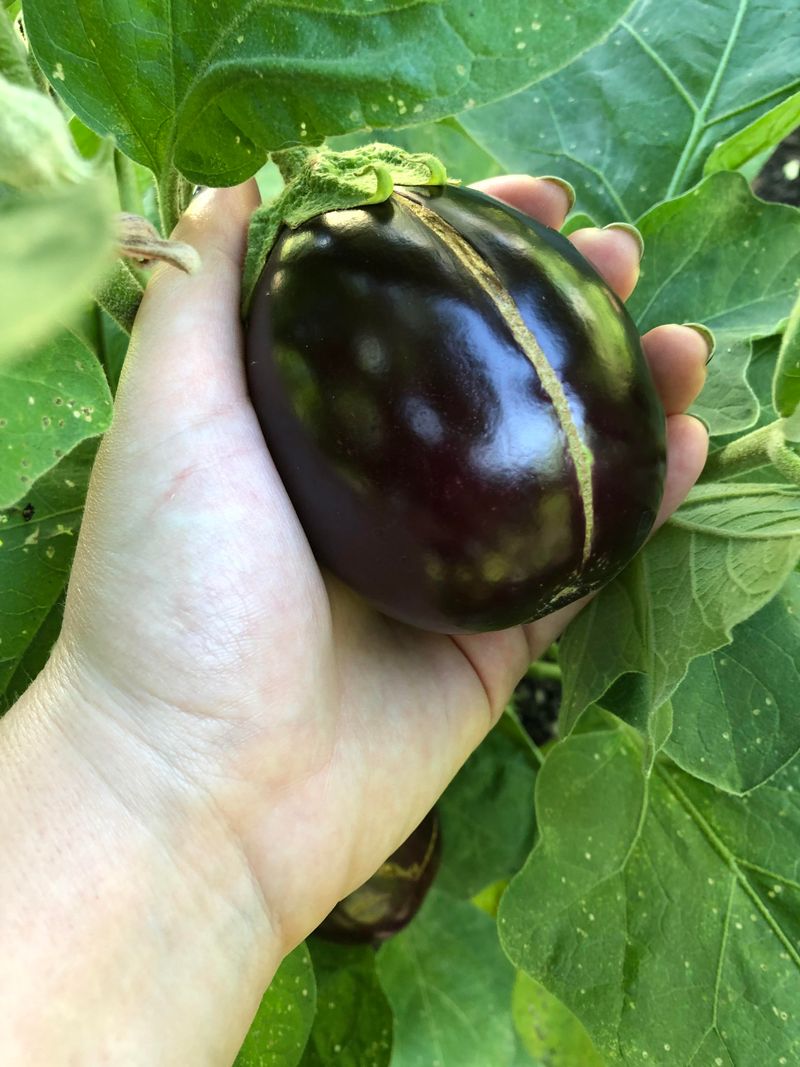
Regular harvesting is genuinely the most direct and powerful action you can take to encourage eggplants to keep producing deep into fall.
But harvesting works best when the rest of the plant’s needs are being met at the same time.
A stressed, thirsty, or pest-damaged plant will slow down regardless of how consistently you pick the fruit.
Soil moisture is one of the biggest factors in August.
North Carolina summers can swing between heavy rain and dry stretches within the same week, so checking soil moisture before watering rather than following a fixed schedule makes more sense.
Stick a finger two inches into the soil near the base of the plant.
If it feels dry at that depth, it is time to water deeply and slowly rather than giving a quick surface sprinkle.
Mulch plays a bigger role than many gardeners give it credit for.
A two to three inch layer of straw, wood chips, or shredded leaves around the base of your eggplants holds soil moisture, moderates soil temperature, and reduces weed competition all at once.
In August heat, that moisture retention alone can keep plants actively growing and flowering when unmulched plants would start to struggle.
Avoid heavy nitrogen fertilizer applications in August since they push leafy growth at the expense of fruit production.
Pollination, healthy foliage, and protection from serious pest problems like flea beetles all contribute to a productive plant.
Keep harvesting glossy, firm fruit consistently, maintain your basic care routine, and your North Carolina eggplants have every reason to keep producing right up until cool temperatures bring the growing season to a close.