The One Thing North Carolina Gardeners Should Add To Soil Before Planting Fall Carrots
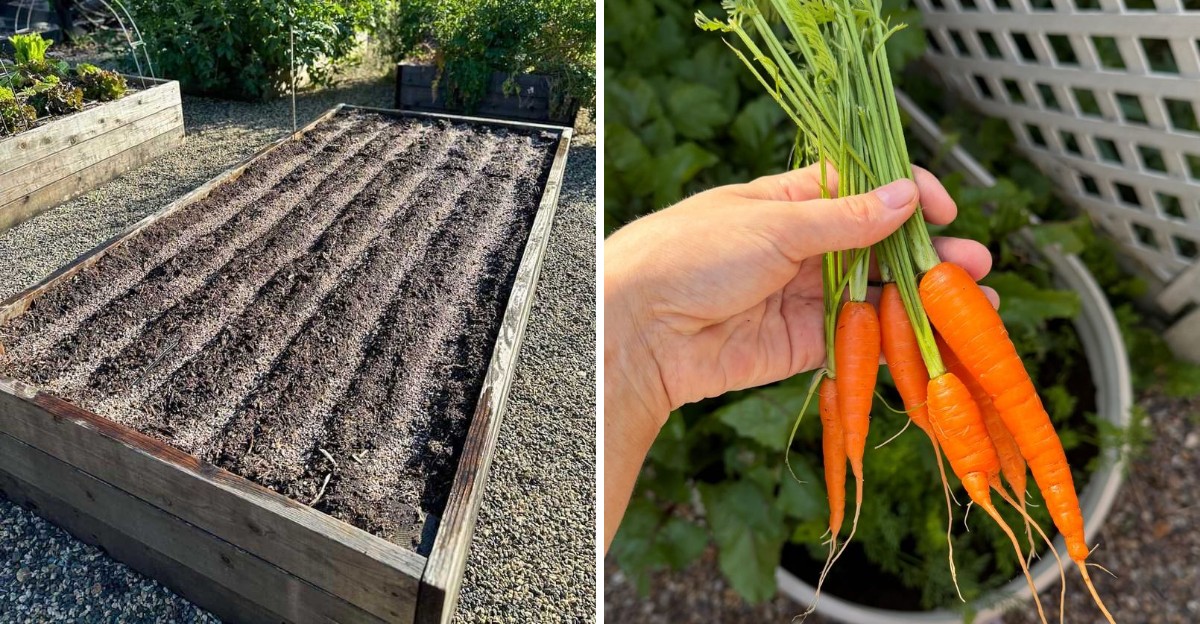
Carrots are one of the more finicky root vegetables to grow well in North Carolina, and much of that difficulty comes down to what’s happening in the soil before seeds ever go in.
Heavy, compacted, or rocky soil can cause carrots to fork, twist, or stay stunted, since the developing root needs loose, well-draining ground to push straight down without resistance.
Because carrots are planted directly as seeds rather than transplants, there’s no fixing a poor soil structure partway through the season once roots have already started forming.
Getting this one addition right before planting gives fall carrots the best possible start and sets the stage for straighter, more uniform roots at harvest.
1. Finished Compost Is The Best Addition
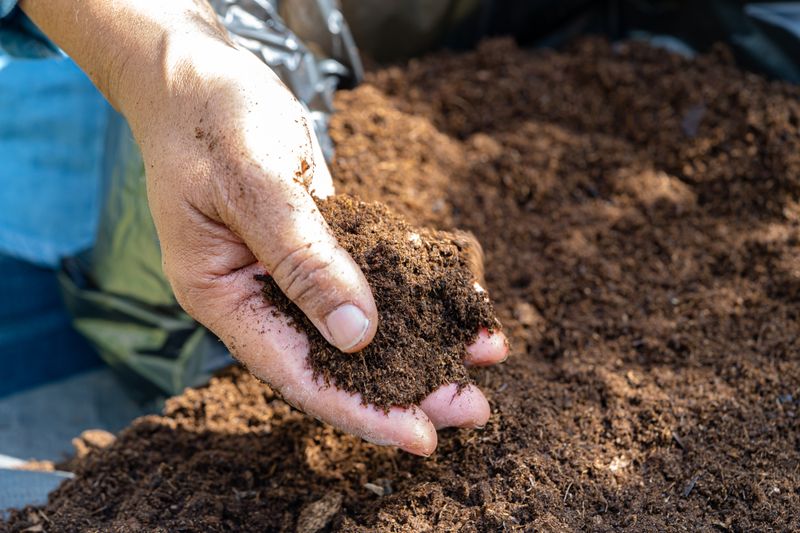
A handful of dark, crumbly compost may look simple, yet it can completely change how a carrot bed behaves.
Finished compost adds stable organic matter that helps soil form small, loose crumbs, giving young carrot roots a smoother path as they push downward.
North Carolina gardens vary widely, from red Piedmont clay to sandy Coastal Plain soil and mountain loam.
Compost supports each type in a different way, but its main benefit stays the same: it improves the space between soil particles, where water and air move around growing roots.
Before planting, clear weeds and loosen the bed with a garden fork, taking care not to bring buried subsoil to the surface.
Spread about one inch of finished compost over an established garden bed, then blend it into the upper six to eight inches rather than leaving thick pockets.
A soil test can make the job even smarter because compost may contain useful nutrients and can slowly affect soil chemistry.
North Carolina gardeners can request testing guidance through their county Cooperative Extension center and use the results to avoid adding materials the bed does not need.
Good compost smells earthy, feels fairly even, and no longer shows many pieces of its original ingredients.
Once mixed into the bed, rake the surface level, remove rocks and hard clods, water lightly if soil feels dusty, and allow the bed to settle before making shallow seed rows.
2. Loose Soil Makes Straighter Carrots
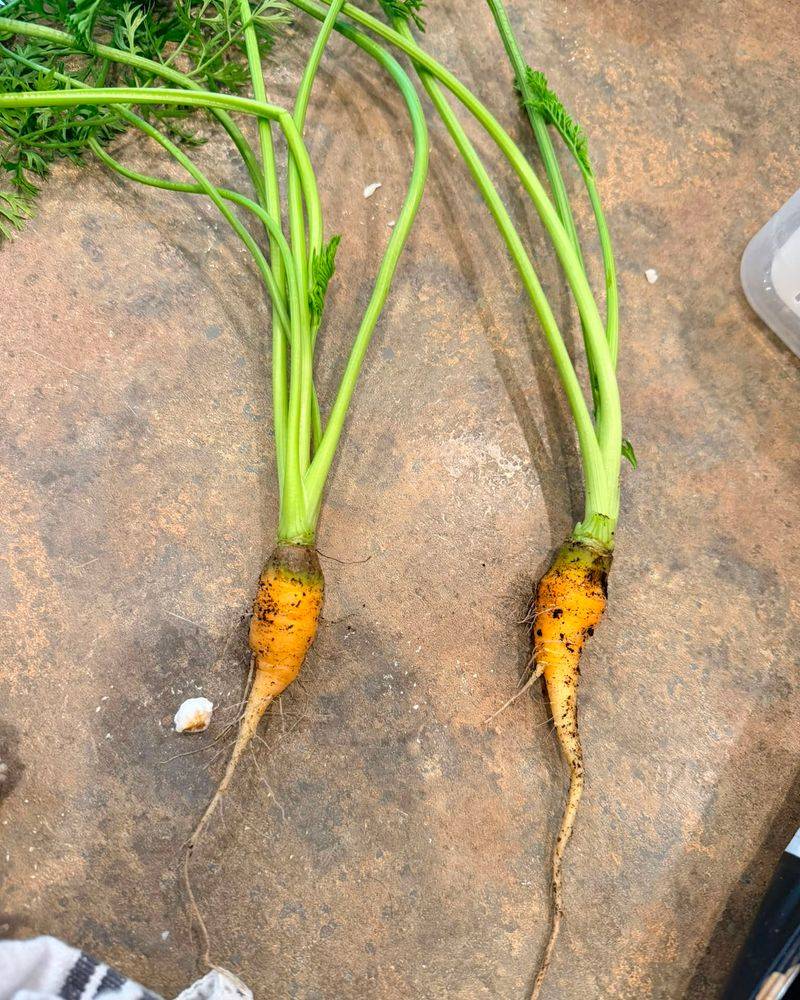
Carrots are quiet problem solvers, but even they cannot always push through a hard clod or around a buried stone.
Their edible taproots lengthen by following open paths in the soil, so a loose, deep bed gives them the best chance to grow straight and smooth.
Sandy loam works especially well because it combines easy root movement with enough fine material to hold moisture.
Compacted clay creates more resistance, and a young root may bend, split into branches, or stay short when it meets a dense layer, rock, stick, or chunk of undecomposed material.
Test the bed by pushing a garden fork into it after a light watering.
If the fork enters with great effort or the soil comes out in hard blocks, loosen the area six to ten inches deep, then add a modest layer of finished compost to improve its crumbly structure.
Your North Carolina Garden Changes Every Week. Your Plan Should Too.
Gardening in North Carolina changes quickly throughout the season. Every Friday you’ll receive a simple weekly plan showing exactly what to plant, prune, fertilize, harvest, and protect so you never miss the right timing.
Avoid working clay while it feels wet and sticky because digging then can press particles together and create firm lumps.
Wait until a squeezed handful breaks apart with gentle pressure, and walk on boards or permanent paths so shoes never pack down the future carrot rows.
After loosening, rake carefully and pull out stones larger than a pea, old woody roots, and stubborn clods.
Gardeners with extremely shallow or dense ground can build a raised bed filled with a balanced sandy loam mix, but pure sand alone is not the answer because it may drain too quickly.
3. Compost Helps Heavy Soil Breathe
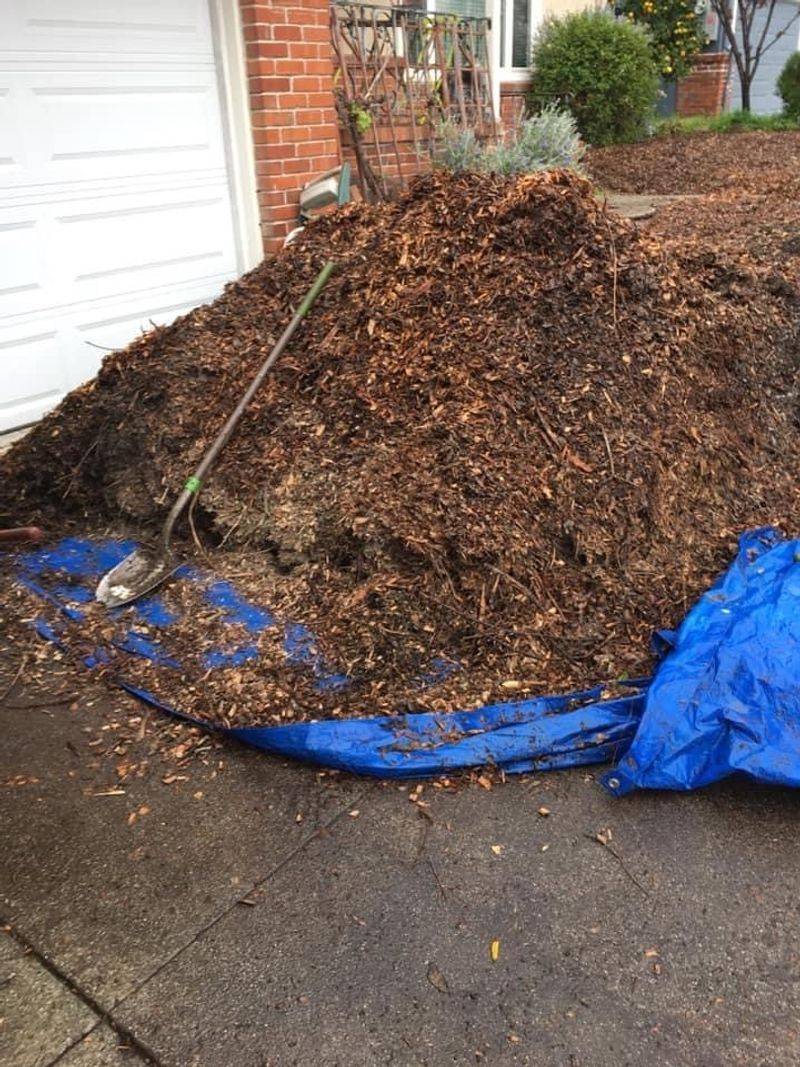
Red clay can hold onto a shovel like thick putty after rain, then tighten as it dries.
Finished compost helps those tiny clay particles gather into larger crumbs, creating more open spaces where carrot roots can find both oxygen and moisture.
Those openings matter because roots carry out normal growth below ground and need air around them.
Better pore space also allows extra water to travel through the bed instead of lingering near seedlings, while still leaving useful moisture attached to soil particles for later use.
Compost does not turn clay into sandy soil, and adding sand to clay in small amounts can create an even firmer mixture.
The basic mineral texture remains clay, but stable organic matter improves the way that texture is arranged, making the bed easier to crumble, rake, and plant.
Start with a thin, even layer of mature compost rather than filling deep holes with concentrated patches.
Work it across the full planting area so carrot roots meet similar conditions as they grow, and stop digging if the ground begins smearing across the fork or sticking heavily to tools. Long-term care brings the strongest change.
Adding sensible amounts of compost between crops, protecting bare soil with suitable mulch, and avoiding foot traffic can gradually improve structure without promising an instant fix.
For fall carrots, finish the deeper preparation before sowing, then rake a fine surface so tiny seeds have steady contact with soil.
4. It Helps Sandy Soil Hold Water
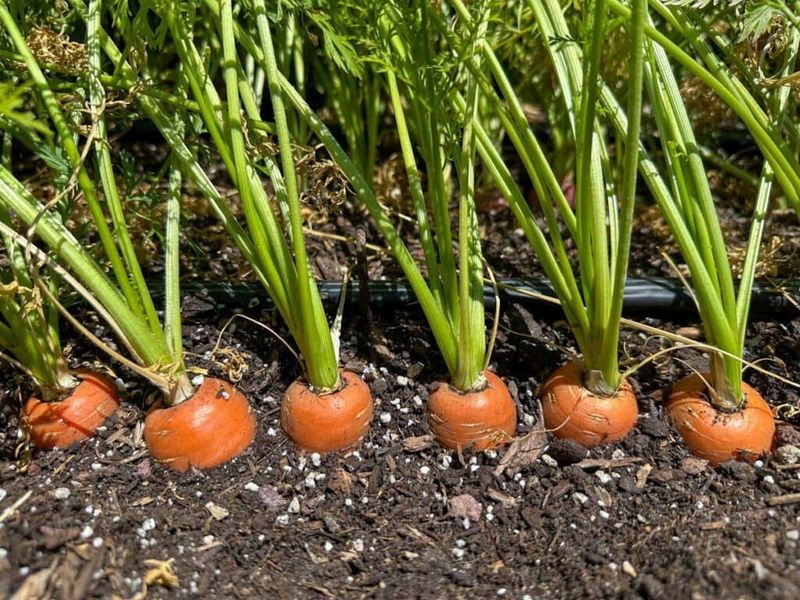
Water can race through a sandy garden bed before carrot seedlings get much of a drink.
In parts of eastern North Carolina, where soils often contain more sand, finished compost acts like a moisture bank by holding water within organic particles and releasing it gradually around roots.
Carrot seeds sit close to the surface, so they need steady moisture while sprouting.
A sandy bed that swings quickly from wet to dry may produce uneven rows, but compost slows that change and also helps nutrients remain available instead of washing beyond the shallow root zone.
Mix mature compost through the upper six to eight inches before making seed furrows.
An even blend works better than isolated handfuls because roots can move through a consistent layer, while the soil keeps a balanced mix of drainage, moisture, and air.
Once seeds are planted, water with a gentle spray that does not move them or form channels.
Check the surface at least once daily during warm August weather, and apply a light watering whenever the top layer begins to dry, since tiny seeds cannot reach deeper reserves yet.
A thin cover of clean, fine material or lightweight row cover can help protect moisture, but remove or raise any cover that could block emerging seedlings. As plants grow, water more deeply and less often according to rainfall and soil feel.
Compost improves water storage, though sandy beds still need regular attention during hot, breezy North Carolina afternoons.
5. Use Fully Finished Compost
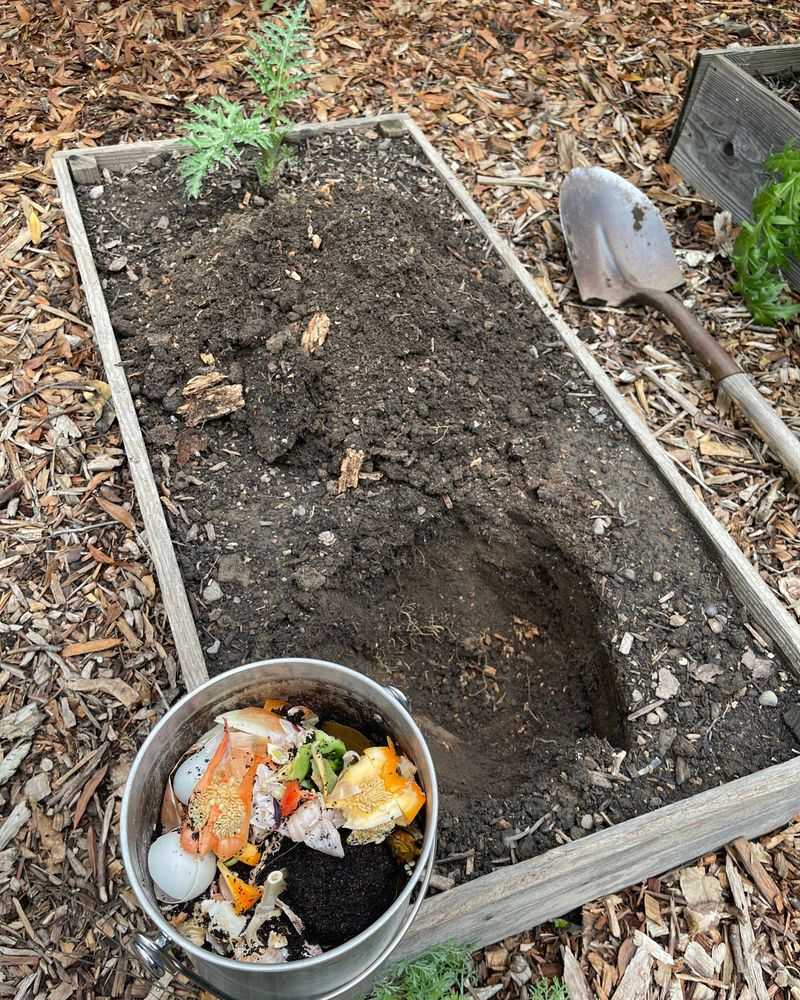
Your nose and fingers can reveal whether compost belongs in a carrot bed.
Fully finished material has an earthy scent, a dark color, and a loose texture, while partly processed compost may feel warm or show recognizable food scraps, leaves, straw, and woody pieces.
Young carrots need an even seedbed with no surprise obstacles.
Large fragments can redirect developing taproots, and material that is still breaking down may temporarily compete with plants for available nitrogen, especially when it contains plenty of wood, stems, or other high-carbon ingredients.
Check a compost pile in several places because the center and edges may mature at different speeds.
A ready batch should stay close to outdoor temperature after turning, look fairly uniform, and no longer heat up strongly when gathered into a pile for a few days.
When uncertainty remains, allow the material more time or use it as surface mulch around established plants rather than mixing it into carrot rows.
Bagged compost can be convenient, but read the label, choose a reputable product, and inspect the contents for a fine, consistent finish before spreading it.
Screening compost through half-inch mesh removes stubborn sticks and creates a smoother amendment for tiny seeds.
Blend the screened portion into prepared soil, rake away remaining chunks, and keep coarse pieces for another compost cycle.
That little bit of sorting helps create a level surface where shallowly planted carrot seeds can stay moist and establish evenly.
6. Skip Fresh Manure
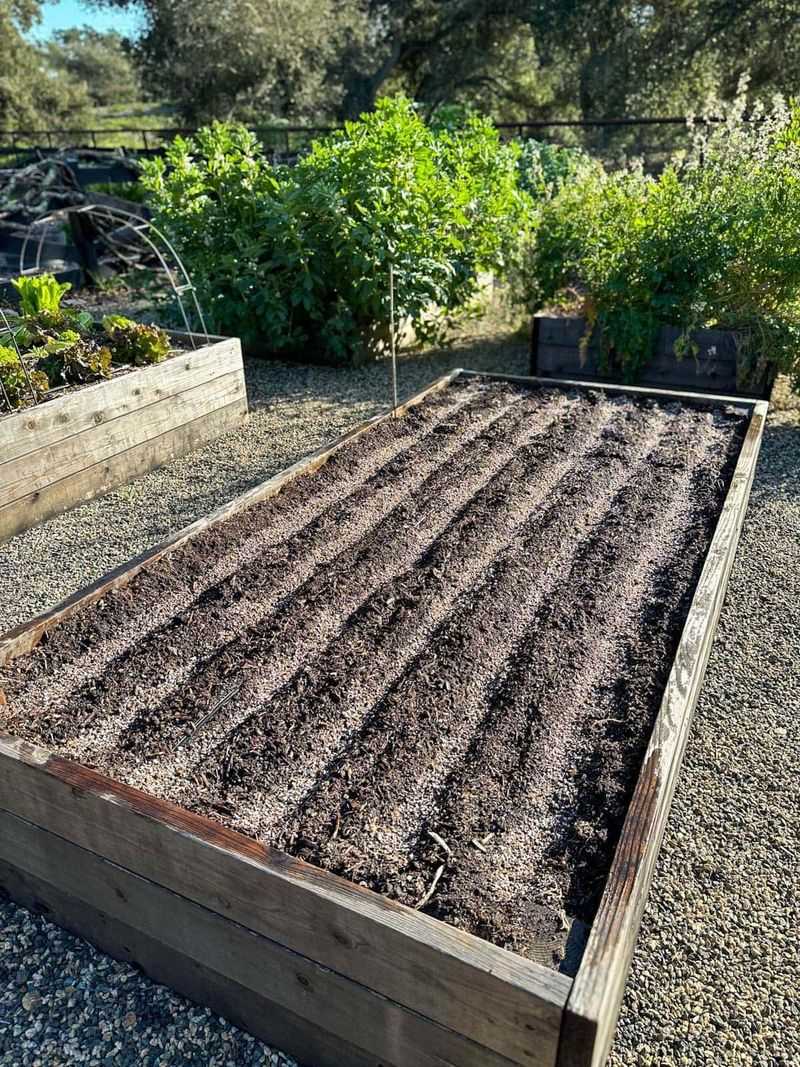
Big green carrot tops can look impressive while hiding disappointing roots below.
Fresh manure often supplies more nitrogen than carrots need, encouraging lush leaves instead of balanced taproot growth, and its uneven texture can contribute to forked or hairy carrots when placed in the planting zone.
Fresh animal waste may also carry unwanted germs, weed seeds, and concentrated salts, so it does not belong in a bed just before carrot seeding.
Food safety guidance sets waiting periods between raw manure use and harvesting crops, especially vegetables whose edible parts touch the soil.
Choose finished compost made through a well-managed process instead, or plant carrots in a bed that received manure for an earlier crop long ago.
Gardeners who use animal-based compost should confirm that it is fully processed and ask the supplier how the materials were handled. Fertilizer deserves restraint as well.
A soil test can show whether phosphorus, potassium, lime, or other additions are needed, while leaf color and steady growth offer clues during the season.
Applying a high-nitrogen product without evidence may produce a leafy patch that never develops strong roots.
For extra confidence, contact a North Carolina Cooperative Extension office about soil tests and current manure safety guidance.
Keep records of what entered each bed and when, since simple notes prevent guesswork next season.
Carrots usually perform best in fertile, well-drained ground that contains mature organic matter but does not receive a rich, fresh nitrogen boost right before planting.
7. More Compost Is Not Always Better
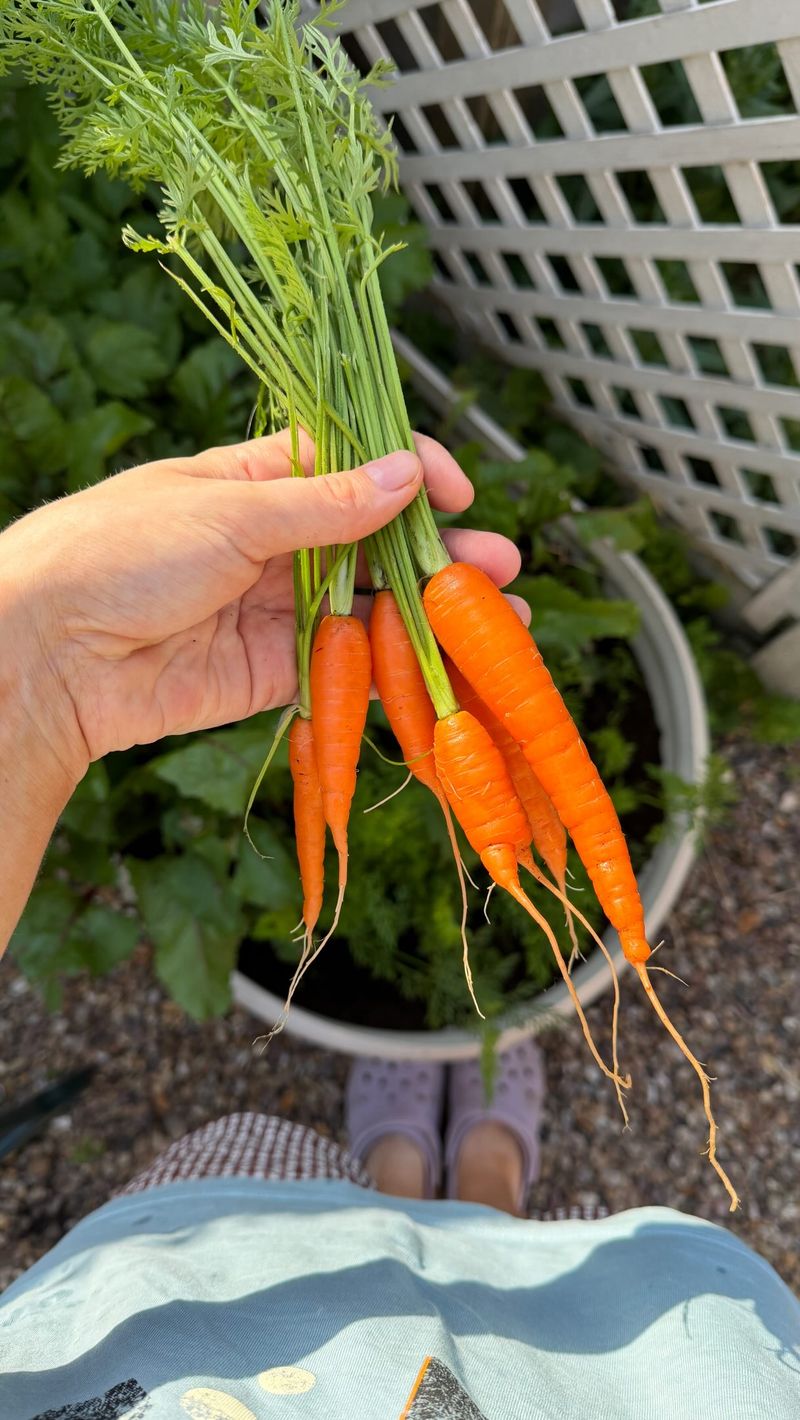
If one scoop helps, a whole wheelbarrow might seem even better, but carrot beds reward balance rather than excess.
Too much compost can raise nutrient levels beyond what plants use, alter drainage, increase soluble salts in some products, and waste a valuable garden resource.
Several inches may suit a new bed with poor structure, yet an established plot that receives compost each year may need only a light layer or none at all.
Soil texture, organic matter level, drainage, past amendments, and test results should guide the amount instead of a fixed yearly habit. Begin by examining the ground.
Dark soil that crumbles easily, drains after rain, and holds moderate moisture may already contain enough organic matter.
Pale sand that dries within hours or clay that forms hard blocks can benefit from more, though improvement should happen through measured additions over time.
A one-inch layer mixed into the upper six to eight inches is a practical starting point for many home beds, not a rule for every site.
Avoid filling seed furrows with pure compost because carrot seeds grow more evenly when surrounded by a consistent mixture of native soil and amendment.
Order a soil test before adding fertilizers or large amounts of compost, especially in a garden used for many seasons.
Results help reveal pH and nutrient levels, while local Extension staff can explain recommendations for North Carolina conditions.
Careful use saves money, protects nearby water, and gives carrots the loose but grounded bed they prefer.
8. August Is Fall Carrot Time
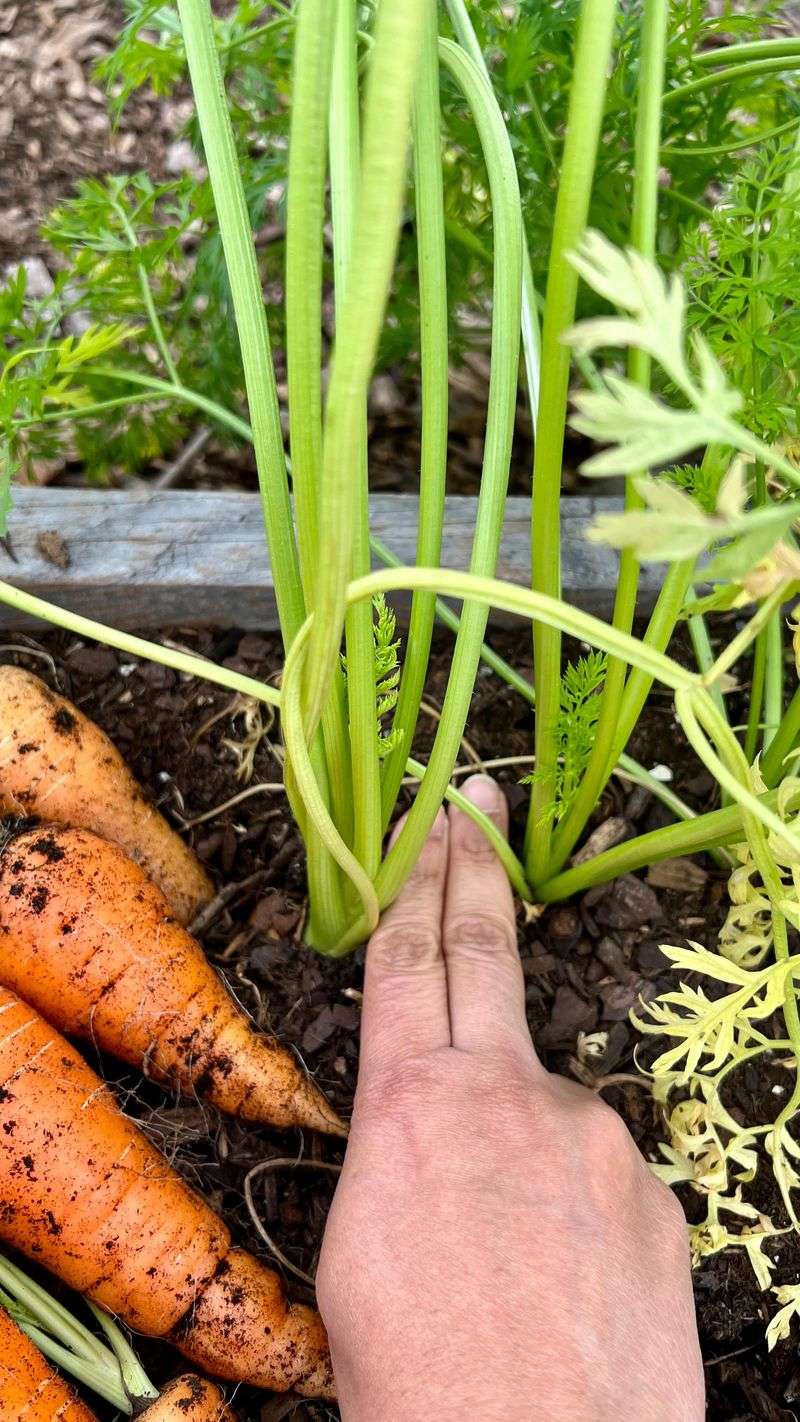
While summer tomatoes still fill baskets, another season is already starting beneath the soil.
North Carolina gardeners commonly sow fall carrots from August into mid-September, although the best date shifts with elevation, local weather, carrot variety, and the expected first fall frost.
Warm soil can help seeds sprout, but the surface may dry quickly during late-summer heat.
Prepare the bed first by loosening it deeply, blending in finished compost where needed, breaking up clods, and raking the top into a fine, level seedbed.
Sow seeds shallowly according to the packet, usually about one-quarter inch deep, and keep rows clearly marked.
Water with a soft spray so seeds stay in place, then maintain even surface moisture until seedlings appear, which can take longer than many common garden vegetables.
Once green shoots become easy to see, thin them to the spacing listed for the chosen variety.
Crowded carrots compete for light, water, and root room, so careful thinning supports better size and shape.
A light mulch placed around established seedlings can reduce moisture loss and moderate soil temperature.
Mountain gardens often plant earlier than warmer coastal locations, making local advice especially useful.
Check the North Carolina Cooperative Extension planting calendar for your county and compare it with days-to-harvest information on the seed packet.
Cool fall conditions can improve carrot sweetness, turning a carefully prepared August bed into crisp harvests later in the season.