The Garden Path Upgrade That Helps Make North Carolina Yards Less Tick-Friendly
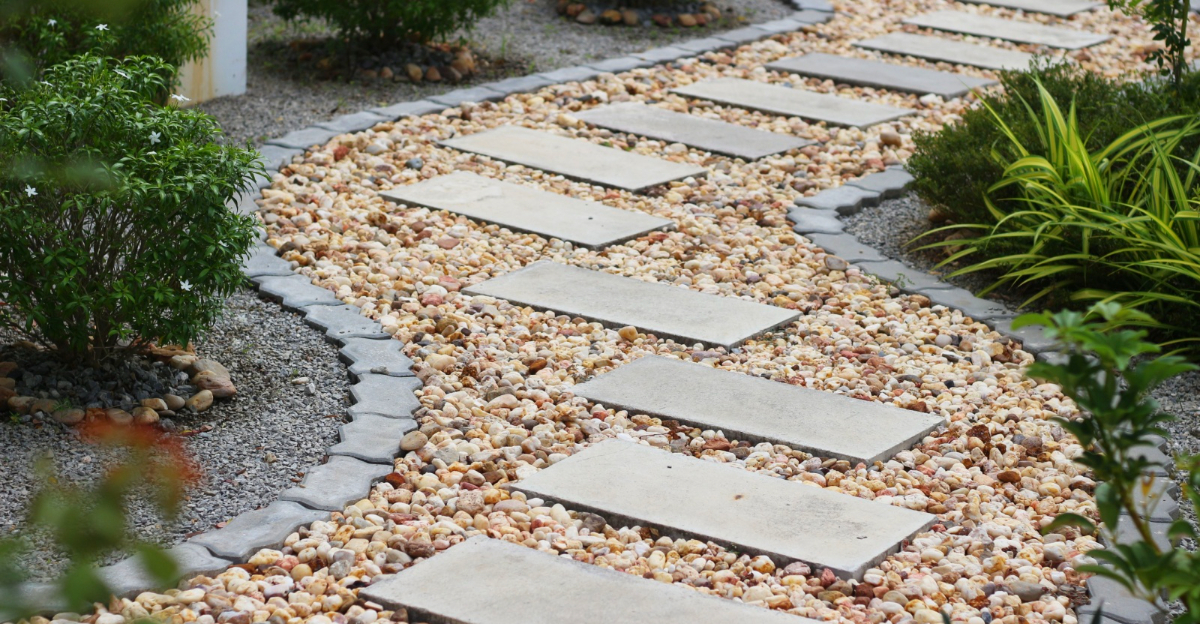
Your North Carolina backyard should feel like a place to unwind, not a place to constantly check yourself for ticks before heading back inside.
But wooded edges, brushy borders, tall grass, and damp leaf litter are basically everywhere across the Piedmont, Coastal Plain, and mountain regions, and ticks are very good at taking advantage of all of it.
One of the most practical and genuinely underrated upgrades a homeowner can make is adding a dry wood chip or gravel barrier between those wooded or brushy areas and the spots people actually spend time in, like patios, play areas, and garden seating.
Will it make your yard completely tick-free? No, and anyone promising that is overselling it.
But combined with regular mowing and cleanup, this simple path upgrade can make a noticeable difference in how comfortable your yard feels all season long.
1. Add A 3-Foot Wood Chip Or Gravel Barrier
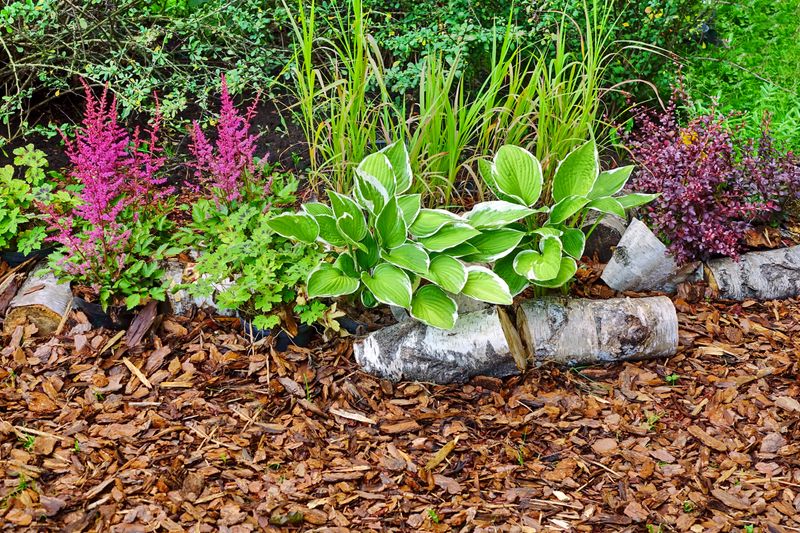
Walking barefoot from the patio toward the tree line in a North Carolina yard can feel perfectly safe, but that short stretch of lawn near the woods is often where tick encounters happen most.
A 3-foot-wide strip of wood chips or gravel placed along that edge creates a physical and environmental break that ticks are far less likely to cross.
Wood chips and gravel both dry out quickly after rain, and ticks tend to favor shady, moist areas rather than open, dry surfaces. A dry barrier does not guarantee protection, but it does make that transition zone much less hospitable.
Many North Carolina homeowners are surprised by how much of a difference even a modest strip makes when it is kept clear and maintained through the warmer months.
Hardwood mulch, pine bark, or pea gravel all work well for this purpose. Aim for a width of at least 3 feet so the barrier is wide enough to matter.
Keep the surface raked and free of fallen leaves, which can trap moisture and undercut the barrier’s effectiveness. Starting with a clean, defined edge between the lawn and the woods makes every other step on this list easier to follow.
2. Place The Path Between Woods And High-Use Areas

Where a path sits in the yard matters just as much as what it is made of.
A gravel or wood chip walkway placed directly between a wooded border and a patio, play area, or garden seating spot acts as a buffer zone that signals a clear shift from wild to maintained space.
North Carolina yards, especially those with mature trees or fence lines backing up to natural areas, often blend gradually from lawn into brushy edge without any clear boundary.
That gradual fade is exactly where ticks tend to linger, since the habitat shifts from open grass to the shady, leaf-covered ground they prefer.
Inserting a defined path into that transition interrupts the continuity.
Think of the path as a line of intention. It tells visitors and family members where the maintained yard ends and the wilder edge begins.
Your North Carolina Garden Changes Every Week. Your Plan Should Too.
Gardening in North Carolina changes quickly throughout the season. Every Friday you’ll receive a simple weekly plan showing exactly what to plant, prune, fertilize, harvest, and protect so you never miss the right timing.
Children and pets are more likely to stay on or near the path when it is clearly visible and well-kept.
Placing chairs, fire pits, or garden tables on the lawn side of the path rather than near the wooded edge also helps keep activity away from the areas most likely to harbor ticks during North Carolina’s long, humid outdoor season.
3. Keep Leaf Litter Off The Path Edge

Fallen leaves look harmless, but a thick layer of leaf litter piled against a wood chip or gravel path edge can quietly undo a lot of the work that barrier is supposed to do.
Leaves trap moisture, create shade, and provide exactly the kind of cool, damp cover that ticks seek out during warm months across North Carolina.
Even a shallow accumulation of leaves along the path edge can soften the dry, open surface that makes gravel and wood chips less tick-friendly in the first place.
Raking the path edge regularly, especially after windy days or heavy leaf fall in autumn, keeps the barrier doing its job.
In North Carolina’s Piedmont and mountain regions, leaf drop can be substantial, so staying on top of cleanup through October and November is worth the effort.
A simple leaf blower or hand rake works fine for keeping path edges clear. The goal is not a perfectly manicured look but rather an open, dry surface that does not collect organic debris.
Bagging or composting the leaves away from the path area prevents them from blowing back.
Consistent leaf removal through fall and into early spring, when last year’s leaves can still be damp and matted, makes a real difference in keeping the path edge less inviting to ticks.
4. Clear Tall Grass Beside The Walkway
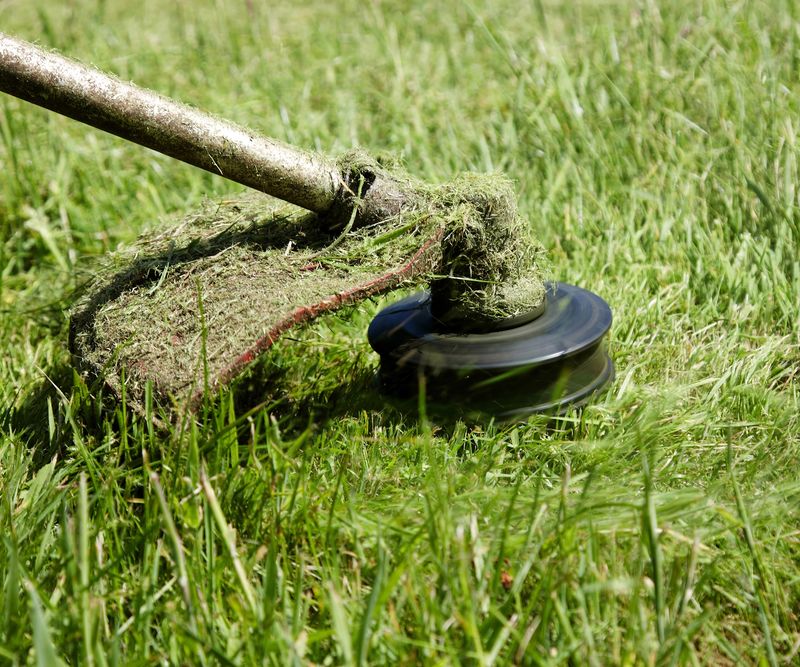
Tall grass growing right up against a garden path edge is one of the more overlooked tick-habitat problems in North Carolina yards.
Grass that reaches ankle height or above along a walkway creates a shaded, sheltered strip where ticks can wait at the tips of blades, ready to latch onto anyone brushing past.
Keeping grass trimmed short on both sides of a path reduces that risk considerably. A standard lawn mower works well for the open areas, while a string trimmer handles the narrow strips right along the path edge.
Aim to keep grass no taller than a few inches in the zones immediately beside the walkway, especially along paths that run near wooded or brushy areas.
North Carolina’s warm, humid summers encourage fast grass growth, which means path edges may need trimming more often than the rest of the lawn from late spring through early fall.
Some homeowners find it helpful to widen the mowed zone slightly beyond the path edge, creating a broader low-grass buffer between the walkway and any taller vegetation nearby.
That extra cleared strip, combined with a dry wood chip or gravel surface, reinforces the transition zone and makes the path area noticeably less welcoming to ticks throughout the season.
5. Prune Branches That Brush Against Walkers

Shady garden paths feel lovely on a hot North Carolina afternoon, but branches that hang low enough to brush against arms, shoulders, or hair create a direct transfer point for ticks.
Ticks do not jump or fly, but they do cling to vegetation and transfer onto people or pets who make contact with overhanging growth.
Pruning back branches so they clear the path by a comfortable margin reduces that contact risk. A good rule of thumb is to keep a clear vertical space above the path surface so walkers can move through without touching foliage on either side or overhead.
This is especially relevant for paths that run beneath oak, sweetgum, or other common North Carolina trees that tend to send out low lateral branches over time.
Spring and early summer are practical times to assess overhanging growth before tick season peaks. A pair of loppers or a hand saw handles most residential pruning jobs without much trouble.
Removing the cut branches promptly and keeping them away from the path edge prevents them from becoming a damp, leafy pile that creates new habitat.
Opening up the canopy a bit also lets more sunlight reach the path surface, which helps keep wood chips and gravel drier and less hospitable throughout North Carolina’s humid summer months.
6. Remove Dense Groundcovers From Activity Areas
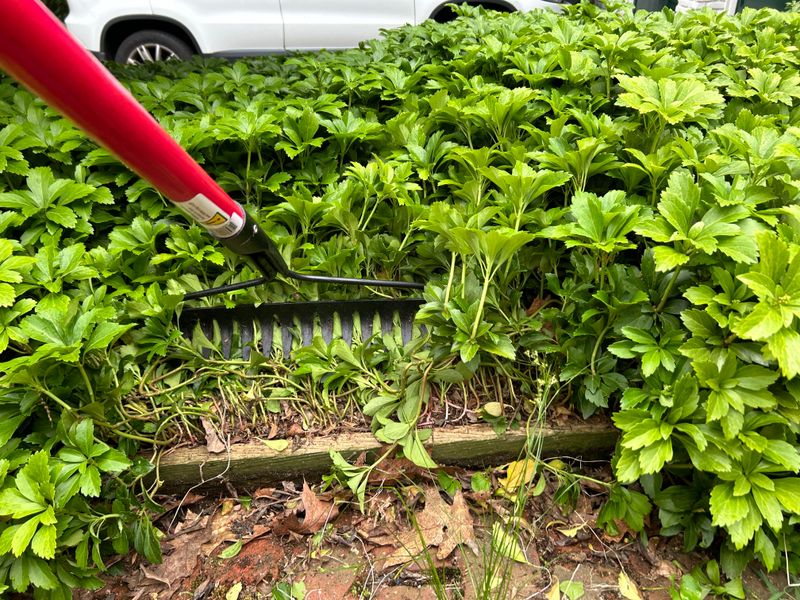
Dense groundcovers like English ivy, pachysandra, or vinca can look attractive along a garden path, but they create a thick, shaded mat that stays damp and provides excellent cover for ticks.
In North Carolina yards, these plants are common near wooded edges and fence lines, and they often creep toward patios, play areas, and walkways over time.
Removing or cutting back groundcovers in areas where people and pets spend time regularly makes those spaces less tick-friendly.
Open lawn, bare mulch, or a dry gravel surface dries faster after rain and offers far less shelter than a dense, low-growing mat of vegetation.
The change can feel dramatic at first, but most homeowners find the trade-off worthwhile once they see how much cleaner the activity area looks and feels.
If some groundcover is desired for aesthetic reasons, consider keeping it only in low-traffic zones well away from paths, seating areas, and play equipment.
Edging it sharply and keeping it trimmed reduces the depth of the mat and limits the amount of damp interior space available.
In North Carolina’s Coastal Plain and Piedmont regions, where humidity stays high through summer, even moderate groundcover management near high-use areas can noticeably improve the feel of an outdoor space.
7. Use A Dry, Open Path Surface
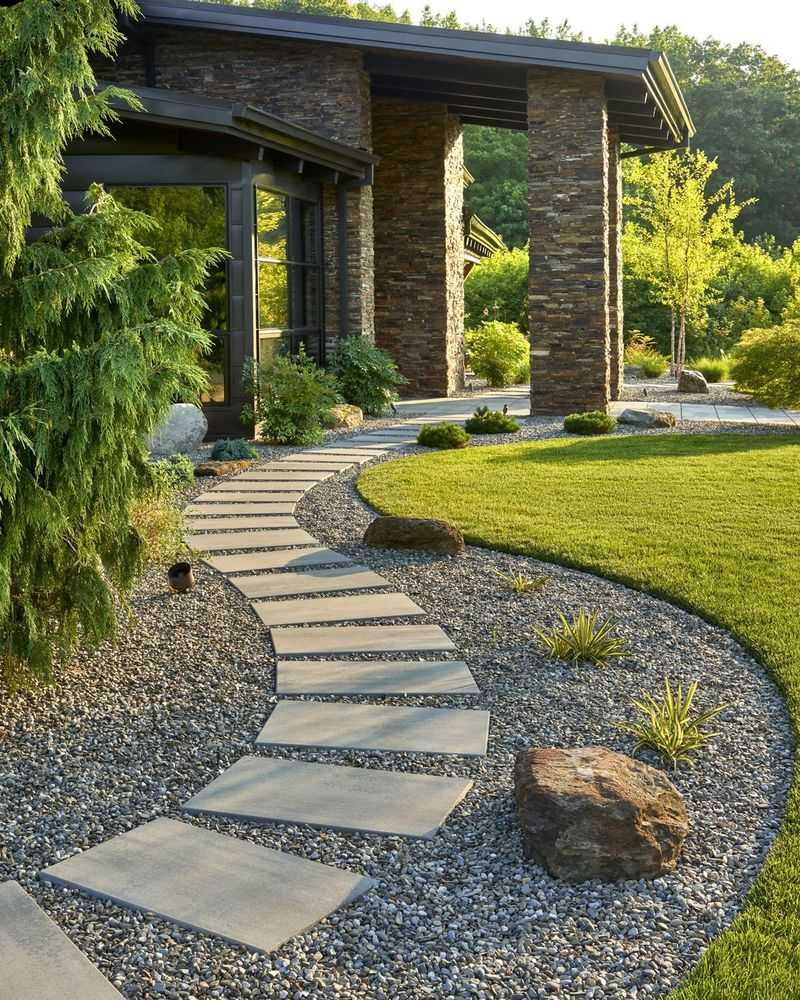
Surface choice matters more than most people expect when creating a path that is less friendly to ticks.
Solid, dry, open materials like pea gravel, crushed granite, or dry hardwood mulch allow moisture to drain quickly and do not hold the cool, damp conditions that ticks prefer.
Surfaces that stay wet, shaded, or covered in debris offer far less of a barrier effect.
Flagstone or stepping stones can work as well, as long as gaps between them are filled with gravel or kept clear of moss and leaf buildup.
Bare soil or compacted dirt paths tend to hold moisture and can develop leaf and debris accumulation that reduces their effectiveness as a transition zone.
Choosing a lighter-colored gravel also helps, since it reflects more sunlight and stays warmer and drier than darker materials.
In North Carolina, where summer humidity can be intense, a path surface that drains and dries quickly has a practical advantage beyond tick awareness.
It stays more comfortable underfoot, resists mold and moss growth, and requires less maintenance over time.
Keeping the surface raked and free of fallen leaves or small branches reinforces its open, dry character. A path that looks well-maintained and stays dry is doing much more work for the yard than it might appear at first glance.
8. Keep Seating And Play Areas Away From Wooded Edges

Positioning a favorite Adirondack chair right at the edge of the tree line might feel like the most scenic spot in the yard, but that placement puts people within easy reach of the tick habitat that begins where the mowed lawn ends.
In North Carolina, where wooded lots are common across the Piedmont and mountain regions, the temptation to sit close to the trees is understandable, but the trade-off is real.
Moving seating areas, hammocks, fire pits, and play equipment toward the center of the yard or closer to the house puts more distance between people and the brushy, shaded edges where ticks are most often found.
Even a modest shift of 10 to 15 feet can make a meaningful difference in how much tick habitat surrounds a seating or play space during the warmer months.
Children’s play sets deserve particular attention. Swing sets, sandboxes, and climbing structures placed in sunny, open areas away from wooded edges are easier to keep clear of leaf litter and brush.
Pairing that placement with a wood chip or gravel border around the play area creates a defined, dry zone that reinforces the separation.
North Carolina families who rethink the layout of their outdoor spaces often find the adjustment surprisingly easy to make and well worth the effort.
9. Stack Wood Away From The Path In A Dry Spot
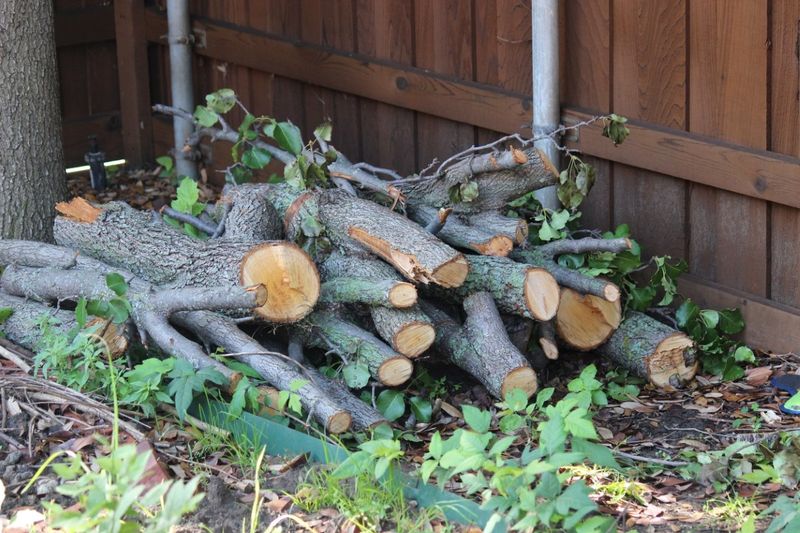
A woodpile stacked right next to the garden path or tucked against the wooded edge is a common sight in North Carolina yards, especially heading into fall and winter.
It seems convenient, but stacked wood creates exactly the kind of sheltered, slightly damp environment that ticks and the small animals they feed on tend to find attractive.
Moving the woodpile to a dry, sunny spot away from the path and away from the wooded border reduces that draw.
Elevating the wood off the ground on a rack or pallets helps as well, since it improves airflow underneath and prevents ground moisture from wicking up into the lower layers of the stack.
A well-ventilated pile in a sunny location dries faster and stays less hospitable overall.
Keeping the woodpile as far from the house, path, and activity areas as is practical also limits the chance that small animals nesting near the wood will carry ticks closer to where people spend time.
North Carolina homeowners who heat with firewood tend to accumulate large stacks, so thoughtful placement matters more than it might for a small decorative pile.
Choosing a spot that gets good sun, drains well, and sits clearly outside the main yard activity zone is a straightforward step that supports the broader goal of a less tick-friendly outdoor space.
10. Maintain The Barrier Through The Season
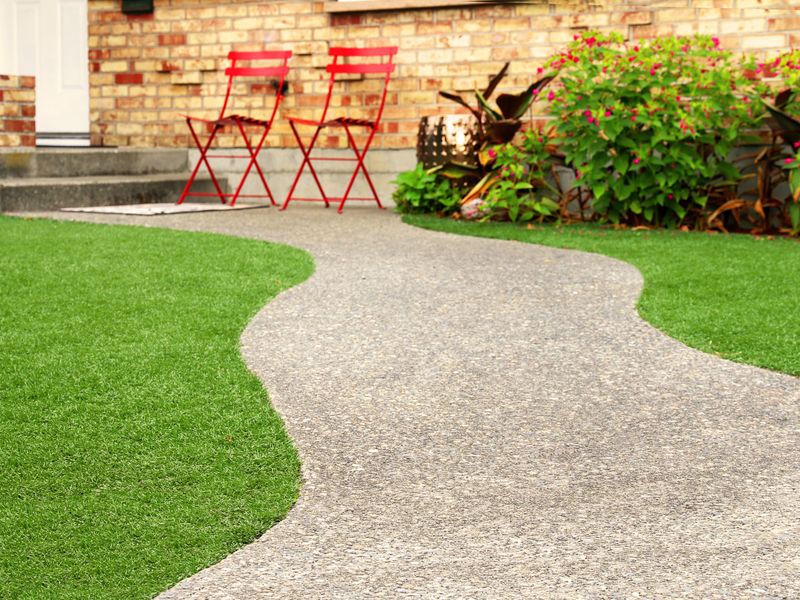
Even the best-designed wood chip or gravel barrier loses its effectiveness if it is set up once and then ignored.
Over a North Carolina spring and summer, leaves accumulate, grass creeps in from the edges, and wood chips settle and decompose over time.
That clean line between the lawn and the wooded border can gradually blur back into the kind of mixed, damp edge that ticks find welcoming.
Checking the barrier every few weeks during the active season keeps it doing its job.
A quick rake to remove debris, a fresh layer of wood chips if the surface has thinned, and a clean re-edging along the lawn side are usually all it takes to restore the barrier’s function.
Most homeowners find that a monthly check during peak season from late spring through early fall is enough to stay ahead of the gradual softening that happens naturally.
Fall is a particularly important time in North Carolina, when heavy leaf drop can smother a path edge in a matter of days after a windy stretch.
A single afternoon of cleanup in October or November can preserve the barrier’s effectiveness through the cooler months and make spring startup much easier.
Treating the path barrier as a living part of the yard’s seasonal maintenance routine, rather than a one-time project, is what makes the upgrade genuinely useful over time.