The One Thing North Carolina Fireflies Need In Your Yard This Fall Or Next Summer’s Show Fades

Step out onto a North Carolina porch on a June evening and the yard comes alive with blinking lights drifting through the tree line. That summer show depends on something most homeowners never think about in fall: what happens to the leaves on the ground. Firefly larvae spend most of their lives in and around soil, leaf litter, and sheltered cover, so the choices you make this autumn can support the habitat they need. Leaving a defined patch of natural leaf litter undisturbed is one useful fall step, though it works alongside moisture, prey, low disturbance, and a few other changes rather than guaranteeing a brighter display on its own.
Leave Some Leaf Litter Where It Can Help
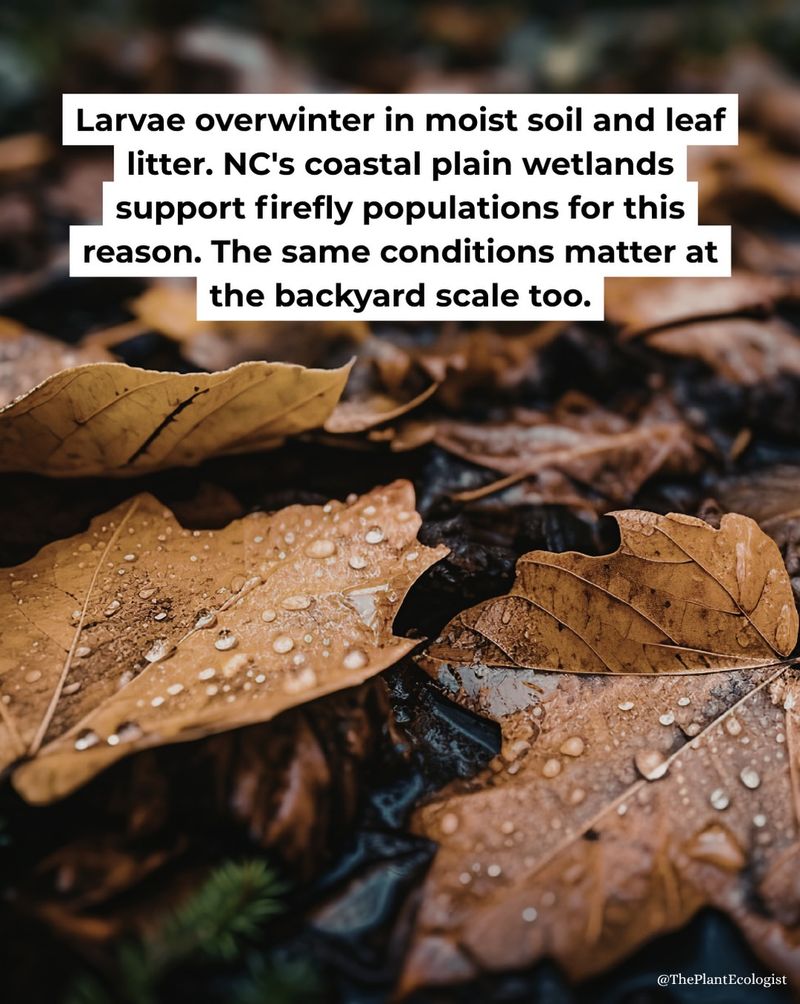
Grab a rake this fall and you will hear the same advice from every direction: clean it all up, bag it, start fresh. But NC State entomology researchers say that leaving a natural area with leaf litter and vegetation, and avoiding foot traffic there, is one practical step that can support firefly habitat. That is a meaningful distinction from the title’s bolder promise, so start here: preserving leaf litter is one useful fall action, not the single condition that controls how many fireflies you see next June.
A wooded edge, a garden border, the shaded ground beneath a stand of oaks, a damp corner beside a fence, or a low-traffic side yard all qualify as good candidates. You do not need to convert the whole property. One defined patch where leaves and some standing vegetation can remain through fall and winter is enough to get started, and a mowed path around the edge keeps the space looking intentional rather than forgotten.
Choosing that spot now matters because firefly larvae are already in the ground. They are not waiting for spring to begin their work. Disturbing the soil, raking every surface clean, or running foot traffic through a shaded corner can remove or compress the habitat they are using right now.
NC State Extension specifically recommends avoiding that kind of disturbance in natural areas where fireflies may be present.Protecting a patch this fall may support larvae and their prey. It will not guarantee a brighter display next summer, because firefly numbers also respond to weather, species, surrounding habitat, artificial light, and larval development that can stretch across more than one year. But leaving that corner alone costs nothing and starts the process, and that is a reasonable trade for a porch evening worth looking forward to.
Firefly Larvae Need The Ground You Bare
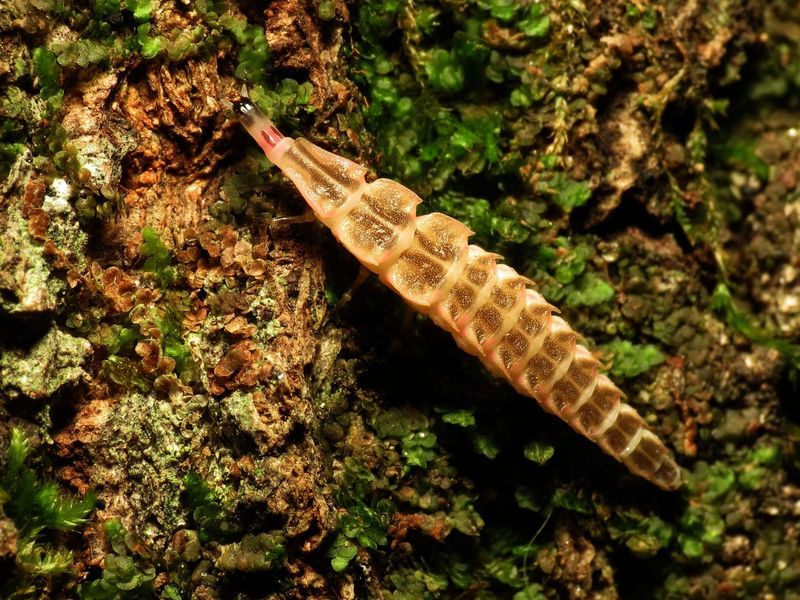
Fireflies are beetles, members of the family Lampyridae, and they follow a four-stage life cycle: egg, larva, pupa, and adult. Most of the familiar summer flashing happens in a brief adult window that lasts only a few weeks. The rest of the year, sometimes up to two years, belongs to the larval stage, and that is where leaf litter enters the picture. Xerces Society research confirms that many firefly species spend most of their lives as larvae, with the larval stage lasting up to two years depending on species and conditions.
Your North Carolina Garden Changes Every Week. Your Plan Should Too.
Gardening in North Carolina changes quickly throughout the season. Every Friday you’ll receive a simple weekly plan showing exactly what to plant, prune, fertilize, harvest, and protect so you never miss the right timing.
Larvae do not live in one universal place. Depending on the species, they may be found at the soil surface, in leaf litter, beneath logs, in rotting wood, or in underground spaces. A few species even use aquatic or semi-aquatic habitats. Saying every North Carolina firefly spends the whole year underground misses that range, so the more accurate picture is: larvae live in and around moist, sheltered ground cover, and that cover often means leaf litter.
Here is where it gets practical. Firefly larvae are active predators. They hunt soft-bodied animals including snails, slugs, earthworms, and other small invertebrates. Leaf litter helps by providing shelter for larvae directly and by creating the kind of moist, decomposing ground layer where their prey also lives.
NC State researchers connect more leaf litter directly to better conditions for larvae and the prey they depend on.
Repeated raking, digging, and heavy foot traffic do not just remove leaves. They compress soil, disrupt the surface layer where larvae forage, and strip away the cover that keeps moisture from evaporating too quickly. A comprehensive review of firefly larval biology underscores how little studied larvae remain compared to adults, which makes protecting existing habitat a sensible precaution even where the science is still filling in gaps.
Build One Protected Fall Refuge
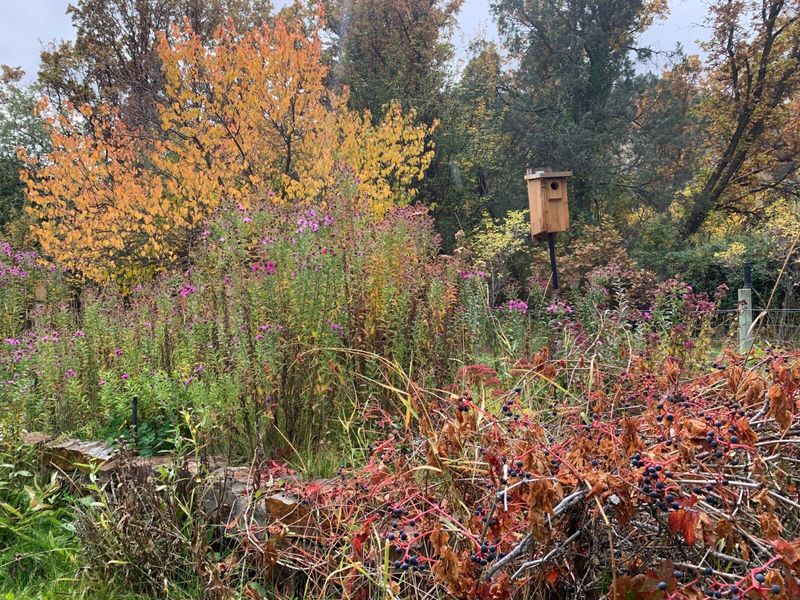
Pick one section of the yard and commit to leaving it alone. That is the whole move. A shaded bed beneath a tree, a fence-line strip, a corner beside the garden border, or a low-traffic side yard all work. The goal is a spot where fallen leaves and some standing vegetation can sit undisturbed from now through late spring, with enough of a mowed edge around it that neighbors know it is deliberate, not forgotten.
NC State Extension recommends exactly this kind of defined natural area and advises keeping foot traffic out of it.
What do you do with leaves that fall on turf, walkways, or areas where thick cover creates lawn disease or drainage problems? Move them rather than bag them. Rake or blow excess leaves into garden beds, under trees, along fence lines, or directly into the designated refuge. No source reviewed for this article establishes a universal correct depth for North Carolina yards, so skip any advice that gives you a precise inch measurement and instead use common sense: enough to cover the soil surface without smothering grass that needs light and air.
Safety boundaries matter. Keep leaf litter away from the house foundation, gutters, downspouts, drains, and any walkway where wet leaves become a slip hazard. Wet leaf piles against a structure can hold moisture against wood or masonry and invite pests. The Xerces Society frames the habitat goal as preserving selected natural areas, not covering every inch of the property in a thick mat of leaves.
A refuge with a maintained edge actually serves fireflies better than a chaotic, overgrown space that invites heavy disturbance later. Keeping it defined means you are more likely to leave it alone all winter, which is exactly what larvae in the soil beneath it need.
North Carolina Moisture Changes The Best Spot
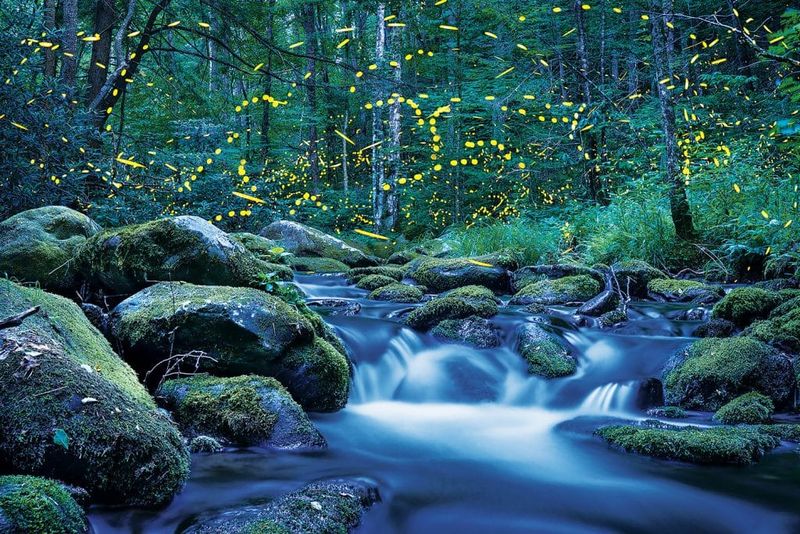
North Carolina is not one yard. A damp, wooded slope in the mountains near Asheville, a shaded Piedmont garden sitting on red clay, a low-lying Coastal Plain corner that stays wet after a storm, and a sandy Sandhills lot that drains fast all offer different starting conditions. Firefly species vary across those regions too, and they do not all share the same habitat preferences or moisture requirements. NC State researchers note that regional differences in species and conditions mean there is no single recipe that applies from the mountains to the coast.
The practical move is to preserve the moist, sheltered habitat that already exists in your yard rather than trying to engineer something new. If you have a naturally damp corner beneath a stand of trees, that is your best candidate for the fall refuge. If your soil is sandy and dries quickly, a shaded spot with leaf litter and some native vegetation will hold moisture longer than an open sunny patch. Native grasses, shrubs, and trees all contribute to habitat structure by slowing evaporation, providing shelter, and keeping the ground surface cooler and more stable through temperature swings.
NC State Extension lists native grasses, shrubs, and trees among its firefly-friendly recommendations, naming common milkweed (Asclepias syriaca) as one option within a diverse planting scheme. No single plant reliably draws all firefly species, so the goal is varied vegetation that creates structure and shelter rather than one specific species planted as a firefly magnet.
Moisture is important, but stagnant water is not the answer. Do not run the irrigation system every evening hoping to mimic a wetland, and do not build a pond solely for fireflies. Preserve naturally wet areas responsibly, keep water features circulating so they do not become mosquito habitat, and let the existing damp corners of your yard do the work they were already doing.
Mowing And Sprays Can Undo The Refuge
You can build a perfect leaf litter refuge and then mow straight through it every ten days on the lowest setting. That is the tension most firefly advice skips past. Routine lawn care can reduce the value of saved habitat faster than almost any other single decision, so pairing the fall refuge with a few adjustments to how you manage the rest of the yard makes a real difference.
On the mowing side, cutting less often and at a taller height gives ground-level cover more time to recover between passes. University of New Hampshire Extension recommends mowing lawns at about 3.5 to 4 inches and removing no more than one-third of the grass blade at a time. That is general extension guidance for lawn health and wildlife support, not a North Carolina-specific firefly formula, but it translates reasonably well across the Piedmont and Coastal Plain. Taller grass holds moisture better, shades the soil surface, and gives small invertebrates more cover.
Those same invertebrates are what firefly larvae eat.
Pesticides are the part of this conversation that makes people uncomfortable, because nobody wants to hear that their mosquito spray could be hurting the firefly show. The Xerces Society identifies broadcast lawn treatments and residential mosquito sprays as recognized concerns because they can expose soil-dwelling larvae, adults sheltering in vegetation, and the soft-bodied prey larvae depend on. Research on firefly-specific pesticide effects is still limited, so the honest framing is that these treatments can harm fireflies or degrade their habitat, not that any single application wipes out a local population.
The guidance from Xerces on protecting fireflies from pesticides points toward reducing unnecessary broad-spectrum applications and using nonchemical controls where practical. That does not mean avoiding pesticides under every circumstance. Mosquito control still matters where health risks are serious, and invasive pests sometimes require treatment. When you do treat, the EPA requires following the product label, which provides legally binding directions for safe use, timing, coverage, storage, and environmental precautions.
Targeted spot treatments applied at the right time of day cause less collateral harm than broad nighttime spraying across the whole yard.
Darkness Gives The Summer Display Room

Leaf litter cannot fix a yard flooded with floodlights. That is the part of firefly habitat that falls entirely outside the soil, and it matters more than most people realize. Some firefly species use light signals to find mates, with males flashing patterns and females responding from the vegetation below. When artificial light drowns out those signals, courtship gets harder and some individuals may not connect at all.
Peer-reviewed research on artificial light and firefly mate success has found that artificial light can reduce courtship or mating behavior in some species. NC State researchers also recommend turning off exterior lights as part of a broader firefly-friendly yard approach, and Xerces frames dark nights as a basic need for dusk-active and night-active fireflies.
The practical steps are straightforward. Switch off any exterior lights that face toward the wooded edge, garden border, or the protected leaf litter refuge. Shield unavoidable fixtures with downward-facing covers so light falls on the path rather than broadcasting into the tree line. Motion-activated lights that stay off unless triggered are a better fit for firefly-friendly yards than lights that run all night.
Keep the darkest corner of the yard as dark as you can manage.
A qualification worth making: not every firefly species flashes at night. Some adults are active during the day, and species differ in how they respond to artificial light. The advice to reduce outdoor lighting applies most directly to the familiar evening-display species that North Carolina yards know well, and it is one more supporting change rather than a guaranteed fix on its own. Quiet and dark together, alongside the leaf litter and low disturbance, give the habitat the best range of conditions to work with.
Give The Habitat Time To Work

Fall is the moment when all of this comes together, but the payoff does not arrive on a predictable schedule. Firefly larvae may spend up to two years in the larval stage before they pupate and emerge as adults. That means the larvae already in your soil this October might not join a summer display until June of the year after next. Xerces describes food, shelter, moisture, pesticide protection, and darkness as the basic conditions fireflies need, and those conditions work together across a long, slow timeline rather than producing instant results.
Weather, surrounding land use, and regional species composition all shape what a yard can support, and none of those factors sit inside your fence line. A dry spring following a wet fall can shift adult emergence timing. A neighboring property with heavy nighttime lighting or frequent broadcast spraying can reduce firefly movement into your yard regardless of how well you manage your own patch. Xerces research notes that population data for many firefly species remain incomplete, which is a reminder that even careful habitat work comes with genuine uncertainty about outcomes.
The action plan for this fall is manageable. Choose one low-traffic area and leave its leaves and vegetation in place. Move excess leaves from turf into beds, borders, or the designated refuge instead of bagging them. Keep the refuge free from mowing, digging, and unnecessary chemical treatment.
Reduce outdoor lighting near natural areas. Maintain the rest of the yard safely: clear leaves from foundations, gutters, walkways, and drainage infrastructure. NC State Extension frames this as a set of supporting conditions rather than a single guaranteed fix, and that framing is the honest one.
Observe the yard across multiple seasons. Note where moisture lingers, where leaf cover stays thick, where adults appear in June. The yard is a slow experiment, and the most capable thing a homeowner can do is protect what is already there and then get out of the way.