The One Thing North Carolina Pumpkins Need In August To Keep Mildew Away
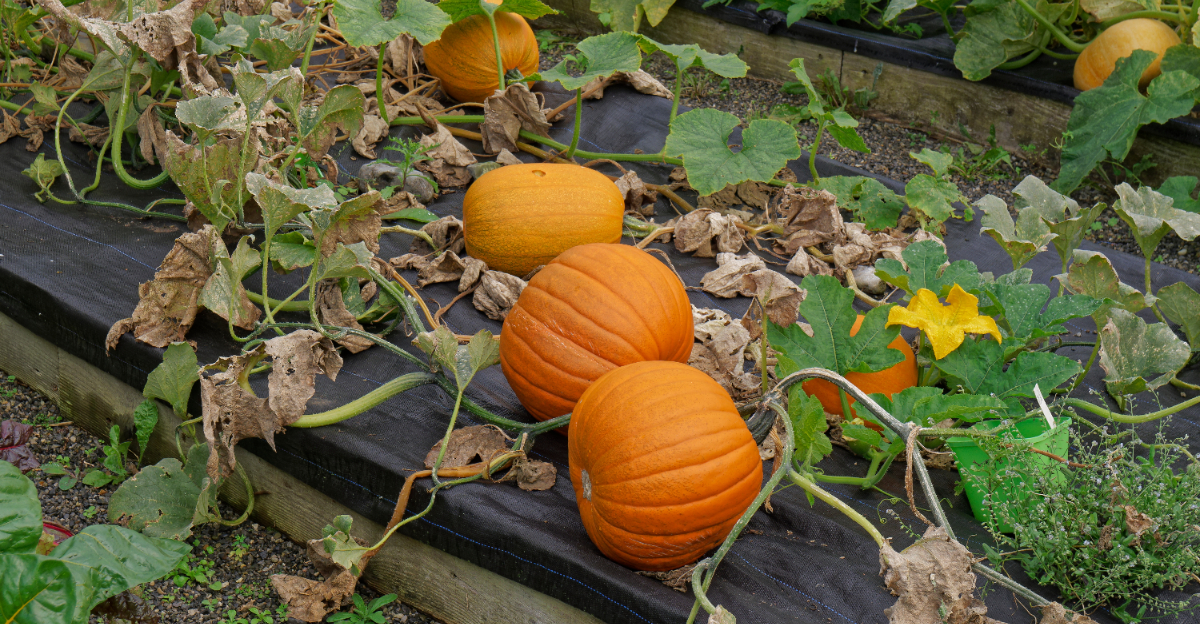
Powdery mildew shows up on pumpkin vines almost every August in North Carolina gardens, spreading across leaves until entire sections turn a dusty white.
Gardeners often reach for fungicide sprays the moment they spot it, hoping to catch the problem before it ruins the whole patch.
But there’s a simpler factor at play here, one that often gets overlooked until it’s too late to fix easily. It has nothing to do with expensive treatments or complicated schedules, and everything to do with how the vines themselves are set up from the start.
Once you understand what pumpkins actually need this time of year, prevention becomes far easier than any cure. Many gardeners are surprised to learn how much of a difference this one adjustment makes.
It’s the kind of detail that seems obvious in hindsight but gets missed by even experienced growers. Getting this right now could be the difference between a healthy patch and a mildew covered mess by September.
1. Protect Leaves Before White Spots Appear
Timing makes all the difference when it comes to powdery mildew. Once those white patches show up, they are already spreading tiny spores across your whole patch.
Smart gardeners start protecting their pumpkins while the leaves still look clean and green. Prevention works far better than trying to fix a problem after it takes hold.
By the time you notice the fuzzy coating, the fungus has been growing quietly for days. Think of it like sunscreen. You put it on before you go outside, not after your skin turns red.
The same idea works with your pumpkin vines in August. Keeping an eye on your plants each morning helps you act early. A quick walk through the garden lets you spot trouble before it grows into a big headache.
Early action might mean improving airflow, adjusting how you water, or applying a treatment labeled for pumpkins.
Healthy leaves are your plant’s food factory, turning sunlight into energy that helps pumpkins grow big and orange. When mildew covers those leaves, the plant loses its power to feed itself.
That is why starting early matters so much. You give your vines a strong head start against a disease that never really takes a break.
A little effort in early August protects the hard work you put in all summer. Staying ahead of the problem keeps your patch looking bright, green, and ready for a fun fall harvest.
2. Check Older Leaves First
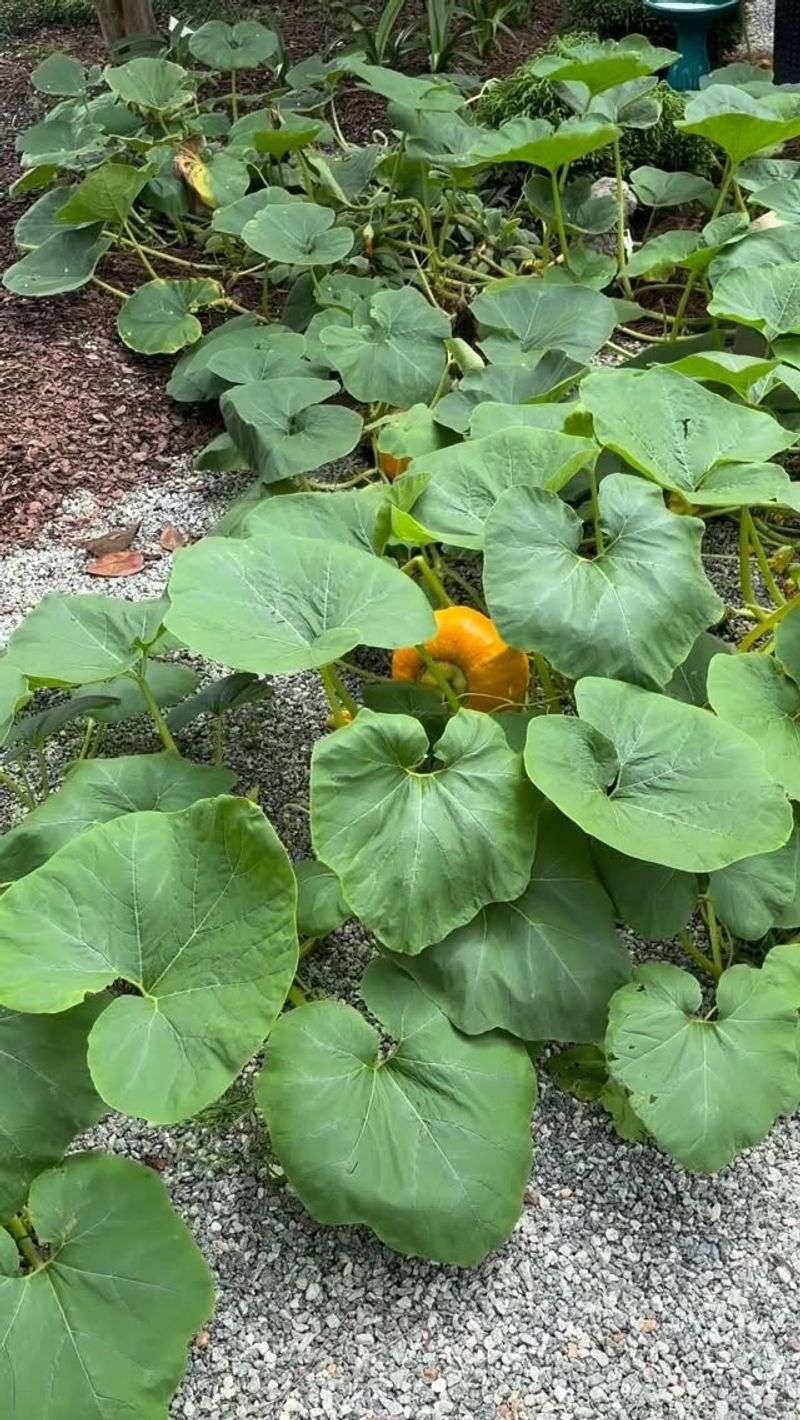
Older leaves near the base of your pumpkin plant often show the first signs of trouble. These lower leaves sit in the shade, hidden under newer growth, and they rarely dry out quickly.
Shade and slow drying create a cozy spot for mildew to settle in. Since these leaves are older, they are also weaker and less able to fight off disease.
Flip a few lower leaves over during your morning checks. Mildew loves to hide on the underside where you might not notice it right away. Catching it there gives you a big advantage.
Your North Carolina Garden Changes Every Week. Your Plan Should Too.
Gardening in North Carolina changes quickly throughout the season. Every Friday you’ll receive a simple weekly plan showing exactly what to plant, prune, fertilize, harvest, and protect so you never miss the right timing.
Younger leaves at the top get plenty of sun and fresh air, so they usually stay cleaner longer. That is exactly why the old, shaded ones deserve your close attention.
Think of the base of your plant as an early warning zone. If you spot white dust down there, it is a signal to act fast before it climbs higher.
Removing a few badly affected lower leaves can slow the spread. Just be careful not to strip away too many, since the plant still needs leaves to make energy.
Watching these older leaves also teaches you a lot about your garden’s airflow and moisture. If the same spot keeps getting mildew, you may need better spacing or less crowding.
Paying attention to the bottom of your vines is a simple habit that pays off. A quick peek each day helps you stay one step ahead of a spreading problem.
3. Dense Vines Raise The Risk
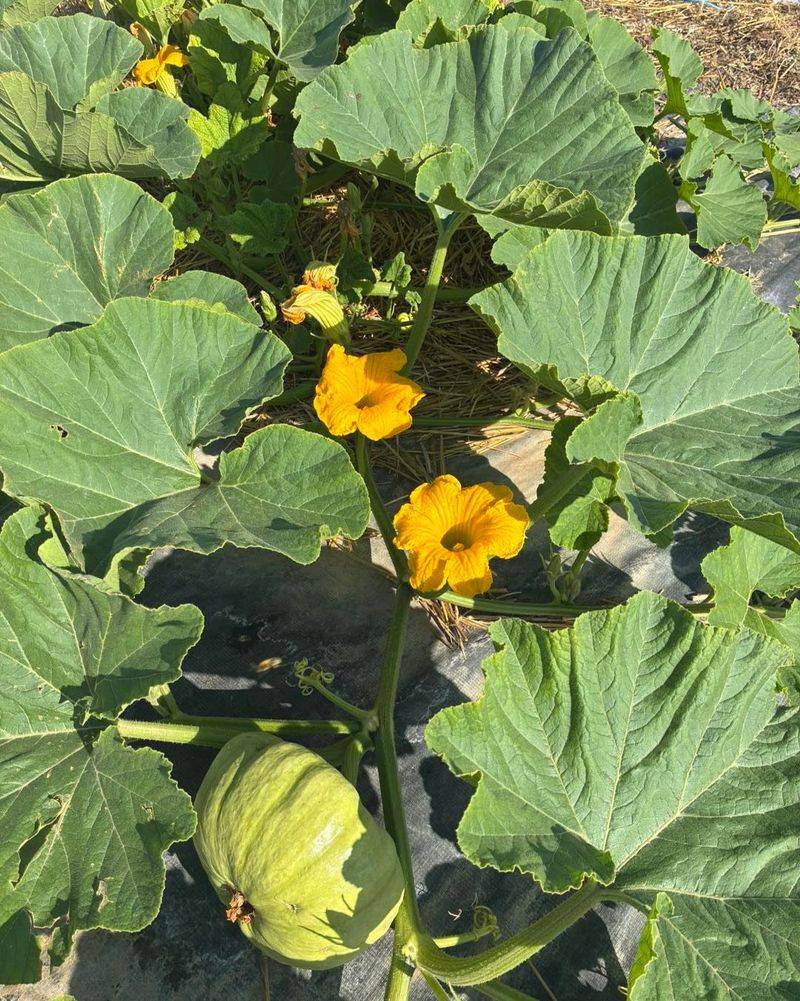
Crowded pumpkin vines might look lush and impressive, but all that thick growth hides a real danger. When leaves pile on top of each other, air cannot move freely between them.
Trapped, still air holds onto moisture, and that damp, quiet space is exactly what mildew loves. The middle of a dense plant stays humid long after the outer leaves dry off.
Sunlight also struggles to reach the inner leaves when foliage is packed tightly. Shady, moist pockets give the fungus a perfect place to grow and spread.
Giving your pumpkins room to breathe helps a lot. Planting them with proper spacing keeps vines from tangling into one big crowded mat.
You can gently guide vines so they do not all pile into the same corner. Spreading them out lets sunshine and breezes reach more of the plant.
Trimming a few extra leaves in the thickest spots can also improve airflow. Just do not overdo it, since leaves still power the whole plant.
Think about how a crowded closet stays musty while an open room feels fresh. Your pumpkin patch works the same way, and openness keeps it healthier.
When you plan your garden, remember that pumpkin vines love to sprawl. Leaving generous space between plants saves you from mildew headaches later.
A little planning now means fewer crowded, damp spots during humid August days. Open, airy vines dry faster and give mildew far fewer chances to take over your patch.
4. August Humidity Helps Mildew Spread
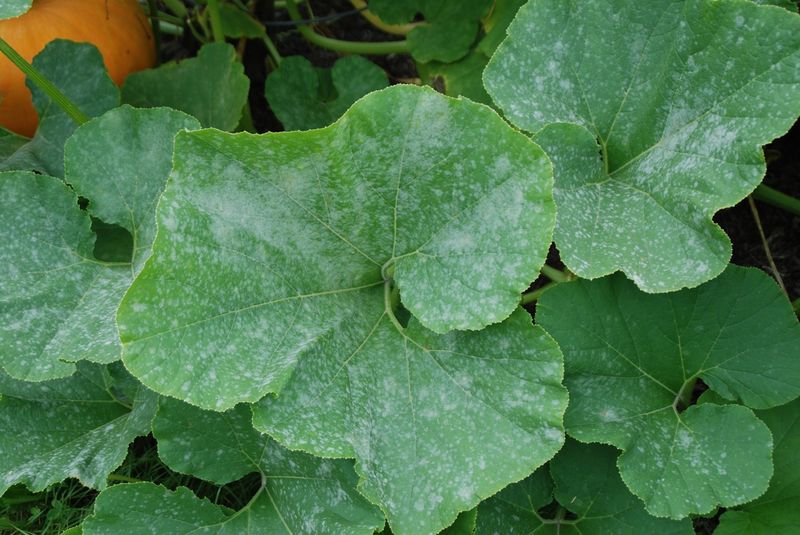
North Carolina Augusts are famous for sticky, humid days, and that weather is a dream come true for powdery mildew. This fungus does not need pouring rain to thrive.
Warm days paired with muggy air create the ideal setup for mildew to spread across your vines. The spores travel easily through humid conditions and settle onto leaves.
Unlike some plant diseases, powdery mildew actually prefers moderate temperatures over blazing heat. Those mild, damp mornings you get in late summer give it the perfect chance to grow.
High humidity means moisture hangs in the air even when the soil feels dry. That extra dampness lets mildew develop without any help from your watering can.
Understanding this weather pattern helps you plan ahead. When you know a humid stretch is coming, you can boost airflow and watch your leaves more closely.
Morning is often the muggiest time in a North Carolina garden. Checking your plants early lets you spot new growth of mildew before it spreads far.
You cannot control the weather, but you can work with it. Spacing plants well and keeping vines open helps them dry faster once the sun climbs higher.
Local gardeners quickly learn that August is the trickiest month for pumpkins. The heat feels mild, but the sticky air keeps disease pressure high.
Staying aware of humidity gives you a real edge. When you match your care to the weather, you keep your pumpkin patch strong through the muggiest part of summer.
5. Wet Leaves Are Not Required
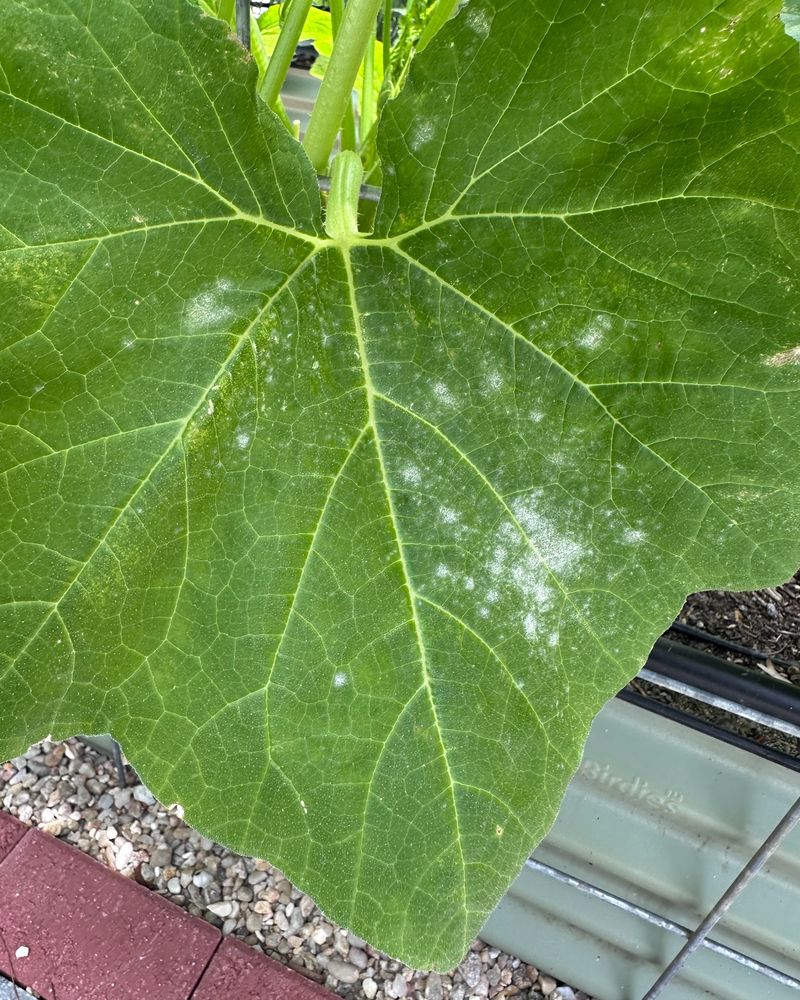
Many gardeners believe soggy leaves cause every plant disease, but powdery mildew breaks that rule. This fungus can grow even when your pumpkin leaves stay fairly dry.
Most fungal problems need standing water to get started, yet powdery mildew is different. It only needs humid air around the leaves, not actual drops sitting on them.
That surprising fact catches a lot of people off guard. You might keep your leaves dry while watering and still find white patches appearing.
The moisture in the air is enough for the spores to settle and grow. So even a careful gardener can face mildew during a humid August stretch.
This is why airflow matters more than you might think. Moving air lowers the humidity right around the leaves and makes conditions less friendly for the fungus.
Watering at the base of your plants is still a smart habit. It keeps the foliage dry and helps prevent other diseases that truly do need wet leaves.
Knowing that dryness alone will not stop mildew changes how you protect your patch. You focus on spacing, sunlight, and air movement instead of just avoiding wet leaves.
Think of mildew as a fungus that sips humidity from the air. It does not wait for a splash of water to get going.
Once you understand this, you can plan smarter. Combining good airflow with careful watering gives your pumpkins the best defense against this sneaky, moisture-loving fungus during muggy summer days.
6. Keep Air Moving Through The Vines
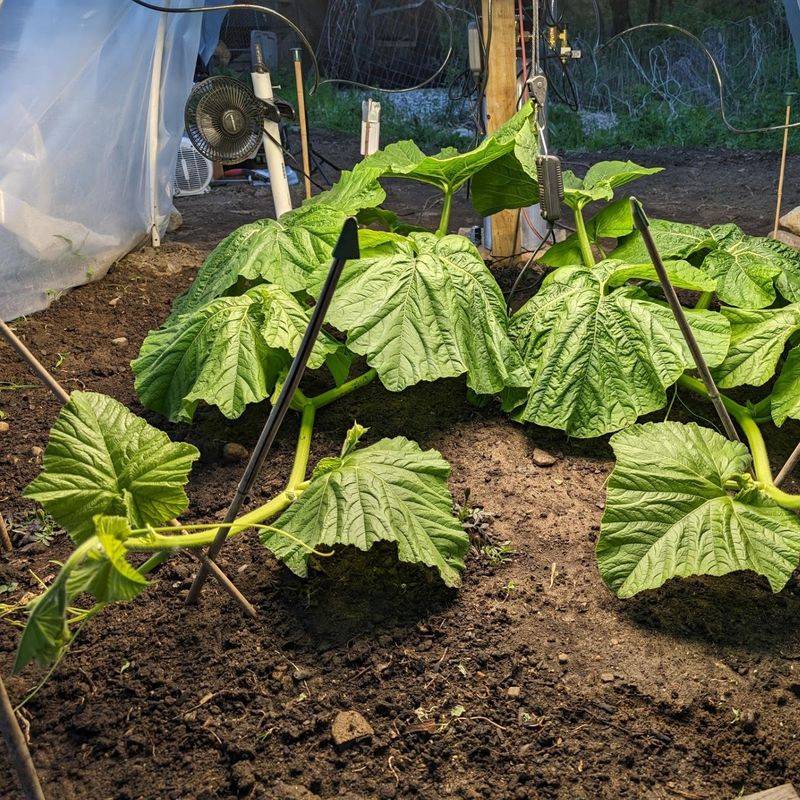
Fresh, moving air is one of the best tools you have against powdery mildew. When breezes flow through your pumpkin patch, leaves dry faster and stay less humid.
Good airflow starts with smart spacing. Planting your pumpkins far enough apart keeps their vines from turning into one crowded, stuffy tangle.
Open space between plants lets wind slip through and carry away trapped moisture. That simple movement makes the whole area far less welcoming to mildew.
You can help even more by guiding vines so they do not overlap too much. Spreading them out gives every leaf a chance to catch sunlight and breeze.
Removing a few crowded leaves in the thickest spots also boosts air movement. Just leave enough foliage so the plant can still make plenty of energy.
Picture a stuffy room with no windows open. It feels damp and heavy, and that is exactly how a crowded pumpkin patch feels to mildew spores.
Now picture that same room with windows wide open and a cool breeze flowing. That freshness is what you want around your vines all August long.
Choosing a planting spot with natural airflow helps too. An open area beats a corner boxed in by fences or thick bushes.
Airflow will not fix everything by itself, but it makes a huge difference. Combined with good spacing and cleanup, it keeps your patch drier and healthier.
Give your pumpkins room to breathe, and they will reward you with strong, green vines and a happy harvest.
7. Remove Old Plant Debris
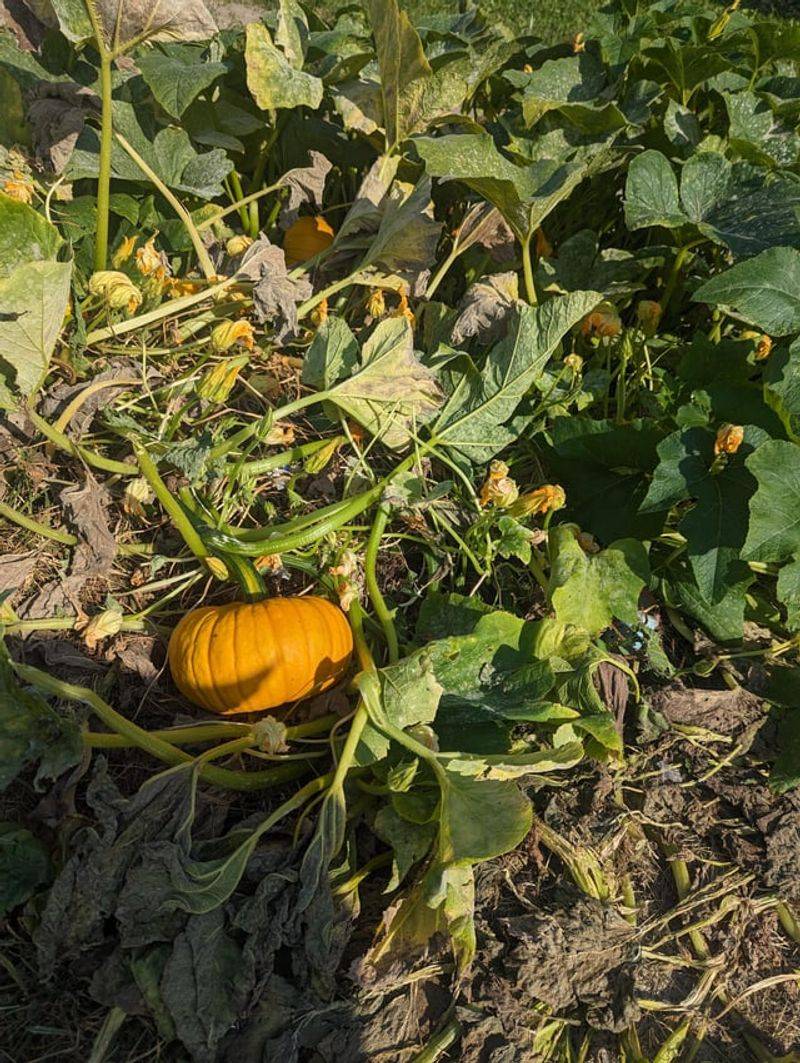
A tidy garden is a healthier garden, especially when mildew is on the prowl. Old plant scraps, weeds, and leftover vines can hide disease and spores.
Cleaning up debris removes the hiding spots where fungus likes to linger. Fewer hiding places mean fewer chances for mildew to jump onto your fresh growth.
Volunteer cucurbits, which are stray squash or cucumber plants that pop up on their own, can also spread trouble. These surprise sprouts often carry disease and should be pulled.
Weeds crowd your patch and trap humid air, making mildew feel right at home. Pulling them opens up space and improves airflow at the same time.
Raking up fallen leaves and old vines keeps your garden neat and disease pressure low. A clean bed simply gives fungus less to work with.
It helps to toss diseased plant material away rather than leaving it in the garden. Adding it to a hot compost pile or the trash keeps spores from returning.
Think of cleanup as clearing the stage before the next act. A fresh, tidy space sets your pumpkins up for success.
Doing a little tidying each week keeps the job small and easy. You avoid a big messy cleanup later when vines are sprawling everywhere.
Good garden hygiene works quietly in the background, protecting your plants without much effort. Combined with airflow and spacing, it builds a strong defense.
Keep your patch clean, and you take away one of mildew’s favorite advantages during the humid days of August.
8. Treat Only When It Makes Sense
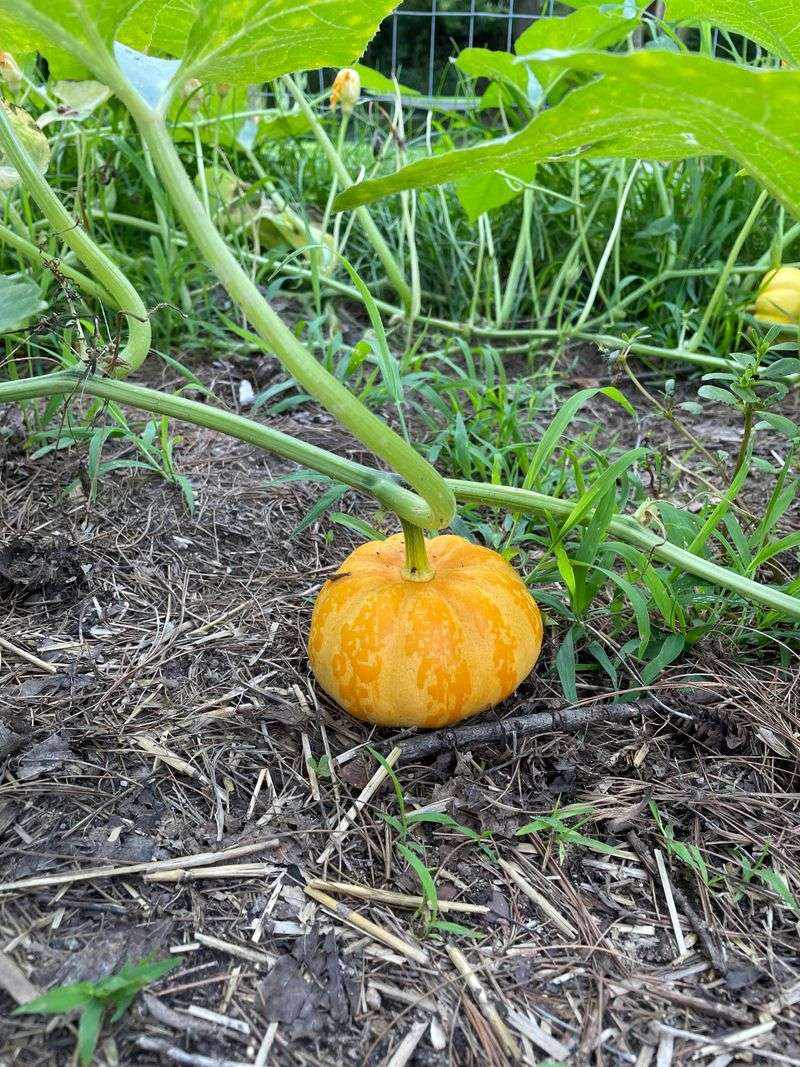
Sometimes prevention alone is not enough, and a treatment becomes helpful. When that moment comes, choosing the right product matters just as much as using it correctly.
Any fungicide you use must be labeled for pumpkins and for powdery mildew. The label is your rulebook, and it tells you exactly what the product can safely handle.
Reading that label before you spray is a must. It explains how much to use, when to apply it, and how often you can repeat treatments.
Following those directions protects your plants, your harvest, and yourself. Using more than the label says will not help and can actually cause harm.
Treating only when it makes sense keeps you from spraying too early or too often. A smart gardener watches the plants and acts when the signs call for it.
Combining a treatment with good habits works best. Airflow, spacing, and cleanup do most of the heavy lifting, while a labeled product helps in tougher spots.
Think of a fungicide as one tool in a bigger toolbox. It works well alongside prevention, not as a replacement for it.
Timing your application for the right stage of trouble gives you better results. Spraying without a real reason wastes effort and product.
When in doubt, your local extension office can offer trusted advice for North Carolina gardens. They know which products and timing work best in your area.
Treat wisely, follow the label, and pair it with good care. That balanced approach keeps your pumpkin patch strong and ready for a bright fall.