Why Shorter Days Slow Your North Carolina Fall Garden Even When It’s Mild Out
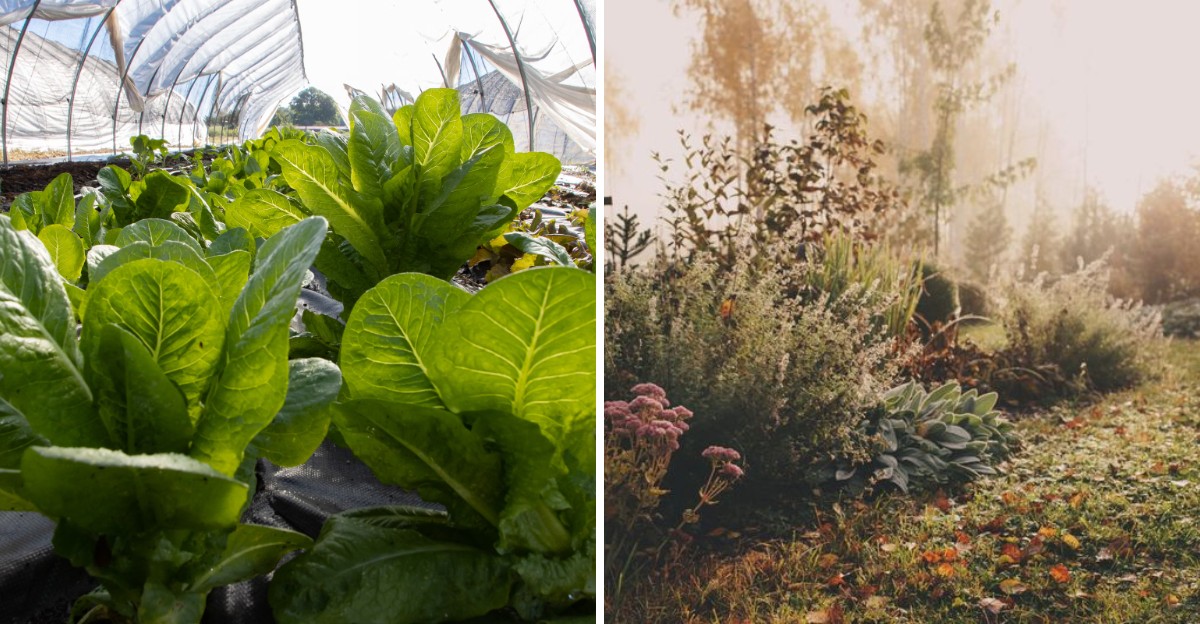
The thermometer says 70. The soil is warm, the rain has come, and the seedlings still barely move. Many gardeners blame the seed, the soil, or themselves.
The real reason is overhead. Every week in autumn, the sun gives plants a little less light, and plants respond to that, not just to temperature. Growth that takes seven days in September can take three weeks by November.
Some crops barely notice, while others slow to a crawl. This explains why that packet date never matches the calendar. It also explains why timing matters more in fall than in spring.
Once you understand what the plants are reacting to, planting dates, crop choices, and expectations all start to make sense.
1. Plants Make Less Food With Fewer Hours Of Light
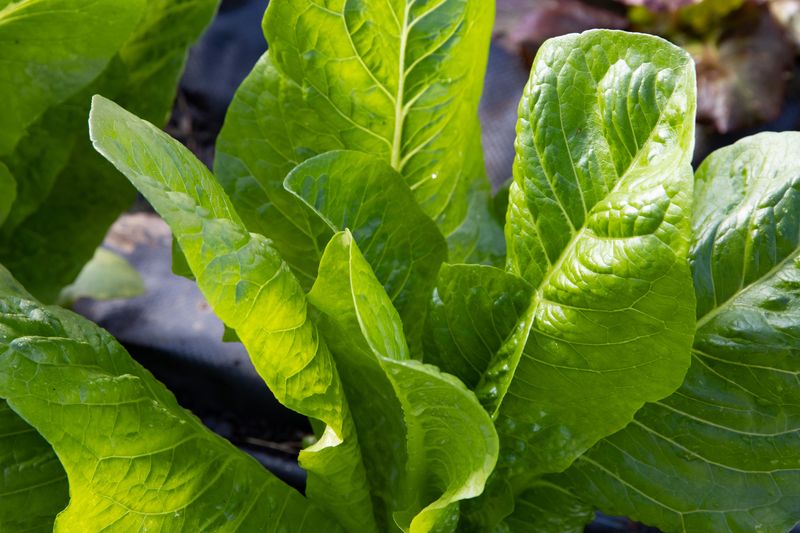
Every leaf in your garden works like a tiny solar-powered kitchen. Plants use sunlight to turn water and air into sugar, a process called photosynthesis. That sugar is the fuel they use to grow new leaves, stems, and roots.
When the sun shines for more hours, the kitchen stays open longer. In fall, though, the hours shrink a little more each day. Even if the air feels warm and pleasant, your plants simply have less time to cook up the energy they need.
Here in North Carolina, the change is bigger than most people notice. Around the summer solstice in June, much of the state enjoys roughly 14 and a half hours of daylight. By the winter solstice in December, that number falls to under 10 hours.
That means your plants lose about four and a half hours of food-making time between summer and early winter.
So what does that look like in real life? Lettuce, spinach, kale, and collards that seemed to double in size in October start crawling along in November and December.
A mild week might give them a small boost, but they won’t race ahead the way they did earlier in the season.
Knowing this can save you a lot of worry. Slow growth in late fall usually doesn’t mean your soil is bad or your plants are sick. They are just working with a smaller daily budget of light.
A helpful habit is to keep a simple garden notebook. Jot down planting dates and how big your crops are each week. After one season, you’ll clearly see the slowdown and can plan around it next year.
2. Growth Nearly Stalls Below 10 Hours Of Daylight
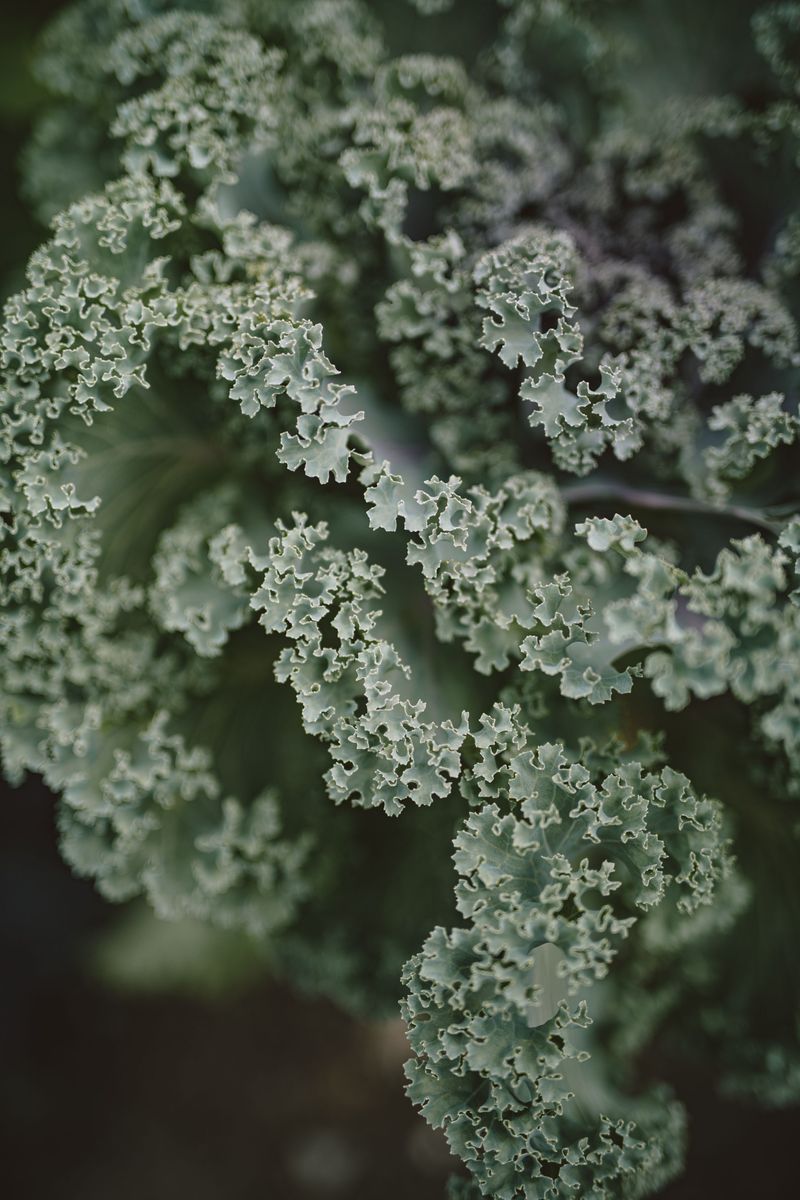
Gardeners have a special name for the darkest stretch of the year. Many call it the Persephone period, borrowed from the Greek myth about the goddess who spent part of each year underground.
During this time, when daylight drops below about 10 hours, many garden plants barely grow at all.
Your crops won’t vanish or wither during these weeks. Instead, they mostly hold steady, like a parked car with the engine idling. They stay green and edible, but they put on very little new growth until the days start stretching out again.
Your North Carolina Garden Changes Every Week. Your Plan Should Too.
Gardening in North Carolina changes quickly throughout the season. Every Friday you’ll receive a simple weekly plan showing exactly what to plant, prune, fertilize, harvest, and protect so you never miss the right timing.
In much of North Carolina, this slow season runs from roughly late November to late January.
The exact dates shift a bit depending on where you live, since the mountains, Piedmont, and coast sit at slightly different latitudes. Still, most gardeners across the state can count on about two months of very slow growth.
Planning ahead makes all the difference. Try to have your fall crops close to full harvest size before late November arrives. Think of your garden like a pantry you stock up before a long trip, so you can pick from it while growth is on pause.
During the shortest days, harvest lightly. Take a few leaves here and there instead of stripping plants bare, because they can’t replace what you take very quickly. Then comes the good news.
By mid to late January, as daylight climbs back over 10 hours, you’ll notice fresh leaves popping out again. Spinach and kale often bounce back with surprising energy, giving you a sweet, tender late winter harvest.
3. The Sun Sits Lower And Shines Weaker
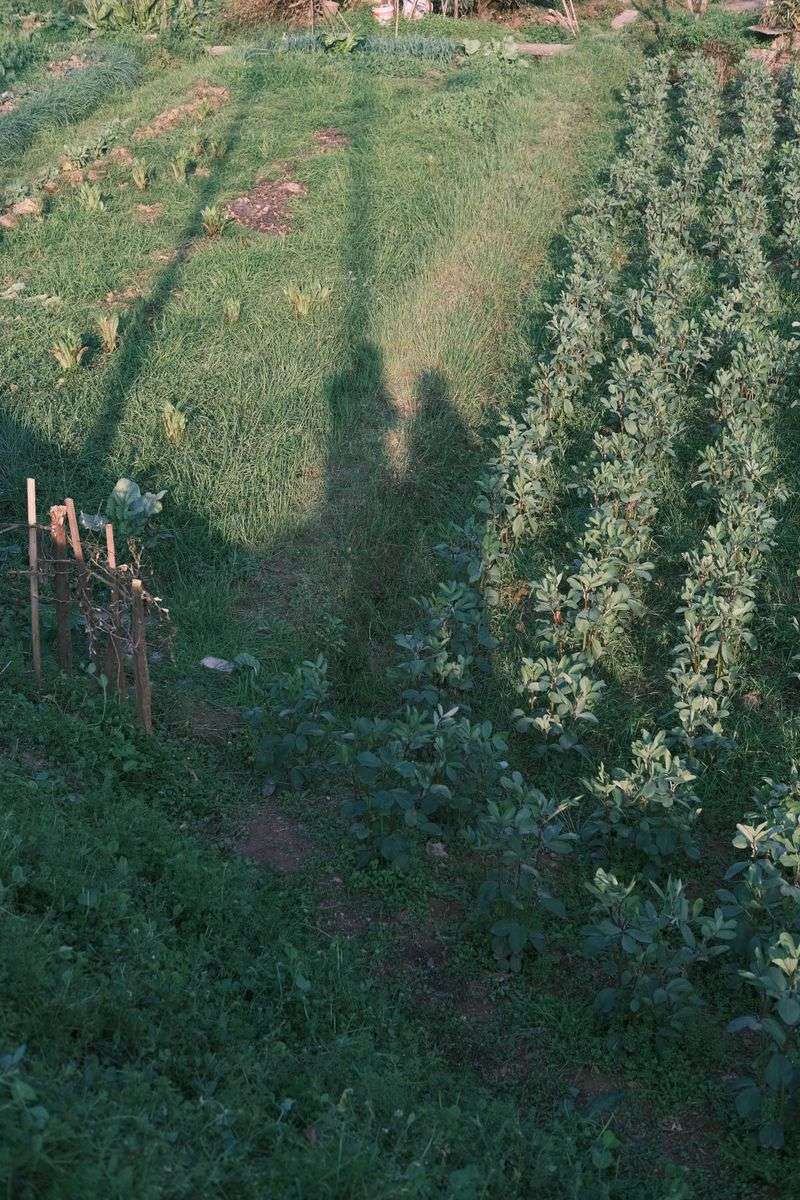
Stand outside at noon in June, and your shadow almost hides under your feet. Try the same thing in December, and your shadow stretches out long across the yard. That simple test shows how much lower the sun sits in the sky during fall and winter.
A lower sun matters more than you might think. When sunlight comes in at a slant, it travels through more of the atmosphere before reaching your garden. Along the way, some of that light gets scattered and weakened.
Slanted light also spreads out over a wider area. Imagine shining a flashlight straight down at the floor, then tilting it. The tilted beam covers more space, but each spot gets dimmer.
Your garden experiences the same thing in winter, even on bright, cloudless days.
North Carolina sees a big swing in sun height between seasons. The midday sun in December sits much lower than it does in June, so winter light is noticeably less intense. Your plants feel that difference, even if your skin barely does.
The fix starts with smart placement. Plant fall and winter crops in the sunniest spots you have, ideally where they get full sun for most of the day. South-facing areas usually work best, since they catch the most winter light.
Skip beds that were shaded in summer. If a spot struggled for light in July, it will get even less in December. Save those areas for mulch, compost piles, or shade-loving plants, and give your greens the prime real estate.
4. Longer Shadows Cover More Of The Garden
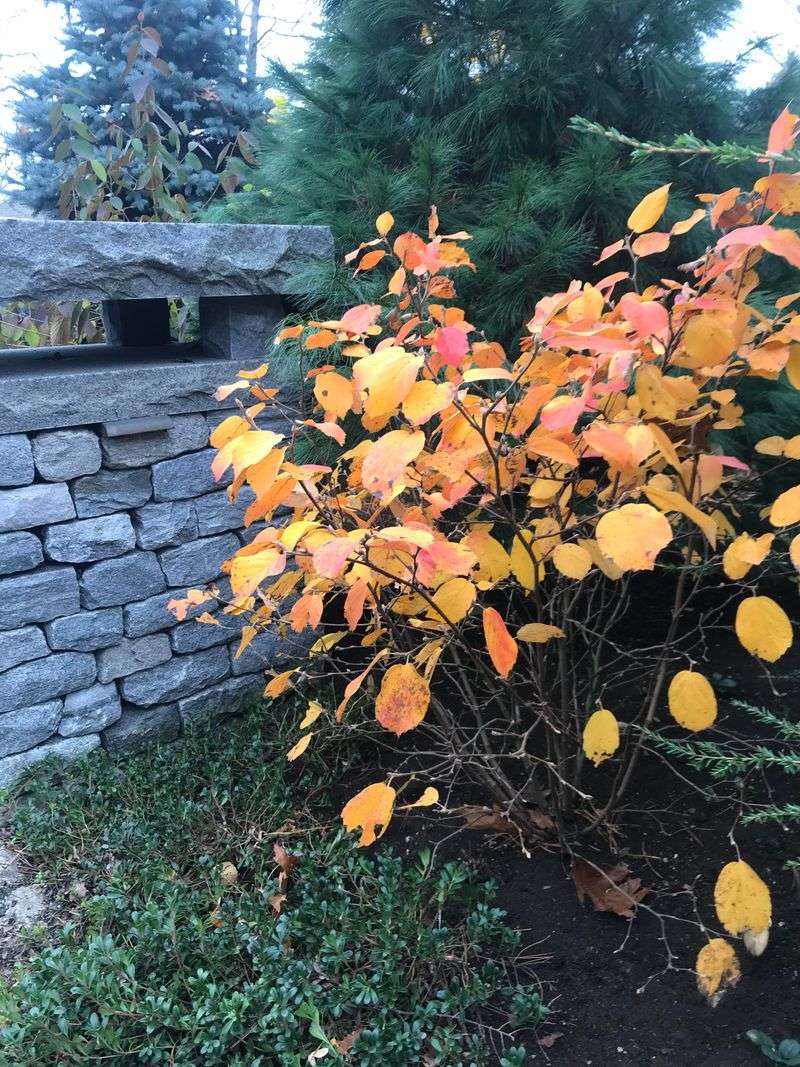
That sunny corner you loved all summer might be playing tricks on you now. With the sun riding lower across the sky, trees, fences, sheds, and houses cast much longer shadows.
A bed that soaked up full sun in July can sit in shade for several hours a day by late fall. Many gardeners never notice the change because they work outside at different times.
You might check your beds at noon and see sunshine, while morning and afternoon shadows quietly steal hours of light. Those missing hours add up fast when days are already short.
The easiest way to learn your yard is to watch it. Pick a clear day in November and peek outside every hour or two. Snap a quick photo each time, and you’ll have a simple shadow map of your garden.
Once you know where the light falls, you can make quick changes. Containers are wonderful here because you can move them to sunnier spots. A pot of lettuce or chard on wheels can follow the sunshine across your patio.
Looking ahead, plan future fall plantings in beds that stay sunny all winter. Keep in mind that deciduous trees drop their leaves and let light through, but evergreens shade beds year round.
That detail matters a lot in North Carolina. Tall pines, along with cedars, magnolias, and hollies, surround many yards across the state.
A towering loblolly pine on the south side of your property can block winter sun for much of the day, so choose your garden spot with those trees in mind.
5. Soil Cools Even When Afternoons Are Mild
Warm air can be a bit of a fibber. A 68 degree afternoon feels like perfect growing weather, but the soil beneath your plants may be telling a very different story.
Long, chilly nights pull heat out of the ground, and short days don’t give the sun enough time to warm it back up.
Roots care deeply about soil temperature. When the ground cools, roots grow more slowly and take up water and nutrients at a lazier pace. Since roots feed the whole plant, everything above ground slows down too.
A cheap soil thermometer can open your eyes. Push it a few inches into your bed in the morning, and you may be surprised how cool it reads, even after a string of pleasant days. That number explains a lot about sluggish fall crops.
Thankfully, you can help your soil hold onto warmth. Spread a layer of mulch, like straw or shredded leaves, around your fall crops. Mulch acts like a blanket, slowing heat loss through those long nights.
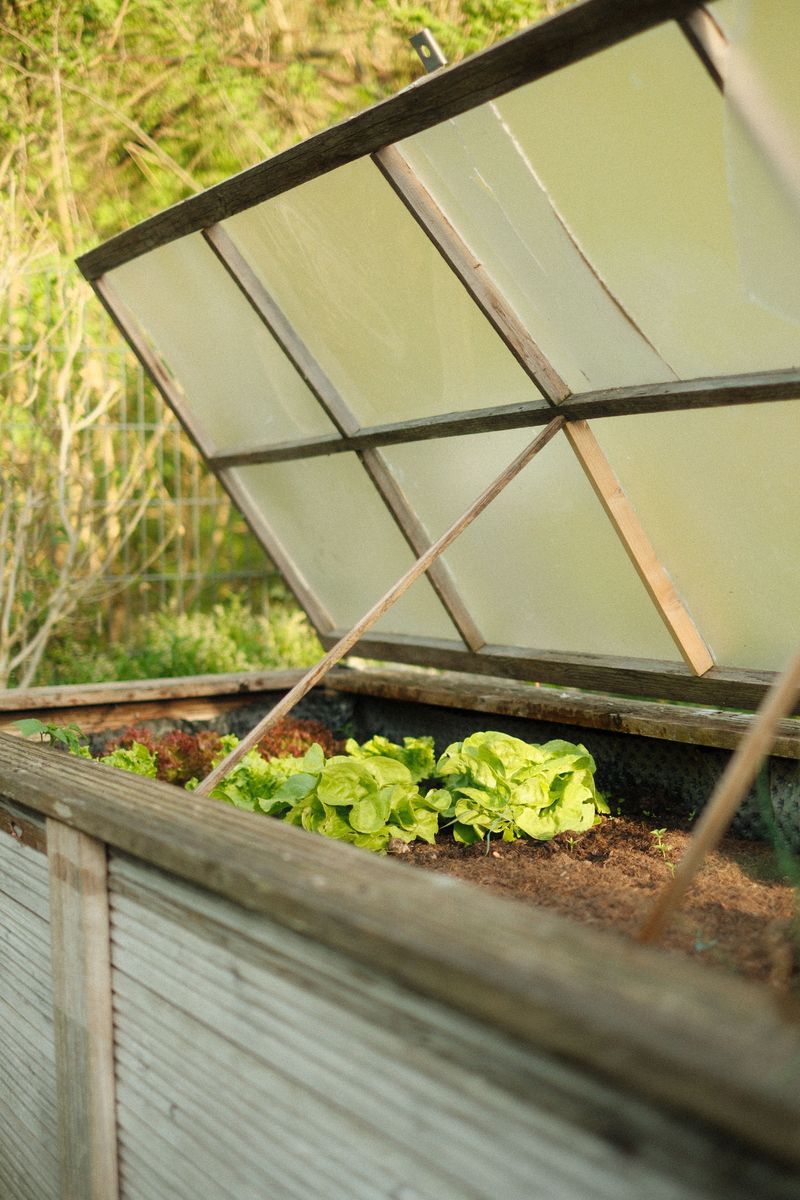
Row covers and cold frames take things a step further. Lightweight fabric row covers trap warmth near the plants, while cold frames work like mini greenhouses. Both can give your greens a cozy boost on frosty nights.
Raised beds and dark containers placed in sunny spots also warm up faster than ground-level soil. For North Carolina gardeners, these tricks are especially handy.
Our mild days can be misleading, and paying attention to the soil helps you see what your plants are really feeling.
6. Day Length Signals Plants To Slow Down
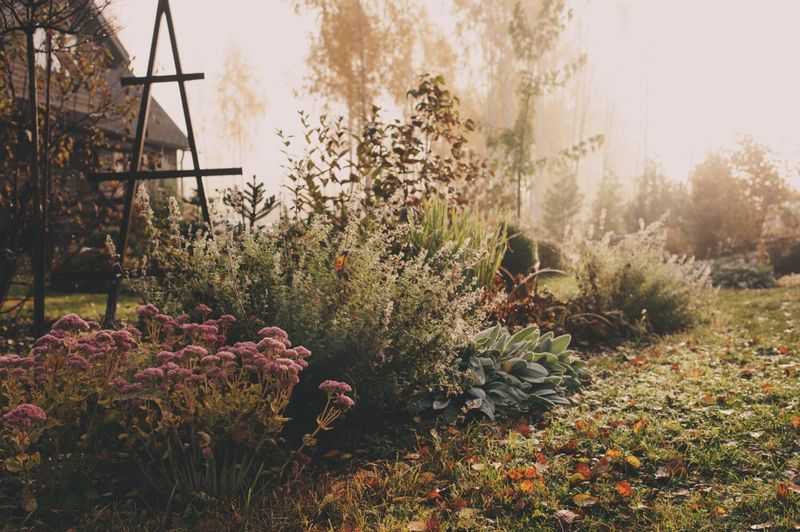
Plants keep a calendar, even without a phone or wall clock. Many of them can sense how long the nights are, and as darkness stretches out in fall, they get a clear message that winter is coming.
In response, plants start shifting gears. They slow their growth and begin preparing for colder weather, a process gardeners often call hardening off or acclimating.
Hardy plants change their cells in ways that help them handle frost, almost like putting on a winter coat from the inside.
The interesting part is that this happens even during warm spells. A run of 70 degree days in late November won’t fool most plants into a growth spurt, because the long nights keep sending the same signal. Light, not just warmth, guides their behavior.
You’ll see this all around your yard. Perennials pull energy down into their roots, and shrubs stop pushing out new shoots. Many vegetables, from kale to carrots, also settle into a slower rhythm as late fall arrives.
All of that slowing down is healthy and normal. It actually helps your plants survive winter in good shape. Pushing them with extra fertilizer during this time can cause tender new growth that gets damaged by the next cold snap.
For North Carolina gardeners, keeping this in mind brings peace of mind. Our winters often bounce between chilly and surprisingly mild, so it’s easy to expect more growth than plants are ready to give. Trust their timing, and they’ll reward you when spring rolls around.
7. Plan Around Light For A Better Fall Garden
Smart gardeners don’t fight the calendar. They learn to work with it, and that shift in thinking can turn a so-so fall garden into one that feeds you all winter long.
Once you know that light, not just temperature, controls fall growth, your timing gets much sharper.
Start by planting earlier than feels natural. Sow seeds and set out transplants in late summer and early fall so crops reach good size before the shortest days. Counting back from late November gives you a handy target date.
For late plantings, choose fast-maturing varieties. Look at seed packets for the days to harvest, and pick ones with shorter numbers. Baby greens, radishes, and quick lettuces are great picks when time is tight.
Harvest with a gentle hand in early winter. Pick the outer leaves of kale, collards, and lettuce, and leave the center to keep producing. Your plants will thank you by staying strong through the slow weeks.
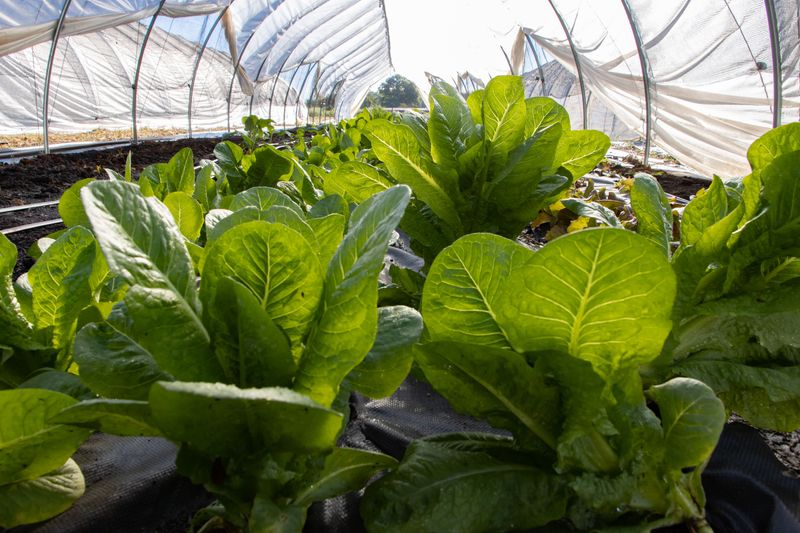
Row covers deserve a spot in every winter toolbox. They shield crops from frost and wind, holding in just enough warmth to keep greens happy on cold nights.
Finally, get ready for the comeback. As days lengthen in late winter, your garden wakes up with a fresh burst of growth that feels almost magical. North Carolina is a wonderful place for this kind of gardening.
Many fall gardens here keep producing right through winter and then deliver a strong late winter and early spring harvest. With a little planning around light, your beds can stay green and generous nearly year round.