When And How To Harvest Pecans From North Carolina Trees This Fall
The squirrels figured it out before you did, and honestly that is a little embarrassing. Those soft thumps hitting the grass on a cool October morning are not random.
Your pecan tree has been working all summer on something genuinely delicious and the harvest window is officially open. Your neighbors with the buckets and the suspiciously satisfied expressions already know this.
Pecan season in North Carolina is one of those fall rituals that feels equal parts satisfying and competitive, especially when the squirrels are involved and they are always involved.
The good news is that timing and a handful of simple techniques make an enormous difference between a frustrating afternoon and a truly rewarding haul.
A cozy jacket, a sturdy bag, and knowing what you are actually looking for out there is really all it takes.
1. Watch For Split Husks On North Carolina Trees
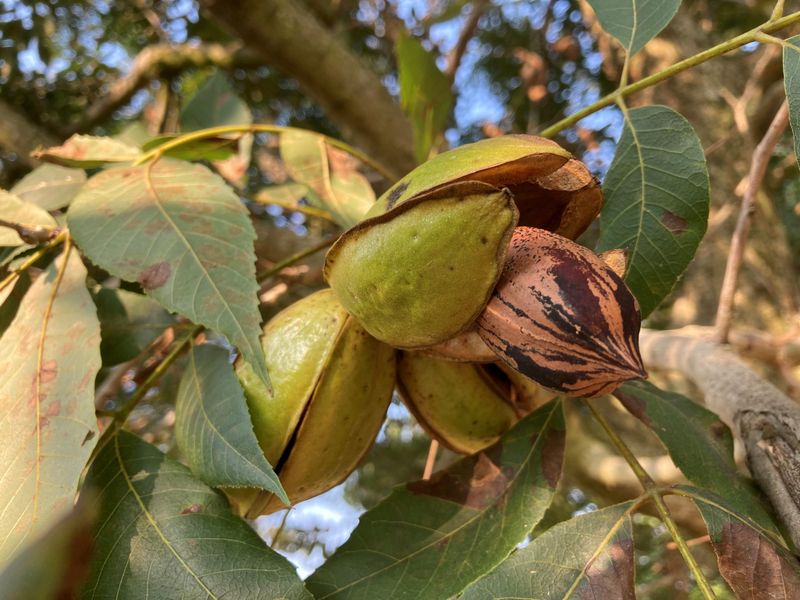
Nature hands out a clear signal when pecans are ready. The green outer husk starts to crack open along four seams, showing the brown shell inside.
In most of North Carolina, that split happens from late September through November. Eastern counties near the coast often see it first, while Piedmont trees may lag a week or two behind.
Variety matters too, since early types like Pawnee open well before late types like Stuart.
Take a slow walk under your tree every few days once September arrives. Look up into the branches and check for husks that look like little open flowers.
When about half of them have split, harvest time is close.
Fallen nuts give you another useful clue. Pick a few up and peek at the shell color.
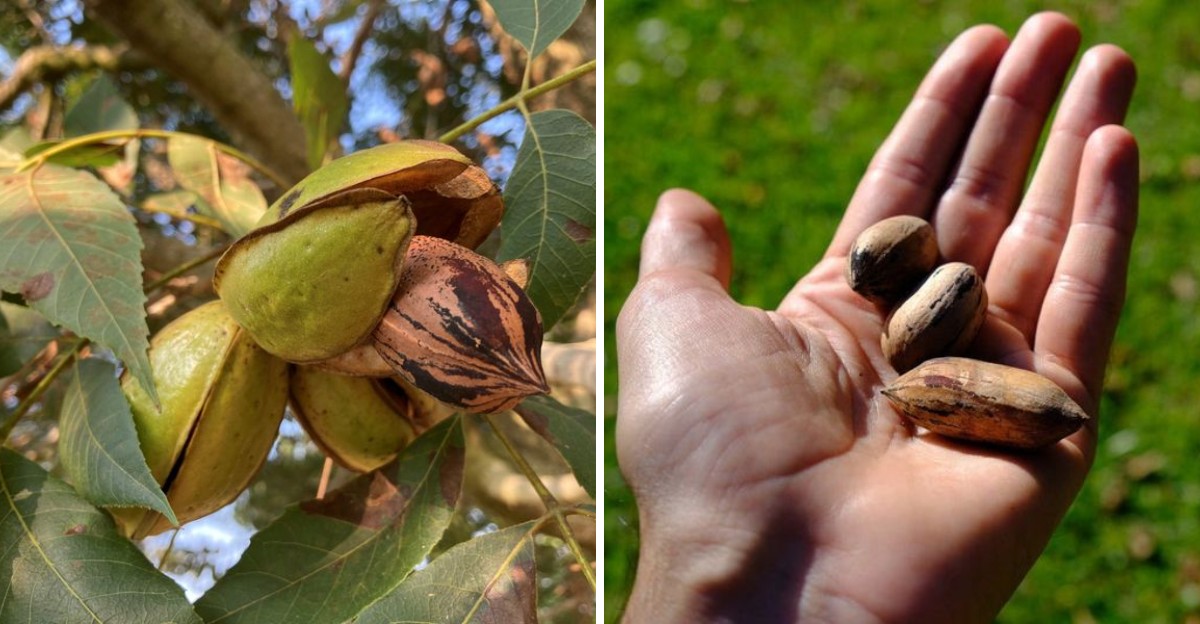
A rich tan or brown shell with dark stripes means the kernel inside has filled out nicely.
Green, tight husks on the ground can be a warning sign. Pests, drought, or strong winds may knock down nuts before they finish growing, and those kernels are usually shriveled.
Toss them aside so they do not mix with your good batch.
Keeping a simple notebook helps a lot. Write down the date the first husks split each year.
After a few seasons, you will know your tree’s schedule almost by heart, and planning gets much easier.
2. Clear The Ground Under Your Pecan Tree
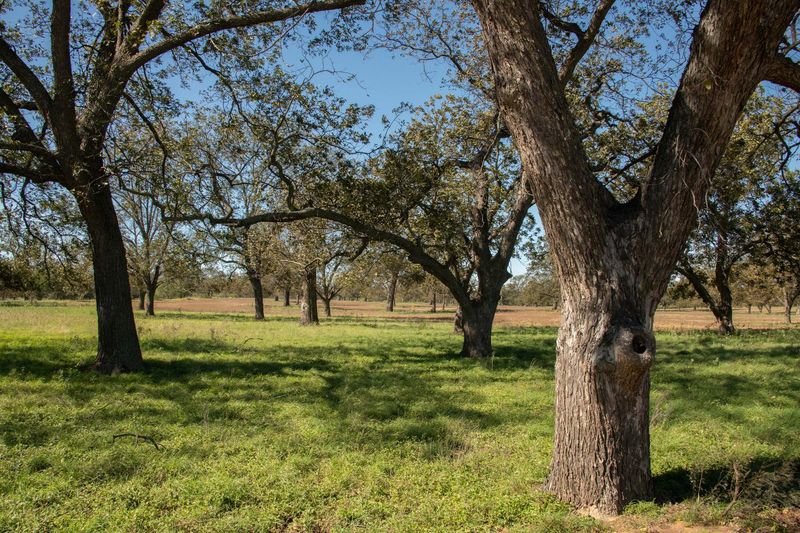
Ever tried finding a brown nut in tall brown grass? It feels like a scavenger hunt with no prize, and that is why prep work pays off.
About two weeks before the first nuts drop, mow the area under your tree nice and short. Aim for grass around one or two inches tall.
Rake up sticks, old husks, and leaves so the ground looks tidy and open.
Many North Carolina yards have fire ant mounds hiding under trees. Mark or treat those spots ahead of time so nobody gets a nasty surprise while kneeling down.
Gloves help, too.
Some growers lay old tarps or sheets under the canopy. Nuts land on the fabric, and you simply fold it up to collect them.
Your North Carolina Garden Changes Every Week. Your Plan Should Too.
Gardening in North Carolina changes quickly throughout the season. Every Friday you’ll receive a simple weekly plan showing exactly what to plant, prune, fertilize, harvest, and protect so you never miss the right timing.
Weigh the corners down with bricks so autumn breezes do not flip them over.
Fill in any holes or dips in the yard if you can. Pecans love to roll into low spots and disappear under leaves.
A smooth surface keeps them where you can see them.
Finally, think about wildlife. Crows, squirrels, and even deer enjoy free snacks.
A clean area lets you spot fresh drops quickly, so you can gather them before the critters do.
3. Pick The Right Weather For Nut Gathering
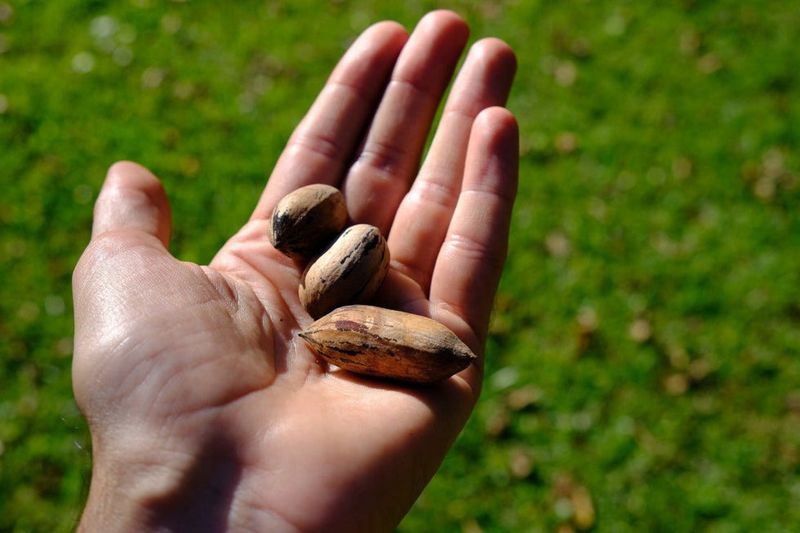
Funny thing about pecans: they act like tiny sponges. Leave them on soggy ground for too long, and mold or sprouting can ruin a great crop.
Fall in North Carolina brings a mix of crisp sunny days and heavy rain from passing storms. Late hurricane season can soak yards fast.
Try to gather nuts within a day or two after they drop, especially before a rainy spell.
Dry afternoons work best. Morning dew makes shells slippery and dirty, so waiting until around noon gives the grass time to dry out.
Your knees will thank you as well.
Windy days are surprisingly helpful. A good gust shakes loose nuts that were barely hanging on, giving you a fresh supply on the ground.
Head outside after a breezy night and you may find a bonanza.
Check the forecast each week during harvest season. If a big storm is coming, collect everything you can beforehand.
Wet nuts left for a week often turn dark and bitter inside.
Cold snaps are fine and may even speed up husk opening. Frost does not harm nuts that are already mature.
Bundle up, grab a warm drink, and enjoy the cool fall air while you work.
4. Shake Branches Safely Across North Carolina Yards
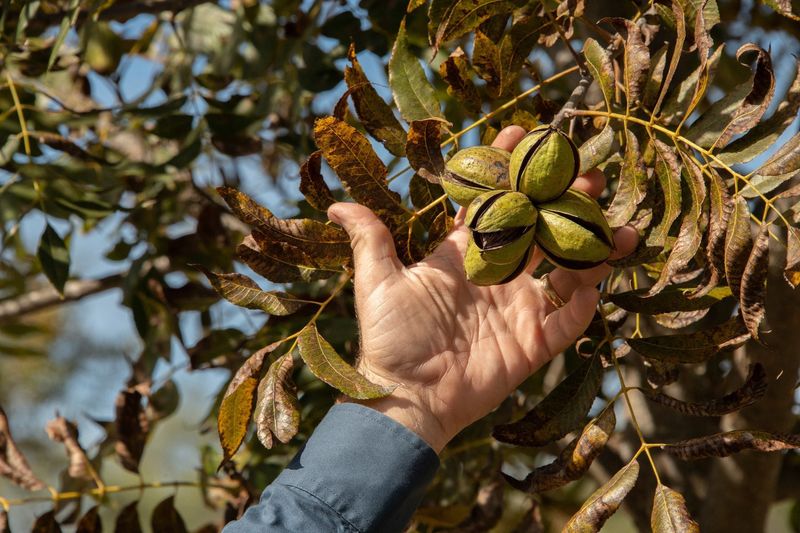
Patience is a virtue, but sometimes the tree needs a little nudge. Once most husks have split, a gentle shake can bring down a whole shower of nuts at once.
Big commercial orchards use machines that grip the trunk and vibrate it. At home, a long pole with a padded hook works well.
Hook a branch and give it a firm, quick pull rather than whacking it.
Hitting branches hard can snap twigs that would grow next year’s crop. Be kind to the tree.
Steady tugs are much better than wild swings.
Safety matters a lot here. Wear a hat or helmet and safety glasses, since falling pecans hurt more than you might expect.
Keep kids and pets out of the drop zone while you shake.
Never climb high into a pecan tree alone. Limbs can be brittle, especially on older North Carolina trees damaged by past ice storms.
Stay on the ground and let your pole do the reaching.
Fun fact: the pecan is one of the most significant nut trees native to North America and holds a special place in the continent’s agricultural and cultural history. Native peoples gathered and traded pecans long before European settlers arrived.
You are joining a very old tradition every time you shake a branch.
5. Use Handy Tools For Faster Pickup
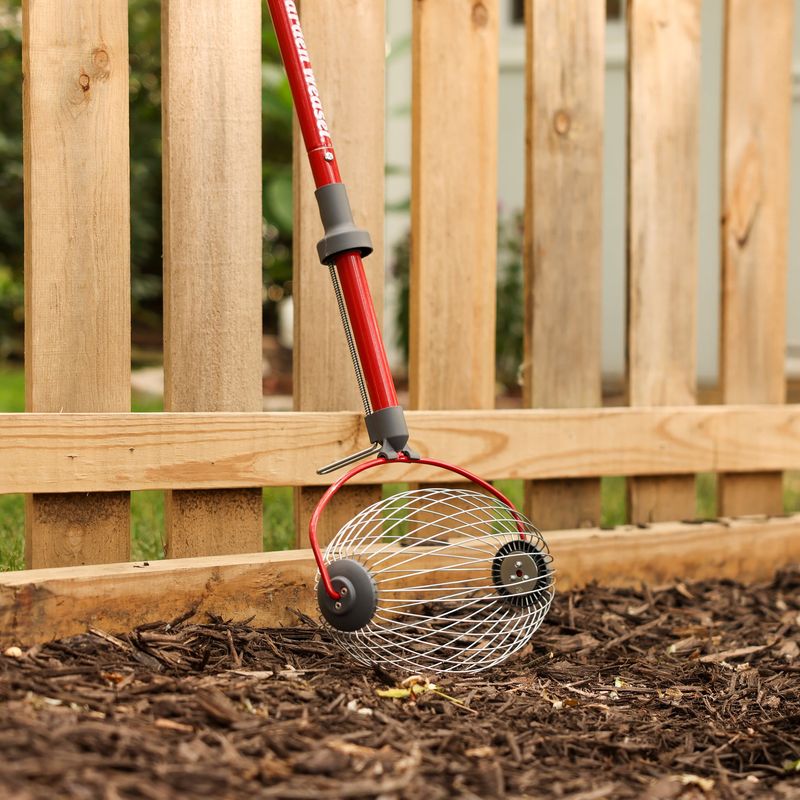
Bending over hundreds of times gets old fast. Ask anyone who has spent a Saturday hand-picking pecans, and they will tell you their back had something to say about it.
A rolling nut gatherer is a game changer. It looks like a wire cage on a stick.
You roll it across the grass, and the nuts pop inside the cage like magic.
Most models let you empty the basket by spreading the wires over a bucket. Some sizes are made just for pecans, so check the label before buying.
Garden centers across North Carolina usually stock them in early fall.
Five-gallon buckets make great collection containers. Mesh bags work even better because they let air move around the nuts.
Avoid plastic trash bags, which trap moisture.
Here is a quick routine that works well:
Start at the trunk and roll outward in rows. Then sweep back in the opposite direction to catch any you missed.
Kids love helping with rolling tools, so turn it into a game. See who can fill a bucket first or find the biggest nut.
Many families make it a yearly event, with a snack waiting as the prize.
6. Sort Good Nuts From Bad In Harvests
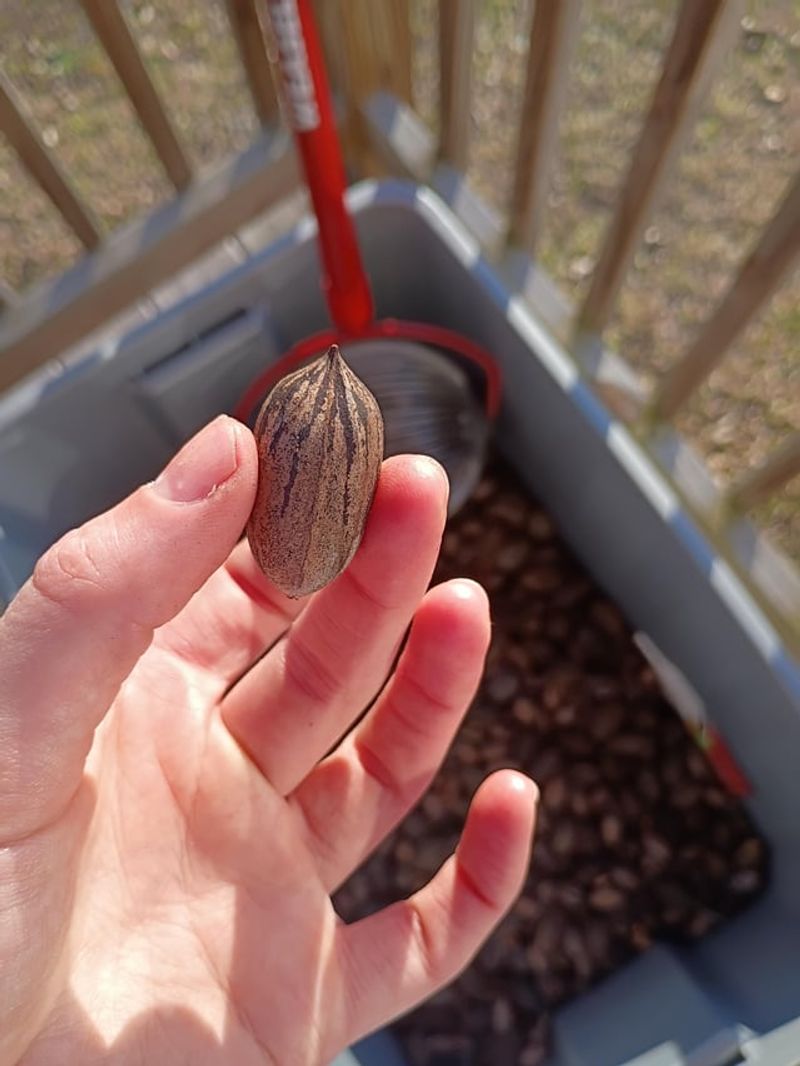
Not every pecan deserves a spot in your pie. A quick sorting session saves you from bitter surprises later on.
Start by tossing out nuts with tiny holes in the shell. Those holes usually mean pecan weevils, a common pest in North Carolina orchards, have already moved in.
Cracked or blackened shells should go too.
Next, try the shake test. Hold a nut near your ear and give it a jiggle.
A rattling sound often means the kernel is small or dried up.
The float test is another handy trick. Drop nuts in a bucket of water and watch closely.
Floaters tend to be empty or poorly filled, while sinkers are usually full and heavy.
Dry the sinkers right away if you use the water method. Spread them on a towel and let them air out before storage.
Crack a few sample nuts from each batch to check quality. Good kernels look plump and golden with a light tan skin.
Dark, oily, or shriveled meat means that batch needs a closer look.
Sorting goes faster with a buddy. One person checks shells while the other runs the tests, and the pile shrinks in no time.
7. Dry Fresh Pecans Properly In North Carolina Homes
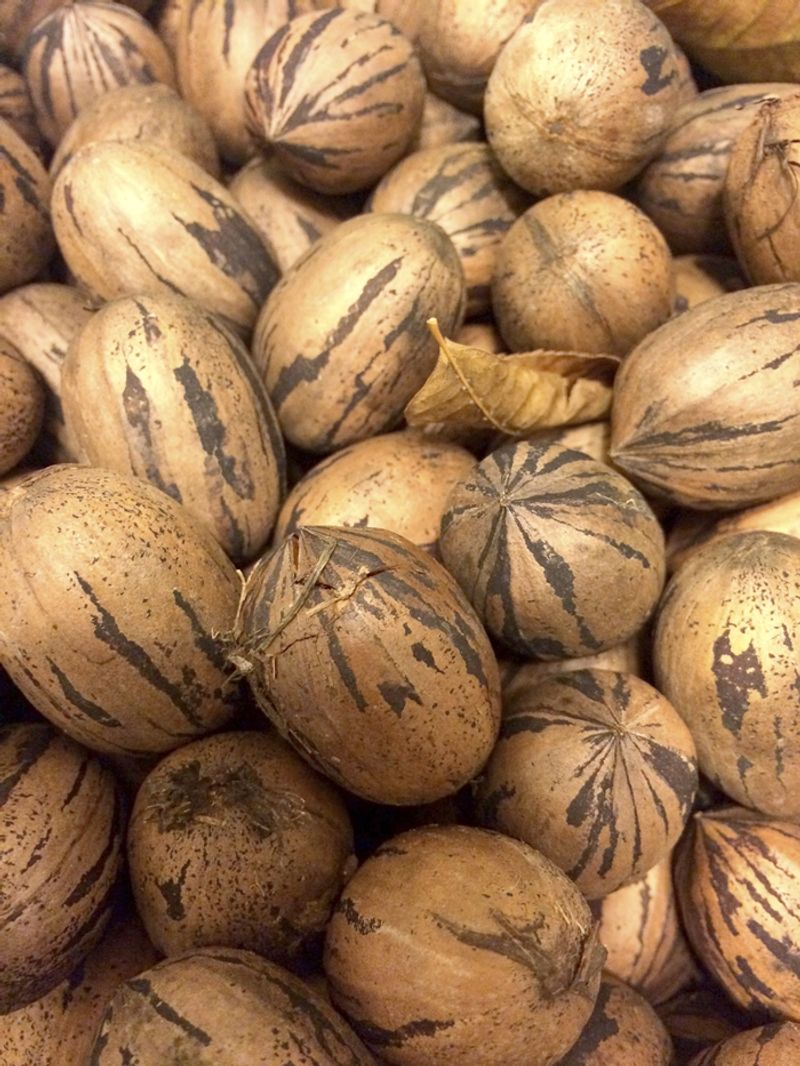
Freshly fallen pecans hold more water than you might think. Curing them is the secret step that turns a good nut into a great one with that classic crunch.
Spread the nuts in a single layer on screens, trays, or old window frames with mesh. Air needs to reach every side.
Piling them deep invites mold.
Pick a spot that stays dry, shady, and well ventilated. A garage, covered porch, or spare room works nicely.
North Carolina humidity can linger even in fall, so a small fan helps speed things along.
Keep them out of direct sun. Hot sunlight can make the oils inside turn rancid quicker.
Steady, gentle airflow is what you want.
Drying usually takes about two weeks. Stir the nuts every few days so each one gets a turn near the air.
How can you tell they are done? Crack one open and snap the kernel in half.
A clean, crisp break means the batch is ready, while a bendy kernel needs more time.
Watch out for hungry visitors. Mice and squirrels will happily sneak into garages for a feast.
Cover screens with a light mesh if critters live nearby.
8. Store Your Pecans For Lasting Freshness
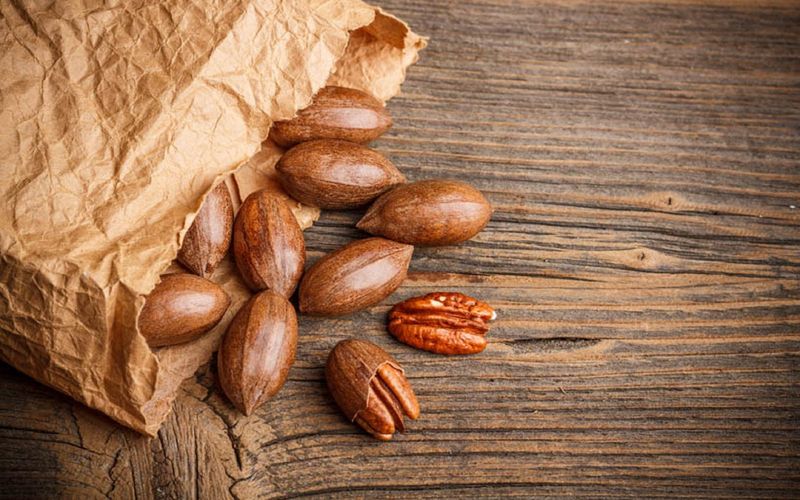
Here is a fact that surprises many folks: pecans are packed with natural oils. Those healthy oils are tasty, but they can go stale if the nuts sit in a warm pantry for months.
Nuts still in the shell last longer than shelled ones. At room temperature, in-shell pecans stay fresh for a few months.
Kept in the refrigerator, in-shell pecans can stay fresh for several months and up to a year under good conditions, making the fridge a smart choice if you have the space.
The freezer is your best friend for long storage. Shelled or unshelled pecans can maintain their quality for up to two years when properly frozen in airtight containers.
Use airtight bags or jars and squeeze out extra air.
Label each container with the date and the tree it came from. Many North Carolina families have more than one tree, and some varieties taste better than others.
Notes make it easy to pick favorites.
Pecans soak up smells, so keep them away from onions and strong foods. Nobody wants a pie that tastes like garlic.
Frozen nuts thaw quickly on the counter in about an hour. You can also toss them straight into recipes.
A handful toasted in a dry pan brings back that fresh harvest flavor in minutes.
9. Prep North Carolina Trees For Next Year’s Crop

Once the last bucket is full, your tree still has work to do. Good care after harvest sets the stage for an even better crop next fall.
Pecan trees have a habit called alternate bearing. They often produce a heavy crop one year and a lighter one the next.
Steady care helps even out those ups and downs.
Rake up old husks, leaves, and bad nuts from the ground. Pests like weevils and scab fungus can spend the winter in that debris.
A clean yard means fewer problems in spring.
Get a soil test through your local Cooperative Extension office. In North Carolina, the state offers soil testing, and results show exactly what your tree needs.
Pecans especially love zinc, and many local soils run low on it.
Fertilizer usually goes down in late winter or early spring, based on test results. Water deeply during dry summer spells, since nut filling depends on moisture in late summer.
Winter is also a smart time to prune. Remove broken, crossing, or low limbs while the tree is resting.
Call a certified arborist for big branches.
A little effort now pays off later. Before you know it, those husks will be splitting again.