The One Thing North Carolina Roses Need In August Or Black Spot Will Keep Spreading Into Fall
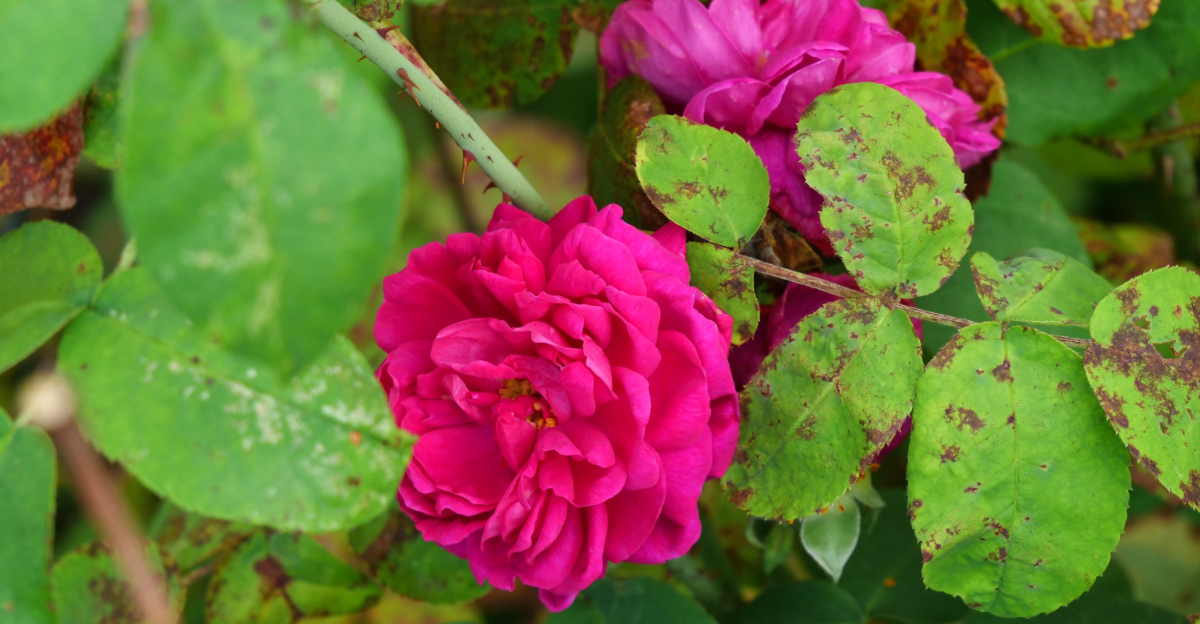
Black spot does not stop spreading on its own once it establishes on North Carolina roses in summer. It builds through August and carries into fall with momentum that makes late-season recovery genuinely difficult.
The roses that stay healthy and keep blooming almost always received one specific intervention in August. Applying this at the right stage prevents the disease before you are forced into damage control.
North Carolina’s humidity creates black spot pressure that roses in drier climates never face at the same intensity, which means the timing of this one August action matters more here than general rose care guides written for other regions ever acknowledge.
1. Give Roses Dry Moving Air Around Their Leaves
Humid August air in North Carolina practically wraps itself around everything in your garden, and rose leaves are no exception.
When foliage stays damp after a rain or a heavy dew, the black spot fungus finds exactly the conditions it needs to spread from leaf to leaf. The whole goal this time of year is simple: help your rose leaves dry out faster.
Black spot spores need moisture on the leaf surface to germinate, so even a few extra hours of dampness after a summer storm can give the fungus a window to take hold.
Good airflow around and through your rose plants is one of the most effective ways to close that window. Moving air speeds up the drying process in a way that nothing else can match.
Positioning matters more than most gardeners realize. Roses planted in tight corners, against walls with no cross breeze, or packed closely together tend to hold humidity around their leaves much longer than roses with open space on all sides.
If you have roses in a spot that rarely catches a breeze, even trimming back surrounding plants slightly can improve air movement.
Morning sun is your best friend here. Sunlight hitting leaves early in the day helps burn off dew and dry out any moisture left from overnight humidity.
Try to make sure your roses get at least a few hours of direct morning sun, since that consistent drying routine helps keep the leaf surface less hospitable to fungal growth throughout the rest of the day.
2. Open The Center Of Crowded Rose Bushes

Picture the inside of a dense, unpruned rose bush in August, and what you are really picturing is a trap for humid air.
Canes crossing over each other, leaves layered so thickly that light barely reaches the middle, and pockets of still, warm air sitting right where fungal spores love to settle.
Opening up that crowded center is one of the most practical things you can do for your roses this month.
Selective pruning in August does not mean cutting the plant back hard. The idea is to remove canes that are rubbing against each other, pointing inward toward the center, or blocking light from reaching the lower parts of the bush.
Even removing a handful of crowded stems can create enough open space for air to move through the shrub instead of getting stuck inside it.
Your North Carolina Garden Changes Every Week. Your Plan Should Too.
Gardening in North Carolina changes quickly throughout the season. Every Friday you’ll receive a simple weekly plan showing exactly what to plant, prune, fertilize, harvest, and protect so you never miss the right timing.
When air can circulate through the plant rather than around it, leaves dry faster after rain and dew. That faster drying time directly reduces the window that black spot spores need to germinate on the leaf surface.
It is a small structural change with a real impact on how the plant handles North Carolina humidity.
Always use clean, sharp pruning tools when doing this kind of work. Cutting with dull or dirty tools can stress the canes and potentially introduce other problems.
After you finish, step back and look at the bush from a few different angles to make sure you have created a more open, airy structure without removing too much healthy growth.
3. Water At Soil Level Instead Of Spraying Leaves
Overhead watering and roses are not a good combination in August, especially in a state where humidity is already working against you.
When water sprays over the top of the plant and lands on the leaves, it adds extra moisture that can linger for hours, and that is exactly what black spot needs to keep spreading.
Changing where the water goes is one of the fastest fixes available to any rose gardener.
Soaker hoses and drip lines are popular choices for a reason. They deliver water slowly and directly to the root zone, keeping the soil moist where it counts while the foliage above stays completely dry.
Setting up a soaker hose around your rose beds is a one-time task that pays off every single time you water through the rest of the season.
If you water by hand, keep the hose end low and direct the flow toward the base of the plant rather than arcing it up and over the bush. It takes a little more patience, but the difference in how dry the leaves stay is noticeable.
Watering in the morning also helps because any accidental splashing on lower leaves has the whole day to dry before evening humidity settles in.
Another reason soil-level watering matters is splash. When water hits bare soil or leaf litter around the base of the plant with force, it can send spores upward onto the lower leaves.
Keeping water delivery gentle and low to the ground reduces that splashing effect and helps protect the leaves closest to the soil, which are often the first to show symptoms.
4. Remove Spotted Leaves Before They Feed The Cycle
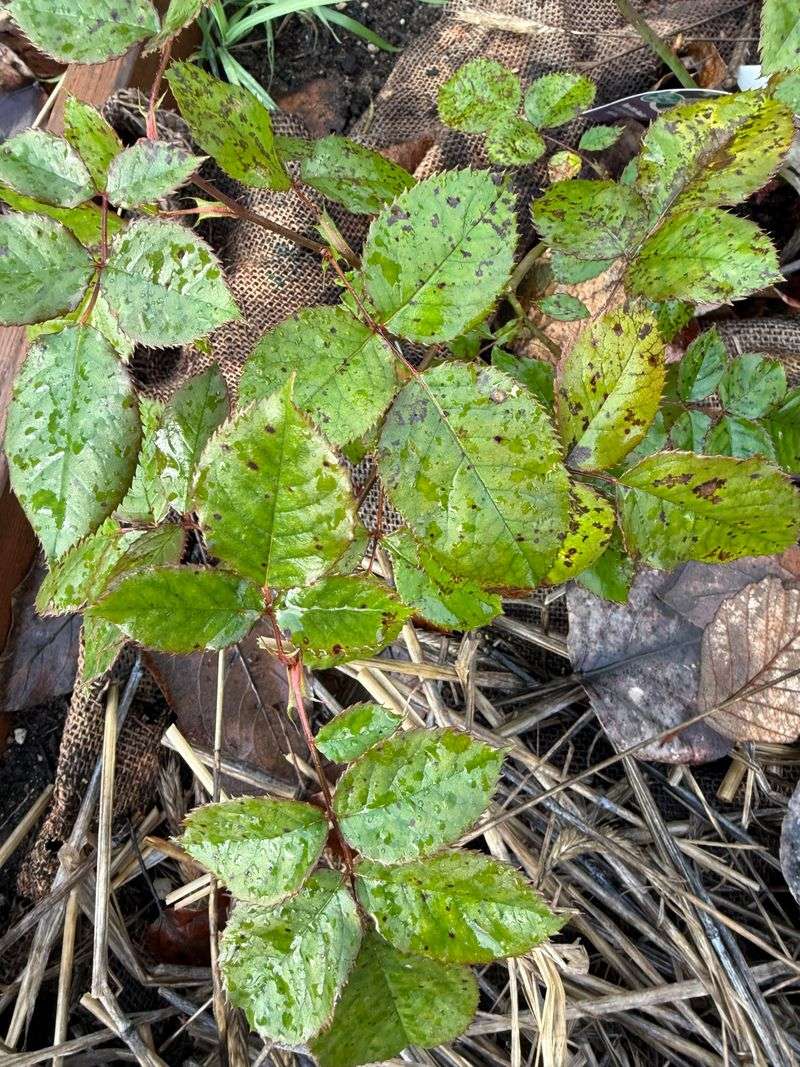
Every spotted leaf still attached to your rose bush is actively contributing to the problem. Black spot produces spores on infected tissue, and those spores are ready to spread to healthy leaves whenever moisture gives them the chance.
Removing infected leaves before they can release more spores is one of the most direct ways to interrupt the cycle before fall arrives.
Start by looking for the telltale signs: circular black spots with fringed or feathery edges, often surrounded by yellowing tissue. Leaves showing these symptoms should come off the plant as soon as you spot them.
Do not leave them on the ground nearby either, because fallen leaves carry the same spores and can reinfect the plant just as effectively as leaves still hanging on the canes.
Collect everything you remove in a bag or bucket and take it out of the garden entirely. Composting these leaves is not a good idea because most home compost piles do not reach temperatures high enough to break down fungal spores reliably.
Bagging them and putting them in the trash is the safer choice for keeping the problem from cycling back through your garden next season.
This kind of cleanup feels tedious on a hot August afternoon, but it genuinely matters. Think of it as reducing the number of spores available to spread during the next rainstorm.
Each infected leaf you remove is one fewer source of trouble for the healthy foliage still on the plant. Staying consistent with this habit through August and into September gives your roses a much better chance heading into fall.
5. Refresh Mulch After Cleaning Under Roses
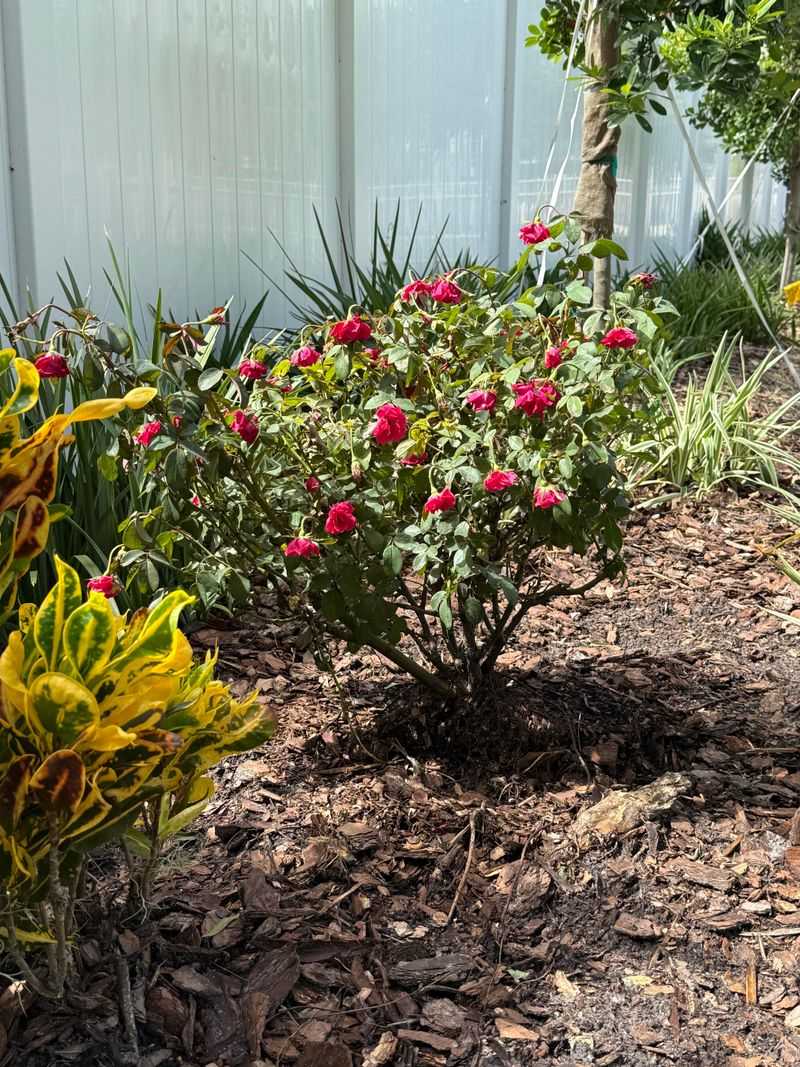
After you have cleared away the fallen and infected leaves from under your rose bushes, the bare soil underneath is exposed and ready to splash during the next heavy August rainstorm.
A fresh layer of mulch applied right after cleanup acts like a buffer, absorbing the force of raindrops before they can kick spores or soil particles up onto the lower leaves of the plant.
North Carolina summers bring frequent afternoon storms, and those heavy downpours hit with enough force to send soil and debris flying several inches upward.
Mulch breaks that impact, keeping the ground cover layer between the rain and the leaf surface.
It also helps the soil retain moisture more evenly, which reduces the need for frequent watering and lowers the chance of accidental splashing when you do water.
The type of mulch matters less than the way you apply it. Pine straw, shredded bark, and wood chips all work well for this purpose.
Aim for a layer about two to three inches deep around the base of each plant. The key detail to remember is to pull the mulch back slightly from the crown of the rose, leaving a small gap of an inch or two right at the base of the canes.
Mulch piled directly against the crown can trap moisture against the woody tissue and create a different set of problems.
Keeping that small buffer zone around the base of each plant lets the crown breathe while still giving the surrounding soil the protection it needs.
Fresh mulch after a cleanup round is a simple step that quietly supports everything else you are doing to manage black spot this season.
6. Do Not Let Nearby Plants Crowd The Rose

Roses do not always struggle alone. Sometimes the problem is what is growing right next to them.
Perennials that have filled out by August, vines creeping in from a nearby fence, or a patch of weeds that went unchecked for a few weeks can all press up against rose canes and block the airflow that keeps foliage dry.
The rose might be perfectly pruned on its own, but if surrounding plants are walling it in, the humidity problem persists.
Late summer is when many garden plants reach their fullest size, so a bed that looked well-spaced in May can feel crowded by August. Walk through your garden with fresh eyes and look at what is actually touching or leaning against your rose canes.
Ornamental grasses, sprawling ground covers, and tall perennials are frequent offenders, not because they are doing anything wrong, but simply because they have grown into the space the rose needs for airflow.
Trimming back neighboring plants does not mean clearing the entire bed. The goal is to create a zone of open air around each rose where breezes can move freely and leaves can dry after rain.
Even pulling back a few inches on each side can make a noticeable difference in how quickly foliage dries out following a summer storm.
Weeds deserve special attention here. They grow fast, they fill gaps quietly, and they often go unnoticed until they are already creating a dense barrier around the base of the plant.
Keeping the area around each rose clear of weed growth is a low-effort habit that supports better airflow without requiring any major changes to your garden layout.
7. Watch Lower Leaves First After Rainy Weeks
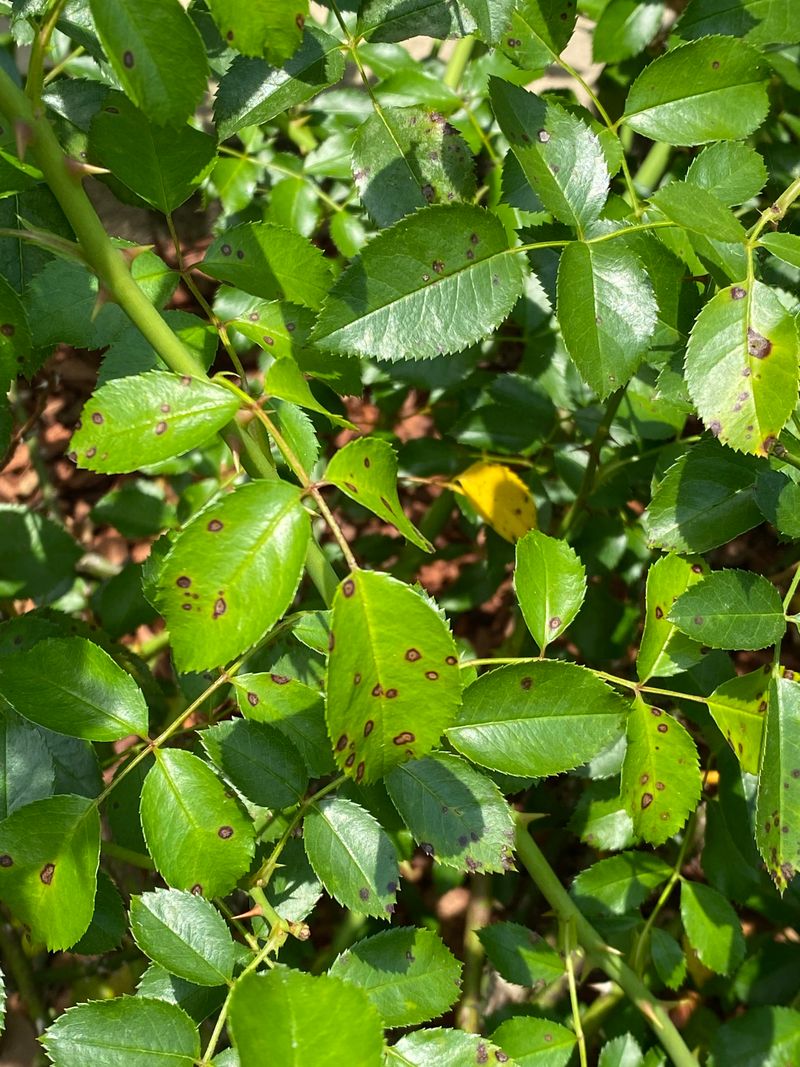
Black spot rarely announces itself at the top of the plant first. It tends to start low, on the leaves closest to the ground, where splash from rain, slower drying, and more shade create the conditions the fungus prefers.
After a stretch of rainy, humid August weather, those lower leaves are the first place to check for early signs of trouble.
The lower portions of a rose bush stay damp longer than the upper canopy. They receive less direct sunlight, they are closer to the soil where spores can splash up, and they often have less airflow moving through them.
All of those factors combine to make the bottom of the plant a consistent early warning zone. Getting in the habit of checking there first saves time and helps you catch new infections before they spread upward.
Look for small circular spots with dark, feathery edges. In the early stages, the surrounding leaf tissue may still look green, but yellowing usually follows quickly.
Catching and removing leaves at this early stage reduces the number of spores available to spread during the next wet period, which in August can be just a day or two away.
Checking the inside of the bush matters just as much as the outer leaves. Interior leaves that get less light and air are also slow to dry and can show symptoms ahead of the more visible outer foliage.
Making a quick inspection of both the inside and the lower sections of your rose bushes after every significant rain gives you the earliest possible view of where black spot is trying to establish itself next.