What You Should Do To Ohio Butterfly Bush To Keep More Blooms Coming
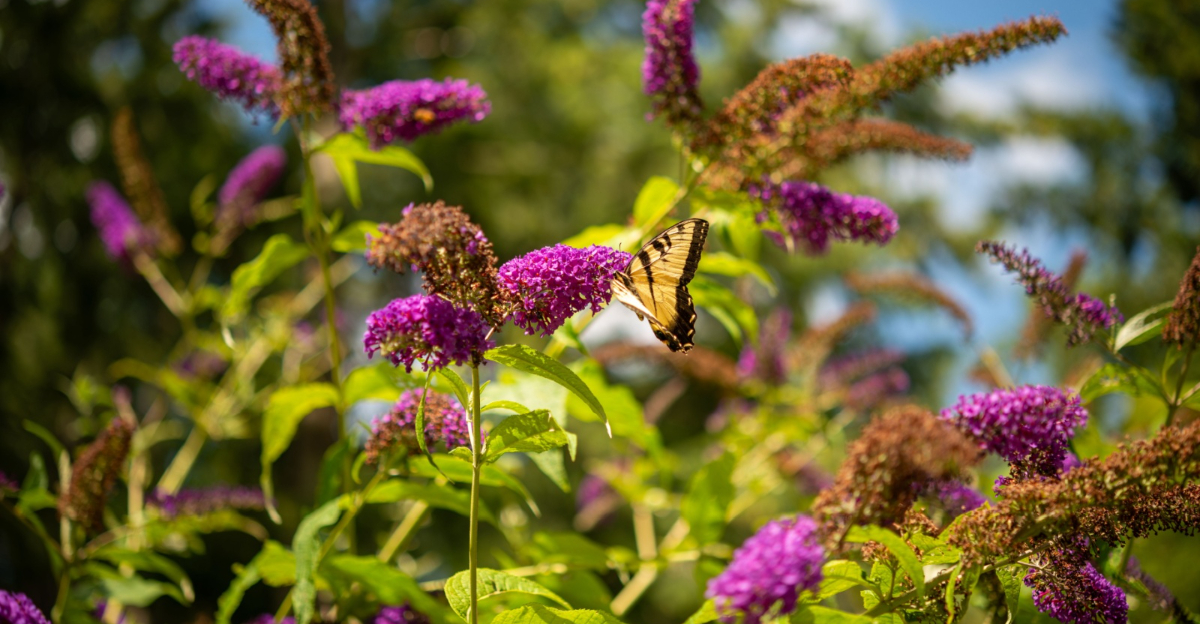
Butterfly bush in full summer bloom is genuinely hard to ignore. Those long, colorful panicles loaded with pollinators, the whole sunny border buzzing with activity: it is one of those plants that makes a garden look like it really has its act together.
And then the flower spikes start fading and things get a little less glamorous. The shrub starts looking tired, blooming slows down, and what was a showstopper a few weeks ago is now just kind of sitting there.
Sound familiar? The good news is that butterfly bush responds really well to the right care at the right time.
Knowing when to deadhead, how much sun and water to provide, and which varieties perform best in Ohio can completely change how this shrub behaves across the growing season. Let’s talk about what actually works.
1. Deadhead Spent Flower Panicles
Summer flower panicles on butterfly bush start out vivid and full, drawing in swallowtails, skippers, and other pollinators that are common across Ohio landscapes.
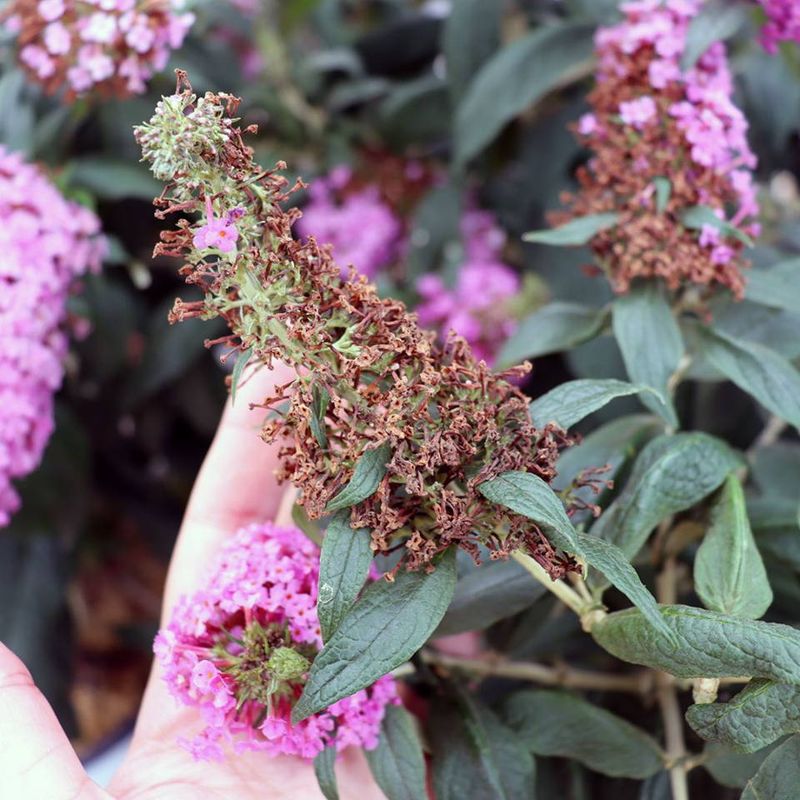
As the weeks pass, those same panicles begin to fade, turning brown and papery at the tips while the rest of the shrub still looks green and healthy.
That shift from colorful to faded is your signal to deadhead.
Deadheading simply means removing the spent flower panicle by cutting it back to the next set of healthy leaves or a side branch. You do not need to cut far down into the stem.
A clean snip just above a leaf node is enough to tidy the plant and redirect its energy.
In Ohio, where summer heat and humidity can stress woody ornamentals, keeping the shrub free of faded growth helps it stay focused on producing new shoots rather than developing seeds.
Use clean, sharp bypass pruners to avoid tearing the stem tissue.
Deadheading every week or two during the bloom season keeps the shrub looking its best and gives new flower buds the best opportunity to develop on fresh growth throughout the warm months.
2. Cut Back To A Healthy Leaf Set
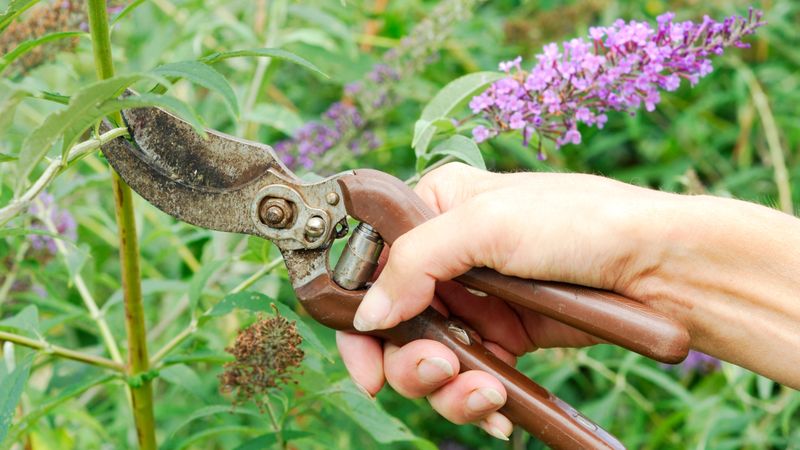
Faded panicles do not always fall cleanly at a single point. Sometimes the bloom fades gradually from the tip downward, leaving a partially spent spike that looks ragged and uneven.
When that happens, cutting back to a healthy leaf set gives the plant a clean starting point for new growth.
Look for a pair of leaves that are full, green, and firmly attached to the stem. Make your cut just above that leaf node, angling the blade slightly so water does not pool on the cut surface.
That small detail can help reduce the chance of stem issues developing during Ohio’s humid summer periods.
Cutting to a healthy leaf set also encourages the plant to branch outward from that point. New side shoots tend to develop quickly in warm weather, and those shoots are what carry the next round of flower buds.
Avoid cutting too far below the leaf node or removing more stem than necessary, since over-cutting can slow the plant’s recovery.
Your Ohio Garden Changes Every Week. Your Plan Should Too.
Gardening in Ohio changes quickly throughout the season. Every Friday you’ll receive a simple weekly plan showing exactly what to plant, prune, fertilize, harvest, and protect so you never miss the right timing.
The goal is a tidy, manageable shrub that continues to send up fresh growth and new blooms through the remainder of Ohio’s summer growing season.
3. Remove Faded Blooms Before Seeds Form
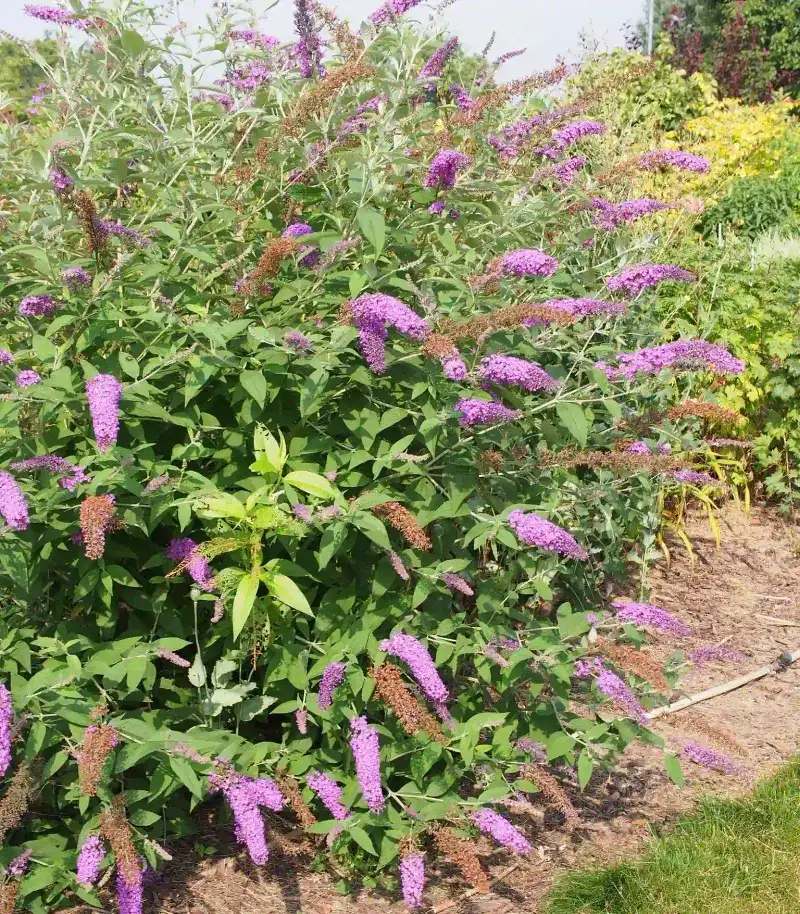
Letting faded butterfly bush blooms linger on the shrub long enough to form seeds can shift the plant’s energy away from producing new flowers.
Once seed development begins, the shrub naturally starts prioritizing that process over continued blooming, which can lead to a noticeable slowdown in flower production during the second half of summer.
In Ohio, butterfly bush has been flagged as a plant that can reseed into natural areas, particularly along roadsides, disturbed ground, and stream banks.
Removing spent panicles before seeds fully mature is one practical way to limit that spread while also keeping your garden looking cleaner and more intentional.
You do not need to wait until a panicle is completely brown to remove it. As soon as the color fades and the tiny florets begin to drop, that is a reasonable time to cut.
Staying ahead of seed formation takes only a few minutes each week during the bloom season.
Consistent removal of faded panicles throughout July and August gives the shrub more opportunity to redirect its resources toward new shoots and additional flower spikes rather than seed production.
The result is a longer and more colorful bloom period across your Ohio landscape.
4. Keep Spring Pruning Separate
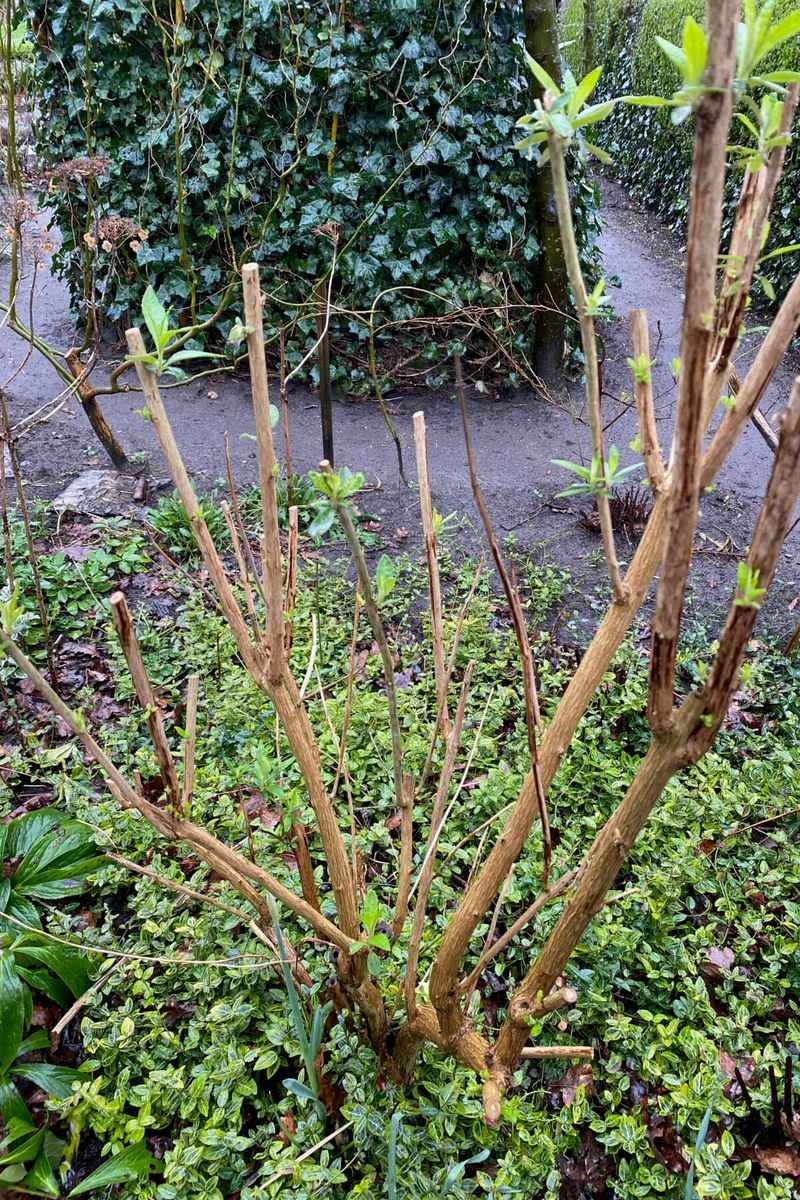
One of the most common mix-ups Ohio homeowners make is treating spring pruning and summer deadheading as the same task. They are actually two very different jobs that serve different purposes and happen at different times of year.
Spring pruning involves cutting the entire shrub back hard, usually to about 12 to 18 inches from the ground, once the risk of hard frost has passed and new growth is beginning to emerge at the base of the plant.
Butterfly bush blooms on new growth produced during the current season, so this early-season pruning encourages a strong, full framework of fresh stems that will carry the summer flower panicles.
Summer deadheading, by contrast, is light and targeted. It focuses only on removing individual spent panicles as they fade, not on reshaping the entire plant.
Confusing the two and attempting a hard cutback in midsummer can remove healthy growth that is already forming new buds, which may actually reduce blooming rather than improve it.
In Ohio, where butterfly bush often holds onto old stems through winter before showing signs of new growth in late spring, waiting until growth is clearly visible before pruning helps avoid cutting into wood that is still capable of leafing out.
5. Give The Shrub Full Sun
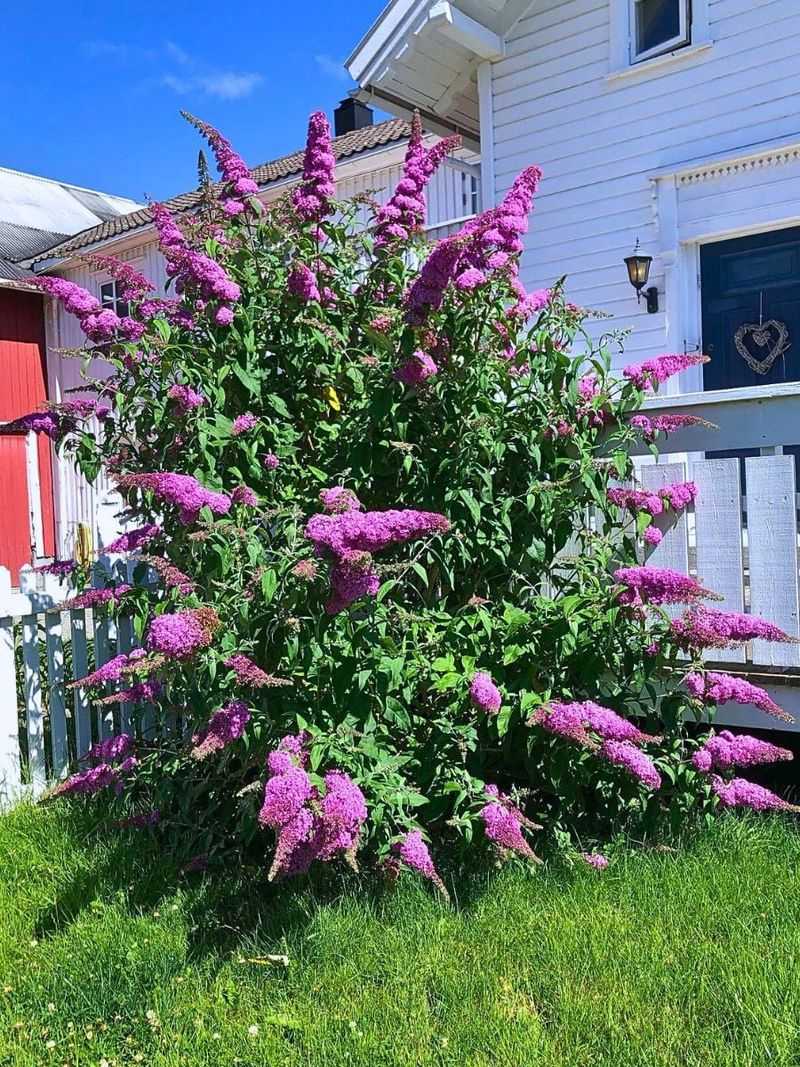
Sunny borders, open fence lines, and south-facing foundation edges in Ohio are where butterfly bush tends to perform at its strongest.
The shrub is built for full sun, generally meaning at least six hours of direct sunlight per day, and it responds to that light with vigorous growth and a heavy flower load throughout the summer months.
When butterfly bush is planted in partial shade or in a spot that gets blocked by nearby trees or structures as the season progresses, the results often disappoint.
Stems may stretch and lean toward available light, flower panicles tend to be smaller and less vibrant, and the overall bloom period can shorten noticeably compared to a plant growing in an open, sunny location.
Relocating an established butterfly bush is possible but stressful for the plant, so choosing the right spot from the beginning makes the most sense.
If you are working with an existing shrub that seems to bloom poorly despite regular deadheading, take a closer look at how much direct sun it actually receives throughout the day.
Increasing sun exposure, even by trimming nearby branches that cast shade, can make a meaningful difference in how consistently and generously the shrub blooms across the Ohio growing season.
6. Avoid Overwatering Heavy Soil
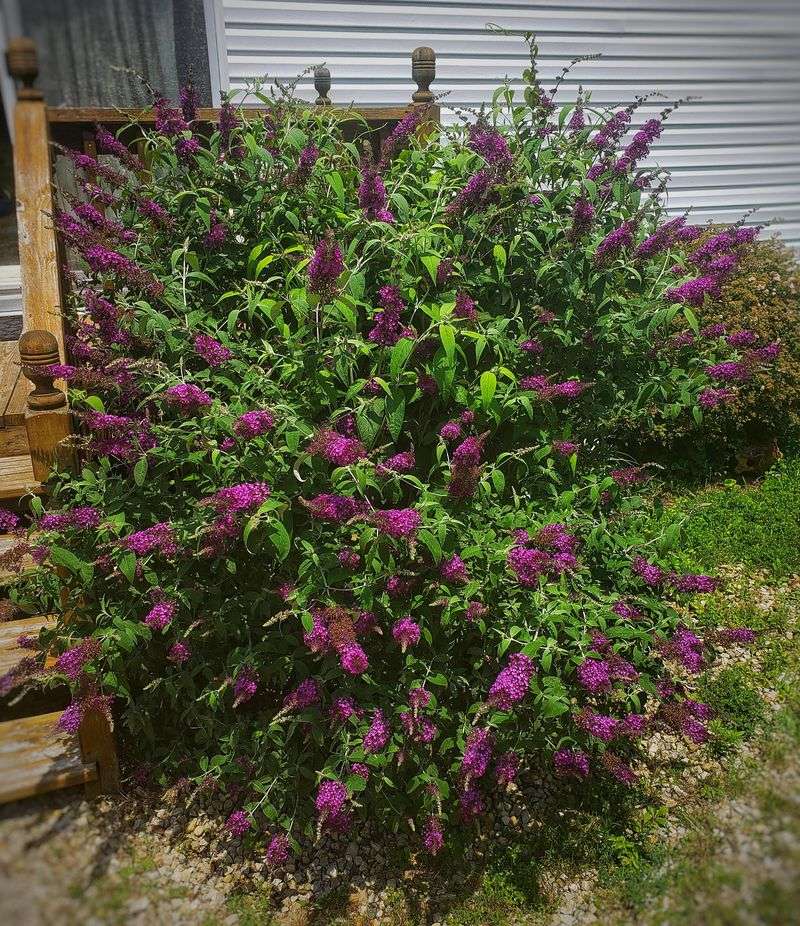
Heavy clay soil is common across many parts of Ohio, and it can create real challenges for butterfly bush, which strongly prefers well-drained conditions.
When roots sit in waterlogged soil for extended periods, the plant struggles to take up nutrients efficiently, and overall vigor tends to decline along with flower production.
Overwatering compounds the problem. Butterfly bush is reasonably drought-tolerant once established, and it does not need frequent irrigation in most Ohio summers.
Watering deeply but less often encourages roots to grow downward in search of moisture rather than staying shallow and vulnerable near the surface. Shallow root systems are more susceptible to stress during dry spells and less stable in heavy soils.
If your planting site has drainage issues, consider raising the planting bed slightly or amending the soil with coarse material before planting.
For established shrubs already growing in dense or compacted soil, reducing supplemental watering and improving surface drainage around the root zone can help.
Mulching around the base of the plant, while keeping mulch away from the main stems, helps regulate soil moisture without trapping excess water.
Giving butterfly bush the drainage it prefers supports healthier root development and more consistent blooming across the Ohio landscape season.
7. Skip High-Nitrogen Feeding
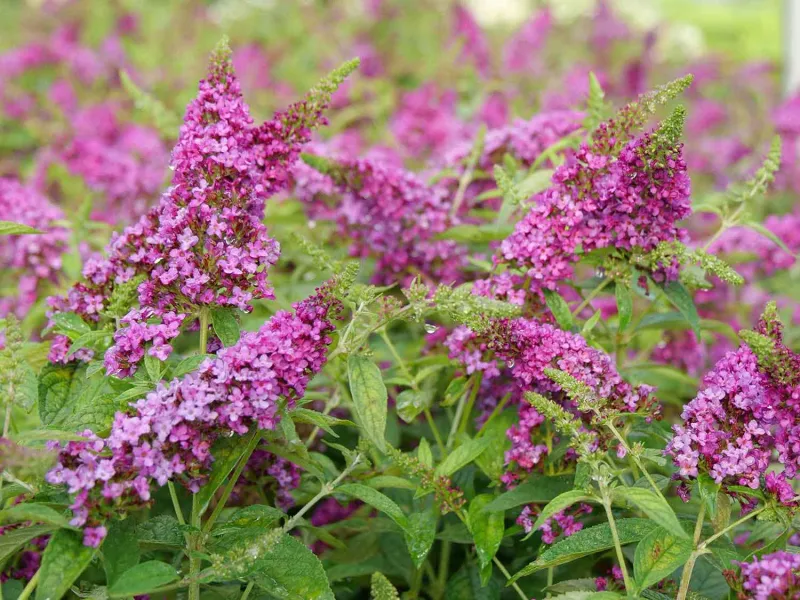
Lush, dark green growth on a butterfly bush with very few flower panicles is a familiar frustration for Ohio gardeners who fertilize regularly with a general-purpose lawn or garden product.
High-nitrogen fertilizers push a lot of leafy, vegetative growth, which can actually work against blooming by directing the plant’s energy into stems and foliage rather than flowers.
Butterfly bush is not a heavy feeder. In many Ohio landscapes with reasonably healthy soil, the shrub gets along well with little or no supplemental fertilizer, particularly once it is established after the first growing season.
If the soil is notably poor or the plant seems slow to recover after spring pruning, a balanced, low-nitrogen fertilizer applied once in early spring is usually more than enough.
Avoid fertilizing butterfly bush in midsummer, as pushing new leafy growth late in the season can interfere with the plant’s natural preparation for the cooler months ahead.
If you are already deadheading consistently and the shrub is growing in full sun with good drainage but still seems to bloom less than expected, reviewing your fertilizer routine is a practical next step.
Scaling back nitrogen input often allows the shrub to refocus on flower production rather than excess green growth.
8. Choose Sterile Or Low-Seed Varieties
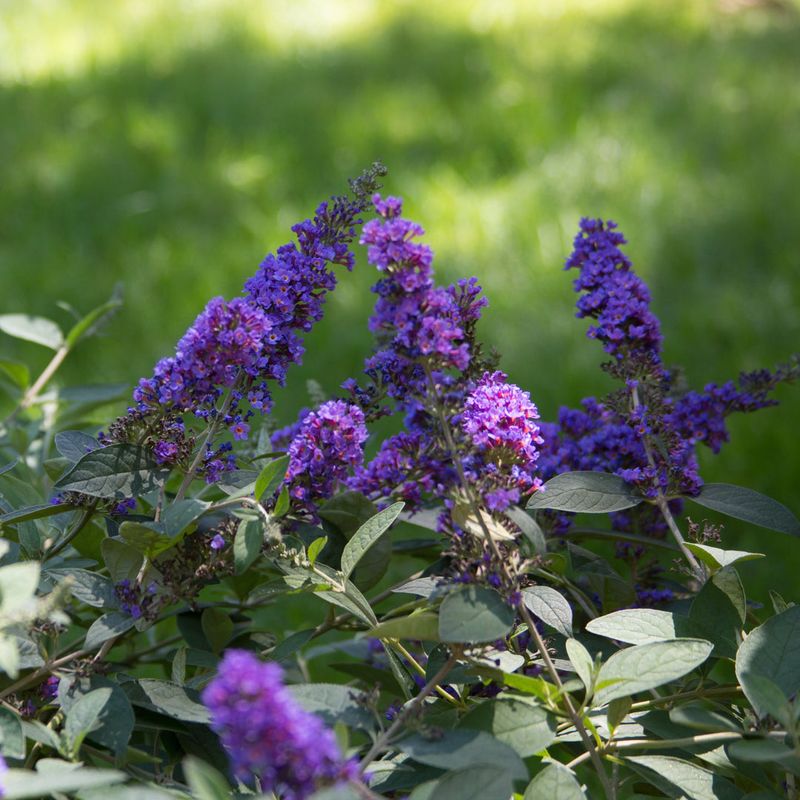
Variety selection matters more than many Ohio homeowners realize when it comes to both bloom performance and responsible garden management.
Traditional butterfly bush cultivars can produce abundant seeds that spread beyond the garden, which has raised environmental concerns in some regions.
Sterile or low-seed varieties address that issue while often delivering strong, reliable bloom performance throughout the summer.
Cultivars such as those in the Lo and Behold series, the Buzz series, and other compact, low-seed selections have been developed specifically for residential landscape use.
Many of these varieties bloom heavily on compact, well-branched plants that fit comfortably into smaller Ohio garden spaces without overtaking nearby plantings.
Some also show improved heat tolerance, which can be an advantage during Ohio’s humid summer stretches.
Choosing a sterile or low-seed cultivar does not guarantee a longer bloom season on its own, but it does reduce the plant’s drive to produce seeds, which can indirectly support more consistent flowering throughout the season.
When shopping at Ohio nurseries or garden centers, look for cultivars that are specifically labeled as sterile, seedless, or low-fertility.
Reading the plant tag carefully before purchasing gives you a clearer picture of what to expect from that variety in your specific landscape setting.
9. Expect Rebloom To Vary By Variety
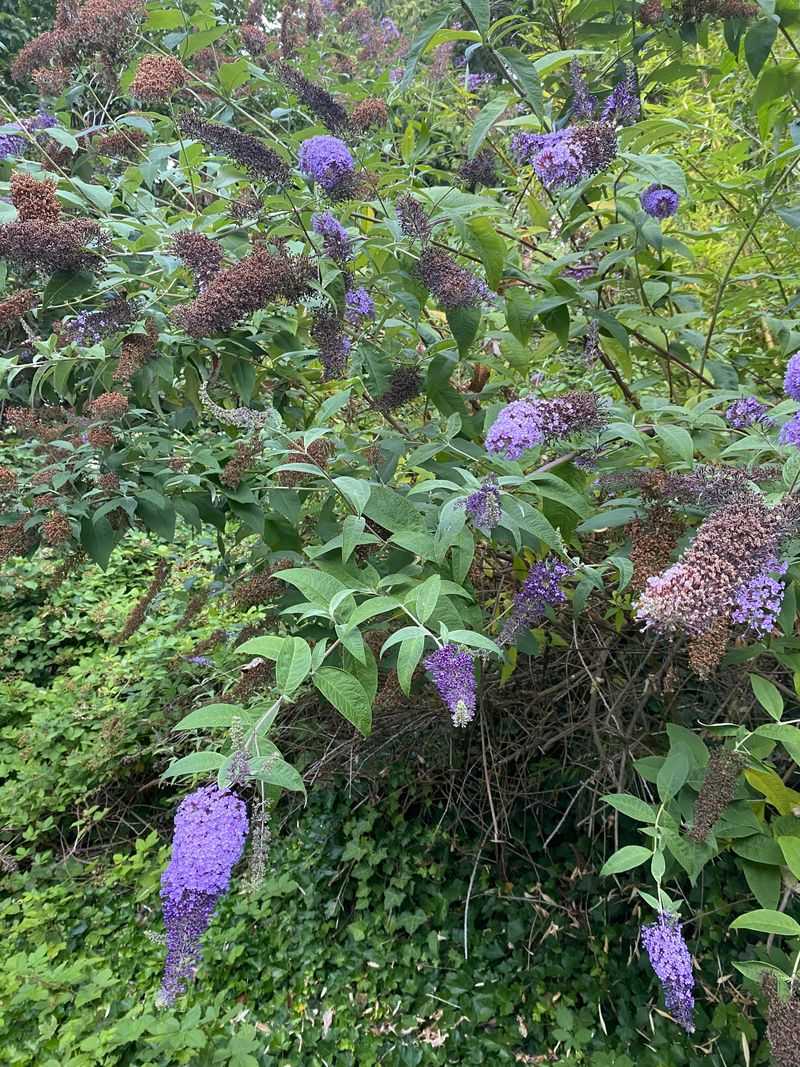
Not every butterfly bush will respond to deadheading with an immediate flush of new flower panicles, and that is completely normal.
Rebloom potential varies significantly from one cultivar to another, and Ohio gardeners sometimes feel discouraged when a shrub does not produce a second wave of blooms as quickly or as heavily as expected after spent panicles are removed.
Weather plays a role as well. Extended heat, dry spells, or an unusually cool and cloudy stretch during Ohio’s summer can all affect how readily a butterfly bush pushes new buds after deadheading.
Younger plants that are still establishing their root systems may also rebloom less reliably than mature, well-rooted shrubs that have had two or three full seasons to settle into the landscape.
Plant health, soil quality, sun exposure, and drainage all factor into how well a shrub rebounds after each bloom cycle. Keeping realistic expectations based on the specific cultivar you are growing helps avoid frustration.
Some varieties are simply bred for a single long bloom period rather than repeated flushes, while others cycle through multiple rounds of blooming when conditions are favorable.
Observing how your specific plant responds over a full Ohio growing season gives you the most accurate picture of what to expect going forward.