The One Thing North Carolina Fig Trees Need In August For A Heavier Second Crop Of Fruit
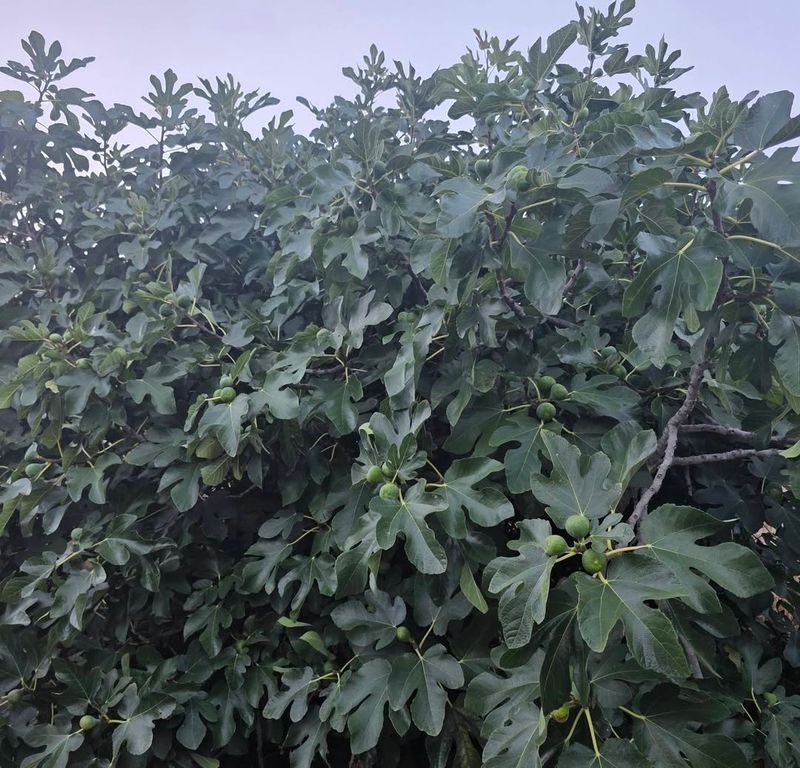
August is the month your fig tree is quietly doing some of its most important work, swelling fruit on the new shoots it pushed out all summer long. What you do right now, and what you skip, can make a real difference in whether those figs finish strong or drop before they ripen. But there is no single magic August move that guarantees a heavier harvest, and a few popular tips can actually work against you. What North Carolina fig trees genuinely need this month is steady moisture, a good layer of mulch, and the restraint to leave the fertilizer bag and pruning shears alone.
August Protects the Crop; It Does Not Create a Guarantee
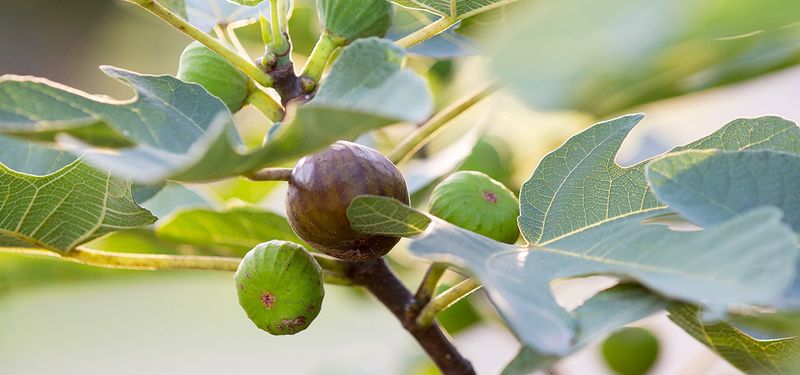
Walk out to your fig tree on a hot August afternoon and you will see something worth protecting. The fruit is already there, sizing up on the new growth the tree pushed out this spring and summer. Your job this month is not to trigger a harvest, it is to keep the one already in progress from falling apart.
North Carolina extension guidance does not point to a single August feeding or pruning step that guarantees a heavier crop. NC State’s fig culture guidance places routine fertilizer applications earlier in the season and puts routine pruning in late winter, not late summer. No authoritative source backs up the idea that August is a narrow, decisive window where one combined action sets the size of your harvest.
What August actually offers is a chance to protect fruit that is already forming. Consistent soil moisture is the practical priority while figs enlarge and begin to ripen. Drought stress can contribute to fruit drop and reduce quality, and that is a problem you can actually do something about with a hose and a bag of mulch.
The developing main crop is what this article addresses throughout. The term “second crop” applies specifically to cultivars that produce an early breba crop followed by a later main crop, and not every variety in North Carolina does both reliably. August care can help protect what is already on the tree, but cultivar, winter injury, summer weather, disease, and the length of the remaining growing season are the bigger forces that determine how much fruit you actually pick. Restraint and steady watering are the real tools this month.
The Main Crop Forms on Current-Season Growth
Here is where a lot of well-meaning August pruning goes sideways. Many gardeners assume that cutting back the tree will push it to produce more fruit, the same way deadheading a zinnia encourages another round of blooms. Figs do not work that way, and understanding why saves you from accidentally removing the crop you were trying to grow.
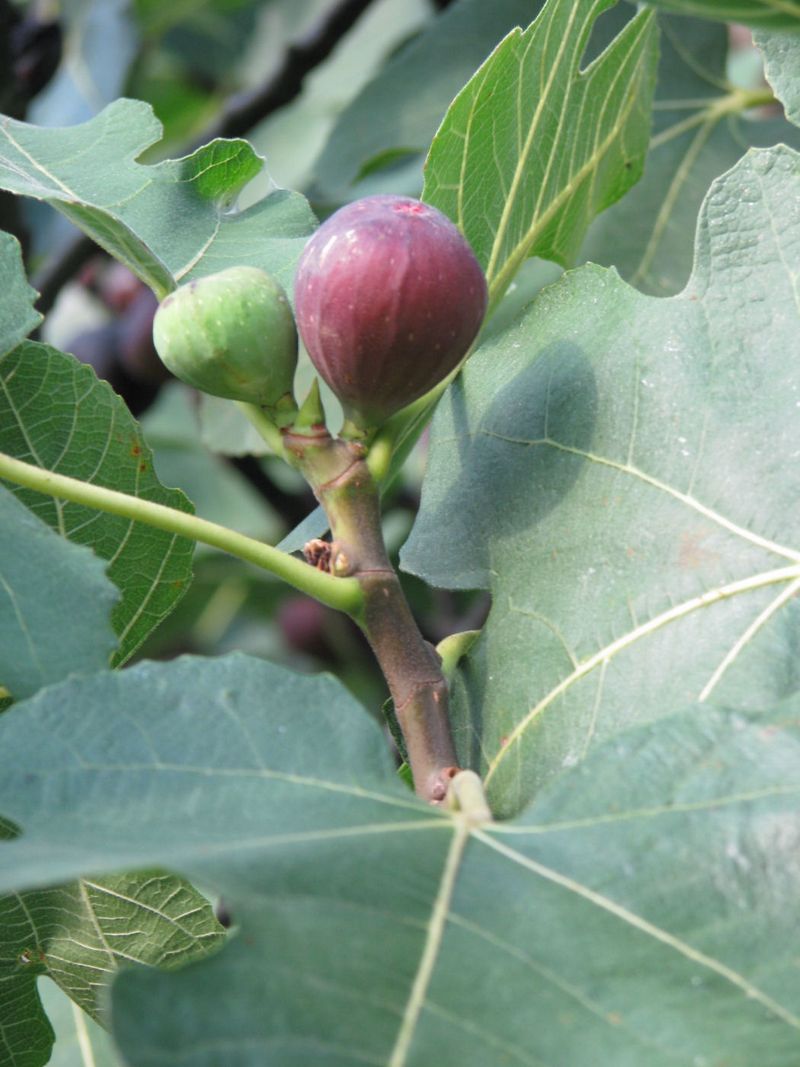
Common fig trees, Ficus carica, can produce two separate crops in a season, but those crops come from two completely different types of wood. University of Arizona Cooperative Extension’s guide to growing common figs explains that the early breba crop develops on last year’s wood, what gardeners call old wood, while the later main crop develops on shoots the tree pushed out during the current growing season. By August, that current-season wood is already carrying the developing figs you want to harvest.
Your North Carolina Garden Changes Every Week. Your Plan Should Too.
Gardening in North Carolina changes quickly throughout the season. Every Friday you’ll receive a simple weekly plan showing exactly what to plant, prune, fertilize, harvest, and protect so you never miss the right timing.
When you cut active shoots in August, you are not signaling the tree to produce more fruit. You are removing the leaves that are feeding the developing figs, and possibly removing the figs themselves. The tree does not respond by redirecting energy into a bigger crop somewhere else. It just has less to work with.
Cultivars also differ in how much of a breba crop they produce. Some North Carolina favorites put out a noticeable early crop, and some produce little or none, making the main crop the only meaningful harvest in a given year. If you prune heavily in late winter and remove a lot of last year’s wood, you can reduce the breba crop while the main crop still forms on new growth. That distinction matters when you are deciding how and when to prune, and it is another reason August is not the right time for a major canopy cut.
Keep Soil Moist While Figs Enlarge
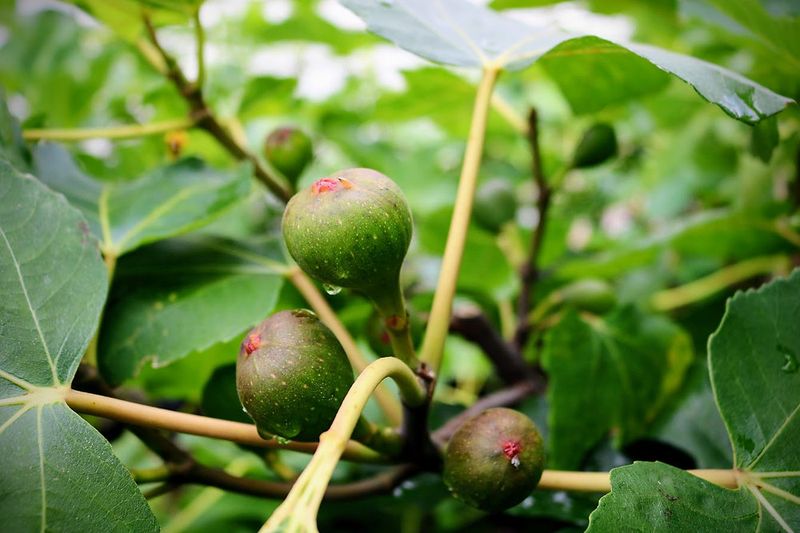
You drag the hose out on a Tuesday evening after work, and the ground under your fig tree is already cracked and pale. That is the moment that matters most for your developing fruit. Dry soil in August does not just slow the tree down, it can cause figs to drop before they ripen and leaves the fruit that stays on the tree smaller and less flavorful than it should be.
Georgia Extension’s home garden fig guide gives a general target of about 1 to 1.5 inches of water per week from rain or irrigation to support high yields. That is a starting point, not a fixed rule, and your actual approach should account for where you live and what your soil does with water.
Sandy Coastal Plain soils drain fast and dry out quickly between storms. If you are growing figs near the coast or in the Sandhills, you may need to water more frequently than a gardener on Piedmont red clay, which holds moisture longer but can stay waterlogged after a heavy afternoon storm. The goal is steady and even moisture, not a schedule you follow regardless of what the rain gauge says.
Water deeply each time, moving the hose or soaker across the full root zone rather than just wetting the ground right at the trunk. Shallow sprinkling encourages roots to stay near the surface, where they are more vulnerable to heat and drought. Saturated soil is also a problem, roots sitting in standing water after a hurricane or a series of afternoon storms can suffer just as much as roots in dry ground.
NC State notes that dry weather can cause fig fruit drop, which is the kind of loss that feels preventable once you understand what is driving it. Consistent deep watering is the most reliable August action available to North Carolina fig growers, and it costs nothing but attention.
Use Mulch to Hold Moisture Around Shallow Roots
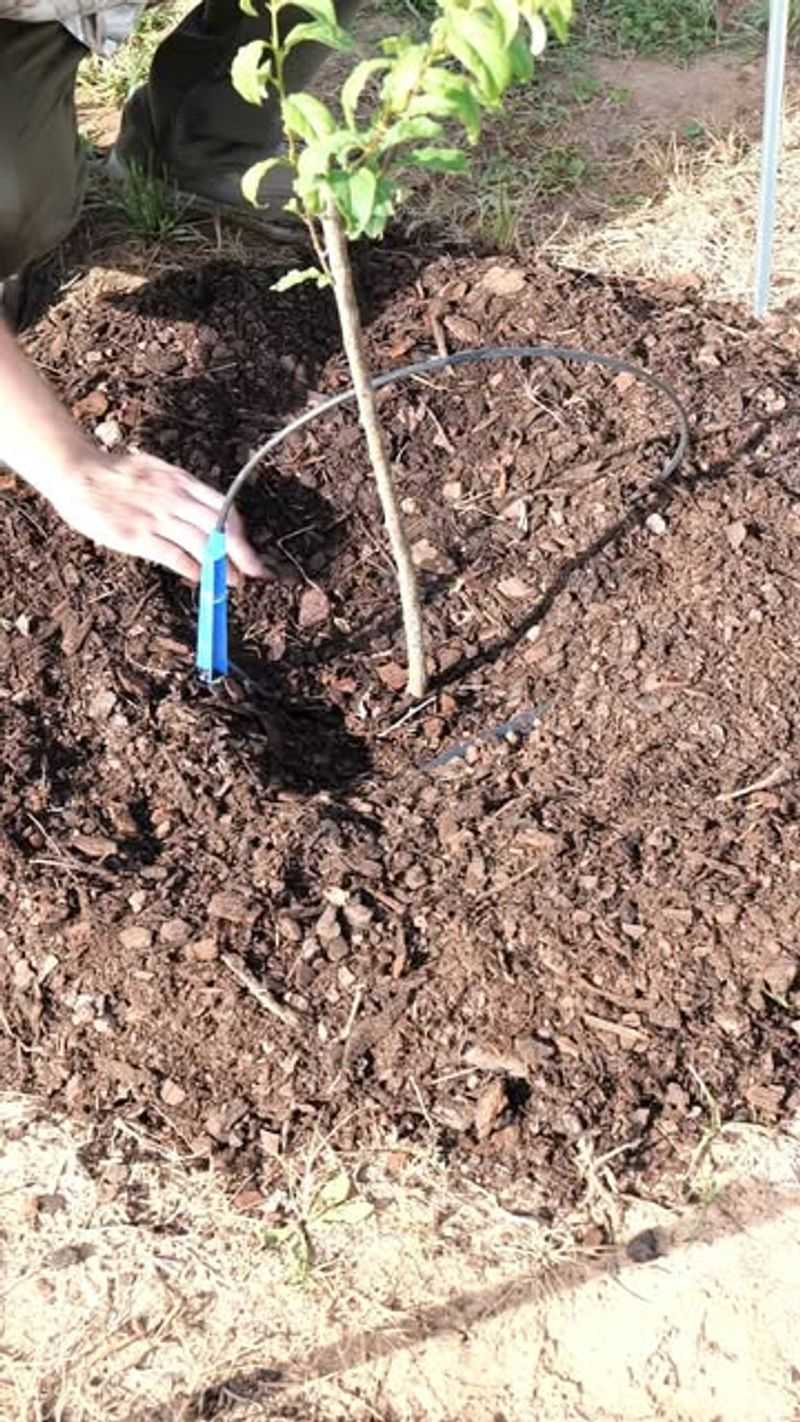
Most people think of mulch as a finishing touch, something you spread in spring to make the beds look tidy. Around a fig tree in August, mulch is actually doing serious work. It slows evaporation from the soil surface, which means the deep watering you did two days ago stays useful longer instead of burning off in the afternoon heat.
NC State’s fig culture guidance recommends mulching figs specifically because they have shallow roots and should not be cultivated aggressively around the base. Running a hoe or tiller near the trunk disturbs the root system, and that kind of stress during August fruit development is the last thing your tree needs.
A 3- to 4-inch layer of wood chips or shredded bark spread out to the drip line, the outer reach of the canopy, gives the roots a cooler, more even environment to work in. Mulch also reduces weed competition, so you are not fighting grass and weeds for the water you just put down.
One detail that trips up many gardeners: keep the mulch pulled back a few inches from direct contact with the trunk. Mulch piled against the bark traps moisture against the wood and creates conditions that invite rot and disease. A small clear ring around the base of the trunk is all it takes to avoid that problem.
Mulch is not a guaranteed crop booster on its own. Think of it as the support system that makes your watering more effective. Together, consistent moisture and a good mulch layer give the developing main crop the stable growing conditions it needs to size up and ripen before the first cool nights of October arrive.
Skip the Automatic August Nitrogen
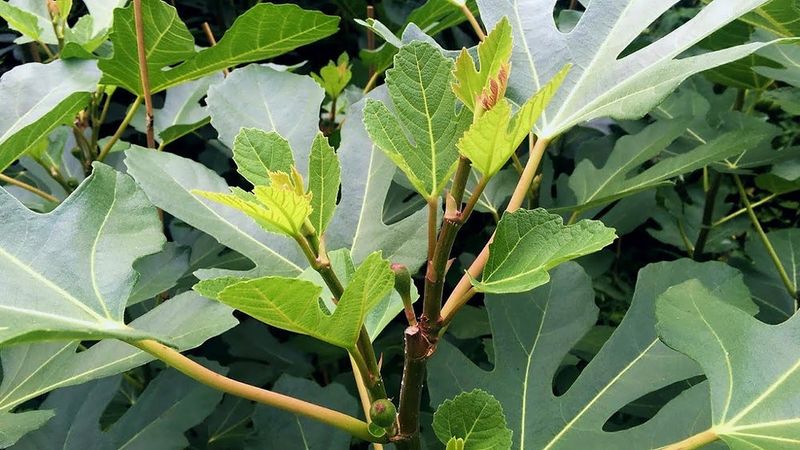
Late summer has a way of making gardeners reach for the fertilizer bag. The tree looks a little tired, the leaves are not as bright as they were in June, and the instinct is to give it a boost. For North Carolina fig trees in August, that instinct is worth resisting.
NC State’s guidance on fig culture in North Carolina recommends applying fertilizer when buds are swelling in early spring, with a second application in late May for trees growing in sandy soils that lose nutrients more quickly. That schedule is already behind you by August. A late nitrogen push does not make the developing fruit larger or more numerous. Instead, it pushes the tree to put energy into soft new vegetative growth at exactly the time you want it focused on ripening the fruit already on the branches.
Excess nitrogen in late summer can delay ripening, increase the likelihood of fruit splitting and souring, and produce the kind of lush, tender growth that is more vulnerable to winter injury. That last point matters especially for fig growers in the Piedmont and mountains, where an early cold snap in October or November can damage poorly hardened wood. NC State recommends reducing or eliminating nitrogen when a fig tree is already producing more than 1 to 2 feet of new growth each year, which is a sign the tree is not deficient.
If a soil test or a clear visual deficiency suggests that feeding is genuinely needed, follow the soil-test recommendation and the product label. NC State’s fertilizing guide for trees and shrubs advises basing fertilizer rates on soil fertility, plant age, current growth, and the intended goal, and notes that healthy mature trees may not need fertilizer at all. When you do apply granular fertilizer, spread it across the root zone or within the drip line and water it in afterward. Fertilizer piled against the trunk does not help the roots and can damage the bark.
Reserve Routine Pruning for Late Winter
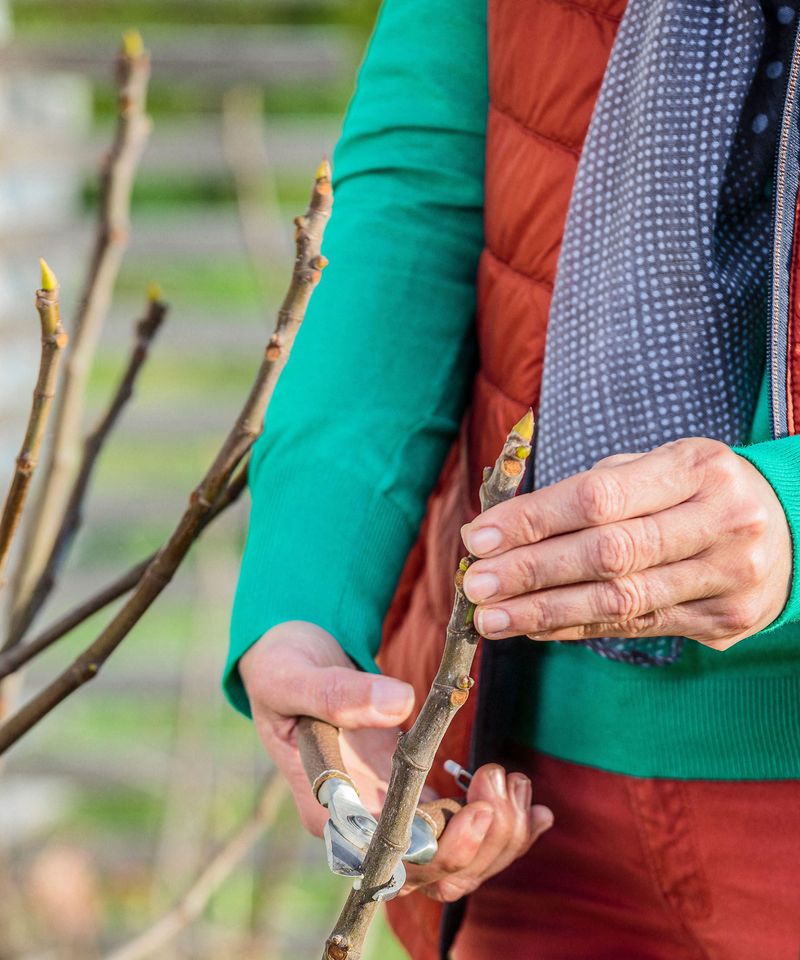
August pruning on a fig tree feels productive. You are out there with the shears, the tree looks overgrown, and cutting things back seems like the obvious move. But the branches carrying your developing figs right now are exactly the ones you do not want to touch.
NC State’s fig guidance is clear that figs require very little pruning overall, and that the routine work, controlling height, removing suckers, and cutting back branches that droop or cross into walkways, belongs in late winter just before growth begins. That timing lets you see the full structure of the tree and remove dead or damaged wood without risking the season’s fruit.
Summer pruning has a specific, limited role. If a branch is genuinely dead, broken, diseased, or creating a safety hazard, remove it with a clean cut back to a healthy branch or a good bud. That kind of targeted cut makes sense any time of year. What does not make sense in August is a broad canopy reduction aimed at opening up the tree or spurring new growth.
Removing healthy, leafy shoots in August takes away the leaves that are feeding the developing figs and can remove fruit that was weeks away from ripening.
For gardeners in the Piedmont and mountains, there is an added reason to hold off on summer cuts. Winter injury is a recurring limitation in those regions, and heavy late-season pruning can stimulate new growth that does not have time to harden before cold weather arrives. UC IPM’s cultural tips for growing fig also note that summer cuts expose the gardener to fig sap, which can irritate skin, so long sleeves and gloves are worth wearing if you do need to make a cut in August. Late winter remains the right time for the full pruning session.
Let Cultivar and Region Set Expectations
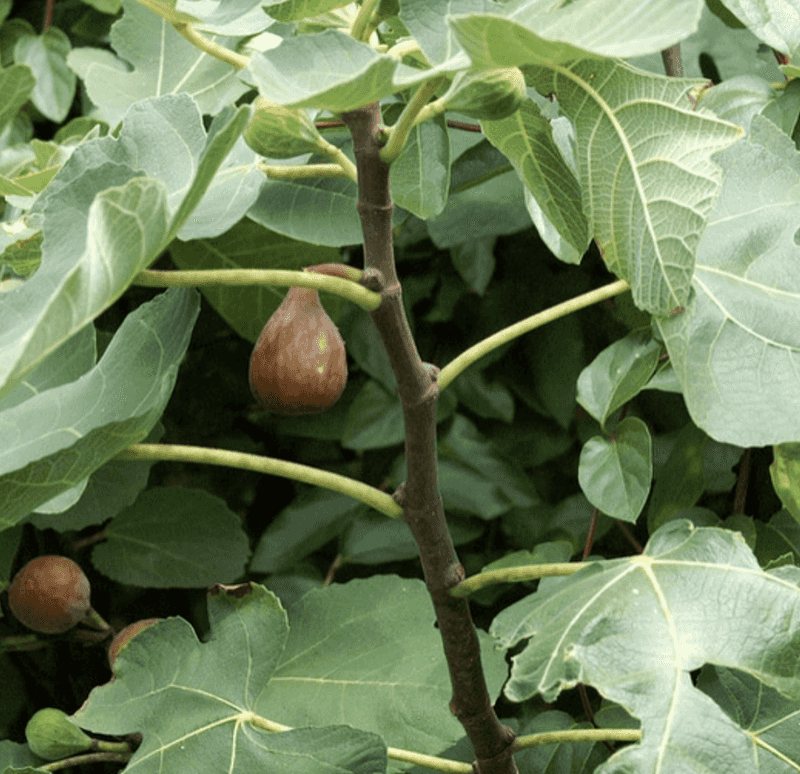
Consistent watering and good mulch give your fig tree the best conditions you can provide in August. What they cannot do is override the factors that were set long before summer arrived. Cultivar, winter injury, spring weather, and where you live in North Carolina all shape how much fruit actually ripens, and being honest about that saves a lot of frustration.
NC State identifies Brown Turkey as producing a light early crop followed by a heavier main crop that ripens two to three weeks after Celeste. Celeste is generally considered one of the more reliable producers for North Carolina conditions. But even well-suited cultivars can have a disappointing year if late spring frosts damaged new growth, if the tree took significant cold injury over winter, or if a wet summer encouraged disease.
Some cultivars produce little or no noticeable breba crop, making the main crop the only meaningful harvest in a given year. University of Arizona’s fig growing guide notes that cultivar differences in cropping patterns are real and significant. A late-ripening variety in the North Carolina mountains, where the growing season can end with a frost in mid-October, may simply run out of time before the main crop finishes.
Regional differences matter too. Fig growers along the Coastal Plain and in the Sandhills generally face less winter injury than those in the Piedmont or mountains, where cold snaps can kill top growth back to the ground in a hard winter. NC State’s fig disease guide notes that cold injury is especially limiting in those inland and upland regions. A tree that lost most of its canopy to a February freeze is rebuilding all season, and the main crop it carries into August may be modest regardless of how well you water it.
Harvest Ripe Figs Promptly
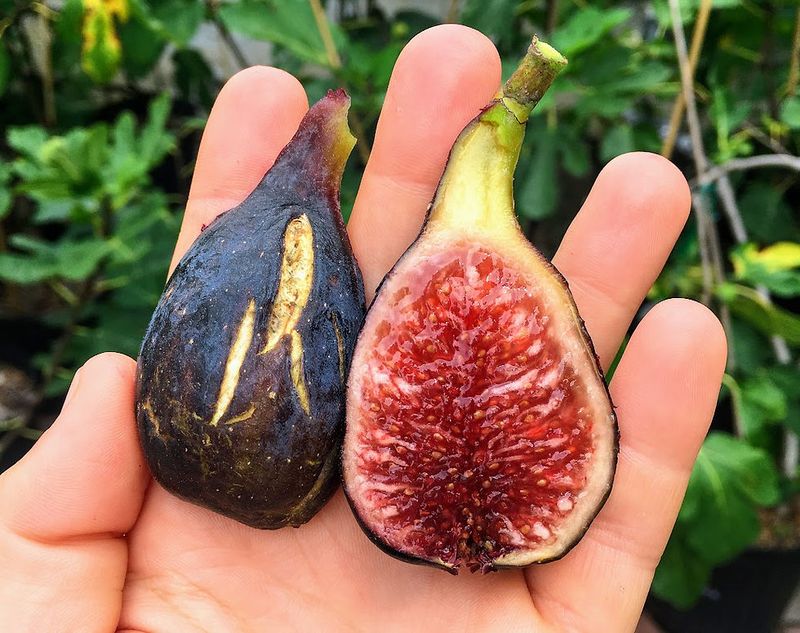
All the August care you put in, the steady watering, the mulch layer, the fertilizer bag left on the shelf, it pays off at the moment the figs actually soften and drop their necks. That payoff is short-lived in North Carolina’s muggy late summer, so prompt picking matters as much as anything you did earlier in the month.
NC State notes that figs are highly perishable and can begin to ferment soon after they are picked, especially in warm, humid conditions. Prolonged rain, which North Carolina gets plenty of between July and October, can increase souring on fruit that sits too long on the tree. Check the tree every day or two once fruit starts softening, and remove overripe or spoiled figs from both the branches and the ground beneath the tree.
Late summer is also when fig rust tends to show up. Georgia Extension’s fig guide describes fig rust as a fungal disease that causes yellow-brown spots on leaves and can lead to significant leaf drop by late summer. If your tree drops leaves in August and the undersides show rusty orange pustules, that is a disease problem, not a sign the tree needs fertilizer. Raking up and removing infected fallen leaves is part of managing rust and reducing the spore load for next season.
The full August picture comes down to this: water deeply and consistently, mulch out to the drip line without touching the trunk, resist the pull toward late nitrogen applications, save routine pruning for late winter, and pick ripe fruit before the heat and humidity claim it first. How much fruit you actually harvest still depends on your cultivar, your region, and the season’s weather, but a tree that finishes August in good health gives you the best possible odds going into fall.