The One Thing Ohio Blueberry Bushes Need Before Winter Sets In
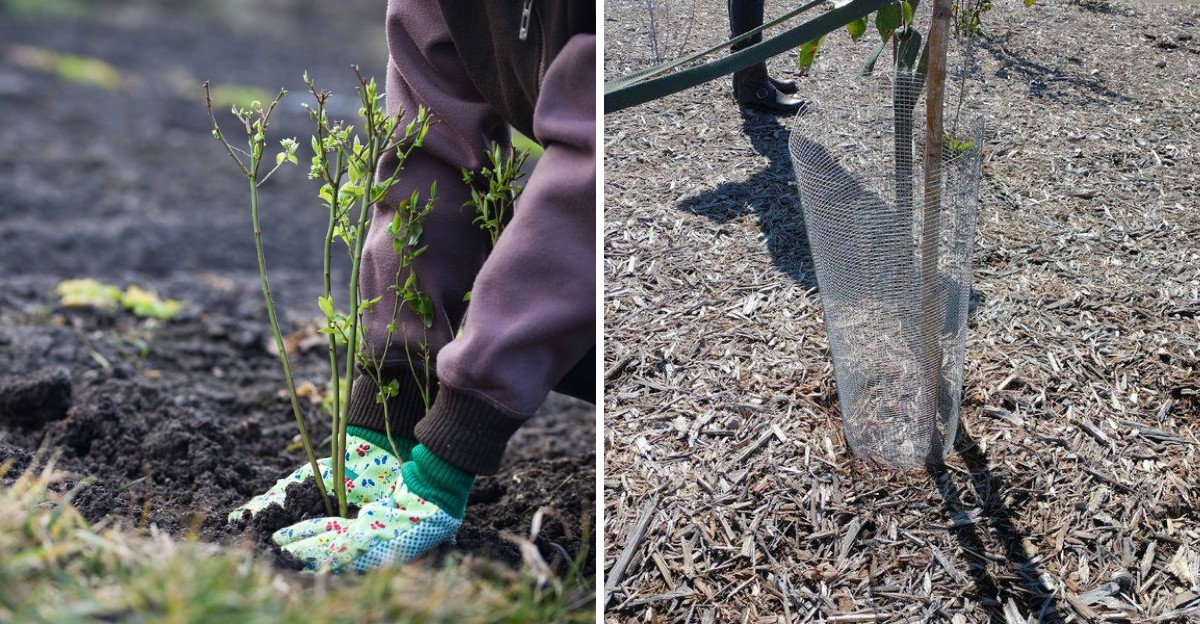
Most of a blueberry bush’s roots live in the top foot of soil, and many sit in the top few inches. That’s shallower than a lot of garden tomatoes!
Those fine roots have no root hairs, so they soak up water slowly and dry out fast. Cold, bare ground in Ohio can be rough on them from December to March.
I love picking berries in July, but I rarely thought about what happens underground in January. Wind whips across empty beds, soil freezes and thaws, and the roots just sit there and take it.
Next summer’s harvest, if you ask me, quietly begins with winter prep. One simple layer, spread at the right time, can change how your bushes wake up in spring.
The best blanket for those shallow roots might not be the one you’d grab first.
Those Shallow Blueberry Roots Are Hiding A Weak Spot
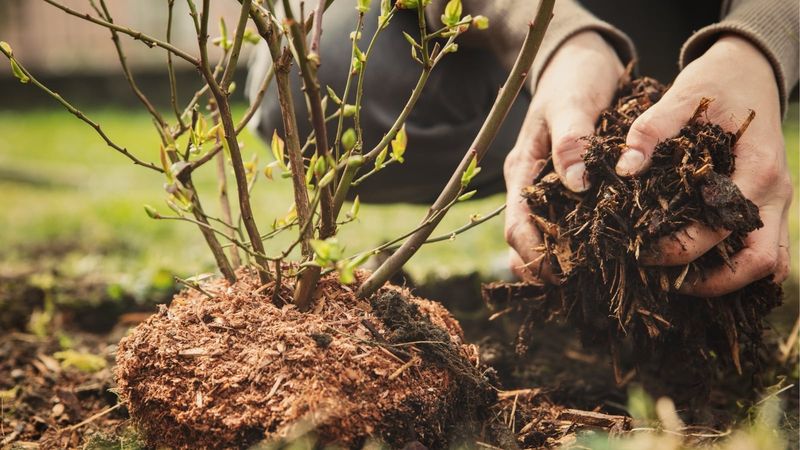
Dig gently around a blueberry bush and you’ll notice something odd. The roots look like fine, tangled threads, and most of them stay close to the surface.
Blueberries evolved in boggy, loose forest soils covered in fallen leaves and needles. In the wild, a thick natural layer of plant litter shields those roots every winter.
In a tidy backyard bed, that cover is often missing.
Fine blueberry roots also lack root hairs. Root hairs help most plants grab water quickly, so blueberries rely on steady moisture near the surface.
When bare soil freezes, thaws, and freezes again, those delicate roots can tear or dry out.
Cold air itself is only part of the story. The bigger trouble comes from wild temperature swings and drying winter winds pulling moisture from exposed ground.
A sunny February afternoon followed by a single-digit night is tough on any shallow root system.
So the one thing your bushes need is a thick layer of organic mulch over their root zone. It works like a quilt on a bed.
It keeps soil temperatures steadier, holds moisture in place, and slowly feeds the soil as it breaks down. Everything else in this list supports that main job.
Pine Bark And Needle Mulch Makes The Perfect Blueberry Blanket
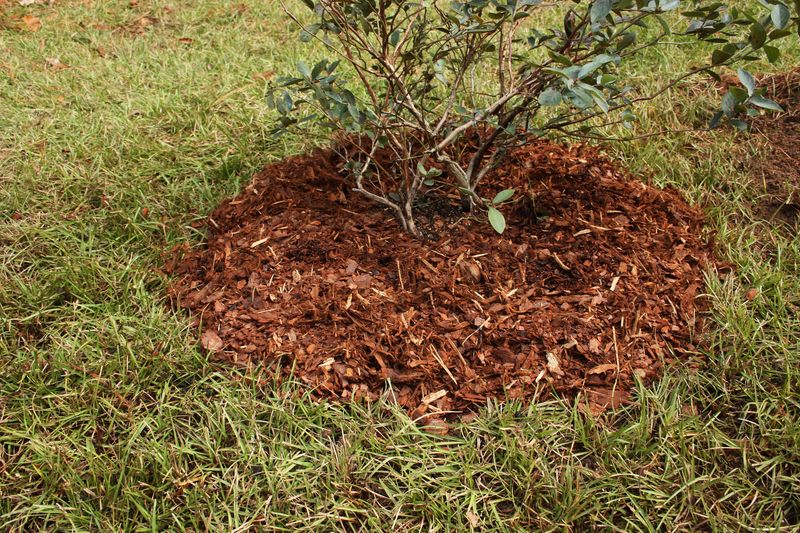
Grab a rake and a few bags of pine bark, and you’re halfway there. Ohio State University Extension recommends organic mulches like pine bark, wood chips, sawdust, or pine needles for blueberries.
Aim for a layer about 3 to 4 inches deep. Thinner layers settle fast and leave roots underdressed by midwinter.
Spread the mulch in a wide circle that reaches at least to the drip line, which is the edge under the outer branches.
Keep a small gap of an inch or two around the canes. Mulch piled against the stems can hold extra moisture and give voles a cozy hiding spot.
Nobody wants rodents chewing bark all winter.
Pine needles are my favorite because they stay fluffy and let water through easily. Shredded hardwood bark works well too.
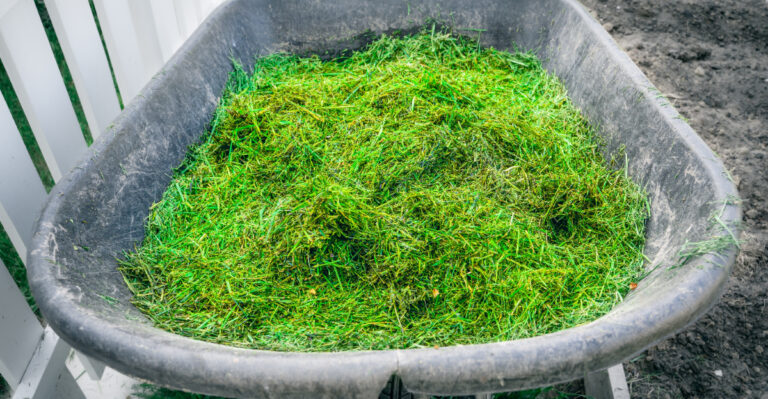
Avoid fresh grass clippings, since they mat down and can turn slimy.
Timing matters a bit. Apply or refresh mulch in late fall once the bushes drop their leaves and the soil cools.
Many growers top it up yearly, because old mulch breaks down and blends into the soil. That slow breakdown is a bonus, adding organic matter blueberries really appreciate.
Give Your Blueberry Bushes A Deep Drink Before The Ground Freezes
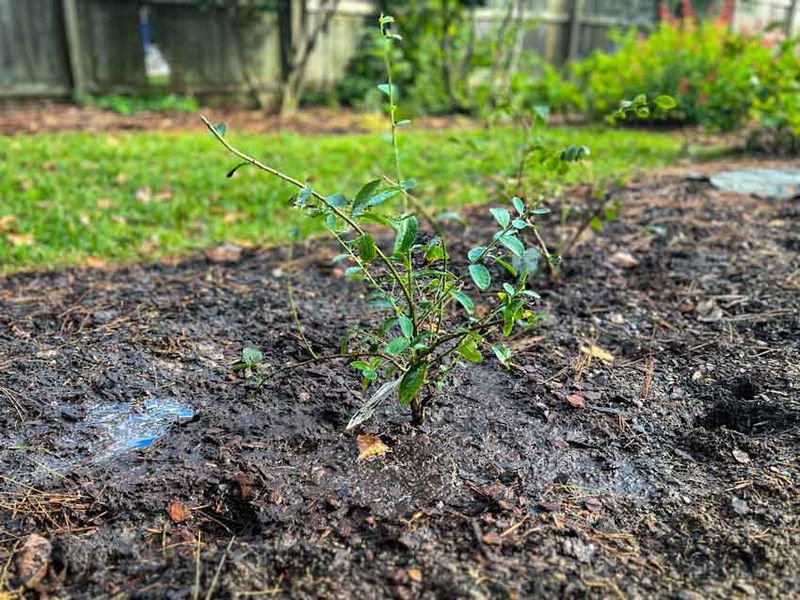
Fall rain can fool you. A few drizzly days might wet the surface, while the soil a few inches down stays surprisingly dry.
Dormant blueberries still lose a little moisture through their canes during winter. Since their roots can’t reach deep water, they depend on what’s stored near the surface.
Going into a freeze with dry soil is like starting a road trip on an empty tank.
Check by pushing a finger or trowel into the soil about 4 inches deep. If it feels dry, soak the root zone slowly with a hose or soaker hose.
About an inch of water per week is a solid target for blueberries during dry spells.
Moist soil also holds heat better than dry soil. That small difference helps buffer roots against sudden cold snaps.
Keep watering during dry fall weeks until the ground freezes. After that, put the hose away and drain it so it doesn’t crack.
Water first, then mulch, and you lock that moisture in for the long winter ahead. It’s an easy one-two combo that pays off when spring buds swell.
Acidic Soil Keeps Blueberry Roots Strong All Year
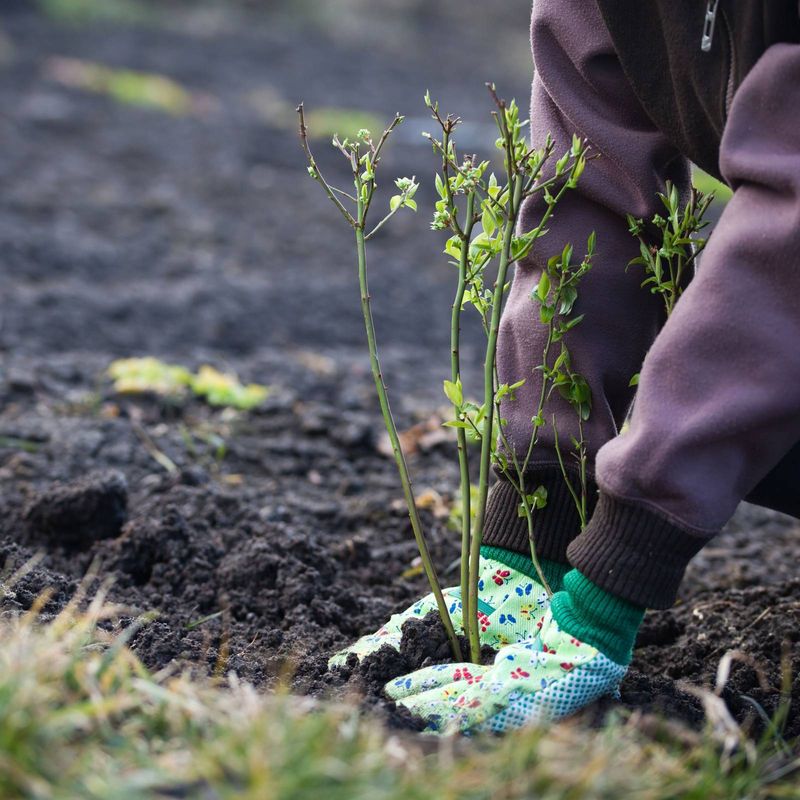
Blueberries are the picky eaters of the fruit world. They want soil with a pH between about 4.5 and 5.5, which is much more acidic than most garden beds.
Many Ohio soils run neutral or alkaline, especially in clay-heavy western counties. When pH creeps too high, roots struggle to absorb iron and other nutrients.
You might see yellow leaves with green veins, a classic warning sign.
Fall is a smart time for a soil test. Ohio State University Extension and many county offices can point you toward testing labs.
Results tell you exactly where your pH stands, so you’re not guessing.
If the number is too high, elemental sulfur is the usual fix. Soil bacteria slowly turn it into acid, which takes months.
Applying it in fall gives those microbes time to work before spring growth starts.
Follow the test lab’s rate carefully, because too much sulfur can harm roots. Skip lime and wood ash around blueberries, since both raise pH.
Pine needle and bark mulches won’t drop pH much on their own, but they do improve soil texture. Healthy, well-fed roots handle winter stress far better than hungry ones.
Put Down Those Pruning Shears Until Late Winter
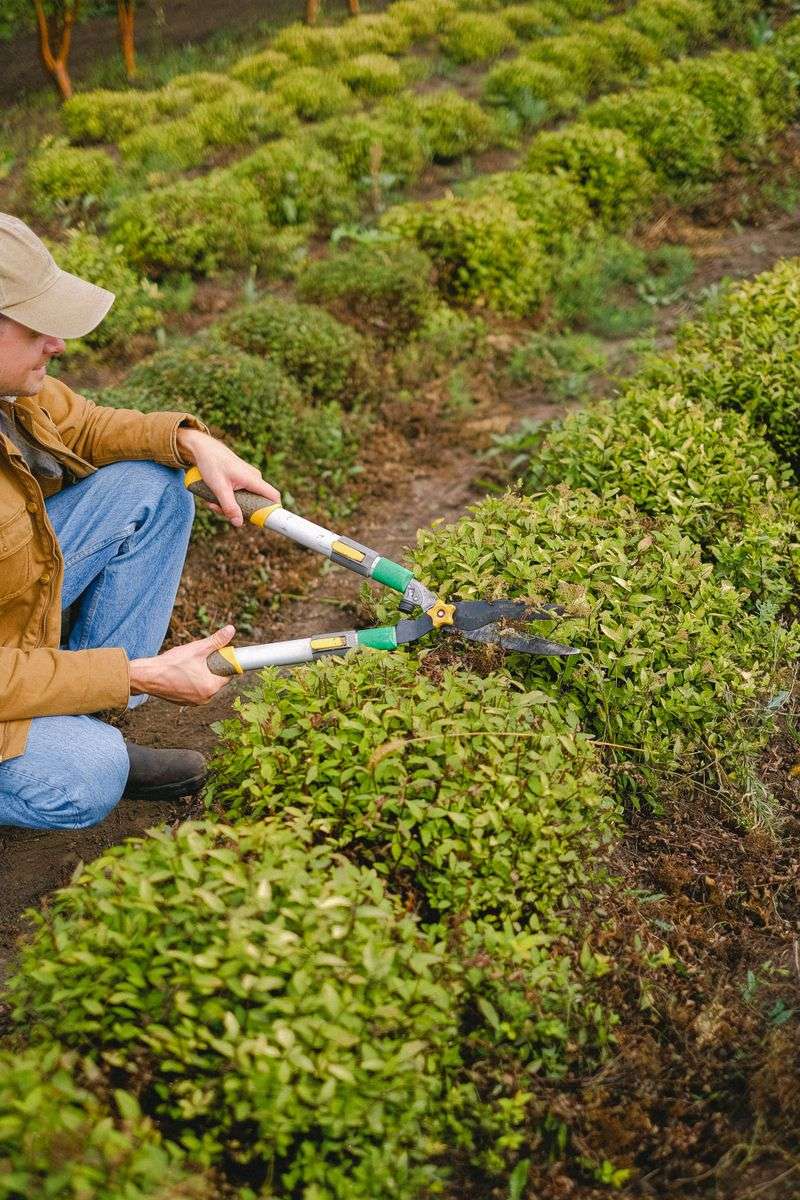
A messy-looking blueberry bush in October can tempt anyone. Trust me, I’ve reached for the shears more than once and then set them back down.
Look closely at the tips of last year’s growth. Those fat, round buds are flower buds, and each one can turn into a cluster of berries.
The skinny, pointed ones are leaf buds. Cutting healthy canes in fall removes next summer’s fruit before it even has a chance.
Fall pruning can also encourage tender growth that won’t harden off before cold weather. That fresh wood often gets damaged by the first deep freeze.
Ohio State Extension advises pruning blueberries during late winter or early spring, while plants are still dormant. February into March usually works well across the state.
By then, you can spot winter damage and remove it at the same time.
There is one fall exception. Broken, diseased, or obviously lifeless canes can come out anytime.
Snapped branches can rub and tear in winter winds, and diseased wood may carry problems into spring. Make clean cuts at the base, then leave the rest alone.
Patience now means more berries later.
Potted Blueberries Need A Sheltered Spot For Winter
Container blueberries are adorable on a patio. Come January, though, those pots turn into tiny iceboxes.
Roots in the ground get insulation from the surrounding soil. Roots in a pot face cold air on every side, and they’re far less cold-hardy than the canes above them.
A plant that easily handles Ohio winters in the ground can suffer badly in an exposed container.
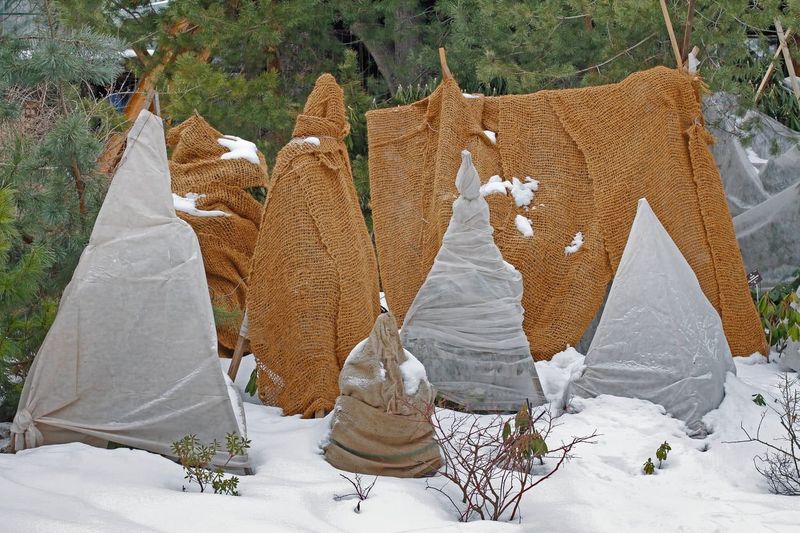
After leaves drop, move pots to a sheltered place. An unheated garage, shed, or the north side of a building works well.
You want the plant to stay cold and dormant, not warm. A heated basement can wake it up too early.
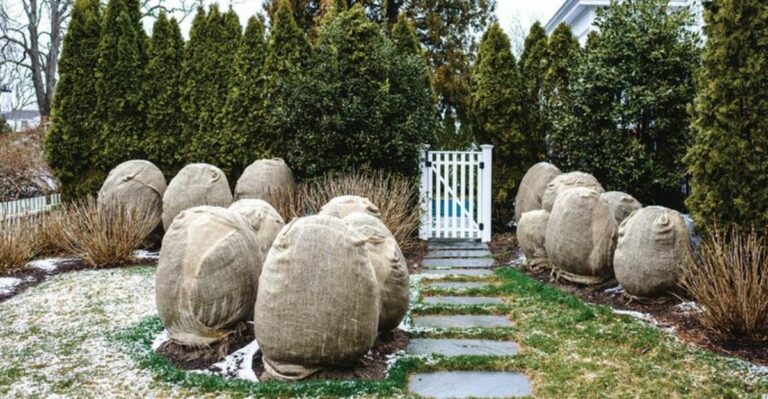
Another option is burying the pot in a garden bed or grouping several containers together and surrounding them with straw or leaves. Wrapping pots in burlap or bubble wrap adds extra protection.
Top the soil with a few inches of pine needles too.
Check moisture every few weeks during winter. Water lightly when the soil feels dry, but avoid soggy conditions.
Once the worst cold passes in early spring, roll your pots back into the sunshine.
Hungry Rabbits Love Nibbling Blueberry Canes In Winter
Fresh rabbit tracks in the snow tell a story. Follow them, and they sometimes lead straight to your blueberry patch.
When winter food runs short, rabbits chew on young canes, and deer browse tender tips. Voles may tunnel under snow and gnaw bark near the base.
Young bushes take the hardest hit, since they have fewer canes to spare.
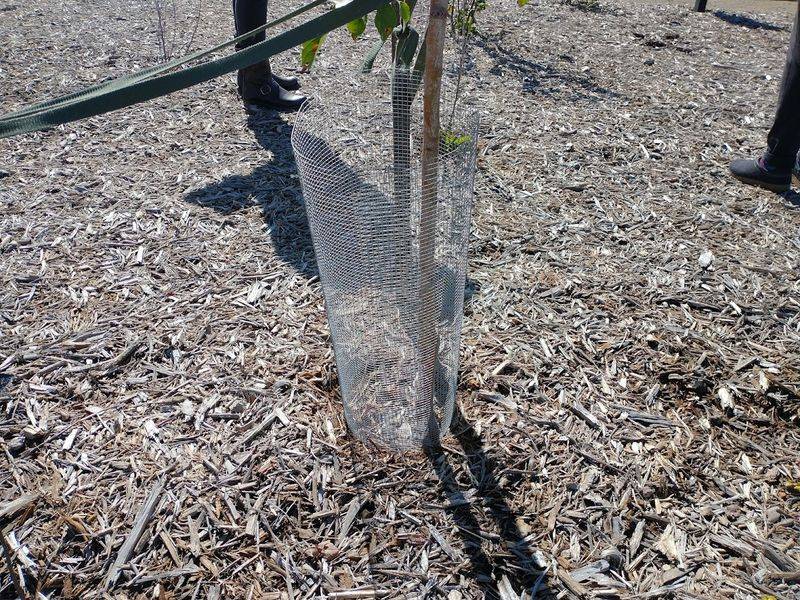
A simple fence of chicken wire or hardware cloth works wonders. Make it at least 2 feet tall for rabbits, and bury the bottom edge a couple of inches.
Deer need taller barriers or netting draped over the bushes.
Keep that mulch gap around the stems so voles have less cover. Pull mulch back slightly if you notice tunnels.
My biggest takeaway after years with blueberries is simple. Mulch is the main event, and everything else plays a supporting role.
Water deeply before the freeze, test your soil, hold off on pruning, and guard against critters.
Set a reminder for mid-November to check your mulch depth. It takes maybe twenty minutes per bush.
Next July, as you pop sweet berries straight off the branch, you’ll be glad you did.