The One Thing Texas Hydrangeas Need In August Or They Will Skip Blooming Next Spring
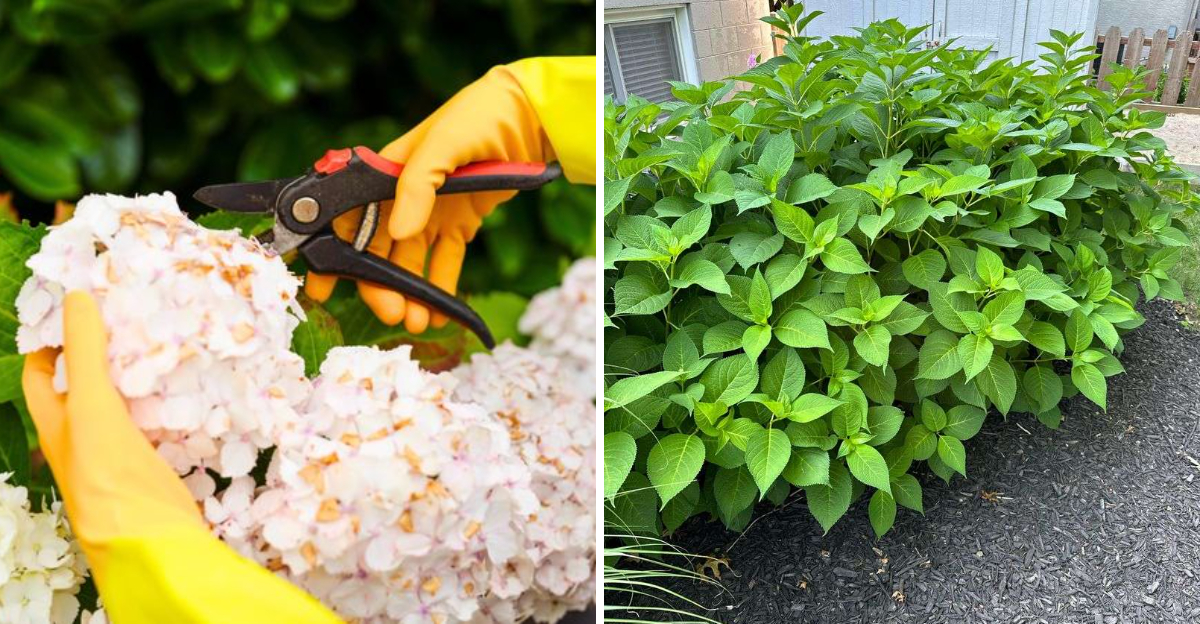
August is not the month most Texas gardeners are thinking about next spring’s hydrangea blooms.
The heat is relentless, the plants are in survival mode, and the idea of planning for something months away feels almost absurd when you’re just trying to keep things alive through the next heat wave.
But what happens to your hydrangeas in August has a direct and significant impact on whether they bloom next spring.
Miss this window and you may be looking at a season full of healthy green leaves and absolutely nothing else.
Hydrangeas set the buds that produce next spring’s flowers during late summer, and in Texas, August is right in the middle of that critical process.
The conditions your plants experience during this period, and one specific thing they either get or don’t get from you, determines whether those buds develop successfully or fail entirely before the season even turns.
The good news is that this is simple to address once you know what to do. Here’s the one thing your Texas hydrangeas need in August to bloom beautifully next spring.
Stop Pruning And Preserve The Old Stems
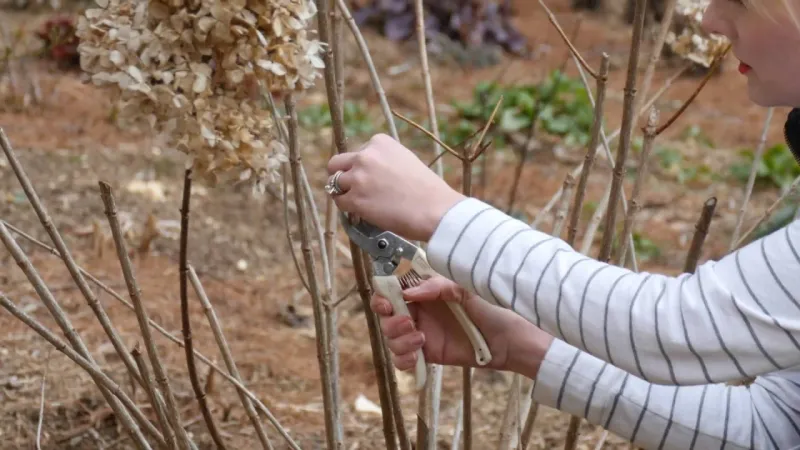
Many gardeners reach for their pruning shears in August thinking they are helping their hydrangeas look tidy.
For bigleaf and oakleaf hydrangeas, that habit can cost you an entire season of flowers. The stems you cut off in late summer are often the very ones carrying next spring’s buds.
Bigleaf hydrangeas, which are among the most popular varieties grown across Texas, set their flower buds on growth from the current or previous year.
That means the woody stems standing in your garden right now are already quietly preparing for next spring. Removing them wipes out months of natural bud development in just a few minutes.
Texas Master Gardener guidance recommends finishing any necessary hydrangea pruning by August at the latest. Ideally, pruning for old-wood types should happen right after the flowers fade in late spring or early summer.
That short window gives the plant enough time to produce new growth and set fresh buds before the season closes.
Leaving healthy stems in place through late summer, fall, and winter is the single most important thing you can do for next year’s bloom. You do not need special tools, expensive fertilizers, or complicated techniques.
You simply need to put the pruning shears away and let the plant do its job. Even stems that look bare or slightly scraggly during winter are worth keeping because they are protecting the buds hidden inside.
A little patience in August pays off with a yard full of color when spring finally arrives.
Why August Pruning Can Eliminate Next Year’s Flowers
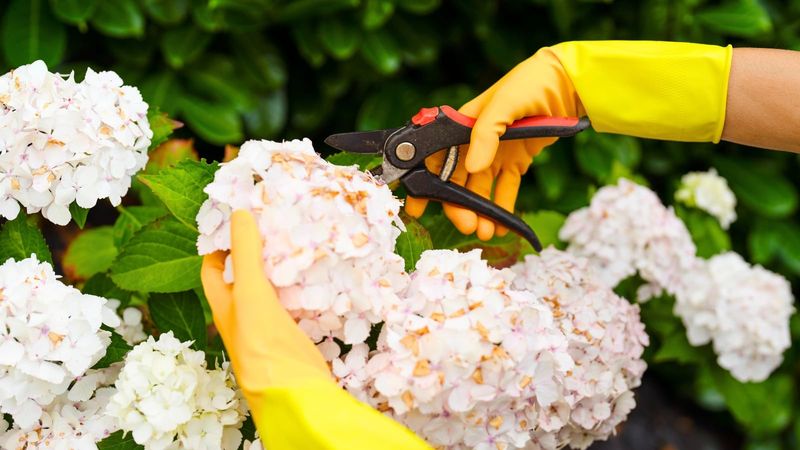
Here is something most people never expect: a single afternoon of pruning can erase an entire spring’s worth of hydrangea blooms. Hydrangeas that bloom on old wood carry their future flowers on existing woody stems.
Those buds begin forming during late summer and early fall, often before the gardener even notices anything is happening.
Your Texas Garden Changes Every Week. Your Plan Should Too.
Gardening in Texas changes quickly throughout the season. Every Friday you’ll receive a simple weekly plan showing exactly what to plant, prune, fertilize, harvest, and protect so you never miss the right timing.
The tricky part is that the developing buds are nearly invisible to the naked eye. They do not look like the big round flower heads you see in spring.
They are tiny, tight, and easy to mistake for nothing important. So when a gardener does a quick shaping trim in August, it looks completely harmless from the outside. But entire sections of next year’s flower display can disappear with just a few snips.
Old-wood hydrangeas should normally be pruned shortly after flowering ends and well before August arrives.
That timing matters because it gives the plant a full growing season to recover, push out new stems, and begin the bud-setting process. Waiting until late summer or fall to prune puts all of that development at serious risk.
Think of the stems like a slow-baking project happening inside the plant all summer long. The plant is quietly building next year’s show, and it needs those stems to stay in place to finish the work.
Cutting them in August is like turning off the oven halfway through. The process stops, the buds never fully form, and come spring, your hydrangea looks lush and leafy but stubbornly flowerless. Timing really is everything with these plants.
Which Hydrangeas Need This Protection
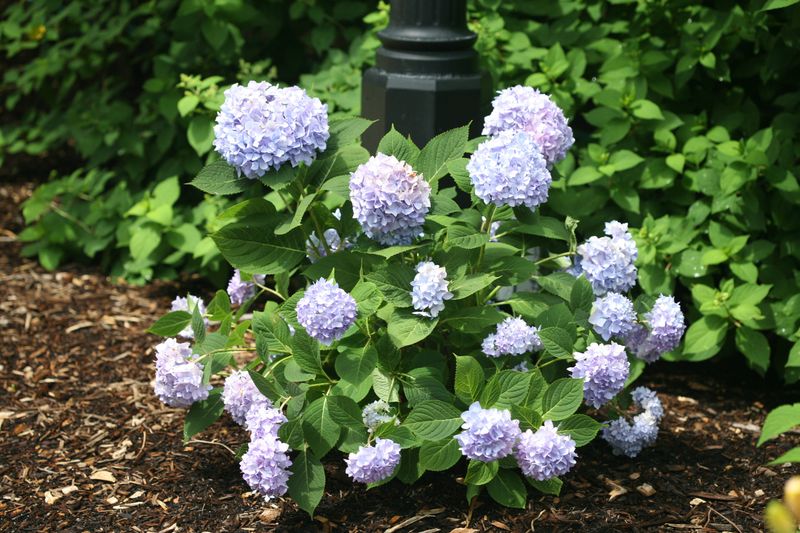
Not every hydrangea follows the same blooming rules, so knowing exactly which type is growing in your yard makes a real difference.
Bigleaf hydrangeas, including both the classic mophead and the delicate lacecap varieties, are among the most common types planted across Texas. Both of these bloom on old wood, which means August stem protection is critical for them.
Oakleaf hydrangeas are another Texas favorite that develops flowers on older stems. These plants are especially well-suited to the South because they handle heat and humidity better than some other varieties.
Their large, oak-shaped leaves and cone-shaped flower clusters make them easy to identify. Oakleaf hydrangeas need the same late-summer hands-off approach as bigleaf types.
Climbing hydrangeas also fall into the old-wood category. These are less common in Texas home gardens, but gardeners who grow them along fences or trellises should follow the same August rule.
Pruning too late in the season will reduce or completely prevent next year’s climbing display.
Before you touch your pruning shears, take a moment to actually identify what type of hydrangea you have. Check the leaf shape, flower cluster style, and overall growth habit.
Look up your specific cultivar if you still have the plant tag or remember the name from when you bought it. Gardeners who skip this identification step sometimes apply the wrong pruning schedule for years without realizing it.
Knowing your hydrangea type is the foundation of every good care decision you will make, especially when August rolls around and the temptation to tidy up gets strong.
Which Hydrangeas Follow Different Pruning Rules
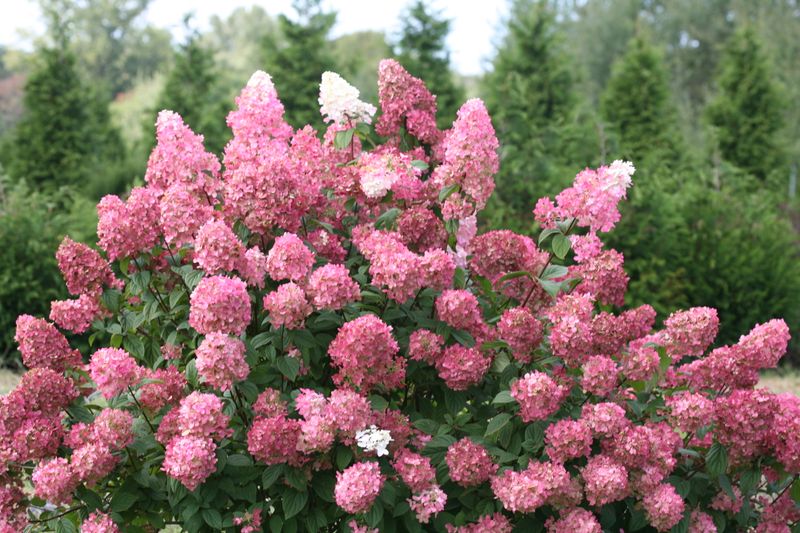
Once you learn that some hydrangeas need their old stems protected, it is natural to wonder whether every hydrangea in the yard follows the same rule.
The answer is no, and understanding the differences can save you a lot of guesswork. Some hydrangea types actually prefer late pruning and bloom just fine because of it.
Panicle hydrangeas are one of the most forgiving types when it comes to pruning timing. They produce flowers on new growth, meaning stems that sprout during the current growing season.
These can be cut back in late winter or early spring without any risk to the summer flower show. In fact, pruning them at the right time often encourages bigger, more dramatic blooms.
Smooth hydrangeas, sometimes called Annabelle hydrangeas, also bloom on new wood. They are commonly grown across the South for their large, round white flower heads.
Cutting them back in late winter is actually recommended to keep the plants tidy and productive. August pruning will not hurt next year’s display for these types at all.
Reblooming bigleaf cultivars, such as the popular Endless Summer series, are an interesting middle case. They can flower on both old and new wood, which gives them more flexibility.
However, preserving old wood still tends to support a stronger and earlier first flush of blooms in spring. So even with rebloomers, being cautious about August pruning is generally the smarter choice.
Knowing which category your plant falls into takes the stress out of every pruning decision you face.
What Texas Gardeners Should Do Instead Of Pruning
August in Texas is brutal. Temperatures regularly climb past 100 degrees, the soil dries out fast, and plants of all kinds are under serious stress.
The best thing you can do for your hydrangeas during this month is focus on support rather than shaping. Put the pruning shears away and pick up the mulch bag instead.
Keeping a generous layer of mulch around the root zone of your hydrangeas helps hold moisture in the soil during intense summer heat.
Aim for two to three inches of organic mulch, such as shredded bark or wood chips, spread a few inches away from the base of the stems.
Consistent moisture is one of the most important factors in keeping hydrangeas healthy enough to bloom well the following season.
If you absolutely must do any cutting in August, limit it to stems that are clearly broken, visibly diseased, or completely without any green life.
Removing that type of damaged material will not hurt next year’s blooms and can actually help the plant stay healthier overall. Everything else should stay right where it is.
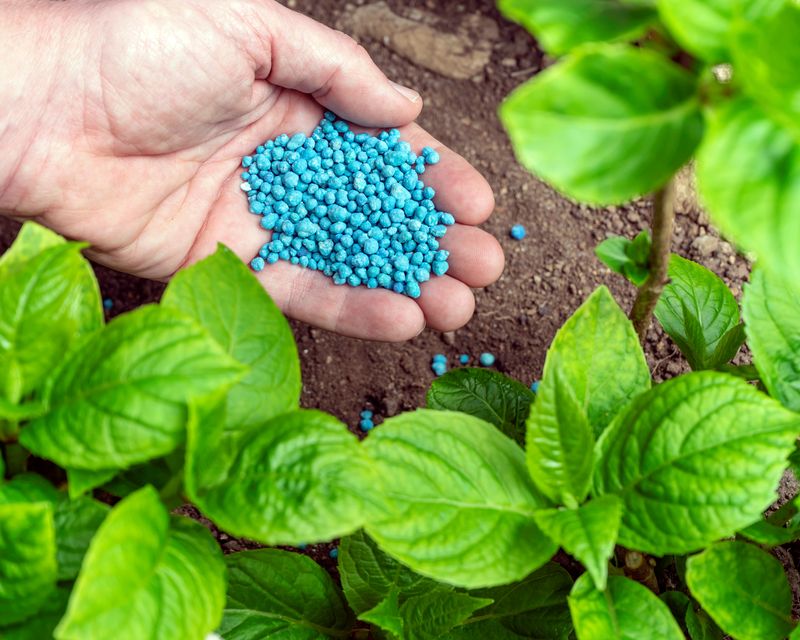
Fertilizing is another area to approach carefully in August. Texas A&M generally discourages applying nitrogen fertilizer to woody ornamentals late in the growing season.
Heavy nitrogen in late summer can push out tender new growth that is not ready to handle an early freeze. That soft new growth can suffer serious cold damage when temperatures drop in fall or winter.
Stick to watering, mulching, and leaving the plant alone, and your hydrangeas will have a much better chance of rewarding you with a full bloom next spring.
Other Reasons A Hydrangea May Still Fail To Bloom
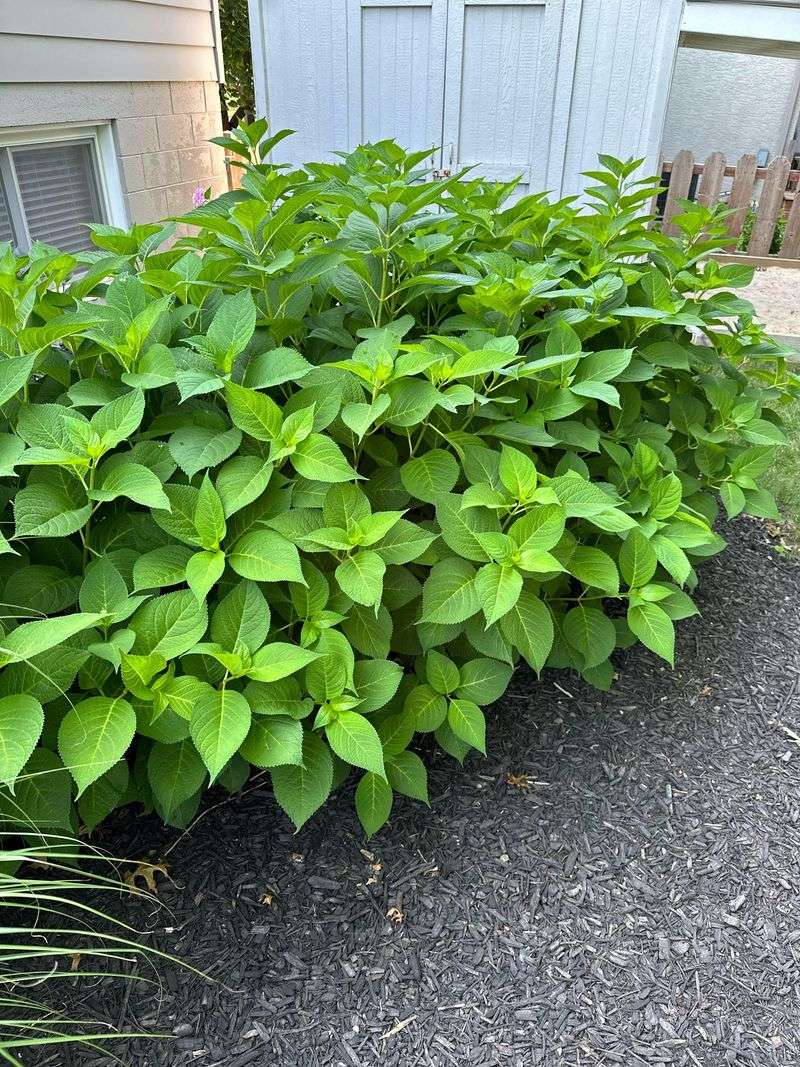
Protecting your stems in August is the most important step, but it is not a guaranteed fix on its own.
Several other factors can prevent hydrangeas from blooming even when the pruning schedule is perfect. Understanding these extra challenges helps you tackle the problem from every angle.
Winter cold is a major issue for old-wood hydrangeas in Texas. A late freeze or a particularly harsh winter can damage the exposed flower buds sitting on those woody stems you worked so hard to preserve.
The buds form in fall, sit through winter, and can be wiped out by a sudden hard freeze in February or March. Wrapping plants with frost cloth during extreme cold snaps can help protect them.
Too much shade is another common culprit. Hydrangeas need morning sun and afternoon shade in Texas to thrive, but deep shade from large trees or structures can reduce blooming significantly.
If your plant looks healthy but never flowers, take a close look at how much direct sunlight it actually receives each day.
Drought stress, excessive nitrogen, and planting the wrong cultivar for your specific Texas climate zone can also reduce or completely prevent blooms. Too much nitrogen pushes the plant toward leafy green growth instead of flowers.
A cultivar bred for cooler northern climates may simply struggle to set buds in Texas heat regardless of how carefully you prune.
Solving a non-blooming hydrangea often requires looking at several factors together. Start with pruning timing, then work through light, water, fertilizer, and cold protection. Fixing one issue at a time usually gets results.