This Tiny California Spider Is Quietly Hunting Garden Pests Most Homeowners Never Even See
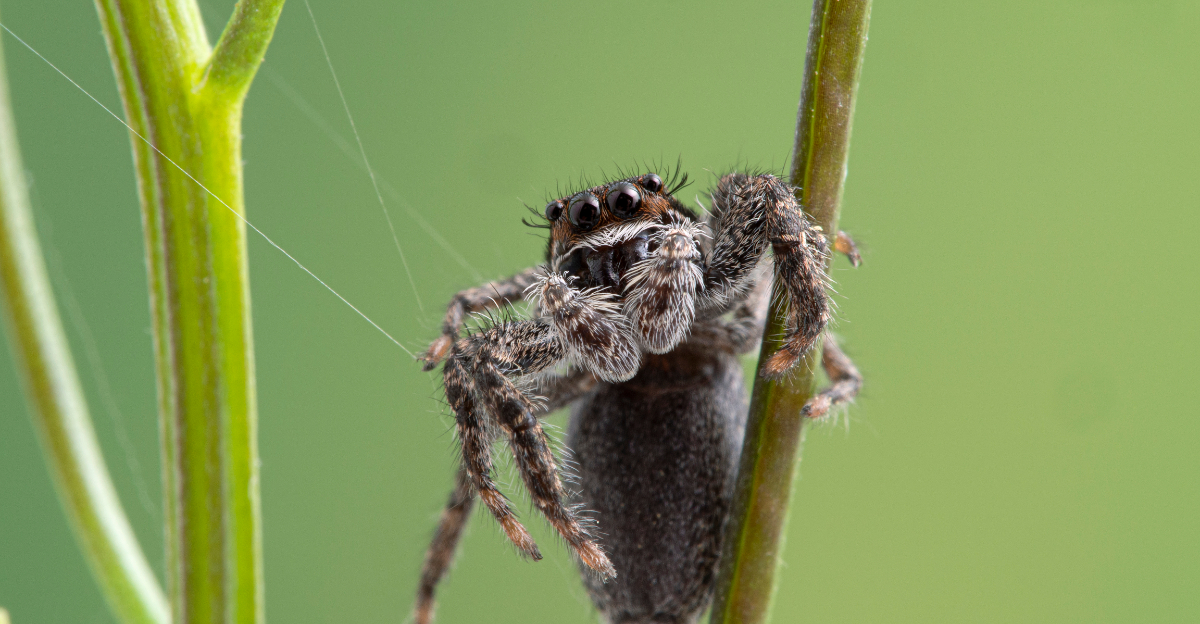
A tiny spider with quick moves can be one of the busiest hunters in a California garden. Jumping spiders do not build big webs across your plants.
They stalk, pounce, and disappear before most homeowners even notice them. That makes them easy to overlook, but their work can matter more than their size suggests.
While you are checking flowers or watering containers, these little predators may be patrolling leaves for small pests. They are not something to fear.
They are part of the quiet garden crew that helps keep things balanced. Their big front eyes and sudden hops can even make them oddly charming once you spot them.
You may see one pause on a pot rim as if it is studying the whole yard. Another might dart across a tomato leaf during your morning check.
Give your garden a little habitat, and these tiny hunters may stick around. Once you know what to look for, spotting one can actually feel fun.
A quick flash on a leaf or fence rail may be a tiny helper already on patrol.
1. Jumping Spiders Are Common In California Gardens
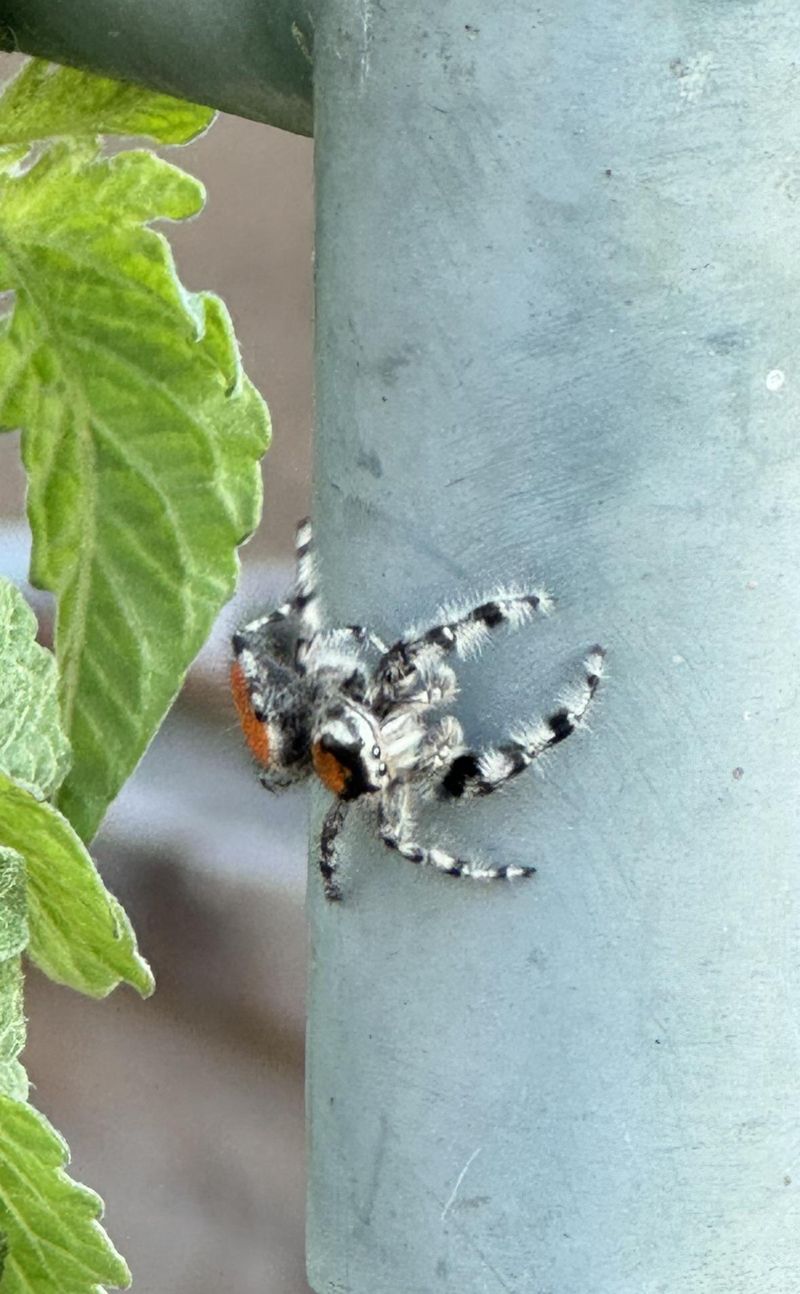
You might not realize it, but there is a good chance a jumping spider is living in your garden right now. These spiders are incredibly common across California, from coastal yards to inland vegetable gardens.
They pop up in flower beds, along fence lines, and even on patio walls.
Most homeowners never spot them because they are so small. An adult jumping spider is usually less than half an inch long.
Their size makes them easy to overlook, even when they are sitting right in front of you.
What makes them so widespread is their ability to survive in many types of environments. They do not need a special habitat.
A simple garden with enough insects is all they need to thrive.
Unlike many other spiders, they are not hiding in dark corners waiting for prey to come to them. They are constantly on the move, patrolling leaves and stems throughout the day.
Gardeners who take a slow walk through their plants often spot one or two if they look closely enough.
These spiders are native to this region, which means they have adapted well to local plants and local pests. They are a natural part of the garden ecosystem here.
Welcoming them means you are supporting something that already belongs in your outdoor space.
2. Their Big Front Eyes Make Them Easy To Recognize
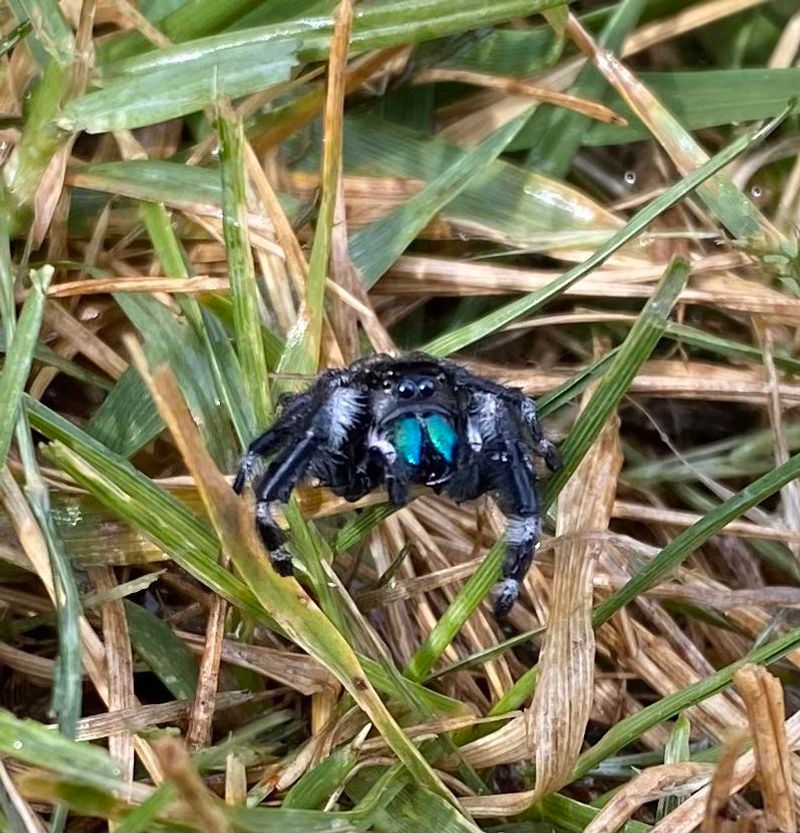
One look at a jumping spider and you will never forget what they look like. Their two large front eyes are hard to miss.
Those big eyes give them an almost cartoonish appearance that many people find surprisingly cute.
Jumping spiders have eight eyes total, but the two front ones are the standouts. Those large eyes help them judge distance with impressive accuracy.
They need that skill to leap precisely onto fast-moving prey without missing.
Their vision is actually quite remarkable for an insect-sized creature. They can see in full color and even detect ultraviolet light.
Your California Garden Changes Every Week. Your Plan Should Too.
Gardening in California changes quickly throughout the season. Every Friday you’ll receive a simple weekly plan showing exactly what to plant, prune, fertilize, harvest, and protect so you never miss the right timing.
Scientists have studied their eyesight and found it rivals that of much larger animals.
Beyond the eyes, their body is often covered in fine, colorful hairs. Some species have iridescent patches of green, blue, or red.
The combination of bold eyes and bright colors makes them one of the most visually interesting spiders you will find in any yard.
When you approach one slowly, it will often turn its whole body to face you directly. That curious, attentive behavior is part of what makes them so memorable.
It almost feels like they are looking right back at you with genuine interest.
Once you learn what they look like, spotting them in the garden becomes a fun habit. Their appearance is so distinctive that most people never confuse them with other spiders again.
3. They Hunt During The Day Without Building Webs
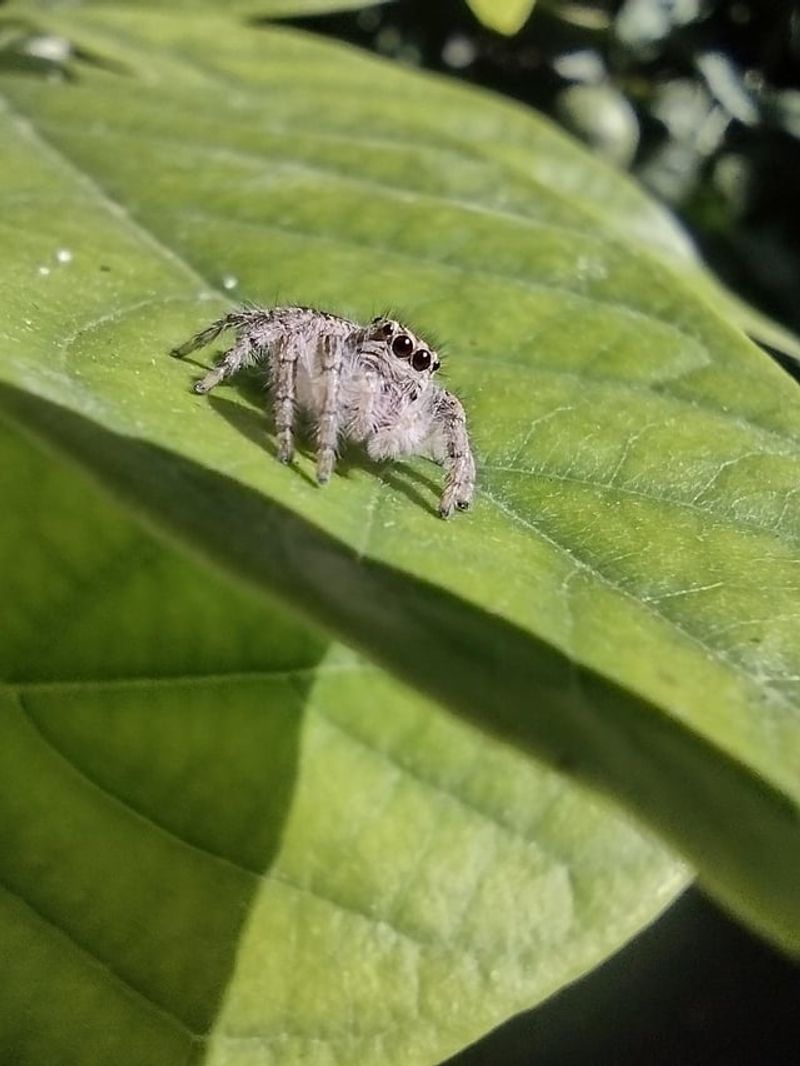
Unlike the orb weavers and funnel spiders you might see in the corners of your California shed, jumping spiders are active hunters. They do not spin webs to catch food.
Instead, they go out and find it themselves. Daytime is their prime hunting window. When the sun is up and insects are moving around on plant leaves, jumping spiders are right there with them.
They creep slowly toward prey, then launch themselves with surprising force and speed.
Their jumping ability is what sets them apart from most other spiders. They can leap up to six times their own body length.
For a spider that small, that is an incredible distance covered in a split second.
Before every jump, they attach a small silk safety line to the surface they are standing on. If the jump misses, the silk keeps them from falling to the ground.
It is a smart backup system built right into their hunting routine.
Because they hunt by sight rather than by feel, bright daylight gives them a clear advantage.
Their sharp eyes track movement quickly, and they can adjust their approach mid-stalk if the prey shifts direction.
It is a level of coordination that feels almost strategic for such a tiny creature.
Watching one hunt is genuinely fascinating. The slow creep followed by a sudden leap happens so fast that most people miss it entirely unless they are paying close attention.
4. Small Garden Insects Become Easy Prey
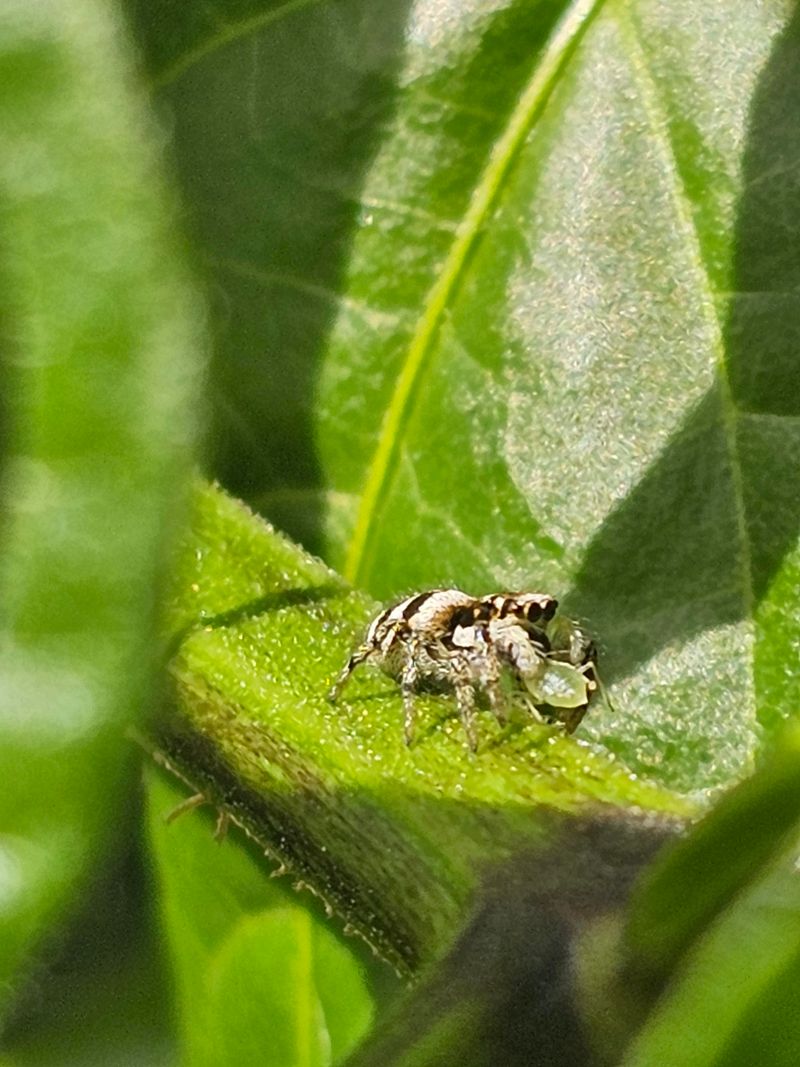
Aphids, fungus gnats, whiteflies, and small caterpillars are all on the jumping spider’s menu. These are the exact insects that cause the most frustration for California home gardeners.
Yellowing leaves, wilting stems, and spotty growth are often signs these pests are already at work.
Jumping spiders take them out one by one throughout the day. A single spider might catch dozens of insects over the course of a week.
Multiply that by several spiders living in the same garden, and the impact becomes significant.
They are not picky hunters, either. If it moves and fits in their grip, they will go after it.
That flexibility makes them useful across many types of gardens, whether you are growing vegetables, flowers, or fruit trees.
Thrips are another pest that jumping spiders target. Thrips are tiny and fast, but jumping spiders have the eyesight and reflexes to match them.
Most gardeners do not even know thrips are present until plant damage appears.
The spider’s ability to hunt three-dimensionally also gives it an edge. It can move across leaves, up stems, and along soil edges with ease.
That range means no part of the plant is out of reach when it is on patrol.
Having this kind of natural pest control working in your garden every day reduces the need for sprays and treatments. It is a quiet, consistent service that most homeowners never stop to appreciate.
5. Pesticide-Free Gardens Give Them A Better Chance
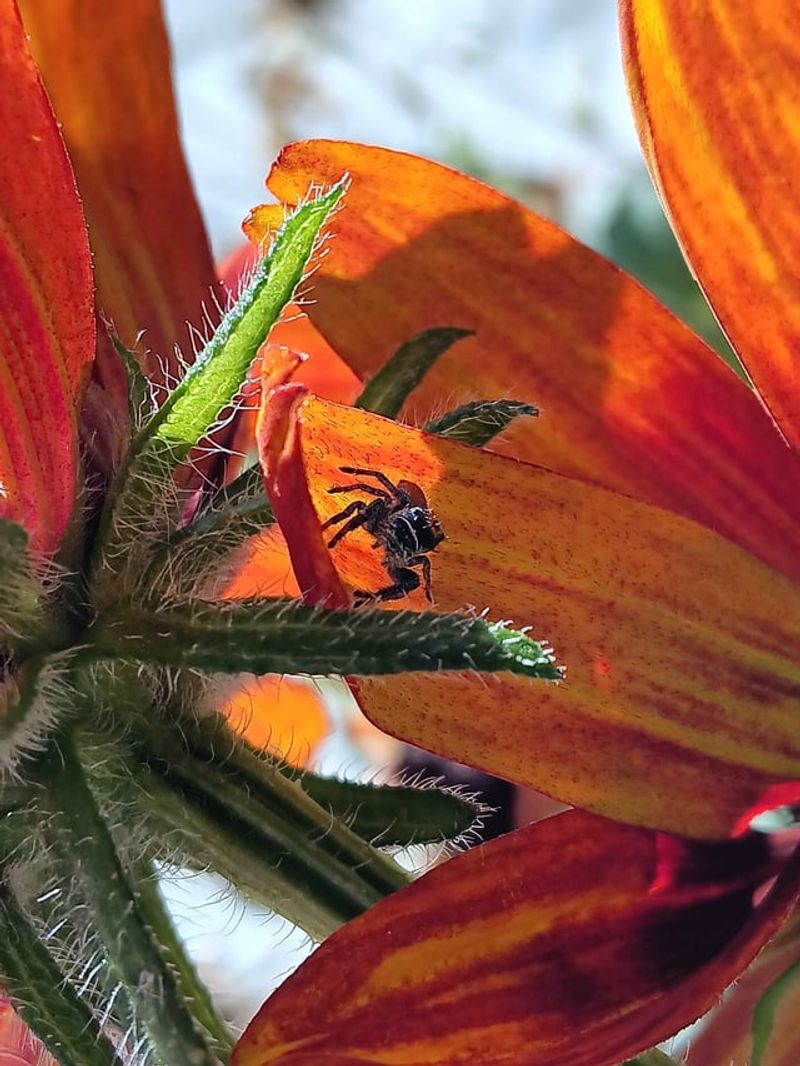
Chemical sprays do not just affect the pests you are targeting. They also affect the beneficial insects and spiders living in your garden.
Jumping spiders are highly sensitive to many common pesticide products.
When broad-spectrum insecticides are used, they often wipe out the very predators that keep pest populations in check.
Once those natural hunters are gone, pest insects can bounce back faster than before. That leads to a cycle where more spraying seems necessary over time.
Organic gardening methods create a safer environment for spiders like these. Choosing plant-based sprays, neem oil, or simply tolerating minor pest damage can go a long way.
A garden that avoids harsh chemicals will attract and support more natural predators season after season.
Even partial reduction in pesticide use makes a difference. Spot treating only the most affected plants, rather than spraying the whole garden, helps preserve the spider population in untreated areas.
They will often return and spread naturally once conditions improve. Companion planting also supports a healthier garden ecosystem.
Planting herbs like basil, dill, or cilantro nearby attracts beneficial insects that jumping spiders also feed on.
A diverse garden with many plant types tends to support a richer food web overall.
California gardeners who have made the switch to lower-chemical methods often report noticing more beneficial wildlife over time.
Jumping spiders are usually among the first to show up when conditions become safer for them.
6. Seeing One Usually Means Your Garden Has A Food Web
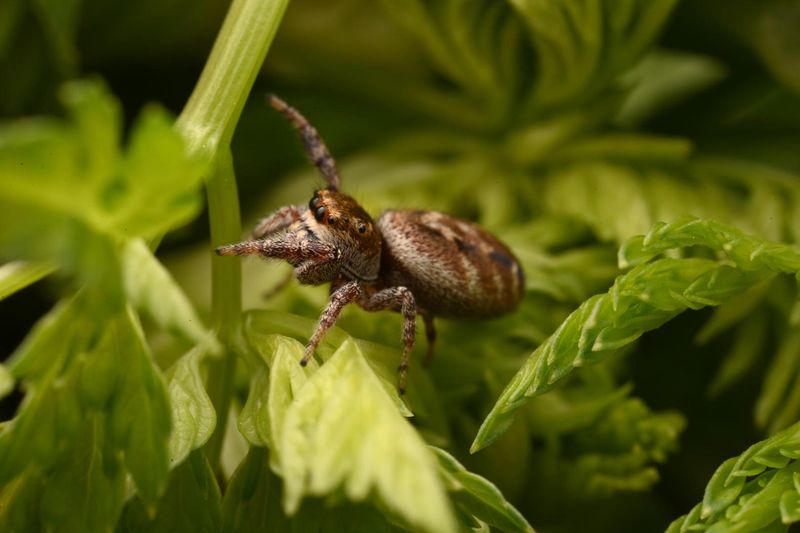
Spotting a jumping spider in your garden is actually a positive sign. It means your space has enough insect activity to support a predator.
A garden with zero pests might look clean, but it often lacks the biodiversity that makes it truly healthy.
A functioning food web includes producers, consumers, and decomposers all working together.
Plants produce energy, insects feed on plants, and predators like spiders feed on those insects. Every layer plays a role in keeping the system balanced.
When jumping spiders are present, it usually means other beneficial insects are around too. Predatory beetles, parasitic wasps, and ladybugs often share the same space.
Together, they form a team of natural pest managers that work without any help from you.
A garden rich in biodiversity is also more resilient. If one pest population spikes, the predators can respond and bring it back down.
That natural balance is harder to achieve in gardens that rely heavily on chemical treatments.
Noticing a spider also tells you something about your soil and plant health. Healthy plants attract a wider range of insects, which in turn attracts more predators.
The presence of a jumping spider is like a small indicator light showing that things are working as they should.
Taking a few minutes to observe your garden carefully can reveal an entire world you did not know was there. Jumping spiders are just one part of a much bigger, quieter story happening right outside your door.
7. They Are Beneficial, Not A Garden Problem
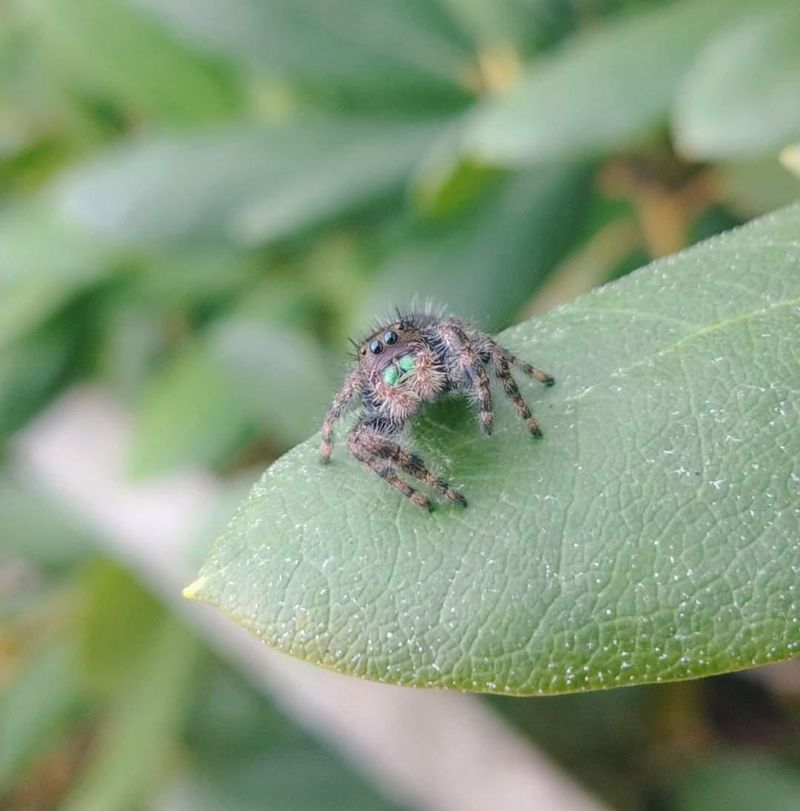
A lot of people see any spider and immediately want it gone. That reaction is completely understandable, but it is worth pausing before removing a jumping spider from your garden.
These little hunters are working in your favor. They are not aggressive toward people. Jumping spiders rarely bite, and when they do, it is only when they feel directly threatened.
Their bite is mild and causes little more than minor irritation in most cases.
For children who are curious about nature, a jumping spider is actually one of the safest and most interesting spiders to observe up close.
Their bold eyes and curious behavior make them engaging to watch. Many kids who study them end up fascinated rather than frightened.
California gardeners who understand their role often go out of their way to protect them. Leaving leaf litter in corners, avoiding over-tidying, and letting some areas of the garden stay slightly wild all help give spiders places to rest and shelter overnight.
Providing small stacks of bark or flat stones near garden beds also gives them hiding spots during cooler nights.
These simple additions cost nothing and can make your garden more welcoming to a wide range of beneficial wildlife.
Changing how you see a jumping spider changes how you manage your garden. Instead of a pest to remove, it becomes a partner to protect.
That small shift in perspective can lead to a healthier, more balanced outdoor space in California over time.