California Rose Growers Keep Missing These Tiny Thrips Problems (And Here Is What To Do About It)
Something is wrecking California roses from the inside out, and most gardeners never see it happening.
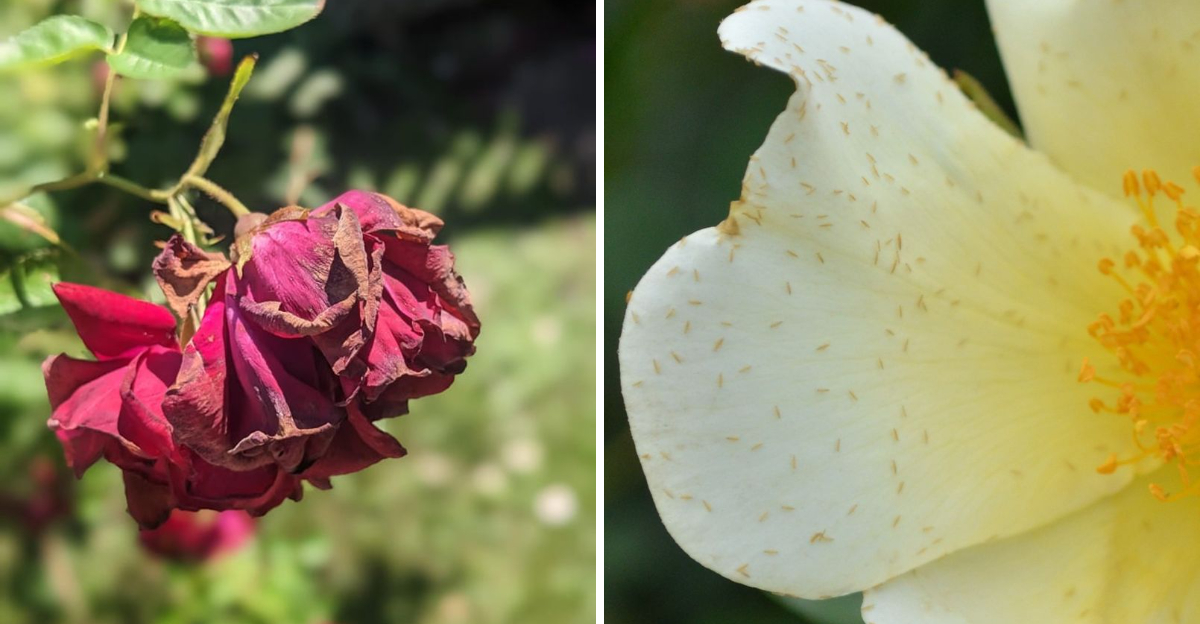
The blooms look almost right, but something is just a little off. Petals come out streaked, twisted, or scarred. Buds seem to stall before they fully open.
A tiny insect called western flower thrips is often the culprit, and it hides so well inside flowers that even experienced growers walk right past the damage without connecting the dots.
Thrips are smaller than a sesame seed, fast-moving, and surprisingly destructive for their size.
They thrive in California’s warm, dry climate, which makes rose gardens across the state especially vulnerable during spring and summer bloom cycles.
The frustrating part is that by the time you notice the damage, the thrips have already moved on to the next bud.
Understanding how these insects behave, where they hide, and how to spot the early warning signs can save your roses before the season gets away from you completely.
1. Start With Western Flower Thrips
Most rose problems in California get blamed on aphids or black spot, but western flower thrips quietly cause just as much frustration.
Frankliniella occidentalis is the scientific name, and it is one of the most common and damaging insects found on roses across California.
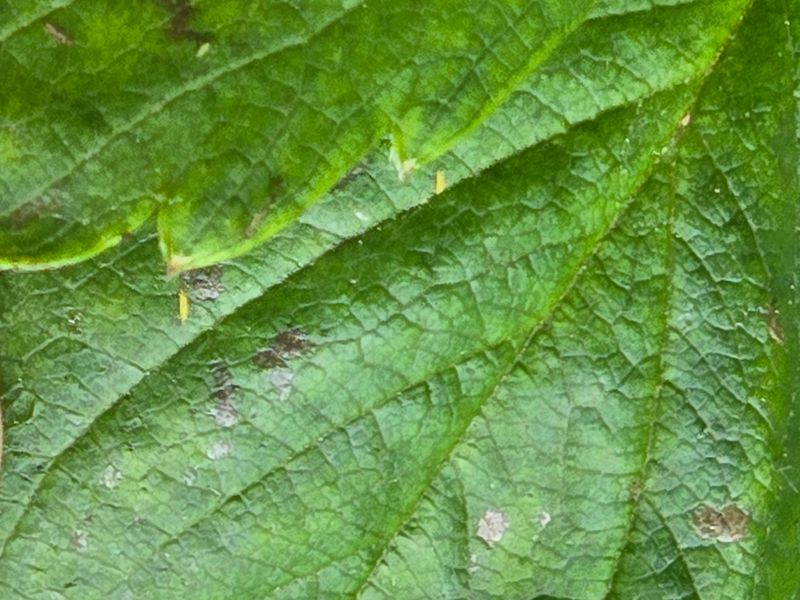
Adult thrips are extremely small, usually between 1 and 2 millimeters long. They have narrow, fringed wings and range in color from pale yellow to light brown.
Females lay eggs directly inside flower tissue, which makes the next generation almost impossible to spot until damage is already visible.
Western flower thrips feed by piercing plant cells and sucking out the contents. This rasping, scraping feeding style leaves behind silvery streaks, distorted petals, and scarred tissue.
The damage is not cosmetic only. Heavy feeding can prevent buds from opening correctly and reduce the overall health of the plant over a full growing season.
California’s Mediterranean climate gives thrips a long, productive season. Warm springs and dry summers create ideal breeding conditions, especially in inland valleys and coastal areas with mild winters.
Thrips populations can build fast, sometimes within just a couple of weeks during peak bloom season.
Knowing your enemy is the first step. Once you understand that western flower thrips is the likely suspect behind strange petal damage, you can start looking in the right places and responding with the right tools instead of guessing.
2. Damaged Buds Hide The First Clue
Before a single petal unfurls, the damage is already done.
Thrips prefer to feed inside tight, closed buds where they are protected from sunlight, wind, and most sprays. By the time the bud begins to open, the feeding has already left its mark on the developing tissue inside.
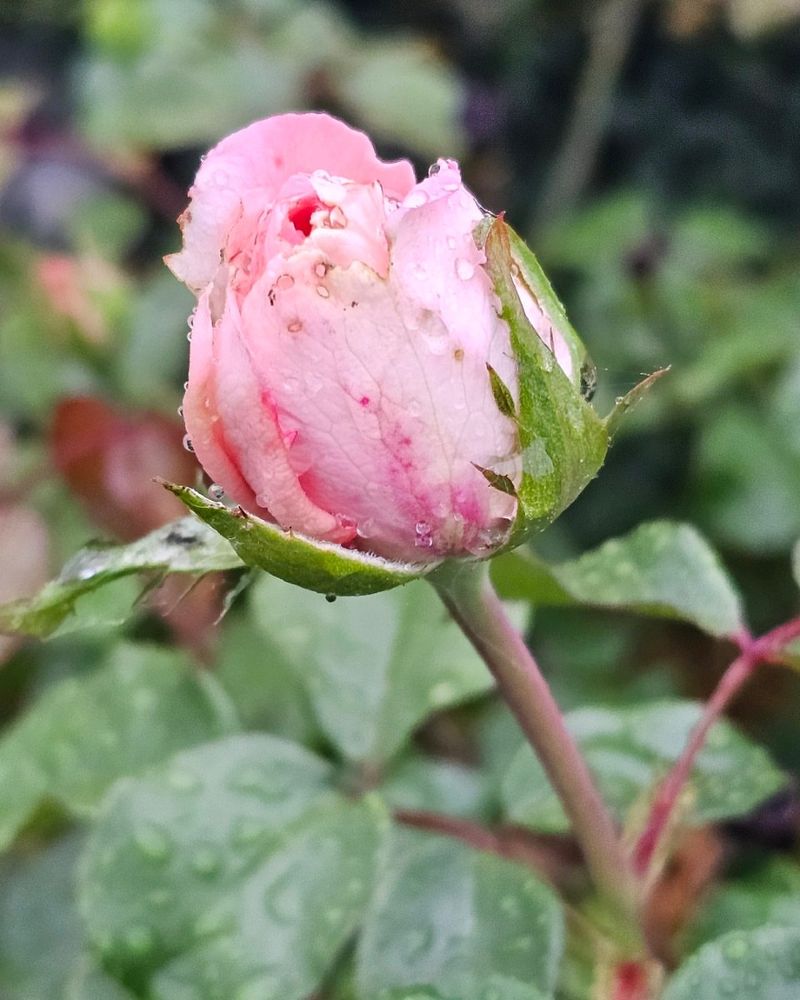
Look for buds that seem stuck. They may swell to a certain size and then stop progressing normally.
Some buds twist slightly or have a pinched appearance near the top. Others open unevenly, with one side of the bloom expanding while the other stays crumpled or stiff.
These are not signs of disease or poor watering. They are classic early signals of thrips activity inside the bud.
Your California Garden Changes Every Week. Your Plan Should Too.
Gardening in California changes quickly throughout the season. Every Friday you’ll receive a simple weekly plan showing exactly what to plant, prune, fertilize, harvest, and protect so you never miss the right timing.
The outer sepals, those green leaflike structures that wrap around the bud, can also show faint bronzing or silvery speckling.
Most gardeners overlook this detail because the damage looks minor from a distance. Up close, the texture of the tissue feels rough rather than smooth.
Timing matters here. Thrips populations spike in California during warm, dry periods, especially from late spring through midsummer.
If you notice bud distortion during these months, thrips should be near the top of your suspect list. Do not wait for the bloom to fully open before investigating.
Catching the problem at the bud stage gives you the best chance of protecting the rest of the plant before the population grows unchecked across your entire garden.
3. Petals Show Brown Streaks Early
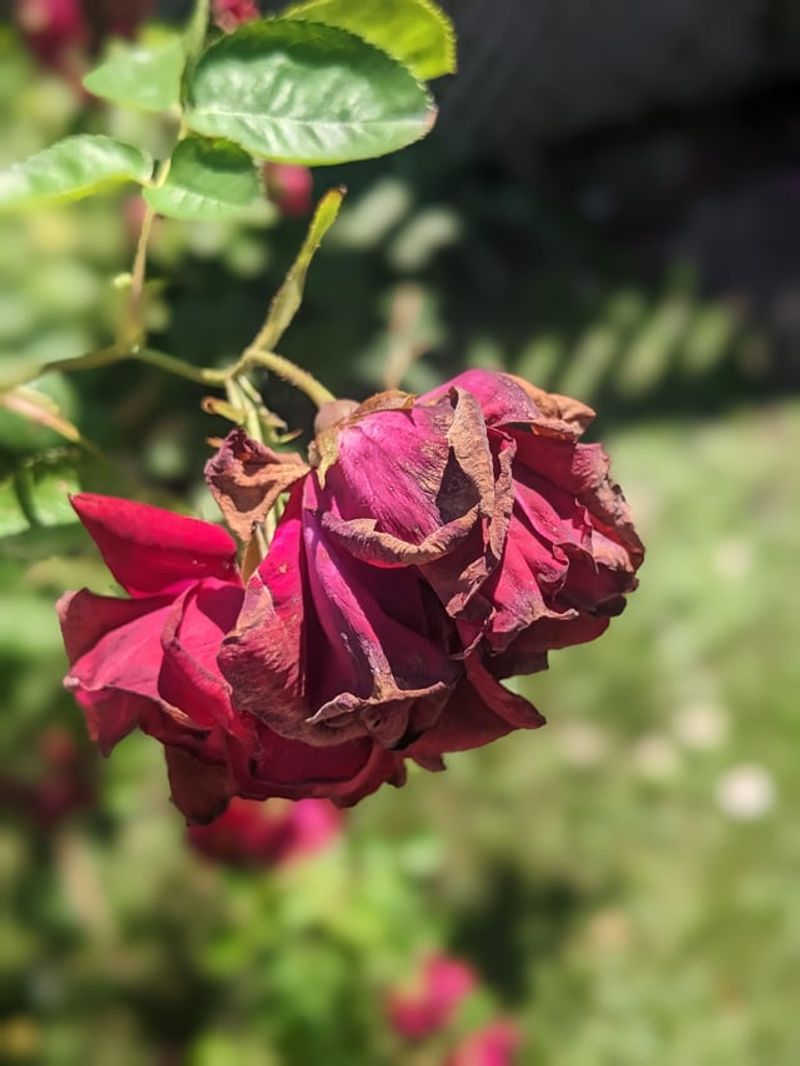
Once a rose opens, the evidence of thrips feeding becomes much easier to read.
Brown or silvery streaks running along the length of petals are one of the most recognizable signs. These streaks are not dirt or disease. They are scars left behind where thrips scraped and fed on the soft petal tissue.
The color of the streaks varies depending on the rose variety and the stage of damage.
On light-colored blooms like white or cream roses, the scarring appears as tan or rusty brown lines. On deeper red or pink varieties, the damaged areas often look faded, almost bleached, standing out sharply against the richer background color.
Petal edges sometimes curl inward or look ragged, as if something chewed along the margin.
The overall bloom may look tired or aged even when it just opened that morning. Some gardeners assume the rose is simply past its prime, but a fresh bloom should not look worn out on its first day open.
Thrips feeding can also cause petals to stick together slightly, especially near the center of the bloom.
When you gently pull a petal back and it tears a little along a streak line, that is a strong indicator of feeding damage rather than a natural flaw in the flower.
Petal streaking is not just an aesthetic complaint. Repeated feeding across multiple bloom cycles weakens the plant and reduces its ability to produce strong, healthy flowers over time.
4. Tiny Insects Stay Deep In Blooms
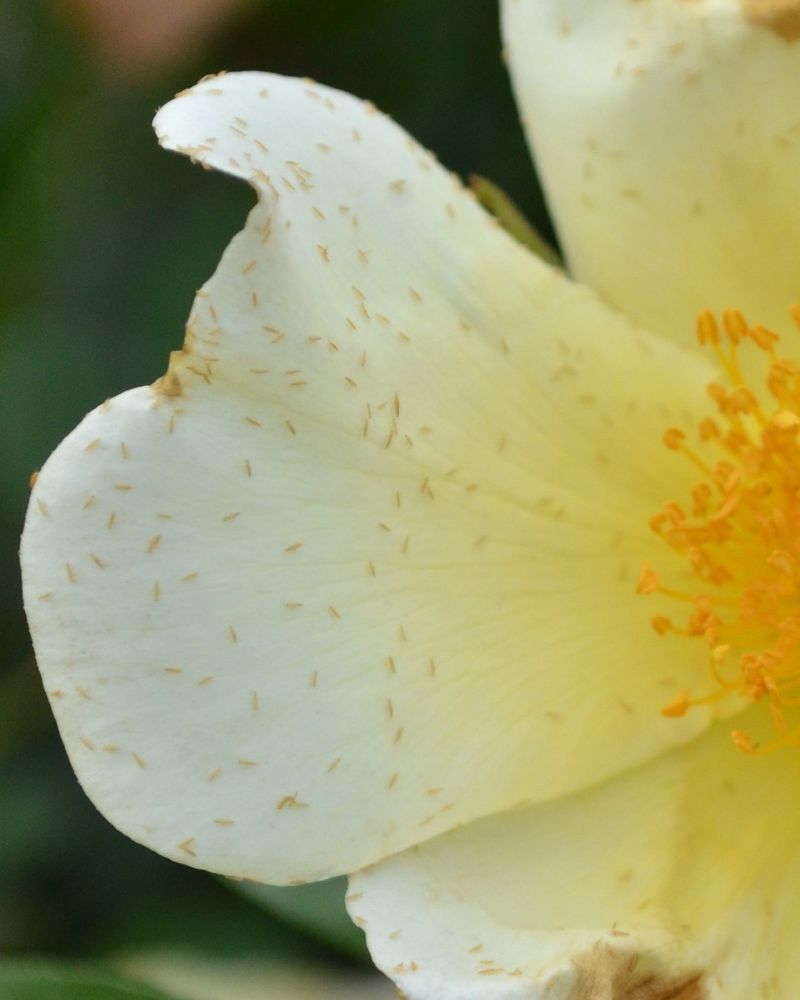
Here is the thing about thrips that makes them so easy to miss: they do not hang out on the outside of the plant.
They go deep. Adult thrips and their larvae tuck themselves between petals, down near the base of the bloom, right around the stamens and pistils where pollen is abundant and shelter is plentiful.
Pollen is actually a major food source for western flower thrips. Roses produce it generously, which makes rose blooms an especially attractive feeding site.
Thrips can feed on both pollen and tender petal tissue within the same flower, so they have little reason to leave once they find a good bloom.
A quick glance at the top of an open rose will not reveal much.
You have to look down into the center of the flower, past the outer petals, to find where thrips spend most of their time.
Even then, they are fast movers. When disturbed by light or touch, they scatter quickly, slipping between petals or dropping to the soil below.
Their pale color also works in their favor.
Against the light yellow stamens and cream-colored inner petals common to many rose varieties, western flower thrips practically disappear. You almost need a hand lens to confirm their presence visually.
Understanding where thrips hide explains why so many California gardeners miss the infestation entirely until petal damage is already widespread.
Knowing their hideout is genuinely half the battle.
5. Shaking Flowers Reveals The Problem
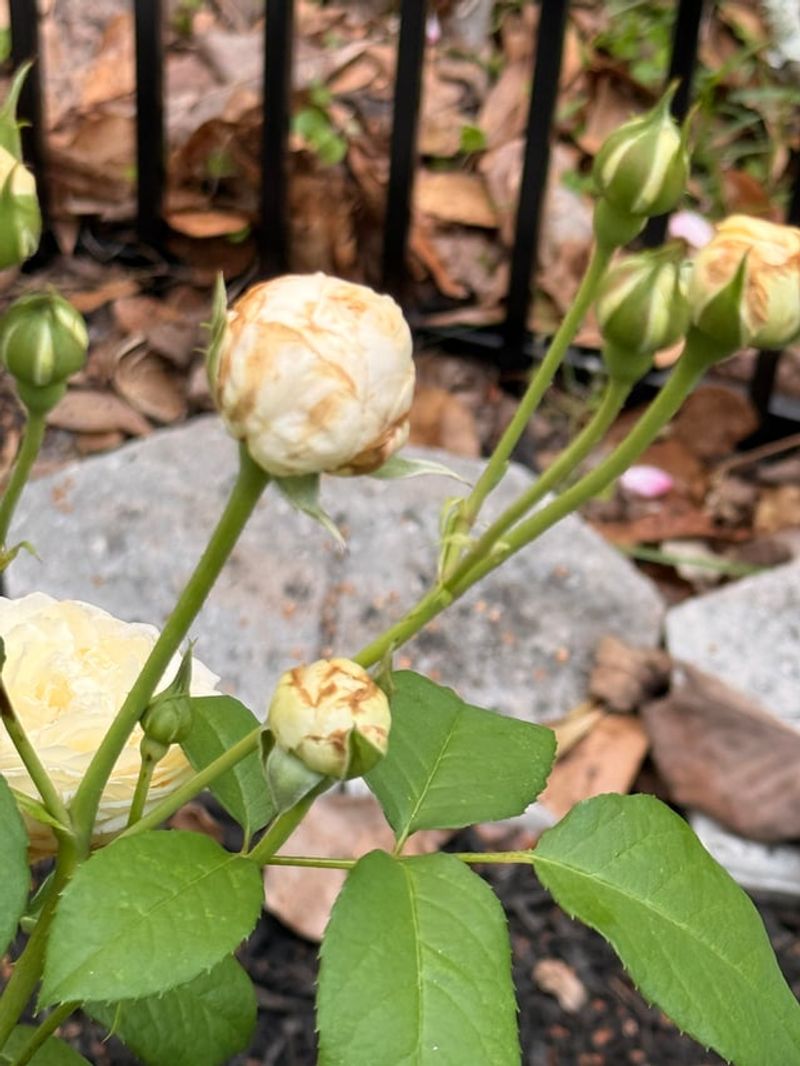
There is a simple, no-cost technique for monitoring thrips on roses, and most home gardeners have never tried it.
Hold a sheet of white paper under an open bloom and give the flower a firm but gentle shake or tap. Any thrips inside will fall onto the paper where they are suddenly much easier to see against the white background.
The insects look like tiny dark or pale specks at first glance. Watch closely, because thrips move.
Within a second or two, you will see the specks crawling across the paper. That movement is the confirmation you need. Static debris like pollen or dust does not walk around on its own.
For the most accurate results, check several flowers from different parts of the plant and from different plants in your garden.
Thrips populations are not always evenly distributed. One section of your rose bed may have a heavy infestation while another section looks completely fine. Sampling broadly gives you a clearer picture of how serious the problem actually is.
Morning is the best time to do this check. Thrips tend to be more active in the cool early hours before midday heat sends them deeper into the bloom.
Make this shake-and-check method part of your weekly garden routine during bloom season. It takes about two minutes per plant and gives you real, timely information instead of guesswork.
Early detection keeps small problems from becoming season-wrecking ones.
6. Beneficial Insects Need Protection

Nature already has a response team for thrips, and it lives in your garden right now.
Predatory insects like minute pirate bugs, green lacewing larvae, and certain predatory mites feed on thrips and help keep populations from building out of control.
These beneficial insects are some of the most effective natural checks on thrips available to California rose growers.
Minute pirate bugs, also called Orius species, are especially aggressive thrips hunters. They are small but fast, and they actively seek out thrips hiding inside blooms.
Green lacewing larvae are equally impressive predators, consuming dozens of small insects each day. Both are naturally present in California gardens that have not been heavily treated with broad-spectrum pesticides.
The problem is that many gardeners accidentally eliminate their beneficial insect populations while trying to address pest problems.
Once the natural predators are gone, thrips populations can rebound even faster than before because there is nothing left to slow them down.
Supporting beneficial insects does not require much effort.
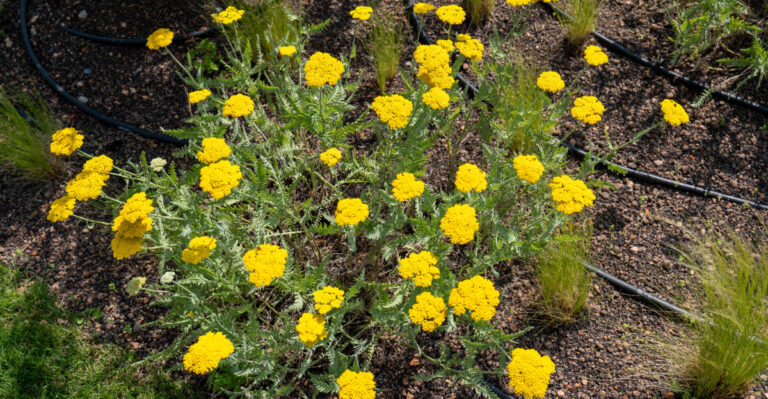
Planting companion plants like dill, fennel, yarrow, and sweet alyssum near your roses provides nectar and shelter for natural enemies.
Reducing or eliminating broad pesticide applications allows predator populations to stabilize and grow.
A garden with a healthy predator population manages itself more effectively. Protecting your beneficial allies is one of the smartest long-term investments you can make in your roses.
7. Strong Sprays Can Backfire Fast
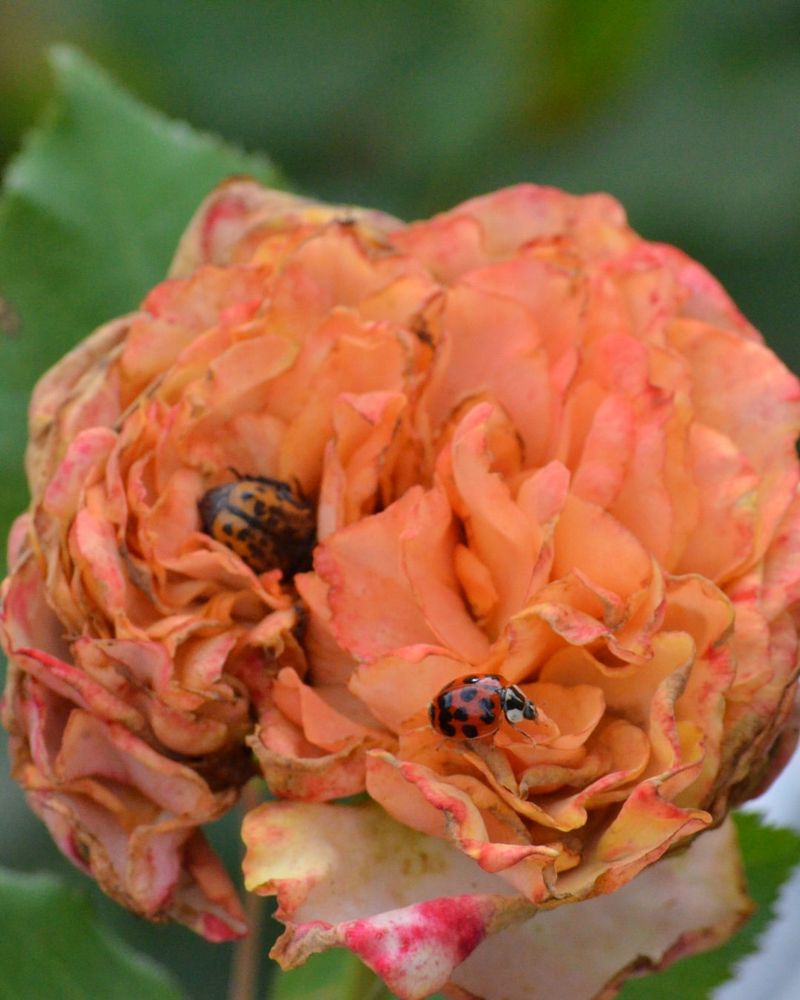
Reaching for a broad-spectrum insecticide spray might feel like the fastest fix when you spot thrips damage, but that instinct can create bigger problems than the one you started with.
Broad-spectrum products do not distinguish between pest insects and beneficial ones. Everything in the spray zone gets hit, including the predatory insects that were already working to control the thrips for you.
Broad-spectrum insecticide applications on roses often make thrips problems worse over time.
When natural enemies are removed from the equation, thrips populations can resurge rapidly and with less resistance than before.
You end up spraying more often, spending more money, and still seeing damage because the biological balance in your garden has been disrupted.
Spinosad is sometimes used for thrips control, but even this relatively selective product should be used cautiously.
It can affect bees and other pollinators, especially when applied to open blooms. Timing any treatment to early morning or evening, when pollinators are less active, reduces that risk significantly.
Pyrethrin-based sprays are another common option, but they break down quickly and offer only short residual control.
More importantly, they also harm beneficial insects on contact. Repeated use creates a cycle where pest populations recover faster than predator populations.
Before spraying anything, confirm that thrips are actually present using the shake-and-paper method.
Treating a problem you are not sure you have is how gardeners accidentally unravel the ecological balance their roses depend on.
8. Targeted Care Works Better Than Panic
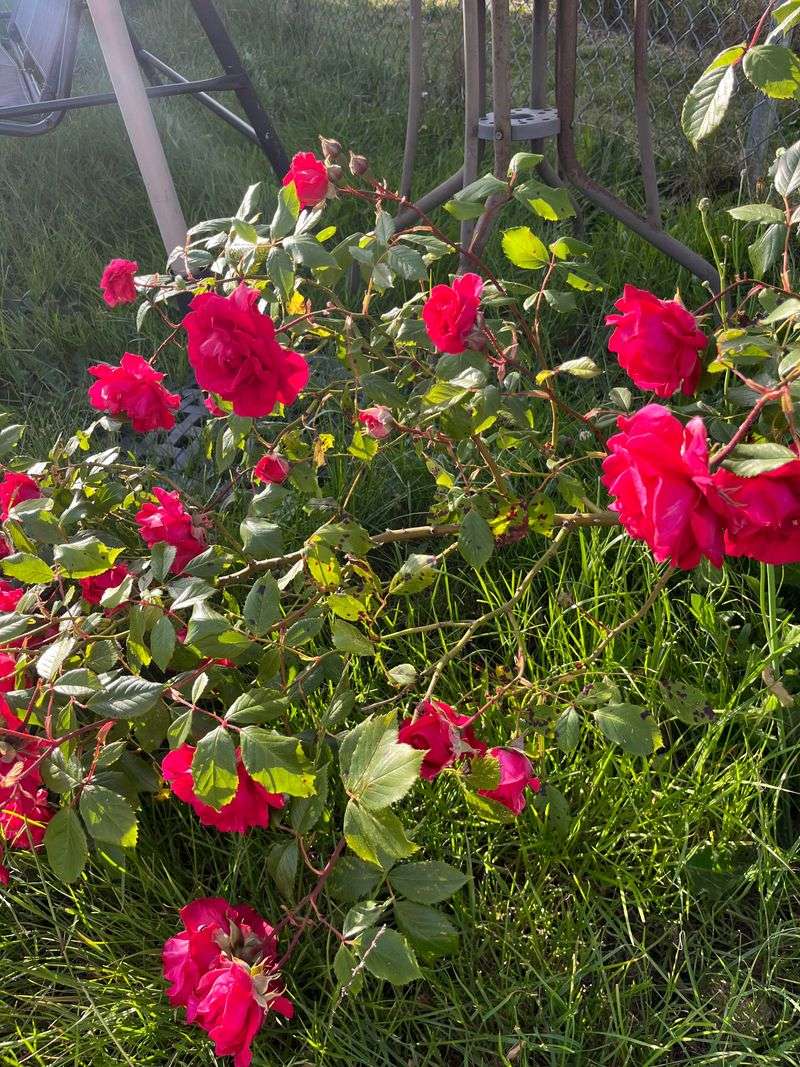
Calm, focused action beats reactive spraying every single time.
When thrips damage appears on your roses, the most effective first response is to remove and bag the affected blooms.
Pruning off heavily damaged flowers eliminates the insects currently living inside them and reduces the overall population on the plant right away.
Do not toss damaged blooms into your compost pile.
Thrips can survive in plant debris and find their way back to your garden. Seal the removed blooms in a bag and put them in the trash. It is a small step that makes a real difference in reducing local populations.
After removing damaged blooms, monitor the remaining buds using the shake-and-paper method every few days.
Track whether the population is growing, holding steady, or declining. This information tells you whether the situation is improving on its own or whether additional steps are needed.
Patience and observation are underrated tools in rose care.
When populations are high and natural enemies are not keeping up, a targeted treatment with a product labeled specifically for thrips on ornamentals can be appropriate.
Always read and follow the label directions completely. Apply during cooler parts of the day to protect pollinators, and avoid spraying open blooms whenever possible.
Make a habit of checking your roses every single week during bloom season.
Flip back a petal, peek into the center of a fresh bloom, and do a quick shake over white paper. That one small routine, done consistently, is the most reliable way to catch thrips early and keep your California roses looking their best all season long.