The One Thing You Must Do To Michigan Witch Hazel Before September Ends
September in Michigan smells like cold apples, damp leaves, and lake wind that slices straight through flannel sleeves. Out in the yard, something woody is quietly counting down the very same calendar that you are.
Most gardeners, though, read that countdown wrong. They figure autumn is the season to put the tools away and stop fussing outdoors.
One small chore, finished before the month flips over, takes maybe twenty minutes of a cool evening. Skip that short window now, and October shows up looking oddly bare in one corner.
Handle it properly, though, and your yard puts on fireworks while the neighbors are still out raking. Autumn apparently keeps score around here, and it doesn’t grade on a curve.
The Late-September Soak That Decides Your Fall Blooms
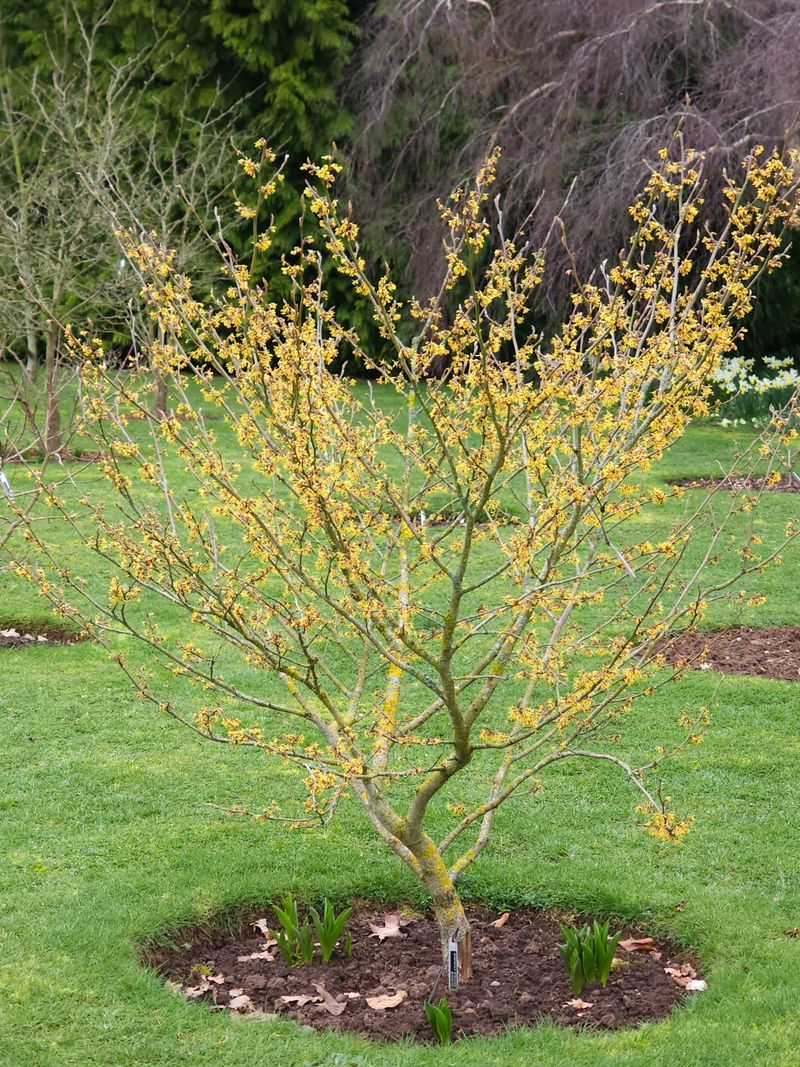
Here is the short answer to the whole question: your shrub wants one long, slow drink right now. A quick spray from the garden hose will not reach the roots that matter most.
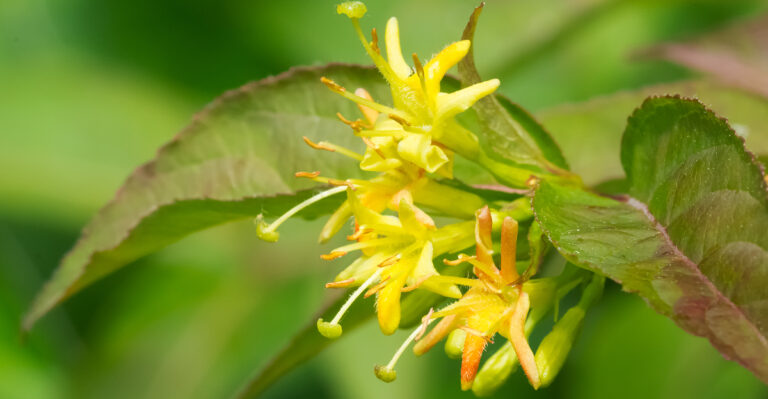
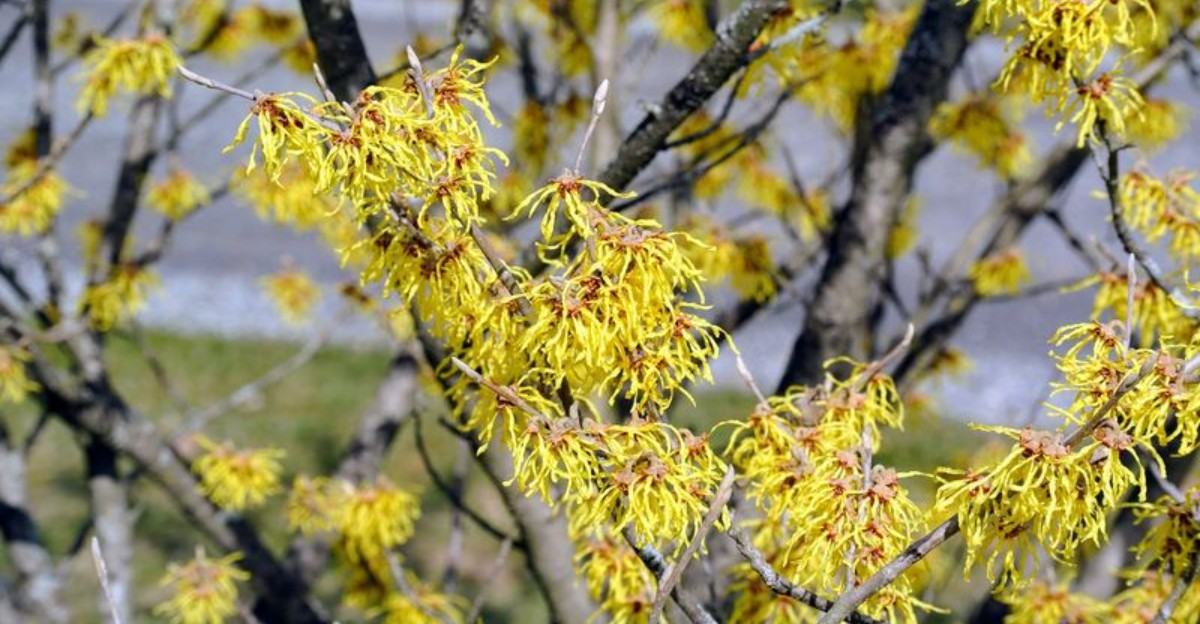
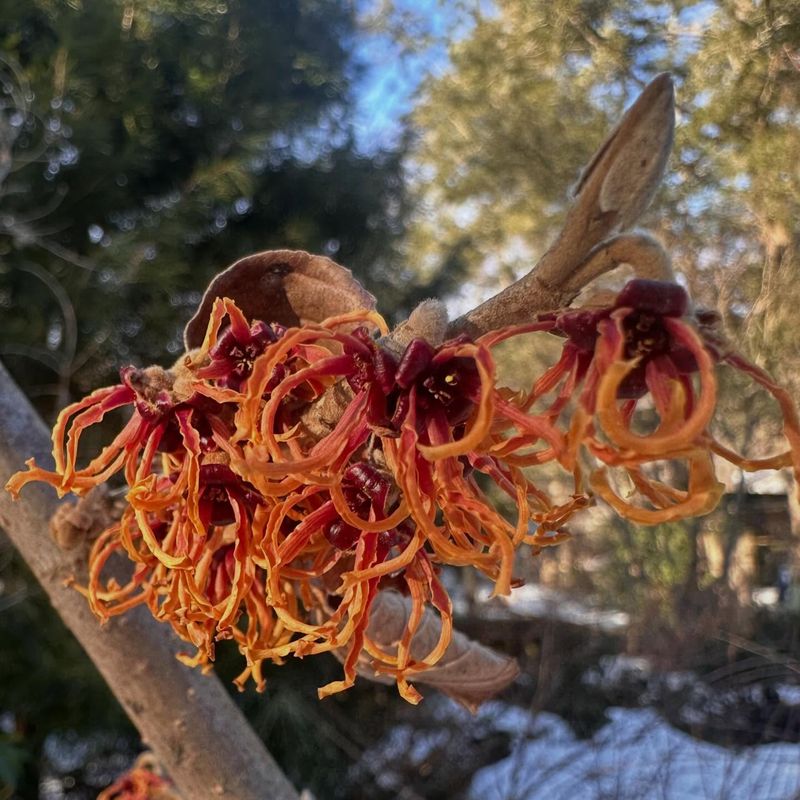
Michigan witch hazel, Hamamelis virginiana, unfurls skinny yellow ribbons in October while most other shrubs have already dropped their leaves. Those late flowers run on moisture the plant banked during a hot, dry summer.
Late September is usually when soil moisture bottoms out across the Lower Peninsula after weeks without rain. A thirsty shrub quietly sheds the flower buds it spent the whole summer building.
Aim for five to ten gallons poured slowly around the root zone, not splashed against the trunk. Let a hose trickle for twenty minutes so the water sinks at least eight inches.
Test your work by pushing a long screwdriver into the ground near the outer branch tips. If the blade slides in without a fight, moisture reached the feeder roots that matter.
Gardeners on sandy ground near Newaygo or Oceana counties often need a second soak within ten days. Heavier clay soils around Saginaw hold moisture longer, so one careful session usually does it.
Finish this chore before the month flips and you’ve given the flower display its best shot. The reward shows up after frost has flattened everything else in the yard.
Set a reminder on your phone, because late-season garden chores slip away far too easily. Your October self will say thank you in gold confetti on bare gray branches.
Root Activity In Michigan’s Cooling Autumn Soil
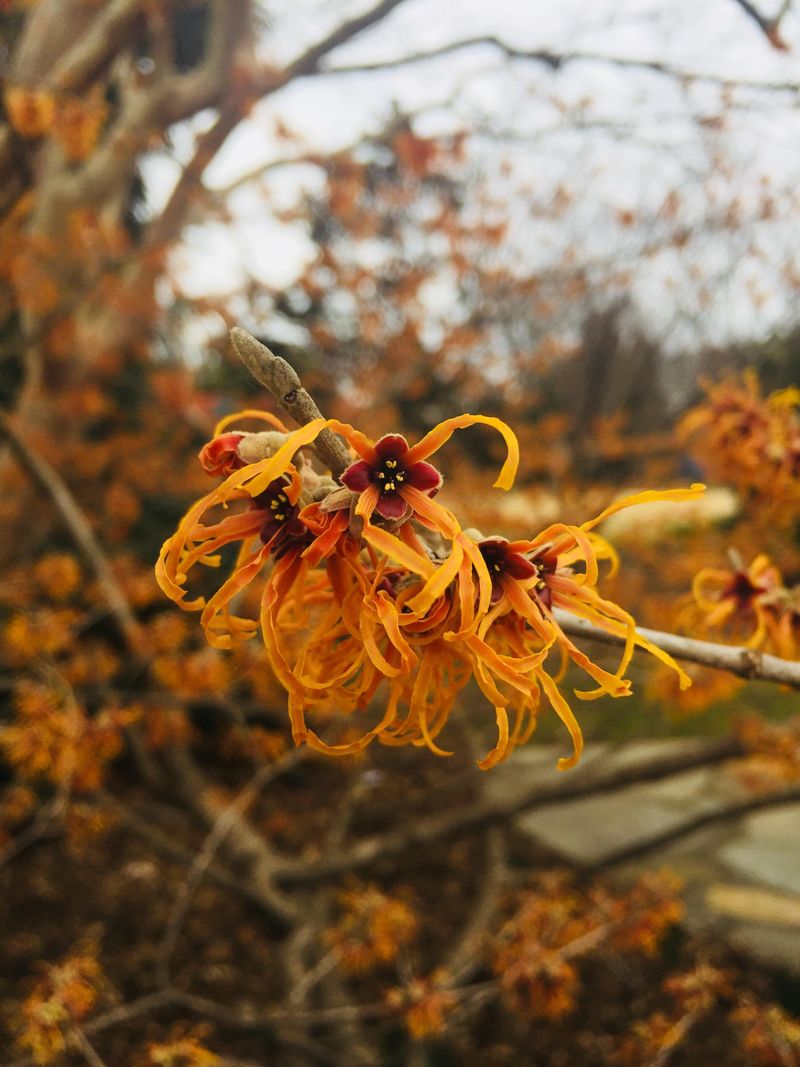
Roots do not take autumn off, which surprises plenty of gardeners who assume everything shuts down. Below ground, Michigan soil stays warm well after the air turns sharp and chilly.
Soil hovering between fifty and sixty degrees is prime territory for new white root tips. Witch hazel uses that window to push fresh roots outward before winter locks things up.
Those new roots need steady moisture to grow, the same way seedlings need damp soil. Dry ground in September stalls the whole process and leaves the plant underprepared.
Water also moves nutrients from soil into roots, so a dry patch means a hungry shrub. Nitrogen and potassium simply sit there, unavailable, until moisture carries them along.
Your Michigan Garden Changes Every Week. Your Plan Should Too.
Gardening in Michigan changes quickly throughout the season. Every Friday you’ll receive a simple weekly plan showing exactly what to plant, prune, fertilize, harvest, and protect so you never miss the right timing.
Fall root growth explains something odd that confuses many people every single year. A shrub can look fine in August, then bloom poorly two months later.
Michigan weather makes the problem sneaky because September often brings cool air with very little rain. Cool mornings fool us into thinking the ground below stays comfortably damp.
Mulched beds hold moisture longer, but mulch also blocks light rain from ever reaching soil. Pull back a handful and check underneath before assuming your shrub is fine.
Understanding what happens below the surface makes the late-September soak feel less like a chore. It is really just feeding the part of the plant nobody ever sees.
Roots keep working until soil drops near forty degrees, often late in November here. Everything you pour now travels with them straight into next spring’s growth.
The Narrow Window Before October Petals Unfurl
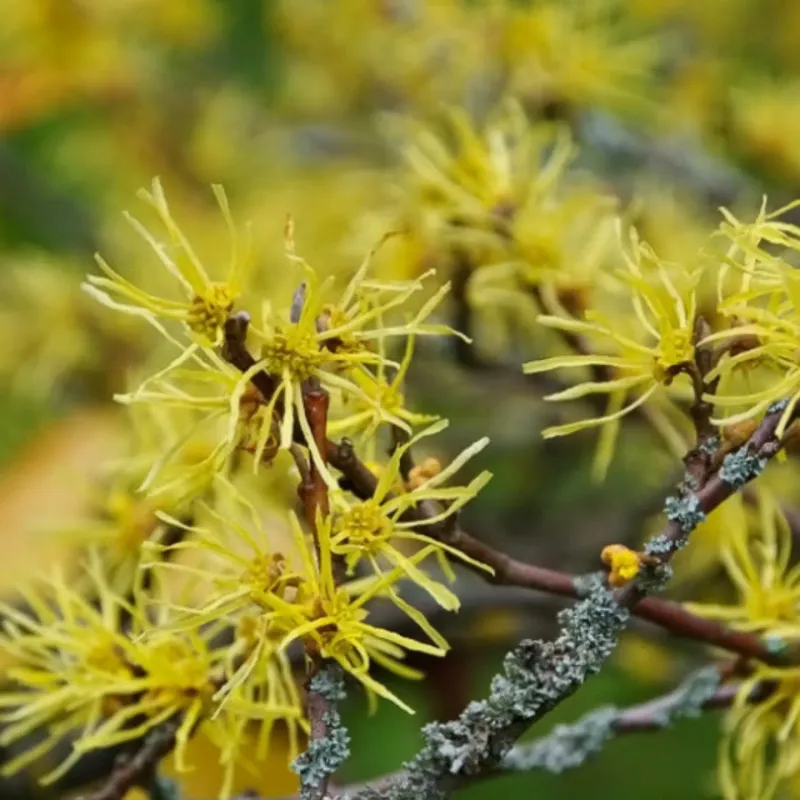
Timing separates a decent bloom from one the neighbors stop their cars to photograph. Witch hazel sets its flower buds in summer, then holds them tight for months.
Those buds swell during late September while the plant is still drawing water freely. Once nights drop into the thirties, uptake slows and the plant coasts on reserves.
In southern Michigan, Hamamelis virginiana typically opens around the second week of October. Up north near Traverse City, the show often starts a week or so earlier.
Working backward, that gives you a two-week runway ending exactly when September does. Water any later and the moisture arrives after the plant has already made decisions.
Pruning follows the very same clock, which trips up tidy gardeners every autumn. Cutting branches now removes the exact buds about to become ribbons of yellow.
Fertilizer is another thing to leave alone this late in the season. Fresh nitrogen pushes tender green growth that winter wind will chew up by January.
Keep the calendar simple: soak deeply in the last ten days of September. Then step back, stop fussing, and let October handle the theatrical part of it.
Rain counts, of course, but only if an inch actually fell on your yard. A five-minute shower that barely darkened the driveway does not count for anything.
Shrubs watered in that window tend to bloom longer, often three to four weeks. Ones watered late tend to show a thinner, shorter-lived scattering of flowers.
The Shallow Sprinkle Mistake Behind Sparse Flowers
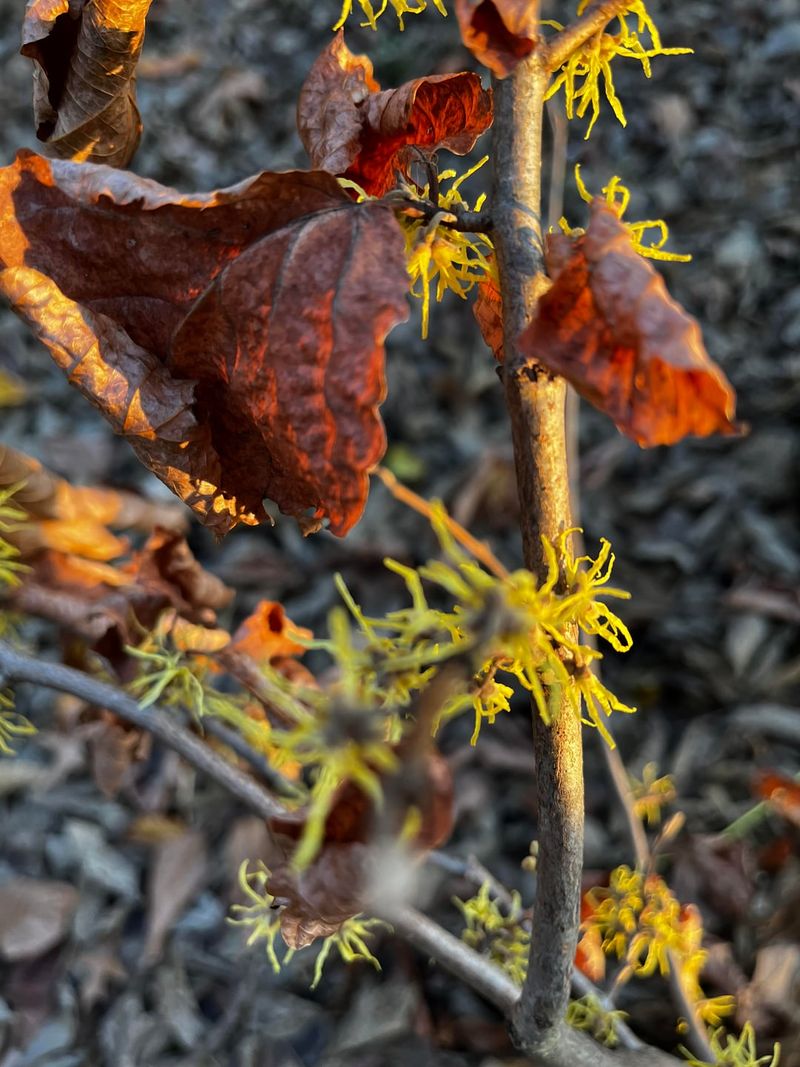
Picture a well-meaning gardener waving a hose over the shrub for ninety cheerful seconds. That splash wets the mulch, thrills a few worms, and accomplishes nearly nothing else.
Shallow watering trains roots to stay near the surface where they dry out fastest. Deep watering pulls them downward into cooler soil that holds moisture through dry spells.
Another common slip is dumping everything right at the base of the main stem. Feeder roots live out near the branch tips, sometimes three feet from the trunk.
Sprinkler systems create false confidence because lawns and shrubs want very different amounts. Turf irrigation soaks two inches down, which a mature witch hazel barely notices.
Some folks skip watering because the leaves still look green and perfectly healthy. Witch hazel hides stress well, then shows the truth through a disappointing bloom.
Overcorrecting brings its own trouble, especially in the heavy clay common around Detroit suburbs. Soggy soil for days on end suffocates roots and invites fungal problems.
The fix sits between extremes: one slow, generous soak rather than daily light sprinkles. Think of it as filling a reservoir instead of misting a windshield.
Watering at midday in a stiff breeze also wastes a surprising amount to evaporation. Early morning or evening lets far more of it reach where roots wait.
Recognizing the mistake costs nothing, and correcting it takes a single evening outdoors. Your shrub keeps no grudges about all those light sprinkles of summers past.
Recovery Plan For A Thirsty Stressed Shrub
Suppose the leaves already look scorched at the edges and curled inward like paper. There is still time to help, though the approach needs a gentle hand.
Start with one deep soak, then wait three full days before adding any more. Stressed roots take up water slowly, and flooding them makes recovery harder.
Skip fertilizer this month, no matter how tempting that bag in the garage looks. Feeding a dehydrated plant is like handing a sprinter a sandwich mid-race.
Refresh mulch to two or three inches, keeping it a few inches off the stems. That layer slows evaporation and keeps soil temperature steady through October swings.
Remove any broken or crossing branches only, and leave healthy wood alone until spring. Every cut now costs you flowers you already paid for with summer sunshine.
Container-grown witch hazel dries out several times faster than one planted in the ground. Check pots twice weekly, since roots there have nowhere else to find moisture.
Watch for new leaf color rather than instant improvement in the crispy older foliage. Damaged leaves will not repair themselves, but the buds underneath can still recover.
A shrub that struggled this year may bloom lightly, and that outcome is acceptable. Next autumn it returns stronger, provided the roots go into winter well hydrated.
Patience does more heavy lifting here than any product sold at the garden center. Water, mulch, and a little restraint handle almost the entire rescue by themselves.
Mulch Habits That Protect Next Year’s Buds
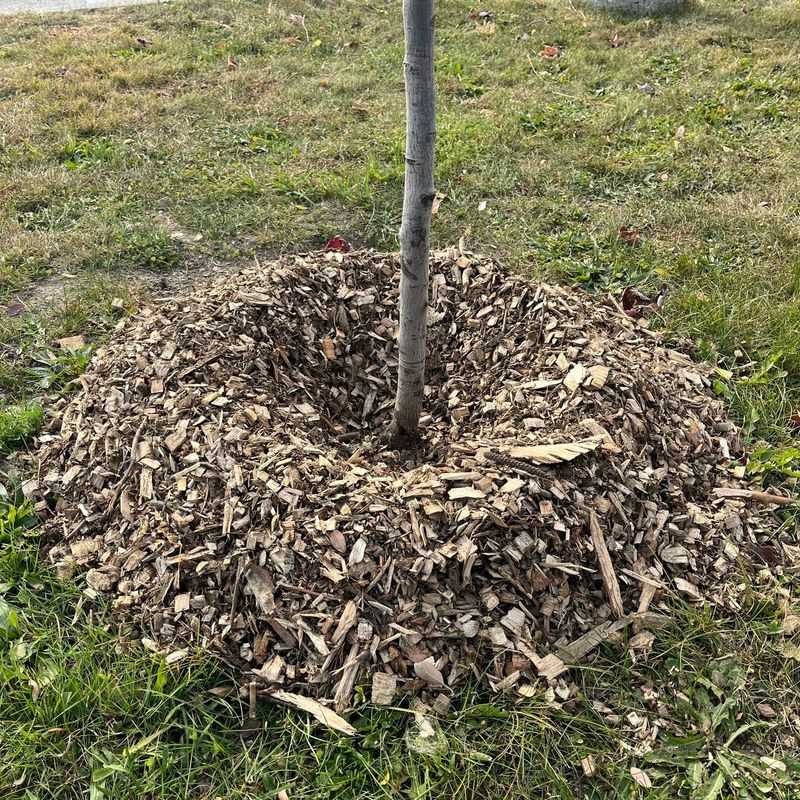
Next September will arrive faster than anyone expects, so build habits that carry forward. A solid mulch routine does more for witch hazel than most gardeners ever realize.
Shredded bark, leaf mold, or pine straw spread about three inches deep works beautifully. Keep the ring wide, reaching out to the edge of the branch spread.
Michigan’s freeze-thaw cycles heave soil around and can tear fine roots during February. Mulch buffers those swings and keeps ground temperature far more consistent all winter.
Autumn leaves raked from your own yard make excellent free mulch after shredding. Whole wet leaves mat down and form a shingle that sheds rain away.
A shallow soil basin around the shrub holds water where it belongs during soaks. Build the rim just beyond the branch tips, roughly three inches tall.
Rain gauges are cheap and settle arguments about how much it actually rained. One inch weekly through September means your shrub is probably doing fine.
Late fall brings a second important drink, given right before the ground freezes solid. November water rides out the whole winter stored inside roots and woody stems.
Planting location matters too, since afternoon shade reduces stress dramatically in open yards. Witch hazel handles woodland edges better than a baking spot beside a south wall.
Small habits stack up, and in a few seasons the shrub practically manages itself. Then your only job in October is standing around the yard looking pleased.