Why Your Monstera Stops Splitting Its Leaves During A Michigan Winter
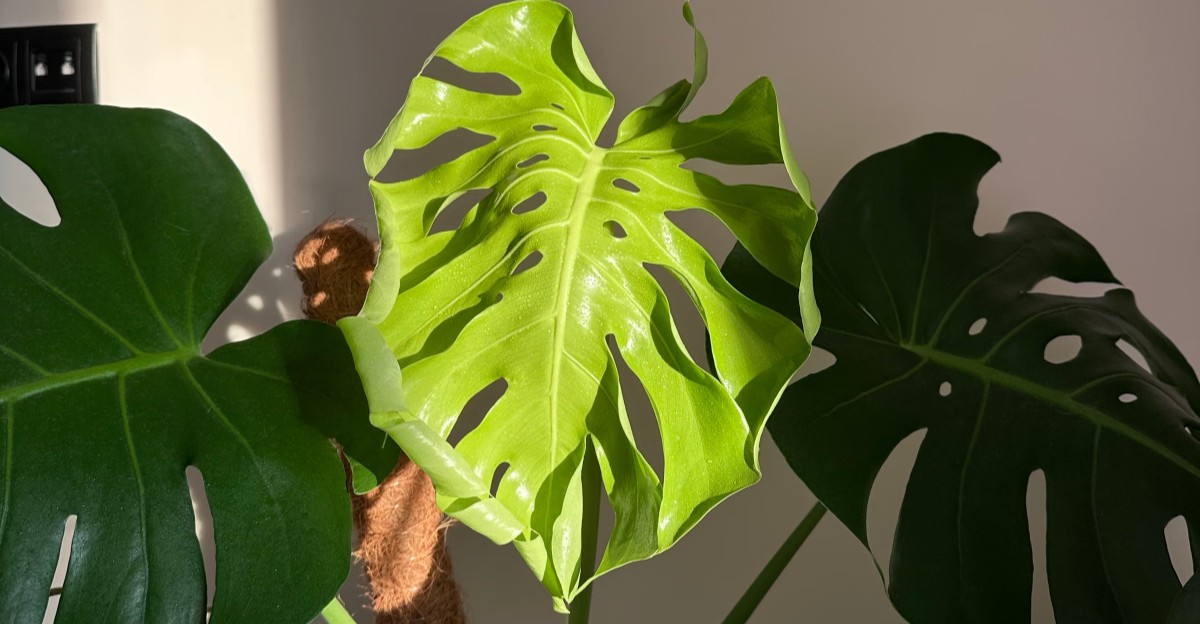
Those famous holes in a certain jungle houseplant may help its giant leaves survive heavy tropical rain and strong wind. Botanists still debate the exact reason, and I love that a houseplant can keep scientists guessing.
Here in Michigan, many plant lovers notice something odd once the snow piles up. A new leaf unfurls, and it looks plain, smooth, and solid like a big green heart. No slits, no windows, no drama.
I know how frustrating it can be when you water on schedule and still get a boring leaf. You may even wonder if you did something wrong. The truth is a lot less scary and a lot more interesting.
Your plant is reading clues from your living room, especially from the light. Gray January skies send a very clear message to those leaves. So what exactly is your plant trying to tell you?
1. Those Solid Monstera Leaves Are Sending You A Message
A plain new leaf on a mature Monstera feels like a letdown, but it is really a progress report. Your plant is telling you how much energy it had when that leaf was forming.
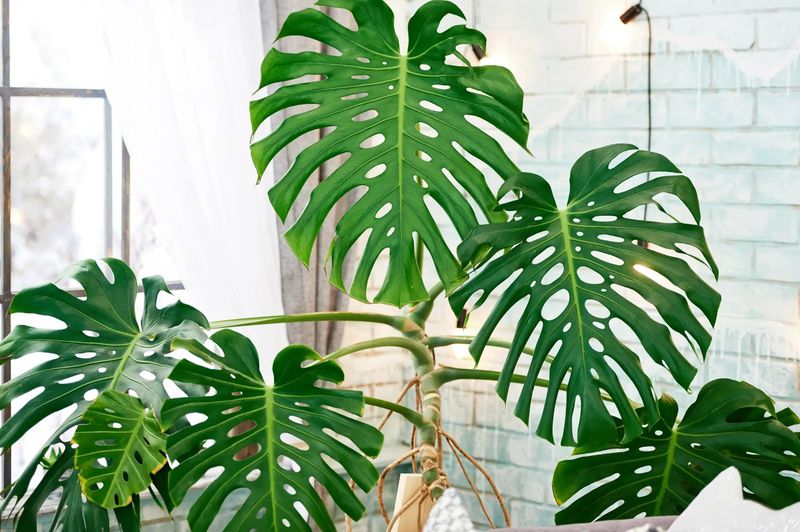
Splits and holes, called fenestrations, show up when a Monstera is mature and well fed by light.
Young plants grow solid leaves no matter what, so a small plant from the store may simply be too young. Older plants can slip back into solid leaves when conditions get tight.
Winter in Michigan creates those tight conditions fast. Days in December can drop to around nine hours of daylight, and many of those hours are cloudy. Less light means less sugar from photosynthesis, and less sugar means fewer extras.
Think of fenestrations as a bonus feature. The plant makes them when its energy budget has room to spare. When the budget shrinks, it builds the simplest leaf that still works.
So that smooth leaf is not a sign of disease. It is a snapshot of the season. Once you know what the plant is reacting to, you can start giving it a little more of what it wants, and the next leaves can look very different.
2. Weak Winter Sunlight Is The Biggest Reason Your Monstera Skips The Splits
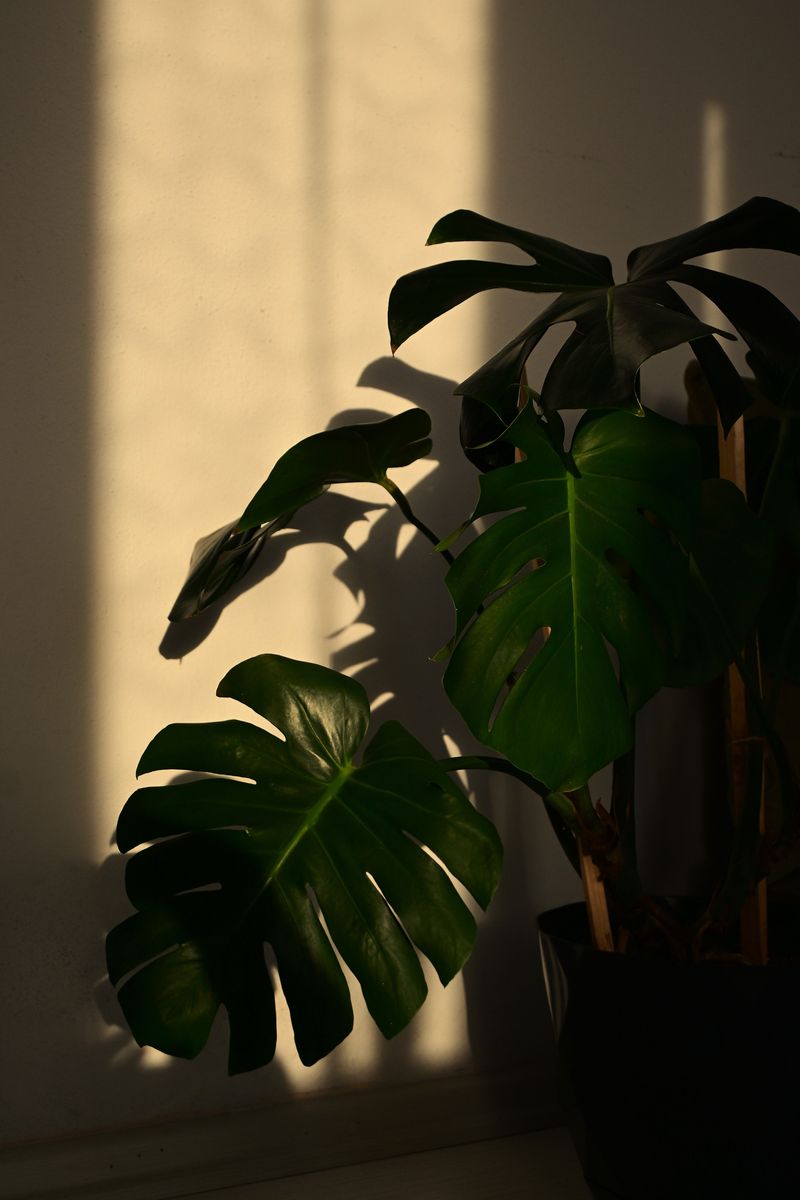
Light is the main fuel for leaf splits, and winter steals a lot of it. Even a spot that feels bright to your eyes may be pretty dim to a plant. Plant growers often measure light in foot-candles.
Many plant sources suggest Monstera does best with steady bright, indirect light for many hours a day, and a lot of indoor spots fall short in winter. Your eyes adjust to dim rooms, so you rarely notice the drop.
Michigan adds an extra twist. The state sees plenty of cloudy days from November through February, especially near the Great Lakes where lake-effect clouds hang around. Grand Rapids and other west-side towns can go long stretches with little sun.
When light is low, a solid leaf makes sense. More leaf surface means more area to catch the few rays that come through. Holes would waste space the plant can’t spare.
A free light meter app on your phone can give you a rough reading. Check your plant’s spot at noon on a cloudy day. If the number is low, you have found your main suspect, and you can fix it without changing much else.
3. A Simple LED Grow Light Can Bring Back Those Leaf Holes
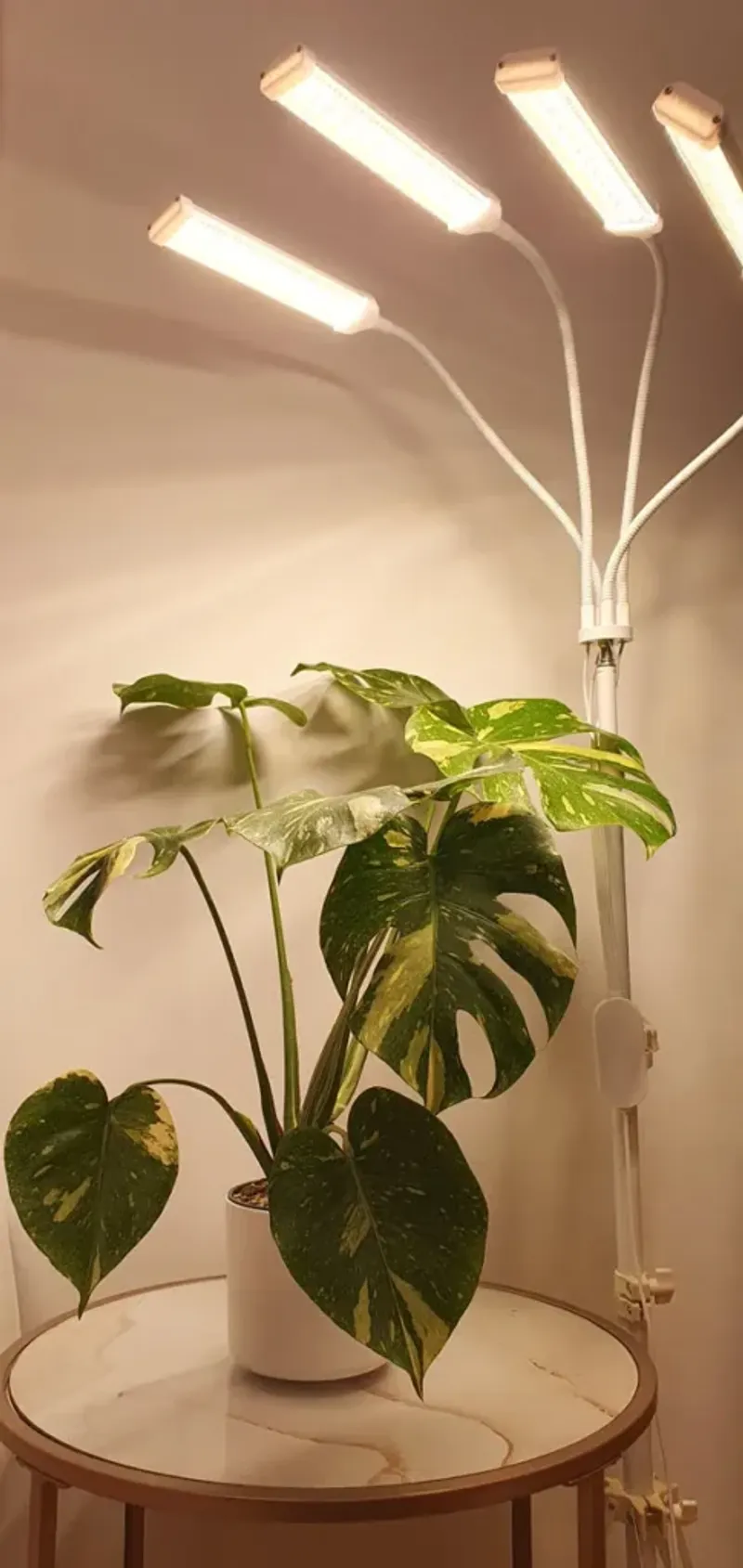
My favorite winter fix costs less than a fancy pot. A full-spectrum LED grow light can fill the gap that short Michigan days leave behind.
Place the light about 12 to 24 inches above the top leaves, depending on the brand’s guidance. Run it 10 to 12 hours a day, and a cheap outlet timer makes that easy. Plants like a steady routine, and you won’t have to remember to flip a switch.
Pick a light made for plants, not a regular desk lamp. Look for one labeled full spectrum, which looks close to white daylight and is easy on the eyes in a living room. Clip-on lights work for small plants, while bigger plants may need a hanging panel or a tall stand.
Results take time. Remember that leaf shape gets set early while the leaf is still forming. You may see one or two more solid leaves before a split one appears.
Also wipe the leaves with a damp cloth every few weeks. Dust from a running furnace settles on those big leaves and blocks light. Clean leaves plus extra light give your plant its best shot at a split leaf by late winter.
4. South And West Windows Make A Big Difference For Your Monstera
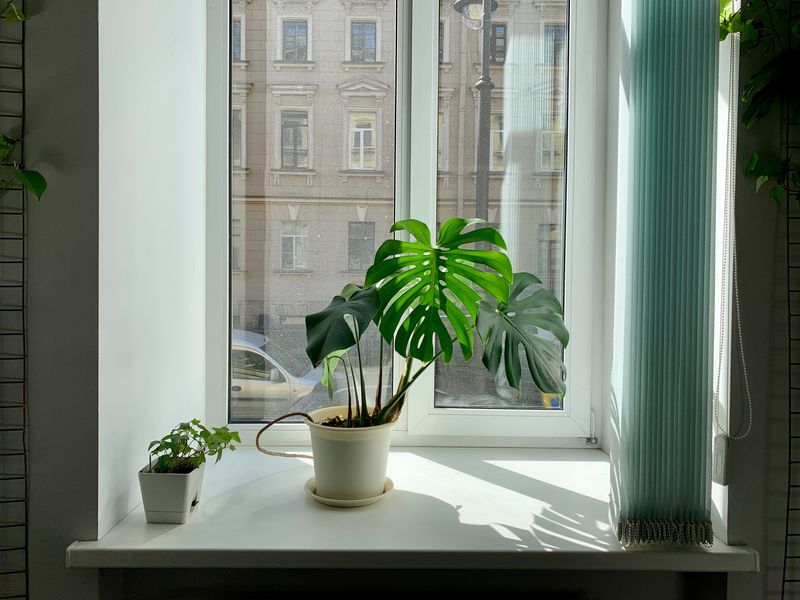
Moving your plant a few feet can feel too simple to matter. In winter, though, the right window can double the light your plant receives.
The sun sits low in the southern sky during Michigan winters. That makes a south-facing window the brightest spot in most homes from November to March. West windows come in second, while north windows stay dim all season.
Here’s a twist I love. The direct sun that might scorch a Monstera in July is much gentler in January. Many growers find their plants handle winter sun from a south window just fine, especially behind a sheer curtain.
Distance matters too. Light drops quickly as you move away from glass, so a plant six feet back gets far less than one two feet away. Scoot it closer, but keep leaves from touching cold panes.
Rotate the pot a quarter turn every week or two. Monsteras lean toward light, and turning helps every side get a fair share. Then move it back from the strong sun in spring when the days stretch out again.
5. Cool Drafty Rooms Slow Your Monstera Down To A Crawl
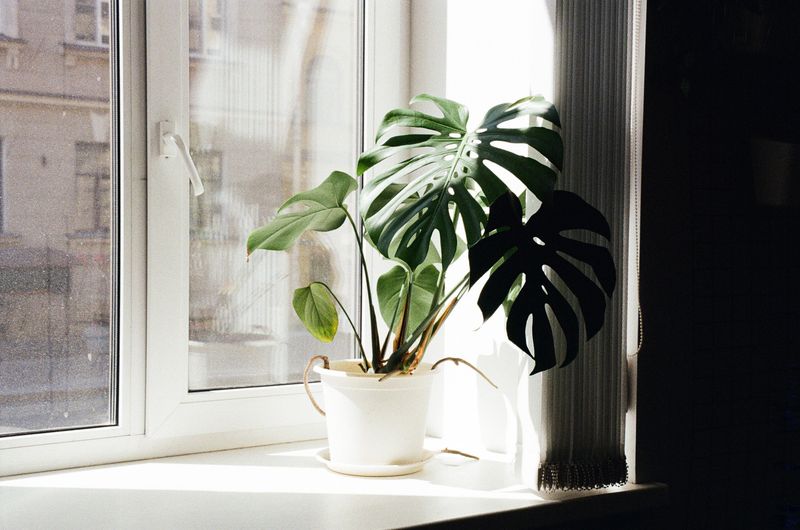
Monsteras come from warm forests in Mexico and Central America. They grow best in rooms around 65 to 80 degrees, and they sulk when it gets colder.
Many of us turn the thermostat down at night to save on heating bills. Add a single-pane window or a drafty front door, and the air near your plant can drop into the 50s. Growth slows way down at those temperatures.
A slow plant makes fewer new leaves. Some growers call this a winter rest, though Monstera does not truly go dormant like a maple tree. It just coasts until conditions improve.
Fewer leaves means fewer chances for splits. And leaves that form during a slow spell are often smaller and simpler.
Keep your plant away from exterior doors, cold glass, and heat vents that blast dry air. A cheap thermometer near the pot tells you what the plant really feels. If the spot runs chilly, move it to an inside wall that still gets good light.
A warmer, steadier spot keeps the growth engine running, even if it’s a little slower than in summer.
6. Dry Furnace Air Can Leave Monstera Leaves Struggling
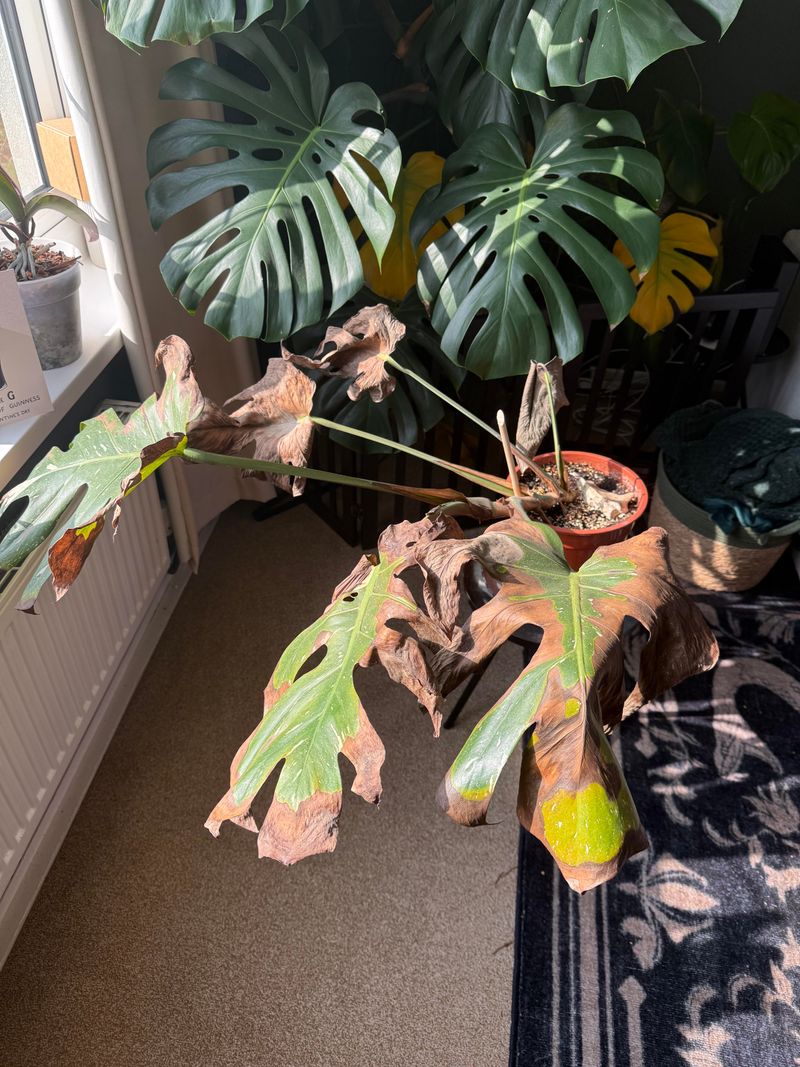
Ever notice your lips crack in January? Your Monstera feels that dry air too. Indoor humidity in Michigan homes often falls well below 40 percent once the furnace starts running.
Monsteras handle average household air better than many tropical plants, but very dry air adds stress. You may see crispy brown edges or leaves that struggle to unfurl.
Humidity is not the main reason leaves stay solid. Light plays a much bigger role. Still, a stressed plant has less energy for anything fancy, so humidity helps the whole picture.
A small cool-mist humidifier near your plant is the most reliable fix. Aim for about 50 percent, which also feels nicer for people. Clean the tank often so it doesn’t grow gunk.
Grouping plants together raises humidity a little around their leaves. Pebble trays help only slightly, so treat them as a bonus. Skip constant misting, which wets the leaves for a few minutes and does little else.
A basic hygrometer, often under ten dollars, shows real numbers instead of guesses. You’ll know exactly when the air gets too dry.
7. Easing Up On Water And Fertilizer Keeps Monstera Roots Happy
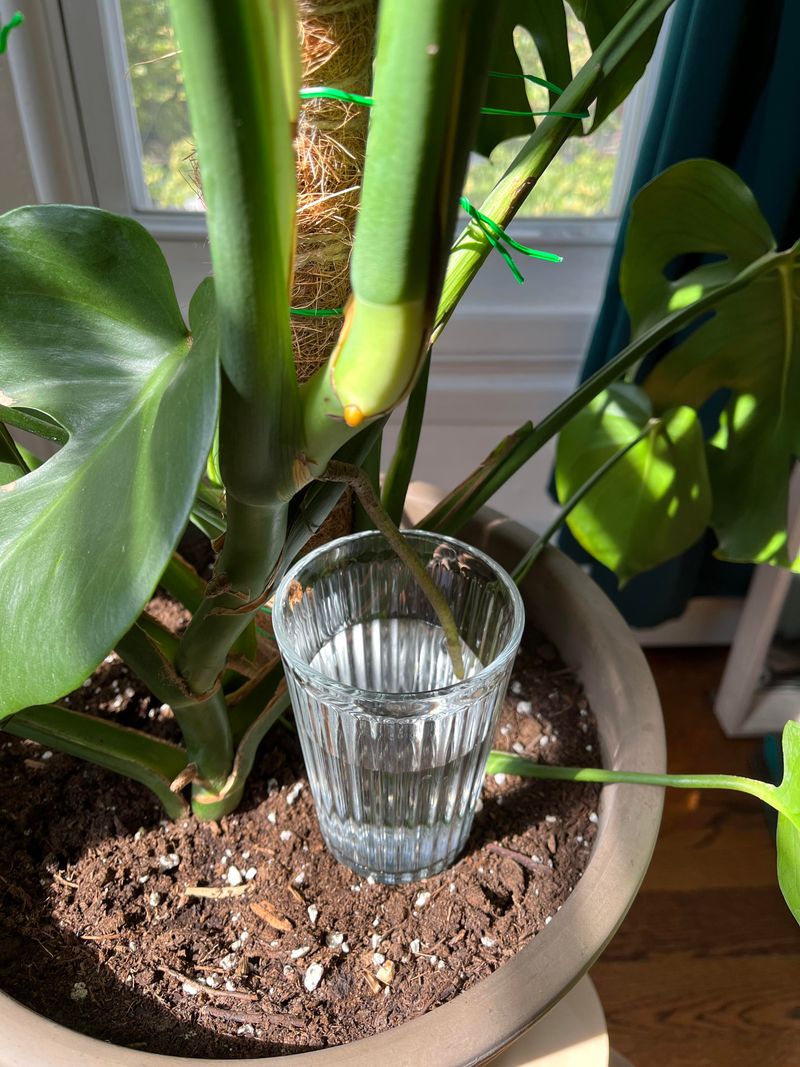
Winter is when kind plant owners cause the most trouble. We love our plants, so we keep watering like it’s July.
A slow-growing Monstera drinks much less in cold, dim months. Soggy soil can lead to root rot, and sick roots can’t feed new leaves. That makes split leaves even less likely.
Check the soil before you water. Push a finger in about two inches, and water only when the top part feels dry. For many homes, that means every two to three weeks instead of weekly.
Make sure the pot has drainage holes. Empty any water left in the saucer after about 15 minutes. A chunky mix with bark and perlite helps roots breathe.
Fertilizer needs a break too. Many experts suggest cutting back or pausing feeding in late fall and winter. Extra food can build up as salts when the plant isn’t using it.
If you added a grow light and your plant is pushing new leaves, a light, diluted feeding once a month is reasonable. Go back to regular feeding in spring when growth picks up.
8. A Sturdy Moss Pole Sets Up Bigger Split Leaves For Spring
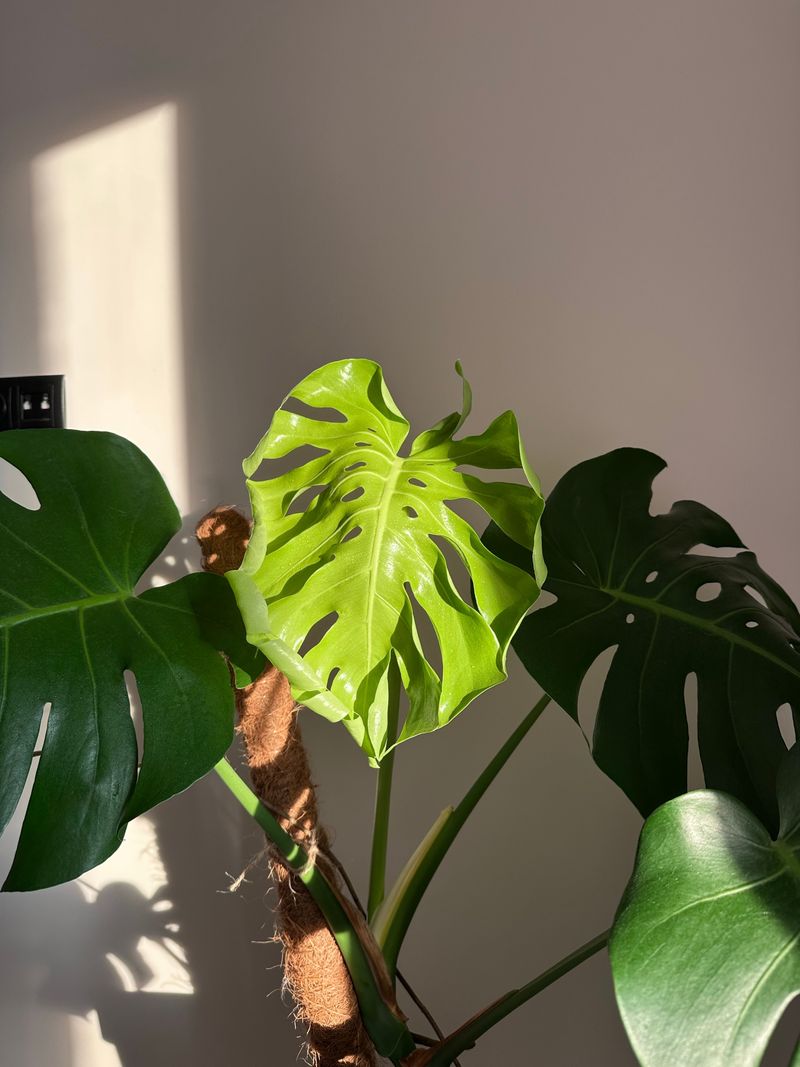
In the wild, Monstera is a climber. It scrambles up tree trunks toward brighter light, and its leaves get bigger and more split as it rises.
A moss pole or coir pole gives your plant something similar to climb. Tie the stem loosely to the pole and tuck the aerial roots against it. Many growers report larger, more mature leaves once a plant starts climbing.
Winter is a fine time to set this up, since you’re not asking for fast growth. Just avoid a big repot when the plant is slow, because roots recover better in spring. Adding a pole to the current pot is usually gentle enough.
Keep your expectations realistic. A solid leaf will stay solid, since its shape is set as it forms. Only new leaves can show splits.
Here’s my favorite takeaway for Michigan growers. A few solid winter leaves are normal, and they don’t mean your plant is failing. Give it good light, steady warmth, smart watering, and something to climb.
When March sunshine returns, those new leaves often come out wider, taller, and full of the holes you missed.