The One Thing You Must Do To Texas Roses Before The First Freeze
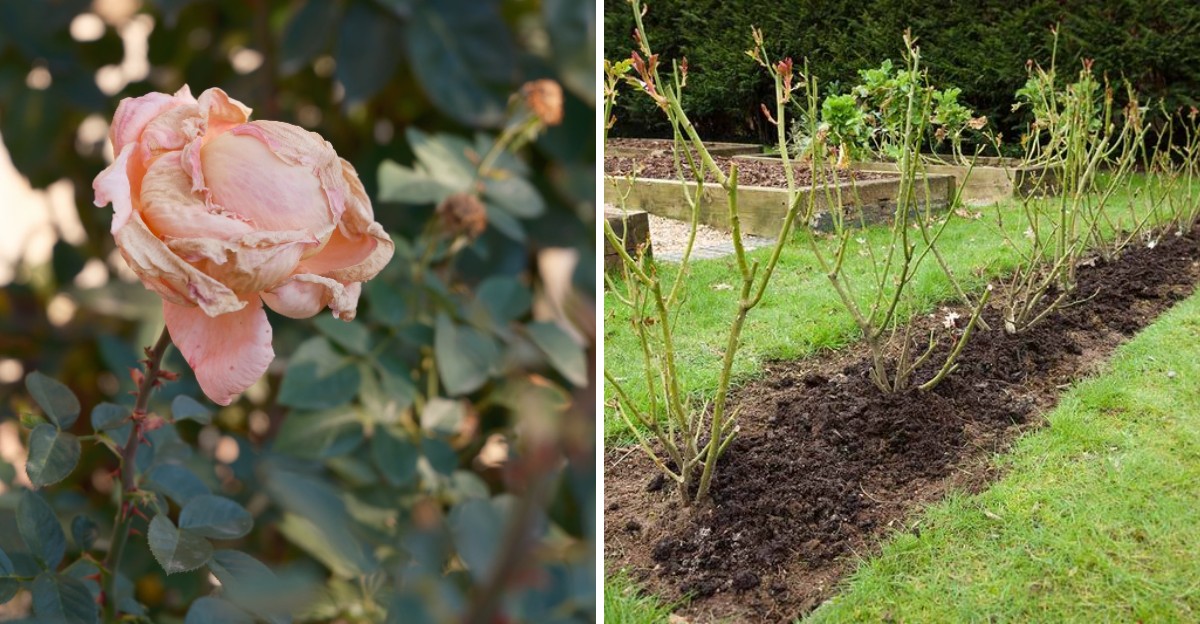
A rose bush can look perfectly healthy in January and still be in trouble, because the real damage often hides at ground level. The canes may shrug off a cold night while one small, knobby spot near the soil quietly takes the hit.
I find it fascinating that roses grown in Texas heat are often less prepared for a hard freeze than roses up north. Our long, mild falls keep them pushing soft new growth well into November.
You might be surprised by how little effort real protection takes. No fancy covers, no expensive gadgets, and no midnight scrambles with old bedsheets are required for the main job.
The way I see it, one simple habit separates gardeners who see strong spring flushes from those staring at bare stubs in March. So what is that one smart move, and when should you make it?
1. That Knobby Spot at the Base of Your Rose Bush Matters Most
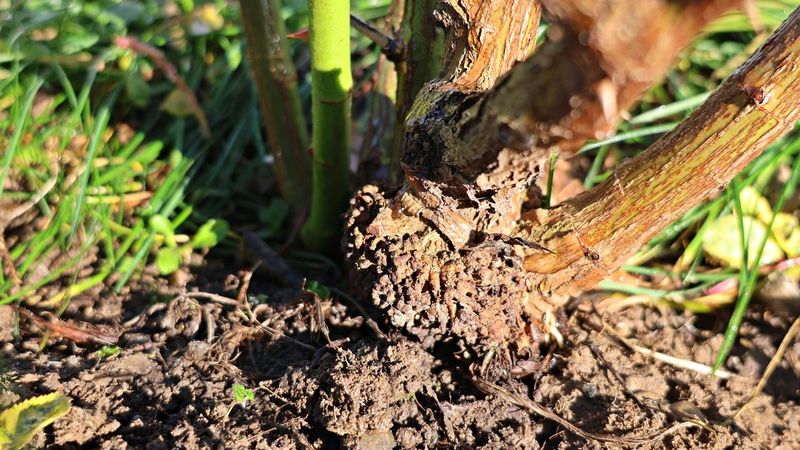
Look down at the bottom of a grafted rose and you will often spot a swollen knob where the canes meet the roots. That bump is the graft union, the spot where a fancy rose variety was joined to tougher rootstock.
Gardeners love to fuss over blooms and canes, but the base is the part that carries your rose into next year. If cold injures the graft union and crown, the top variety can struggle or fail, and sometimes only the rootstock sprouts back.
That rootstock often grows into something you never planned on, like the vigorous Dr. Huey rose with small red blooms. Plenty of puzzled gardeners discover this switch in spring and wonder what happened to their prized hybrid tea.
Own-root roses, which many Texas growers favor, still have a crown that matters. New canes rise from that crown, so keeping it healthy means fresh growth when the weather warms.
Canes can be pruned back and regrown. A damaged crown is much harder to fix.
So when the forecast turns chilly, the smartest place to focus your attention is right at soil level. Everything else on the plant comes second.
2. A Thick Mound of Mulch Around the Rose Crown Is Your Best Move
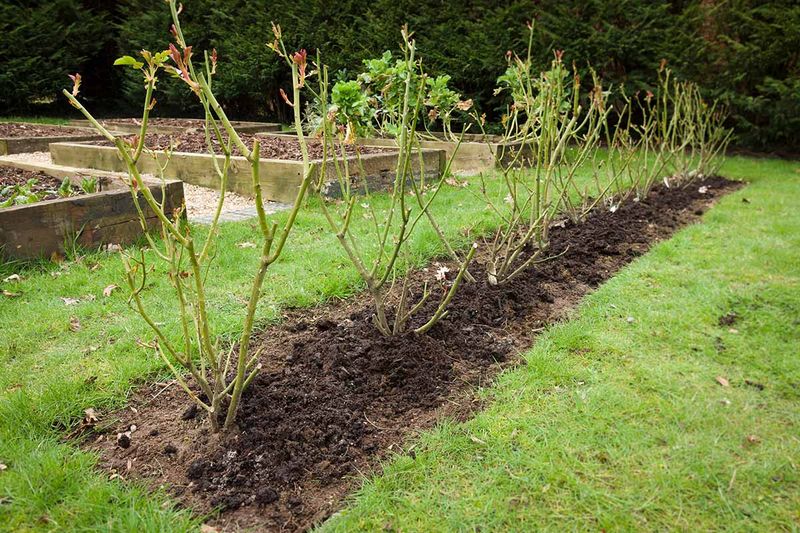
Mulch is the hero here, plain and simple. A loose mound of insulating material piled around the base protects the crown and graft union from hard freezes and wild temperature swings.
Most rose experts suggest a mound about 6 to 12 inches high. Good choices include compost, shredded leaves, pine straw, or loose garden soil brought in from another bed.
Avoid scraping soil from right around the rose to build the pile. Digging there can expose roots, which defeats the whole purpose.
Timing helps too. In colder parts of the state, many growers wait until after a few light frosts so the plant has started slowing down on its own.
In South and Central regions, where freezes come and go quickly, a mound added just ahead of a forecast hard freeze works well. Keep a bag of mulch handy in late fall so you can act fast.
The mound works like a puffy jacket. Soil and organic matter hold warmth and buffer the crown from sharp overnight drops.
Before mulching, rake away fallen and spotted leaves. Black spot spores love to overwinter in that debris and splash back up in spring.
3. Watering Rose Beds Before a Cold Snap Gives Roots Extra Warmth
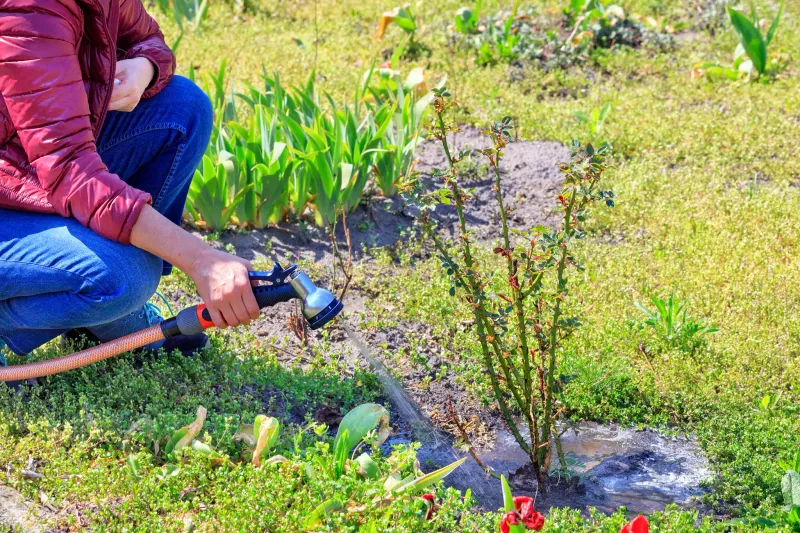
Here’s a trick that feels backward at first. Watering your roses a day or so before a freeze can help them handle the cold better.
Moist soil stores and releases heat more effectively than dry soil. Overnight, that stored warmth slowly rises and helps protect roots and the lower crown.
Dry plants also suffer more from cold stress. Freezing air pulls moisture from tissues, and a thirsty rose has less to spare.
Texas falls are often dry, so this step matters more than many folks realize. A deep, slow soak that reaches several inches down works far better than a quick sprinkle.
Water in the morning or early afternoon if you can. That gives leaves time to dry before temperatures fall, which lowers disease risk.
Skip watering if your soil is already soggy from recent rain. Waterlogged ground can lead to root problems, especially in heavy clay common across much of the state.
Once you water, add your mulch mound on top. The moisture and insulation team up nicely, giving the crown a cozy pocket of protection when the thermometer dips.
4. Letting Rose Hips Form Tells Your Bushes to Slow Down
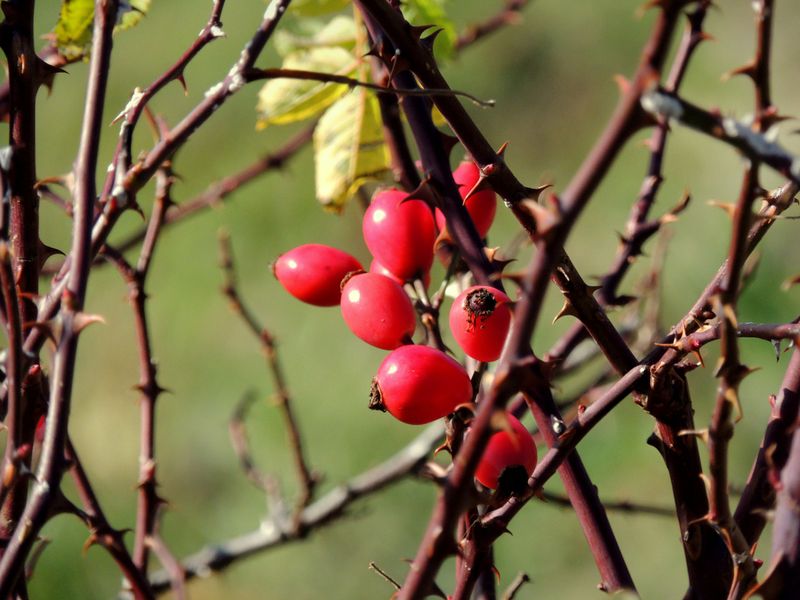
Ever noticed those little round fruits forming where old blooms used to be? Those are rose hips, and they carry a handy message for your plant.
When hips develop, hormones signal the rose that its growing season is wrapping up. The plant shifts energy away from tender new shoots and toward hardening off.
That is why many rose growers stop deadheading about four weeks before their usual first hard frost. Let the spent flowers stay put and allow nature to take over.
It feels a little strange at first if you love a tidy garden. Still, those hips add a bonus splash of orange or red color to fall beds.
Some birds enjoy nibbling the hips during winter too. Mockingbirds and cardinals may stop by for a snack.
Timing varies across the state. Gardeners in the Panhandle may see a first freeze in late October, while Houston and the Valley might wait until December or skip a hard freeze some years.
Check your local average first frost date through Texas A&M AgriLife Extension. Then count back a month and put those pruners away.
5. Skip the Fertilizer Bag Once Fall Rose Blooms Fade
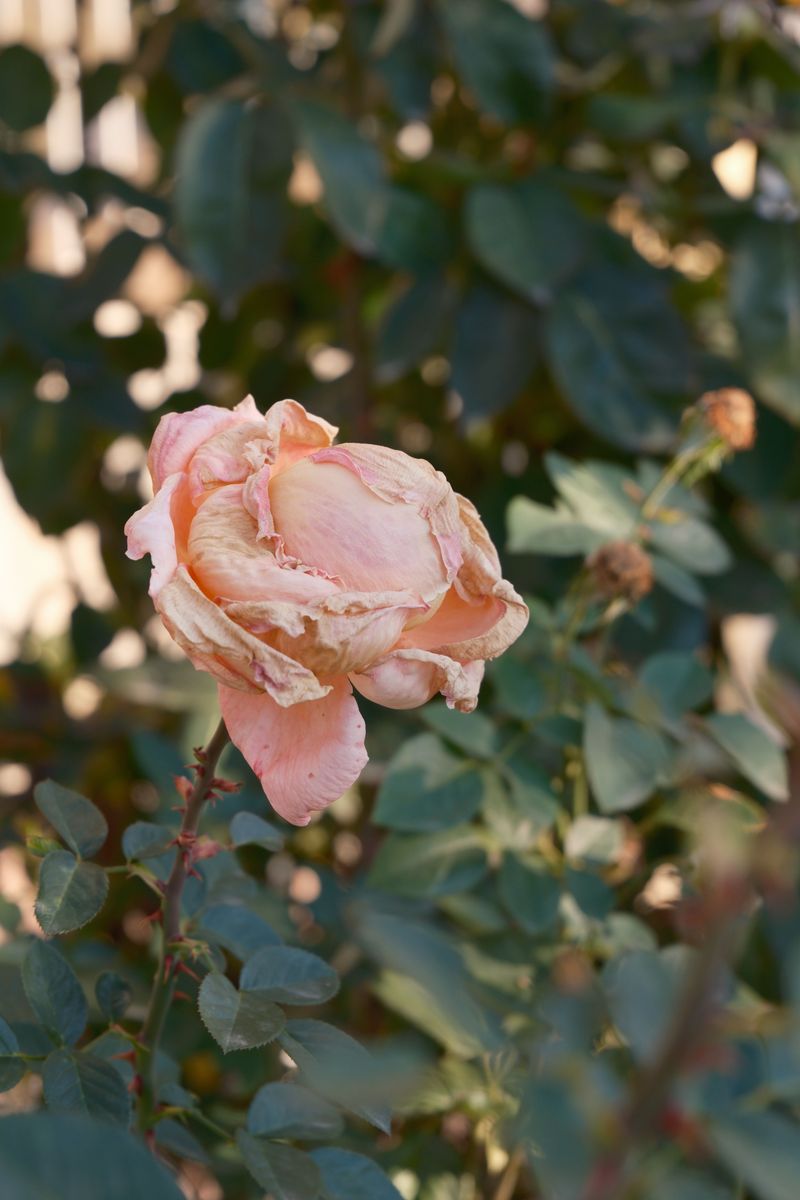
Feeding roses feels like kindness, but late fertilizer can backfire. Nitrogen pushes fresh, soft shoots, and those tender stems freeze easily.
Most rose experts recommend stopping nitrogen-rich feeding about six to eight weeks before your expected first freeze. That gives the plant time to toughen up the growth it already has.
In much of Texas, the last fall feeding often happens around early to mid September. Gardeners in the far south may push that a little later.
Soft growth caught by a freeze turns black and mushy. You then have to prune it out, and the plant has wasted energy making it.
Slow-release products can keep feeding longer than you expect. Read the label to see how many weeks they last.
Compost is a different story. A layer of compost used as mulch adds gentle organic matter without forcing a big flush of new shoots.
Think of fall as nap time for your roses. You would not hand a toddler a candy bar right before bed, and the same logic works for a rose heading toward dormancy.
6. Container Roses on the Patio Feel the Cold First
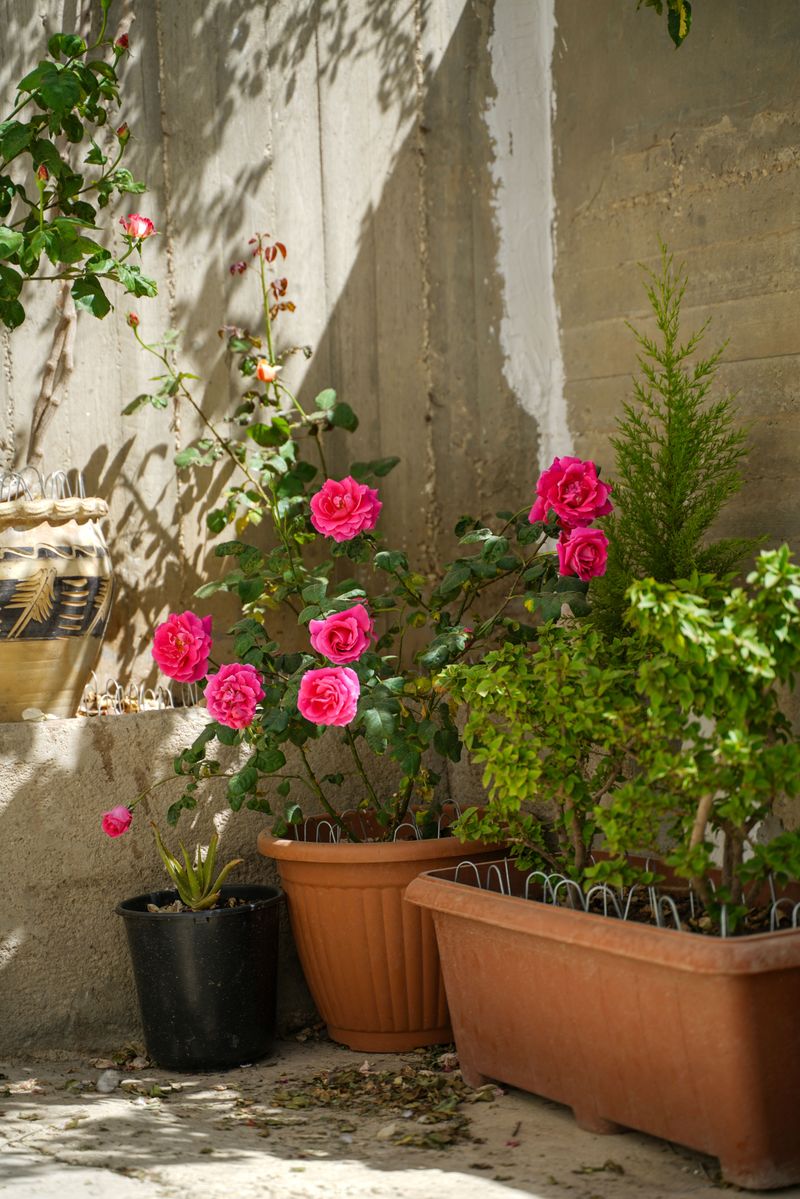
Roots in a pot have very little protection. Air chills the container from every side, so the soil inside can freeze much faster than ground soil.
That makes potted roses the most vulnerable plants in your collection when a hard freeze heads your way. Luckily, they are also the easiest to move.
Roll or carry containers into an unheated garage, shed, or covered porch before the cold arrives. A spot out of the wind makes a real difference.
Bringing them into a heated house is usually not ideal. Warm indoor air can confuse dormancy and invite spider mites.
If moving the pot is not possible, group containers together against a south-facing wall. Wrap the pots in burlap, bubble wrap, or old blankets, and pile mulch on top of the soil.
Setting pots directly on soil or grass can help too. The ground radiates a little warmth upward, while concrete tends to stay cold.
Check soil moisture every week or two during winter storage. Give a light drink if the mix feels dry, then move containers back outside once the freeze passes.
7. Roses in the Panhandle and the Gulf Coast Need Different Winter Plans
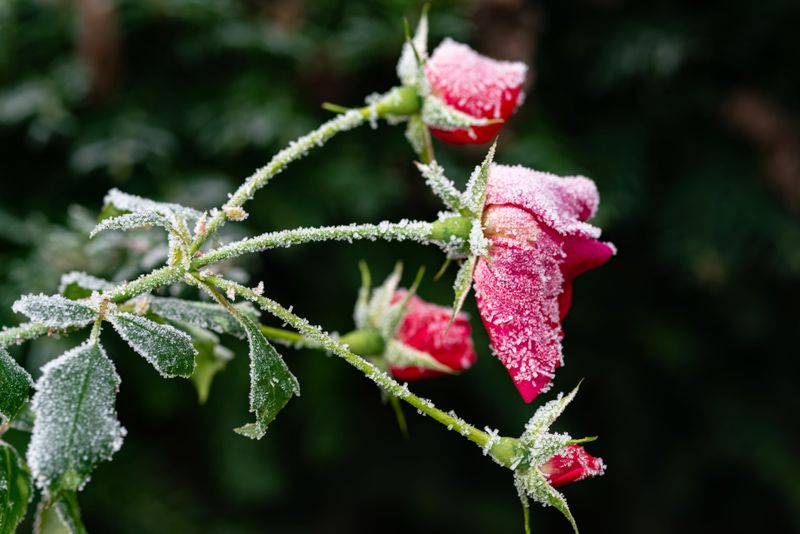
Texas stretches across USDA zones 6 through 10, so one winter plan cannot fit everyone. A rose in Amarillo faces a very different season than one in Corpus Christi.
In the Panhandle, single-digit nights show up regularly, and hard freezes are common across North Texas. Thick mulch mounds, deep watering, and wrapping tall tree roses with burlap make sense there.
Central Texas sits in the middle. Freezes are common but usually brief, so a moderate mound around the crown works for most bushes.
Along the Gulf Coast and in the Rio Grande Valley, many winters pass with only light frost. Even so, rare events like the February 2021 winter storm proved that deep cold can reach far south.
Old garden roses and Earth-Kind varieties tested by Texas A&M often handle cold better than delicate hybrid teas. Grafted modern roses usually deserve extra care.
Watch your local forecast instead of the calendar alone. A sudden drop into the low 20s or teens is your cue to grab the mulch and hose.
Matching your effort to your region saves time while still protecting what matters.
8. Pull Back That Rose Mulch Mound When Spring Pruning Time Arrives
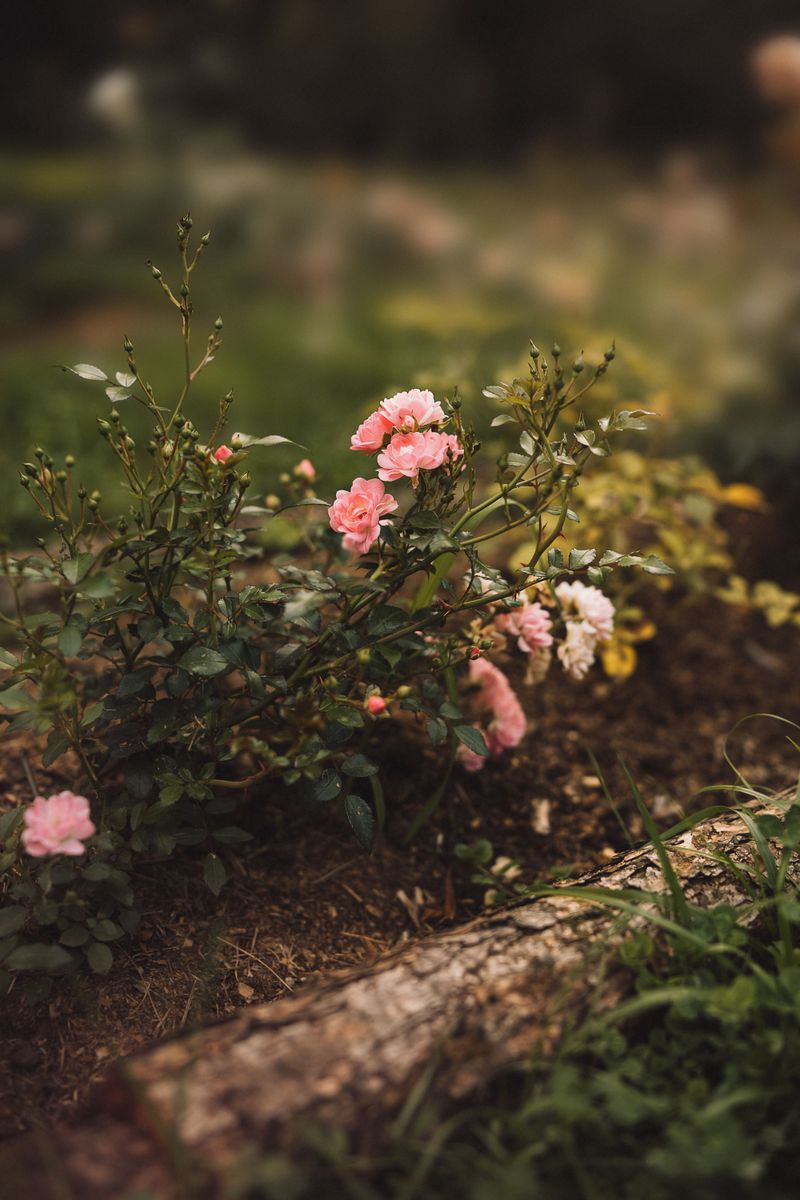
Late winter brings the payoff. Once the danger of hard freezes passes, gently spread the mulch mound away from the crown.
Many Texas rose growers pair this with spring pruning. The traditional rule of thumb is around Valentine’s Day in Central and South Texas, and a bit later in northern areas.
Use a light touch with your rake or hands. New red shoots may already be forming near the base, and they snap easily.
Leave a thinner layer of mulch, about 2 to 3 inches, spread across the bed. That keeps moisture in and weeds down through the hot months ahead.
Keep mulch a few inches away from the canes during the growing season. Packed material against stems can hold too much moisture.
Look over each bush for any winter injury. Brown or shriveled canes can be cut back to healthy green wood with a white center.
Spring often rewards this simple routine with a strong first flush. A few bags of mulch and a little timing turned into a garden full of buds, and that feels like a pretty great trade.