The Only Crape Myrtle Varieties Worth Growing In North Carolina
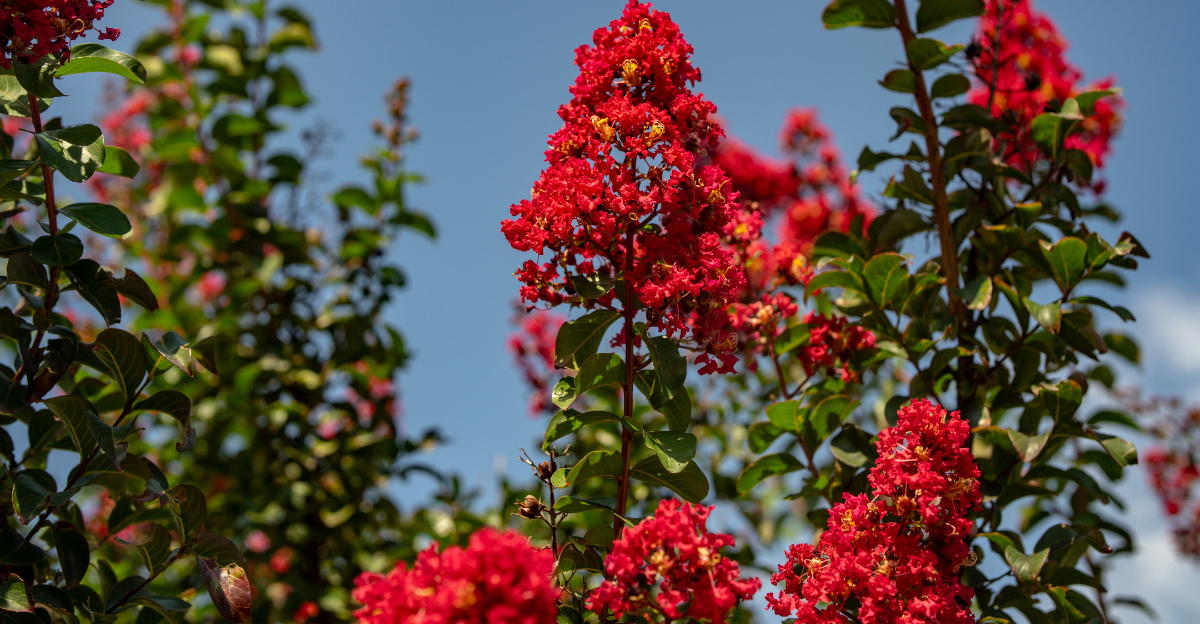
Crape myrtles are everywhere in North Carolina, lining driveways, filling front yards, and anchoring commercial landscapes from the coast to the Piedmont. That familiarity makes it easy to assume any variety will do fine here.
It will not. North Carolina’s climate ranges from humid coastal conditions to colder mountain winters, and variety selection matters more than most people buying crape myrtles ever stop to consider.
Some varieties bloom weakly, struggle with powdery mildew through summer, or top out at a size that fights the space it was planted in.
Others are genuinely outstanding, producing heavy bloom cycles, strong branch structure, and the kind of reliable performance that makes them worth every inch of garden space.
These are the varieties that hold up across our range of conditions and consistently deliver what crape myrtles are supposed to be known for.
1. Natchez Is The Classic White Crape Myrtle For North Carolina Heat
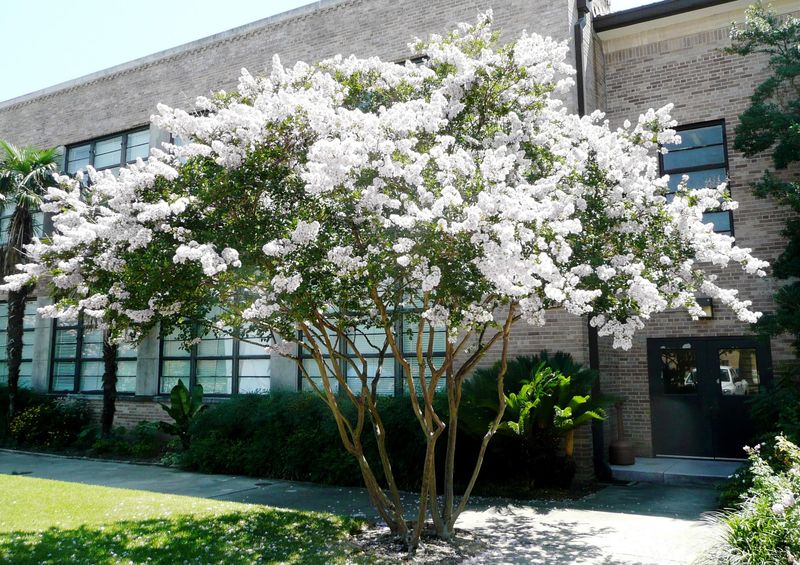
White flowers and cinnamon bark together make Natchez one of the most recognizable crape myrtles in the South. This variety was developed through the USDA breeding program and has earned its spot as a favorite across North Carolina for good reason.
Hot, humid summers in the Piedmont and coastal plain are exactly the conditions where Natchez thrives.
At maturity, Natchez can reach 20 to 30 feet tall, so give it room to grow. Plant it where it gets at least six hours of direct sun daily, since full sun keeps the blooms coming from late June through August.
Good airflow around the canopy matters too, because it naturally reduces powdery mildew, which is a common issue in our muggy summers.
Watering deeply once or twice a week during the first growing season helps it get established. After that, it handles drought reasonably well.
Skip the heavy topping cuts that some people do every spring. That practice, often called crape murder, weakens the natural form and creates knobby regrowth.
Light shaping after winter works better and keeps the tree looking elegant year-round. The peeling bark adds visual interest even when the tree is not in bloom, making Natchez a true four-season plant for North Carolina landscapes.
2. Muskogee Gives Gardens Soft Lavender Blooms For Weeks
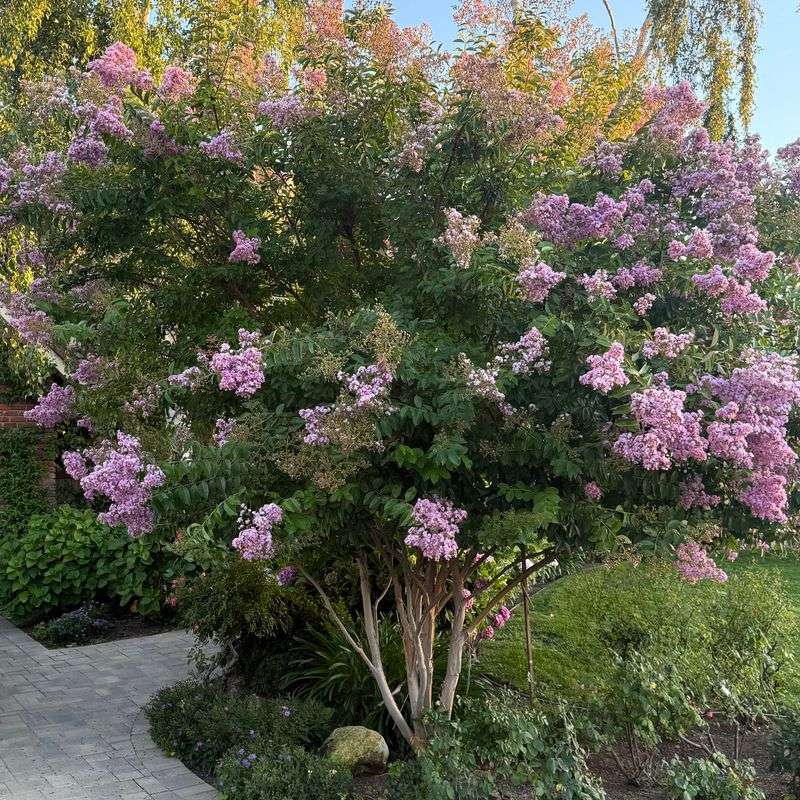
If you want a crape myrtle that blooms for a long stretch of summer, Muskogee is a variety that delivers without much fuss. The soft lavender flowers open in early summer and keep going well into August, giving your yard weeks of consistent color.
Gardeners across North Carolina’s Piedmont and coastal plain have relied on this variety for decades because it handles heat and humidity without skipping a beat.
Muskogee grows into a large multi-stemmed tree, typically reaching 20 to 25 feet tall at maturity. That size makes it a strong choice for open yards, street edges, or anywhere you want a bold flowering focal point.
Its bark peels attractively as the tree matures, adding texture and visual interest between bloom cycles. Plant it in full sun with enough space so air moves freely around the canopy.
Your North Carolina Garden Changes Every Week. Your Plan Should Too.
Gardening in North Carolina changes quickly throughout the season. Every Friday you’ll receive a simple weekly plan showing exactly what to plant, prune, fertilize, harvest, and protect so you never miss the right timing.
During the first season, water it consistently to help roots settle in. Once established, it handles dry spells well.
Gardeners in the mountains should keep in mind that Muskogee is rated for USDA zone 7, so colder mountain winters may push its limits. In warmer parts of the state, it performs reliably year after year.
Prune lightly in late winter to remove crossing branches and maintain its natural graceful shape without cutting back hard.
3. Tuscarora Handles Summers With Bold Coral Pink Flowers
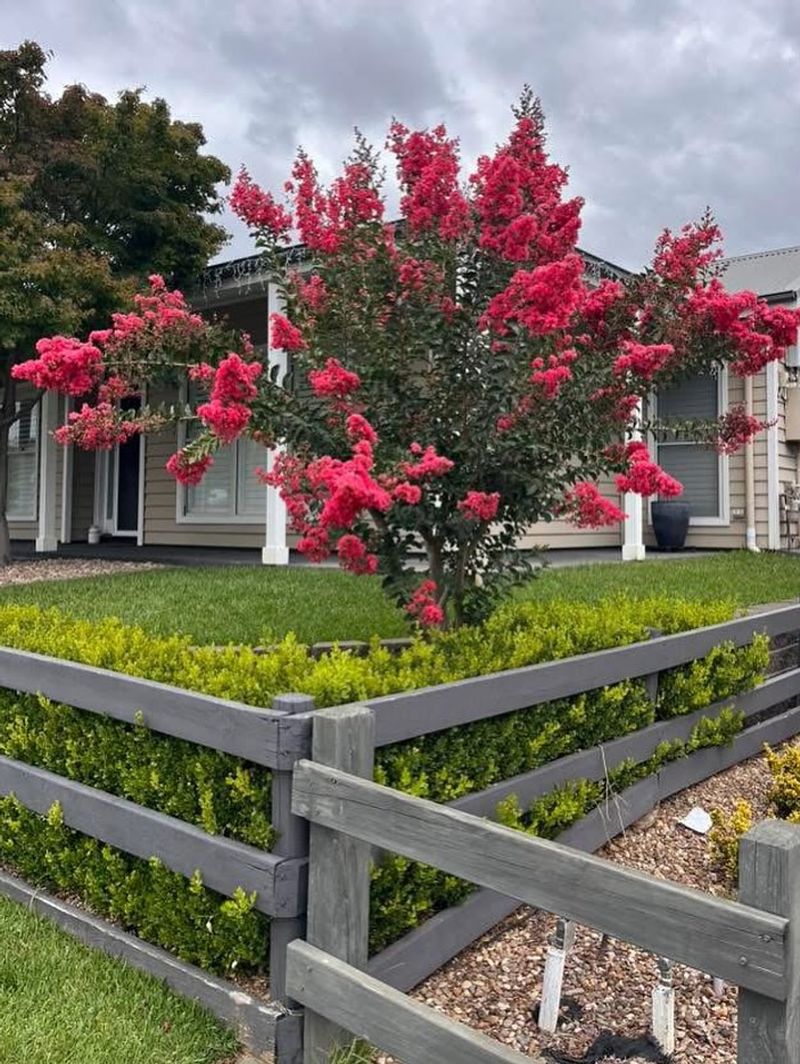
Coral pink is not a color you see often in summer-flowering trees, and that is exactly what makes Tuscarora stand out in any yard.
The blooms are bold, warm-toned, and eye-catching from a distance, showing up best when the tree is planted where afternoon sun hits it directly.
Hot and humid weather does not slow Tuscarora down one bit, which makes it a natural fit for the long summer here.
This variety grows into a medium to large tree, reaching around 15 to 20 feet tall with a similar spread. Because of that size, spacing matters.
Give each tree at least 10 to 15 feet of clearance from structures, fences, and other plants. Crowding in humid climates can reduce airflow and invite mildew problems, so a bit of planning upfront pays off.
Well-drained soil is important too, since crape myrtles do not like sitting in soggy ground.
Water Tuscarora deeply during its first growing season to encourage strong root development. After establishment, it manages dry summers with minimal extra watering.
Pruning is best done in late winter before new growth starts. Remove any branches that cross or rub, and clean up the base if you prefer a tree form.
The coral pink blooms start in early summer and often continue into September, giving gardens a long season of warm, vibrant color.
4. Tonto Is A Smaller Crape Myrtle That Fits Most Yards
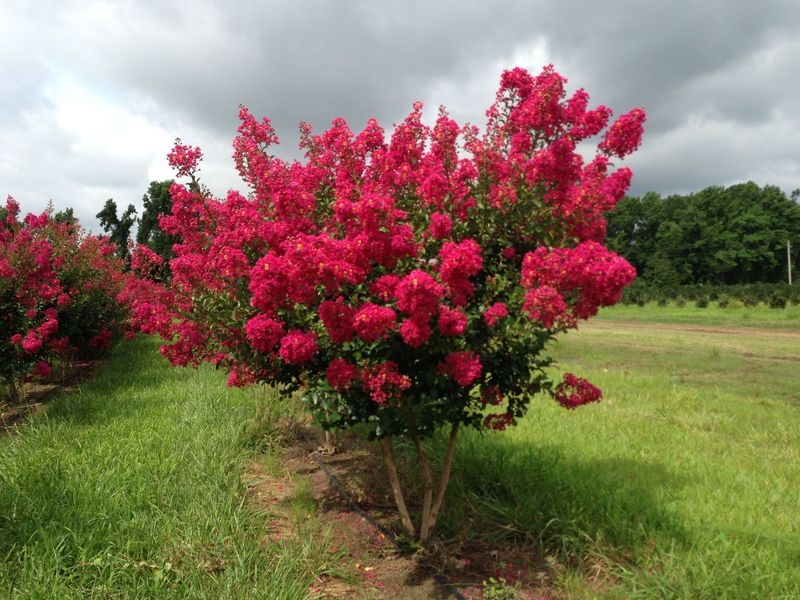
Not every yard has room for a 25-foot tree, and that is where Tonto earns its place. This compact crape myrtle tops out around 8 to 10 feet tall, making it a smart pick for foundation beds, patio edges, and smaller suburban lots across North Carolina.
The deep pink to fuchsia-red blooms are striking, and the size stays manageable without constant heavy pruning.
Tonto has solid mildew resistance, which is a real advantage in humid summers. Powdery mildew can be a persistent problem for some crape myrtle varieties, but Tonto holds up better than most compact options.
Full sun is still a must, so pick a spot that gets at least six hours of direct light each day. Good drainage helps too, since standing water around the roots causes stress and limits blooming.
Planting in spring gives Tonto the whole growing season to get established before winter. Water it regularly during the first few months, then back off once you see strong new growth.
Mulching around the base helps hold soil moisture and keeps roots cooler during peak summer heat. Pruning in late winter keeps the shape tidy without triggering excessive regrowth.
Tonto also works well in large containers on patios or decks, which is a bonus for gardeners who want flexible placement. Its size, color, and resilience make it one of the most practical crape myrtles available for home gardens.
5. Sioux Brings Reliable Pink Blooms To Sunny Landscapes
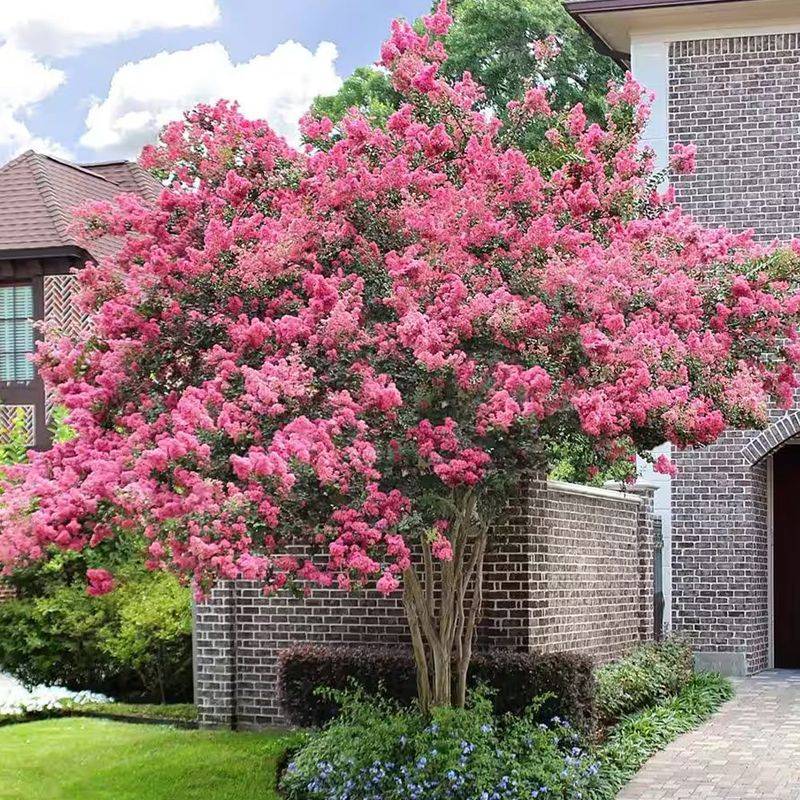
Some crape myrtles impress you with sheer size or unusual color, but Sioux wins you over with pure reliability. Season after season, it delivers a steady show of warm pink blooms that brighten up full-sun spots across North Carolina.
The flowers are a medium pink with good intensity, and they appear from midsummer well into late summer without much encouragement from the gardener.
Sioux grows to about 10 to 15 feet tall with an upright, vase-shaped habit that works well in tighter spaces or as a small tree along a fence line.
The bark peels into attractive patches of gray, tan, and cinnamon as the tree matures, adding a layer of visual interest during the months when it is not flowering.
Plant it in full sun where air can circulate freely, especially in the more humid eastern and central parts of North Carolina.
Watering once or twice a week during the first growing season helps Sioux build a strong root system. After that, it handles dry stretches without much help.
Avoid heavy pruning cuts in spring. Light shaping in late winter removes any winter-damaged tips and keeps the canopy open and attractive.
Sioux is cold hardy enough to perform well throughout most of North Carolina, including parts of the Piedmont that see occasional hard winters. If you want a mid-sized pink crape myrtle that just works year after year, Sioux is a dependable and rewarding choice.
6. Acoma Works Well Where Gardeners Need A Lower Grower
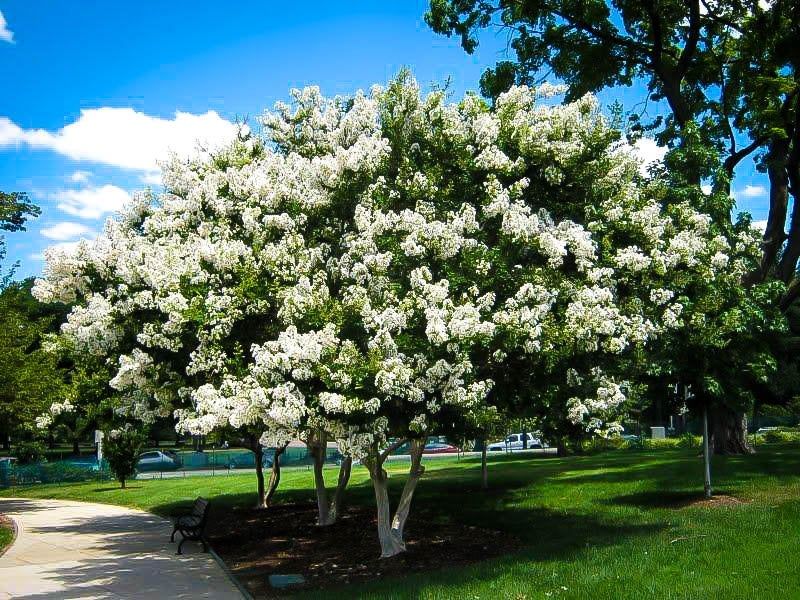
Most crape myrtles grow tall, but Acoma takes a different path. This semi-dwarf variety stays in the range of 6 to 10 feet tall with a graceful, slightly weeping branch habit that sets it apart from the upright forms.
The white flowers are clean and bright, opening in summer and continuing for several weeks. For gardeners working with smaller lots, narrow beds, or low-clearance areas near utilities, Acoma is a practical and attractive solution.
Full sun is non-negotiable for good blooming. Acoma planted in shade will stretch, bloom poorly, and become more vulnerable to mildew.
In humid parts of North Carolina, spacing is especially important. Allow at least 6 to 8 feet between plants so air flows freely through the canopy.
Good drainage also keeps the root zone healthy, since crape myrtles in general do not like wet feet for extended periods.
Establishment watering during the first season makes a real difference. Deep, infrequent watering encourages roots to grow down rather than staying shallow.
Mulch around the base helps maintain moisture and moderate soil temperature during summer heat. Pruning should be light and done in late winter.
The natural arching form is part of what makes Acoma appealing, so avoid cutting it back hard. Let it express its shape, and it will reward you with tidy, attractive growth and reliable white blooms each summer across North Carolina gardens.
7. Catawba Gives Gardens Rich Purple Summer Color
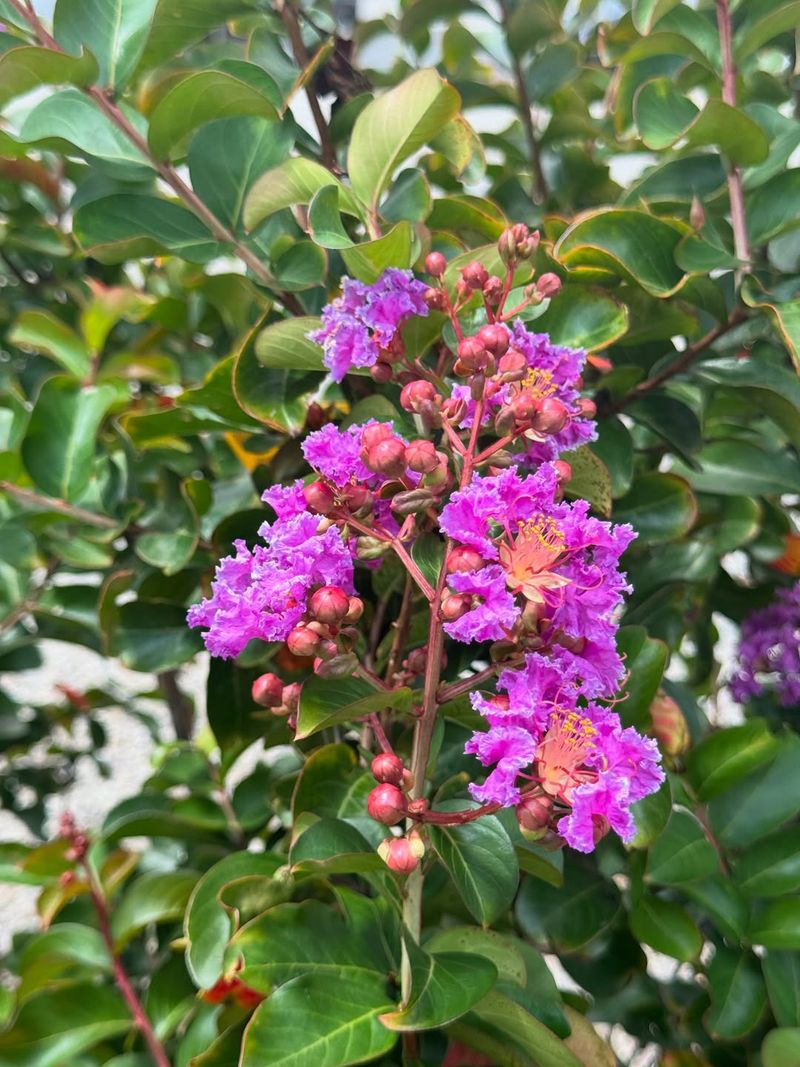
Purple-flowering crape myrtles are not as common as pink or red ones, and that rarity is exactly why Catawba turns heads. The blooms are a deep, rich violet-purple that looks striking against green summer foliage.
For gardeners who want something a little different from the usual palette, Catawba is a rewarding choice that earns compliments all season long.
Catawba is a medium-sized variety, typically growing 8 to 12 feet tall. That makes it versatile enough for foundation planting, mixed shrub borders, or use as a small specimen tree.
Like all crape myrtles, it needs full sun to perform well. At least six hours of direct sunlight daily keeps the blooms coming from midsummer through late August.
In shadier spots, the flowering drops off and the plant becomes more susceptible to powdery mildew.
Airflow is especially worth thinking about in our humid summer climate. Spacing plants well and avoiding dense plantings nearby helps prevent mildew from taking hold.
Water Catawba consistently during the first growing season, then reduce watering once it is established. Prune lightly in late winter, removing any weak or crowded branches to keep the canopy open.
Catawba is cold hardy across most of North Carolina, including the Piedmont, making it a dependable performer. The deep purple color combined with its manageable size gives this variety a well-earned spot in summer gardens across the state.
8. Hopi Is A Good Choice For Smaller Sunny Beds
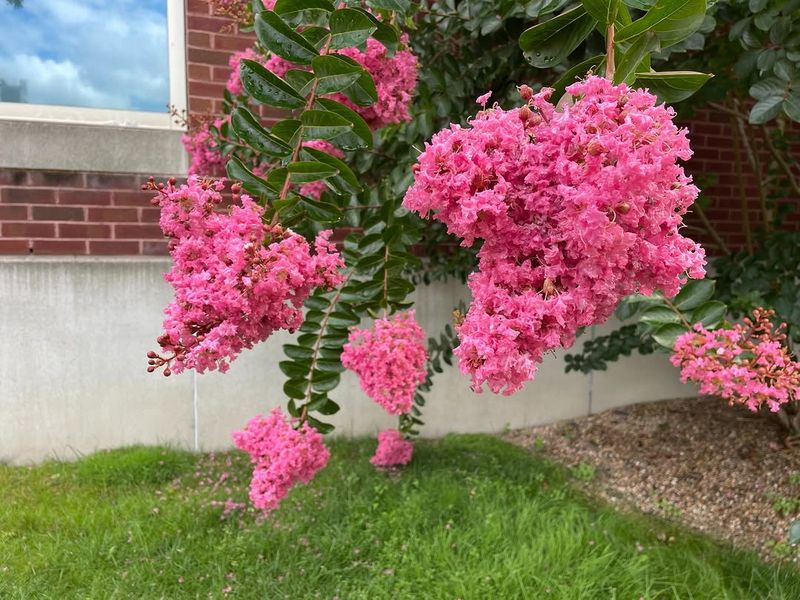
Gardeners who love crape myrtles but do not have space for a large tree often discover Hopi and wonder why they did not plant it sooner.
This smaller variety stays around 5 to 9 feet tall, making it a natural fit for sunny foundation beds, borders, and landscape areas where a full-sized tree would simply be too much.
The blooms are a clear, medium pink that holds its color well through the heat of a North Carolina summer.
Hopi is part of the USDA National Arboretum breeding program, which means it was specifically developed for performance and mildew resistance.
That resistance is a genuine advantage in the humid conditions that North Carolina gardeners deal with from June through September.
Full sun placement is still essential. A spot that gets six or more hours of direct sun keeps the plant vigorous and the flowers coming steadily from midsummer through early fall.
During the first growing season, water Hopi once or twice a week to help roots develop. After that first year, it handles summer heat with minimal extra care.
Apply a layer of mulch around the base to conserve moisture and protect roots during hot spells. Pruning in late winter removes any winter-damaged growth and keeps the shrub tidy.
Avoid cutting it back to stubs, since Hopi’s natural compact form is one of its best features. For smaller sunny beds in North Carolina, it is a reliable and colorful summer performer worth planting.
9. Dynamite Gives Gardens Bright Red Color In Full Sun
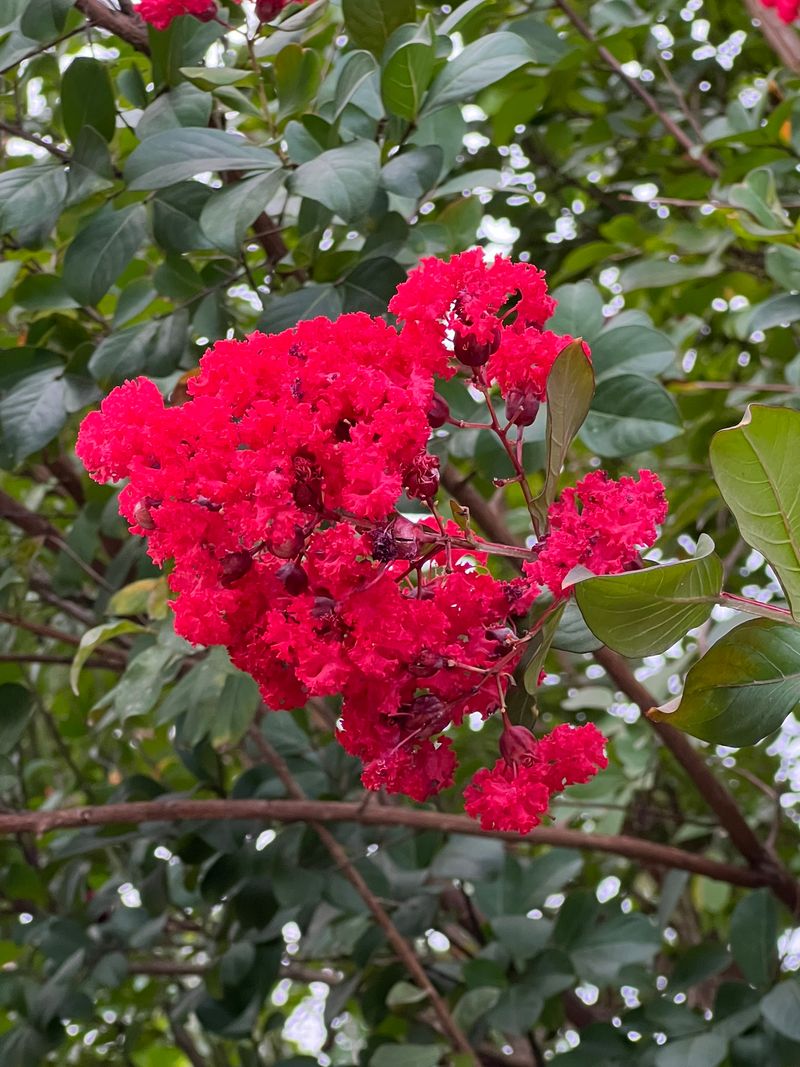
Red crape myrtles are in a category of their own, and Dynamite is widely considered one of the best true-red varieties available. The blooms are a clear, intense red without any pink or orange undertone, which is rarer than you might think in the world of crape myrtles.
Strong sun is what brings out that color to its fullest, so placement in a fully exposed spot is the most important decision you will make with this variety.
Dynamite grows into a medium to large tree, typically reaching 15 to 20 feet tall. It works well as a focal point in open yards, along driveways, or at the back of a mixed landscape bed where its height becomes an asset.
In our hot summers, the blooms appear from late June and continue through August. The flower display is bold enough to be visible from the street, which makes Dynamite a popular choice for curb appeal.
Airflow matters with this variety, especially during humid stretches. Avoid planting it too close to fences, walls, or dense shrubs that block air movement.
Water deeply during establishment, then ease back once the root system is settled. Pruning in late winter keeps the canopy shape clean.
Remove crossing branches and any stems growing inward to encourage good air circulation.
Dynamite is cold hardy across most of North Carolina and rewards gardeners who give it full sun and room to grow with one of the most vivid summer flower shows available.
10. Red Rocket Is Worth Growing Where Gardeners Want A Bold Statement
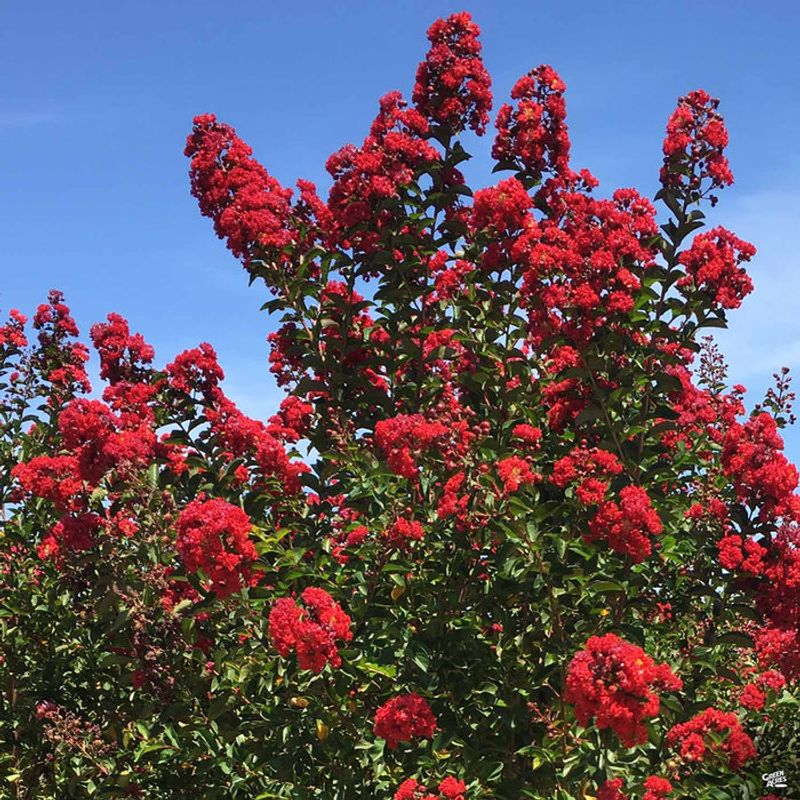
Among red-flowering crape myrtles, Red Rocket stands out for its upright growth and impressive height. This variety can reach 20 feet or more at maturity, making it one of the tallest red crape myrtles commonly grown in North Carolina.
The flower clusters are large and a vivid cherry red, opening in early summer and putting on a show that runs well into August. For gardeners who want maximum visual impact, Red Rocket delivers without hesitation.
The upright form makes Red Rocket especially useful in spots where vertical interest matters, such as along property lines, at the end of a driveway, or framing an entrance. It grows relatively fast for a flowering tree, so it fills in nicely within a few seasons of planting.
Full sun is essential for strong blooming and to keep the plant vigorous. In shadier conditions, flowering becomes sparse and the plant loses much of its appeal.
Plant Red Rocket in well-drained soil and water it consistently during the first growing season. Deep watering encourages a strong root system that will support the tree through dry summers.
Mulch around the base helps retain soil moisture and moderate temperature swings. Prune lightly in late winter, focusing on removing any withered or crossing branches rather than cutting the whole tree back hard.
Red Rocket performs well across most of North Carolina, from the coast to the Piedmont, and it gives any sunny landscape a striking seasonal focal point worth admiring.