The Simple Ways To Clear Weeds From Your New York Gravel And Stop New Growth
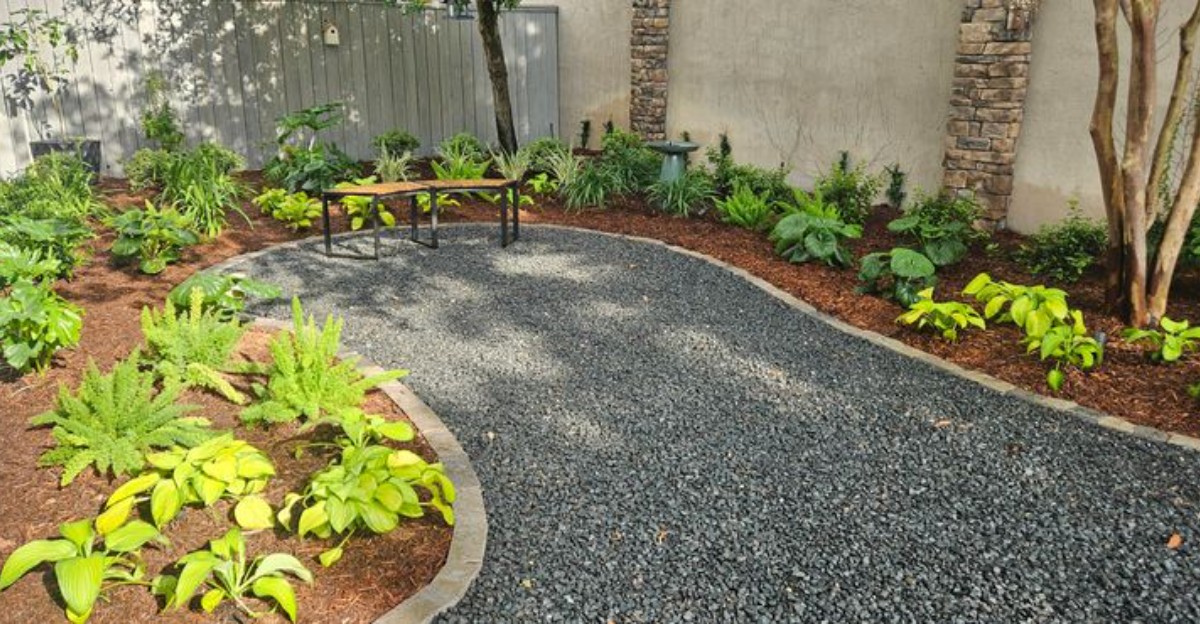
Nothing ruins a crisp gravel path faster than a scruffy dandelion poking up. You rake, pull, and sigh, and a week later the green invaders are back.
Across New York, wind scatters seeds everywhere, and fallen leaves slowly break down into a thin layer of soil between the stones. Add rain and humidity, and your driveway becomes a cozy nursery for weeds.
Luckily, winning this fight doesn’t require fancy tools or harsh chemicals. A few smart habits and well-timed chores can keep gravel looking neat for years.
Some tricks clear out the weeds you already have, while others stop new ones before they sprout. One popular tip might even surprise you by doing more harm than good.
The methods below cover both quick fixes and long-term prevention. Put a few into practice, and your gravel will stay sharp all season.
1. Pull Weeds After A Good Rain
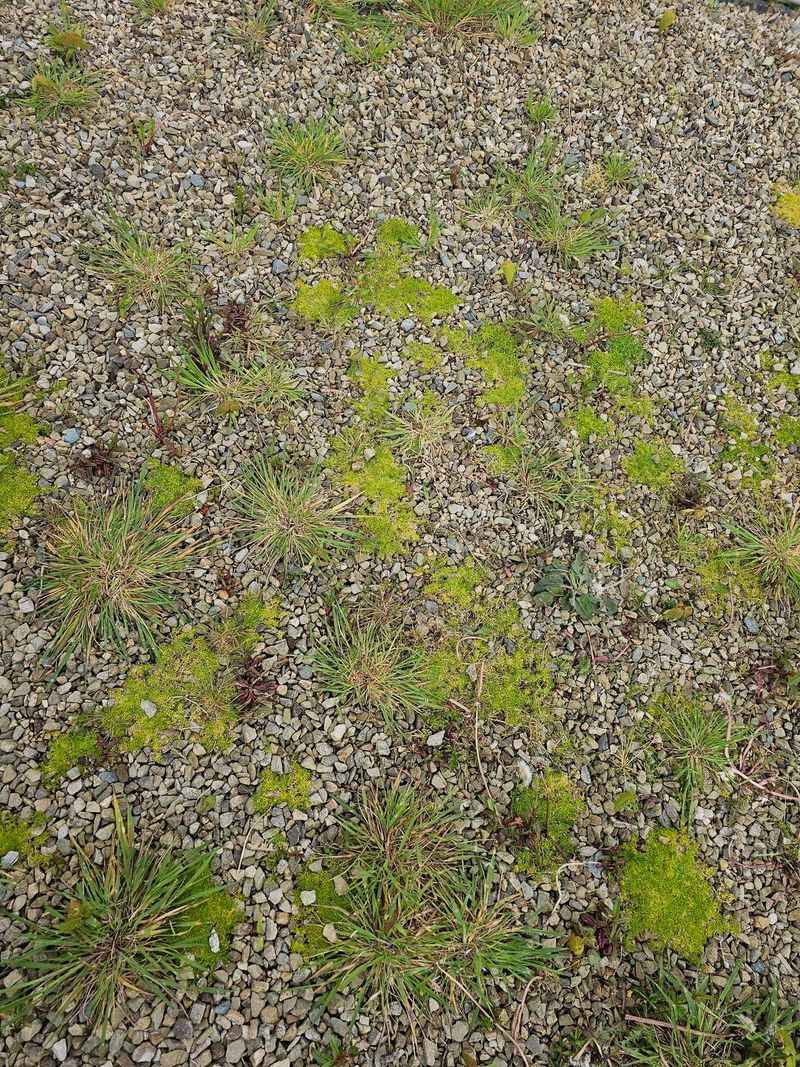
Picture a weed that refuses to budge on a dry July afternoon. After a soaking rain, that same weed often slides out like a loose tooth.
Moisture softens the ground under your gravel and loosens its grip on roots. Wet soil lets the whole root come up instead of snapping off at the surface.
Roots matter more than leaves when it comes to weeds. Leave even a small piece of taproot behind, and the plant can sprout again within weeks.
Rain not in the forecast? Water the area well the evening before, and let it soak in overnight.
Gloves protect your hands from sharp stones and prickly stems. A narrow weeder or fishtail tool helps you reach deep and pry out long roots.
Slide the tool straight down beside the stem, then gently lever it back. Pull slowly and steadily instead of yanking, which tends to tear the root.
Timing helps too, especially in spring. Young weeds have shallow roots, so catching them early makes the job quick and easy.
Toss pulled weeds into a bag or bin right away. Leaving them on the gravel lets seed heads drop fresh trouble for next season.
New York gets plenty of rain from April through June. Those damp mornings are perfect for a short weeding session before work.
Fifteen minutes after a shower can clear a surprising amount of ground. Make it a habit, and your gravel stays tidy with far less sweat.
Bring a bucket and a podcast along. Honestly, the chore feels almost relaxing once you get into a rhythm.
2. Pour Boiling Water On Stubborn Clumps
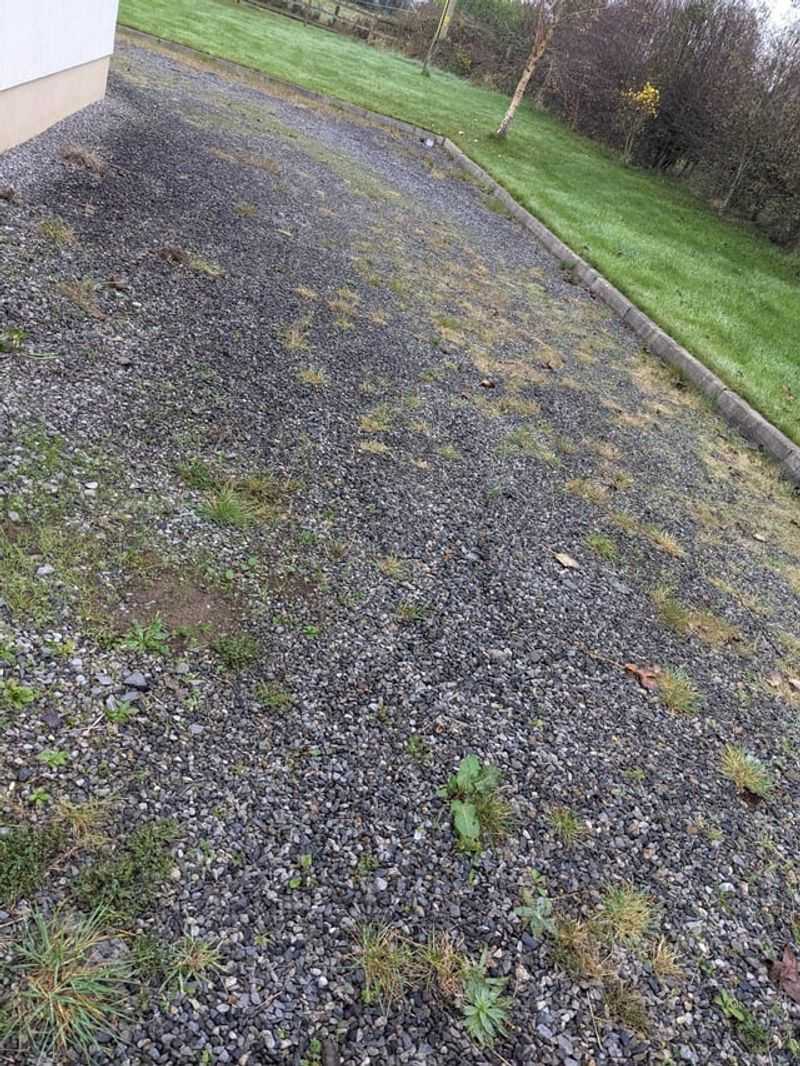
Your kitchen kettle might be the cheapest weed tool you already own. Boiling water scalds plant cells on contact, and the weeds wilt fast.
Best of all, the method uses zero chemicals. Kids and pets can play nearby once the water cools down.
Small, young weeds respond best to a hot bath. Tight spaces between stones are ideal spots, since the water stays right where you pour it.
Safety comes first with this trick. Wear closed shoes and long pants to protect your skin from splashes.
Your New York Garden Changes Every Week. Your Plan Should Too.
Gardening in New York changes quickly throughout the season. Every Friday you’ll receive a simple weekly plan showing exactly what to plant, prune, fertilize, harvest, and protect so you never miss the right timing.
Carry the kettle carefully, and pour from a low height. Aim straight at the crown, where the stem meets the ground.
Slow, steady pouring works better than a quick splash. Give each clump enough water to soak down toward the roots.
Bigger weeds can be tougher customers. Boiling water often harms only the top growth, so deep roots may push up new leaves.
Plan a second or third treatment for those stubborn plants. Repeat every few days until they give up for good.
Keep the water away from flower beds and lawn edges. Hot water harms any plant it touches, including the ones you love.
Here is a thrifty tip for busy cooks. Leftover pasta water, still hot and unsalted, works just as well on a gravel patio.
Many New York homeowners with small courtyards swear by this method. A single kettle can handle a few square feet in minutes.
3. Use A Flame Weeder With Care
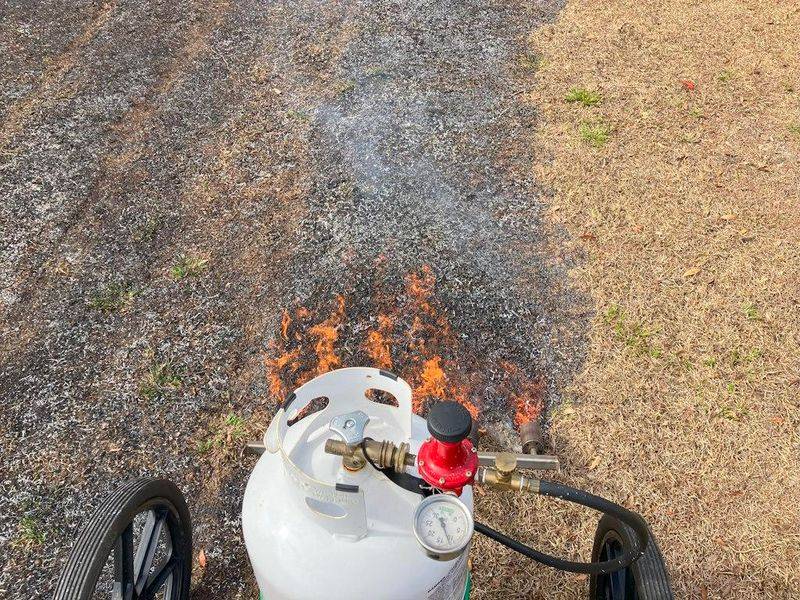
Farmers have used heat to fight weeds for more than a hundred years. Today, homeowners can grab a propane flame weeder at most hardware stores.
Heat damages the plant cells inside each leaf. Within hours, the weed wilts and begins to decline.
Many people think they need to torch weeds until they turn black. In truth, a quick pass of a second or two does the job.
Aim to blister the plant, not burn it to ash. Press a leaf with your fingertip afterward, and a lasting mark means success.
Gravel makes a perfect surface for flame weeding. Stones do not catch fire, unlike mulch, dry grass, or wooden borders.
Still, caution matters every single time. Check the wind first, since gusts can push flames toward places you did not intend.
Skip flaming during droughts or dry spells. Parched leaves and twigs nearby can catch far too easily.
Keep a garden hose or full bucket within reach. Wear sturdy boots, gloves, and long pants for extra protection.
Some New York towns issue burn bans during dry summers. Check local rules before lighting up, just to be safe.
Young weeds respond best to a flame. Older plants with deep roots may need several visits spread over a few weeks.
Treat the tool with respect, and it becomes a fast, chemical-free helper. Your driveway can look clean in under half an hour.
4. Rake Regularly To Disturb Seedlings
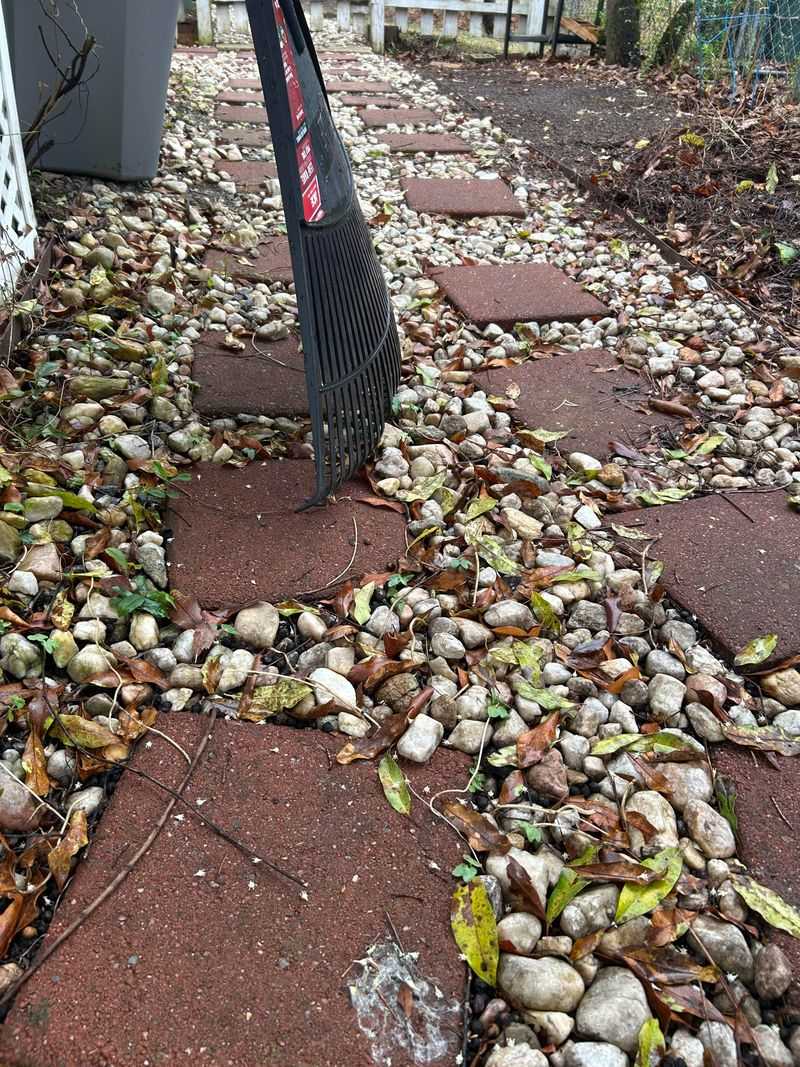
A weekly rake is like brushing your teeth for the yard. Skip it too long, and small problems grow into big ones.
Tiny seeds land on gravel all the time. Wind, birds, and even your shoes carry them in from nearby lawns.
Raking stirs up the top layer of stones. Fresh seedlings get tossed around before their roots can take hold.
Experts at Cornell University point to steady raking as a simple way to manage weeds. Their advice fits New York yards especially well.
Choose a sturdy metal rake with firm tines. Plastic rakes bend easily and struggle with heavier gravel.
Work in long, gentle strokes across the whole area. Aim to shuffle the stones rather than dig down into the soil below.
Bonus benefits come with every session. Raking pulls out small twigs and bits of leaves that would later break down into dirt.
Your gravel also looks fresher and more even afterward. Low spots get filled, and ruts from car tires smooth out nicely.
Spring and fall deserve extra attention. Seeds blow around most during these seasons, so rake twice a week if you can.
Short sessions work better than rare marathons. Ten minutes on a Saturday morning beats an exhausting afternoon every month.
Think of the rake as your early warning system. You will spot trouble long before it spreads across the whole path.
5. Blow Off Leaves Before They Turn Into Soil
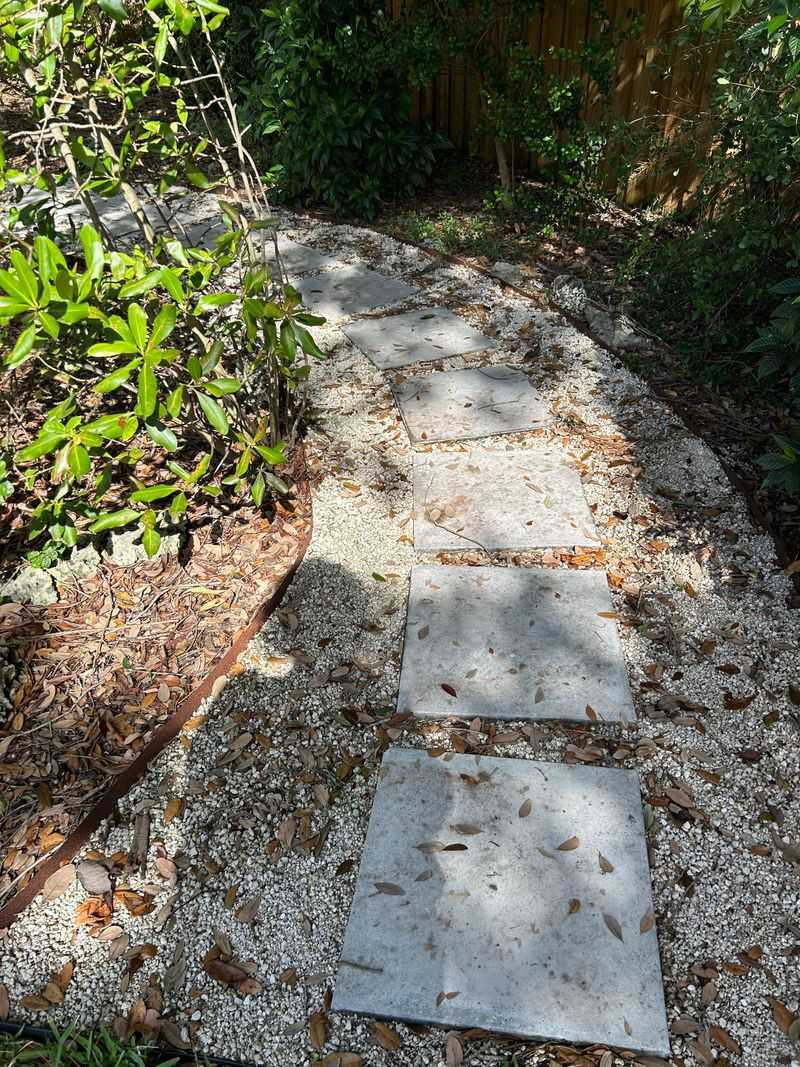
Autumn in New York paints the trees red, orange, and gold. Unfortunately, those gorgeous leaves eventually land right on your gravel.
Leaves look harmless sitting on top of stones. Over time, though, they crumble and slip into the gaps between rocks.
Rain and time break them down into a dark, crumbly layer. Suddenly, your gravel holds a thin blanket of rich soil.
Weed seeds love that fresh bed. They sprout quickly and send roots into the new dirt you never meant to create.
A leaf blower makes clearing debris fast and easy. Blow leaves off before they get soggy and start to decay.
Set the blower to a lower speed on loose gravel. High power can scatter small stones onto your lawn or porch.
Walk slowly and sweep the air in wide arcs. Push leaves toward one side, then bag them or add them to compost.
No blower? A stiff broom or leaf rake works too, just a bit slower.
Twigs, pine needles, and grass clippings cause the same trouble. Clear them whenever you notice a pile building up.
Aim for a quick cleanup at least once a week during fall. After big storms, a fast pass keeps the mess from settling in.
Less organic matter means fewer weeds next spring. Your future self will thank you for those chilly October chores.
6. Add Gravel Until It’s Three To Four Inches Deep
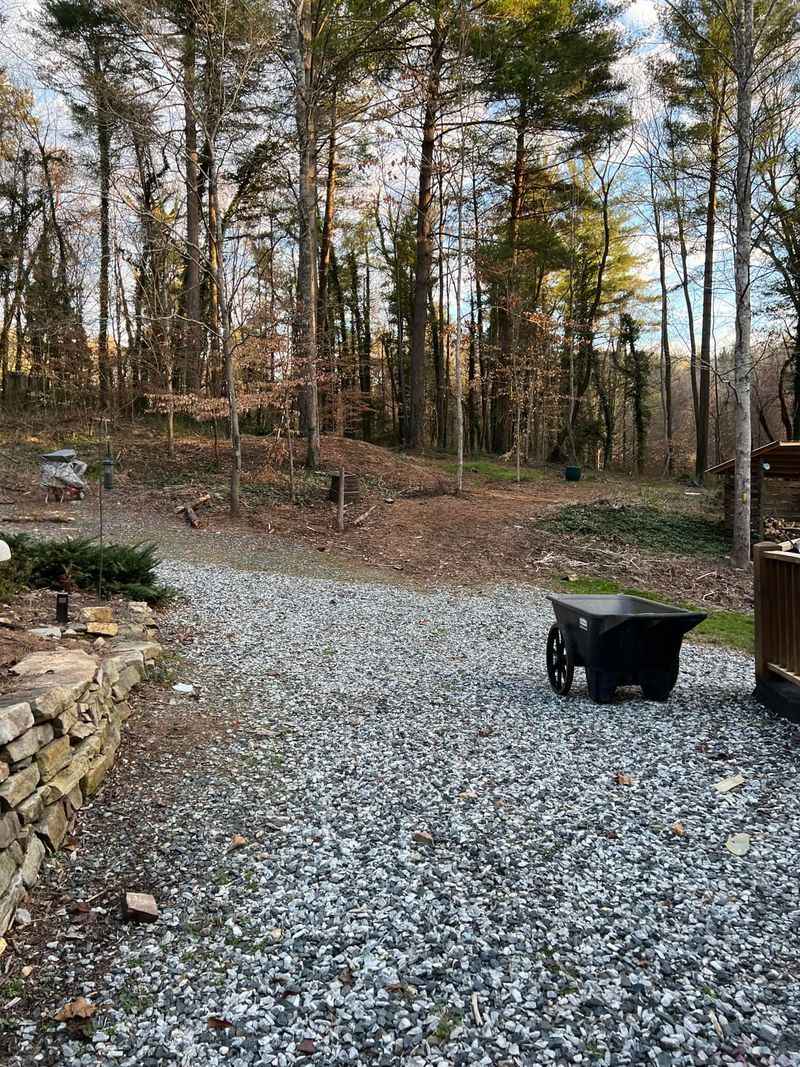
Thin gravel is basically a welcome mat for weeds. Sunlight slips through the gaps and wakes up seeds hiding below.
A deeper layer changes the whole game. Three to four inches of stone blocks enough light to stop many seeds from sprouting.
Grab a ruler and poke it into your gravel in several spots. Many older driveways have worn down to just an inch or two.
Cars, snowplows, and shovels slowly push stones aside. New York winters are especially tough on driveway depth.
Angular gravel is often the smarter pick. Sharp edges lock together tightly and leave fewer open spaces for weeds.
Round pea gravel feels nice underfoot but shifts easily. It also leaves bigger gaps where seeds can settle.
Measure your area before ordering stone. Multiply length by width, then check a gravel calculator online for the right amount.
Local landscape suppliers usually sell gravel by the cubic yard. Delivery often costs less than hauling dozens of bags yourself.
Spread new stone with a flat rake for an even surface. Walk over it afterward to settle everything into place.
Check depth every spring after the snow melts. A quick top-up keeps your coverage thick and your weeds struggling.
Fresh stone also brightens a tired driveway. Neighbors might think you hired a pro for a fraction of the cost.
7. Lay Landscape Fabric Underneath
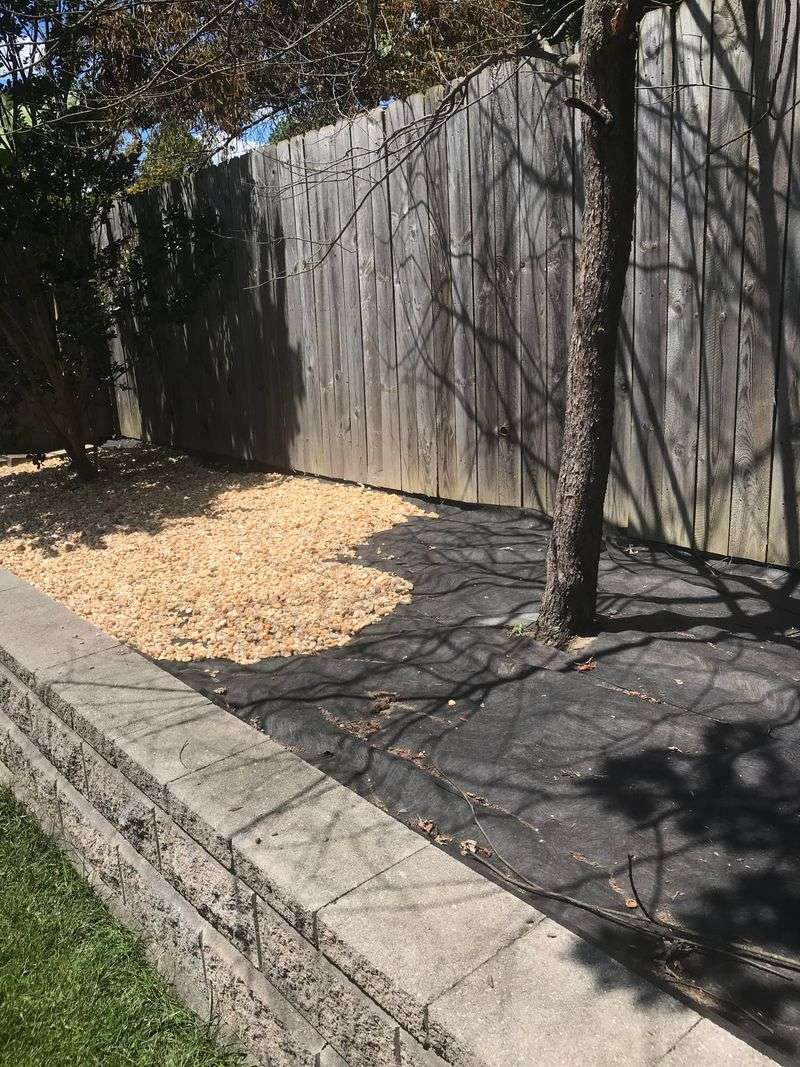
Think of landscape fabric as a bouncer at the door. It keeps soil-dwelling weeds from crashing your gravel party.
People call it weed membrane or geotextile fabric too. Whatever the name, it sits between the dirt and your stones.
Weeds growing up from below hit the barrier and stall out. Meanwhile, rain still drains through to the ground.
Quality matters a lot here. Woven fabric resists tears from sharp gravel better than thin, cheap sheets.
Start with a clean slate before laying anything down. Pull or clear every existing weed, roots and all.
Level the ground with a rake next. Bumps and holes can stretch the fabric and create weak spots.
Roll the fabric out smoothly across the area. Overlap each seam by six to twelve inches so weeds cannot sneak through.
Secure the edges with landscape staples every foot or two. Then spread your gravel carefully so the fabric stays in place.
Already have gravel down? You can rake it aside section by section and slip fabric underneath.
Fabric will not stop every weed forever, though. Seeds landing on top can still sprout in debris above the barrier.
Pair it with raking and leaf cleanup for the best results. Many New York gardeners call this combo their secret weapon.
8. Install Edging To Block Creeping Roots
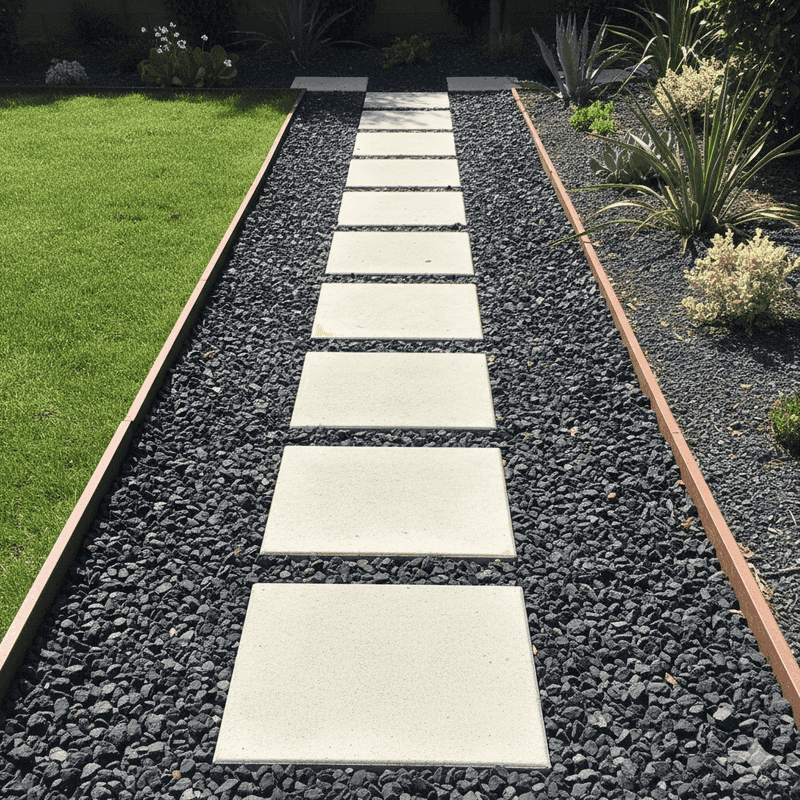
Some weeds do not arrive by seed at all. They creep sideways from your lawn or flower beds, sneaking in underground.
Grass runners, clover, and creeping Charlie are famous troublemakers. Their roots travel quietly until green shoots pop up in your gravel.
Edging builds a wall against these sneaky invaders. It also keeps gravel from spilling onto your grass.
Metal edging offers a slim, sturdy look. Steel and aluminum both hold up well through freezing New York winters.
Plastic edging costs less and bends easily around curves. Choose a thick, heavy-duty style so frost does not heave it out.
Stone or brick borders add old-fashioned charm. Set them snugly, since gaps between blocks let roots slip through.
Depth really counts with edging. Aim for at least four inches below ground to block most creeping roots.
Dig a narrow trench along the gravel border first. Set the edging in place, backfill with soil, and tamp it down firmly.
Leave a little lip above the gravel surface. A half inch or so helps hold stones in place.
Walk the edges every few weeks during summer. Pull any runners trying to climb over or tunnel under the border.
Clean lines also make your whole yard look polished. It is a small upgrade with a big visual payoff.
9. Spot-Treat With Herbicide As A Last Resort
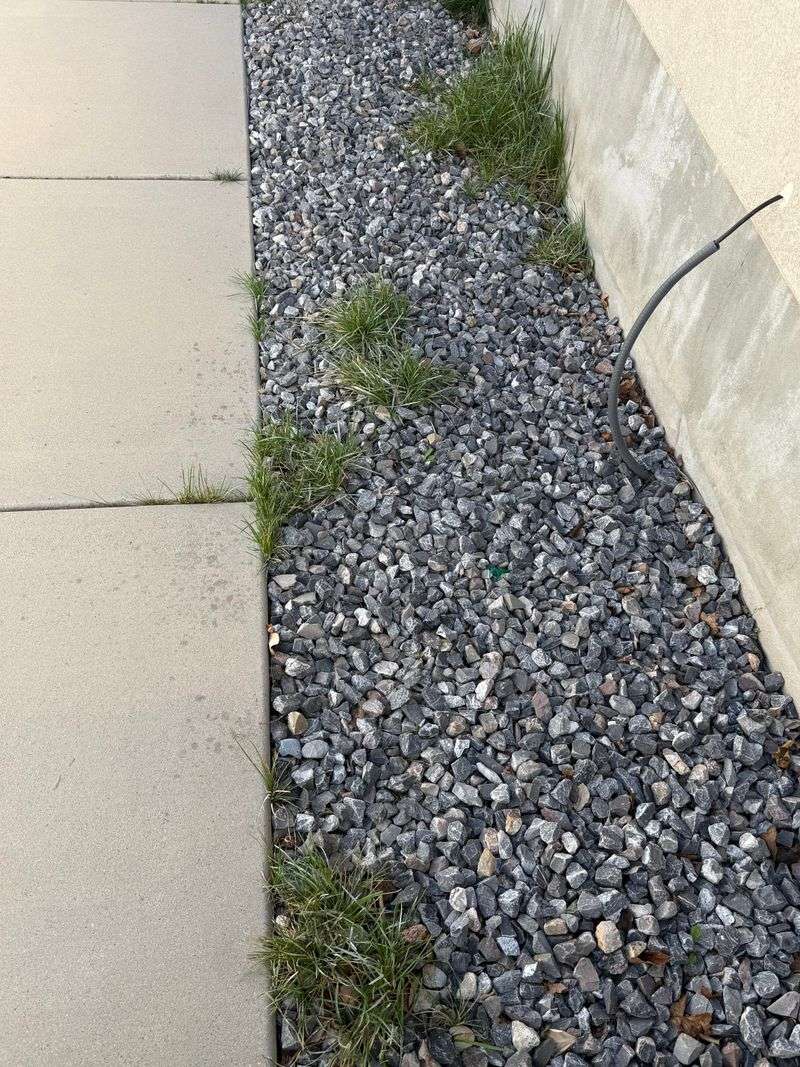
Sometimes the weeds simply refuse to quit. When gentle methods fall short, a careful dose of herbicide can help.
Notice the word careful here. Spot-treating means spraying only the problem plants, not the whole driveway.
Two main types exist for gravel areas. Each one tackles weeds at a different stage of life.
Pre-emergent products stop seeds from sprouting at all. Early spring is the best time, before soil warms up in New York.
Post-emergent sprays handle weeds already growing. Leaves soak up the product, and it travels down to the roots.
Reading the label is not optional. Every product has specific rules for mixing, timing, and safe use.
Gear up before you start. Gloves, long sleeves, and safety glasses protect your skin and eyes.
Pick a calm, dry day for spraying. Wind can carry droplets onto flowers, vegetables, or a neighbor’s lawn.
Rain soon after spraying may wash the product away. Check the forecast for at least a day of dry weather.
Keep kids and pets off treated areas until the label says otherwise. Store leftovers high up and out of reach.
Combine herbicides with good habits like raking and edging. You may find you need them less and less each year.
10. Skip The Salt, No Matter What You’ve Heard
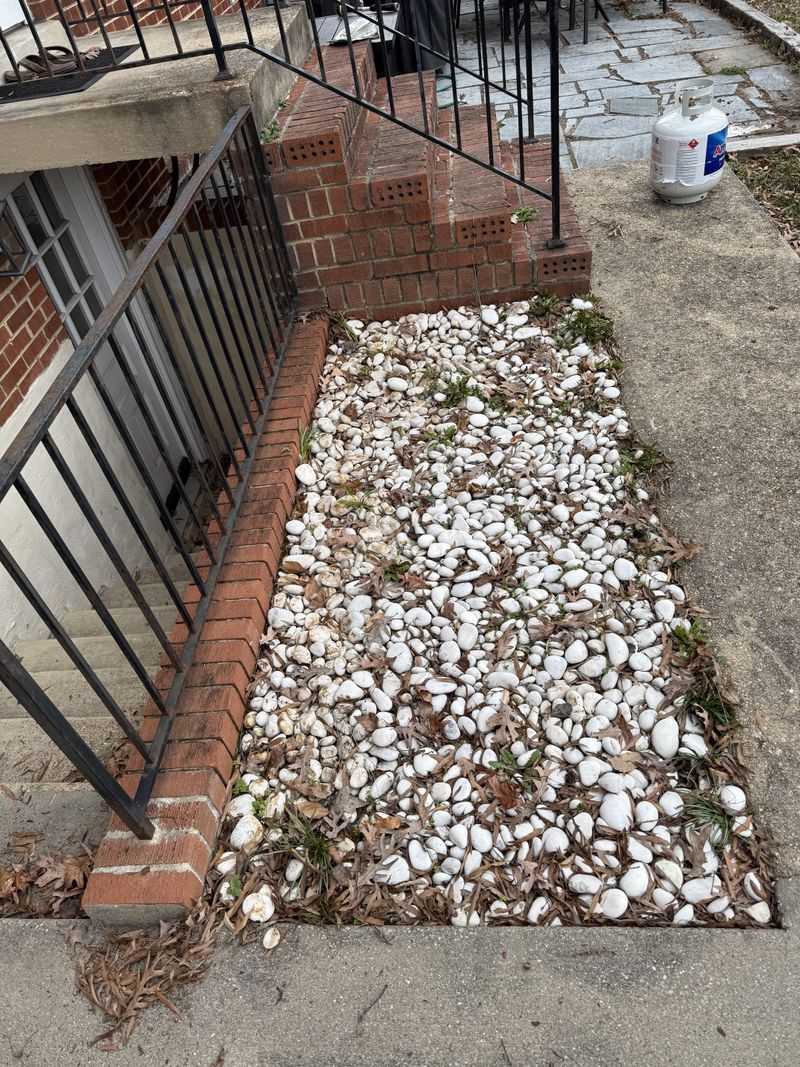
Grandma swore by it, and the internet loves it too. Yet sprinkling salt on your gravel can backfire in a big way.
Salt does pull moisture out of plants. Weeds dry out and shrivel, which explains why the trick sounds so tempting.
Trouble starts once the salt soaks into the ground. Soil can become too salty for almost anything to grow for a long time.
Nearby flowers, shrubs, and grass may suffer next. Salt moves with water and spreads well beyond your gravel.
Moisture is needed to activate salt in the first place. Heavy rain, though, washes it right into lawns and garden beds.
New York already deals with plenty of road salt every winter. Local soils and streams do not need an extra dose from our yards.
Pets can get sore paws from salty surfaces. Some animals may even lick it, which can upset their stomachs.
Vinegar gets similar hype online. Household vinegar only burns leaf tops, so roots usually bounce back.
Stick with proven methods instead. Boiling water, flame weeding, and hand pulling all work without poisoning the ground.
Prevention beats any quick fix. Deep gravel, good fabric, and regular raking save you time and trouble.
Your gravel deserves a smarter plan, and now you have one. Here is to a tidy New York yard all season long.