The Oregon Blueberry Mistake Made Right After The August Harvest That Hurts Next Year
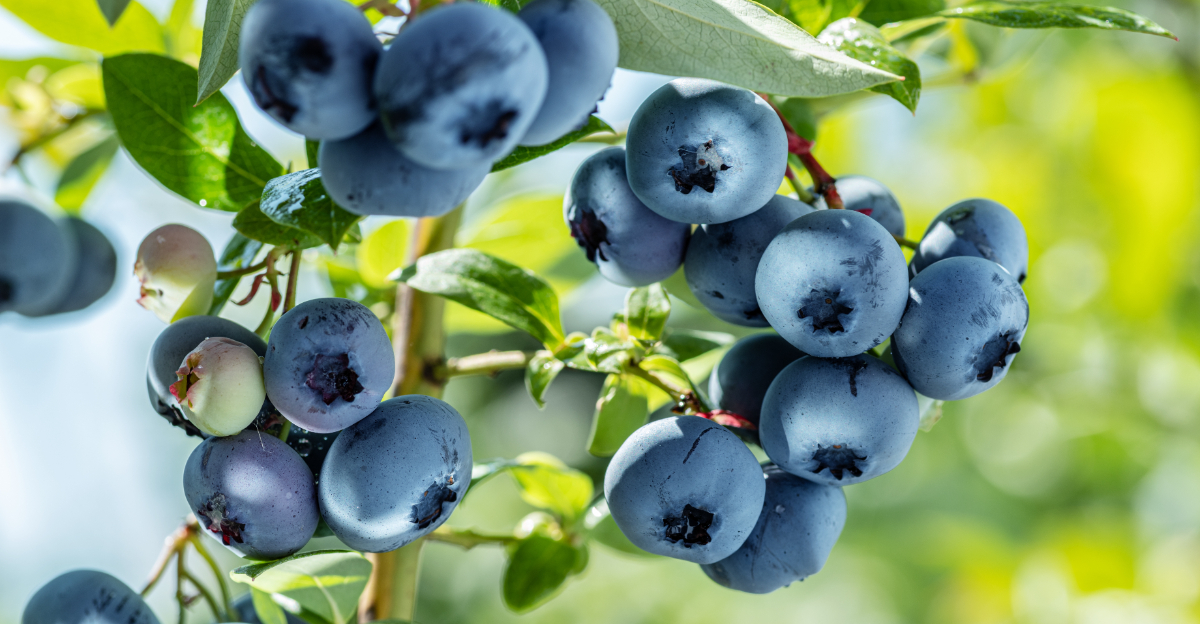
Once the last blueberries are picked, it is tempting to tidy the bushes and call the season finished.
That quick cleanup can feel productive, especially when stems look crowded, tired, or uneven after weeks of harvesting.
But Oregon blueberry plants are already preparing for next year, and what happens during this quiet stretch can shape the size and quality of the following crop.
Acting too soon may remove more than old growth or leave the plant vulnerable at the wrong moment.
The damage is easy to miss because the bush may still look healthy through fall and winter. Trouble often shows up months later as weaker growth, fewer blossoms, or disappointing fruit production.
Before making any major changes after the August harvest, gardeners should understand what the plant is doing behind the scenes and why a little patience now can protect next summer’s berries.
1. Make Sure You Don’t Do This
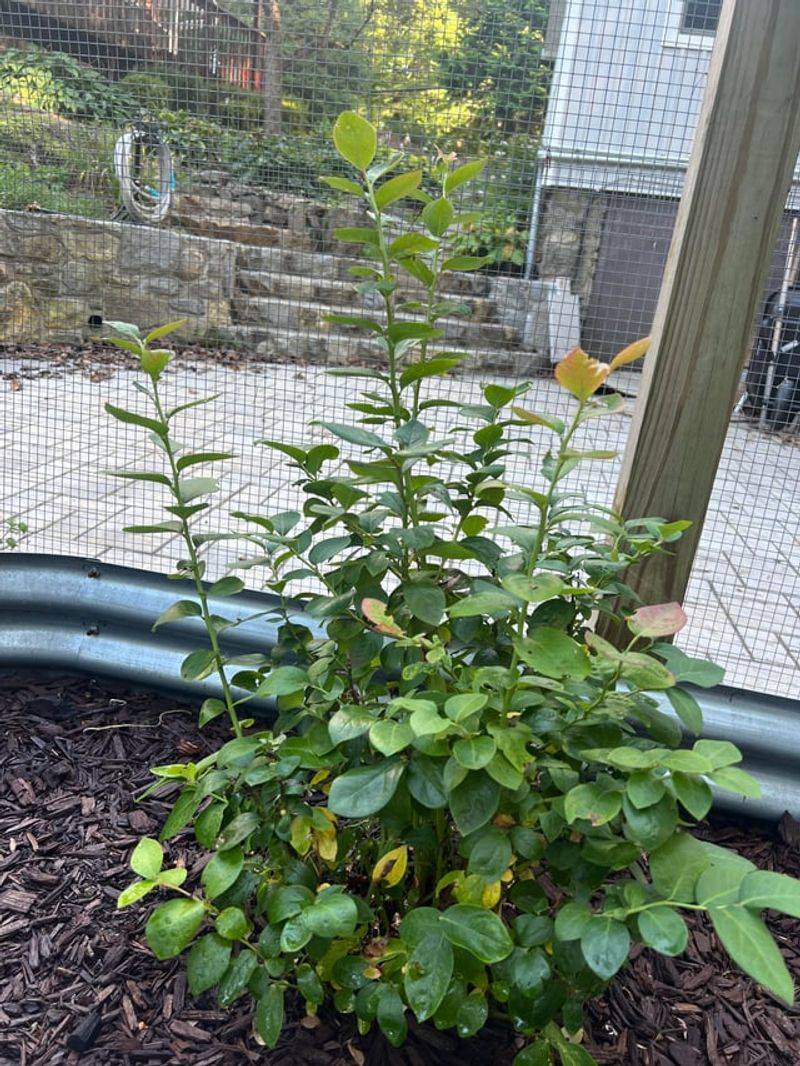
Most people feel a strong urge to tidy up the garden the moment harvest wraps up. The berries are gone, the season feels over, and the bush looks a little wild.
So out come the pruners. It feels productive.
It feels like the right call. But for blueberries, that timing can quietly set you back for the entire next season.
Blueberry bushes do not rest the same way other plants do after fruiting. Right after harvest, the bush is still working hard.
New growth from the summer is starting to develop tiny buds near the tips of the canes. Those buds are not visible to the naked eye yet, but they are forming.
They will become next year’s flowers and fruit.
When you grab the pruners in August or early September, right after the last berry drops, you risk snipping off those developing buds before they ever get a chance to mature. The bush looks the same after.
You may not notice anything wrong until the following spring, when bloom counts seem lower and berry clusters are fewer than expected.
Waiting until late winter or early spring to prune, before new growth pushes out but after the coldest weather passes, gives those buds time to fully form and survive. Patience right after harvest is one of the most valuable tools a blueberry grower can have.
2. Cutting Off Next Year’s Fruit Before It Forms
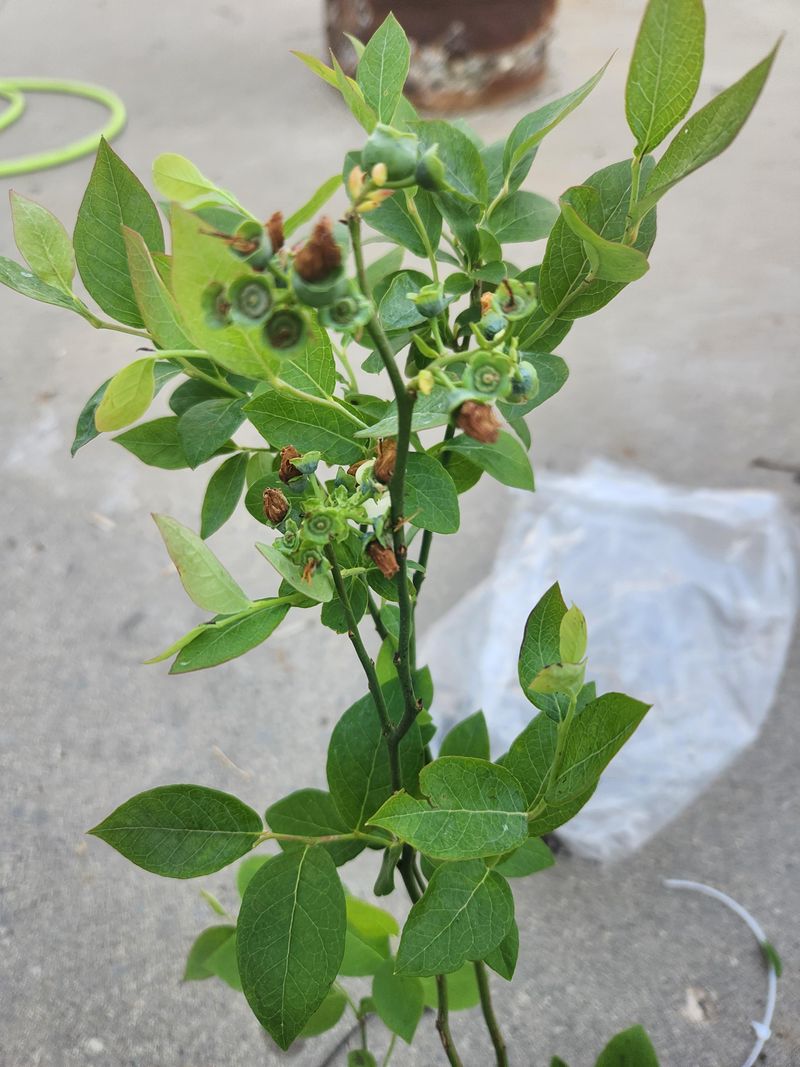
Here is something that surprises a lot of first-time blueberry growers: the fruit you eat in August was actually set up the previous year. The buds that became those berries formed on last year’s new canes.
That cycle keeps repeating, year after year. So the canes that grew fresh and green this summer are the ones carrying next year’s fruit buds right now.
When pruning happens too early, those canes get removed before the buds on them have a chance to develop fully. You end up with a cleaner-looking bush and a noticeably smaller harvest twelve months later.
The loss is delayed, which makes it easy to overlook the connection between what you did in August and what happened the following July.
Your Oregon Garden Changes Every Week. Your Plan Should Too.
Gardening in Oregon changes quickly throughout the season. Every Friday you’ll receive a simple weekly plan showing exactly what to plant, prune, fertilize, harvest, and protect so you never miss the right timing.
Many Oregon growers blame a smaller harvest on weather, soil, or pests. Sometimes those are real factors.
But post-harvest pruning at the wrong time is an often-missed reason for reduced yields. Tracking your pruning dates alongside your harvest numbers over a few seasons can reveal patterns you might not expect.
Letting those new canes stand through fall and into early spring protects the buds already forming on them.
Pruning in late winter, when you can actually see the buds swelling, helps you make smarter cuts and keep the most productive wood on the bush where it belongs.
3. Mistaking Fresh Growth For Useless Branches
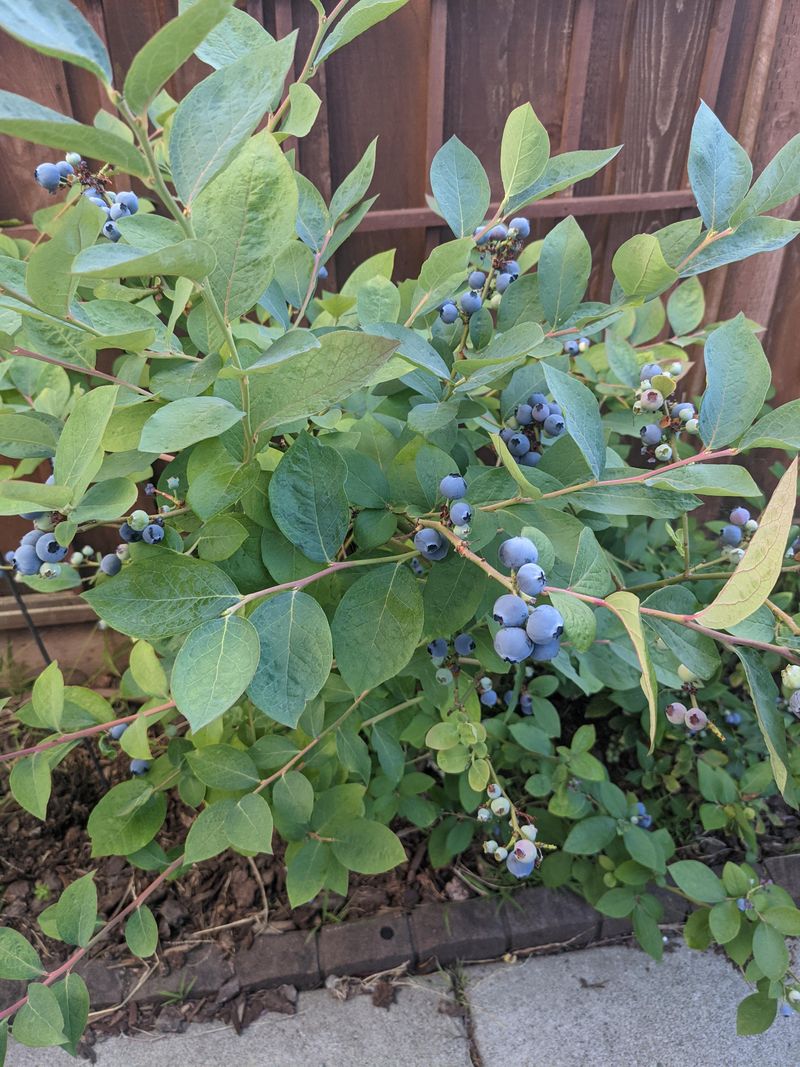
Not all branches on a blueberry bush look the same, and that difference matters a lot when it comes to pruning. New canes that grew this season are usually lighter in color, smooth, and flexible.
Older canes tend to be darker, rougher, and sometimes show signs of peeling bark. To an untrained eye, the fresh growth can look scraggly or out of place compared to the thicker, more established wood.
That scraggly new growth is actually the most valuable part of the bush right now. Those light-colored canes are where next year’s fruit will come from.
Mistaking them for weak or unnecessary branches and cutting them off is one of the most common post-harvest errors growers make. The bush may look tidier afterward, but the harvest will tell a different story next summer.
Learning to read a blueberry bush takes a little practice. Spending time looking at the plant before picking up any tool is a good habit to build.
Notice which canes are new, which are a year or two old, and which are truly old and unproductive. The old wood is what you eventually want to remove, not the fresh growth.
A simple rule to remember: if a cane grew this year, leave it alone until late winter. By then, the buds on it will be visible and you can prune with much more confidence and accuracy.
4. Giving The Bush A Haircut It Never Asked For
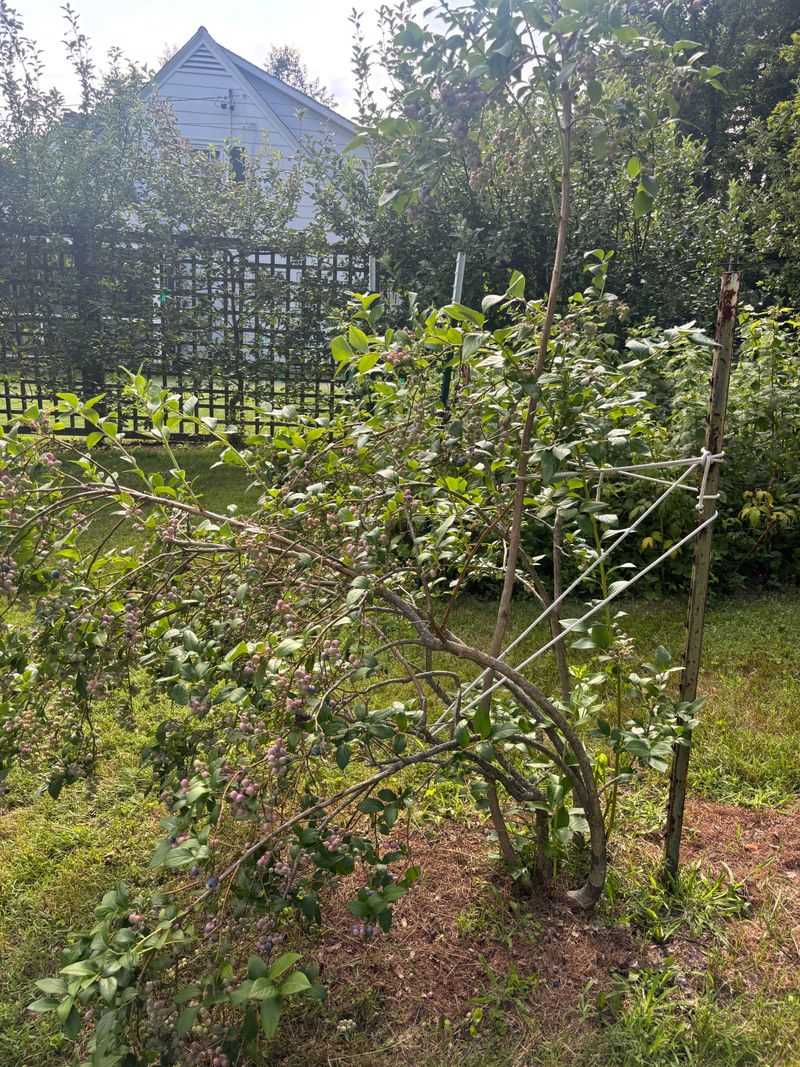
There is something satisfying about a neatly shaped shrub. Clean edges, even height, tidy lines.
For many garden plants, a good trim after the growing season is perfectly fine and even helpful. Blueberries, though, have their own rules, and giving them a full haircut right after harvest can cause real trouble.
When someone goes at a blueberry bush with shears and trims the whole thing into a tidy rounded shape, they are removing growth from all over the plant. That includes the tips of new canes, which is exactly where the developing fruit buds are hiding.
The bush ends up looking great in September and producing far less in July.
Blueberries are not ornamental shrubs that need shaping. They are fruit-producing plants that need strategic, thoughtful pruning based on cane age and health, not on how the overall shape looks.
Treating them like a boxwood hedge is a mistake that costs real fruit.
The best approach is to step back and look at the bush as a productive system, not a decorative feature. Each cane has a role.
Some are young and full of potential. Some are older and starting to slow down.
Removing only what is truly old, damaged, or crowding the center makes a much bigger difference than any cosmetic trim. A bush that looks a little wild in fall can be incredibly productive the following summer.
5. Removing Healthy Canes Instead Of Withered Wood
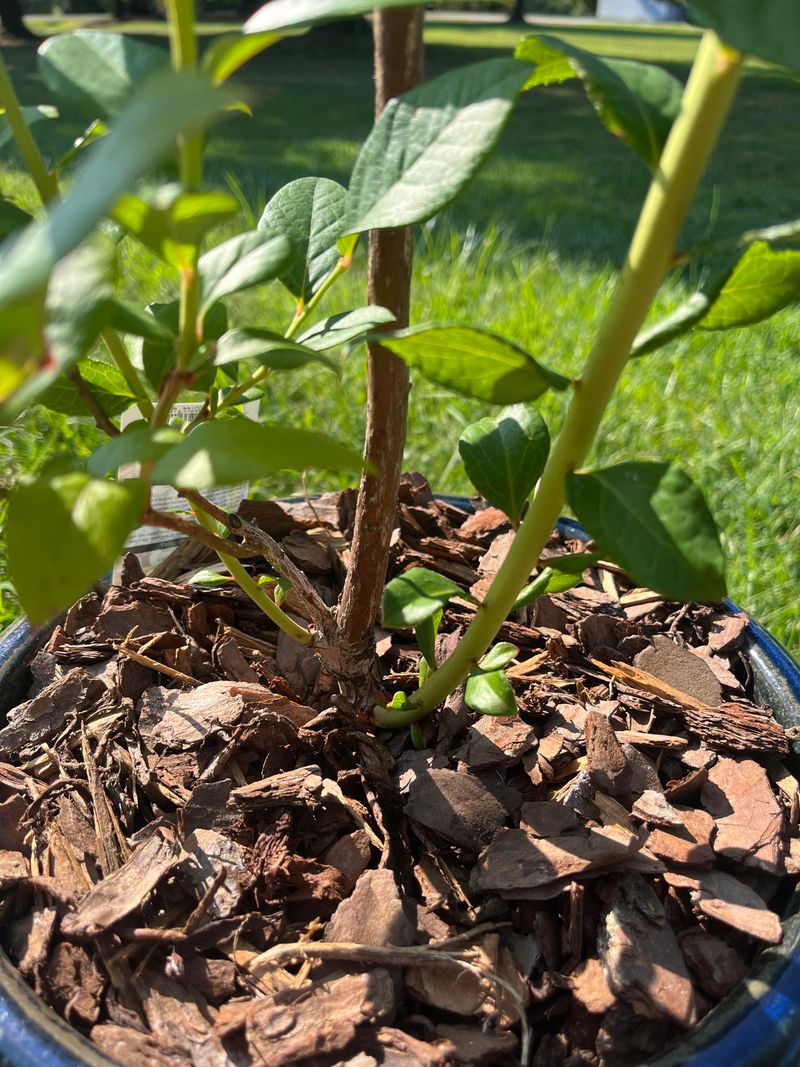
Withered wood on a blueberry bush is easy to spot once you know what to look for. It tends to be grey, brittle, and hollow-feeling.
It does not bend. It snaps. It has no living bark under the surface. That is the wood you want to remove. Unfortunately, many people remove the wrong stuff entirely.
Right after harvest, when leaves are still full and green, it can be hard to tell which canes are truly past their prime. Everything looks alive in August.
The wood blends in with the old but still-living canes, and the new growth can look thin and unimpressive by comparison. This visual confusion leads growers to cut the healthy new canes and leave behind the old, unproductive wood that should go.
Waiting until late winter to prune solves a lot of this confusion. Without leaves on the bush, the structure becomes much clearer.
Withered canes stand out. New canes with swelling buds are obvious.
The decision about what to cut becomes much easier and more accurate when you can actually see what you are working with.
A good rule of thumb is to remove canes that are more than six years old, those that are grey and brittle, and any that are crossing and rubbing against each other in the center. Leave the new growth alone.
That patience pays off directly in next summer’s berry count.
6. Why A Neater Bush Can Mean Fewer Berries
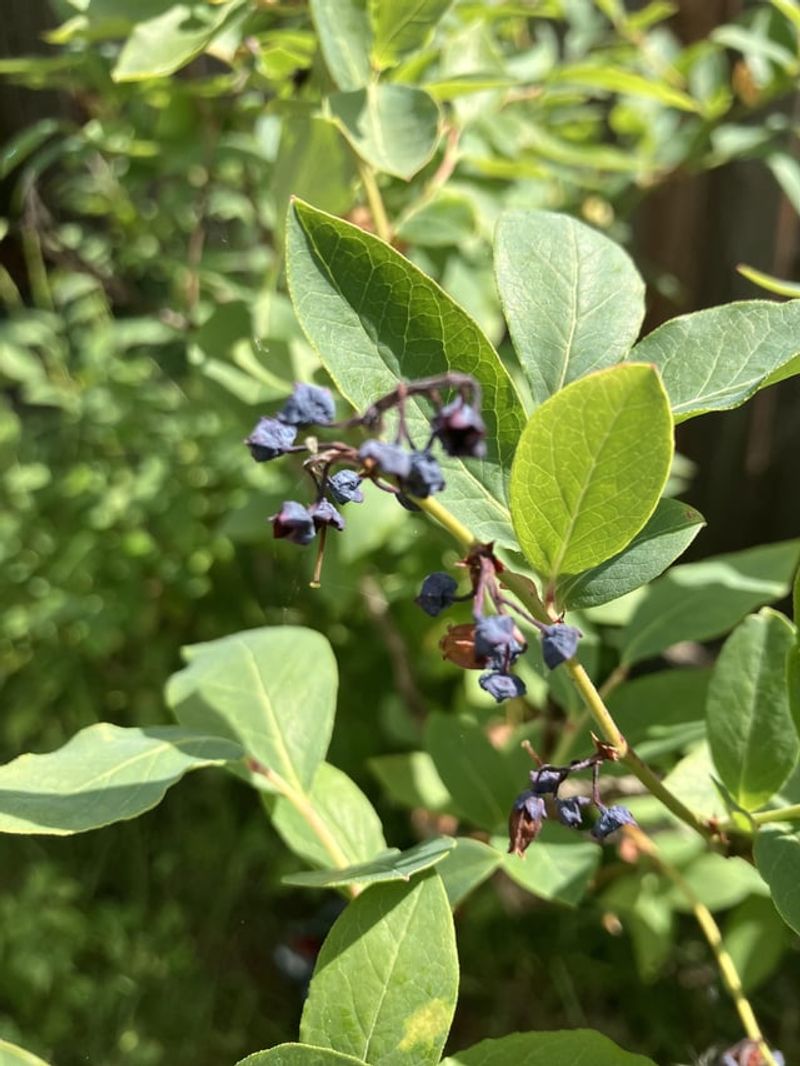
It seems backward, but a blueberry bush that looks neat and well-managed right after harvest can actually produce far fewer berries the following year. The connection between appearance and productivity is not always what you expect with blueberries.
A bush that looks a little rough and bushy in September might be loaded with fruit by the following July.
The reason comes back to where the fruit comes from. Blueberries produce on one and two-year-old wood.
When you trim the bush for a clean look right after harvest, you remove a good portion of that productive young wood.
The bush uses energy to regrow what was cut, rather than channeling that energy into maturing the buds that were already forming.
Growers sometimes notice that their bushes look beautiful in the fall after a good cleanup, but the next summer feels disappointing. Fewer clusters, smaller berries, shorter picking windows.
The cleanup that felt so satisfying in August is often the reason for the letdown in July.
Resisting the urge to make the bush look perfect right after harvest is actually a skill. It takes trust in the process.
Knowing that a slightly wild-looking bush in fall is a productive bush in summer helps growers make better decisions. The goal is not a beautiful shrub.
The goal is a full basket of berries, and that goal is best served by leaving the bush alone until late winter.
7. Trimming Away The Wood That Holds Future Buds
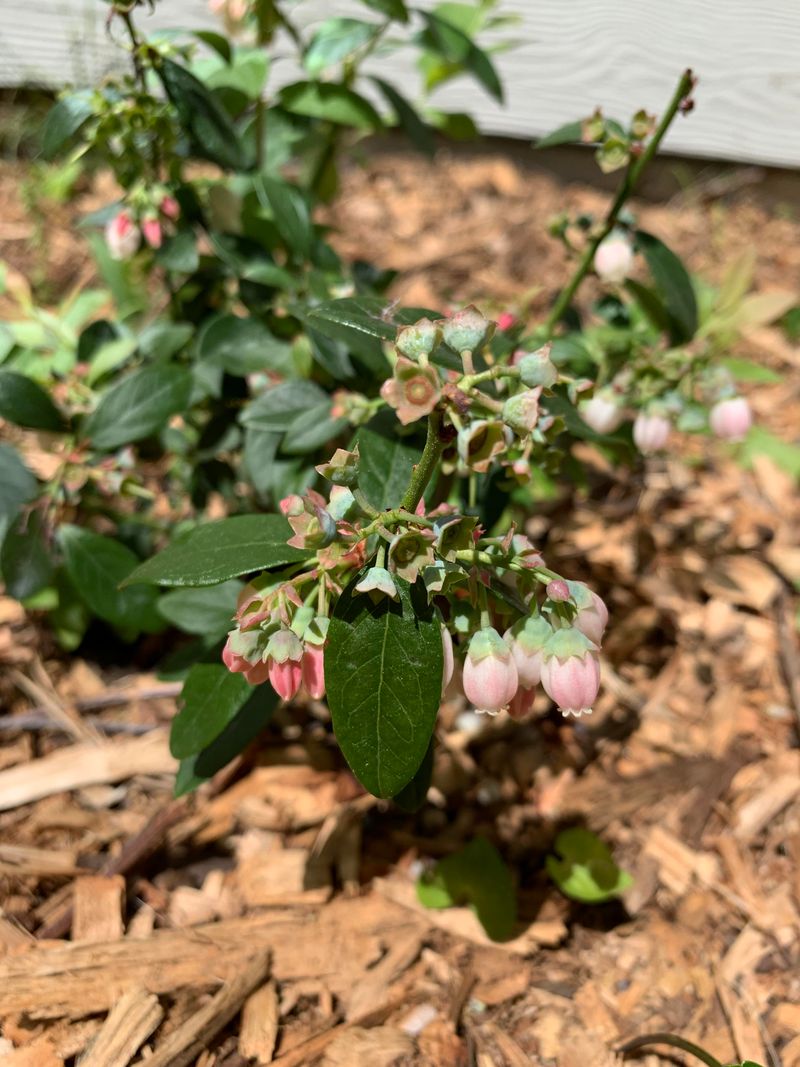
Blueberry flower buds are not dramatic or obvious in August. They start as tiny, almost invisible bumps near the tips of new canes.
By mid-fall, they become more noticeable. By late winter, they are clearly swollen and ready to open.
But right after harvest, they are easy to miss entirely, which is exactly why so many growers trim them off without realizing it.
Each of those tiny buds can produce a cluster of five to ten berries. A single cane might carry several buds along its length.
Multiply that across a full bush with dozens of new canes, and you start to understand how much fruit potential exists in the wood that often gets pruned away in late summer.
The wood that holds next year’s buds is not the old, thick, gnarly wood at the base of the plant. It is the new, lighter, more flexible growth from this past season.
Removing it feels like a small thing in the moment. The impact, though, shows up months later when harvest time arrives and the picking feels shorter than expected.
Protecting that new wood through fall and into winter is a straightforward strategy. Skip the post-harvest pruning session entirely.
Mark your calendar for late February or early March instead. By then, the buds are visible, the plant’s structure is clear, and every cut you make can be an informed one that supports a strong and productive summer ahead.
8. Turning A Quick Cleanup Into A Smaller Harvest
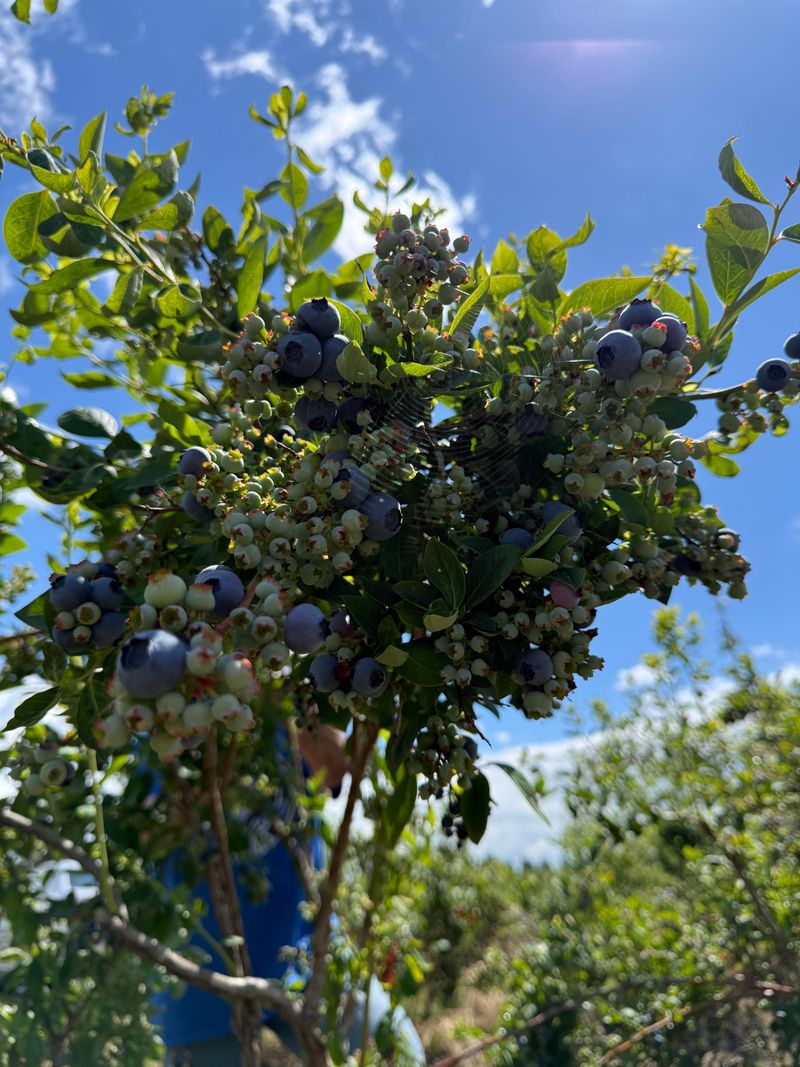
A quick cleanup sounds harmless. Ten minutes, a few snips, a tidier yard.
For most garden plants, that kind of light maintenance does no harm. For blueberries in late summer, though, even a quick and casual trim can take a real bite out of next year’s harvest.
The damage is not always obvious, but it adds up.
Post-harvest cleanup is one of those tasks that feels responsible and productive. You just finished picking.
The bush looks a little overgrown. You want to set things right before fall arrives.
So you tidy the edges, remove a few long shoots, and clean up the shape. Each cut feels reasonable on its own.
But together, those cuts may remove dozens of developing fruit buds.
Growers who track their harvests over multiple seasons often notice a pattern. Years when they pruned right after harvest tend to produce lighter yields the following summer.
Years when they waited until late winter consistently bring fuller harvests. The data is not complicated.
The timing of pruning is one of the clearest factors affecting blueberry production from one year to the next.
Sharing this information with neighbors, fellow gardeners, or anyone who grows blueberries in Oregon can make a real difference across many backyard plots and small farms. The mistake is so common and so easy to avoid.
Waiting a few months before reaching for the pruners is a small change that leads to a noticeably bigger and better berry season every single year.