10 Oregon Native Plants That Handle a Dry El Niño Winter
A rain gauge that stays half empty in January sounds odd, yet forecasters warn it could happen again. A dry El Niño winter can leave Oregon gardens thirsty right when we expect steady gray drizzle overhead.
Warmer air and thinner snowpack often follow these patterns, especially along the busy I-5 corridor and northern valleys. I believe the smartest move is choosing plants that grew up here and learned to shrug off dry spells.
My favorites range from giants taller than rooftops to modest perennials small enough to tuck beside a mailbox. One even smells faintly like vanilla when the afternoon sun warms its bark on a quiet hillside.
Early October is a sweet planting window, since cool soil and coming rains help roots settle in. Oregon gardeners who plant now give their new natives a real head start before any long dry stretch arrives.
1. Oregon White Oak
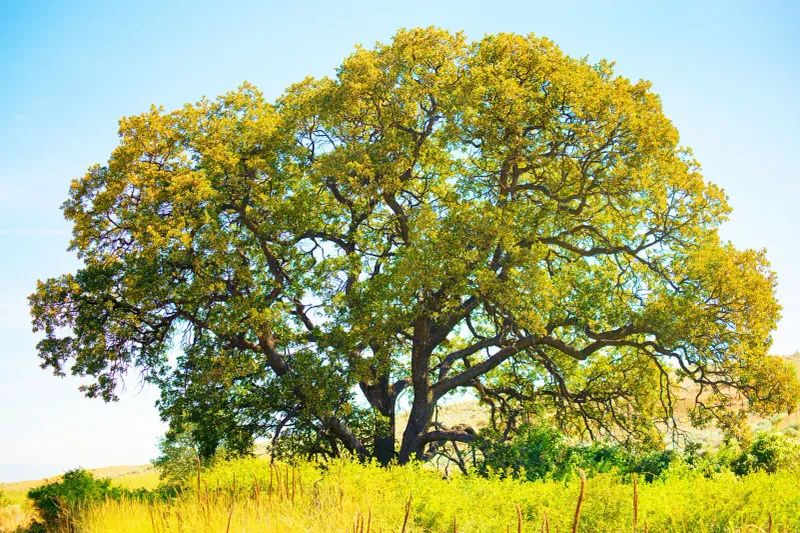
I can’t think of a tougher tree than one that can quietly outlive several generations of the same family. Some of these oaks have stood for centuries, watching droughts come and go with barely a shrug.
That staying power starts underground, where young trees pour energy into a deep taproot before racing upward. Those roots reach moisture far below the surface, so a dry winter rarely sends one into a panic.
Mature trees can reach heights near 90 feet, with broad, spreading limbs forming a rounded canopy overhead. Leathery, deeply lobed leaves turn shades of tan and russet in fall before dropping to the ground.
Once the leaves fall, pale gray bark with rugged furrows gives you something handsome to admire all winter. Hardiness runs roughly from USDA Zones 5 through 9, which covers most valleys and foothills across the state.
Wildlife adores these trees because acorns feed jays and squirrels when autumn food grows scarce in nearby woods. Hundreds of insect species also use the leaves, which then draws hungry songbirds to your yard.
October planting works well, since autumn rains help settle the soil around the roots without extra effort. Choose a small seedling, because these oaks dislike having their long taproots disturbed by later transplanting.
Water young trees during their first couple of dry summers, then let nature handle most of the work. Patience pays off here, because you are planting shade and habitat for people who come long after you.
2. Pacific Madrone
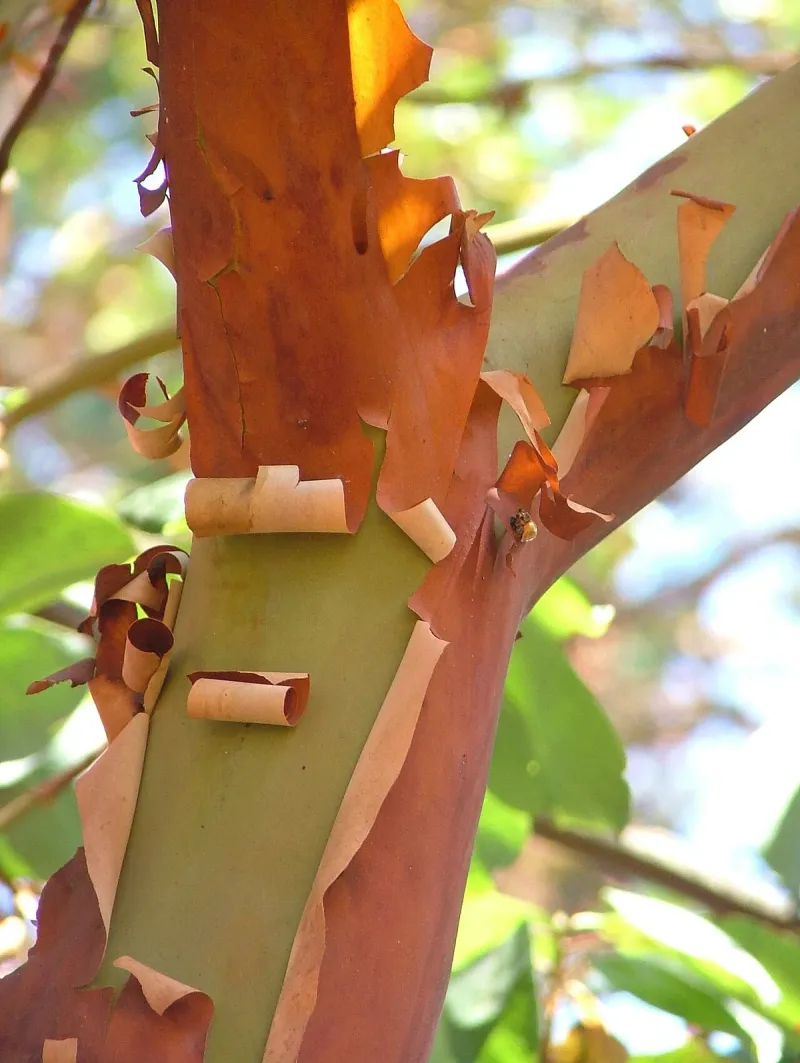
Every summer, this tree sheds its skin like a snake, peeling away reddish bark in thin, papery curls. Underneath sits a smooth layer of greenish silver that feels cool and silky when you run your hand along it.
That peeling show is just one reason I believe madrone ranks among the most striking natives in the West. Thick, glossy leaves stay on year-round, so your garden keeps its green even during a gray, rain-starved winter.
Mature trees vary widely in size, growing anywhere from about 20 to 100 feet depending on the site. Clusters of white, bell-shaped flowers open in spring, and bees buzz around them like shoppers at a sale.
Your Oregon Garden Changes Every Week. Your Plan Should Too.
Gardening in Oregon changes quickly throughout the season. Every Friday you’ll receive a simple weekly plan showing exactly what to plant, prune, fertilize, harvest, and protect so you never miss the right timing.
By autumn, bright orange and red berries ripen, offering a feast for robins and band-tailed pigeons nearby. Look up in early October and you may spot those colorful clusters glowing against the dark leaves.
Madrone prefers a dry summer and sharp drainage, so rocky slopes and sunny banks suit it nicely. Heavy clay that stays soggy often causes trouble, and frequent sprinkler water can invite root problems over time.
Plan on USDA Zones 7 through 9, which fits the coast and the milder western valleys quite well. Small container-grown seedlings establish best, because older trees resent having their roots moved around in the soil.
After the first year or two, stop watering in summer and let the tree settle into its natural rhythm. Fussing less is the real secret, and honestly that is a relief for any busy gardener with a long list.
3. Ponderosa Pine
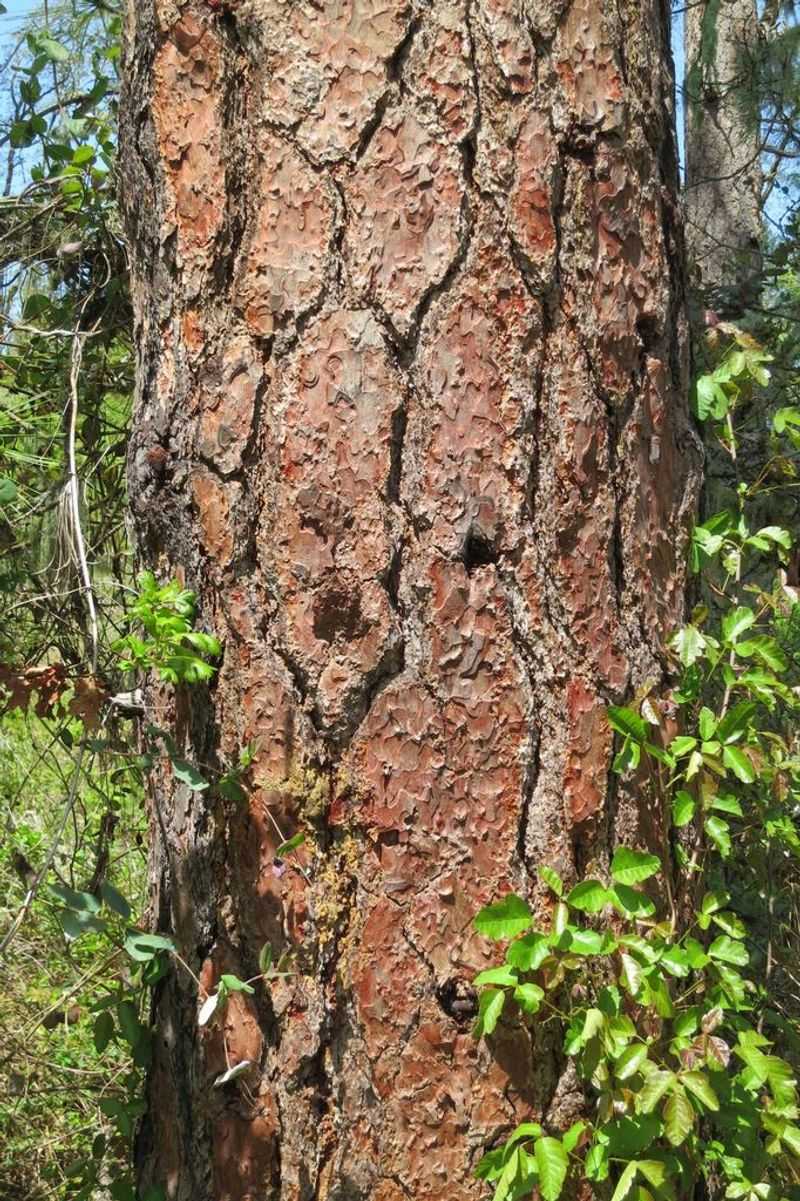
Lean close to an old trunk on a warm afternoon, and you might catch a scent like vanilla or butterscotch. People argue about which sweet treat it resembles, but almost everyone agrees the smell is real and delightful.
Those scented plates of orange-brown bark appear on mature trees, forming a puzzle of thick pieces along the trunk. Younger trees wear darker, rougher bark and keep a neat pyramid shape for their first several decades.
Long needles, often 5 to 10 inches, grow mostly in bundles of three and give the branches a soft, tufted look. Wind moving through them makes a gentle hush that sounds a bit like distant waves on a beach.
Drought is familiar territory for this pine, which dominates huge stretches of the dry east side of the Cascades. Deep roots tap into underground moisture, helping the tree stay calm when winter brings less rain and snow.
Expect good performance in roughly USDA Zones 3 through 7, though many gardeners grow it in milder areas too. Full sun and well-drained soil matter most, since shade and soggy ground often lead to weak growth.
Space is the big question, because mature trees can tower well over 100 feet in the right conditions. A large rural property or a wide field edge gives this giant the elbow room it truly needs.
Fall is a fine time to plant seedlings, while cool weather eases stress on the young root system. Squirrels and birds will thank you later when the cones ripen and drop their tasty seeds across the ground.
4. Red-Flowering Currant
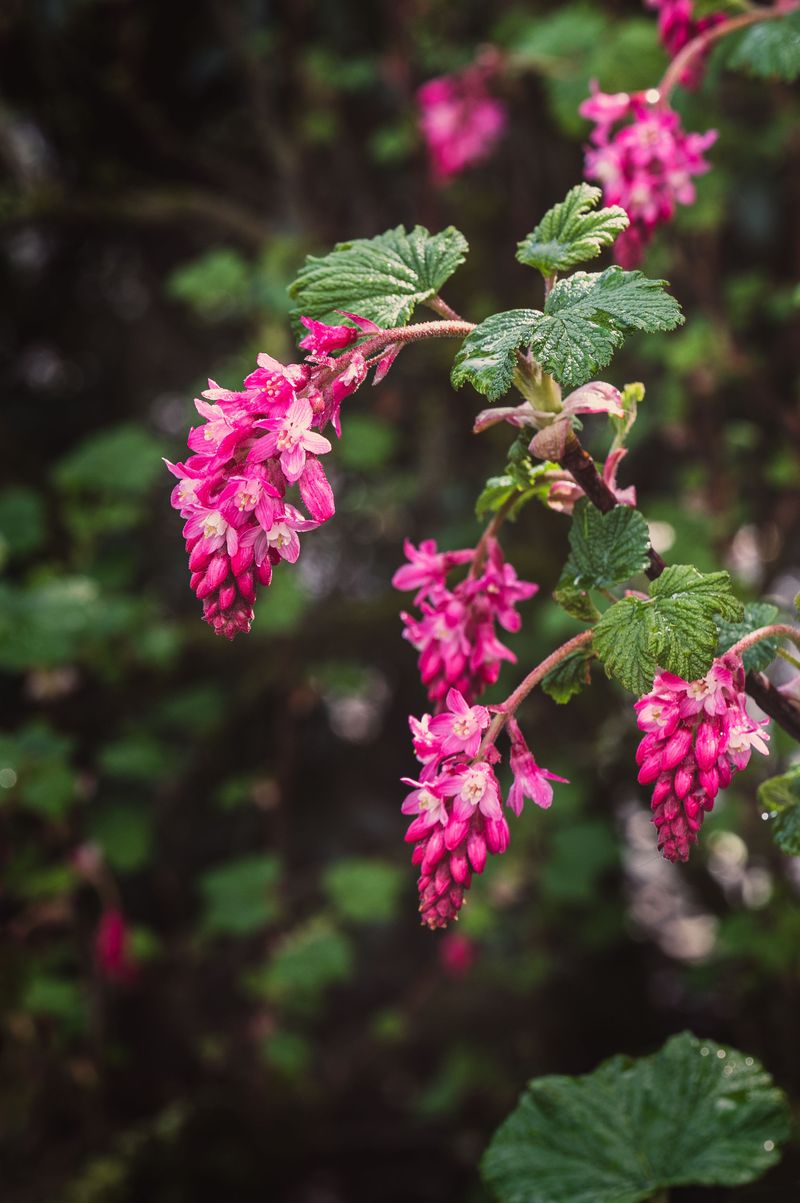
Hummingbirds seem to keep a calendar, because they often show up right when this shrub starts blooming in late winter. Those pink to deep red flower clusters hang like tiny chandeliers, often before the leaves fully unfold.
For a dry El Niño year, that early bloom matters, since it feeds returning hummingbirds when little else is open. Native bees also visit the flowers, so your yard becomes a busy snack stop on cool, bright mornings.
Most plants reach around 6 to 10 feet, though some can stretch taller in rich soil with room to grow. Lobed leaves carry a spicy, slightly resinous scent that some people love and others find a little odd.
After the flowers fade, small blue-black berries form, and birds usually find them long before you notice. The fruit is edible but rather bland, so I suggest leaving most of the harvest for the wildlife.
Once established, this currant handles summer drought nicely and rarely asks for more than an occasional deep soak. Morning sun with afternoon shade keeps it happiest, especially in hotter inland gardens with sandy, fast-draining soil.
Hardiness runs about USDA Zones 6 through 9, which makes it a reliable pick for many western gardens. Fall planting gives roots several months to grow before the shrub puts all its energy into flowers.
Prune right after blooming, if needed, since next year’s flower buds form on the current season’s growth. A little shaping keeps the shrub tidy, though its natural, airy form looks lovely without much fuss at all.
5. Hairy Manzanita
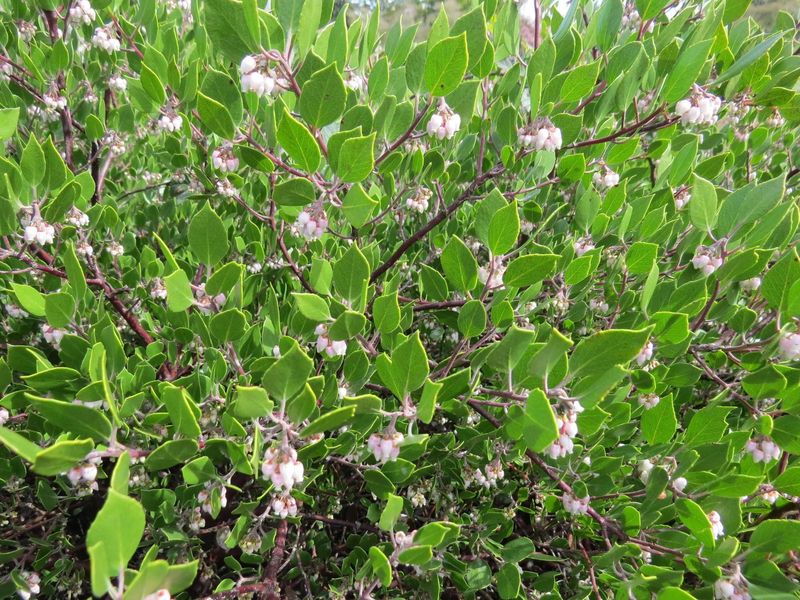
Run your fingers along a manzanita branch and the smooth, mahogany bark feels almost polished, like a well-loved banister. Twisting stems give the shrub a sculpted look that seems carved by an artist rather than shaped by wind.
The name means little apple in Spanish, a nod to the small, round berries that follow the flowers. Hairy manzanita gets its nickname from fuzzy young twigs and leaves, which feel soft when they first emerge.
Size depends on the site, with most plants landing somewhere between 3 and 15 feet tall over time. Gray-green leaves stay put through every season, giving your garden steady color when deciduous neighbors look bare.
Small urn-shaped flowers in pale pink or white appear in late winter and spring, much to the delight of bees. Early-season hummingbirds also sip the nectar, which makes this shrub a welcome pit stop during chilly months.
Drought hardly bothers it, because this plant evolved on rocky, sunny slopes from the coast to the western Cascades. Summer watering after establishment can actually cause harm, since wet roots in warm soil often lead to rot.
Aim for USDA Zones 7 through 10, along with full sun and soil that drains quickly after rain. A gentle slope or raised bed works wonders if your yard has heavy clay that holds water for days.
Plant small specimens this fall, water them through the first dry summer, then step back and enjoy. Honestly, I can’t imagine a lower-maintenance evergreen that still looks this elegant in a front yard border.
6. Blueblossom Ceanothus
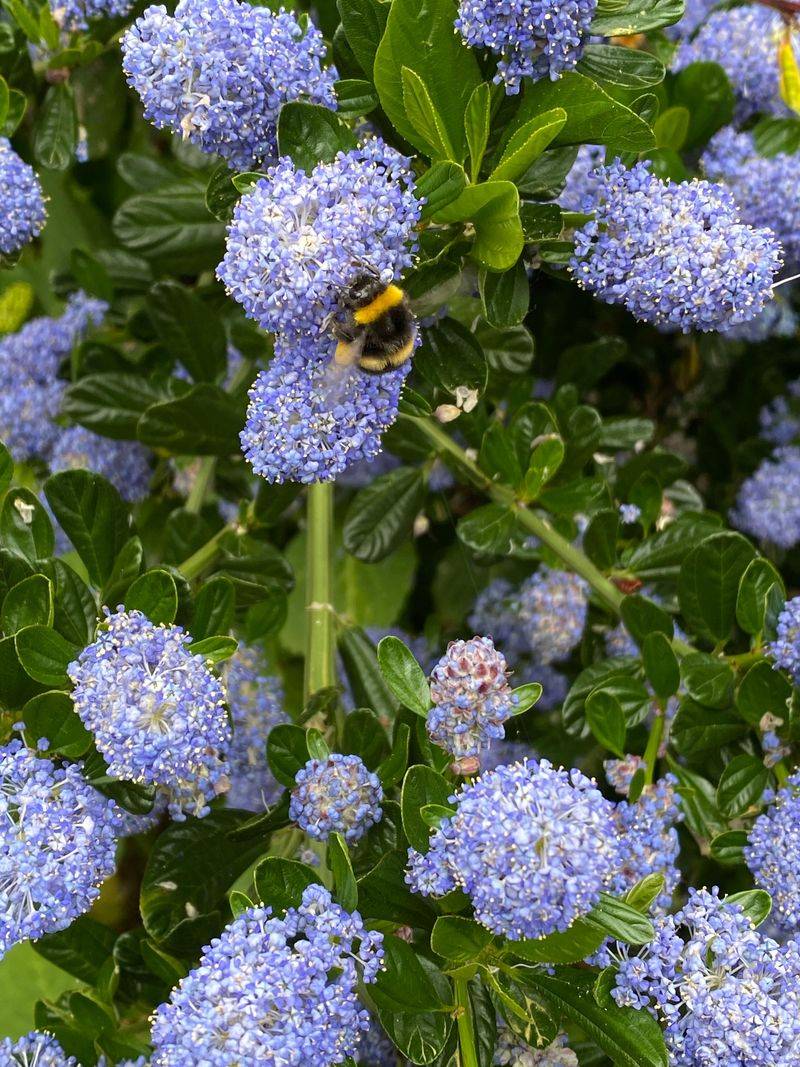
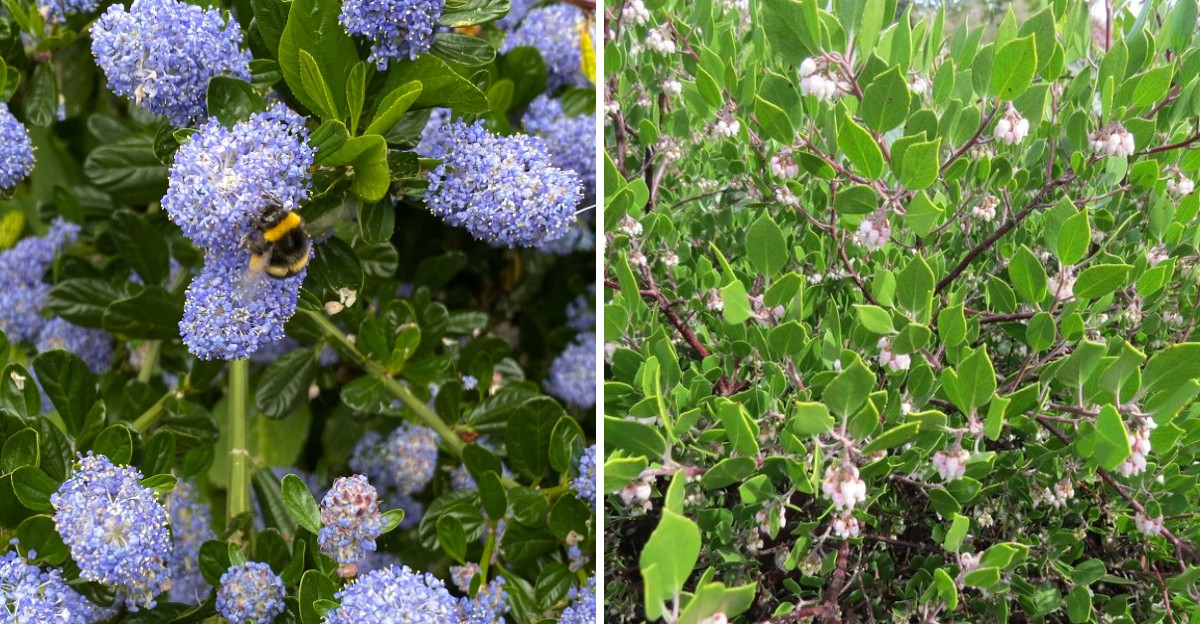
Few shrubs glow quite like this one in spring, when it erupts with puffy clusters of sky-blue to deep blue flowers. Bees swarm the blooms so happily that the whole plant seems to hum on sunny afternoons.
Wild stands grow along the southern coast, where salty breezes and summer dryness shaped its easygoing personality. Some folks call the whole group California lilac, though it has no real connection to the lilacs you know.
Most plants grow roughly 4 to 20 feet tall, so check the tag carefully before choosing a planting spot. Glossy, finely veined leaves stay green all year, giving your yard structure when winter rain falls short.
Roots of ceanothus partner with soil bacteria that pull nitrogen from the air, helping it grow in poor ground. That natural trick means you can skip fertilizer, which often does more harm than good for this shrub.
Summer irrigation is its weak spot, because frequent watering in warm weather can shorten the plant’s life noticeably. Once established, let rain handle the job, and give only rare deep drinks during extreme heat waves.
Plan on milder spots within roughly USDA Zones 8 through 10, since hard freezes can damage leaves and stems. Full sun and fast-draining soil are musts, and coastal or southwestern gardens tend to suit it best.
Expect a fairly short lifespan of about ten years, which is normal for many ceanothus in home gardens. Planting a young replacement every so often keeps the blue show going without any gaps in your border.
7. Tall Oregon Grape
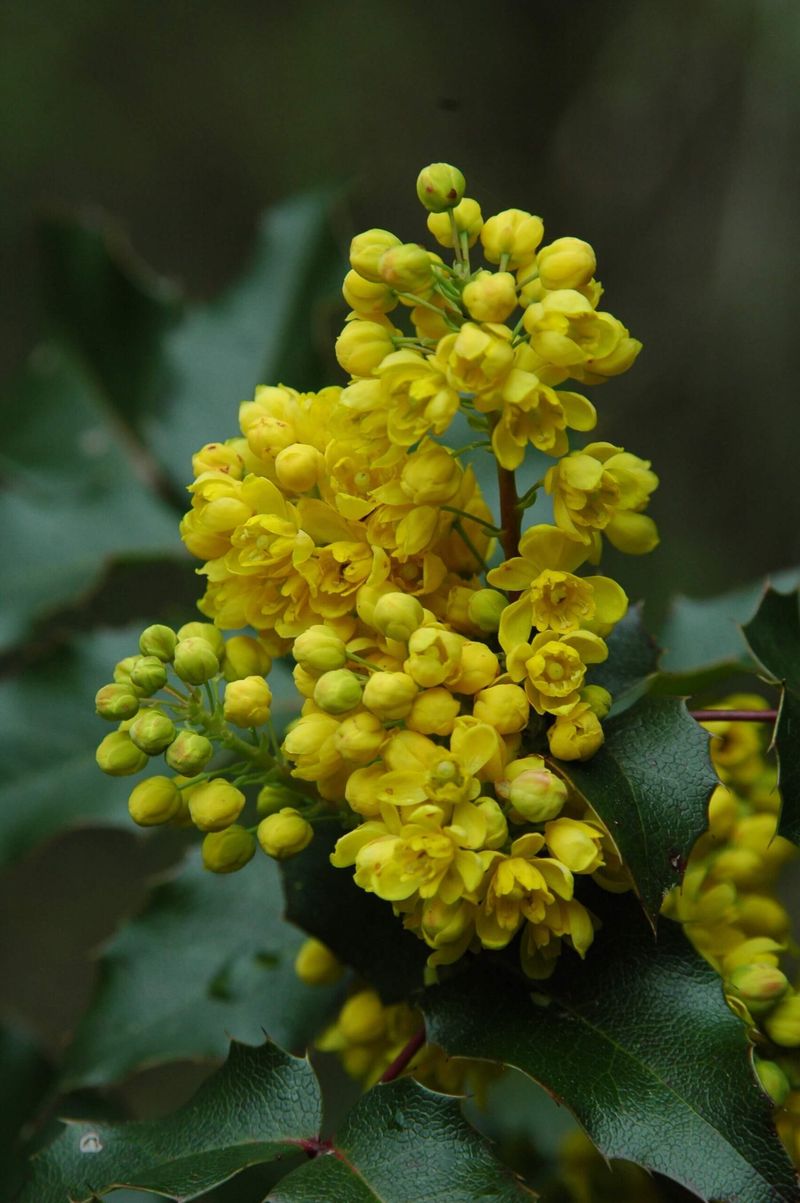
Few shrubs change outfits as often as this one, shifting from bronze new leaves to purplish winter foliage. Spiny, holly-like leaflets add drama, so it makes a handy barrier where you want people to stay off.
It also holds an official title as the state flower, chosen way back in 1899 by the legislature. That honor makes sense, because these sunny yellow blooms brighten roadsides and forest edges across much of the region.
Fragrant flower clusters open in early spring, feeding queen bumblebees that wake hungry after the long, cold months. By late summer and fall, dusty blue berries ripen, and birds quickly gather to sample the tart fruit.
People eat the berries too, mostly in jellies, since their sour bite is a bit much straight off the branch. Many gardeners blend them with sweeter fruit to soften the flavor and stretch a small harvest further.
Most plants settle around 3 to 6 feet tall, though older shrubs can grow taller with time. Spreading roots slowly form thickets, which can help hold soil on slopes that dry out between storms.
Expect strong performance in USDA Zones 5 through 9, with sun or part shade both working well enough. Once established, it shrugs off dry spells and even tolerates dry shade under big conifers where little else grows.
Bright yellow inner bark gives a clue to the plant’s long use as a natural dye by Indigenous peoples. Fall planting fits it perfectly, so pick up a potted shrub now and settle it in before winter.
8. Evergreen Huckleberry
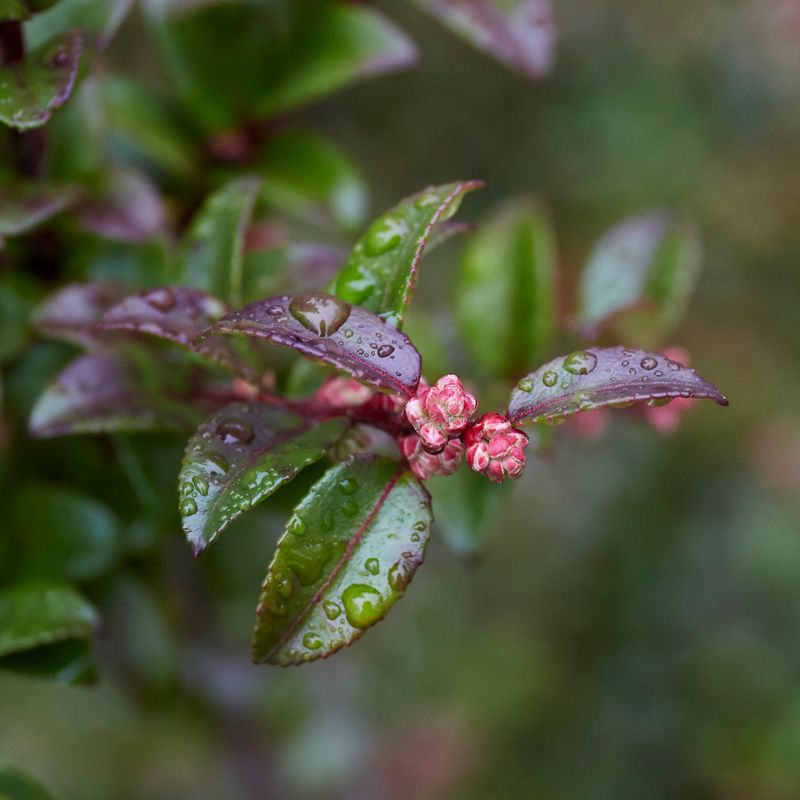
Berry pickers on the coast know a secret, because this shrub’s fruit ripens late, often lasting well into fall. Early October visitors may still find shiny blue-black berries hanging from branches, ready for a handful of snacking.
Those berries taste sweet with a slight musky edge, and many families turn them into jam and pie filling. Birds and small mammals feast on them too, so plant enough for sharing if you want a decent harvest.
Glossy, dark green leaves stay on all year, and new growth often flushes a pretty coppery bronze color. Florists have long prized the cut branches, which hold their shine for weeks in arrangements and wreaths.
Height varies with light, reaching about 3 feet in sun and up to 10 feet or more in shade. Pink to white bell-shaped flowers appear in spring, drawing hummingbirds and bumblebees to dangle beneath the blossoms.
Drought tolerance improves with shade, since plants in partial shade handle dry stretches better than those in hot sun. Acidic, well-drained soil rich in organic matter suits this shrub, much like the soil around nearby conifers.
USDA Zones 7 through 9 work best, so coastal and western valley gardens make the most natural home. Growth is slow at first, which can test your patience, but the shrub fills out nicely within several years.
Mulch with shredded bark or fallen needles this fall to hold moisture and keep roots cool year-round. Water regularly during the first couple of summers, then cut back as the roots reach deeper soil.
9. Vine Maple
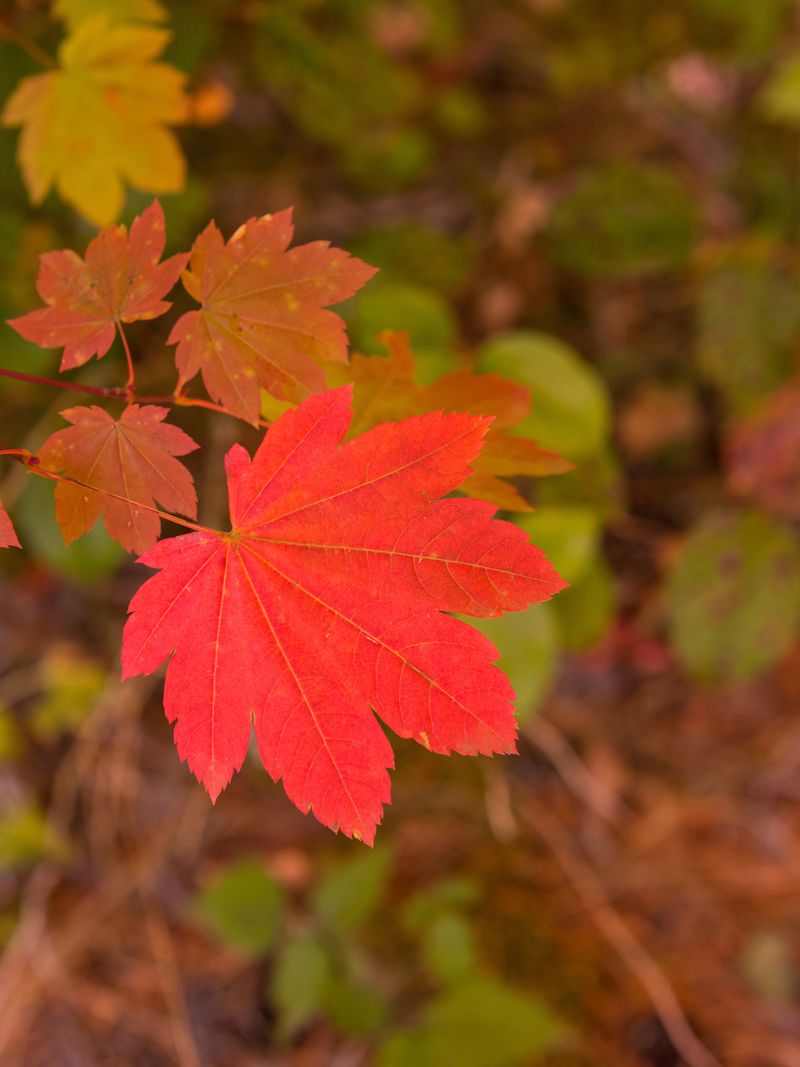
Autumn turns this little maple into a lantern, with leaves blazing orange and scarlet along shady forest edges. Early October is prime time to admire the show, so a woodland walk this month feels especially rewarding.
The name comes from its habit of sprawling and leaning in deep shade, sometimes rooting where branches touch soil. In open sun, the same plant grows more upright and dense, looking like a small, tidy tree.
Leaves are nearly round, with seven to nine shallow lobes that look like a child’s drawing of a star. Small reddish-purple and white flowers open in spring, followed by winged seeds that twirl down like helicopters.
Honesty matters here, because vine maple appreciates more moisture than most plants on this list, especially when young. Established plants in shade handle dry spells fairly well, which makes them useful for gardens under large conifers.
Most specimens reach 10 to 20 feet tall, often with several slender trunks that bend gracefully over time. Hardiness ranges widely, roughly USDA Zones 5 through 9, so many cold and mild gardens can host one.
Birds nibble the seeds and use the dense branches for cover, while deer browse the leaves in some areas. Bumblebees and other pollinators visit the spring flowers, adding a quiet buzz to your shady corner.
Plant this fall in partial shade, then add a thick layer of leaf mulch to protect the soil moisture. Give deep drinks during the first two dry summers, and the roots will learn to fend for themselves.
10. Pearly Everlasting
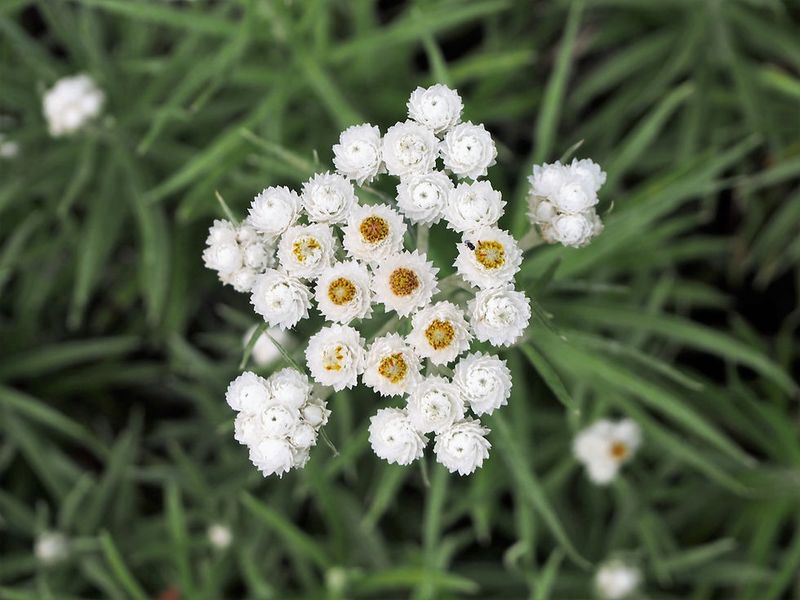
Flowers that refuse to fade sound like a magic trick, yet this perennial pulls it off nearly every fall. Papery white blossoms with tiny golden centers hold their shape for months, even after you snip them for vases.
Those white parts are actually dry, petal-like bracts, which explains why the blooms stay crisp long after picking. Hang a bundle upside down in a dark closet, and you will have dried bouquets lasting well into winter.
Silvery, woolly leaves give the plant a soft, frosty look that glows in early morning light. Fine hairs on those leaves help reduce water loss, a clever adaptation for dry, sunny meadows and roadsides.
Most plants grow 1 to 3 feet tall and spread slowly by underground roots into loose, friendly patches. Lean, rocky or sandy soil suits it well, so skip the compost and rich fertilizer for best results.
Butterfly fans should take note, since this plant hosts caterpillars of the American lady and painted lady butterflies. Skippers and many small bees also visit the flowers, keeping your fall garden lively when other blooms decline.
Expect reliable growth in USDA Zones 3 through 8, and give it full sun for the sturdiest stems. Once established, it handles dry winters and summers with ease, needing only occasional water during long droughts.
Fall is a perfect moment to tuck in a few potted plants or scatter seed across a sunny patch. Next September, I’m sure you will smile when those pearly clusters appear, ready to brighten your table indoors.