What A Toad Living Under Your Massachusetts Steps Is Really Telling You About Your Yard
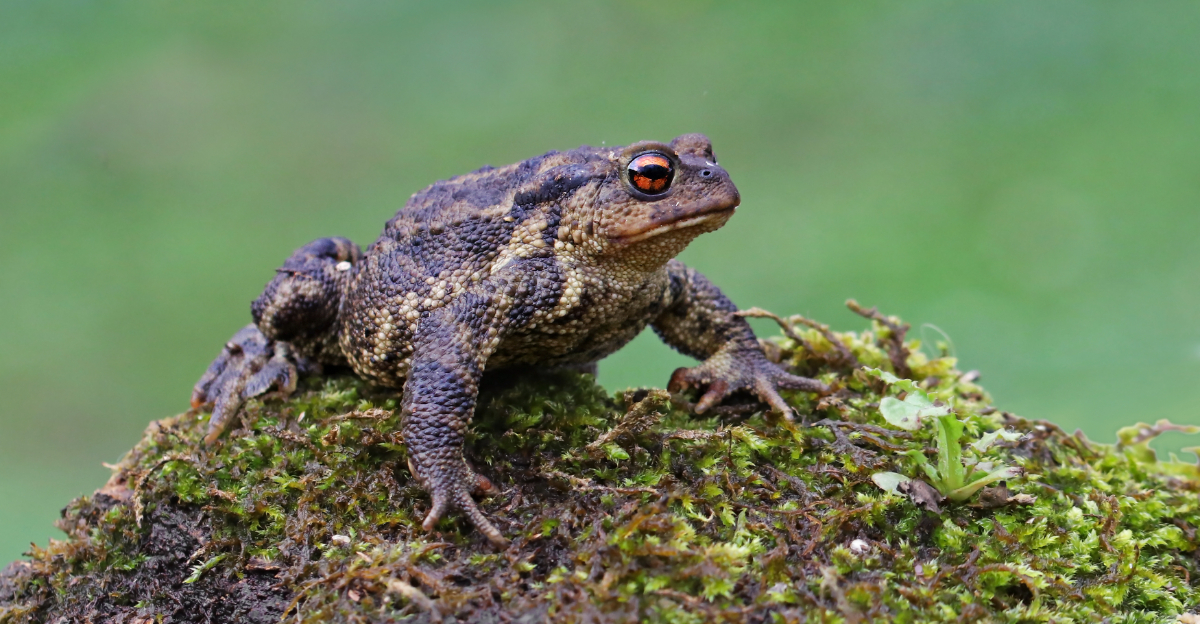
That small chunky shape under your steps already knows something important about you. Toads never choose randomly; they carefully judge your land first.
Massachusetts soil either impresses them or disappoints your land. Moisture, shelter, and steady food determine whether you passed. Nothing about that quiet arrival happens without your approval.
Every toad carefully reads signals in your soil before staying. Your property just cleared a test most yards fail. Insects, dampness, and undisturbed ground worked in your favor.
Pesticides would have sent this toad sprinting from your land. Clean ground speaks louder than anything you planted. Homes across Massachusetts with soil like yours attract more than toads.
Birds and beneficial insects often notice what you built too. This tiny amphibian quietly carries direct information about your land.
Ignoring it always means missing what your ground is telling you. You are about to learn exactly what that signal means for you.
Why Toads Choose To Live Near Your Steps
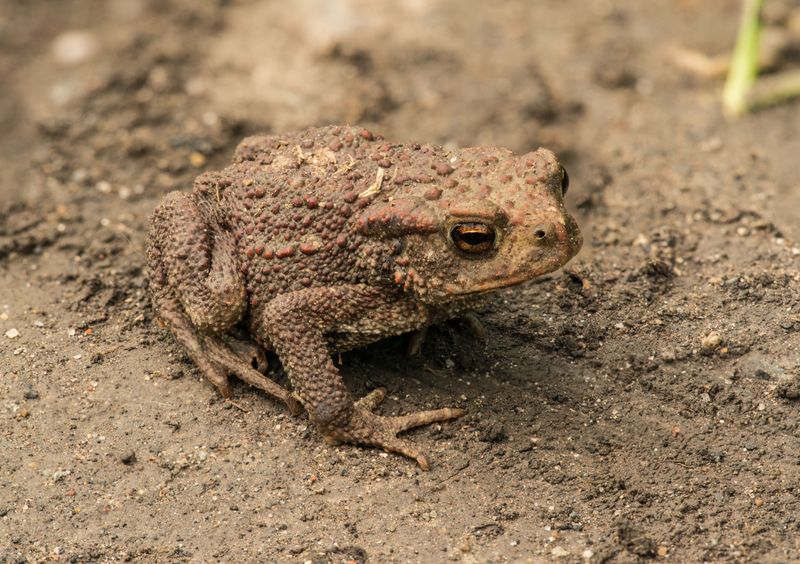
That toad did not end up under your steps by accident. American toads are highly selective about their shelter, and your steps offered exactly what they were searching for.
Steps create a microhabitat that toads love. The gap underneath traps cool moisture, blocks harsh sunlight, and shields them from predators like crows and raccoons.
Toads are cold-blooded, so managing body temperature is a full-time job. A shaded, humid hiding spot under stone or wood steps helps them stay comfortable without burning extra energy.
Your steps also sit close to the ground, which matters a lot. Toads do not jump far to find food, so a base-level shelter near hunting grounds is prime real estate for them.
The material of your steps plays a role too. Stone and concrete retain cool temperatures longer than wood, making them especially attractive during warm New England summers.
Moisture from rain or irrigation that collects near your foundation gives the toad a reliable water source. Toads absorb water through their skin rather than drinking it, so damp soil nearby is essential.
The fact that a toad living under your steps chose your Massachusetts yard means the surrounding area met all its basic survival needs. That is not luck, it is a sign of a genuinely welcoming outdoor environment.
Your yard met the toad’s basic needs, and that small fact says a lot about your property’s health.
What A Resident Toad Says About Your Soil And Insects
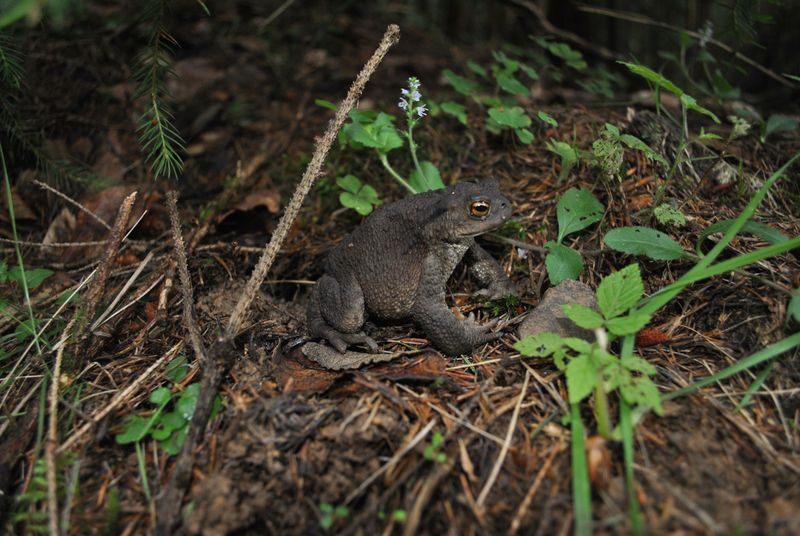
A toad moved in, and your soil deserves some credit. Healthy, loose, moist soil is one of the first things a toad needs to survive outside of its shelter.
Toads burrow into soft ground to escape heat and to sleep through winter. If your soil is hard, compacted, or dry, a toad simply will not stay around long enough to set up camp.
Soft soil also means earthworms, grubs, and beetles are living there. These are exactly the creatures a toad hunts every single night without fail.
A toad living under your steps is telling you that your insect population is thriving. It would not stick around if the food supply were thin or unreliable.
Your Massachusetts Garden Changes Every Week. Your Plan Should Too.
Gardening in Massachusetts changes quickly throughout the season. Every Friday you’ll receive a simple weekly plan showing exactly what to plant, prune, fertilize, harvest, and protect so you never miss the right timing.
Healthy insect diversity in a yard points to a balanced ecosystem. You likely have not over-applied pesticides, and your plant life is supporting a wide range of small creatures.
Earthworms specifically signal well-aerated, nutrient-rich soil. Their presence benefits your plants and feeds your toad at the same time, making them a double win for any yard.
The toad’s presence is essentially a strong indicator of your soil’s quality. It scouted your property, sampled the insect menu, and decided the place was worth staying in for the long haul.
Massachusetts gardeners spend years trying to build the kind of soil conditions that attract wildlife like this. You may already have what others are working hard to create.
The Pest-Control Benefits Toads Provide
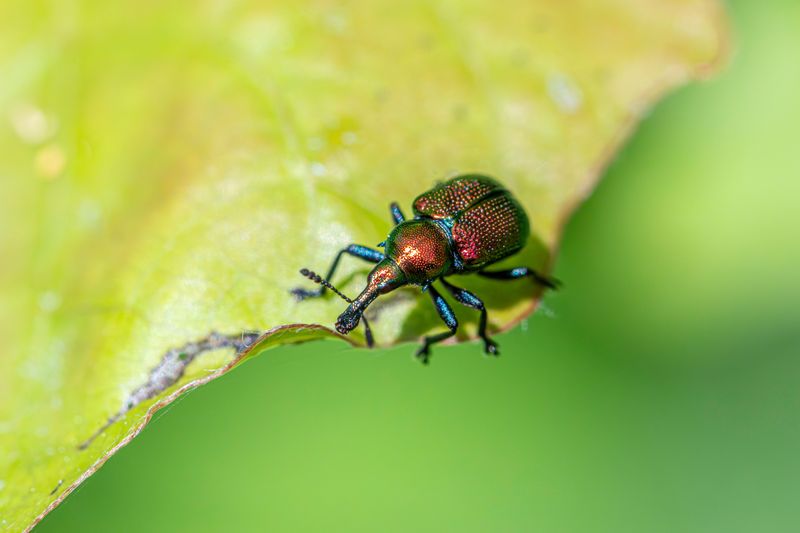
Here is something that should make you smile about your new yard guest. A single adult toad eats a large volume of insects over the course of one season, making it one of the more effective natural pest controllers in a yard.
That number includes some of the most frustrating pests in any New England yard. Mosquitoes, slugs, earwigs, and cutworms are all regular items on a toad’s nightly menu.
Slugs alone can destroy a vegetable garden in days. Toads hunt them aggressively after dark, patrolling the same areas night after night with impressive consistency.
Cutworms are another major target. These larvae chew through plant stems at the soil line, and toads root them out before they cause serious garden damage.
The best part is that your toad works for free. No chemicals, no traps, no weekly maintenance. It simply shows up at dusk and gets to work.
Chemical pesticides often wipe out beneficial insects along with harmful ones. A toad provides targeted, natural pest management without disrupting the broader ecosystem in your yard.
Some gardeners who protect toads in their yards notice fewer slug trails and less mosquito activity near garden beds and patios.
Keeping that toad comfortable under your steps is one of the smartest low-effort gardening decisions you can make. Think of it as a natural, low-effort form of pest control that works every night.
Signs Your Yard Is Healthy Enough To Host A Toad
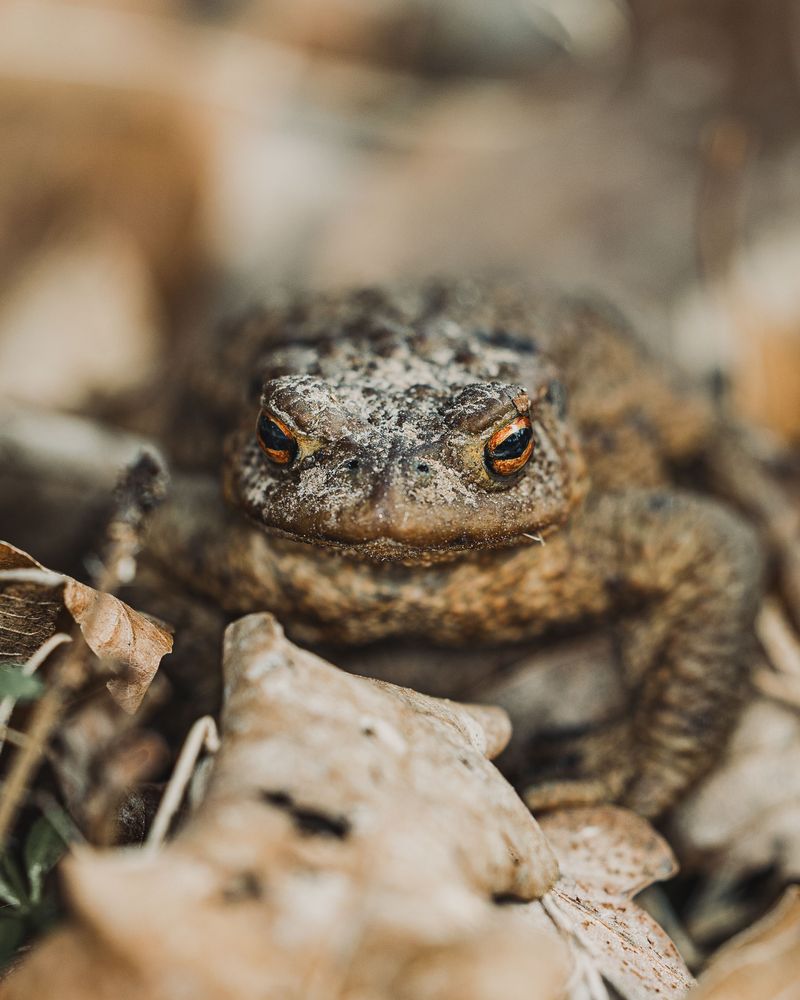
Not every yard can support a toad, and that is an honest fact. The presence of one tells you that your outdoor space has passed a quiet but meaningful environmental checklist.
First, your yard likely has enough shade and moisture to keep ground temperatures cool. Toads are sensitive to heat and dehydration, so a dry, sun-baked yard will not hold them.
Second, you probably have a reliable insect population. That means your yard supports plant life, decaying matter, or water features that give bugs a reason to stick around.
Third, your soil is soft enough for burrowing. Compacted, over-tilled, or heavily treated soil pushes toads away because they cannot dig in or find food near the surface.
Fourth, your yard is relatively free of harsh chemical treatments. Toads absorb everything through their skin, so lawns heavy with synthetic herbicides or pesticides can become harmful environments for them quickly.
Fifth, you have some form of natural cover nearby. Leaf piles, low shrubs, garden borders, or mulched beds give toads safe travel corridors between shelter and hunting grounds.
These five conditions together describe a yard that functions like a mini-ecosystem. Many heavily manicured lawns fail to meet several of these criteria without the homeowner realizing it.
Your toad is a strong sign that your yard hit the mark. That is a positive sign worth recognizing and protecting going forward.
How To Make Your Yard More Toad-Friendly
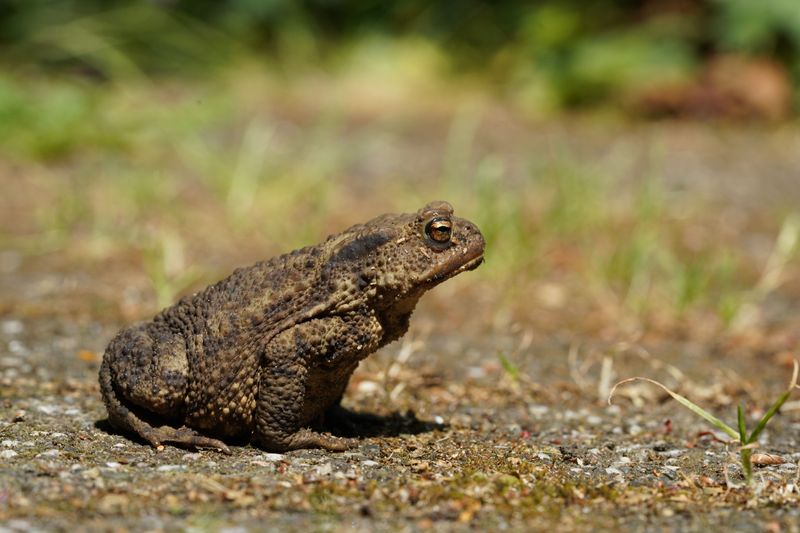
You want to keep that toad around, and the good news is that it does not take much. A few small changes to your yard can turn a temporary visitor into a permanent resident.
Start by leaving a small section of your yard unmowed or loosely mulched. Toads need access to bare or loosely covered soil for burrowing, especially as temperatures drop in fall.
Add a shallow water dish or a small garden pond near your steps. The water should be shallow enough for the toad to soak safely, since toads are weaker swimmers than frogs.
Place a toad house near your existing toad’s territory. These are small ceramic or clay shelters available at garden centers, and they provide a backup hiding spot during dry or hot stretches.
Reduce or limit synthetic pesticide use in the areas where your toad hunts. Even one heavy application near the foundation can cause serious harm through skin absorption.
Plant native ground covers like pachysandra, wild ginger, or low ferns near your steps. These create cool, shaded corridors that toads use to move safely between shelter and feeding areas.
Leave leaf litter in corners of your Massachusetts yard through the fall. Toads use decomposing leaves to burrow into for winter dormancy, and a clean swept yard removes that critical resource.
Small efforts like these stack up quickly. Before long, you may have more than one toad calling your yard home, and that is a sign your space is truly thriving.
When A Toad’s Presence Signals A Problem
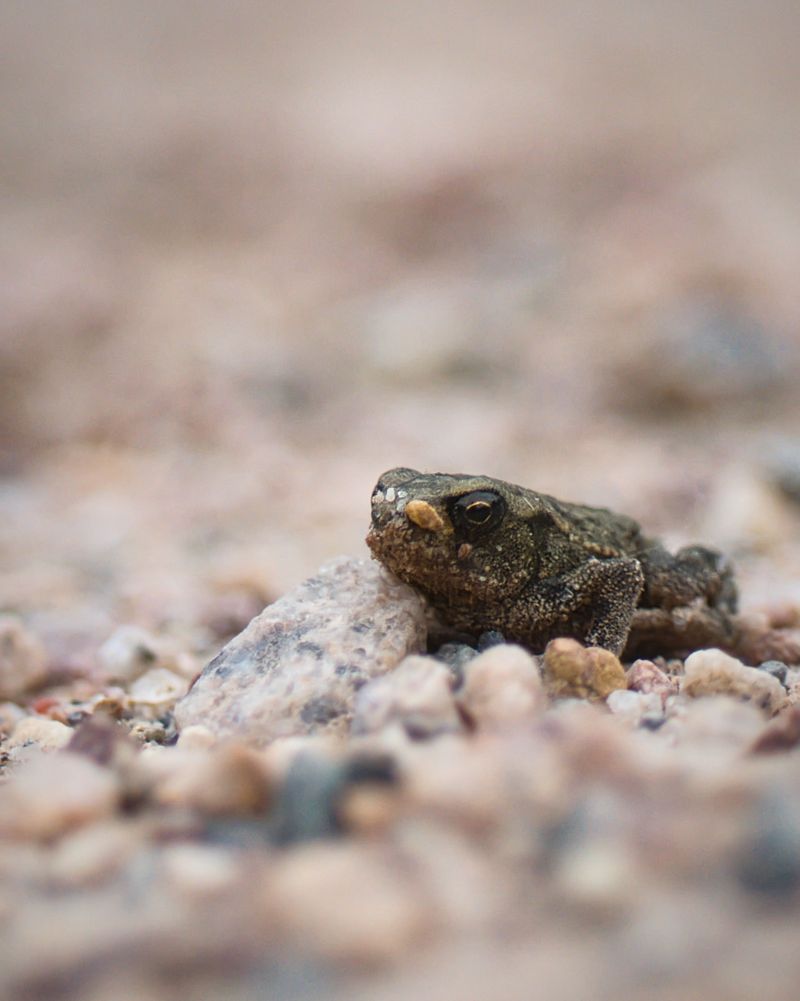
A toad under your steps is usually good news, but sometimes its presence points to something worth investigating. Context matters a lot when reading what your Massachusetts yard is telling you.
If you notice your toad is always near the foundation, it may be following moisture. Excessive dampness near your home’s base can signal a drainage problem or a slow foundation leak.
Toads are drawn to standing water and wet soil. If they are clustering near one specific area, that zone may be retaining water longer than it should after rain.
Persistent moisture near a foundation in New England can lead to mold, wood rot, or structural issues over time. The toad may be thriving, but your house may be experiencing a moisture or drainage issue.
Check your gutters and downspouts if you notice the toad always stays near one corner. Clogged gutters often dump water directly against the foundation, creating exactly the damp conditions toads seek.
Another signal worth watching is a sudden increase in toad activity. A spike in the local population sometimes reflects a surge in the insect supply, which can mean decaying organic matter nearby.
Rotting wood, a neglected compost pile too close to the house, or a buildup of organic debris can all attract insect swarms, and toads follow the food chain right to your door.
Use the toad as a clue, not a cause for alarm. What A Toad Living Under Your Massachusetts Steps reveals about your yard can help you fix small problems before they grow into big ones.