The Real Reason Missouri Yards Have Fewer Fireflies This Summer
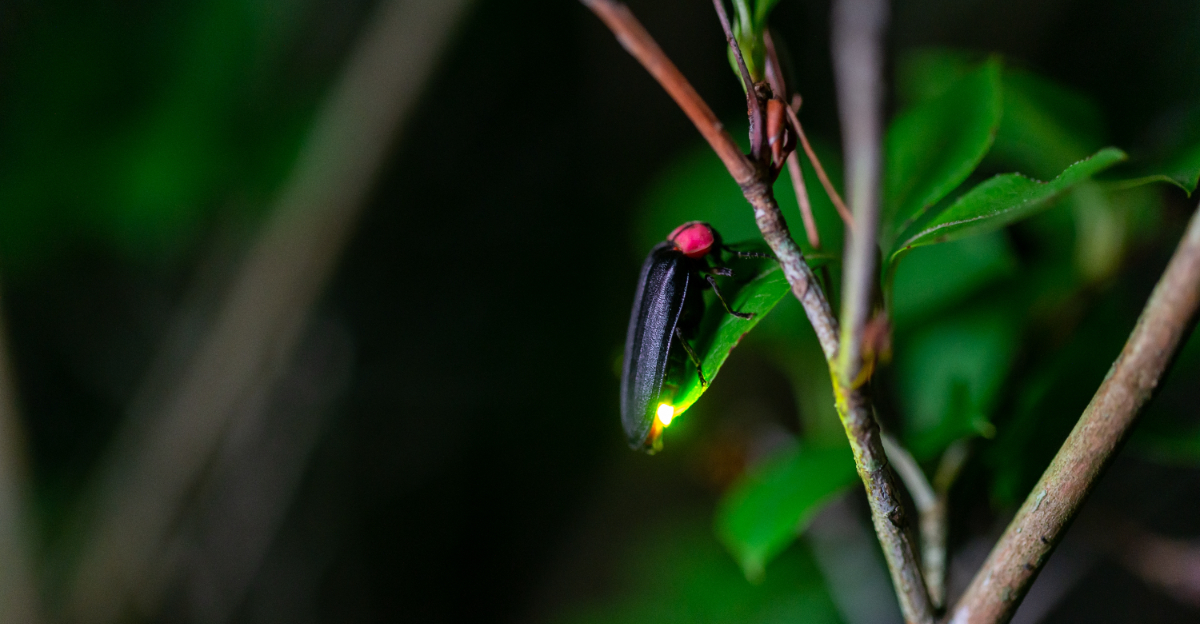
There was a time when Missouri backyards turned into something closer to theater after sunset. Small pulses of light rose from the grass in loose, uneven rhythm, and neighborhoods seemed to hum with quiet motion.
That rhythm has been slipping. Fewer lights appear each June, and the ones that do often fade out earlier than they used to.
Homeowners rarely connect this shift to anything they are doing. Yet the choices made in an ordinary yard, mowing schedules, outdoor lighting, watering habits, shape whether these insects can complete their brief summer cycle at all.
Missouri’s warmer, drier stretches have not helped either. Combined with subtle changes in how people manage their lawns, the pressure on local firefly populations has been building for years without much notice.
None of this means the pattern is fixed. A handful of adjustments, most of them easy to overlook, can start to bring the glow back.
Outdoor Lighting Disrupts Their Mating Signals
Fireflies communicate through light. Each species flashes its own pattern, and males use it to signal females waiting in the grass below.
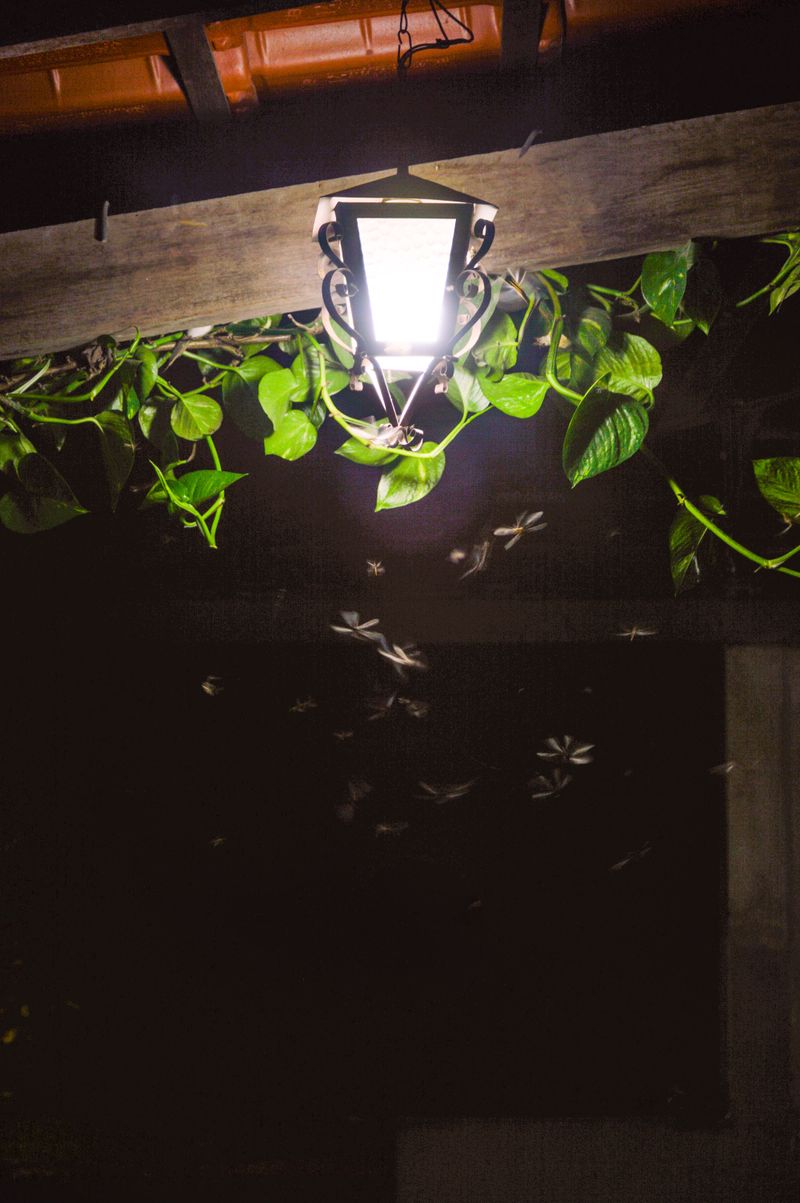
When a yard is filled with artificial light, those signals get lost. A firefly searching for a mate near a bright floodlight faces something like trying to spot a single candle in a stadium.
Outdoor lighting has increased sharply in American neighborhoods over the past two decades. LED technology made it cheap and easy to light driveways, porches, and pathways through the night.
Missouri yards follow this same pattern. Brighter neighborhoods tend to produce fewer successful firefly matings, and fewer matings mean fewer larvae hatching the following season.
The effect can build over time. A season with weak mating success often leads to a smaller population the summer after.
Researchers who study bioluminescent insects describe this as light pollution interference, and rank it among the more significant pressures facing firefly populations. Even a single outdoor light nearby can disrupt this activity.
Fireflies tend to be most active during the hour or two after dusk on warm nights. Motion-sensor fixtures cause less disruption than fixtures left on all night, though they can still interrupt activity during those peak hours.
Simple Ways To Cut Nighttime Light Pollution
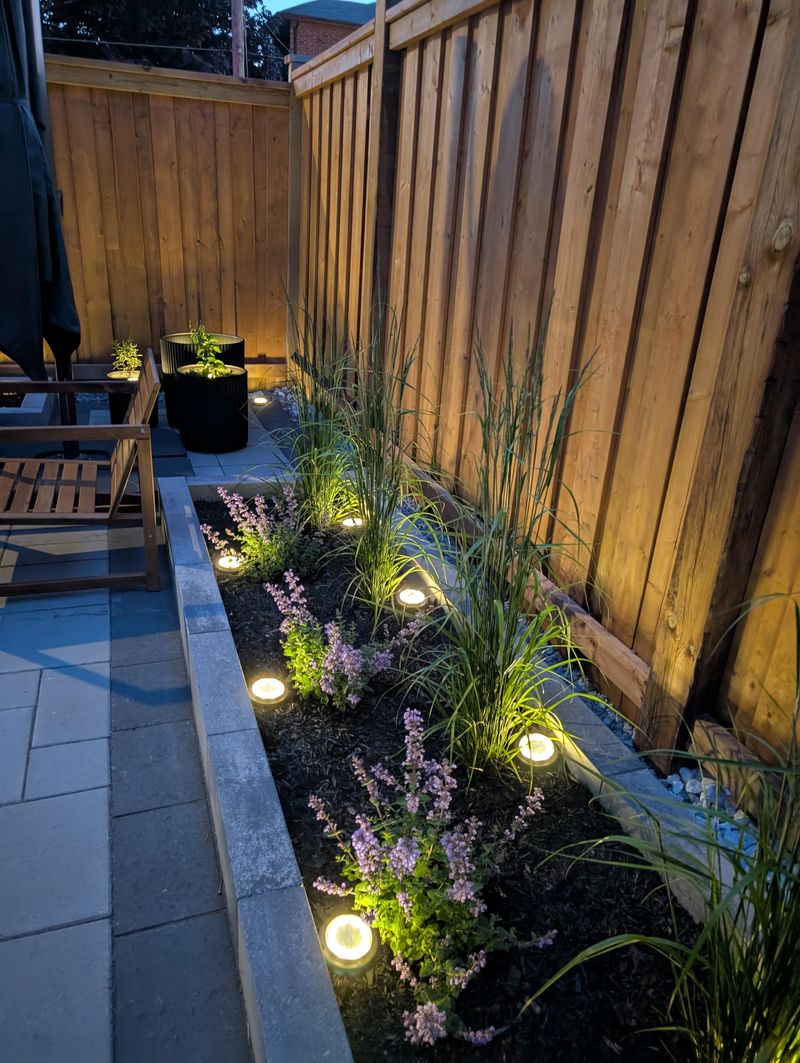
Reducing light in a yard does not require expensive equipment or a major renovation. It often starts with a habit shift during summer evenings.
Turning off porch lights, string lights, and decorative garden fixtures during the early evening hours of peak firefly season helps considerably. That window runs from late May through July across most of Missouri.
Motion-activated fixtures are a solid option for anyone concerned about security lighting. They lower overall light exposure while still providing illumination when it is actually needed.
Bulb color matters too. Cool blue-white LED light tends to interfere with firefly signals more than red-spectrum lighting, which current research points to as the least disruptive option where lighting cannot be avoided.
Directing light downward instead of outward limits how far it spreads into nearby vegetation. Shielded fixtures that focus light on walkways rather than broadcasting across the yard are a practical upgrade.
Your Missouri Garden Changes Every Week. Your Plan Should Too.
Gardening in Missouri changes quickly throughout the season. Every Friday you’ll receive a simple weekly plan showing exactly what to plant, prune, fertilize, harvest, and protect so you never miss the right timing.
For evenings spent outside, a low-output lantern or a few candles can replace overhead lighting. Many people find they enjoy the softer atmosphere just as much.
Sharing this idea with neighbors can multiply the effect quickly. A block that reduces nighttime light together creates a wider dark corridor fireflies can actually use.
Lawn Chemicals Harm Larvae Living In The Soil
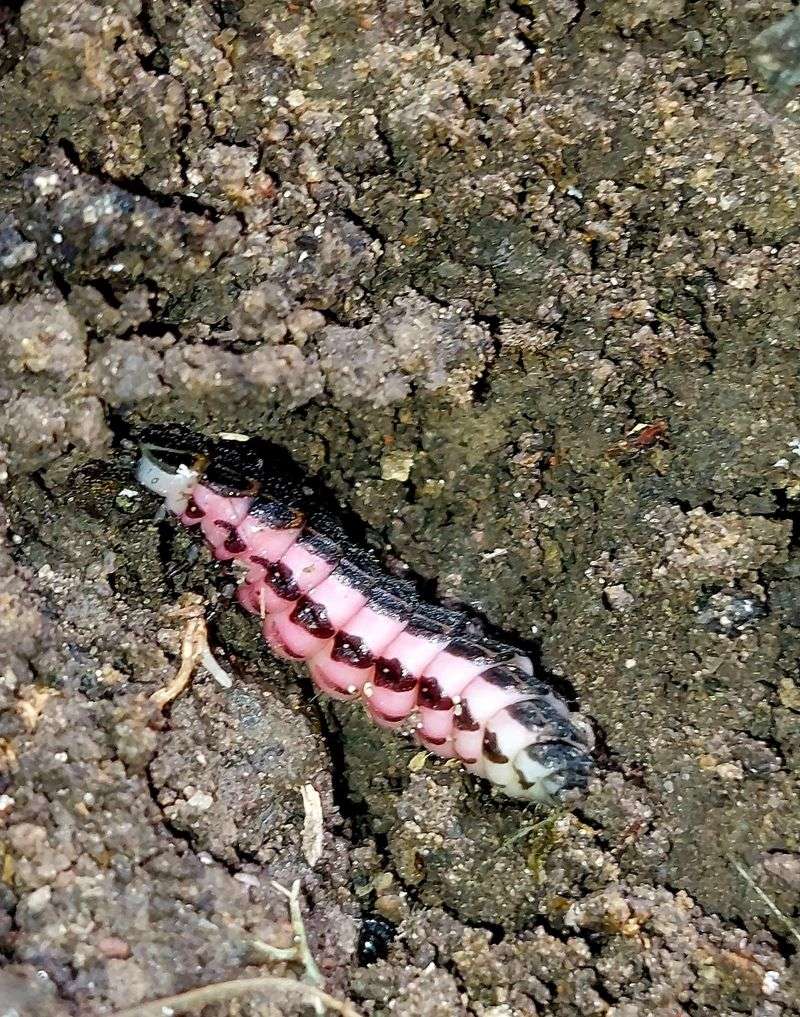
Most people picture fireflies as glowing adults drifting through summer air. Yet fireflies spend most of their lives underground as larvae.
Firefly larvae live in the soil for one to two years before they ever produce a single flash. During that stretch, they feed on earthworms, snails, and other soft-bodied creatures living just beneath the surface.
Common lawn treatments, including broad pesticides, grub control products, and weed-and-feed formulas, seep into that soil layer. Many of these products are not designed to target firefly larvae, but they affect them anyway.
Insecticides marketed for mosquitoes and grubs are particularly hard on this underground community. They often do not distinguish between pest insects and the beneficial ones sharing the same soil.
Mosquito spraying services have become common across many Missouri neighborhoods in recent years. These broad treatments settle into grass and soil, reaching far beyond the mosquitoes they are meant to target.
Fertilizers that shift soil pH can also make the environment less welcoming for the small creatures firefly larvae rely on for food. A lawn that looks flawless from above can hold very little life underneath.
Across Missouri, the push for green, weed-free lawns has led to heavy chemical use in many neighborhoods. That polished appearance often comes with a hidden cost to what lives below it.
Choosing Gentler Lawn Care Products
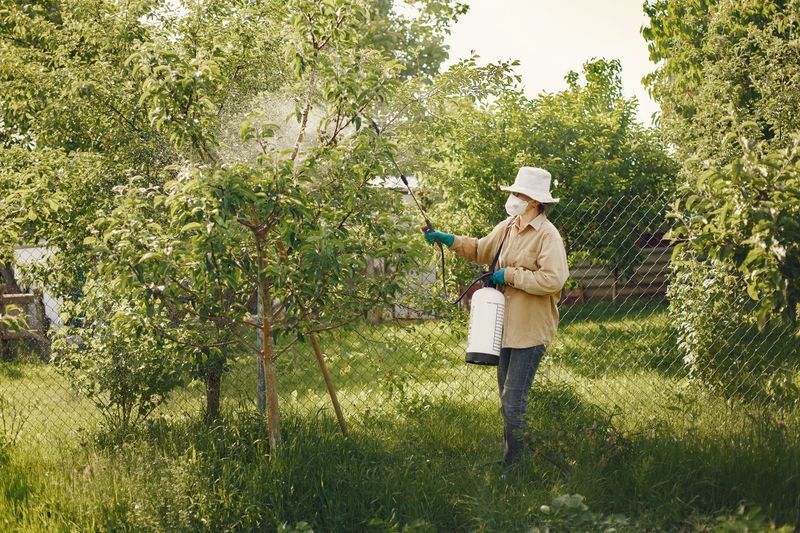
Moving away from chemical lawn treatments feels like a big shift at first. In practice, the change tends to be simpler than most homeowners expect.
Start by looking at which products are already in use and what they target. Many standard lawn care packages include broad-spectrum insecticides that reach well past the pest they were meant for.
Grub control products are among the more difficult ones for firefly larvae to tolerate. Many of these compounds linger in the soil for weeks, exposing larvae to harm long after the initial application.
Organic alternatives like neem oil, diatomaceous earth, and beneficial nematodes can handle specific pest problems without the same broad impact on soil life. These options are widely available at garden centers throughout Missouri.
Spot treatment offers another practical approach. Instead of covering an entire lawn, applying products only to the areas with real pest pressure limits exposure considerably.
Cutting back on fertilizer also supports firefly habitat indirectly. Heavy nitrogen use speeds up grass growth, which leads to more frequent mowing and less resting vegetation overall.
Letting some natural ground cover, like clover or low wildflowers, mix into a lawn reduces the need for chemical intervention. A more biodiverse lawn tends to hold up better on its own.
Giving the soil one season without chemical treatment gives underground populations a chance to stabilize. Larvae that make it through that window have a real shot at becoming next summer’s glowing adults.
Mowing, Raking, And The Shelter Fireflies Lose
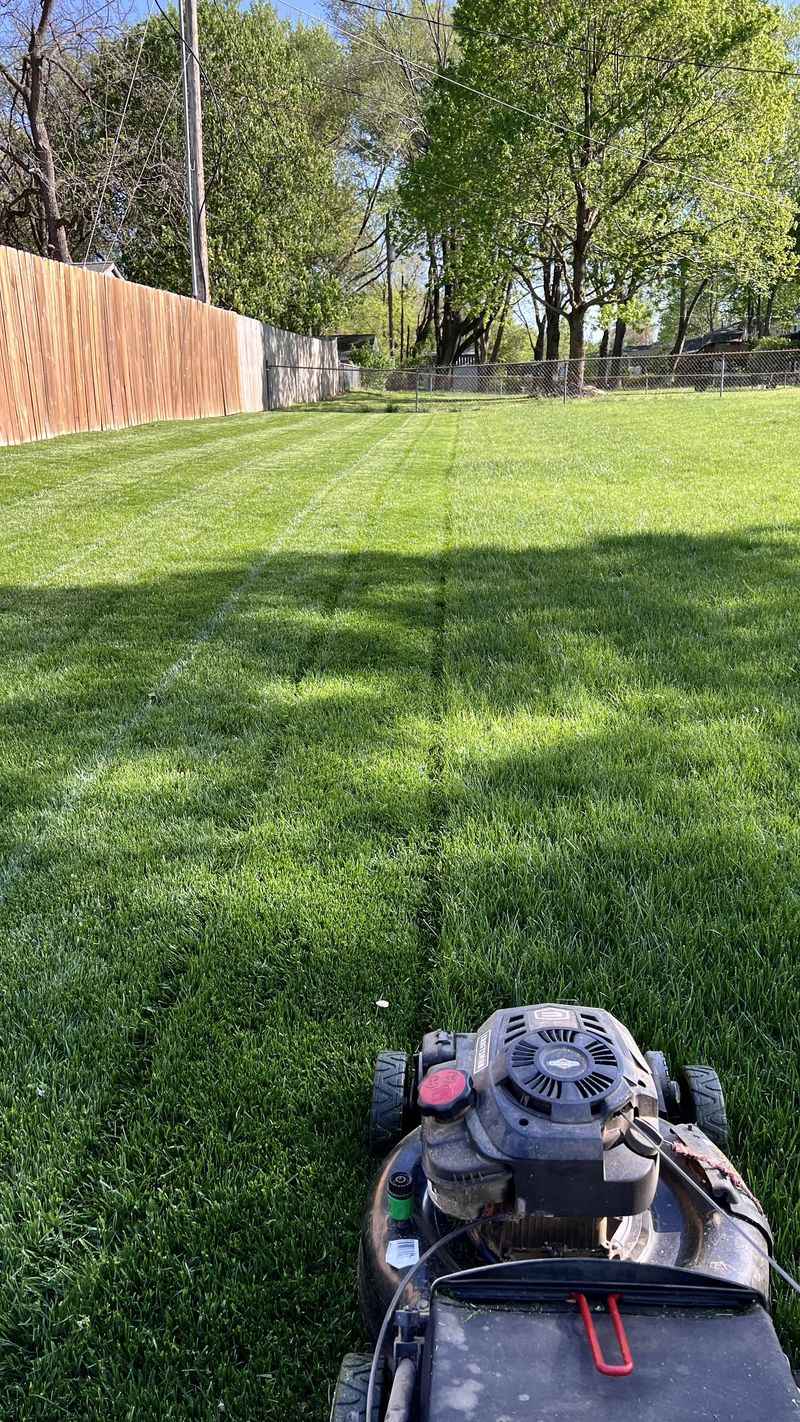
During the day, adult fireflies rest in tall grasses, shrubs, and leaf litter. They need shade, humidity, and cover to survive the heat between their nightly appearances.
Many Missouri homeowners mow weekly and remove all clippings soon after. That level of upkeep leaves very little usable resting habitat for adult fireflies.
Even the edges of a yard matter here. Fireflies tend to rest along fence lines, garden borders, and wooded areas where vegetation is allowed to grow a bit taller.
Raking out leaf litter in spring clears away the overwintering sites where larvae have been developing all winter. Homeowners often do this cleanup shortly before firefly season begins, without realizing it removes the next generation along with the leaves.
Longer grass also holds more moisture close to the ground. Since fireflies are sensitive to dry conditions, that extra humidity near the soil surface makes a yard noticeably more attractive to them.
Letting one section of lawn grow to four or five inches makes a real difference. Lawn care does not need to be scaled back completely to see results.
Even a small unmowed border around a garden bed or along a fence can work as a firefly refuge. A strip roughly 10 feet long is often enough to support a surprising number of them through a full season.
Moisture, Native Plants, And Bringing Fireflies Back
Fireflies depend heavily on moisture. They lay eggs in damp soil, their larvae need humid conditions to develop, and adults tend to be most active on warm, muggy nights.
Missouri summers have trended hotter and drier in recent years. Heavily managed lawns, with short grass and compacted soil, tend to dry out even faster after rain.
Low spots, shaded sections, and small rain garden areas naturally stay damp longer than the rest of a lawn. A birdbath or a shallow dish kept filled with water can offer the same relief during dry stretches.
Deep watering once or twice a week tends to help more than light daily sprinkling. It encourages moisture to reach the lower soil layers where larvae actually live.
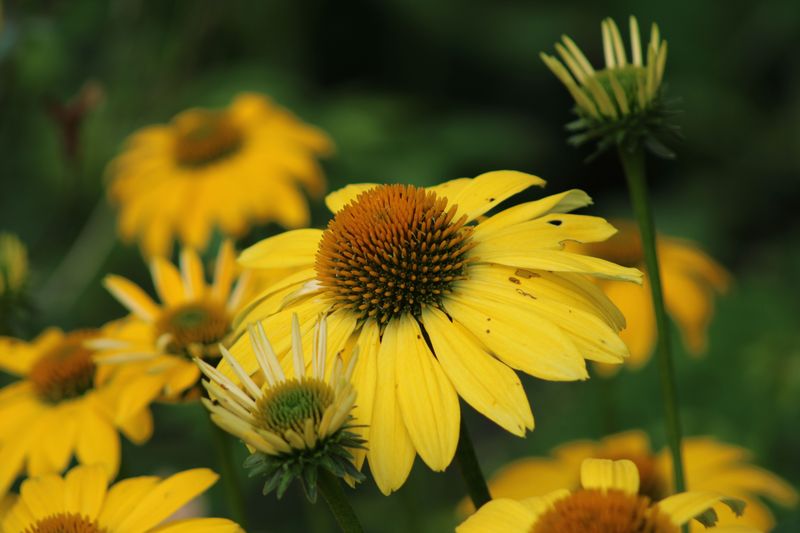
Native plants are one of the stronger long-term investments for firefly recovery. Species like coneflower, black-eyed Susan, and wild bergamot create layered vegetation that holds moisture and supports the prey larvae hunt underground.
The insects and other small creatures drawn to native plant cover give larvae a steady, natural food source. Grouping several native plants together in one area creates a denser patch of habitat than scattering them across an open lawn.
Missouri has a wide range of native species that grow well in residential yards with little upkeep. Local native plant societies and conservation groups often sell them at low cost each spring, making this a practical starting point for almost any yard.