Overwintering Geraniums In Your Wisconsin Basement May Help You Save Plants For Next Spring
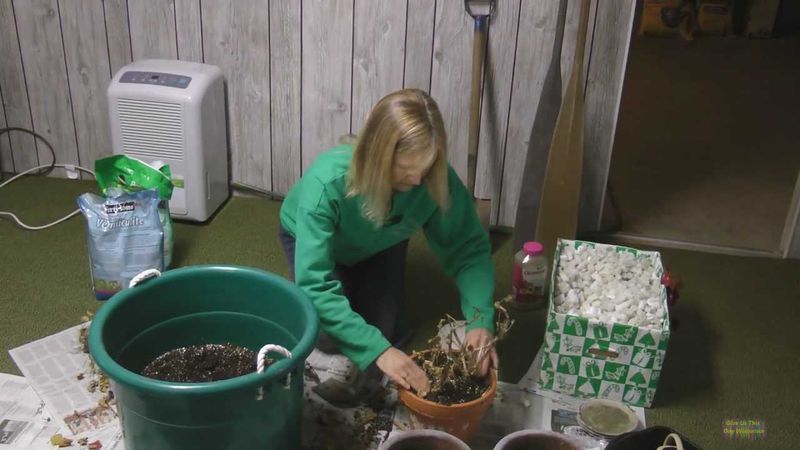
Every fall, Wisconsin gardeners face the same tough choice: let the frost take those colorful bedding geraniums or try to save them for another season. The good news is that a suitable basement may help you carry healthy plants through winter and restart them in spring, potentially cutting your replacement plant costs.
Getting there takes some honest effort, the right conditions, and a willingness to accept that results are never guaranteed.
Wisconsin’s “Geranium” May Be a Pelargonium
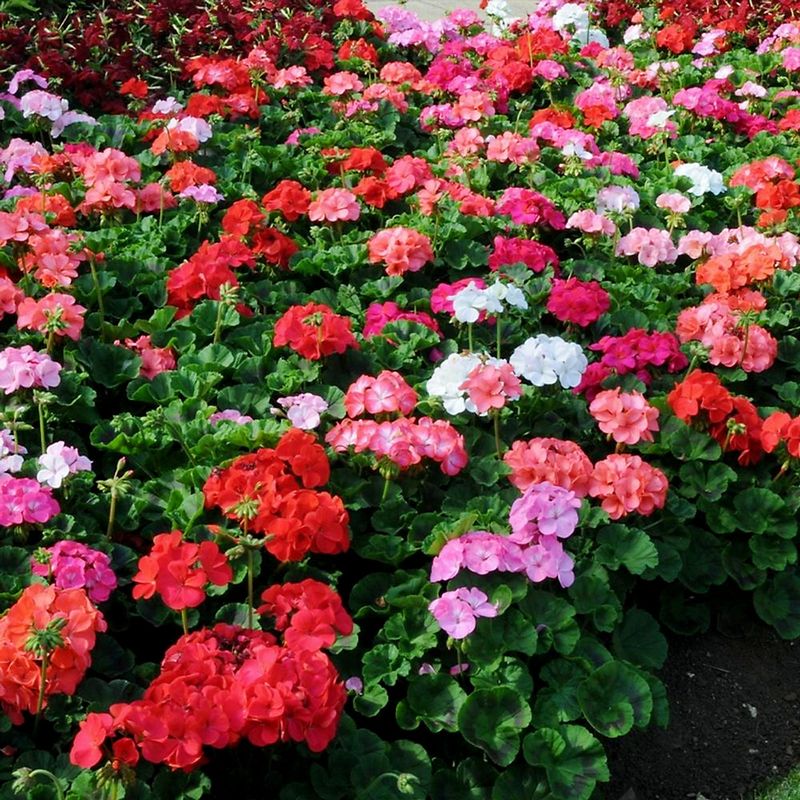
Walk through any Wisconsin garden center in May and you will find flats of plants labeled “geraniums” in nearly every color imaginable. Most of those cheerful bedding plants are not true geraniums at all.
Botanically, they belong to the genus Pelargonium, a frost-tender group that originated in South Africa and cannot survive a Wisconsin winter outdoors.
The most familiar types Wisconsin gardeners grow include zonal Pelargoniums, with their rounded leaves and bold flower clusters; ivy Pelargoniums, which trail beautifully from hanging baskets; regal types, known for their larger and more dramatic blooms; and scented-leaf varieties prized for their fragrance. All of these are frost-tender annuals in Wisconsin.
According to UW-Madison Extension’s overwintering guide, these Pelargoniums can be brought indoors before frost and stored through winter, then restarted the following spring.
Hardy geraniums are a completely different story. Plants like Geranium maculatumGeranium ‘Biokovo’Geranium, Wisconsin’s native wild geranium, and ornamental varieties such as are true perennials in the genus .
They generally overwinter outdoors in suitable Wisconsin locations without any basement intervention. The Wisconsin Master Gardener profile of Geranium ‘Biokovo’ confirms that these plants are cold-hardy perennials, not the tender bedding plants this guide addresses.
Applying basement-storage advice to a hardy Geranium perennial is unnecessary and could actually harm it by disrupting its natural dormancy cycle. Confirming which plant you have before fall arrives protects your effort and keeps the right plants in the right places.
Once you know your colorful bedding plants are Pelargoniums, overwintering them in a suitable Wisconsin basement becomes a reasonable, if conditional, option worth exploring.
Can Your Wisconsin Basement Pass the Storage Test?
Before you dig up a single plant, take a honest walk through your Wisconsin basement. Not every basement qualifies as suitable storage for dormant Pelargoniums, and putting plants into the wrong environment almost guarantees failure before spring arrives.
The temperature range that matters most is approximately 45 to 55 degrees Fahrenheit. UW-Madison Extension’s geranium overwintering guidance supports this range for Wisconsin storage, while Purdue Extension’s winter storage publication suggests 45 to 50 degrees Fahrenheit as a workable target.
Either way, the space needs to stay cool and consistent through the Wisconsin winter months.
Temperature alone does not tell the whole story. The storage area must also remain frost-free throughout the season, stay reasonably dark, allow for some air circulation, and avoid excessive dampness.
A Wisconsin basement that runs warm, say above 60 degrees, can trick dormant plants into pushing weak, spindly growth before they have any roots or light to support it. That premature growth rarely leads anywhere good.
Your Wisconsin Garden Changes Every Week. Your Plan Should Too.
Gardening in Wisconsin changes quickly throughout the season. Every Friday you’ll receive a simple weekly plan showing exactly what to plant, prune, fertilize, harvest, and protect so you never miss the right timing.
On the other end of the spectrum, a damp basement raises the risk of rot, which can quietly destroy roots and stems over several months. Wisconsin gardeners with basements that collect moisture, flood seasonally, or run a dehumidifier at maximum capacity all winter should think carefully before relying on that space for plant storage.
A detached garage or other outbuilding could substitute, but only if it reliably stays above freezing throughout Wisconsin’s coldest months. A single hard freeze in an unheated garage can kill dormant Pelargoniums just as effectively as leaving them outside.
Checking your basement with a thermometer over several days, rather than guessing, is the most reliable way to know whether the space can do the job.
Prepare Healthy Wisconsin Plants Before Frost
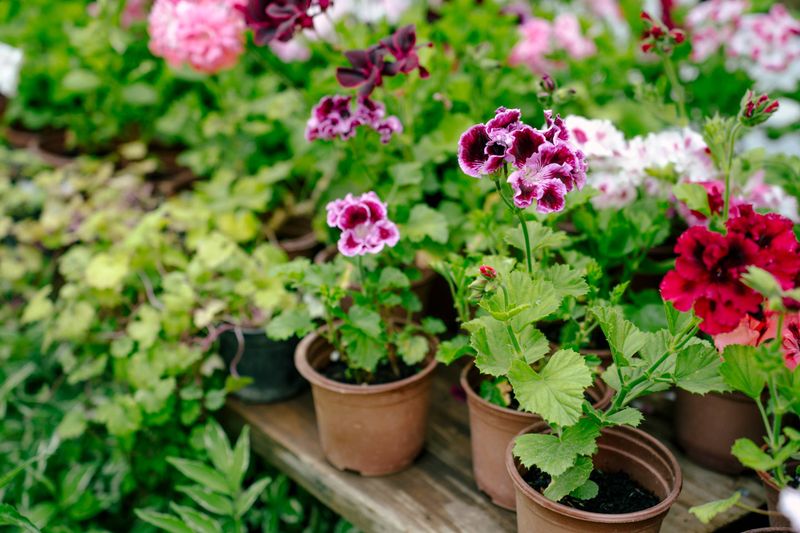
Timing matters here almost as much as technique. Wisconsin gardeners should plan to bring Pelargoniums indoors before a hard freeze, not after one has already nipped the foliage.
Once frost damages the stems or roots, the plant’s ability to survive dormant storage drops considerably.
Plant selection is where the process either starts well or goes sideways. Choose only vigorous, healthy plants for overwintering.
Purdue Extension’s winter storage guide specifically warns that diseased geraniums store and perform poorly, making the selection step critical rather than optional. In Wisconsin’s busy fall schedule, it can be tempting to grab every plant and sort it out later, but that approach risks carrying problems into your home and storage space.
Pass over any plant showing leaf spots, sudden wilting, darkened or mushy stems, severe shriveling, or blotchy and discolored foliage. These symptoms can point to disease or pest problems that will not improve during storage and may spread to other plants.
When in doubt, leave that plant behind rather than risk the rest of your collection.
For dormant bare-root storage, the preparation step after selecting healthy plants involves gently removing most of the soil from the roots. You do not need to scrub every particle away, but loosening and shaking off the bulk of the potting mix or garden soil helps reduce the moisture and microbial load that travels into storage with the plant.
Wisconsin gardeners can do this outdoors before the temperatures drop or in a garage or mudroom to keep the mess manageable.
Clean tools and a tidy work area matter here too. Wiping down scissors, pruners, or trowels with a household disinfectant between plants reduces the chance of spreading any problem you may not yet see.
Starting the storage process with healthy plants and sanitary practices gives Wisconsin Pelargoniums the strongest possible foundation for surviving the months ahead.
The Wisconsin Bare-Root Method Runs on Restraint
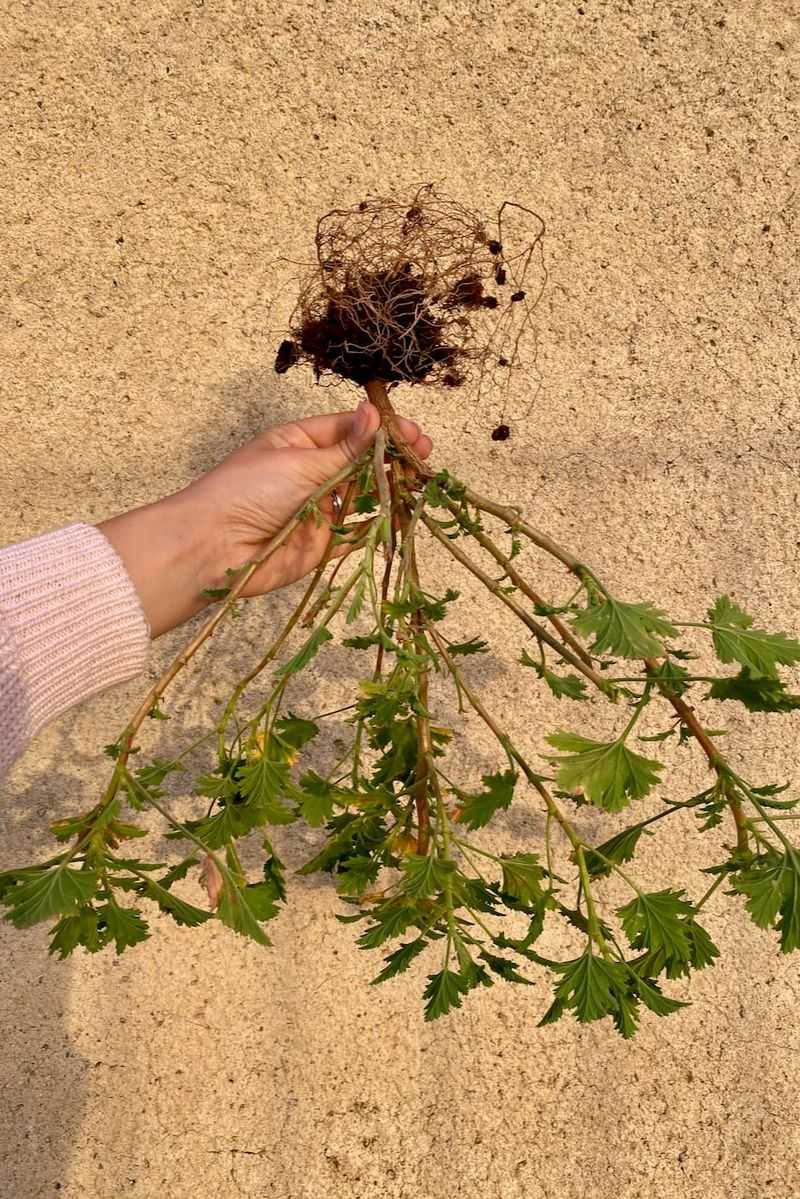
Once you have healthy, soil-free Pelargoniums ready for storage, the bare-root method asks one thing above all else: hold back. Restraint with moisture, with interference, and with worry about how the plants look during those quiet winter months is what makes this method work in Wisconsin basements.
The two most common storage arrangements are hanging the plants upside down from rafters or a rod, or placing them loosely inside an open paper bag. Both approaches allow some air movement around the roots and stems while keeping the plants contained.
UW-Madison Extension’s overwintering guidance describes hanging as a traditional method for Wisconsin bare-root storage, and paper bags offer a practical alternative for gardeners without exposed rafters or ceiling space.
Leaf drop will happen. Dormant Pelargoniums typically shed most or all of their leaves during bare-root storage, and that is completely normal.
A plant that looks bare and papery by January has not necessarily failed. The more reliable indicator is the stem itself.
Gently press or scratch a small area of stem tissue. Firm, slightly green, or pliable tissue suggests the plant is still viable.
Soft, black, or completely hollow stems are a different story.
Moisture is the variable that causes the most trouble during Wisconsin winters. Bare-root plants should be kept nearly dry throughout storage.
Some extension guidance does acknowledge the option of soaking dormant roots for one to two hours periodically, or misting occasionally, but Purdue Extension’s storage publication consistently warns against excess moisture, standing water, and conditions that promote rot. When in doubt, err toward drier rather than wetter.
Poor drainage and lingering dampness also create conditions that invite fungus gnats and root rot, as University of Minnesota Extension’s indoor plant pest guidance notes for plants kept in moist environments. Wisconsin gardeners who check their stored plants monthly, remove any obviously rotted material promptly, and resist the urge to add water are far more likely to reach spring with viable plants.
Restart Wisconsin Pelargoniums in Early Spring
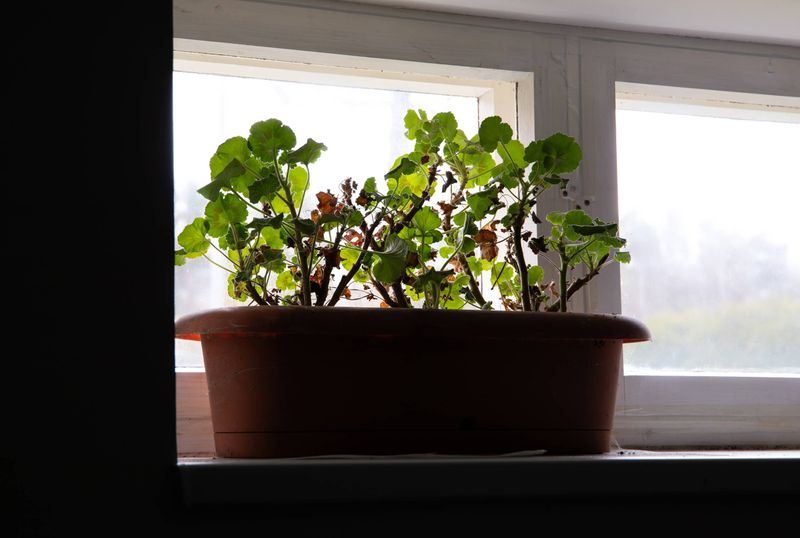
After months of quiet storage in a Wisconsin basement, late winter brings the moment to see what survived. Pulling stored Pelargoniums out for inspection in late winter or early spring, with March as a commonly cited starting point in Wisconsin, gives plants enough lead time to recover before outdoor planting season arrives.
March is a reference point, not a hard deadline. UW-Madison Extension’s overwintering guidance recommends restarting in early spring, and the UW-Madison Foundations in Horticulture resource for Wisconsin supports a similar timing window.
If your stored plants still show firm, viable stems but your indoor growing space is limited or your light conditions are weak, waiting a few weeks longer may produce better results than rushing.
Begin by cutting each plant back to roughly one-third of its original height, or trim back to the lowest point where you find firm, clearly green tissue. Remove dead, mushy, or completely shriveled portions entirely.
Pot the trimmed plant into clean, fresh potting mix in a container with good drainage holes. Water it thoroughly once, then let the soil dry out somewhat before watering again.
Light is the next critical factor. Restarted Pelargoniums need bright light to push new growth, so a south-facing Wisconsin window or a supplemental grow light works better than a dim interior spot.
Do not expect instant results. Growth may be slow to appear, and an overwintered plant is unlikely to match the size or fullness of a commercially grown spring transplant right away.
Patience at this stage pays off. A plant that looks sparse in March can fill out considerably by May with good light, appropriate watering, and a light feeding of balanced fertilizer once new growth is clearly underway.
Adjusting your expectations and your timing to match what the plant is actually doing, rather than what the calendar says, leads to better outcomes for Wisconsin gardeners.
Wisconsin Gardeners Have Two Space-Saving Alternatives
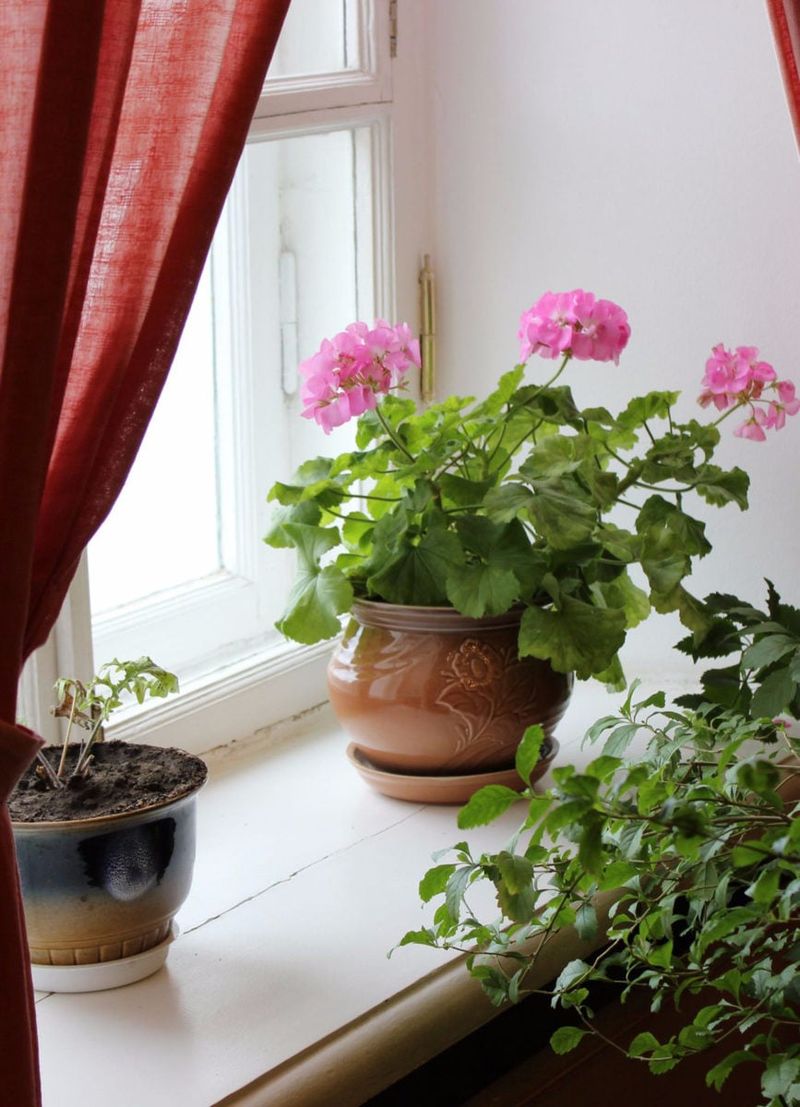
Bare-root storage works well for many Wisconsin gardeners, but it is not the only path worth considering. Two alternatives, keeping whole plants as potted houseplants and taking stem cuttings, each offer real advantages depending on your space, light conditions, and the specific Pelargonium you want to preserve.
Keeping a whole Pelargonium as a potted houseplant through a Wisconsin winter suits gardeners who have a consistently bright indoor spot, particularly a south-facing window that receives several hours of direct light each day. The plant stays in active growth rather than dormancy, which means it needs regular watering when the soil dries out, occasional fertilizing, and monitoring for pests.
The payoff is a larger, more established plant come spring, without the uncertainty of dormant storage. This approach works especially well for ivy Pelargoniums and scented-leaf types, which tend to adapt well to indoor conditions.
Stem cuttings offer a different kind of insurance. Purdue Extension’s winter storage publication recommends 3 to 4-inch cuttings taken from healthy growth, using clean, sharp tools to minimize disease risk.
Remove the lower leaves, allow the cut end to callous briefly, then place the cutting in a rooting medium with good drainage. Keep cuttings in bright indirect light, not harsh direct sun, and space them so they do not touch.
Separation reduces the chance of disease spreading between developing plants in a Wisconsin home environment.
Cuttings take up far less space than whole plants or hanging bare-root specimens, making them a practical choice for Wisconsin gardeners with limited basement or windowsill room. They also let you preserve cultivars that would be difficult or expensive to replace, including double-flowered or variegated types that are typically propagated vegetatively rather than grown from seed.
Choosing among the three methods comes down to what your Wisconsin home can realistically offer in terms of temperature, light, and space. Matching the method to your actual conditions, rather than defaulting to one approach for every plant, gives each Pelargonium the best chance of making it to another Wisconsin growing season.
Protect Wisconsin Homes and Beds From Winter-Carried Problems
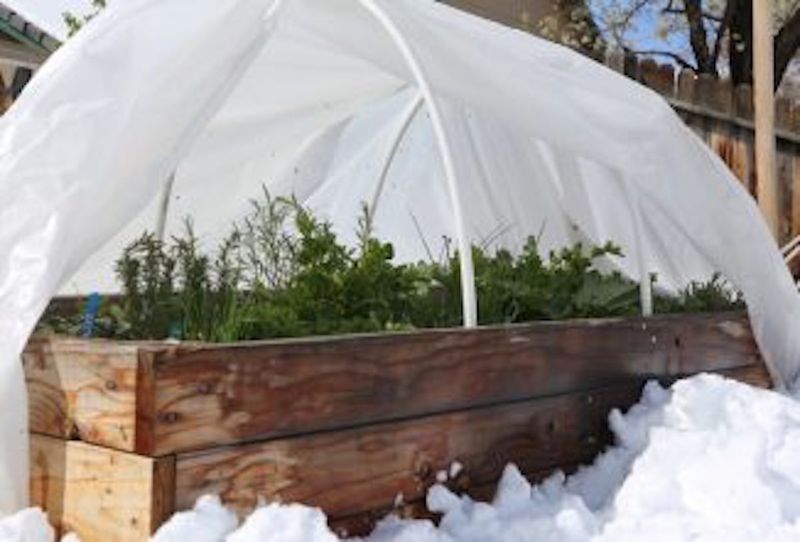
Bringing plants indoors for a Wisconsin winter creates a direct pathway between your garden and your living space. Taking a few precautions before and during storage can prevent an overwintering project from turning into a pest or disease problem that affects your other houseplants or next year’s garden beds.
Before any Pelargonium comes inside, inspect it carefully. Check the tops and undersides of leaves for insects, eggs, webbing, and sticky honeydew residue.
Look around pot rims, drainage holes, and saucers for pests that hide in those spots. University of Minnesota Extension’s guidance on indoor plant pests recommends isolating any plant where pests are found and warns that overwatering and poor drainage can contribute to root rot and fungus gnat problems, both of which become harder to manage once a plant is inside for the winter.
Wisconsin gardeners should also be aware of a more serious threat specific to Pelargonium: Ralstonia wilt. This bacterial disease can spread through plants that appear healthy, making it difficult to detect before storage.
UW-Madison Extension’s Ralstonia wilt page explains that the pathogen can travel through contaminated soil, plant debris, water, and tools. Do not overwinter or take cuttings from any Pelargonium showing wilting, yellowing, or stem discoloration that does not match typical dormancy.
Clean cutting tools with a disinfectant between uses, and contact the UW Plant Disease Diagnostics Clinic if you suspect a serious disease problem.
The seasonal cycle closes with an equally important step: keeping restarted plants indoors until Wisconsin frost danger has genuinely passed. UW-Madison’s Foundations in Horticulture resource identifies frost as a recurring threat to tender annuals in Wisconsin and recommends waiting until that danger is over before moving overwintered plants back outside.
A late Wisconsin frost can undo months of careful storage in a single night, so watching local forecasts and resisting the urge to rush plants outdoors in April protects everything you worked to save.
A Wisconsin Basement May Preserve Next Season’s Start
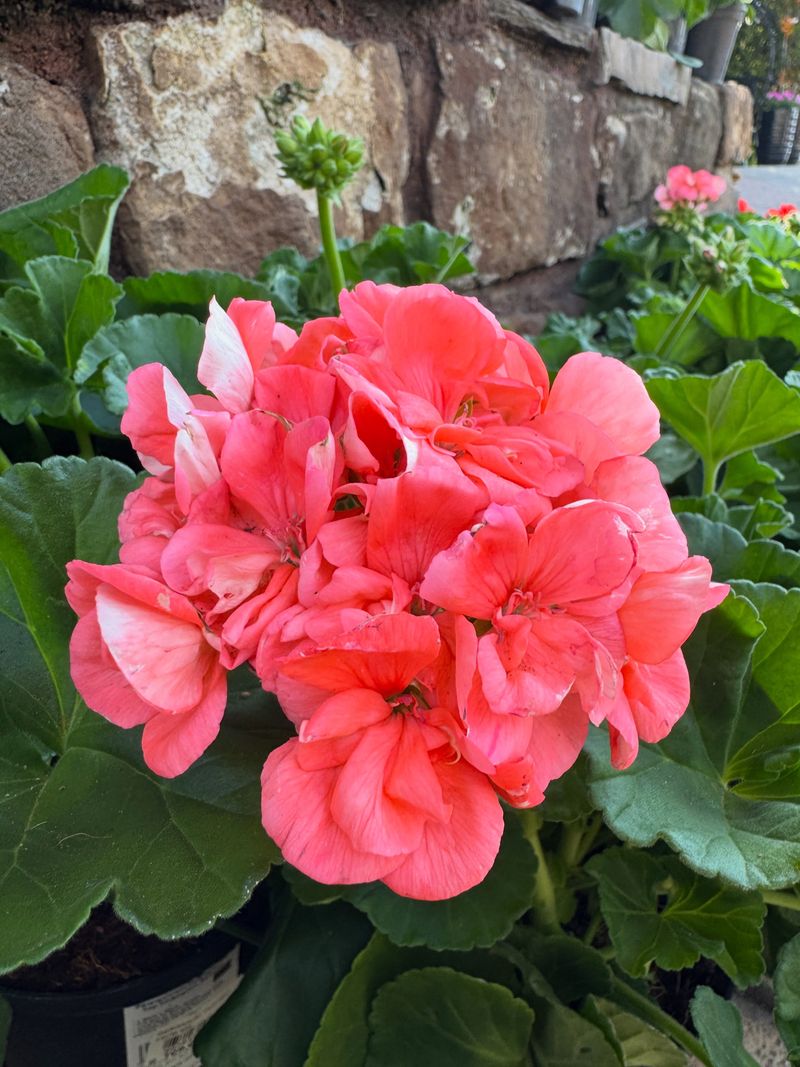
Saving bedding Pelargoniums through a Wisconsin winter is genuinely possible, and for gardeners with the right conditions, it can reduce what they spend on replacement plants each spring. The key word in all of this is “may.” UW-Madison Extension explicitly notes that bare-root plants may not survive, so the effort comes with real uncertainty that no method can fully eliminate.
What gives Wisconsin gardeners the best odds is a combination of factors working together: starting with healthy, inspected Pelargoniums, matching the storage method to a cool and frost-free space that stays dry and ventilated, controlling moisture carefully through the winter months, and restarting plants with appropriate light and timing in late winter or early spring. Cuttings offer a lower-risk alternative when storage conditions are uncertain or space is tight.
The payoff, when it works, is a familiar plant you already know and value, back in your Wisconsin garden beds or containers for another season. That is a satisfying result, even if it arrives a little smaller or later than a nursery-grown transplant.
The real measure of success is not a guaranteed free plant, but a preserved one.