The Oregon Plants That Spread Fast Enough To Crowd Out English Ivy For Good
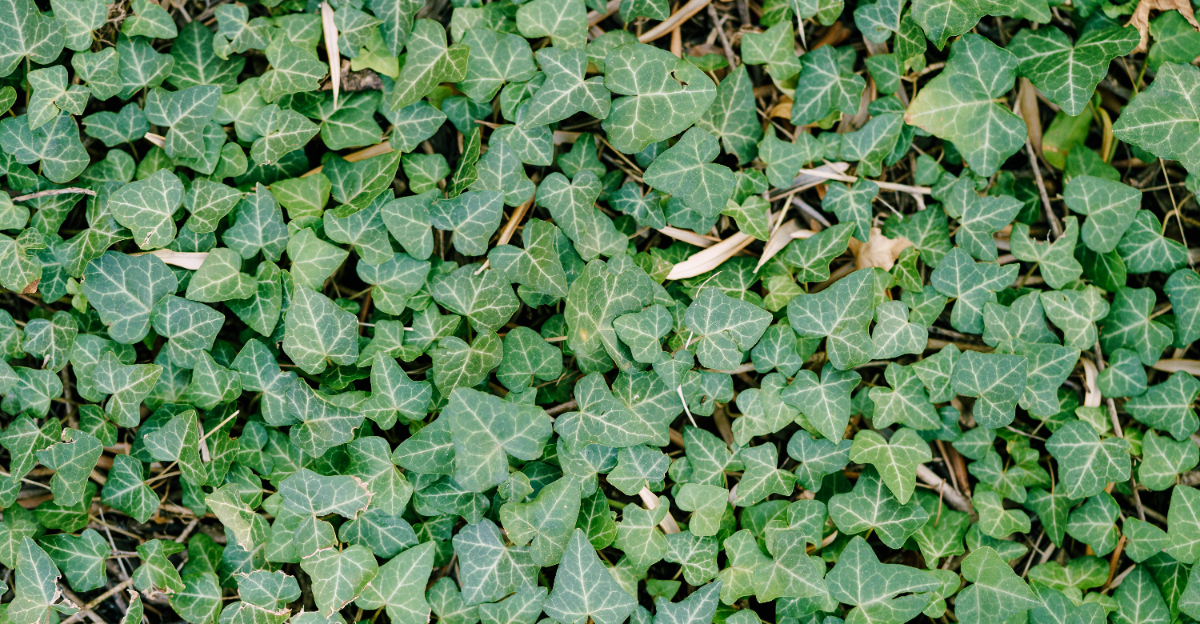
English ivy has a way of acting like it signed a lifetime lease on the yard. Once it settles in, it climbs, crawls, and sneaks under anything that gives it room.
Oregon gardeners know how stubborn it can be, especially in shady spots where it seems far too comfortable.
But bare soil after removal can invite the ivy right back, which feels deeply unfair. That is where faster spreading plants can help take back the space. The goal is not to trade one garden bully for another.
It is to fill problem areas with better behaved plants that cover ground before ivy gets a second chance.
Oregon’s mild, damp seasons give gardeners some strong options for that job. A good replacement can make the yard look full again while helping keep ivy from staging a comeback. Ivy may be pushy, but it does not have to win.
1. Deer Fern
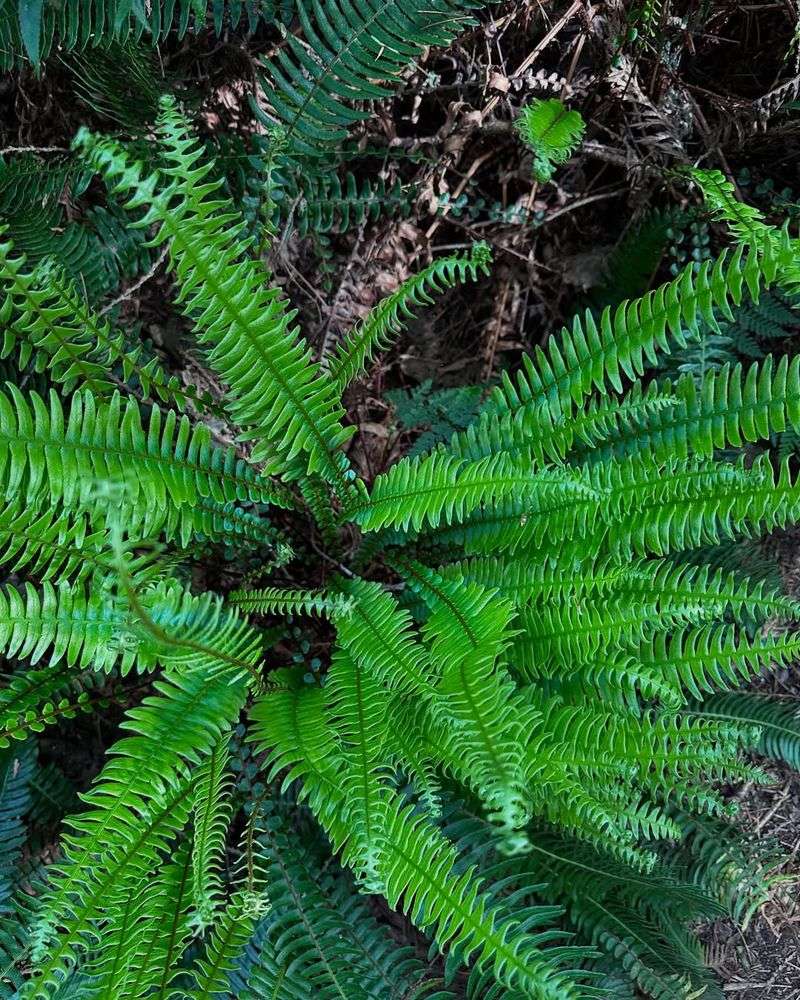
Few plants handle deep shade as gracefully as Deer Fern. If your yard has spots where almost nothing wants to grow, this fern might be exactly what you need.
It thrives under tall trees and in moist, shaded corners where English ivy often sneaks in first.
Deer Fern has two types of fronds. The outer ones lie flat and stay green all year long. The inner ones stand upright and carry spores.
Together, they create a layered, textured look that adds real beauty to a woodland garden. Once established, it spreads steadily by sending out new crowns along the soil.
A few plants can fill a shaded bed within a couple of seasons. It handles competition well and can form a tight mat that leaves little room for invasive species to take hold.
Native to our state’s coastal and mountain forests, Deer Fern prefers consistently moist, well-drained soil rich in organic matter.
Planting it in fall gives roots time to settle before summer heat arrives. Mulching around the base helps keep moisture in and weeds out.
It rarely needs fertilizer and grows slowly at first, but patience pays off. Once rooted in, it spreads more confidently each year.
For anyone trying to reclaim a shaded slope or moist corner from ivy, Deer Fern is a dependable, low-maintenance choice worth trying.
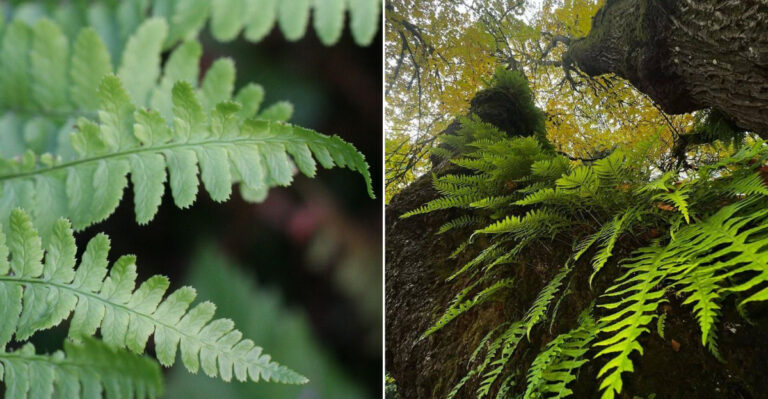
2. Lady Fern
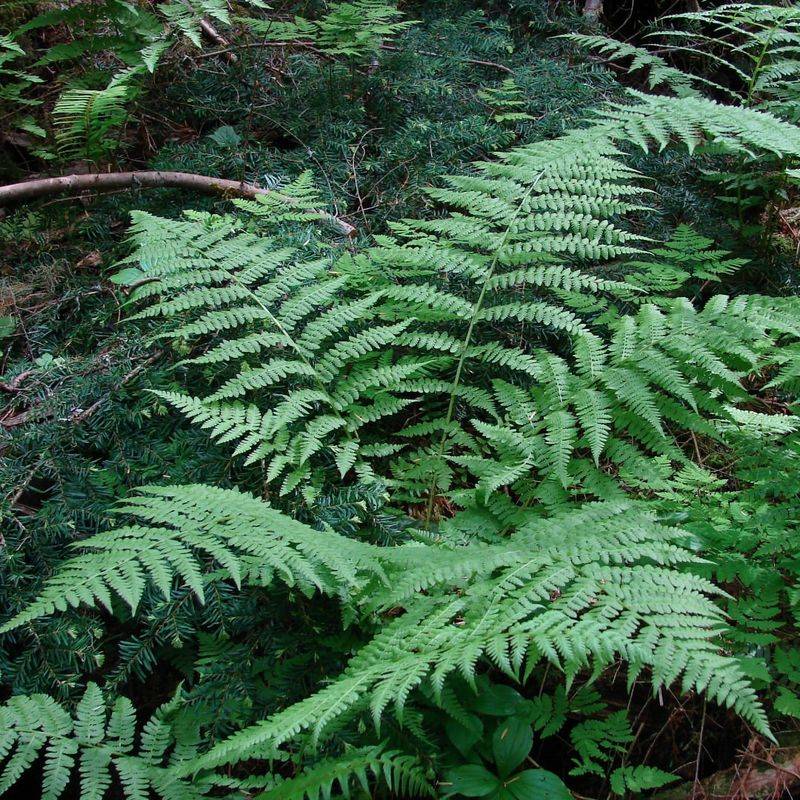
There is something almost magical about the way Lady Fern unfurls its bright green fronds each spring.
It looks delicate, but do not be fooled. This fern is tough, fast-spreading, and highly capable of crowding out English ivy in moist, shaded spots.
Lady Fern grows in large, arching clumps that can reach four feet tall in ideal conditions. It spreads through underground rhizomes and self-seeds readily, filling in bare patches faster than many gardeners expect.
A single plant can become a small colony within just a few seasons. One of its biggest strengths is adaptability. It grows well in wet areas, along stream banks, and in average garden soil with decent moisture.
In our state, it naturally appears from the coast all the way into the foothills, making it a reliable choice across many different yard types.
Your Oregon Garden Changes Every Week. Your Plan Should Too.
Gardening in Oregon changes quickly throughout the season. Every Friday you’ll receive a simple weekly plan showing exactly what to plant, prune, fertilize, harvest, and protect so you never miss the right timing.
Planting Lady Fern in fall or early spring gives it the best start. It prefers partial to full shade and benefits from regular watering during dry summer months. Adding compost to the planting hole helps the roots establish quickly.
Because it goes dormant in winter, it works well when paired with evergreen plants that fill in the gaps during colder months.
For a shaded slope or a moist bed where ivy keeps returning, Lady Fern offers an effective, attractive, and entirely native solution worth considering this season.
3. Evergreen Huckleberry
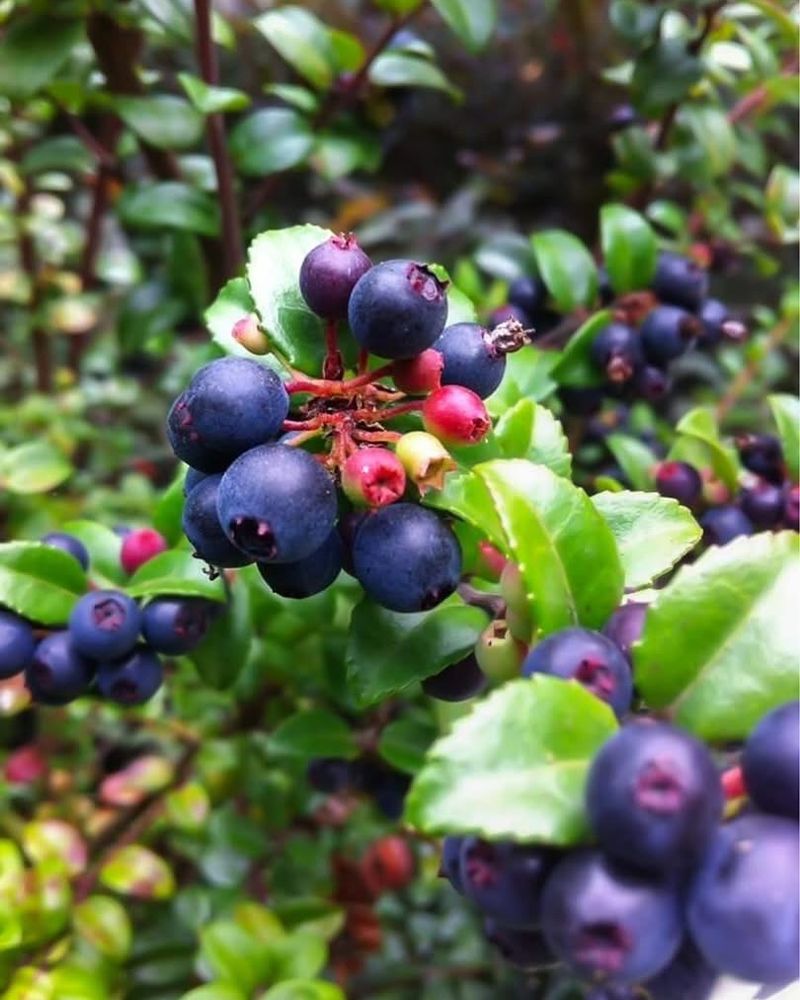
Ask any longtime Pacific Northwest gardener about Evergreen Huckleberry and watch their eyes light up.
It is one of those plants that does everything right. It looks great, feeds wildlife, and spreads steadily enough to keep invasive plants like English ivy from moving in.
Unlike many shrubs, this one keeps its glossy, dark green leaves all year. In spring, small pink bell-shaped flowers appear.
By late summer, those flowers become deep blue-black berries that birds and people both love. The berries are sweet, slightly tart, and excellent in jams and baked goods.
Growing naturally along the coast and in shaded forest edges across this state, Evergreen Huckleberry thrives in acidic, well-drained soil with plenty of organic matter.
It handles both sun and shade, making it flexible enough for many different yard situations. It grows slowly at first but eventually reaches four to eight feet tall.
As a ground cover strategy, planting it in clusters works best. The shrubs fill in over time and form a dense canopy that shades the soil below, making it hard for ivy to get a foothold. Spacing plants about three to four feet apart gives each one room to spread naturally.
Minimal pruning keeps the shape tidy without slowing growth. It rarely needs extra water once established, especially in shadier spots.
For a long-term, wildlife-friendly ivy replacement, few native plants match what Evergreen Huckleberry brings to the yard.
4. Oregon Oxalis
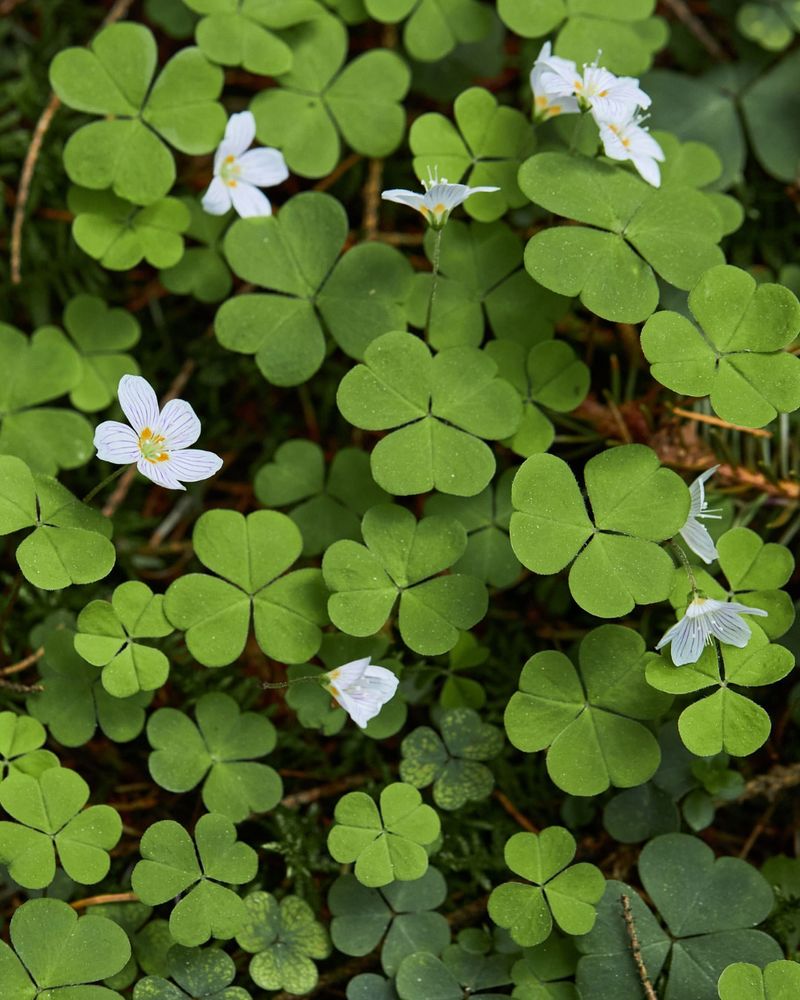
Soft, clover-like, and surprisingly tough, Oregon Oxalis is one of the most charming ground covers our state has to offer.
It forms a low, dense carpet of heart-shaped leaves that can spread across a shaded bed with impressive speed. Where English ivy tries to creep in, this plant often beats it to the bare soil first.
Growing naturally on the forest floor beneath tall conifers, it thrives in deep shade and moist conditions.
It spreads through underground rhizomes and can cover several square feet in a single growing season. Small white or pale pink flowers pop up throughout spring and into fall, adding a delicate touch to shaded spaces.
One of its best qualities is how well it handles foot traffic areas near its edges. While it is not meant for walking paths, it recovers quickly if disturbed around the margins.
It also tolerates dry shade better than many ground covers, which makes it useful under trees where watering is difficult.
Planting it in fall or early spring gives rhizomes time to spread before summer arrives. Rich, loamy soil with good moisture retention gives the best results.
A light layer of mulch helps protect the roots during dry stretches.
Because it stays low, around four to six inches tall, it works beautifully as a living carpet under shrubs or along shaded pathways.
For anyone fighting ivy in a shaded yard, Oregon Oxalis is a fast, beautiful, and completely native answer.
5. Vanilla Leaf
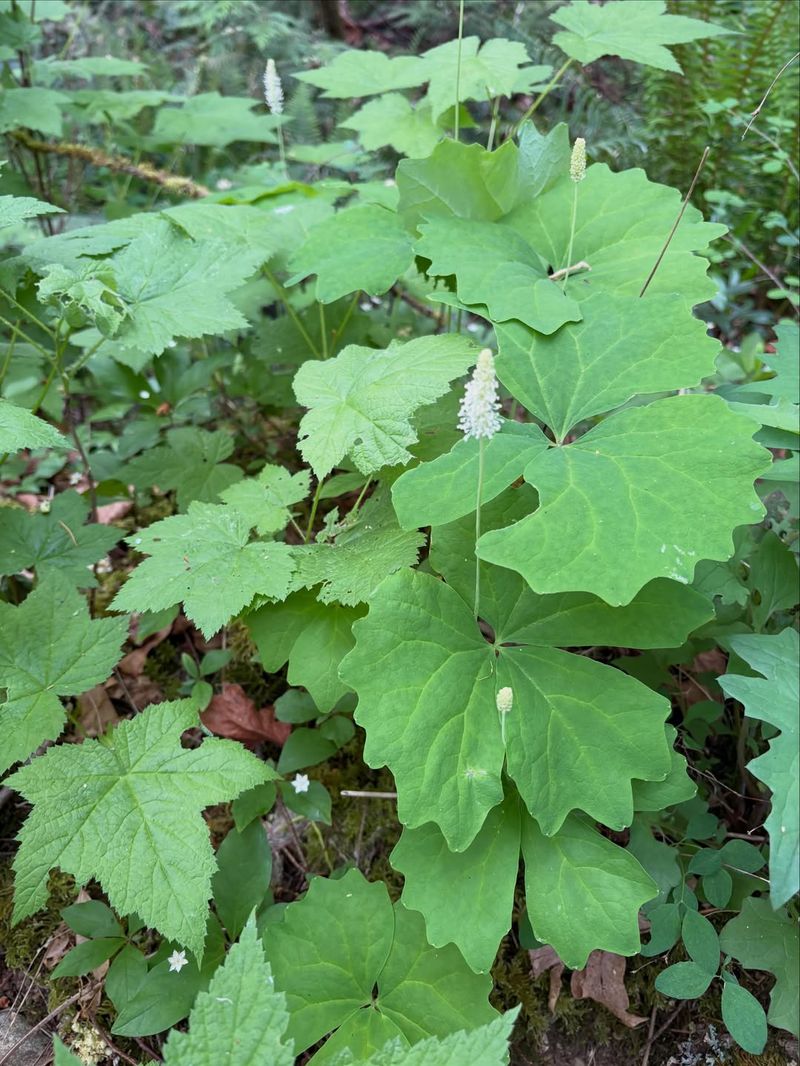
When you crush a leaf of Vanilla Leaf between your fingers, you get a sweet, hay-like scent that explains the name perfectly.
Beyond its pleasant fragrance, this native plant is a serious performer in shaded gardens. It spreads through rhizomes and forms dense colonies that give English ivy very little room to move in.
Each plant produces three large, fan-shaped leaflets on a single stem, giving it a bold, tropical look that feels out of place in a Pacific Northwest forest until you realize it belongs here completely.
It grows naturally beneath tall conifers and deciduous trees throughout our state’s wet, western forests.
Vanilla Leaf prefers deep shade and consistently moist, rich soil. It does not handle drought or direct sun well, so it is best suited for areas that stay cool and shaded through the summer.
Planting it along the north side of a house or under a tree canopy works especially well. Spreading at a moderate pace, it typically takes two to three seasons to form a solid mat.
Once established, though, it holds its ground confidently. The white, feathery flower spikes that appear in late spring add an elegant, understated beauty to the planting.
Pairing Vanilla Leaf with other native ground covers like ferns or Oregon Oxalis creates a layered, naturalistic look. It needs very little maintenance once settled and rewards patience with a lush, weed-suppressing carpet that gets better every year.
6. Threeleaf Foamflower
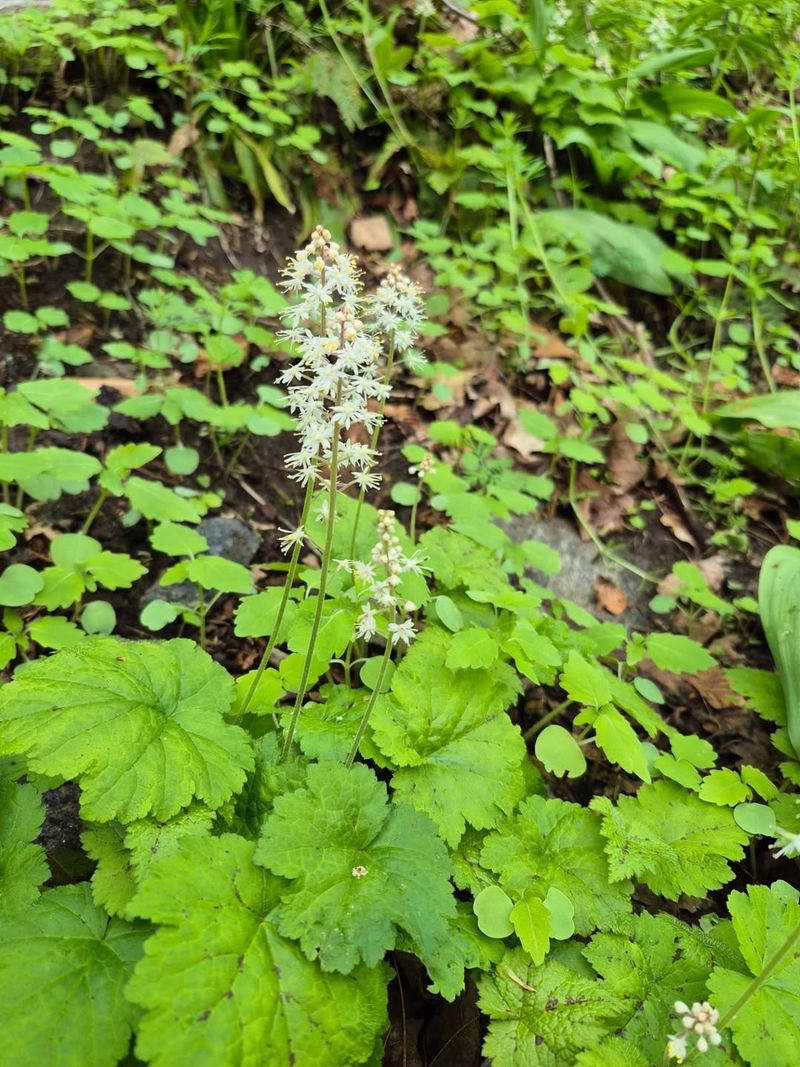
Foamy white flower spikes floating above a carpet of lobed green leaves make Threeleaf Foamflower one of the prettiest native ground covers in the Pacific Northwest.
It blooms in late spring and early summer, drawing in pollinators while quietly spreading across shaded beds.
For spots where English ivy tends to creep back year after year, this plant offers a genuinely beautiful alternative.
Spreading through stolons, it forms low, leafy mats that stay green through much of the year. New plants root wherever the stolons touch moist soil, allowing a small planting to expand steadily over several seasons.
In the right conditions, it can cover a significant area without any extra effort from the gardener.
It grows naturally in moist, shaded forests throughout our state, especially near streams and in areas with rich, organic soil.
In the garden, it performs best in partial to full shade with regular moisture. It does not compete well in dry conditions, so consistent watering during summer keeps it healthy and spreading.
One of its standout traits is the leaf texture. The lobed, slightly hairy leaves hold their color well even in deep shade, giving the planting a lush, full look all season long. In fall, some leaves take on reddish tones that add warmth to the garden.
Planting in groups of three to five creates faster coverage. Low maintenance and high visual appeal make Threeleaf Foamflower an excellent long-term solution for shaded beds fighting ivy.
7. Stream Violet
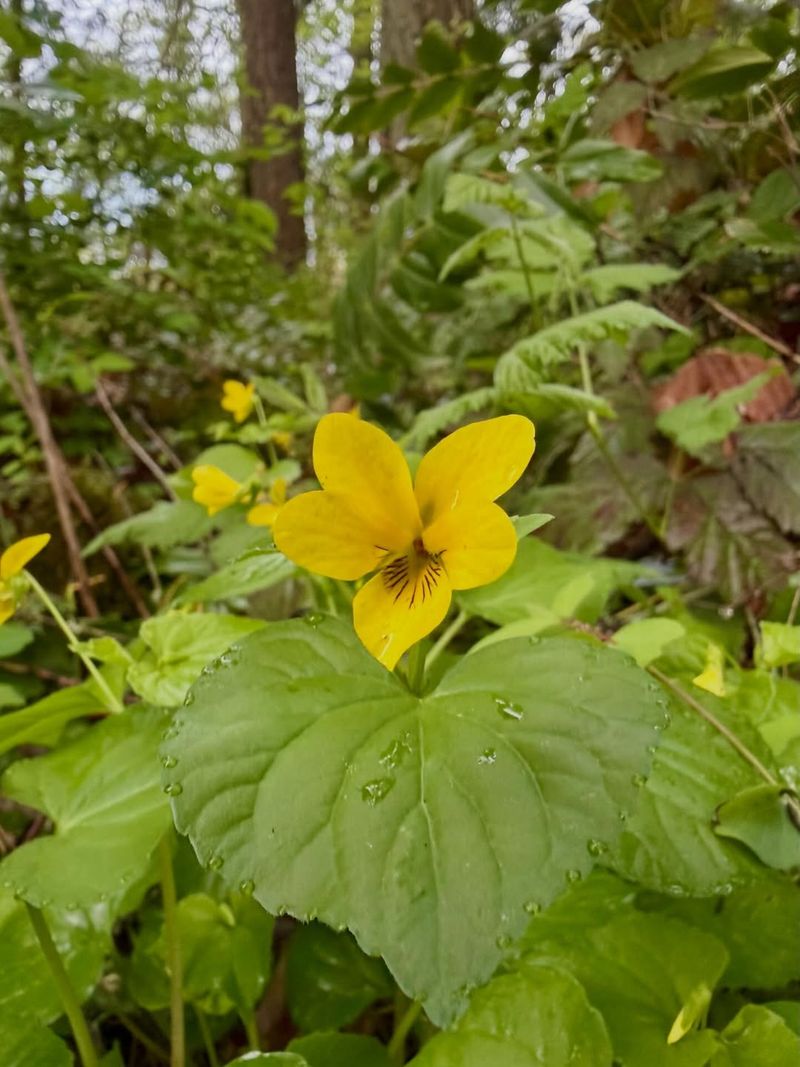
Cheerful yellow flowers on a low, spreading plant might sound too good to be true, but Stream Violet delivers exactly that.
Native to moist, shaded areas throughout the Pacific Northwest, it is one of the few native ground covers that brings real color to spots where English ivy usually wins by default.
Growing naturally along stream banks and in wet forest clearings, it thrives in consistently moist soil with partial to full shade.
The bright yellow flowers with dark purple veining appear in early spring and continue through early summer. After flowering, the heart-shaped leaves continue to spread and fill in the bed.
Stream Violet spreads through both rhizomes and self-seeding, which means a small planting can grow into a large patch fairly quickly.
It stays low, usually under six inches tall, making it ideal as a ground cover beneath shrubs or along shaded garden edges. It also handles seasonal flooding better than most plants, which is useful in low-lying areas.
Planting in fall gives the roots time to settle into moist soil before the first flush of spring growth.
Rich, well-draining soil with added compost supports the fastest spread. Keeping the area consistently moist during summer prevents the leaves from yellowing or going dormant too early.
Because it self-seeds freely, it naturalizes beautifully without much help. For a moist, shaded corner where ivy keeps coming back, Stream Violet is a colorful, reliable, and completely native choice.
8. Twinflower
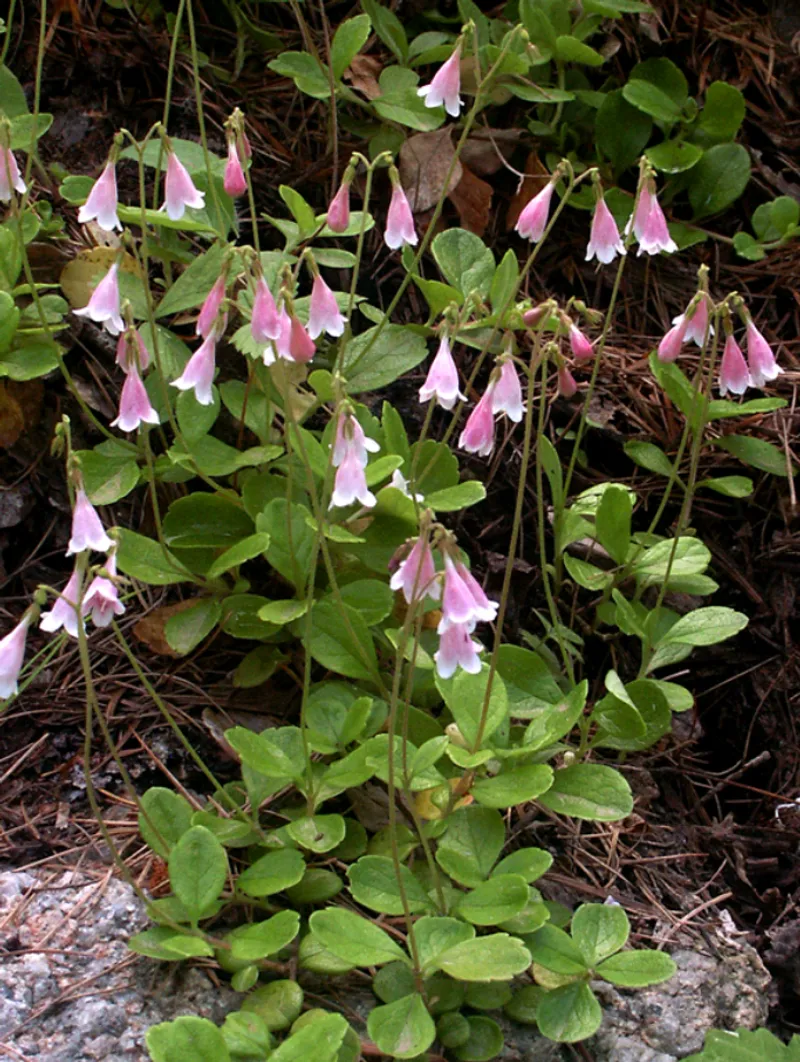
Named after the legendary botanist Carl Linnaeus, Twinflower carries a bit of botanical history wherever it grows.
It is a trailing, mat-forming plant that produces pairs of tiny pink bell-shaped flowers on thin stems in early summer.
The flowers are small, but the fragrance is surprisingly sweet and noticeable on warm evenings.
This plant spreads through creeping stems that root at the nodes, slowly building a low, dense mat across the forest floor.
It is not the fastest spreader on this list, but its persistence is impressive. Over several seasons, it fills in shaded, rocky, or mossy areas that other plants often skip over entirely.
Found naturally in coniferous forests across northern regions and higher elevations of this state, Twinflower prefers cool, moist conditions with acidic soil.
It grows best in deep to partial shade and does not handle heat or dry soil well. Pairing it with mulch helps maintain the cool, moist root zone it needs to thrive.
Planting it in early spring near established trees or shrubs gives it the best chance of spreading naturally.
It pairs beautifully with mosses, ferns, and other low-growing natives, creating a layered, naturalistic woodland floor. It is especially effective in northern-facing beds or under dense tree canopies.
While Twinflower grows slowly, the reward is a refined, delicate-looking ground cover that holds its own against ivy in cooler, shadier spots. It is a plant for patient gardeners who appreciate understated beauty.
9. Bunchberry
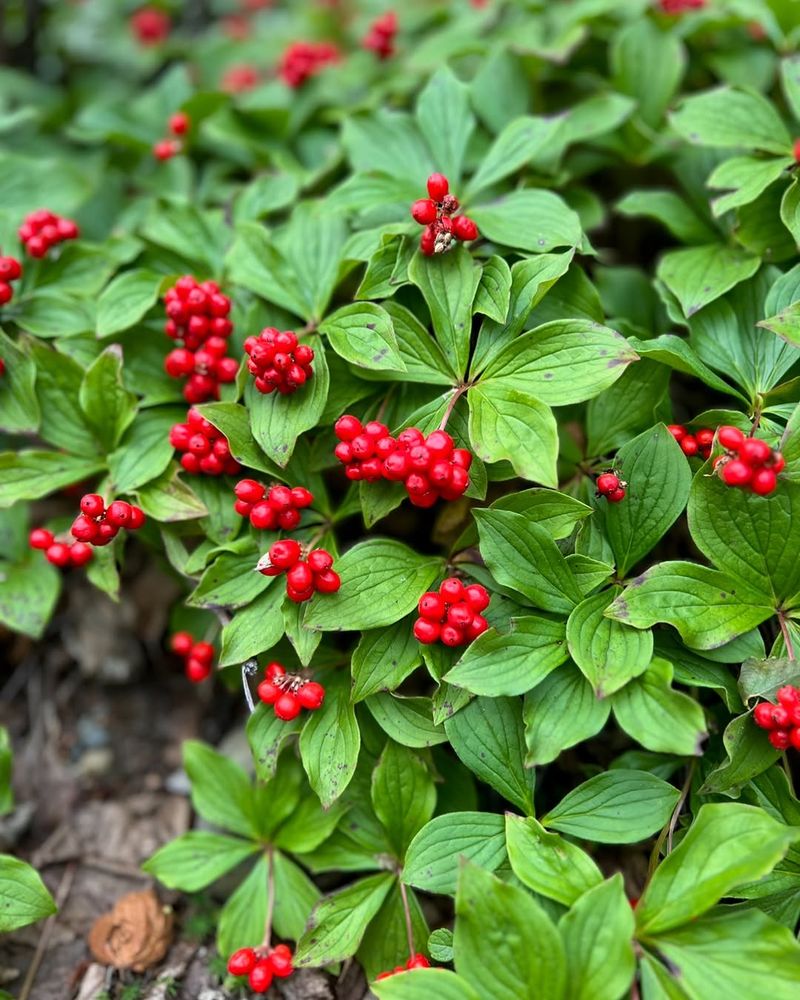
Bold white flowers that look like tiny dogwood blooms, clusters of bright red berries in late summer, and leaves that turn deep red in fall make Bunchberry one of the most visually rewarding native ground covers available in the Pacific Northwest.
It earns its space in the garden every single season. A low-growing relative of the Dogwood tree, it reaches only three to six inches tall but spreads aggressively through underground rhizomes.
In the right conditions, a small planting can expand into a large, dense mat within a few seasons. That spreading habit is exactly what makes it so effective at crowding out English ivy.
Bunchberry grows naturally in moist, shaded forests from the coast to higher mountain elevations across our state.
It prefers cool, acidic, humus-rich soil with consistent moisture. Planting it under conifers or in areas with deep organic mulch gives it the conditions it loves most.
The red berries that appear in late summer are edible and attract birds, making Bunchberry as wildlife-friendly as it is beautiful.
They ripen in clusters, which is where the common name comes from, and they persist on the plant long enough for wildlife to find them through early fall.
Watering consistently during the first two summers helps the rhizomes establish and spread.
Once settled in, it needs very little attention. For a shaded bed where ivy keeps returning, Bunchberry is a fast-spreading, four-season native that truly earns its place.