The Signs Your California Garden Is Already Stressed By Water Restrictions Before Summer Hits

A California garden can look perfectly fine one week, then start acting suspicious the next. One tomato plant droops like it heard bad news.
A shrub loses its shine. The lawn gets that tired old doormat look before summer even makes its grand entrance.
Water rules can make those changes show up faster, especially when plants were already close to grumpy. The sneaky part is that stress does not always make a huge scene.
Sometimes it starts with one curled leaf or a patch of grass that refuses to bounce back. Ignore those little clues, and the yard may struggle once the real heat arrives.
Catch them early, and you still have time to help the garden adjust. Summer in California does not exactly play gentle, so your plants may already be sending tiny SOS signals.
1. Leaves Wilt Before The Day Gets Hot

Most people expect plants to wilt during the hottest part of the afternoon. But when you step outside in the early morning and your plants already look limp and tired, that is a serious red flag worth paying attention to right away.
Morning wilting usually means the roots are not getting enough water to keep up with the plant’s needs.
The soil may look okay on the surface, but just a few inches down, it could be bone dry. Plants pull water from their roots overnight, and if there is not enough stored in the soil, they start the day already running low.
This is one of the earliest and most reliable signs of water stress in a garden. It shows up before leaves turn yellow or brown, and before stems start to look weak. Catching it early gives you a real advantage.
Check the soil around the base of the wilting plant by pushing your finger two to three inches into the ground.
If it feels dry at that depth, your watering schedule needs an adjustment. Try watering deeply but less often to encourage roots to grow downward instead of staying shallow.
Deeper roots can access more stored moisture in the soil, which helps plants handle dry stretches better.
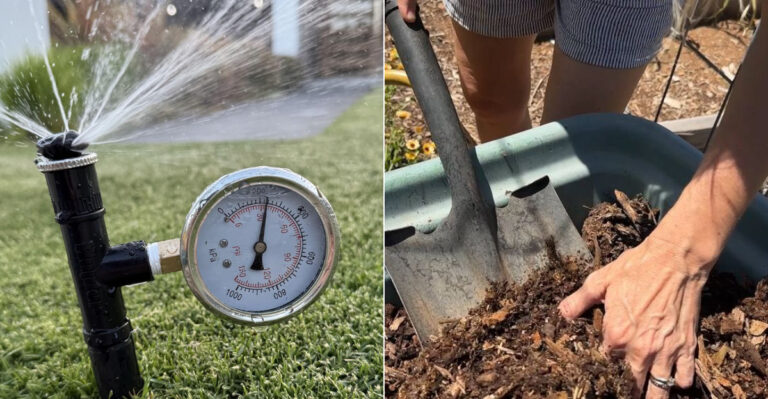
A simple soil moisture meter from any garden center can also take the guesswork out of knowing when to water.
2. Soil Pulls Away From Pot Edges

When soil dries out completely, it shrinks. That shrinking causes the soil to pull back from the sides of the container, leaving a visible gap between the dirt and the pot wall.
It might look like a minor detail, but it tells a big story about what is happening underground.
That gap is actually a problem beyond just looking dry. When you water a pot with separated soil, the water rushes straight down through that gap and out the drainage hole at the bottom.
The roots in the middle of the pot never get a drop. So even if you are watering regularly, the plant might still be thirsty.
This is a common issue in our state’s warmer inland regions, where containers heat up fast and dry out even faster.
Your California Garden Changes Every Week. Your Plan Should Too.
Gardening in California changes quickly throughout the season. Every Friday you’ll receive a simple weekly plan showing exactly what to plant, prune, fertilize, harvest, and protect so you never miss the right timing.
Terra cotta pots are especially prone to this because they are porous and pull moisture away from the soil on their own.
To fix this problem, set the pot in a tray of water for about 30 minutes. Let the soil slowly soak up moisture from the bottom.
This re-hydrates the soil evenly and closes that gap so future watering actually reaches the roots where it is needed most.
After re-hydrating, add a thin layer of mulch on top of the soil in the pot. It slows evaporation and keeps the soil from drying out as quickly between waterings. Check your pots every two to three days during dry spells.
3. Mulch Looks Thin Or Missing

A healthy garden bed should have a solid two to four inch layer of mulch covering the soil at all times.
When that layer breaks down or gets blown away, the soil underneath is left completely exposed to the sun and wind. Both of those things pull moisture out of the ground fast.
Mulch works like a blanket for your soil. It keeps the temperature down, slows evaporation, and helps the ground hold onto the water you give it.
Without mulch, you could be watering twice as often just to keep your plants from stressing out. That adds up quickly under water restrictions.
Look at your garden beds right now. If you can see bare patches of soil, or if the mulch layer looks thin and faded, it is time to top it off before the heat arrives.
Wood chip mulch, straw, and shredded bark are all great options that are easy to find at local garden centers.
Spread a fresh layer around your plants, keeping it a few inches away from the base of each stem or trunk.
Piling mulch directly against the stem can trap moisture and cause rot, which creates a different set of problems.
Refreshing mulch in early spring is one of the simplest and most affordable ways to protect your garden from water stress.
It reduces how much you need to water and keeps your soil healthier throughout the dry season ahead. Make it a yearly habit.
4. Container Plants Dry Out Too Fast

Container plants have it harder than anything planted in the ground. Their roots are limited to a small amount of soil, which means they have less moisture to draw from.
When water restrictions cut back how often you can water, containers feel the impact almost immediately.
If you are watering your pots and they seem dry again within a day or two, that is a clear sign of stress.
Small pots in full sun can dry out in just a few hours on a warm day. Dark-colored containers absorb more heat and speed up that drying process even more.
One smart fix is to move containers to a shadier spot during the hottest part of the day. Even a few hours of afternoon shade can cut water loss significantly.
You can also group pots together so they create a little humidity pocket that slows evaporation for all of them.
Another helpful trick is to use self-watering pots or add a water reservoir tray underneath. These systems slowly release moisture back into the soil as the plant needs it, which stretches out the time between waterings without stressing the plant.
Switching to larger containers is another long-term solution. More soil means more stored water, which gives your plants a bigger buffer between watering sessions.
Adding water-retaining crystals or gel to the potting mix also helps hold moisture longer during dry stretches and restriction periods.
5. Lawns Turn Patchy Instead Of Evenly Dry

A lawn that turns evenly golden during a dry spell is actually handling the stress pretty well. But when you start seeing random brown patches scattered across an otherwise green lawn, that is a different situation entirely.
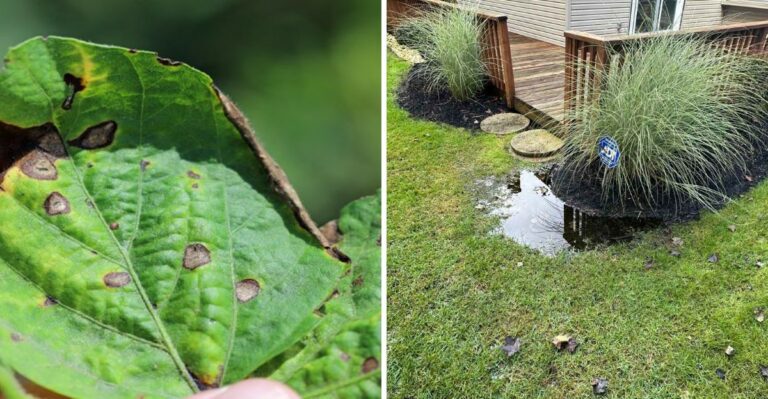
Patchy browning usually points to a bigger problem beneath the surface. Uneven drying often means your irrigation system is not covering the lawn evenly. Some sprinkler heads may be blocked, tilted, or broken.
Other areas might have compacted soil that repels water instead of absorbing it. Either way, certain spots are getting far less moisture than others.
Compacted soil is especially common in high-traffic areas like paths across the lawn or spots where kids or pets play regularly.
Water rolls right off compacted ground instead of soaking in, leaving those patches dry and stressed while the rest of the lawn looks okay.
Try a simple test by placing empty tuna cans around different spots in your lawn while the sprinklers run. After a full cycle, check how much water collected in each can. Uneven amounts reveal exactly where your coverage is falling short and where adjustments need to be made.
Aerating compacted areas with a garden fork or rented aerator can make a big difference. It opens up the soil so water can actually get in and reach the roots.
Pair that with a sprinkler system check each spring to catch blockages early and keep coverage even across the whole lawn.
6. Hydrangeas And Ferns Collapse First

Not all plants handle dry conditions the same way, and hydrangeas along with ferns are usually the first ones to show visible signs of distress.
They act like canaries in the coal mine for your garden. When they collapse, it is time to take a close look at everything else around them.
Hydrangeas are dramatic plants. They can look completely wilted and lifeless in the afternoon heat, then bounce back by the next morning after a good watering.
But if they are collapsing in the morning or not recovering overnight, the stress has gone past the point of a quick fix.
Ferns are equally sensitive. They need consistent moisture to keep their fronds full and green.
When the air and soil get too dry, fern fronds curl inward and turn crispy at the tips. Once that happens, those fronds will not fully recover even after you water again.
Both of these plants prefer partial shade and consistent soil moisture. If they are planted in a spot that gets a lot of direct sun or where the soil dries out quickly, consider moving them to a more sheltered location before summer arrives and makes things worse.
Giving them a deep watering in the early morning helps the most.
Watering at the base rather than overhead keeps the leaves dry and reduces the risk of mildew, which is already a common problem for both plants in our state’s humid coastal areas. Morning watering gives them the best start to the day.
7. Citrus Leaves Curl Or Yellow

Citrus trees are tough, but they are not invincible. When water becomes scarce, these trees send out clear visual signals through their leaves.
Curling and yellowing are two of the most common and easy-to-spot warnings that your citrus is not getting what it needs to stay healthy.
Leaf curl happens when the tree tries to reduce water loss by shrinking its surface area. It is a survival response.
The leaves curl inward to limit how much moisture escapes through the leaf surface into the dry air. It looks alarming, but catching it early means you still have time to help.
Yellowing leaves can mean a few different things, including nutrient deficiency, overwatering, or underwatering.
But during dry periods with water restrictions, underwatering is almost always the most likely cause.
Check the soil moisture before assuming it is a fertilizer issue. Citrus trees do best with deep, infrequent watering rather than shallow, frequent sessions.
Watering deeply encourages the roots to grow down into the soil where moisture stays longer. Shallow watering keeps roots near the surface, where they are more vulnerable to heat and dryness.
Adding a thick layer of mulch around the base of your citrus tree, about three to four inches deep, can dramatically reduce moisture loss from the soil.
Keep the mulch a few inches away from the trunk to prevent rot. Consistent deep watering every one to two weeks works better than light daily watering for citrus health.
8. Tomatoes Drop Flowers Early

Few things are more frustrating for a home gardener than watching tomato flowers fall off before they ever get a chance to turn into fruit. It feels like all that effort is going to waste.
But flower drop is actually a smart response from the plant when conditions are not right for producing fruit.
Water stress is one of the top reasons tomatoes drop their flowers early. When the plant does not have enough moisture, it prioritizes its own survival over reproduction.
Producing fruit takes a lot of energy and water, so the plant sheds its flowers to cut back on that demand during a stressful period.
Inconsistent watering makes this problem even worse. Going from dry to wet and back again causes the plant to stress out repeatedly.
Tomatoes need steady, even moisture to hold onto their flowers and develop fruit successfully. Wild swings in soil moisture lead to flower drop, cracked fruit, and blossom end rot.
A drip irrigation system or a soaker hose placed at the base of the plant is one of the best tools for keeping moisture consistent.
It delivers water directly to the roots slowly and evenly, which is exactly what tomatoes prefer. Mulching around the base also helps lock in moisture between watering sessions.
Try to water tomatoes at the same time each day, ideally in the early morning. Consistent timing helps the plant establish a rhythm and reduces the shock of dry periods.
Even during water restrictions, deep and steady watering done less often beats frequent shallow sessions every time.
9. Shallow Roots Show Near The Surface

Roots are supposed to grow down into the soil, not up toward the surface, so this is an obvious problem.
When you start noticing roots poking out of the ground or sitting just barely below the soil line, that is a sign that your watering habits have been training them in the wrong direction for a while.
Shallow roots develop when water is applied frequently but only lightly. The roots follow the moisture, and if the moisture never goes very deep, the roots stay near the top.
That makes plants incredibly vulnerable during hot, dry periods because the surface soil dries out first and fastest.
Plants with shallow root systems are far less resilient during water restrictions. They have less access to stored moisture in the deeper layers of soil, which means they stress out much sooner than plants with deep, established root systems.
Once summer heat arrives, these plants can really struggle. The fix is to switch to deep, infrequent watering. Water slowly for a longer period so the moisture soaks down eight to ten inches into the soil.
Then let the soil dry out slightly before watering again. This encourages roots to chase the water downward and grow stronger over time.
You can check how deep your water is reaching by pushing a long screwdriver into the soil after watering.
It slides easily through moist soil and stops when it hits dry ground. Aim for at least eight inches of penetration before you feel resistance. That depth gives roots the space they need to grow strong and stress-resistant.