What Oregon Gardeners Should Remove In August Before It Becomes A Fall Cleanup Problem
August in Oregon feels generous, warm afternoons, ripe tomatoes, gardens still humming with color.
Underneath that ease, though, pests are settling in and spent plants are quietly taking up space your soil needs for fall.
What looks like a few tired leaves or an overgrown corner is actually a warning sign. Left alone, small problems this month turn into bigger ones by the time October rolls around.
Removing the right things now is less about tidying up and more about setting the stage. It’s the groundwork for stronger soil, fewer pests, and a garden that hits its stride faster next spring.
Clear the right things out now, and fall cleanup stops feeling like damage control.
1. Raspberry Crown Borer Damage Needs Immediate Attention
Something is wrong with your raspberries, and it showed up quietly. Wilting canes in midsummer are a red flag worth checking right away.
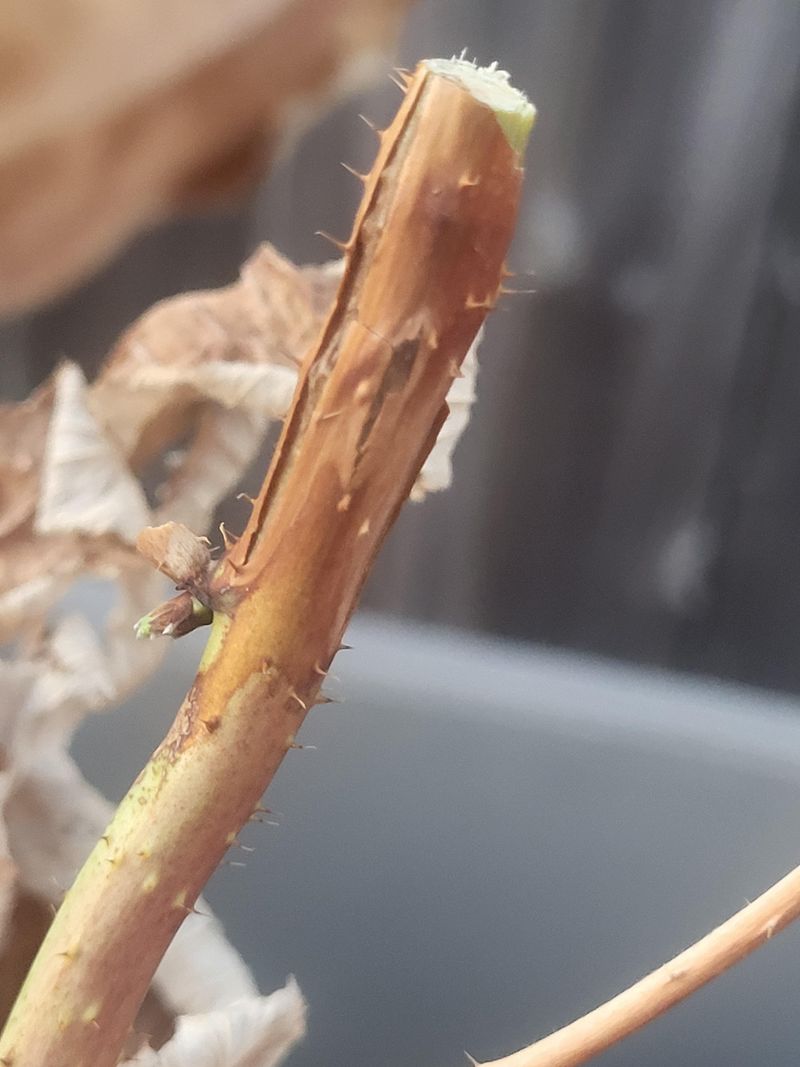
The raspberry crown borer is a clearwing moth whose larvae tunnel into canes and roots. By August, the damage becomes impossible to miss, with canes flopping over like they gave up.
Removing affected canes now stops the larvae from overwintering inside your plants. Pull them out cleanly at the base and drop them straight into a sealed bag.
Do not compost these canes, the larvae survive and return. Bag them and toss them in the trash, full stop.
Inspect surrounding canes for small entry holes near the soil line. Those tiny holes are the larvae’s front door into your root system.
Healthy canes stand upright and show no yellowing at midsummer. Anything drooping, discolored, or snapping easily at the base deserves removal right now.
August is your best window to act before the next generation of adults lays eggs in late summer. Miss this window, and the problem tends to come back worse by next spring.
Check every single row if you grow raspberries. Catching this early is the difference between a thriving patch and a struggling one.
2. Spent Vegetable Plants Take Up Valuable Garden Space
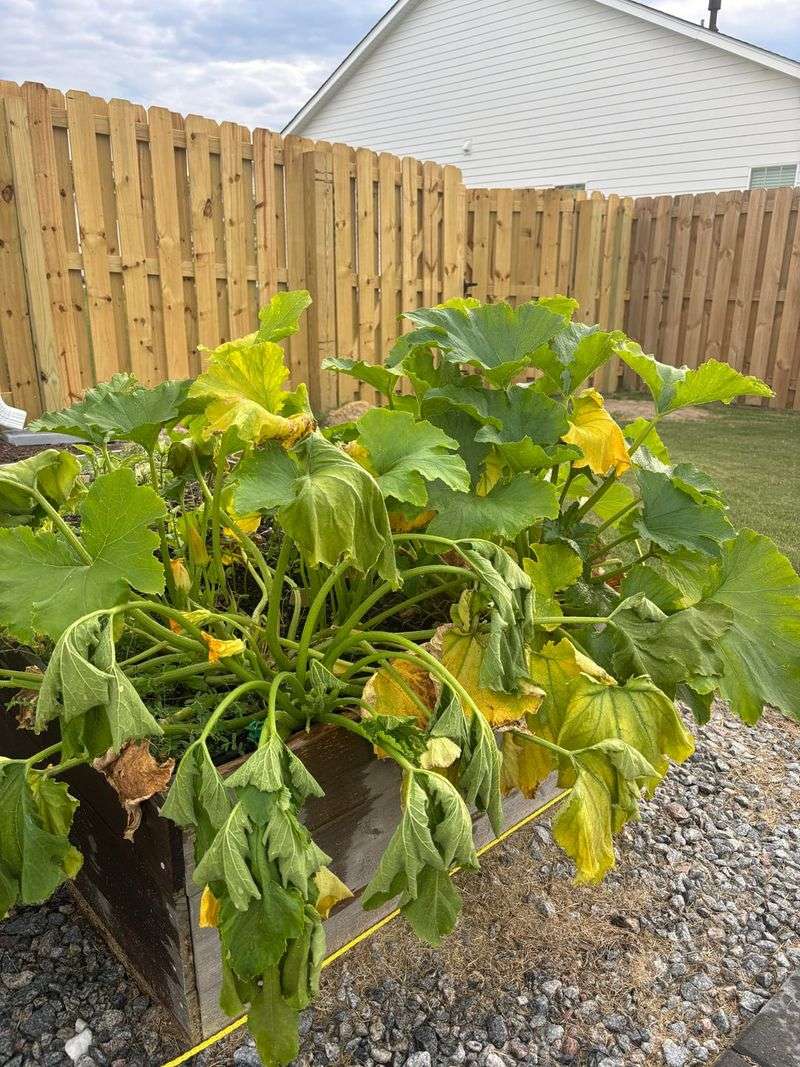
That zucchini plant looked amazing in June, but now it’s a soggy, mildewed mess taking up a good chunk of the bed. August is the moment to pull it and reclaim your beds.
Spent vegetable plants do more harm than good once their production slows. They harbor insects, trap moisture, and block sunlight from reaching anything still growing nearby.
Powdery mildew loves old squash and cucumber leaves, and it spreads fast in late summer humidity. Removing those plants now keeps mildew from jumping to your fall crops.
Beans, peas, and early lettuce are often done by mid-August in most growing zones. Clear them out and you instantly create room for spinach, kale, and other cool-season favorites.
Healthy plant debris can go into a hot compost pile, but diseased material should go in the trash. Knowing the difference protects your soil for next season.
Leaving spent plants in place also invites slugs, aphids, and earwigs to set up camp. Those pests do not disappear once the plant is gone, they move on to your next crop.
Your Oregon Garden Changes Every Week. Your Plan Should Too.
Gardening in Oregon changes quickly throughout the season. Every Friday you’ll receive a simple weekly plan showing exactly what to plant, prune, fertilize, harvest, and protect so you never miss the right timing.
Pulling plants cleanly, roots and all, disrupts pest cycles hiding below the soil. It’s a quick job compared to the hours of frustration it saves come October.
A cleared bed in August is full of possibility, not just empty dirt. Your fall garden starts with this one simple, satisfying act of removal.
3. Diseased Perennial Foliage Spreads Problems Into Next Year
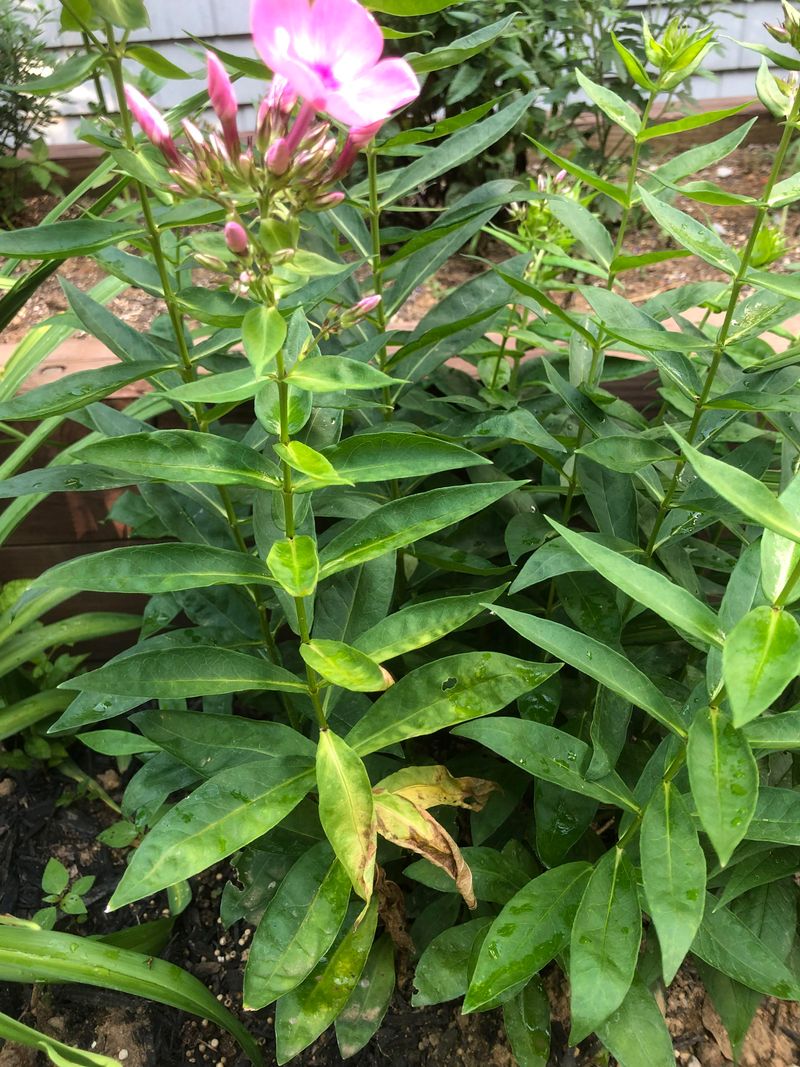
Black spots on your hostas are not just ugly, they are a warning system your Oregon garden is sending. Ignoring spotted or rusty foliage now sets up trouble for next spring.
Fungal diseases like rust, leaf spot, and botrytis overwinter happily in dry plant material left on the ground. Removing infected foliage in August cuts that cycle before it restarts.
Peonies, irises, and hostas are the most common perennial culprits in wet Pacific Northwest summers. Their lower leaves collect moisture and become disease factories by late season.
Snip off any leaves showing spots, yellowing, or fuzzy gray patches. Drop them directly into a bag, do not shake them over your soil or the spores spread everywhere.
Clean your pruning shears between cuts with a diluted bleach solution. Skipping this step means your tools become the disease delivery system.
After removing bad foliage, give the remaining plant space to breathe. Better airflow means less moisture trapped around stems, which is where most fungal problems begin.
You do not need to remove the entire plant, just the damaged parts. Targeted cleanup is faster and gentler than ripping out a whole perennial that still has life in it.
Healthy perennials bounce back stronger when diseased material is cleared early. August cleanup is the quiet investment that pays off in a stunning spring garden.
4. Spent Flower Spikes Slow Down Late Season Blooming
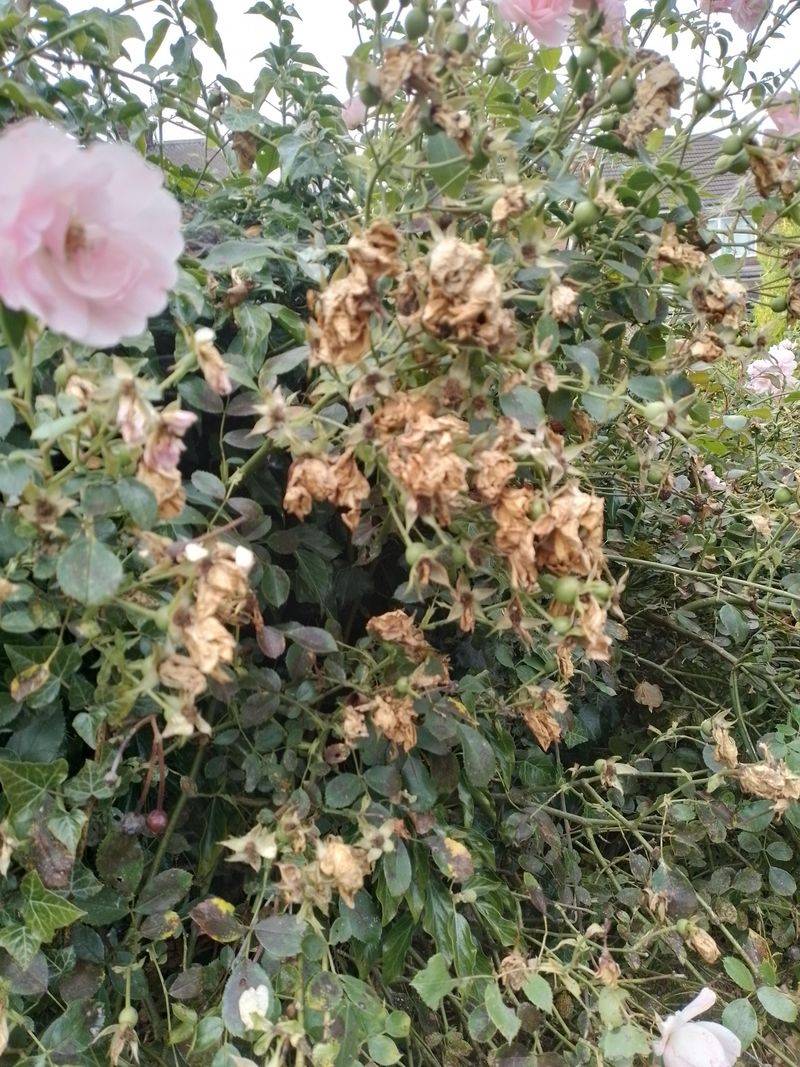
Those brown flower spikes on your salvia look like the garden gave up, but the plant has not. Removing them now sends a clear signal to bloom again before frost.
Removing spent flower spikes redirects the plant’s energy from seed production back to flowering. August is prime time for this task because many perennials have a second bloom cycle in them.
Agastache, echinacea, penstemon, and catmint all respond beautifully to a mid-season cutback. Trim them back by one-third and watch new buds appear within two to three weeks.
Leaving spent spikes on plants is not just aesthetically disappointing, it signals the plant to slow down and prepare for dormancy. That means fewer blooms when the weather cools and pollinators need them most.
Use clean, sharp pruners for this job and make cuts just above a leaf node. A clean cut heals faster and reduces the risk of disease entering the stem.
Some Oregon gardeners leave a few spent seed heads for birds, and that is a fair trade. Just remove the majority so the plant keeps producing rather than shutting down early.
August-blooming plants like rudbeckia and dahlias keep producing new flowers when spent blooms are removed regularly throughout the month. The more you remove, the more the plant pushes out new flowers to replace them.
A little time with pruners in August extends your color season by weeks. That payoff is worth every snip.
5. Lawn Thatch Blocks Fall Overseeding Success
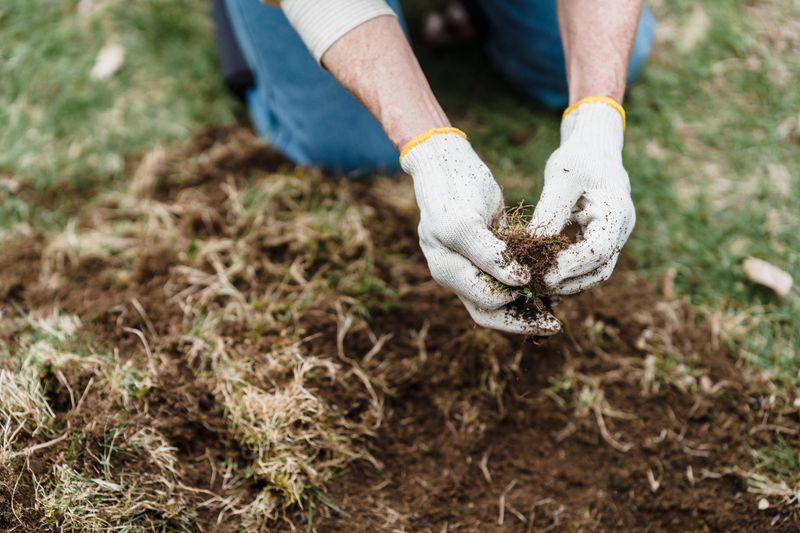
Reach down and push your fingers into your lawn right now. If you hit a spongy, matted layer before you reach soil, you have a thatch problem.
Thatch is a buildup of dry grass stems, roots, and debris that accumulates between the soil surface and green blades. A layer thicker than half an inch starts blocking water, air, and nutrients from reaching roots.
In the Pacific Northwest, rhizomatous grasses like Kentucky bluegrass are especially prone to thatch buildup. Wet winters followed by dry summers create the perfect conditions for that layer to grow thick and dense.
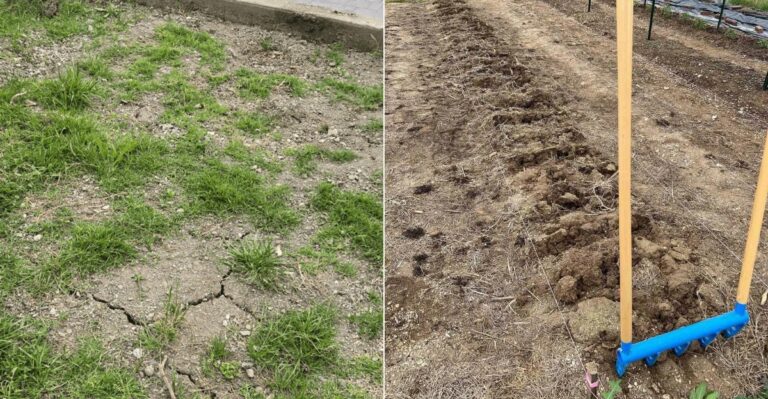
Dethatching in August gives your lawn time to recover before fall rains arrive. Use a dethatching rake for small areas or rent a power dethatcher for larger lawns.
After dethatching, the lawn looks rough and patchy, that’s a normal part of the process. It bounces back fast once fall moisture returns and you follow up with overseeding.
Overseeding into a dethatched lawn gives new grass seed direct contact with soil. Seed dropped onto thick thatch just sits there and struggles to germinate properly.
Pair dethatching with a light topdressing of compost to boost soil health at the same time. This combo sets up your lawn for one of its best fall recoveries yet.
August is the sweet spot for this task before the fall overseeding window opens. Do it now and your lawn will thank you all the way through November.
6. Moss And Weeds Multiply Fast In Wet Conditions
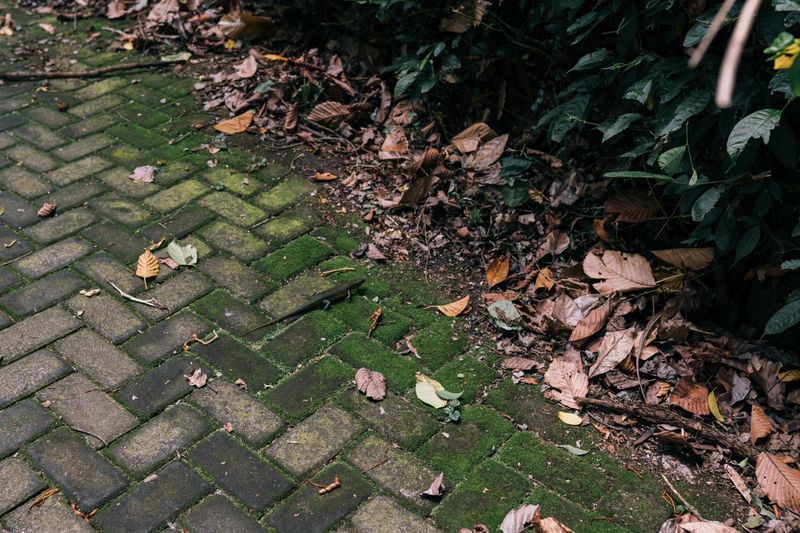
Moss looks charming in a forest, but in your Oregon garden path it is a slip hazard and a sign that moisture and shade have taken over. August is your last dry window to remove it before fall rains make it explode.
Moss spreads by spores, and wet conditions in autumn turbocharge that process. Scraping it out now, while surfaces are dry, is much easier than fighting it in November mud.
Weeds hiding in your borders and cracks are also racing toward seed production right now. A single pigweed plant can drop thousands of seeds before the first fall rain hits.
Hand-pulling weeds after a light watering is easier because moist soil releases the root instead of snapping it. Grab low, pull slow, and you get the whole root instead of snapping it off at the stem.
Weeds with taproots like dandelion and dock need a weeding tool to get the full root out. Leaving even an inch of taproot means regrowth is likely within two weeks.
After clearing moss from paths and patios, apply a moss-inhibiting treatment while the surface is still dry. This creates a barrier that slows regrowth through the wet season ahead.
Mulching cleared garden beds right after weeding smothers any seeds left behind in the soil. A two-inch layer of bark dust or wood chips is enough to do the job effectively.
Staying ahead of moss and weeds in August makes fall feel manageable instead of overwhelming. Clear it now and breathe easier all season long.
7. Visible Garden Pests Multiply Without Intervention
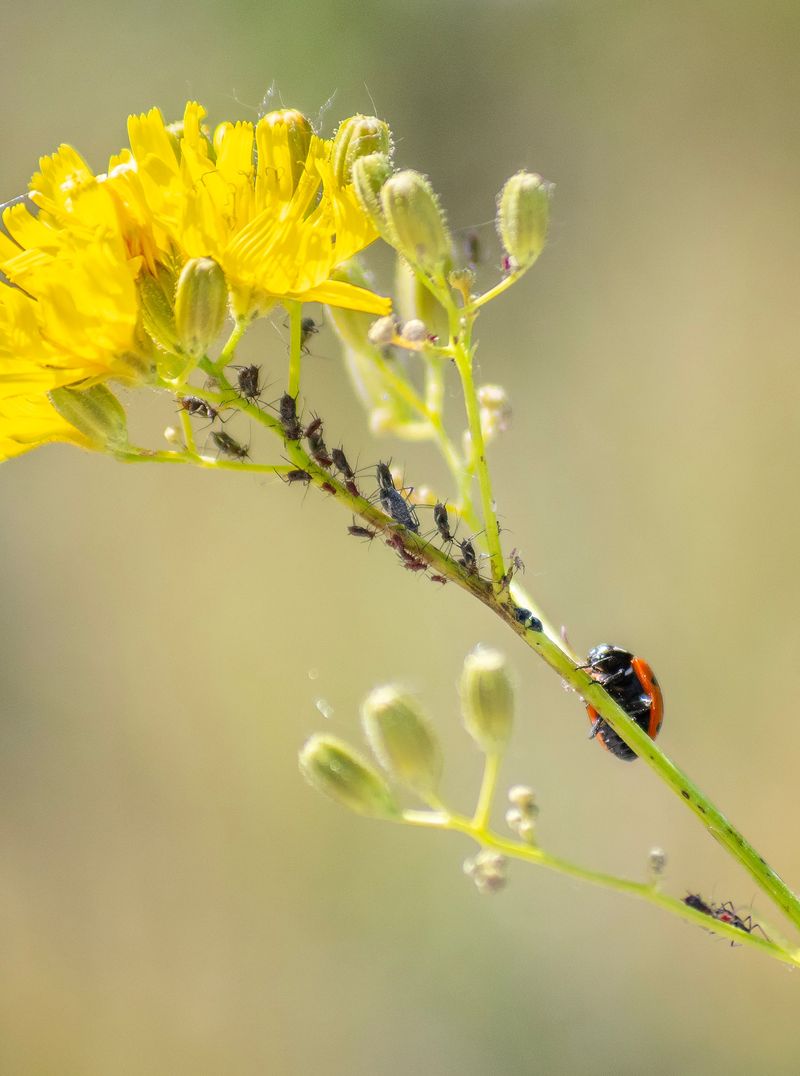
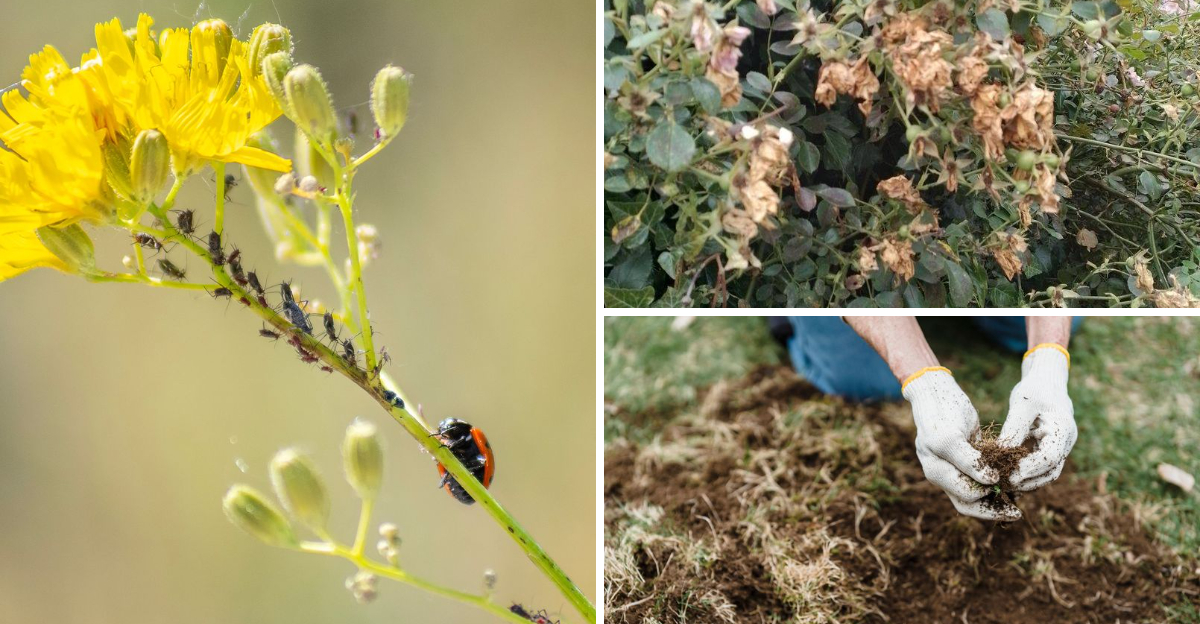
Aphids cluster on new growth like they own the place, and in August they practically do. Catching pest populations now, before they get out of hand, is one of the smartest moves a gardener can make.
Spider mites thrive in hot, dry August conditions and can defoliate a plant in under two weeks. Check the undersides of leaves on tomatoes, beans, and roses for the telltale fine webbing.
Earwigs, slugs, and caterpillars are also active in late summer, feeding at night and hiding by day. Flip over boards, pots, and debris piles to expose their daytime hiding spots.
Removing pest-infested plant material is often more effective than spraying. Cutting off a heavily infested branch and bagging it removes a large share of the population in one move.
A strong blast of water from a hose knocks aphids off plants and disrupts spider mite colonies. Repeat every two to three days and populations drop significantly without any chemicals.
Beneficial insects like lacewings and ladybugs are still active in August and will help control soft-bodied pests. Avoiding broad-spectrum sprays keeps those allies working in your favor.
Checking plants every few days during August is the real secret to staying ahead of pest pressure. Early detection is typically faster and cheaper than a full-blown infestation response.
A few extra minutes checking leaves each week keeps small pest problems from turning into big ones. By September, that habit shows up as a garden with far less damage to repair.
8. Fallen Fruit Attracts Spotted Wing Drosophila
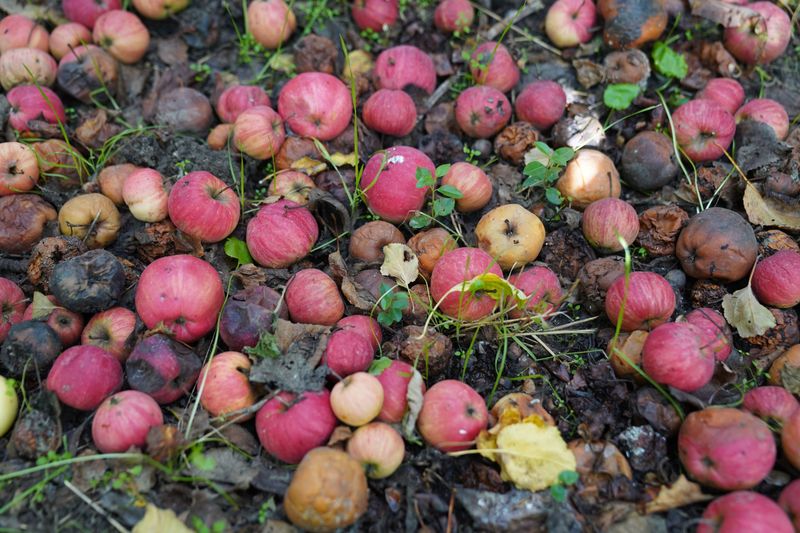
Rotting plums and apples under your trees invite one of the most destructive fruit pests in the Pacific Northwest. Spotted wing drosophila, or SWD, targets soft-skinned fruit and can ruin an entire harvest fast.
Unlike common fruit flies that attack already-rotting fruit, SWD lays eggs inside ripe, healthy fruit still on the tree. By the time you see damage, larvae are already feeding inside.
Fallen fruit on the ground accelerates the problem by providing a breeding ground right at the base of your trees. One piece of rotting fruit can support dozens of larvae completing their cycle.
Picking up fallen fruit every two to three days in August is one of the most effective control strategies. It sounds tedious, but it takes less time than managing a collapsed harvest.
Collect fallen fruit in sealed plastic bags before disposal, do not toss it into an open compost pile. Open compost allows SWD to complete its cycle and reinfect your Oregon garden.
Traps baited with apple cider vinegar and a drop of dish soap can help monitor SWD populations. Checking trap catches tells you when pressure is high and when to step up fruit collection.
Keeping the area under fruit trees clear of debris also removes habitat for other pests and diseases. A clean understory is a healthier environment for the tree and the soil beneath it.
A clean orchard floor in August often makes the difference between a full harvest and a disappointing one. Staying on top of fallen fruit protects the crop you’ve been waiting all summer to enjoy.