The Oregon Vegetables That Benefit Most From Being Started In Containers Before Transplanting
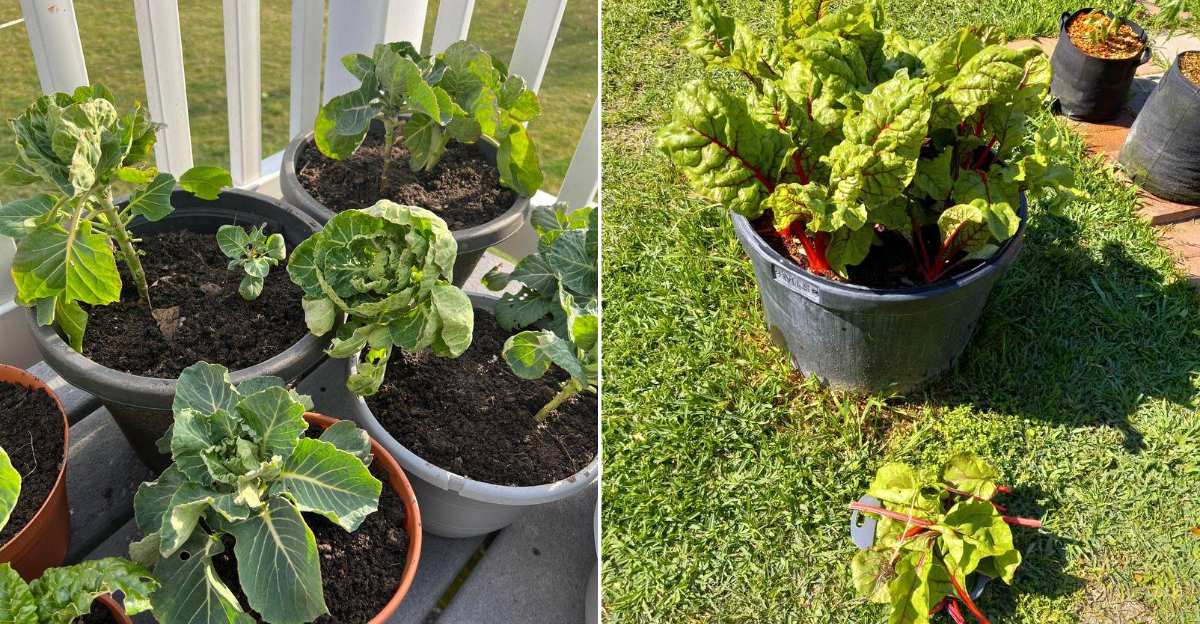
Starting vegetables in containers before moving them to the garden is one of those habits that separates productive gardeners from ones who struggle to get a full harvest.
The growing season here is shorter than most people wish it was, and every week of head start matters when summer warmth arrives late and fall closes in fast.
Some vegetables gain almost nothing from being started indoors. They resent the transplant process and do better going straight into the ground.
But others respond incredibly well to it. They establish faster, produce earlier, and outperform direct-sown versions by a noticeable margin.
Oregon’s unpredictable spring weather makes container starting even more valuable here than in warmer states. Cold snaps, heavy rain, and sluggish soil temperatures in April can set back a direct-sown crop by weeks.
Getting the right vegetables started in containers sidesteps all of that and puts you ahead before the season even officially begins.
1. Tomatoes
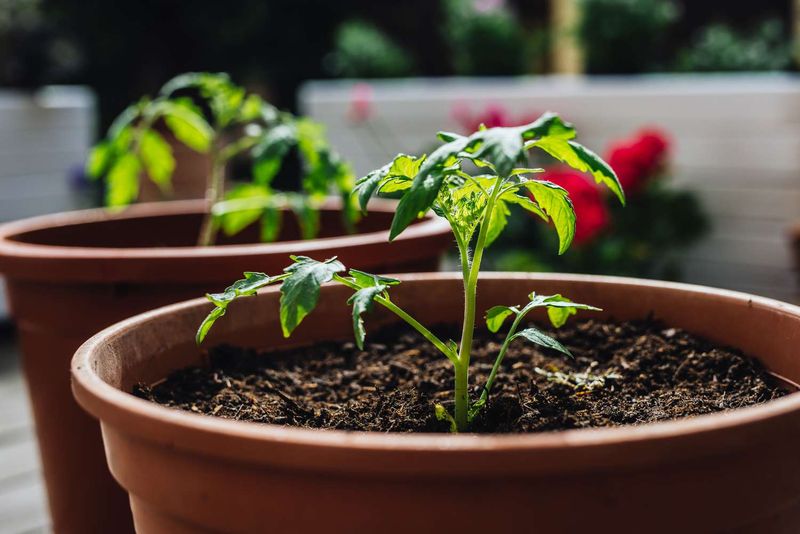
Few vegetables reward the patient gardener quite like a sun-ripened tomato fresh from the vine. The challenge is that tomatoes need a long, warm growing season, and the state simply does not offer that luxury outdoors in early spring.
Starting seeds indoors six to eight weeks before the last frost date gives your plants a serious advantage.
When you start tomatoes in containers, you control the temperature and light. Seedlings grow strong and steady under grow lights or near a bright south-facing window.
You avoid the cold soil temperatures that can stunt early growth outdoors.
Once nighttime temperatures stay above 50 degrees Fahrenheit consistently, your transplants are ready to go into the garden. By that point, they already have several sets of true leaves and a well-developed root system.
This head start can add four to six weeks of productive fruiting time to your season.
Choose compact or early-maturing varieties like Siletz, Willamette, or Stupice for the best results in the state’s climate. These varieties were bred or selected specifically for cooler conditions.
Hardening off your seedlings gradually before transplanting helps them adjust without stress.
Use deep containers when starting tomatoes indoors so roots have room to develop properly. A four-inch pot works for early stages, but moving to a larger container before transplanting encourages stronger growth.
Consistent watering and good drainage make all the difference.
2. Peppers
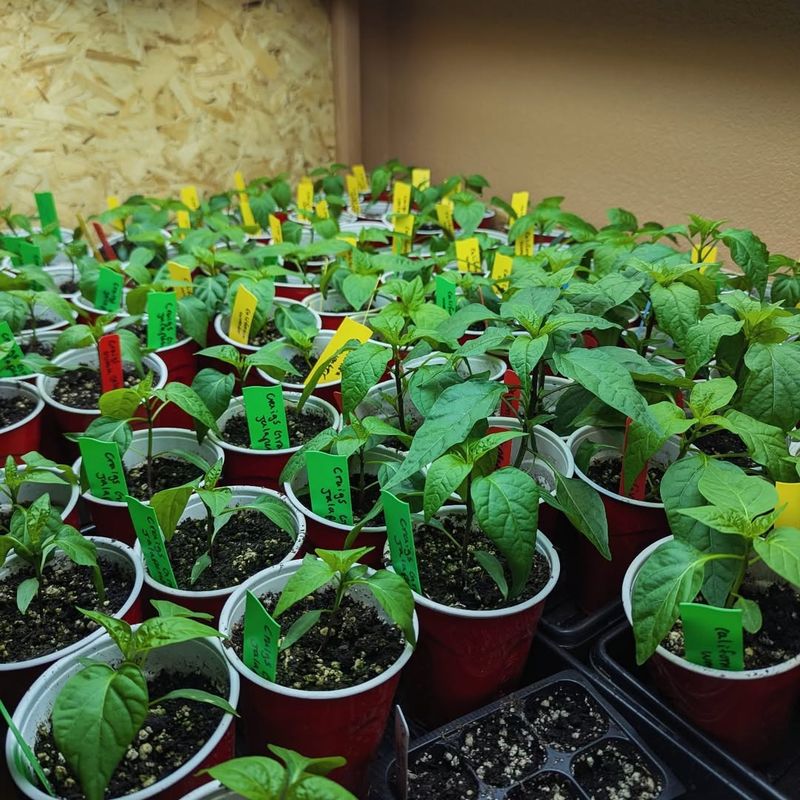
Peppers are arguably the most heat-loving vegetable on this list, and that makes them one of the trickiest crops to grow successfully without an indoor head start. They need soil temperatures of at least 65 degrees Fahrenheit to germinate well, and they take longer to mature than most gardeners expect.
Starting pepper seeds indoors eight to ten weeks before your last frost date is the smart move. That extra time indoors allows the seedlings to develop into sturdy transplants that hit the ground running once warm weather finally arrives.
Grow lights make a big difference for peppers started indoors. They need at least 14 to 16 hours of light daily to grow compact and strong rather than tall and spindly.
Your Oregon Garden Changes Every Week. Your Plan Should Too.
Gardening in Oregon changes quickly throughout the season. Every Friday you’ll receive a simple weekly plan showing exactly what to plant, prune, fertilize, harvest, and protect so you never miss the right timing.
A heat mat under the seed trays also speeds up germination dramatically.
Sweet varieties like Carmen and Lipstick perform reliably in gardens, especially in the Willamette Valley where summers are warmest. Hot peppers like Anaheim or Poblano also do well when given an early start.
Avoid transplanting outside until the soil is truly warm.
Peppers are sensitive to cold snaps even after transplanting. Keep row covers handy for the first few weeks after moving them outdoors.
With proper care and a solid indoor start, you can harvest beautiful peppers right through September and into early October in many parts of the state.
3. Brussels Sprouts
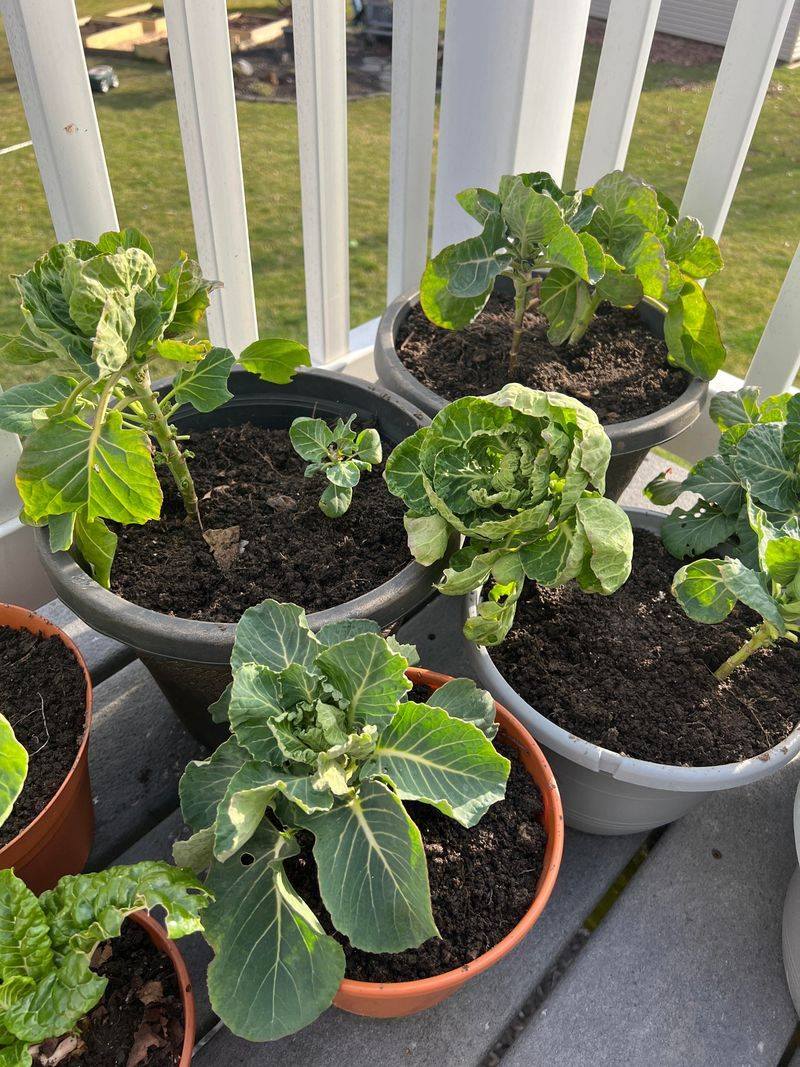
Brussels sprouts are a natural fit for our climate, but they still benefit enormously from being started indoors rather than direct seeded. These slow-growing vegetables need a long season, sometimes up to 100 days from transplant to harvest.
Getting that time started indoors is a genuine advantage.
Sow seeds four to six weeks before your planned transplant date. In most of western part of the state, that means starting seeds indoors in late March or April for a late summer transplant.
The cool, moist fall weather is actually perfect for finishing off a strong Brussels sprouts crop.
Seedlings grow quickly under good light and consistent moisture. By the time they are ready to go outside, they should be about four to six inches tall with several true leaves.
Transplanting at this size helps them establish quickly in garden soil.
Space transplants about 18 to 24 inches apart. Brussels sprouts grow into tall, heavy plants that need room to develop.
Firm the soil well around the base of each transplant to prevent them from tipping over as they grow taller through the season.
One of the best things about Brussels sprouts is that frost actually improves their flavor. The cold converts starches to sugars, making the little sprouts sweeter and more tender.
Harvesting after the first fall frost in your area gives you the tastiest results. Starting them indoors makes all of this possible on a reliable schedule.
4. Lettuce
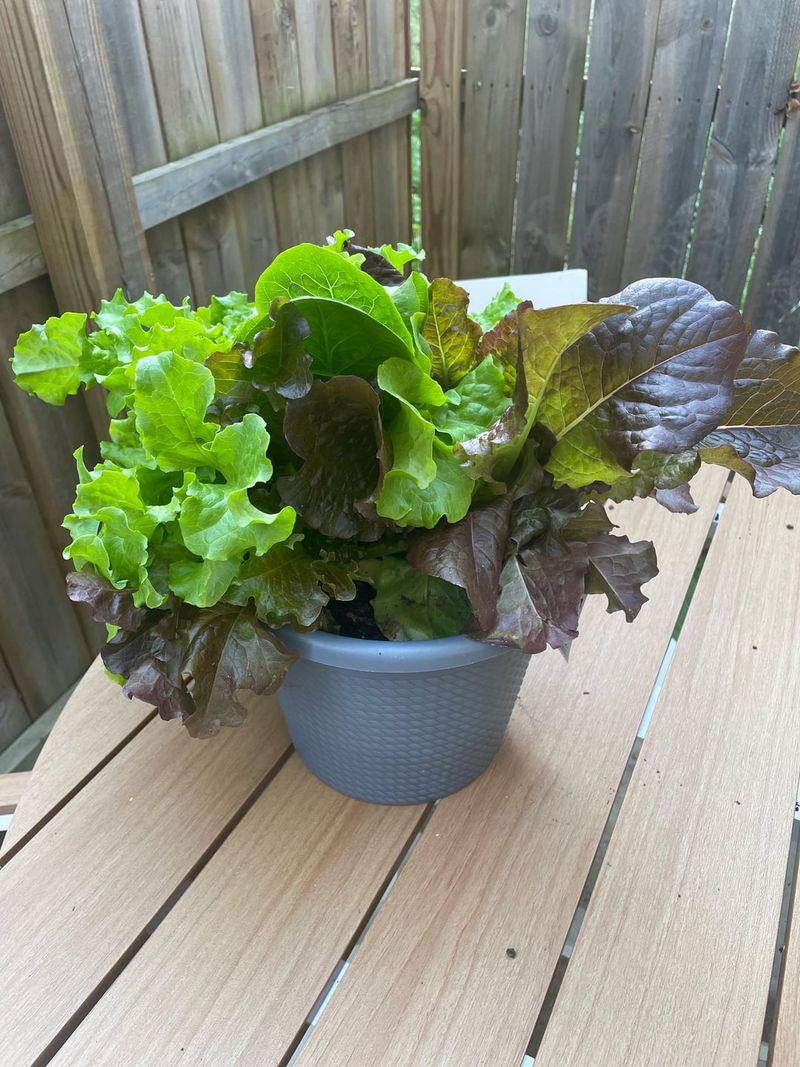
Lettuce is one of those vegetables that most people assume you just direct sow straight into the garden. And while that works fine later in the season, starting lettuce in containers indoors gives you a real advantage during unpredictable early spring weather.
Cold rain and heavy soil can slow germination significantly when you sow directly outdoors.
Starting lettuce in shallow trays or small containers about four weeks before your transplant date lets you get ahead of the season. You can time your transplants to go out as soon as the soil can be worked in late winter or early spring.
Lettuce tolerates light frost, so you do not need to wait for warm weather.
Under indoor lights, lettuce seedlings germinate quickly, often within five to seven days. They grow fast and can be ready to transplant at just three to four inches tall.
This quick turnaround makes it easy to start multiple successions throughout late winter and early spring.
Loose-leaf varieties like Black Seeded Simpson and Red Sails are especially rewarding for gardeners. They mature quickly and are more tolerant of variable spring temperatures than head lettuce types.
Butterhead varieties like Buttercrunch also perform beautifully after an indoor start.
Spacing transplants six to eight inches apart encourages healthy airflow and reduces disease pressure. Water consistently but avoid waterlogging the roots.
A cold frame or low tunnel over newly transplanted lettuce extends your harvest season even further into the cool spring.
5. Swiss Chard
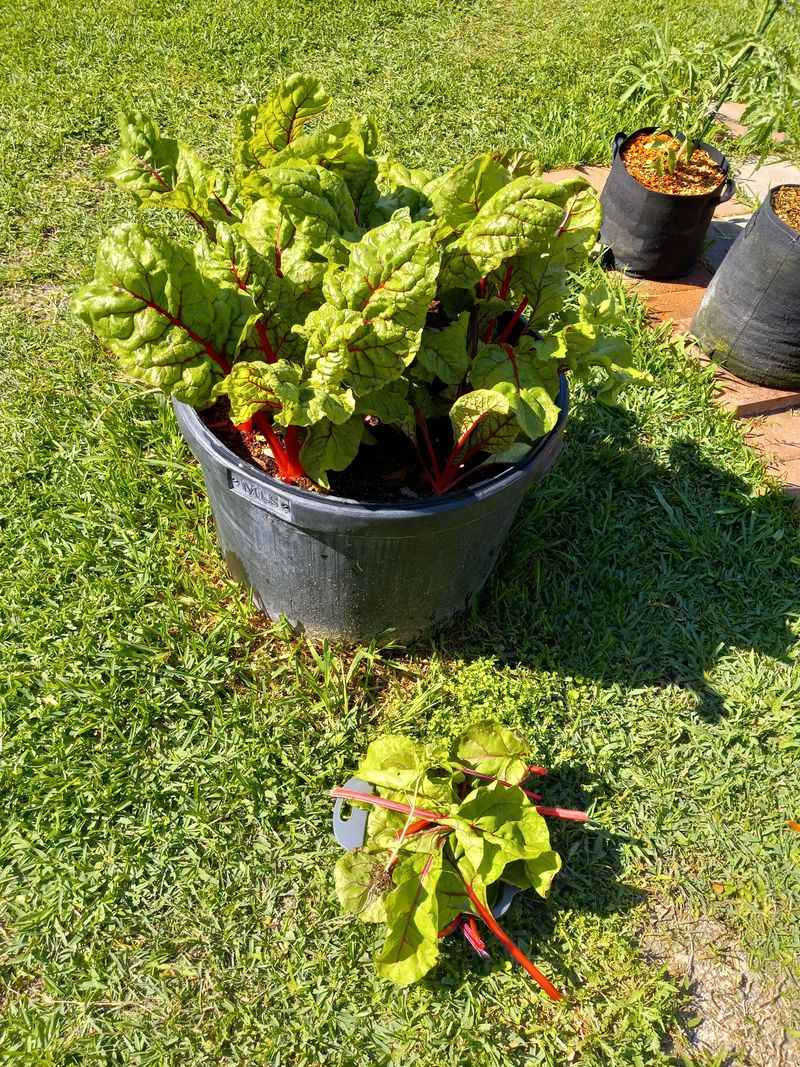
Swiss chard is one of the most colorful and productive vegetables you can grow in an garden. With stems ranging from bright red and yellow to deep purple, it adds beauty alongside nutrition.
Starting chard indoors three to four weeks before your transplant date gives it a boost that pays off all season long.
The seeds of Swiss chard are actually clusters of two or three seeds, so even a small number of seeds planted in containers can give you plenty of seedlings to work with. Thin each cluster down to the strongest single seedling once they sprout.
This prevents overcrowding and encourages stronger root development before transplanting.
Chard grows quickly under indoor lights and is not particularly demanding. It tolerates a wider range of temperatures than most vegetables on this list, making it forgiving for newer gardeners.
Seedlings are ready to transplant when they reach about three to four inches tall and have two to four true leaves.
Once transplanted into the garden, Swiss chard truly thrives in our mild climate. It handles both spring cool spells and moderate summer heat without bolting as quickly as lettuce does.
This makes it one of the most reliable season-long producers in the state.
Harvest outer leaves regularly to keep plants producing fresh growth. One planting started indoors in early spring can supply your kitchen with nutritious greens from late spring all the way through fall and sometimes into early winter in western Oregon.
6. Onions
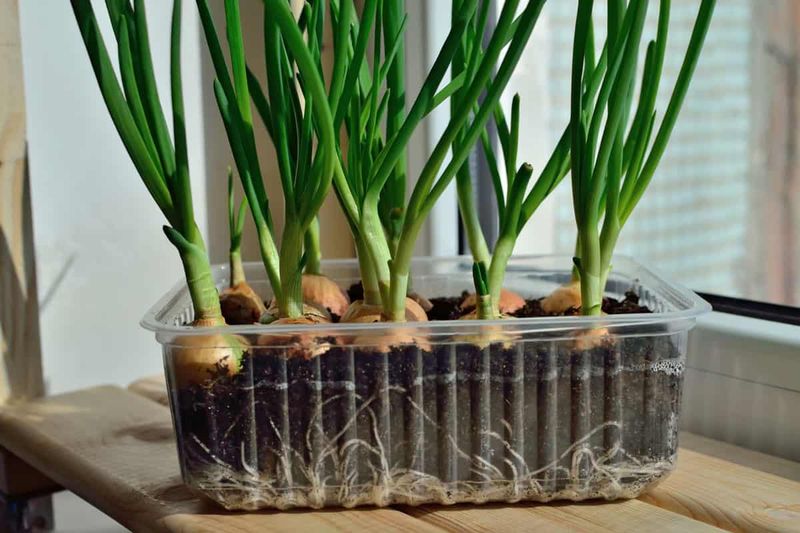
Getting onions right starts long before the soil is ready to work outside. Onions are notoriously slow to develop, often needing 100 to 120 days from transplant to harvest.
Starting them indoors in January or February is one of the most impactful things an gardener can do to ensure a successful bulb harvest in late summer.
Sow seeds thickly in a flat container filled with quality seed-starting mix. The thin grass-like shoots will emerge within seven to ten days under warm conditions.
Keep them under grow lights for at least 14 hours per day to encourage steady, upright growth.
Trim the tops of the seedlings with scissors when they reach about five inches tall. This encourages thicker, sturdier growth rather than floppy, weak shoots.
Repeat trimming every time they get too tall before transplanting outdoors.
Gardeners should choose long-day onion varieties since the state receives long summer days that trigger bulb formation. Good choices include Walla Walla Sweet, Yellow Stuttgarter, and Copra.
Short-day varieties will not form proper bulbs in Oregon’s latitude.
Transplant onion seedlings outdoors in March or April, spacing them about four inches apart. They are cold-hardy and can handle light frosts after transplanting.
By late July or August, you will have full-sized onions to harvest, cure, and store, all thanks to that early indoor start that gave them the time they needed to reach their full potential.
7. Leeks
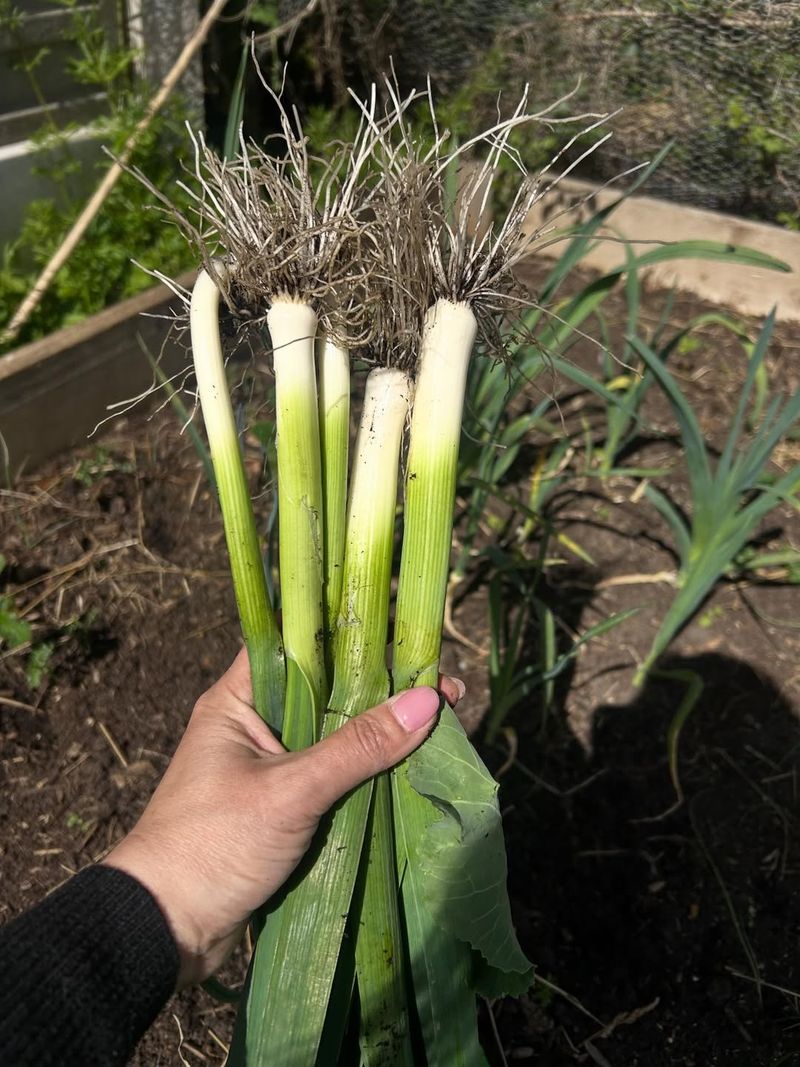
Leeks are a beloved cool-season vegetable that practically thrives in Oregon’s climate, but they have one significant challenge: they take forever to mature. From seed to harvest can be 120 to 150 days or more.
Starting leeks indoors in January or February is not just helpful, it is almost essential for getting a full harvest before winter arrives.
Sow leek seeds in a flat or shallow container, spacing them about half an inch apart. They germinate slowly compared to many vegetables, sometimes taking ten to fourteen days.
Keep the soil consistently moist and warm during germination, and be patient because the reward is worth the wait.
Like onions, leek seedlings benefit from having their tops trimmed periodically while growing indoors. This keeps the shoots from flopping over and encourages stronger root development.
By the time they are ready to transplant in spring, they should look like small green pencils about six to eight inches tall.
Transplant leeks into the garden by making deep holes with a dibble or pencil and dropping each seedling in without filling the hole completely. This traditional planting method, called blanching, encourages the white shank to develop longer and more tender.
Water the holes to settle the soil around the roots.
Leeks are incredibly frost-hardy and can stay in the ground well into wet fall and winter. This makes them a fantastic crop for extending your garden’s productive season.
A solid indoor start is the foundation of every great leek harvest.
8. Celery
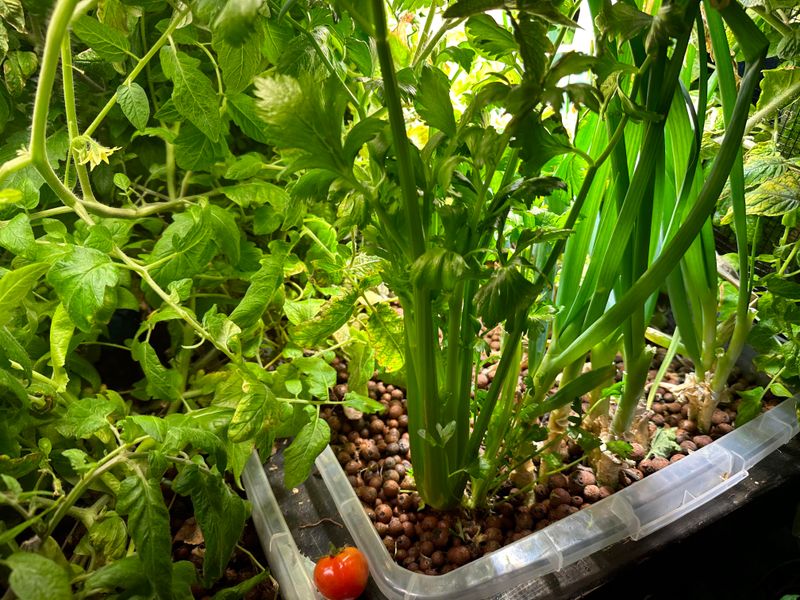
Celery has a reputation for being one of the more challenging vegetables to grow, and that reputation is well-earned. It has tiny seeds, a slow germination rate, and a long growing season that can stretch to 120 days or more.
For gardeners, starting celery indoors 10 to 12 weeks before the last frost date is absolutely the right approach.
The seeds are so small they are almost dust-like. Press them lightly onto the surface of moist seed-starting mix rather than burying them deeply.
They need light to germinate, so do not cover them with soil. Keeping the surface consistently moist is critical during the two to three week germination period.
Celery seedlings grow slowly at first and look deceptively fragile. Do not be discouraged by their early pace.
Once they establish a few true leaves and a stronger root system, growth picks up considerably. Keep them under grow lights for 16 hours per day for the best results.
Celery prefers cool growing conditions and consistent moisture throughout its life. Mild summers and reliable irrigation in most regions make it a surprisingly good fit once it gets going.
Transplant seedlings outdoors after the last frost when they are about four to six inches tall.
Consistent watering is the most important factor in growing quality celery. Dry spells cause stringy, bitter stalks.
Mulching heavily around transplants helps retain soil moisture and keeps roots cool. With patience and proper care, gardeners can harvest crisp, flavorful celery stalks from late summer through fall.
9. Basil
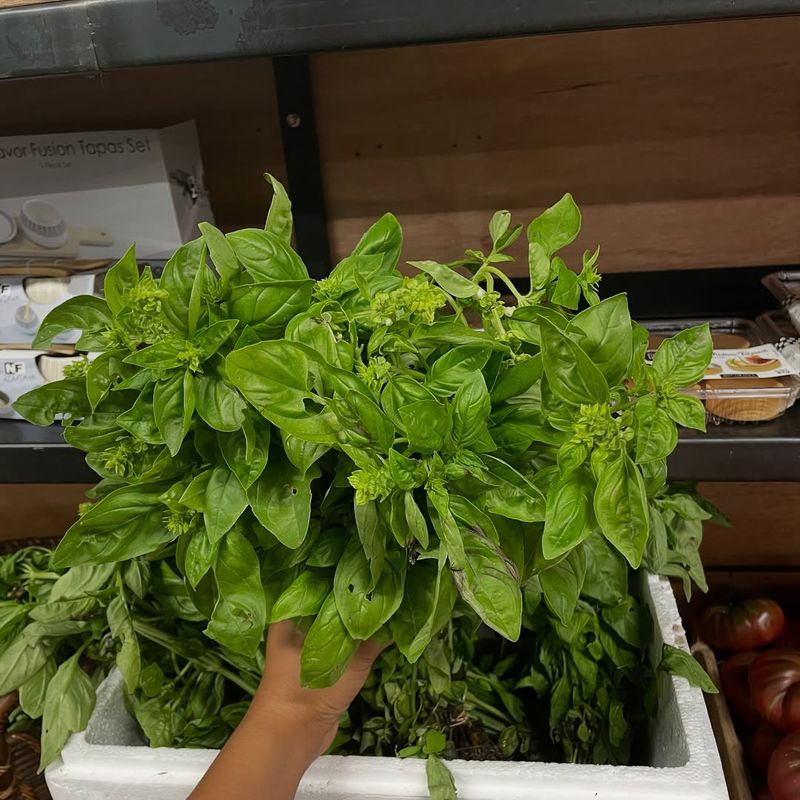
Basil and our climate have a complicated relationship. This herb is deeply tropical at heart, and it absolutely refuses to perform well in cold soil or when nighttime temperatures dip below 50 degrees Fahrenheit.
Starting basil indoors four to six weeks before your last frost date is the smartest way to grow it successfully in the Pacific Northwest.
Seeds germinate quickly in warm conditions, often sprouting within five to seven days when soil temperature stays around 70 degrees. A heat mat under the seed tray makes a noticeable difference in germination speed and consistency.
Once sprouts appear, move them under bright grow lights immediately to prevent legginess.
Basil seedlings are sensitive to overwatering. Let the top of the soil dry out slightly between waterings.
Good drainage in your containers prevents root problems that can weaken young plants before they ever make it outside.
Wait until outdoor temperatures are consistently warm day and night before transplanting basil. Even a single cold night below 50 degrees can cause chilling injury that turns leaves black and sets the plant back significantly.
In most of western Oregon, late May to early June is the safest transplant window.
Once established in warm garden soil, basil grows enthusiastically. Pinch off flower buds as soon as they appear to keep plants producing flavorful leaves all summer long.
Growing basil near tomatoes is a classic garden pairing that many Oregon gardeners swear by, and starting both indoors at similar times makes the timing work out perfectly.