The Oregon Yard Features That Attract More Native Birds
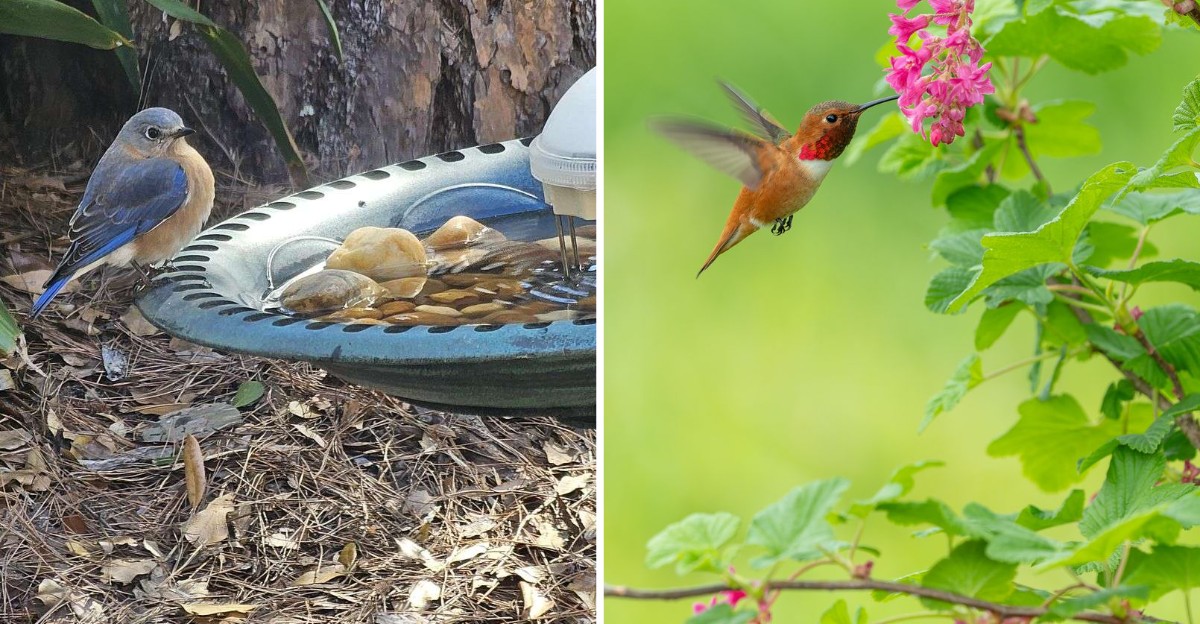
Oregon mornings come with their own soundtrack. Mist hangs low over the fence, a leaf lets go of a maple down the block, and something rustles in the shrubs before your coffee cools.
Most of us treat the yard as scenery, a green rectangle to mow and then ignore. The truth is that your patch of ground is prime real estate, and it gets scouted constantly.
Some properties on the street stay oddly quiet season after season. Others hum from sunrise until the light turns orange, and the difference rarely comes down to luck or lot size.
Meanwhile, the tidiest yard on the block is usually the emptiest one. Neatness, it turns out, carries a cost nobody printed on the price tag.
1. Native Berry Shrubs That Fruit Across Seasons
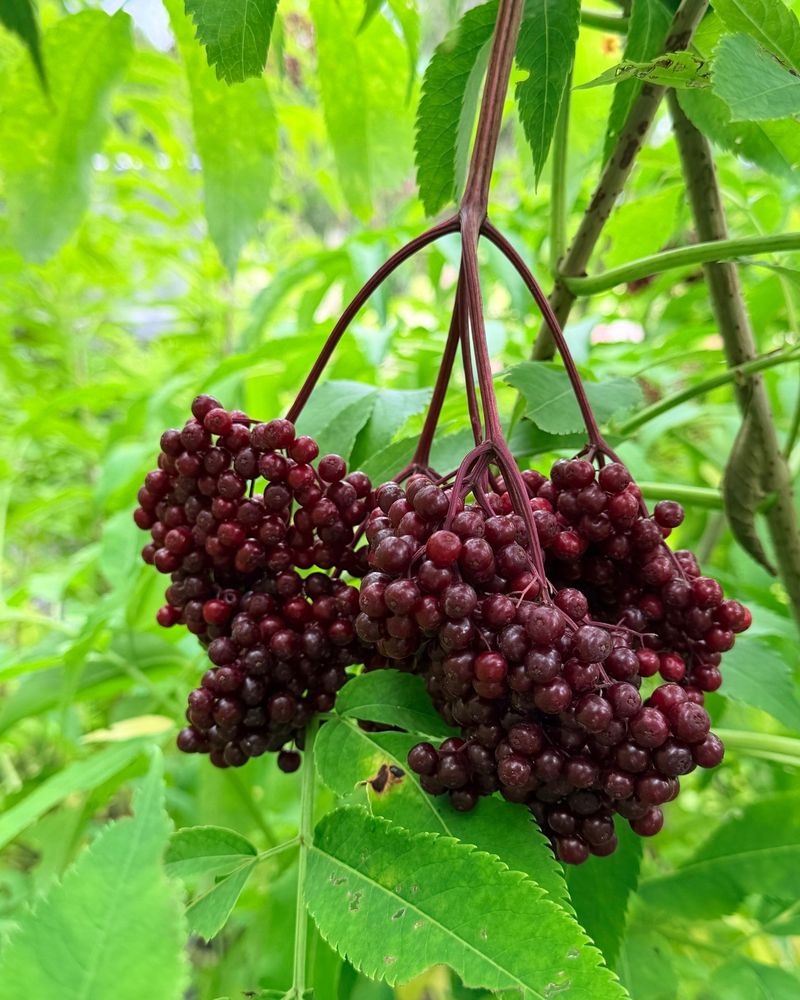
A single elderberry can turn a quiet corner of your yard into a busy roadside diner. Cedar waxwings arrive in loud flocks, and they rarely wait for an invitation.
Shrubs like red-flowering currant, salal, thimbleberry, and Pacific ninebark set fruit at slightly different weeks. That staggered timing keeps food available from midsummer through the gray stretch of November.
Robins and varied thrushes lean hard on late fruit once insects get scarce. Snowberry holds its white berries well into winter, which makes it a quiet hero of the cold season.
Plant in clusters of three or five instead of lonely single specimens. Birds feed with more confidence inside a thicket, where a sharp-shinned hawk cannot make an easy pass.
Go easy with the pruning shears, because heavy shaping strips the flower buds that later become fruit. A light trim right after harvest keeps things tidy without erasing next season’s crop.
Nursery tags matter more than you might guess, since many ornamental berries offer thin nutrition. Native species pack the fats and sugars that migrating birds burn on long flights south.
Mulch the root zone with wood chips and water deeply through the first two summers. After that, most of these shrubs shrug off Willamette Valley summers with barely a complaint.
Fun fact: salal berries fed Coast Salish and Chinook families long before backyard birding became a hobby. Your hedge carries an older story than your house does.
Give the planting two seasons before you judge it, because roots come first and fruit follows. By year three, the show tends to sell itself.
2. Layered Tree Canopy With Safe Nesting Space
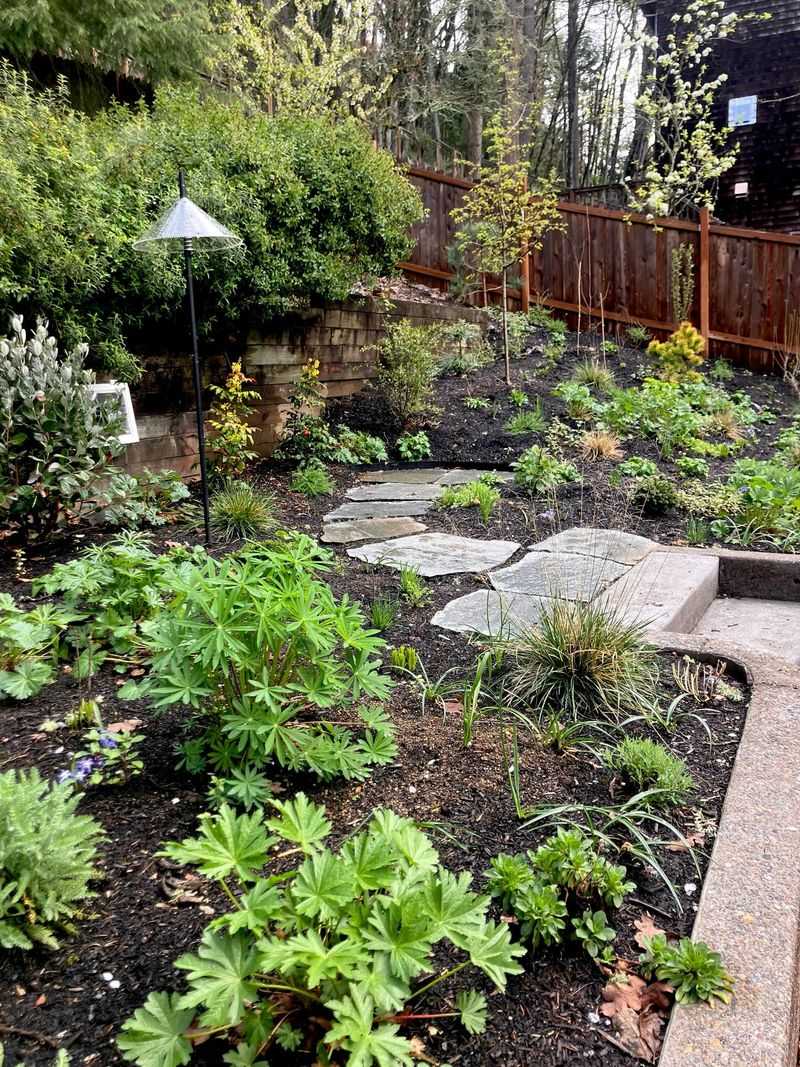
Think of a yard as an apartment building rather than a lawn with decorations. Different birds want different floors, and a single-story property loses most of its tenants.
Chickadees and warblers work the middle branches of vine maple and Pacific dogwood. Higher up, band-tailed pigeons and Steller’s jays claim the Douglas fir and western red cedar tops.
Down near the ground, spotted towhees and song sparrows hunt through low cover. Take away that bottom layer and the whole building loses its most active residents.
Aim for three heights when you plan: a canopy tree, a small understory tree, and a shrub band beneath both. Even a modest suburban lot can pull this off with careful spacing.
Your Oregon Garden Changes Every Week. Your Plan Should Too.
Gardening in Oregon changes quickly throughout the season. Every Friday you’ll receive a simple weekly plan showing exactly what to plant, prune, fertilize, harvest, and protect so you never miss the right timing.
Evergreens earn their keep during Oregon’s soggy stretch from November to March. Dense cedar and fir boughs block wind and rain while offering roosting spots that stay reasonably dry.
Deciduous natives like big-leaf maple and red alder feed a wide range of caterpillar species each spring. Those caterpillars become the protein that nestlings need during their fast growth weeks.
Hold off on major limb work between April and July, when nests sit hidden in the foliage. Late summer or early fall pruning avoids most of that risk entirely.
Curved planting beds beat straight rows, since irregular edges create more sheltered pockets. Birds tend to travel along these leafy corridors rather than crossing open turf.
Trees planted today pay off for decades, which is a strange kind of patience. Your future self gets the concert tickets.
3. Clean Water Basins Birds Bathe In Daily
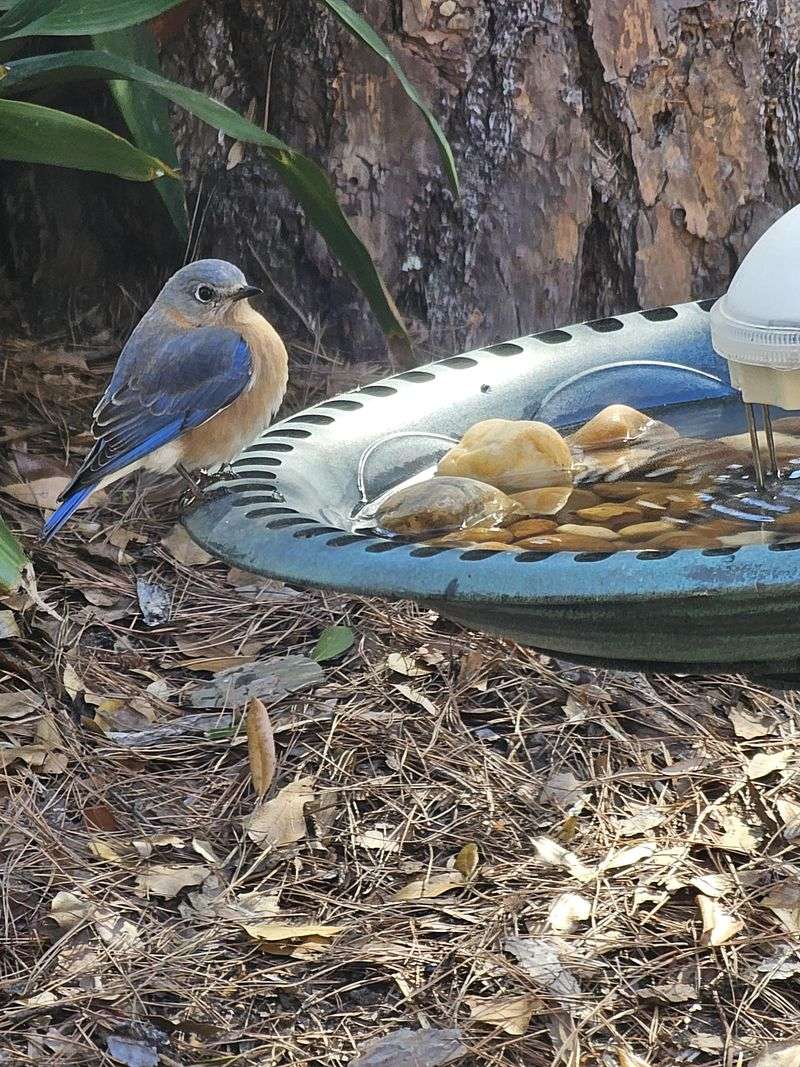
Water pulls in species that a feeder simply cannot reach. Warblers, tanagers, and flycatchers show little interest in seed, yet they rarely pass up a shallow splash.
Depth is the detail most people get wrong. Two inches at the center works well, and a rough surface gives small feet something to grip.
Moving water multiplies the effect in a way that surprises first-timers. A solar dripper or a small recirculating pump creates ripples and sound that carry across several yards.
Place the basin roughly ten feet from a shrub or low branch. That gives soaked birds a quick escape route while keeping neighborhood cats from lurking too close to the bowl.
Scrub the bowl every two or three days with a stiff brush and plain water. Algae and droppings build up fast, and a neglected basin turns unhealthy for regular visitors.
Oregon summers east of the Cascades get genuinely dry, which raises the stakes. In Bend or Pendleton, a reliable water source may be the single strongest draw you offer.
Winter matters too, since natural puddles freeze during valley cold snaps. A thermostatic heater keeps a small opening available on those frosty January mornings.
Ground-level basins attract juncos and towhees, while pedestal styles suit robins and finches. Offering both heights spreads the traffic out and reduces squabbling.
One quirky bonus: bathing birds are ridiculous to watch, all flailing wings and drenched dignity. Set a chair nearby and you will understand the appeal within minutes.
4. Standing Snags And Their Cavity Nesters
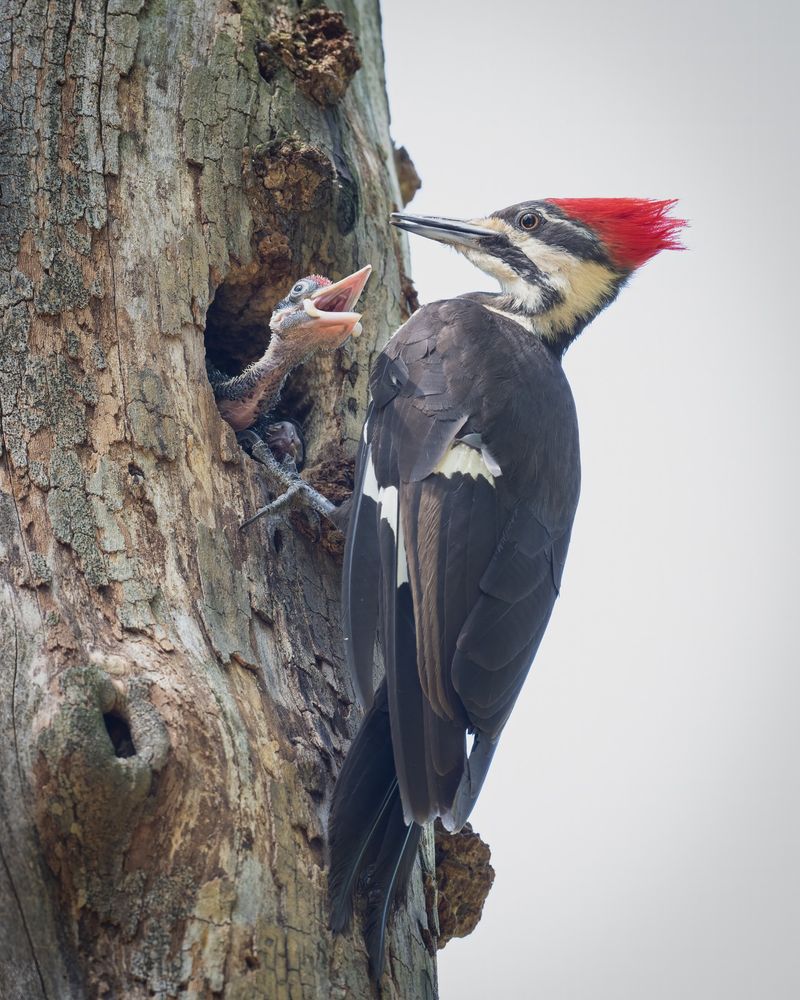
Storm damage looks like a problem until a woodpecker files a claim. That bare, weathered trunk still standing in the corner is one of the rarest features in modern neighborhoods.
Northern flickers, downy woodpeckers, and red-breasted nuthatches excavate holes in softening wood. Once they move on, chickadees, swallows, and western bluebirds reuse those same chambers.
Soft, punky wood hosts beetle larvae and ants that woodpeckers dig for all winter. A single old trunk can feed a family through months of drizzle.
Safety comes first, so hire an arborist to shorten any trunk that could reach a roof or fence. A ten to fifteen foot stub keeps the habitat and removes the hazard.
If no snag exists on your property, a salvaged log works surprisingly well. Sink a four-foot section upright in a garden bed and let insects find it.
Nest boxes fill the same role when real wood is unavailable. Match the entrance hole to your target species, since a one-and-an-eighth inch opening suits chickadees nicely.
Skip the paint and preservatives on any box you build. Untreated cedar breathes properly and holds up through Oregon’s damp seasons without chemicals.
Mount boxes seven to ten feet up, facing away from prevailing southwest wind and rain. A small metal guard around the pole discourages climbing raccoons.
Here is the fun part: flickers drum on hollow wood partly to advertise territory. Your snag may become the loudest instrument on the block.
5. Brush Piles As Instant Shelter
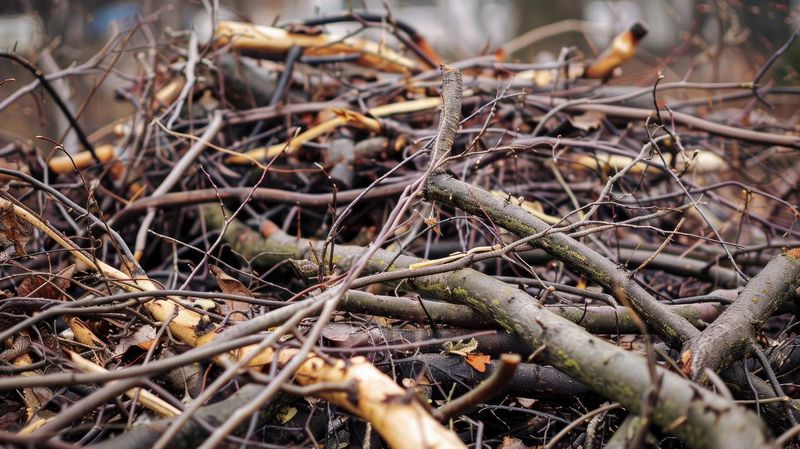
Most yards benefit from one messy corner, and this is the one worth keeping. A loose stack of branches gives small birds somewhere to duck when a hawk cruises through.
Song sparrows, spotted towhees, Bewick’s wrens, and fox sparrows use these piles constantly. Watch one for ten minutes and you will see traffic in and out of the gaps.
Build it like a rough log cabin rather than a compost heap. Lay thick limbs on the bottom in a crisscross pattern, then add finer twigs on top.
Four to six feet across and three feet high hits a useful size. Leave real openings, because a solid mound offers no interior corridors for a bird to slip into.
Evergreen boughs from a fir or cedar trim make excellent roofing material. They shed Oregon rain and keep the inside noticeably drier during storms.
Position the pile within a short hop of a feeder or birdbath. Birds check surroundings for escape cover before they commit to feeding out in the open.
Piles settle and break down over a few years, which is perfectly fine. Toss new prunings on top each winter and the structure keeps renewing itself.
Insects, spiders, and salamanders move in as the wood softens. Those small residents become food, so the pile quietly feeds birds as well as hiding them.
It ranks among the cheapest habitat projects you can take on. Your yard waste bill drops and your bird list grows at the same time.
6. Nectar Flowers Hummingbirds Return To
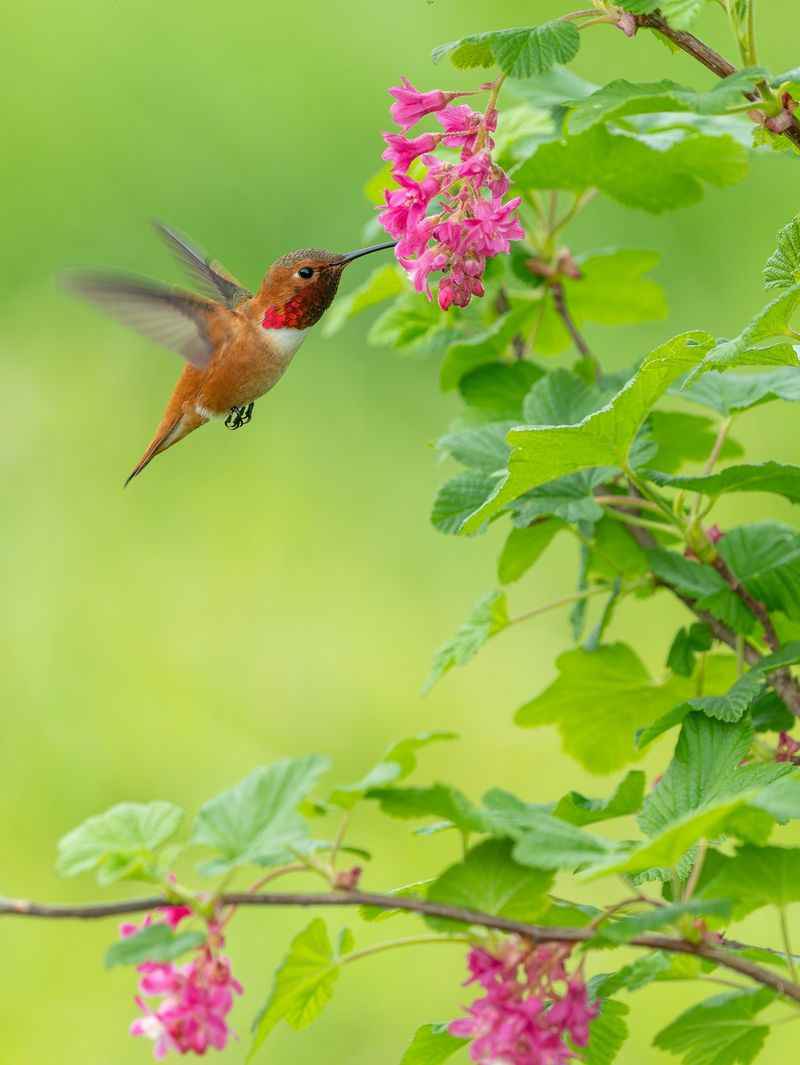
Anna’s hummingbirds stick around western Oregon through winter, which makes them year-round neighbors. Late-winter blooms matter enormously to the birds that stayed behind.
Red-flowering currant opens early and looks like a string of pink lanterns. Pair it with orange honeysuckle, which climbs a trellis and blooms into midsummer.
Tubular shapes in red, orange, and hot pink pull the most attention. Salvia, columbine, penstemon, and scarlet gilia all fit that description nicely.
Plan for overlapping bloom windows instead of one big burst. Early currant, midseason penstemon, and late-summer California fuchsia cover most of the calendar.
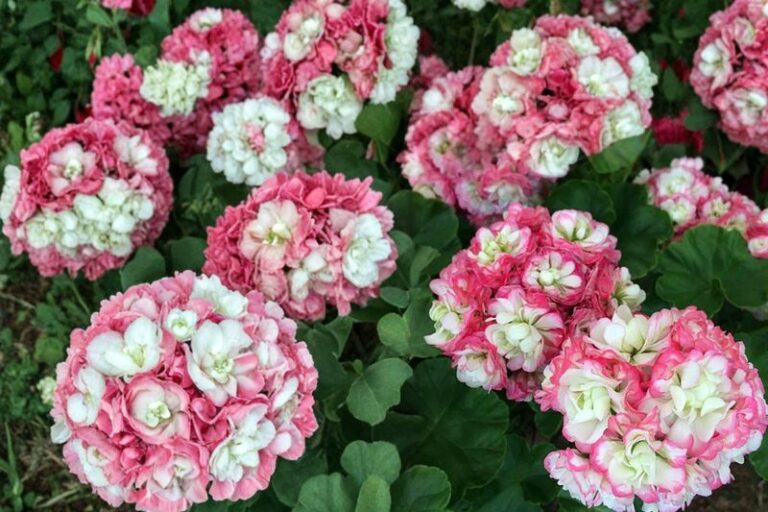
Double-flowered garden hybrids often disappoint, since extra petals block the nectar. Simpler single blooms give a long bill clear access to the good stuff.
Sugar-water feeders help as a supplement rather than a replacement. Mix four parts water to one part white sugar, skip the dye, and rinse the feeder every few days.
During a hard freeze, bring feeders indoors overnight and return them at first light. Hummingbirds feed heavily right at dawn after a cold night.
Flowers also attract tiny insects, which supply the protein these birds actually need. Nectar is fuel, but gnats and aphids build muscle and feathers.
Leave a few bare twigs nearby as perches, because hummingbirds rest more than people realize. A male will pick one favorite branch and guard the whole patch from it.
Fun detail: their territorial dive can hit sixty miles per hour. Small bird, enormous attitude.
7. Leaf Litter Beds Alive With Insects
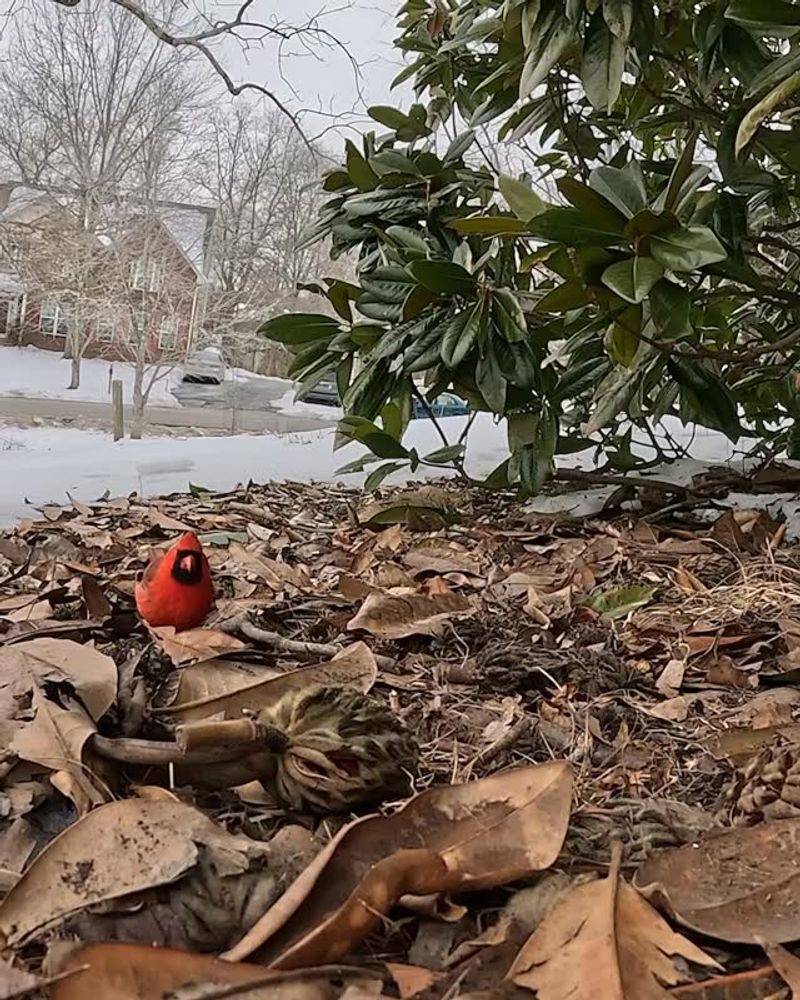
Raking every last leaf is a habit worth loosening. Fallen foliage is a working pantry, and several Oregon birds do their best hunting inside it.
Varied thrushes, fox sparrows, and juncos scratch through litter for beetles, larvae, and spiders. The rustling sound alone tells you the buffet is open.
Many native moths and butterflies spend winter as cocoons tucked in leaves or a few inches of soil. Bagging that material removes next spring’s caterpillar supply.
Rather than clearing everything, sweep leaves off walkways and lawn into shrub beds. Two or three inches deep protects roots and keeps the soil biology busy.
Big-leaf maple, oak, and alder leaves break down at different speeds, which builds nice structure. A mixed blanket stays loose enough for birds to work through.
Hold off on the big spring cleanup until daytime temperatures settle around fifty degrees. Insects emerging from the litter get a fair start that way.
Set aside chemical treatments in these areas, since insecticides remove the very food you are cultivating. A yard with abundant bugs is a yard full of songbirds.
Bare soil under shrubs bakes hard by midsummer and holds little life. Leaf cover keeps moisture in and cuts your watering through the dry Oregon stretches.
Worried about tidiness? A crisp border of stone or steel edging makes a leafy bed read as intentional design rather than neglect.
One overlooked bonus: leaves are free mulch delivered by gravity. No trip to the garden center required.
8. Seed Feeders Through Lean Winter Months
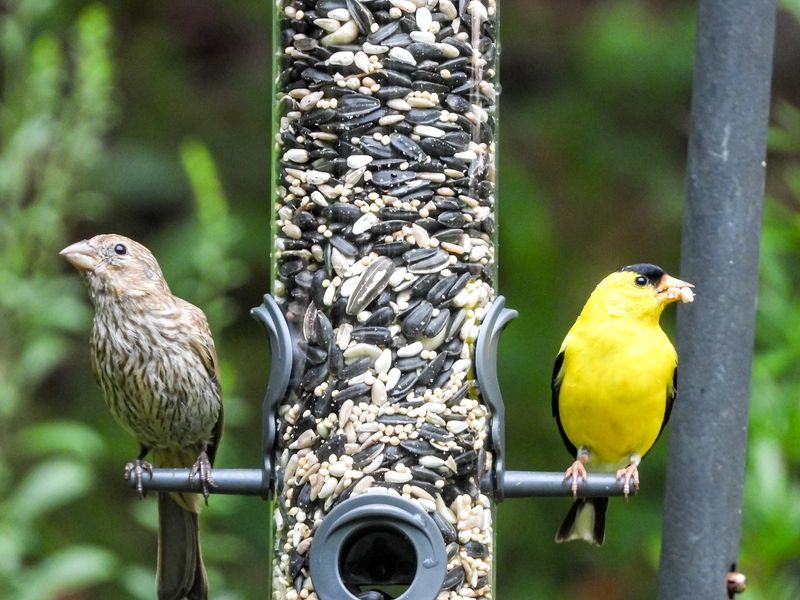
January in the Willamette Valley is soggy, dim, and short on natural seed. A well-stocked feeder becomes a genuine neighborhood landmark for chickadees and finches.
Black oil sunflower seed suits the widest range of Oregon visitors. Thin shells crack easily, and the high fat content helps birds hold body heat overnight.
Nyjer thistle in a fine-mesh tube brings in pine siskins and lesser goldfinches. Suet cakes pull woodpeckers, bushtits, and the occasional curious nuthatch.
Cheap mixes padded with milo and red millet mostly end up on the ground. Buying quality seed costs more per bag yet wastes far less in practice.
Clean feeders every two weeks with hot soapy water, then a dilute bleach rinse. Damp Pacific Northwest air encourages mold, and spoiled seed is worth throwing out rather than topping up.
Spread several feeders around the yard instead of clustering them together. Spacing lowers crowding and keeps conditions cleaner at each station.
Hang feeders either within three feet of a window or beyond thirty feet. That range reduces the reflection strikes that send birds into glass each year.
Store seed in a metal container with a tight lid to keep rodents uninterested. A galvanized trash can in the garage handles the job well.
Consistency counts more than quantity, since birds build routines around dependable sources. Same spot, same seed, refilled regularly beats an occasional feast.
Keep a notebook by the window through winter. The species list you gather may genuinely surprise you by March.