The Ornamental Grass That’s Turning Your Florida Flower Bed Into A Snake Highway
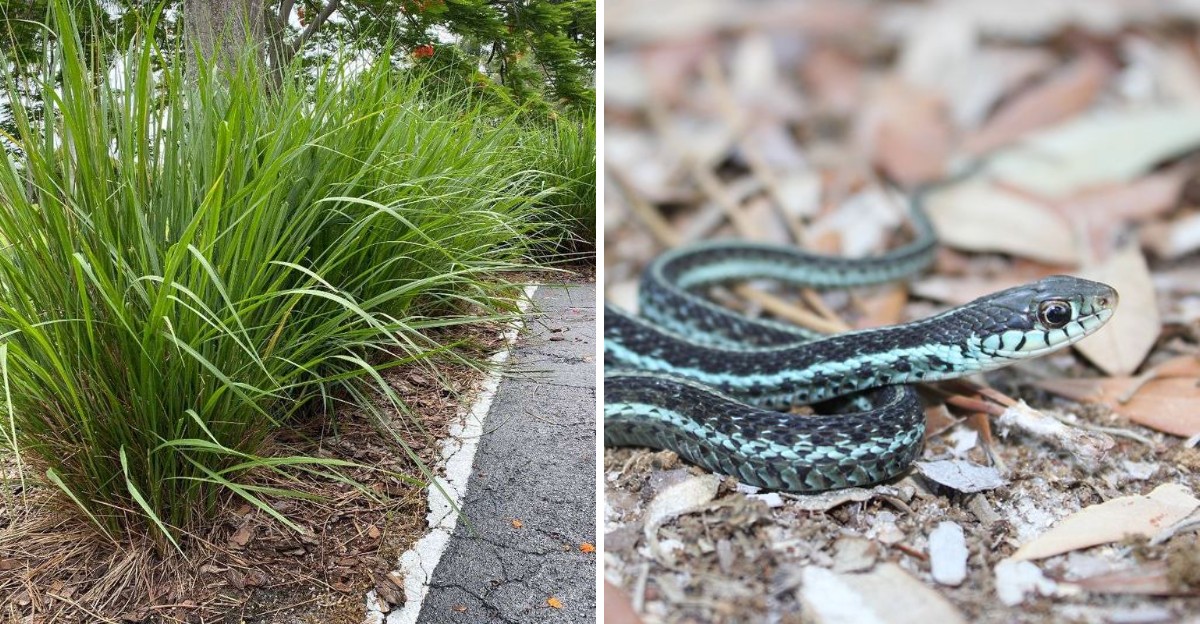
That ornamental grass along the flower bed has been filling in nicely all summer, thick and full in a way that finally makes the whole bed look complete.
It’s also exactly the kind of cover snakes go looking for, and most people never make that connection until one shows up somewhere it shouldn’t.
Dense, low grass can create attractive shelter for snakes and the animals they hunt. Shade, moisture, and enough cover to move through completely unseen, all packed into the same spot most homeowners planted purely for looks.
A flower bed lined with the right ornamental grass doesn’t just border the yard anymore. It becomes a route, a shaded corridor snakes use to move between one hiding spot and the next without ever crossing open ground.
Florida yards with thick ornamental grass along the edges tend to see more snake activity than yards without it, and the plant itself is usually the last thing anyone suspects.
1. Meet Fakahatchee Grass, The Giant Clumper Creating Plenty Of Hidden Cover
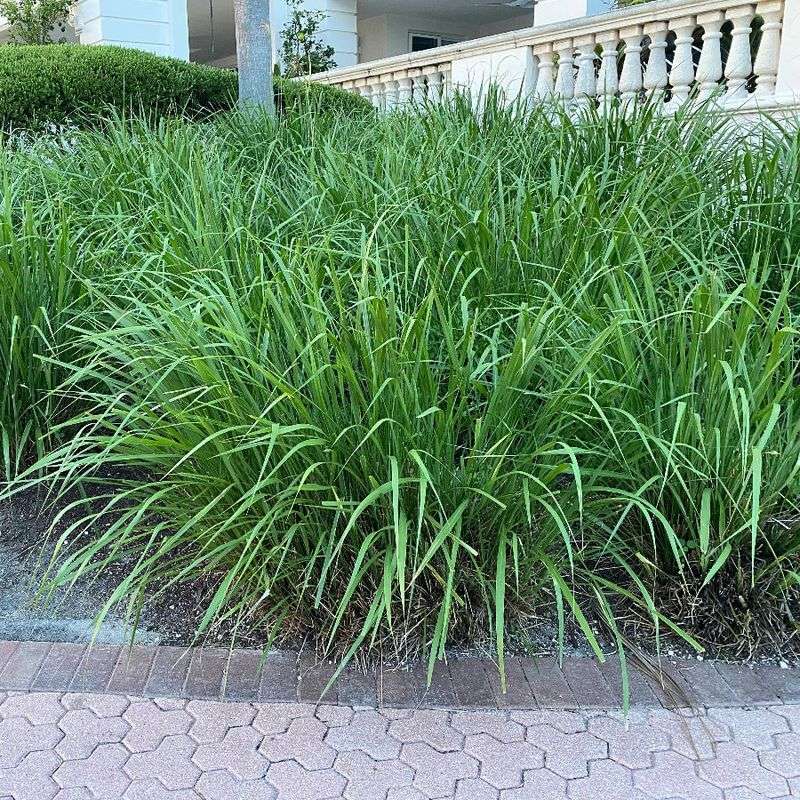
Walk through almost any Florida landscape project and you will spot it: a big, fountain-shaped mound of arching green blades that looks like corn had a wilder cousin.
That is Fakahatchee grass, known to botanists as Tripsacum dactyloides, and it happens to be a true Florida native.
Landscapers adore it for good reason. It asks for very little attention, handles heat and humidity without complaint, and fills empty space fast.
Size is where things get interesting. A single established clump commonly reaches 4 to 6 feet tall and just as wide, which is roughly the footprint of a small shrub.
Underneath all that arching foliage sits a shaded, hollow-feeling pocket of air. Blades pile on top of each other, old growth collects at the base, and the interior stays cool and dim even at noon.
Small wildlife can use that pocket of shelter too. Insects, tree frogs, lizards, and other animals may take advantage of the cooler, protected space.
Fun bit of trivia: the plant is named for the Fakahatchee Strand, a swampy preserve in Southwest Florida where it grows wild. Knowing its soggy, sheltered origins explains a lot about the habits it brings into your flower bed.
2. Dense Blades Give Passing Snakes An Easier Place To Stay Concealed
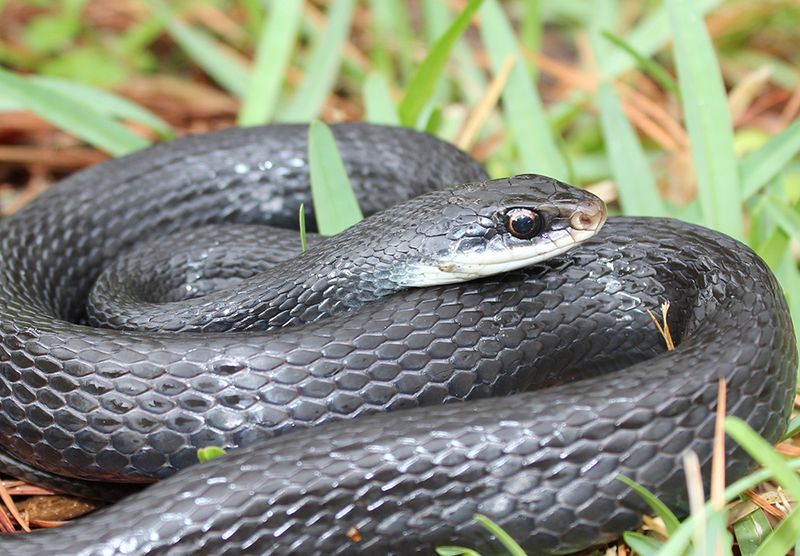
Snakes are not bold creatures by nature. Hawks, herons, raccoons, and house cats all consider them a meal, so staying out of sight is the whole strategy.
Thick vegetation solves that problem beautifully. The overlapping blades of a mature Fakahatchee clump break up a snake’s outline, hide it from anything overhead, and buffer it from blazing afternoon sun.
Picture a black racer cruising your yard looking for lunch. Crossing open lawn leaves it exposed, but slipping along the base of a dense grass clump lets it hunt while staying mostly invisible.
The bushy, layered texture also muffles movement. You may walk within a couple feet of a resting snake and pick up nothing more than a faint rustle you blame on the breeze.
Your Florida Garden Changes Every Week. Your Plan Should Too.
Gardening in Florida changes quickly throughout the season. Every Friday you’ll receive a simple weekly plan showing exactly what to plant, prune, fertilize, harvest, and protect so you never miss the right timing.
None of this means the plant attracts snakes on purpose. It simply offers the three things reptiles value most: shade, humidity, and concealment, all in one tidy package.
That is why cover matters more than any single plant choice. A yard with scattered patches of thick growth gives wildlife brief stopovers, while a yard with wall-to-wall thick growth gives them somewhere to settle in.
Once you start seeing your beds through that lens, spotting the risky spots gets a lot easier.
3. Mass Plantings Can Create A Continuous Route Across The Flower Bed
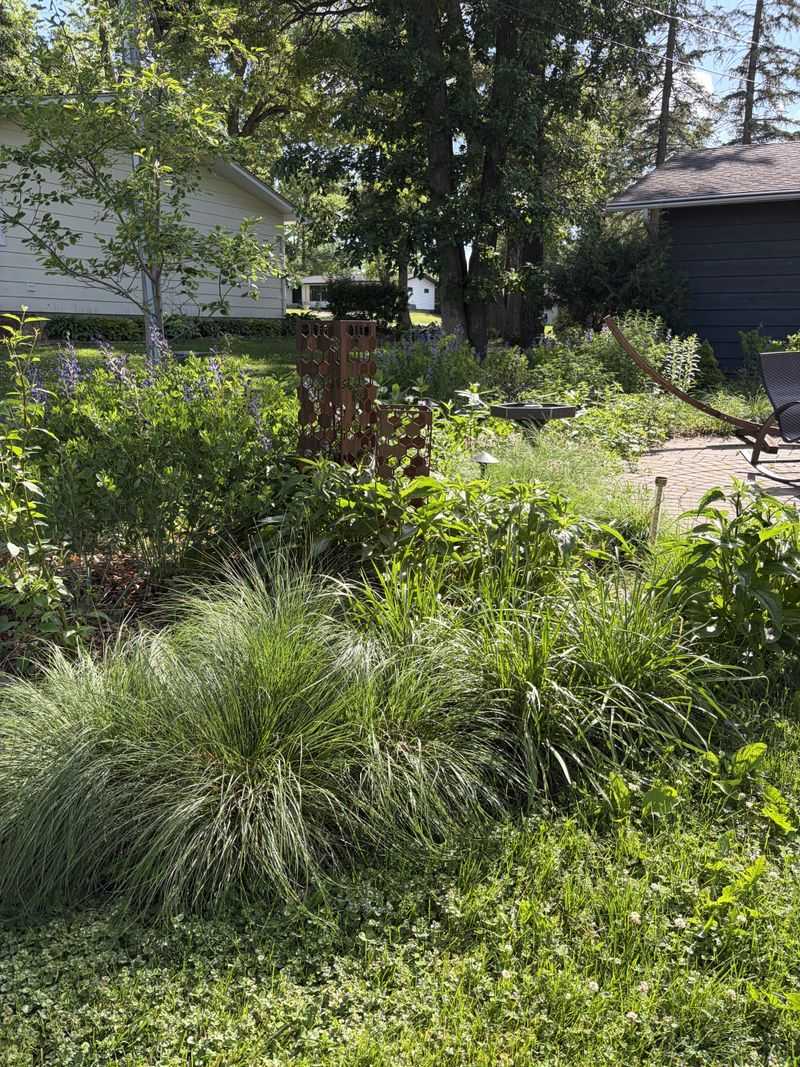
Designers love repetition, and Fakahatchee grass gets used in rows, borders, and sweeping mass plantings all over the state. Visually, it works.
Practically, it can backfire.
Here is the math nobody mentions at the nursery. Space clumps three feet apart, let each one spread to five or six feet wide, and within a few seasons those separate mounds merge into a single unbroken thicket.
What was once a series of islands becomes a corridor. A snake can enter at the mailbox end and travel the full length of the bed without stepping into open air even once.
Landscapers sometimes call these connected plantings green tunnels, and wildlife treats them exactly like tunnels. Movement becomes low-risk, so animals use the route again and again.
The fix is generous spacing at planting time. Set clumps far enough apart that mature plants still leave visible gaps of mulch or low groundcover between them.
For beds already grown together, you can reopen the route by removing every third clump or dividing the oversized ones. Mulched breaks of two or three feet interrupt the corridor without ruining the design.
Your bed still reads as a lush native planting. It just no longer functions as a private highway.
4. Wet Soil Around Fakahatchee Grass Can Bring Snake Prey Closer
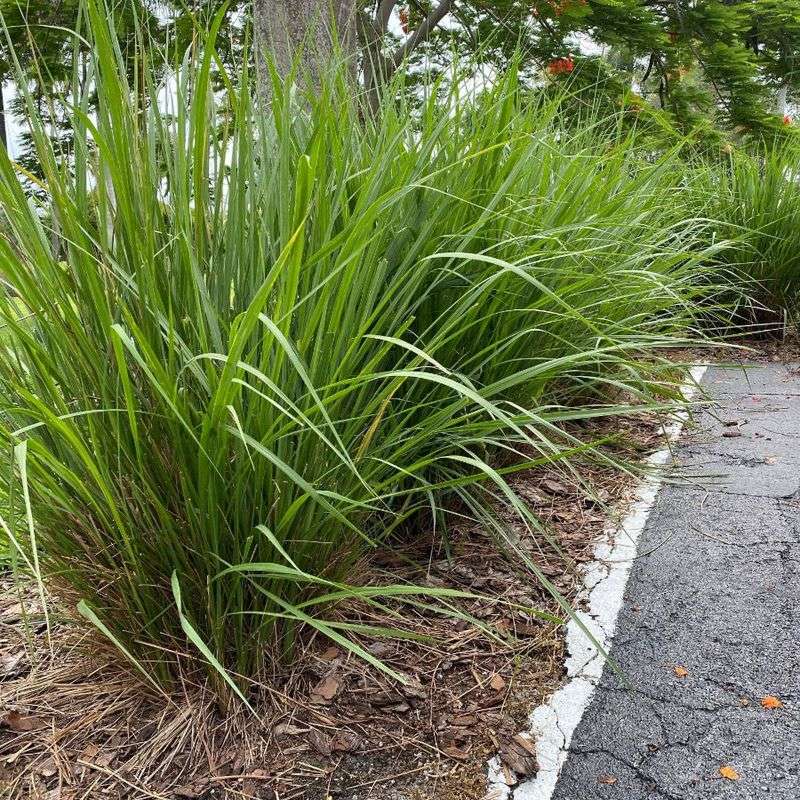
Ever wonder why this grass looks so happy during a rainy July? Its wild homes are river banks, swamp edges, and low damp flatwoods, and it tolerates standing water that would rot most ornamentals.
That swamp heritage is a gift for low, soggy corners of a yard. It is also an open invitation to a whole cast of moisture-loving critters.
Consistently damp soil keeps slugs, earthworms, beetles, and soft-bodied insects active near the surface. Tree frogs and toads show up next, drawn to the humid air trapped among the blades.
Snakes follow the food, plain and simple. A bed that stays wet under thick foliage can support more prey animals, which may make the area more attractive to hunting snakes.
You do not have to let the soil bake to break the pattern. Aim for beds that dry on the surface between waterings and grade low spots so puddles drain within a day.
Check for chronic wet zones after a storm and note where water sits longest. Those are the spots worth regrading, redirecting a downspout, or planting with something less thirsty.
Drier surface soil means fewer frogs and slugs hanging around. Fewer prey animals means far less reason for a snake to linger.
5. Frogs, Lizards, And Rodents Can Make The Cover Even More Appealing
Think of a dense grass clump as a neighborhood diner. The building matters, but the menu is what keeps the regulars coming back.
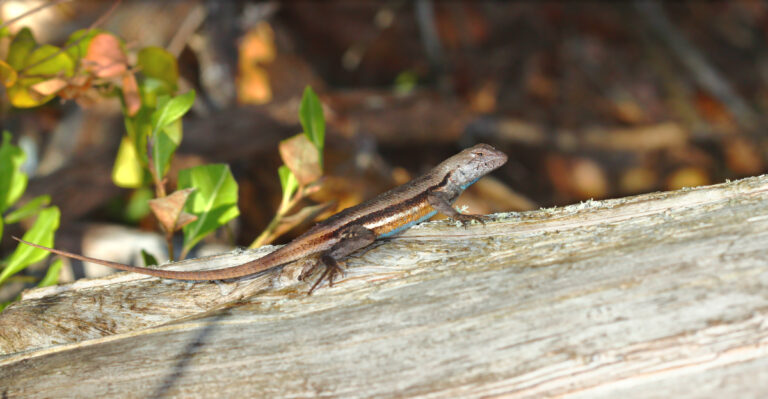
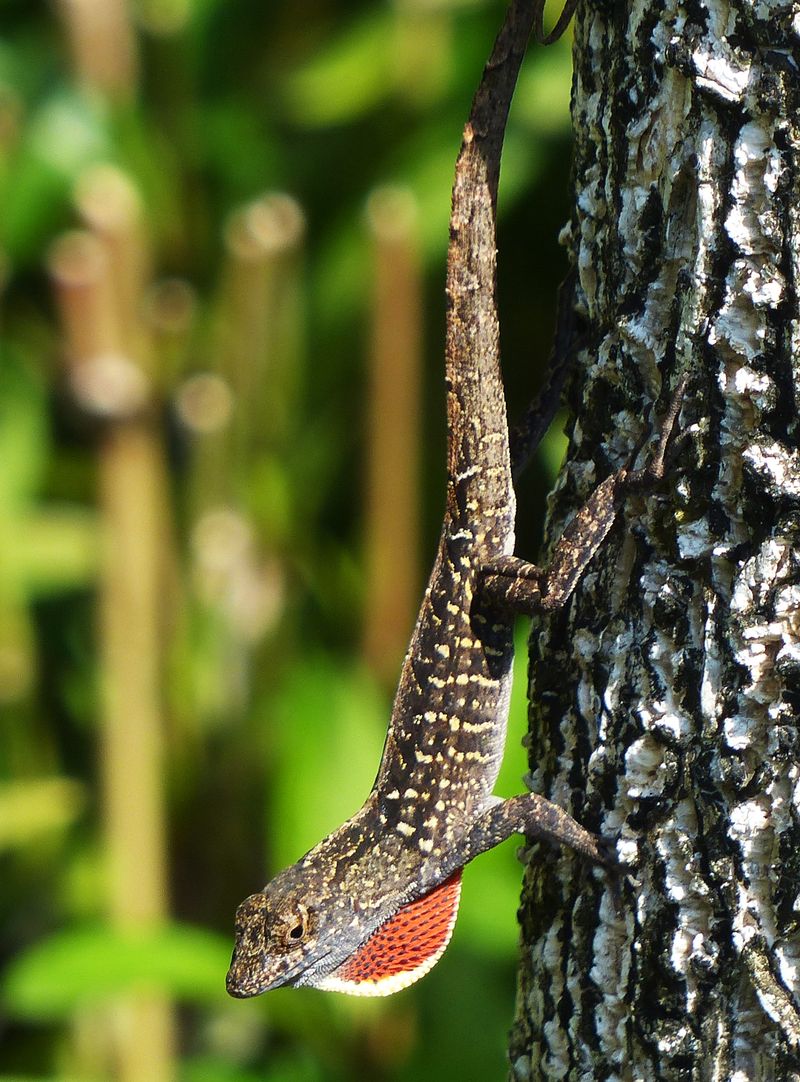
Inside that shaded base, brown anoles hunt insects, tree frogs tuck into the humidity, and mice or rats nest where the old blades pile up. Songbirds poke around too.
All of those species sit near the top of a Florida snake’s grocery list. Ratsnakes and racers cruise for rodents and lizards, while water snakes and garters happily take frogs.
Add a bird feeder above the bed and you have supercharged the situation. Spilled seed draws rodents, rodents draw larger snakes, and suddenly your pretty border has a food chain running through it.
Small adjustments make a real difference. Move feeders away from dense plantings, sweep up fallen seed, and store pet food indoors instead of on the lanai.
Rake out the thatch that builds up at the base of each clump once or twice a year. Removing that debris takes away the nesting material rodents want most.
Nobody is asking you to evict every lizard in the yard. Trimming the buffet back a notch simply lowers the odds that a hungry visitor decides your flower bed is worth patrolling.
6. Keep Big Grass Clumps Away From Doors Walkways And Play Areas
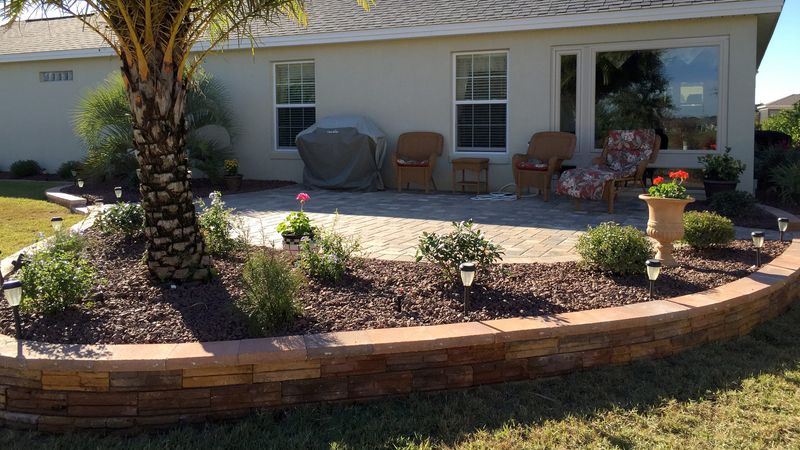
Placement beats plant choice almost every time. The same grass that causes zero concern in a back corner can feel unsettling when it brushes your front steps.
Entryways, garage doors, screened porches, mailboxes, and sidewalks are the spots where people and wildlife accidentally meet. Dense vegetation right up against those areas removes your reaction time.
Children’s play zones deserve the same thinking. Kids reach into plants, chase balls under foliage, and rarely look before they grab.
Leave a clear, easy-to-see zone around doors, paths, and play spaces so you can spot movement before stepping into dense vegetation.
Save the big clumpers for the middle or back of beds, property edges, retention areas, and spots you admire from a distance. Their bold texture actually looks better with room around it.
Landscape lighting along walkways helps too, since you can spot movement during evening trips to the car. Solar path lights are cheap insurance.
Already have a five-foot clump crowding your front door? Transplanting a young one is doable in spring, and a mature clump can be divided and relocated with a sharp spade and some patience.
7. Thin Nearby Clutter Before It Connects One Hiding Place To Another
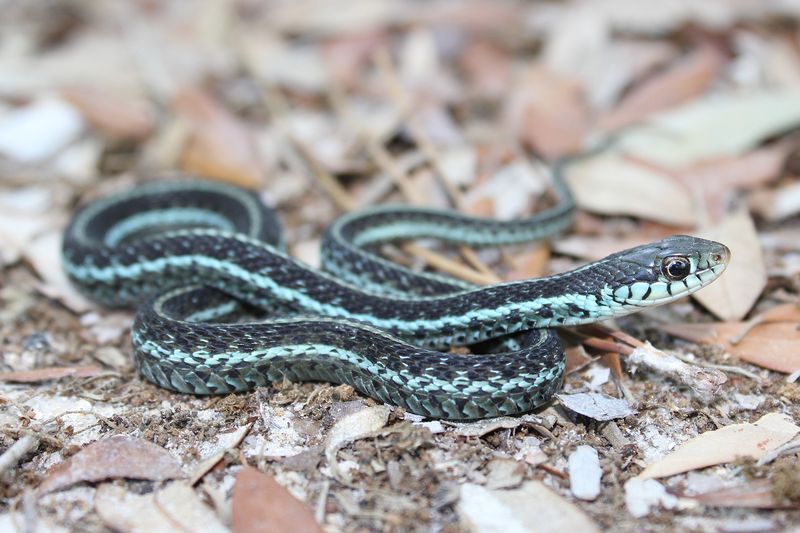
One grass clump is a rest stop. A grass clump next to a woodpile next to a stack of pots next to an overgrown hedge is a whole travel network.
Snakes rarely commit to crossing wide open ground. What they use instead is a chain of shelters spaced close enough to hop between safely.
Take a slow lap around your yard and look for the links. Leaf piles, firewood, loose pavers, forgotten plant trays, rock borders, tarps, and low sprawling shrubs all count.
Breaking the chain is often more effective than removing any single plant. Pull weeds along fence lines, elevate firewood on a rack, consolidate pots, and limb up shrubs so you can see beneath them.
Keep mulch at a reasonable two to three inches deep. Very deep mulch stays damp and gives small prey animals room to burrow.
Mow bed edges cleanly so there is a visible boundary between lawn and planting. That crisp edge functions as a small open gap animals prefer to avoid.
The bonus here is purely selfish: a decluttered yard looks sharper, drains better, and gives roaches and rodents fewer options as well. Tidy landscaping quietly solves several problems at once.
8. Fix Leaky Irrigation That Keeps The Bed Damp And Prey-Friendly
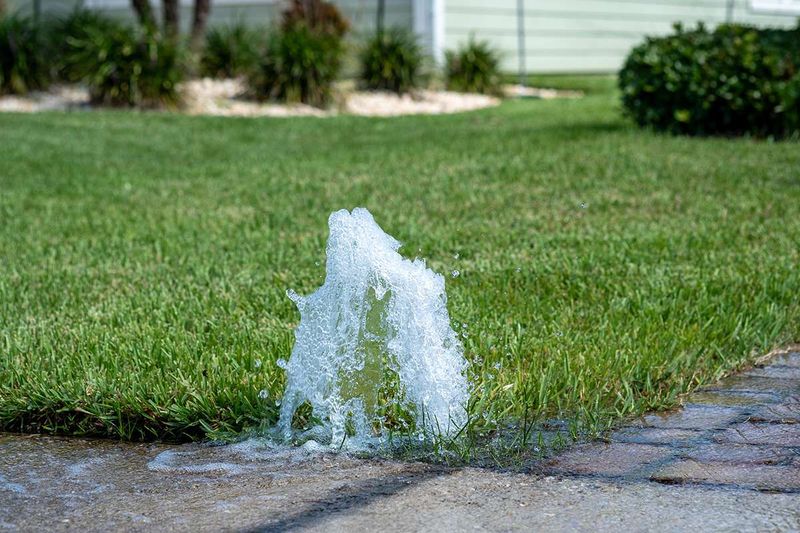
That one sprinkler head that has been spitting sideways since last spring? It is doing more than wasting water.
Steady leaks create a permanently soggy patch of soil, and soggy soil is a nursery for slugs, worms, and insects. Frogs arrive for the moisture, and larger hunters follow the frogs.
Grab a few minutes some evening and run each irrigation zone while you watch. Look for geysers, misting heads, heads blocked by grass blades, and low spots where water pools long after the cycle ends.
Replace cracked heads, adjust spray patterns so they hit plants instead of walls, and check drip lines for splits. Most repairs cost a few dollars and take less time than mowing.
Watering habits matter too. Deep, less frequent watering encourages stronger roots and lets the surface dry between cycles, which is exactly the opposite of what slugs and frogs prefer.
Early morning is the smart window. Beds watered at night stay humid for hours and stay attractive to moisture-seeking wildlife.
Also glance at your gutters and downspouts while you are out there. Redirecting roof runoff away from planting beds fixes chronic dampness that no sprinkler adjustment can touch, and it protects your foundation in the bargain.
9. Keep The Grass Without Giving Snakes A Covered Route To The House
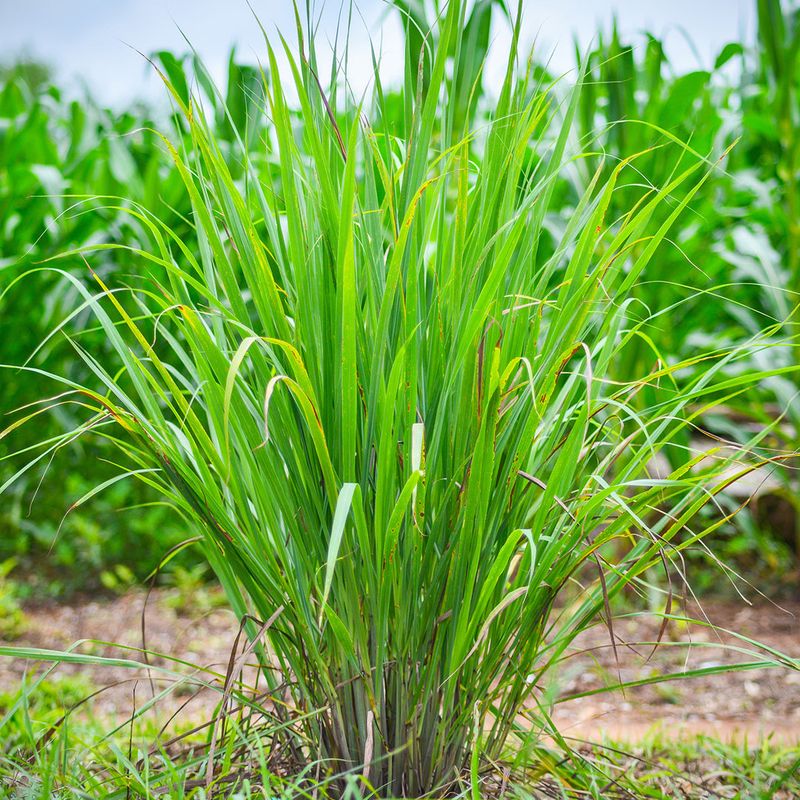
Good news for anyone who genuinely loves this plant: you do not have to give it up. Fakahatchee grass earns its spot with drought tolerance, hurricane-season toughness, and real value for native pollinators and birds.
The goal is management, not removal. Cut clumps back during the dormant season when they become crowded, following the plant’s growth pattern and the space available.
Divide clumps every few years when they outgrow their space. That keeps individual mounds compact and preserves the mulch gaps between them.
For tight beds, patios, or anywhere near the front door, look at dwarf Fakahatchee grass, Tripsacum floridanum. It offers the same look at roughly 2 to 3 feet tall and wide, which is far easier to see over and around.
Wear closed shoes and gloves when you prune, and use long-handled loppers or a trimmer rather than reaching blindly into the center. A quick tap on the clump gives anything resting inside a chance to move along.
Layer your habits together: smart spacing, annual cutbacks, clear zones near the house, tidy surroundings, and efficient watering.
Do those five things and your flower bed stays lush and welcoming for you, and considerably less convenient for anything slithering through.