Can You Trim An Overgrown Hedge In September In Ohio, Or Should You Wait
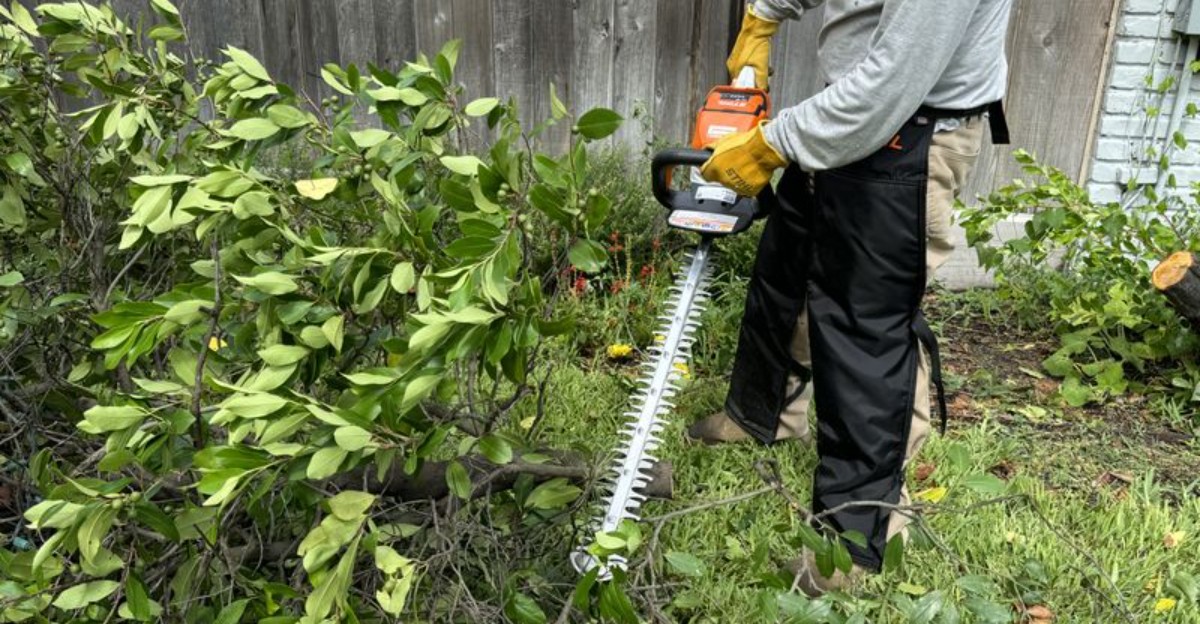
That hedge along the property line has been growing untouched since spring, overgrown enough now that September feels like the obvious time to finally deal with it.
Timing matters more than it looks. Hedges pruned too late push out fresh growth with no time to harden off before the cold hits.
That growth sits exposed the moment temperatures drop hard. Cut at the wrong point in the season, and a hedge that looked fine going into fall can come out the other side bronzed and thin in patches.
Ohio’s window for this closes faster than most gardeners expect. Whether trimming now helps the hedge or costs it later comes down to exactly where that cutoff falls.
1. Identify The Hedge Before Making Any Cuts
Pruning without knowing your plant is a bit like cooking without reading the recipe. The shears do not care, but the hedge certainly does.
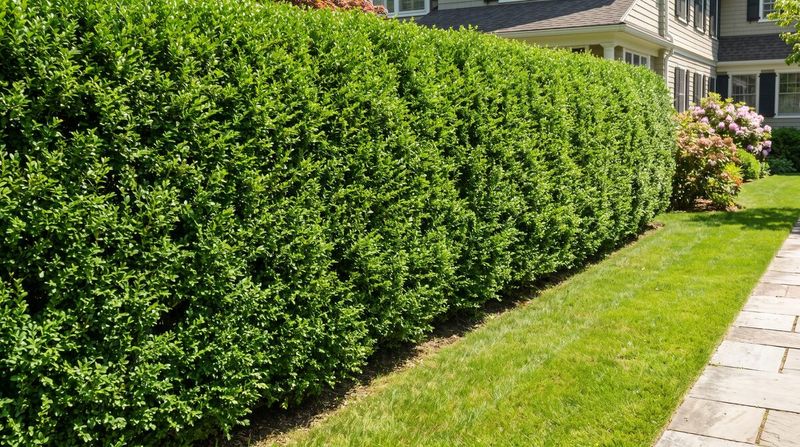
Start by looking closely at the foliage. Needles or small waxy leaves that stay green year-round point to an evergreen such as arborvitae, yew, boxwood, or juniper.
Broad leaves that will drop in October mean you have a deciduous shrub like privet, forsythia, lilac, or burning bush.
Each group follows its own schedule. Evergreens have limited ability to sprout from older bare stems, while many deciduous shrubs bounce back cheerfully from hard cuts made at the right moment.
Growth habit matters too. Some hedges naturally grow upright and narrow, others sprawl wide, and fighting that habit with constant shearing creates frustration for both of you.
Decide next whether you want a formal hedge with crisp flat sides or an informal one with a looser, more natural outline. Formal shapes need more frequent attention, informal ones forgive a lot.
Snap a photo and search the leaf shape if you are unsure. Local Ohio extension offices and garden centers will also identify a sample branch for free.
Five minutes of detective work saves you from a mistake that could take three growing seasons to grow out.
2. Keep September Trimming Light And Selective
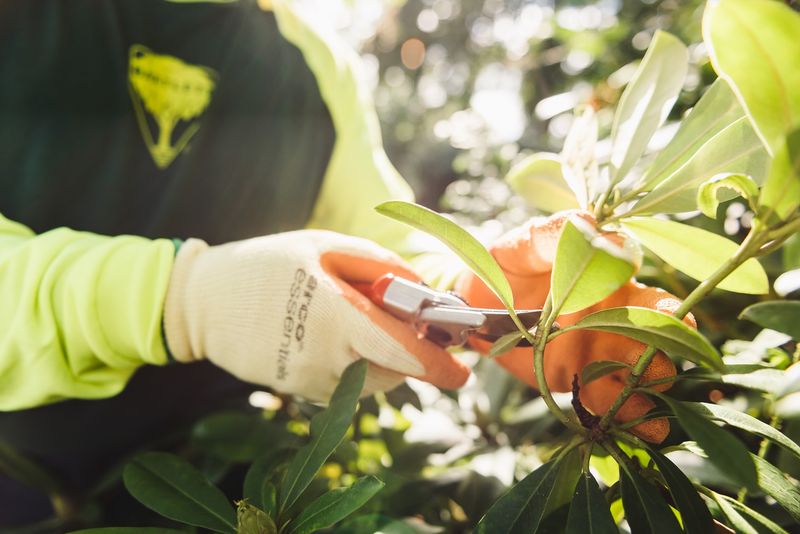
Think of September pruning as tidying up rather than remodeling. A quick pass with hand pruners, not a marathon with the gas hedge trimmer.
Ohio autumns can stay warm well into October, and a heavy cut sends the plant a confusing signal. The shrub responds by pushing soft new shoots that have little time to toughen up before the first hard freeze.
Tender growth caught by cold weather turns brown and ragged, leaving you with winter damage you will be looking at until spring. Light trimming avoids that whole problem.
Stick to small jobs this month. Snip stray shoots poking out of the outline, thin a few crowded twigs to let air move through the center, and clean up anything that looks unhealthy.
Frequent small trims actually build a denser hedge than one big annual chop. Each little cut encourages branching near the surface, which fills gaps over time.
If the job involves removing a large portion of the plant, stop and reconsider whether fall is the right time for that much pruning.
Your Ohio Garden Changes Every Week. Your Plan Should Too.
Gardening in Ohio changes quickly throughout the season. Every Friday you’ll receive a simple weekly plan showing exactly what to plant, prune, fertilize, harvest, and protect so you never miss the right timing.
Sharpen your blades first, since clean cuts seal faster than crushed ones. Wipe them with rubbing alcohol between plants if you have noticed any spotted leaves.
Light and selective now, ambitious later. Your hedge will handle winter far better for it.
3. Save Major Size Reduction For A Better Window
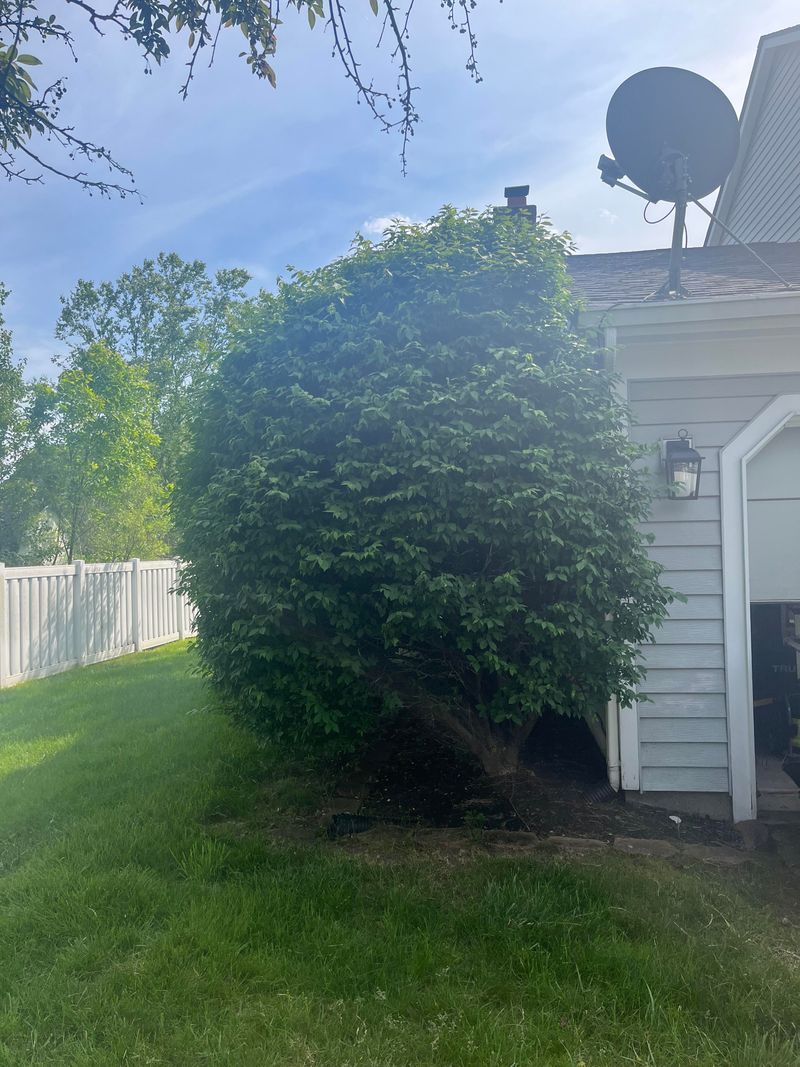
That eight-foot privet blocking your kitchen window is genuinely annoying. Marking it on the calendar for February, though, will serve you far better than tackling it this weekend.
Late winter through very early spring is the sweet spot for big deciduous cuts in Ohio. Plants are dormant, energy is stored safely in the roots, and the shrub wakes up ready to pour growth into the cuts you made.
Visibility is a bonus most people overlook. With leaves gone, you can see crossing limbs, weak stems, and the true skeleton of the hedge, so your cuts land exactly where you want them.
Wounds also close more efficiently when growth resumes in spring. Cutting deep in September leaves open wounds sitting through months of freeze and thaw.
Rejuvenation pruning, the kind that takes an ancient overgrown shrub back to a manageable frame, belongs squarely in that late-winter window across Northeast and Central Ohio.
Fast-growing hedges may need two lighter shape-ups per year, typically one in late spring and a touch-up in midsummer, but the heavy structural work still waits for dormancy.
Write the date down. Sometime between mid-February and mid-March, grab the loppers and finally get that hedge back to a size you like.
4. Protect Spring-Flowering Hedges From Fall Pruning
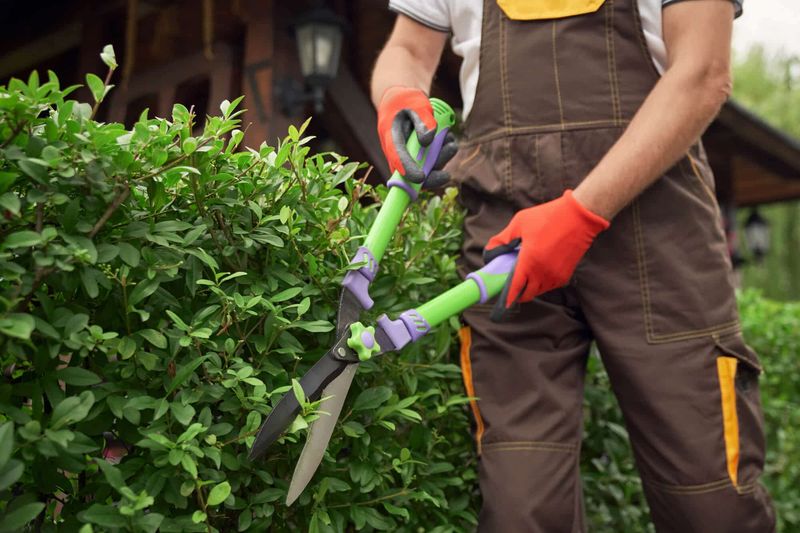
Here is the heartbreak scenario: you neaten up the lilac in September, feel great about it, then wonder in May why there are no purple clusters.
Lilac, forsythia, azalea, and their spring-blooming relatives set next year’s flower buds on old wood shortly after they finish blooming in early summer. By September those buds are already formed and riding on the branches, invisible to the untrained eye.
Shearing the outer growth removes exactly the wood carrying those buds. The shrub survives just fine, but the show you were counting on quietly disappears.
Timing for these plants is refreshingly simple. Prune right after the flowers fade, usually late spring into early summer, and the shrub has the rest of the season to build fresh buds.
Lilacs deserve special mention because so many Ohio yards have one inherited from a previous owner. Avoid major pruning after flowering season ends if you want to preserve next year’s blooms.
If yours is a towering tangle, plan a three-year approach: remove about a third of the oldest, thickest canes each year, right after flowering.
Summer-blooming shrubs follow different rules, since many flower on new wood. Knowing which camp your hedge belongs to turns pruning from a gamble into a plan.
5. Avoid Cutting Evergreens Into Bare Wood
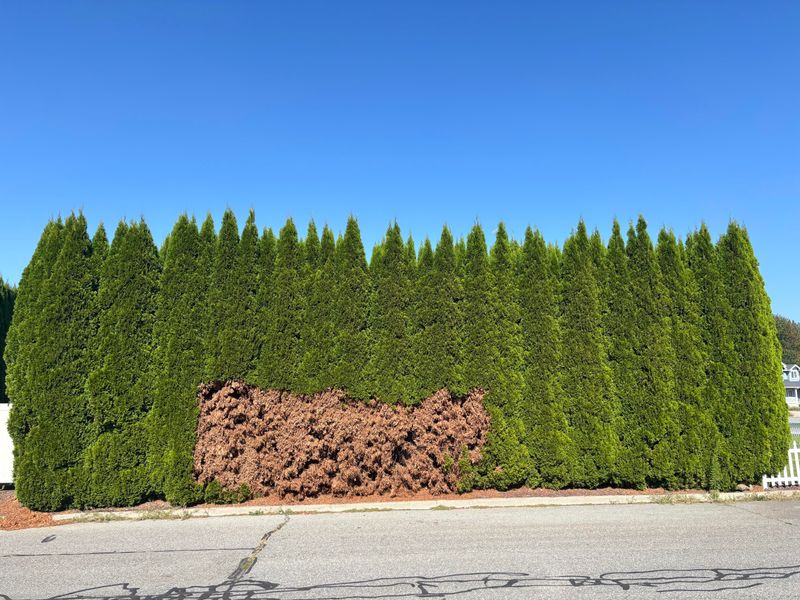
Part the outer foliage of an arborvitae and you will find a brown, twiggy interior with no green at all. That zone is the reason so many evergreen hedges end up with permanent bald spots.
Arborvitae, junipers, cedars, and spruce rarely sprout fresh growth from those bare stems. Cut past the green and the gap simply stays a gap, year after year.
Yews are the famous exception. They tolerate surprisingly hard cuts and push new shoots from older wood, which makes them the friendliest evergreen for serious renovation.
For everything else, the safe rule is to cut back only into one- or two-year-old growth that still carries needles or buds. Leave green on every branch you touch.
Pines follow their own logic. They form buds mainly at shoot tips, so trimming is done by shortening the soft new candles in late spring rather than cutting into woody stems.
Boxwood sits somewhere in the middle and responds reasonably well to moderate cuts, though spring remains the better season for anything significant.
When an evergreen has outgrown its spot beyond repair, replacement with a naturally smaller variety often beats years of frustrating cuts. Dwarf cultivars sold at Ohio nurseries can hold a tidy size with very little effort.
6. Use Thinning Cuts Instead Of Heavy Shearing
Electric hedge trimmers are fun. They are also the reason many hedges turn into hollow green shells with sad, twiggy insides.
Shearing clips every shoot at the same height, which triggers a thick outer layer of foliage. All that density blocks sunlight from reaching inward, and the interior gradually gives up producing buds.
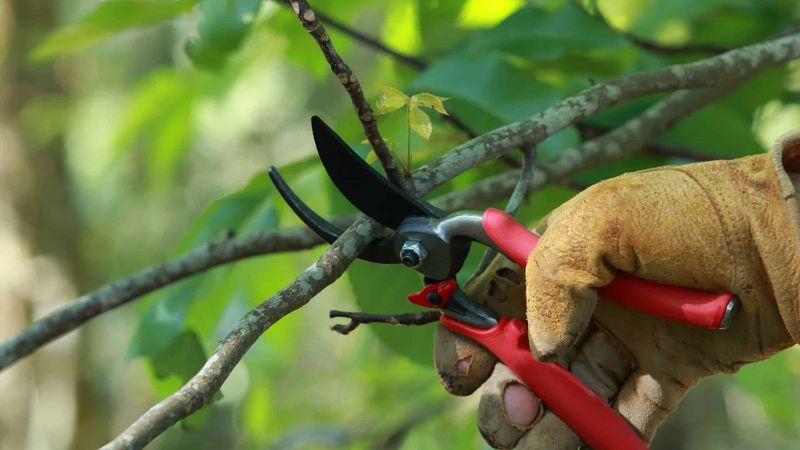
Thinning works differently. You reach inside with hand pruners, follow a branch down to where it joins another, and remove the whole stem at that junction.
The result is a hedge that keeps its natural outline, lets light and air reach the middle, and holds foliage deeper inside. Future pruning gets easier because you have somewhere green to cut back to.
Evergreens especially benefit from this selective approach, since it preserves their layered, informal shape instead of flattening them into blocks.
If you do want a crisp formal hedge, shape it like a gentle pyramid. Narrower at the top than the bottom means sunlight reaches the lower branches, so the base stays full rather than thinning into bare legs.
Alternate your methods over the years. A light shear for shape, combined with periodic thinning cuts inside, keeps the plant both neat and genuinely healthy.
Good hand pruners cost less than a trimmer and give you far more control.
7. Remove Broken Or Obstructing Branches As Needed
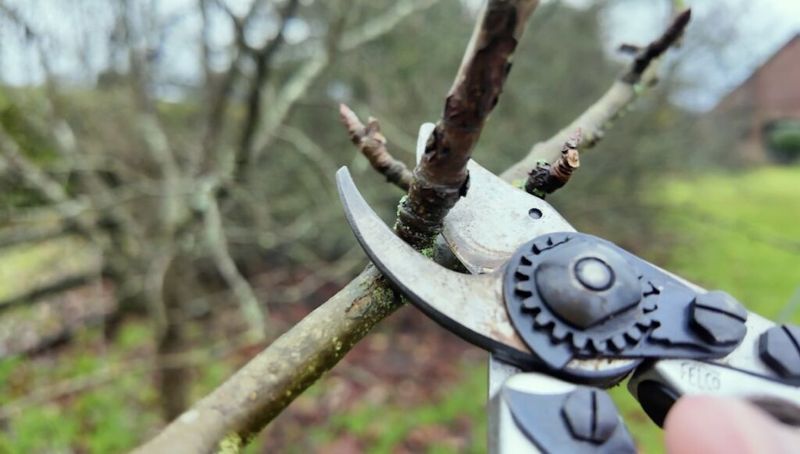
One rule beats the calendar every time: damaged wood comes out whenever you spot it, September included.
Ohio summers bring thunderstorms, and hedges often end up with snapped limbs hanging at odd angles. Leaving those in place invites problems that outweigh any concern about timing.
Broken bark and torn stubs create openings where disease organisms and insects settle in. A clean cut back to healthy wood closes up far more reliably than a ragged break.
The same goes for branches showing spots, cankers, or unusual discoloration. Remove them, bag the debris rather than composting it, and clean your blades with rubbing alcohol before moving to the next plant.
Crossing and rubbing branches deserve attention as well. Two limbs grinding against each other wear through the bark, and that worn spot becomes a weak point over time.
Safety matters too. Any growth blocking a sidewalk, crowding a driveway, hiding a house number, or brushing against siding can be trimmed right now without guilt.
Keep these cuts targeted. You are removing specific problem branches, not reshaping the entire hedge, so the plant stays balanced heading into cold weather.
Walk the hedge line once a month with pruners in hand. Small fixes made early prevent the big headaches later.
8. Keep The Hedge Watered Before Winter
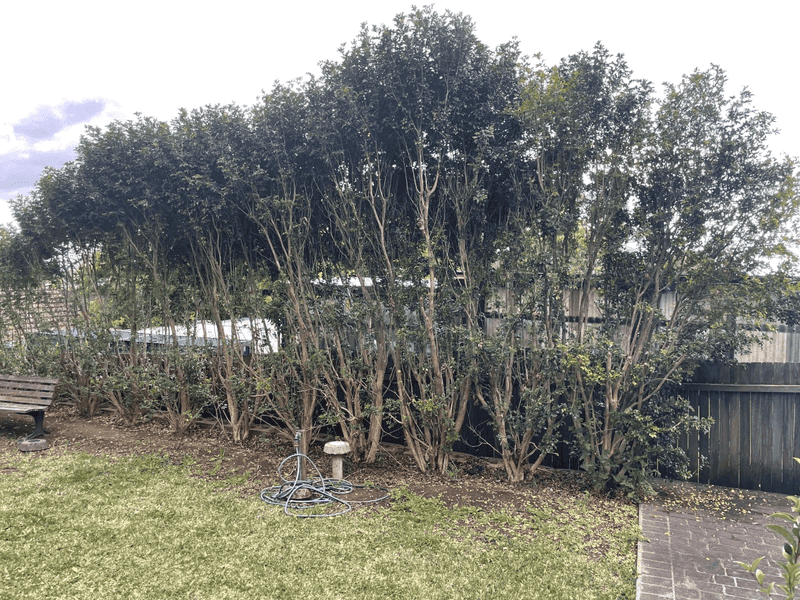
Watering in October feels odd when the air has turned crisp. It is one of the most useful things you can do for a hedge, especially an evergreen one.
Evergreens keep their needles all winter, and those needles keep releasing moisture even in January. Frozen soil means the roots cannot replace what is lost, which is how that patchy brown winter burn shows up.
A root zone loaded with water going into freeze-up acts like a buffer. Moist soil also holds warmth longer than dry soil, giving roots a small extra cushion.
Go slow and go deep. Let a soaker hose run slowly at the base long enough for moisture to reach the deeper root zone rather than only wetting the surface.
When Ohio rainfall runs short through October and November, a thorough soaking about twice a month handles most soils. Continue until the ground freezes solid, usually late November or early December.
Morning is the best time. Water sinks in before afternoon evaporation, and any wet foliage dries off, which cuts down on fungal trouble.
Newly planted shrubs and evergreens need extra attention since their roots have not spread far yet.
Finish with two or three inches of mulch, pulled back slightly from the stems.
9. Plan Overgrown Hedge Renovation By Species
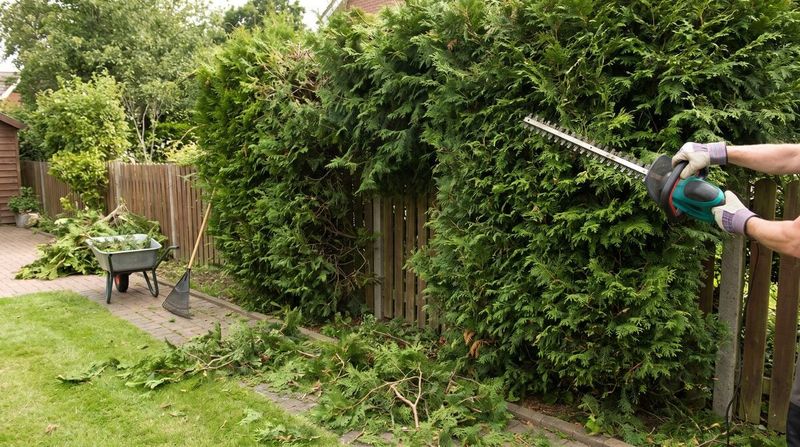
Renovation is the gardening equivalent of a full remodel, and like any remodel, the plan matters more than the enthusiasm.
Start with the plant name, because the right method is completely tied to species. What rescues a forsythia would ruin a juniper.
Overgrown lilacs respond well to the gradual approach. Take out about a third of the oldest canes each year for three years, working right after the flowers fade, and you end up with a renewed shrub that never stops blooming.
Forsythia handles bolder treatment. Removing some of the oldest stems near the base in late winter encourages fresh growth and helps restore an overgrown forsythia.
Many other deciduous shrubs, including privet and some viburnums, tolerate a hard cut to roughly six inches in early spring and rebound with real vigor.
Yews are the evergreen exception and can be cut back hard with good results. Most other needled evergreens will not fill in bare wood, so gradual shaping or replacement is the wiser route.
Consider mature size before committing. A shrub that naturally wants to reach fifteen feet will resist being held at four, no matter how often you trim.
Sketch your plan this September, then get to work when the timing lines up.