The Pennsylvania Fall Garden Task That Saves You The Most Work In Spring
Most weed seeds need a little light on bare soil before they sprout. That tiny detail changed how I spend every October.
In Pennsylvania, winter soil freezes and thaws over and over. Those swings can heave young perennials right out of the ground. Then spring shows up with bare dirt, a fresh carpet of weeds, and beds that feel like concrete.
I used to blame bad luck for my April backaches. Personally, I now think most of that work starts months earlier, when the beds sit naked all winter.
You can fix that with one afternoon of effort and a pile of something many folks bag up and leave at the curb.
What if the easiest spring garden you ever had started with a rake, a mower, and a free resource falling from your own trees right now?
Bare Garden Beds In Autumn Are Quietly Planning Your Spring Workload
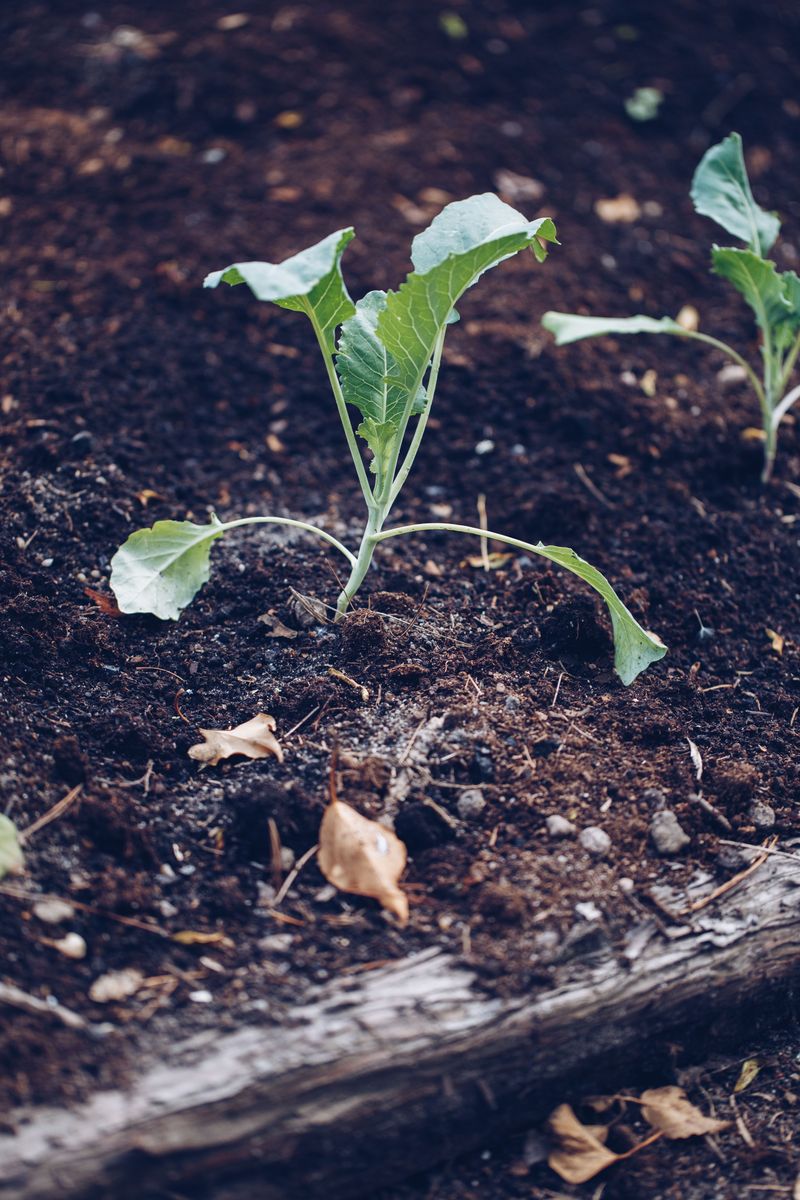
Walk past an empty bed in late fall and it looks peaceful. Underneath, though, a lot is happening. Weed seeds sit near the surface, waiting for light and warmth.
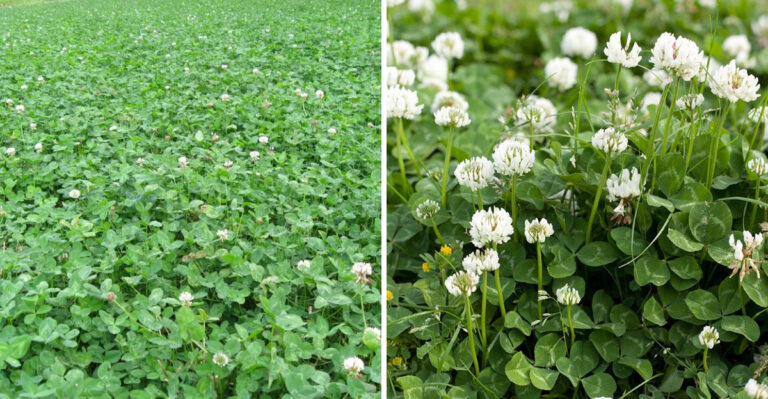
Many common weeds, like chickweed and henbit, are winter annuals. They sprout in fall, sit low through the cold, then shoot up and flower early in spring. By the time you notice them in April, some are already dropping seeds for the next round.
Bare soil also takes a beating from weather. Heavy rain packs the surface down and washes away fine topsoil. Cold snaps followed by mild days make the ground expand and shrink, which can push shallow roots upward.
So the answer to the big question is simple. Covering your beds in fall, mainly with a layer of organic mulch like shredded leaves, saves more spring work than almost any other task.
It blocks light from weed seeds, shields soil from pounding rain, and steadies the temperature underground.
I think of it as tucking the garden in for the winter. A blanket on the soil means fewer surprises waiting for you once the snow melts and the robins return to the yard.
A Thick Layer Of Shredded Leaf Mulch Shuts Down Spring Weeds
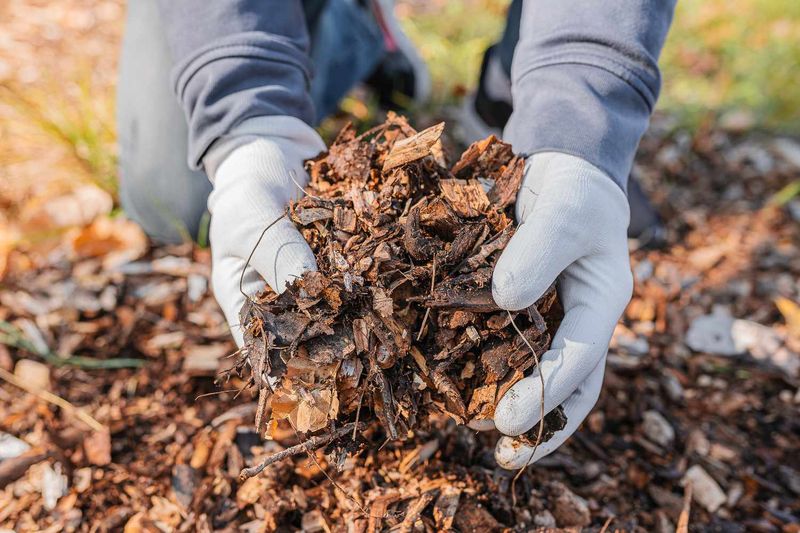
Weeds are sun lovers at heart. Without light reaching the soil, many tiny seeds simply stay put. That is the whole trick behind fall mulching.
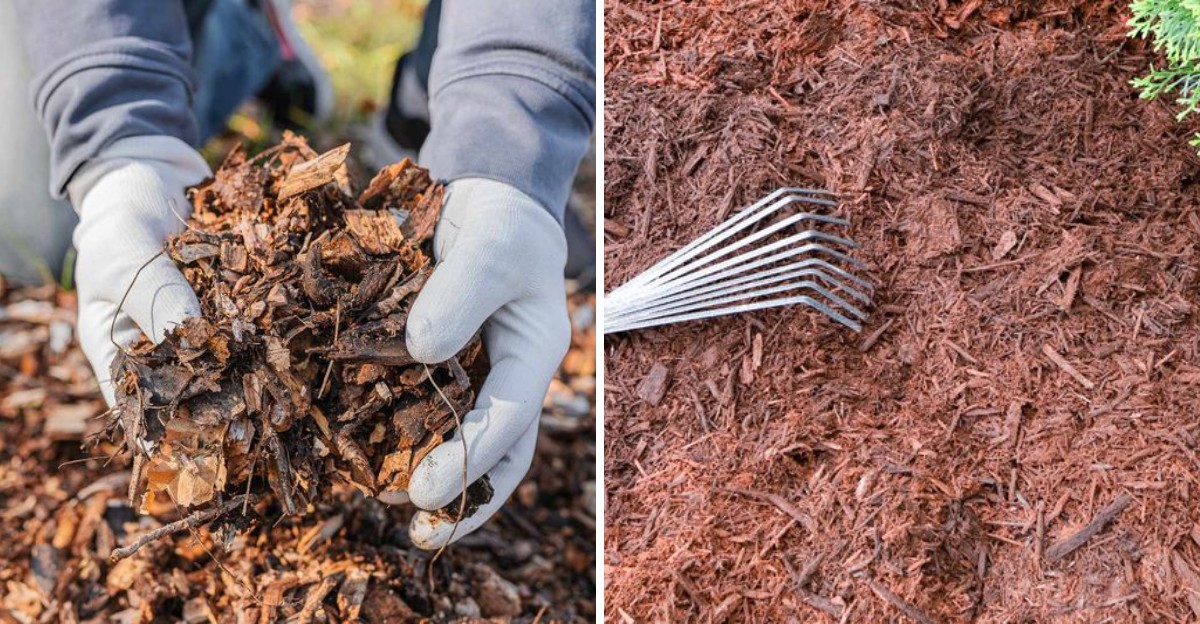
Penn State Extension and other university sources usually suggest a mulch layer about 2 to 3 inches deep.
That depth is enough to shade the soil surface without smothering plant roots. Thinner layers let light slip through, and much thicker piles can hold too much water.
Here is how I handle it. First, I pull any weeds that are already up, especially winter annuals hugging the ground. Then I spread mulch evenly over the bed, filling gaps between plants.
Keep mulch a few inches away from stems, crowns, and tree trunks. Piling it against bark or stems traps moisture and can invite rot and hungry rodents. The old volcano-shaped mulch mound around trees is a habit worth dropping.
Come spring, you will still find a few weeds. They mostly pop up in the mulch itself, where loose roots slide out with an easy tug.
Compare that to prying stubborn chickweed mats out of crusty clay, and the difference feels huge.
Those Fallen Maple And Oak Leaves Are Free Mulch In Disguise
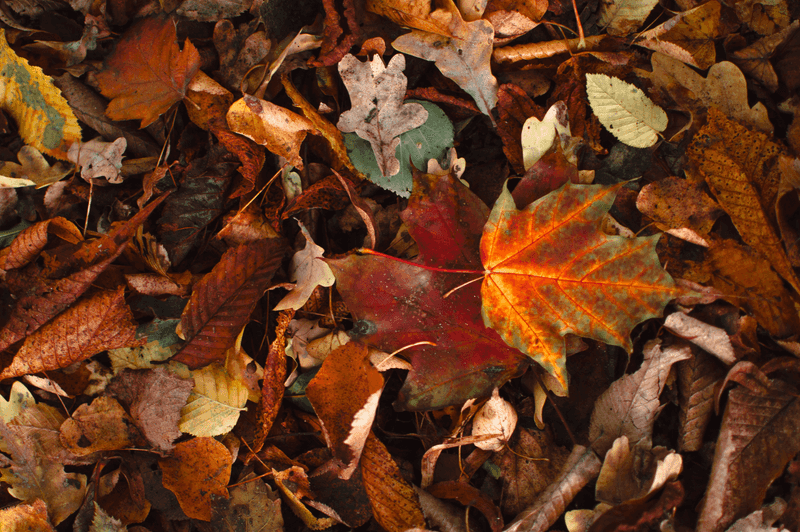
Every autumn, my neighborhood fills with paper bags of leaves lined up at the curb. I want to knock on doors and ask for them. Those bags hold some of the best garden material you can find, and it costs nothing.
Whole leaves can mat together into a soggy sheet that sheds water. Shredding fixes that problem.
Run your mower over a leaf pile a couple of times, ideally with a bagging attachment, and you get a fluffy, crumbly mulch.
Smaller pieces break down faster because soil microbes and earthworms have more surface to work on.
Over the winter and into summer, they turn into organic matter that feeds the soil. Earthworms will happily pull bits underground for you.
Oak leaves break down more slowly, which makes them handy as longer-lasting cover. Maple leaves soften faster. A mix of both works nicely.
Got extra? Pile shredded leaves in a corner or wire bin. By next fall, much of it will become leaf mold, a dark, earthy material gardeners love for improving soil.
One honest tip: skip leaves from plants that had disease problems this year, and toss those instead.
Mulched Perennial Roots Handle Freeze And Thaw Cycles Far Better
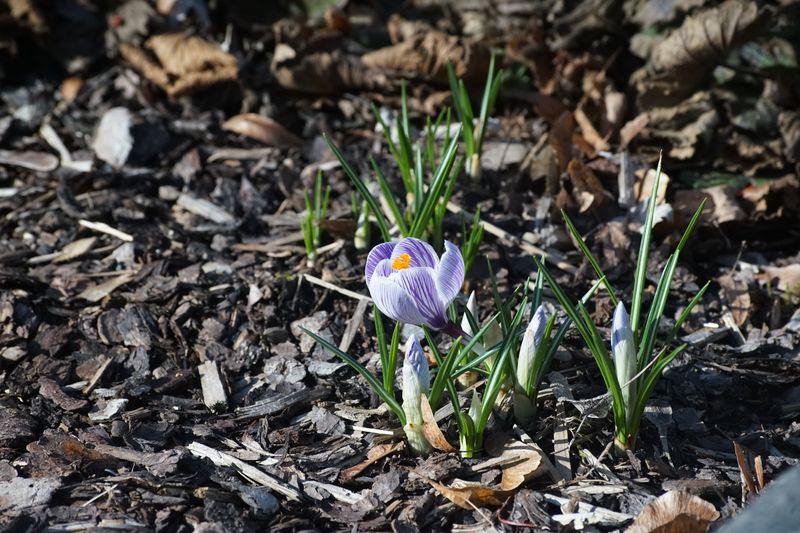
Frost heave sounds dramatic, and honestly, it can be. When wet soil freezes, it expands. When it thaws, it settles. Repeat that enough times and small plants can get nudged right out of the ground.
Pennsylvania winters are famous for these swings. A frigid week in January can turn into a 50-degree afternoon, then plunge again.
Southeastern areas around Philadelphia sit mostly in USDA zone 7, while higher ground in the north and central mountains runs closer to zones 5 and 6.
Mulch works like insulation. It slows how fast soil temperature changes, so the ground stays frozen more steadily instead of bouncing up and down.
Roots stay snug, and fall-planted perennials have a much better chance of staying anchored.
Moisture matters too. Winter wind can dry out bare soil, especially on sunny slopes. A mulch layer cuts evaporation so evergreen shrubs and perennials keep some water within reach.
In spring, I like walking the beds and seeing plants sitting right where I left them. Without mulch, I used to spend March pushing heaved heucheras and young coneflowers back into the soil. That is one chore I am happy to skip.
Spreading Mulch Too Early Can Backfire On Your Garden Beds
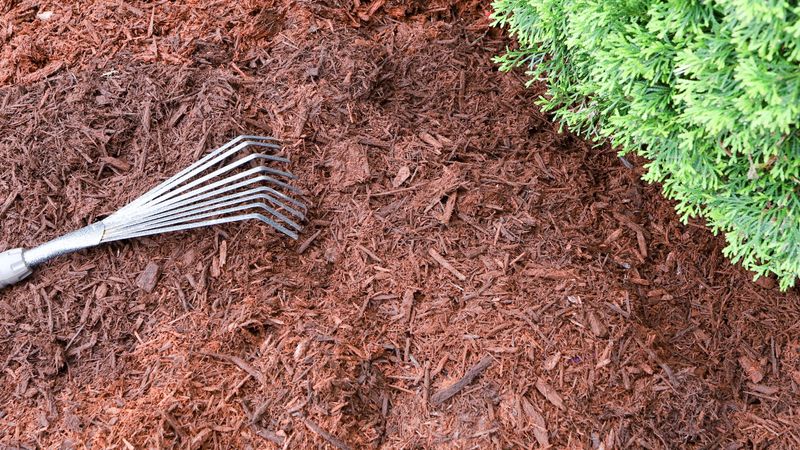
Timing feels like a small detail. It turns out to matter quite a bit. Mulch spread while plants are still growing hard and soil is warm can trap moisture against crowns.
For insulating winter mulch, many extension experts suggest waiting until after the ground starts to get cold, often after a few hard frosts.
In much of Pennsylvania, that lands somewhere from late October to late November. Northern and higher-elevation gardens usually reach that point earlier than southeastern ones.
For weed control, you have a bit more flexibility. Clearing weeds and covering soil in mid fall still blocks light from those winter annual seedlings. I often do weeding first, then add the final layer once perennials have faded back.
Watch the weather rather than the calendar alone. A warm, wet stretch is a fine time to pull weeds while the soil is soft.
A crisp, frosty weekend is perfect for spreading the final blanket. One more spring reminder belongs here.
When new shoots start pushing up, pull mulch back slightly from crowns of plants like peonies and garden phlox. That lets the soil warm and keeps tender stems from sitting in damp material.
Leave Some Seed Heads And Hollow Stems Standing For Birds And Bees
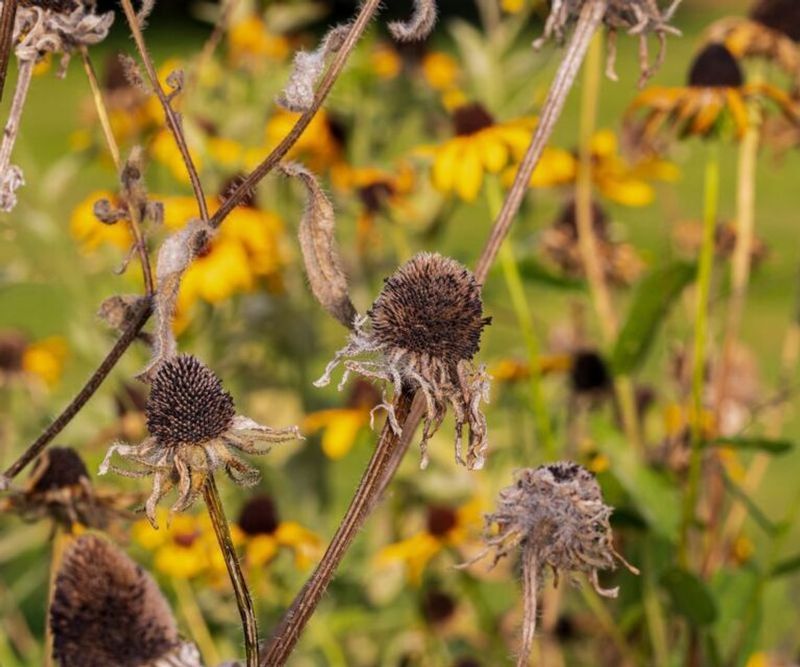
Goldfinches taught me to stop cutting everything down. One snowy morning, a whole flock was picking at my coneflower seed heads. That sold me on a lighter cleanup.
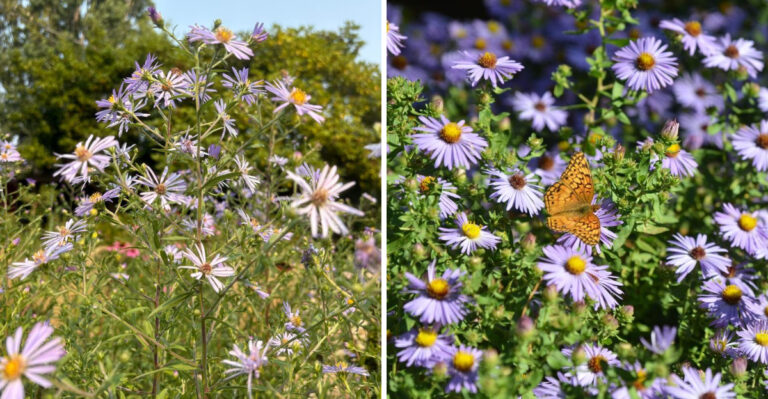
Fall mulching does not require a bare, tidy bed. Penn State Extension and many wildlife groups encourage gardeners to leave some stems and seed heads standing. Native bees often nest in hollow or pithy stems, and many beneficial insects spend winter in leaf litter.
Still, some cleanup earns its keep. Remove plants that showed disease this season, like peonies with leaf blotch or phlox heavily coated in powdery mildew.
Spent annuals and frost-blackened vegetable plants can also come out, since they offer little shelter and can hold onto problems.
Here is a balanced plan I like. Pull weeds and diseased material, leave sturdy stems on plants like coneflower, black-eyed Susan, and native grasses, then mulch around them.
In spring, wait until daytime temperatures stay mostly above 50 degrees before cutting old stems.
Leave some cut stems at 8 to 15 inches tall, and bees may use them for nests. Your spring cleanup becomes a quick trim, not a weekend project.
Compost Under The Mulch Turns Winter Into Your Soil Helper
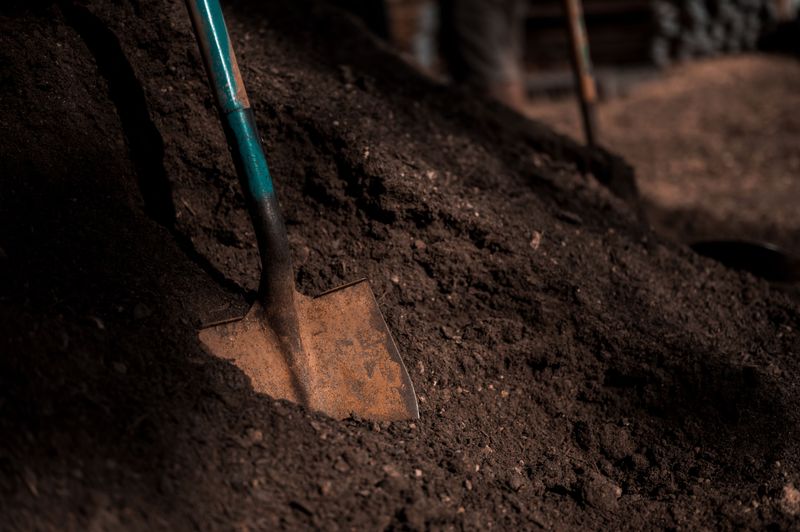
Lazy gardening has a good reputation in my house. My favorite version involves letting winter do the digging for me.
Before you spread leaf mulch on vegetable beds or empty patches, add an inch or so of finished compost.
Rain, snowmelt, worms, and soil life slowly work it into the ground. By planting time, the top layer is darker, looser, and easier to handle.
That matters a lot in spots with heavy clay, which shows up in many parts of the state. Spring rains often leave clay sticky for weeks, and digging wet soil can wreck its structure.
Beds prepped in fall usually need only a light rake before seeds go in. A fall soil test is smart too. Penn State Extension sells affordable kits, and fall results give you time to plan lime or fertilizer before the spring rush.
Your takeaway is pretty simple. Pick one weekend after the leaves drop, pull weeds, shred leaves, add compost where needed, and spread a 2 to 3 inch layer.
In Pennsylvania, that single afternoon can trade a stressful April for slow walks past cleaner, healthier beds.