What It Really Means When Your Michigan Garden Suddenly Goes Quiet in November
A wood frog can freeze nearly solid in your leaf pile and hop away in spring like nothing happened. Its heart stops, and ice forms around its organs.
That tiny miracle could be happening a few feet from your back door right now. Across Michigan, November brings a hush that feels almost eerie after months of buzzing bees and chattering wrens.
I used to think that stillness meant my garden had simply clocked out for the year. Personally, I was wrong, and finding out why changed how I clean up my beds each fall.
The quiet you notice is real, but it is far from empty. Roots, buds, beetles, bats, and birds are all following their own clever winter plans. So what is your yard actually up to when it seems to be doing nothing at all?
1. That Silent Backyard Is Busier Than It Looks
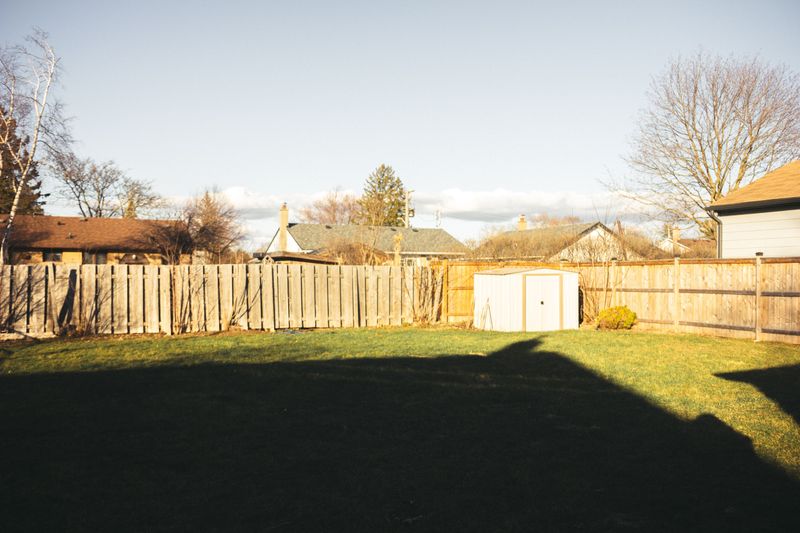
Step outside on a frosty November morning and the silence can feel almost loud. The bees are gone, the crickets have stopped, and the feeder seems lonely.
Underneath that calm, a huge shift is underway. Shorter days and colder nights act like a signal that tells plants, insects, birds, and mammals to switch into winter mode.
Plants are moving sugars and stored energy down into roots, buds, and bark. Insects are tucked into soil, leaf litter, hollow stems, and tree bark as eggs, larvae, pupae, or resting adults.
Many songbirds have headed south, while a few northern visitors are just arriving. Some mammals are bulking up or settling into dens, and frogs and turtles are finding sheltered spots to wait out the cold.
So the quiet is not a sign that something went wrong. It is the sound of a whole community pressing pause on purpose.
I find it comforting to know my yard is resting rather than giving up. Once you understand what is happening, those gray November days start to feel a lot more interesting.
Each of the changes ahead plays a part in that hush, and a few of them might surprise you.
2. Bare Maple Branches Are Locked in Deep Winter Rest
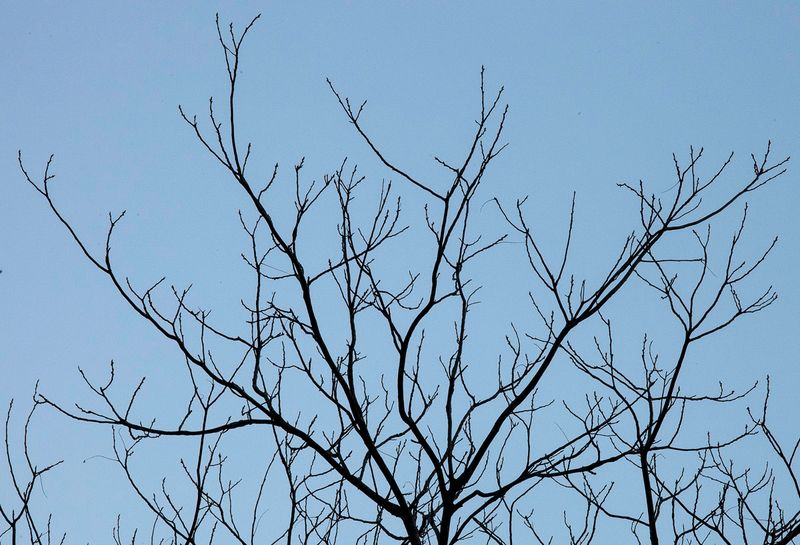
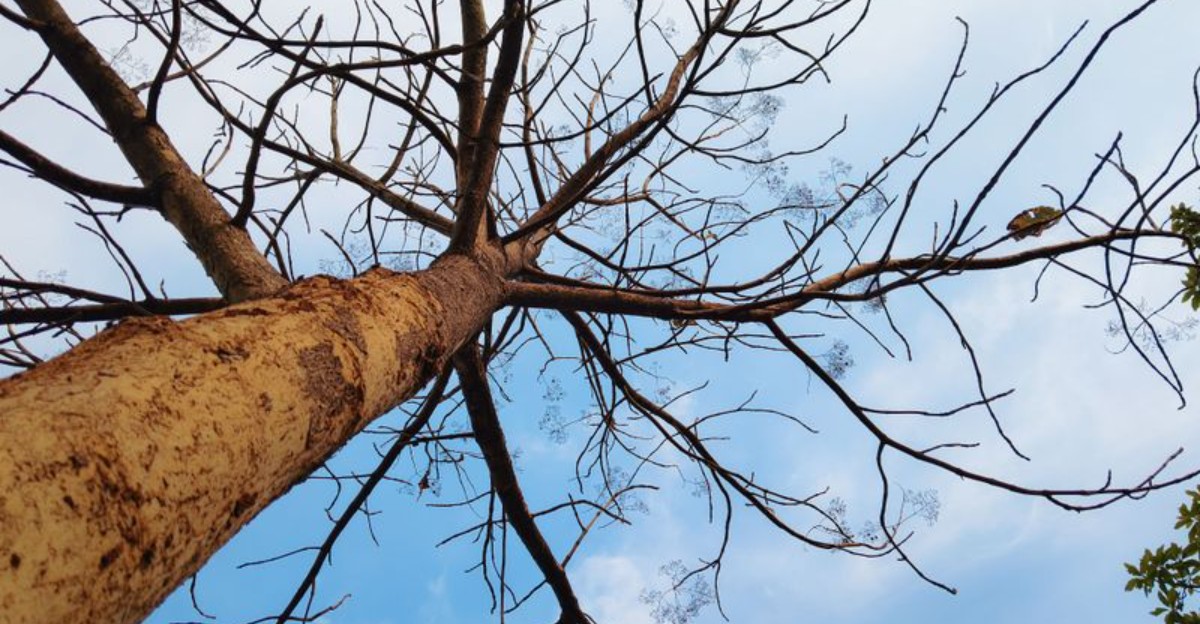
Your maple might look lifeless, but it is actually guarding next spring inside every tiny bud. Scientists call this stage endodormancy, and Michigan State University Extension explains that it keeps woody plants from growing even during a surprise warm spell.
Trees and shrubs need a certain amount of chilling time before that internal lock releases. That clever safeguard helps stop them from leafing out too early in a mild December and getting hurt by the next freeze.
Leaf drop is part of the plan too. Deciduous plants pull valuable nutrients out of their leaves before letting them fall, then seal off the spot where each leaf was attached.
Evergreens like white pine and spruce keep their needles, but they still slow down. Their main winter challenge is losing water through needles while the ground is frozen.
You can help evergreens by giving them a deep drink before the soil freezes. Newly planted trees and shrubs benefit the most, since their roots are still settling in.
Skip fertilizer now, though. Feeding plants in late fall can encourage tender growth that winter weather damages, so let them rest in peace and quiet.
3. Robins and Hummingbirds Have Packed Up for Warmer Places
Remember the hummingbird that zipped around your bee balm all summer? By November, it is likely somewhere near the Gulf Coast or in Central America.
Many familiar backyard singers leave Michigan in fall because insects and nectar become scarce. Ruby-throated hummingbirds, most warblers, catbirds, and many sparrows head south long before the first real snow.
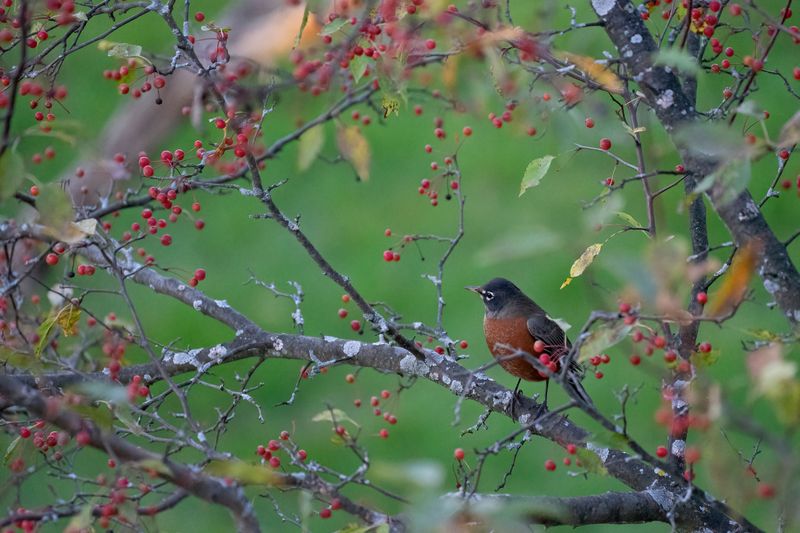
Robins are a fun twist. Plenty of them migrate, but some stick around through winter, especially in southern Michigan.
They stop pulling worms from the lawn and switch to eating fruit, so they gather in flocks around crabapples and other berry shrubs, where you may barely notice them.
Fall is also prime hawk season along big flyways. The Detroit River area is famous for hawk migration, and the Straits of Mackinac draw raptor watchers too.
Birds also sing less in late fall. Most of their loud singing is tied to claiming territory and attracting mates in spring, so quieter calls are normal now.
That missing soundtrack is a seasonal change, not a warning sign. Keep an eye out, because new feathered faces are about to show up.
4. Dark-Eyed Juncos Show Up Just as Others Leave
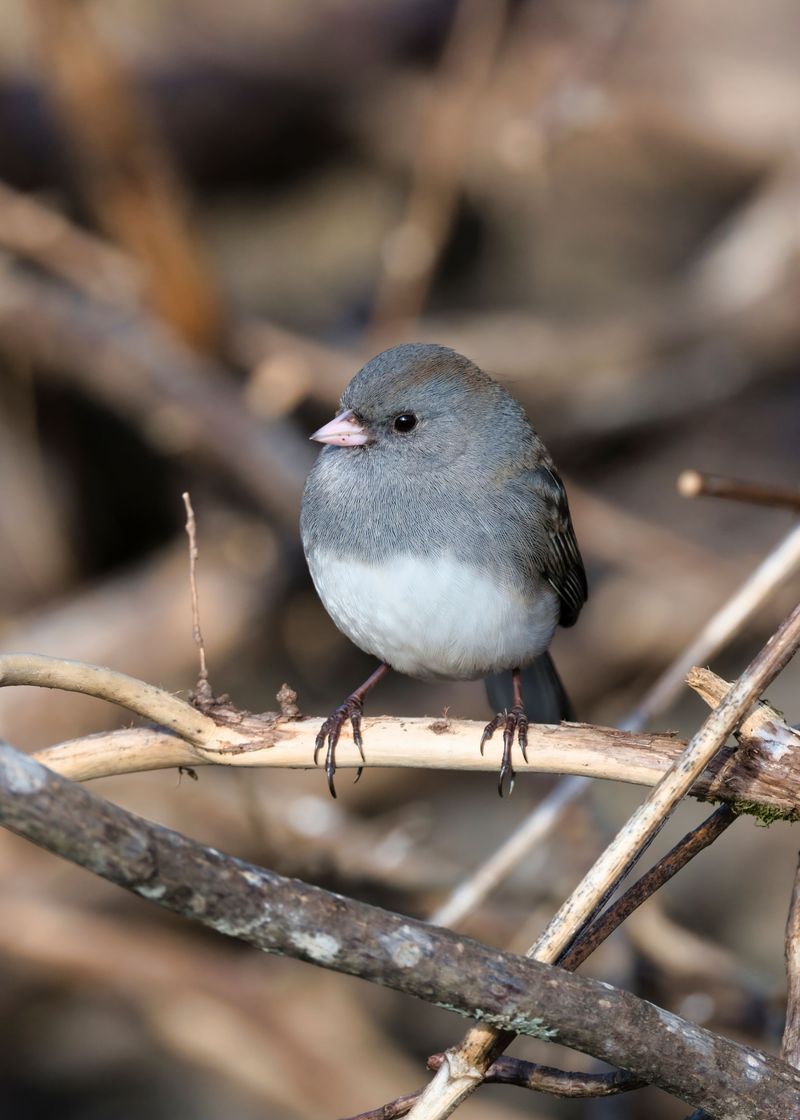
Folks in many parts of the Midwest call them snowbirds. Dark-eyed juncos often appear around Michigan yards in late fall, flashing white outer tail feathers as they hop under feeders.
These slate-gray sparrows breed in northern forests, including parts of the Upper Peninsula, then spread south for winter. To them, our cold months feel pretty reasonable.
Other winter guests may join them. American tree sparrows arrive from the far north, and in some years pine siskins, redpolls, or evening grosbeaks wander south when seed crops fail up in Canada.
Those irruptions change from year to year, so one winter might be packed with visitors while the next stays sleepy. Birders track the pattern with yearly winter finch forecasts.
You can welcome these guests easily. Juncos and tree sparrows like to feed on the ground, so scatter some millet or sunflower chips on a clear patch or a low platform.
Keep a few brush piles or dense shrubs nearby for shelter from hawks and wind. With a little cover and seed, your quiet yard may soon have a cheerful winter crew.
5. Bumblebee Queens and Caterpillars Are Hiding in Your Leaf Litter
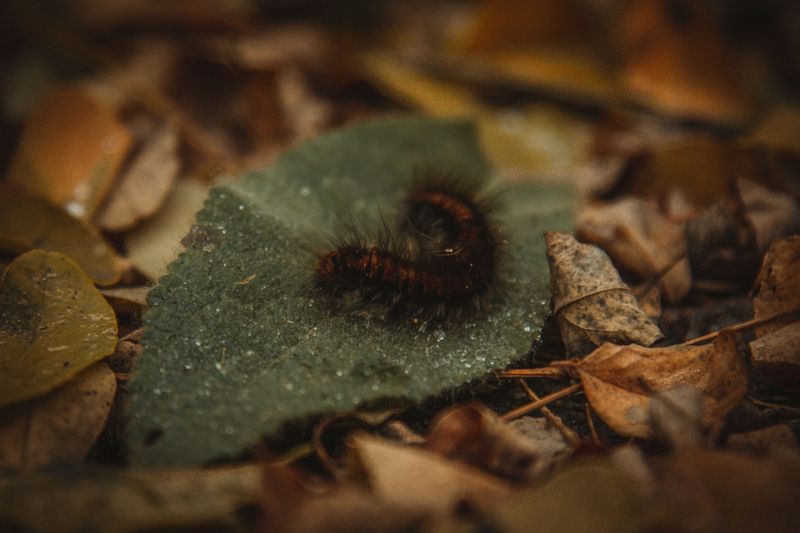
Here is a fun one for curious kids and grown-ups alike. A woolly bear caterpillar can spend the whole winter curled up under fallen leaves, partly frozen, and then wake up in spring to keep growing.
Most insects did not vanish. They changed into a resting stage. Some survive as eggs on twigs, others as larvae in soil, and some as pupae tucked inside hollow stems.
New bumblebee queens are a great example. After mating in fall, each queen digs a small chamber a few inches into loose soil or leaf litter, while the rest of her colony fades away with the season.
Monarchs take the opposite approach and fly all the way to Mexico. Dragonfly nymphs stay in ponds, still active under the ice.
Not every insect stays outdoors, though. Boxelder bugs, brown marmorated stink bugs, and multicolored Asian lady beetles often sneak into homes looking for a cozy wall or attic.
Sealing gaps around windows, siding, and vents helps keep those visitors outside. Meanwhile, the beneficial insects in your garden just need you to leave some of their hiding spots alone.
6. Woodchucks Truly Hibernate While Raccoons Only Nap
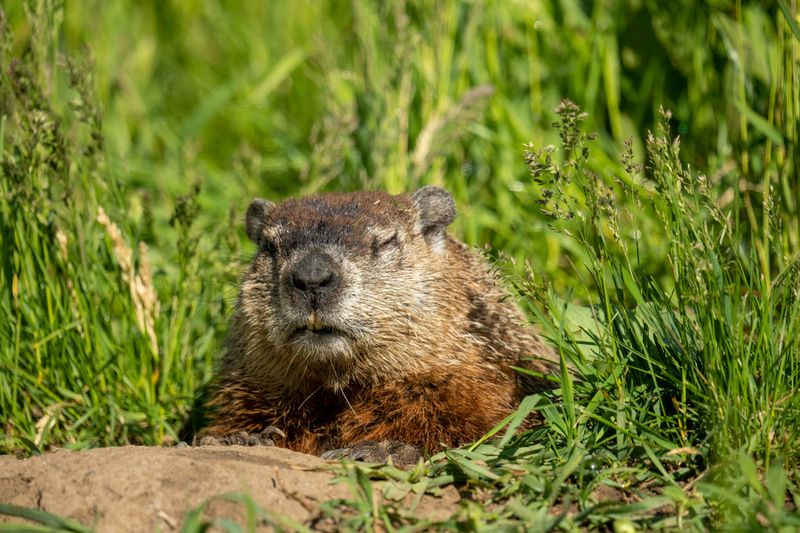
Plenty of people assume every furry critter sleeps straight through winter. In Michigan, only a handful of mammals are true hibernators.
Woodchucks top that list. Once one goes underground, its body temperature can plunge close to freezing and its heartbeat slows to just a few beats per minute.
Thirteen-lined ground squirrels, jumping mice, and some bats, including little brown bats, also hibernate deeply. Many bats travel to caves or old mines to spend the season.
Black bears are a bit different. They sleep for long stretches in dens, but their body temperature drops only a little, so they can wake more easily than a woodchuck can.
Raccoons and skunks rest in dens during cold snaps, then pop out on milder nights to look for food. That is why you might still spot tracks in fresh snow.
Chipmunks fill underground pantries and wake now and then to snack. Squirrels, deer, and rabbits stay active all winter, growing thicker coats.
A quick tip from experience: secure trash cans and compost lids. Hungry raccoons and skunks are much easier to discourage before they find a reliable buffet.
7. Wood Frogs and Garden Toads Burrow Down for the Long Chill
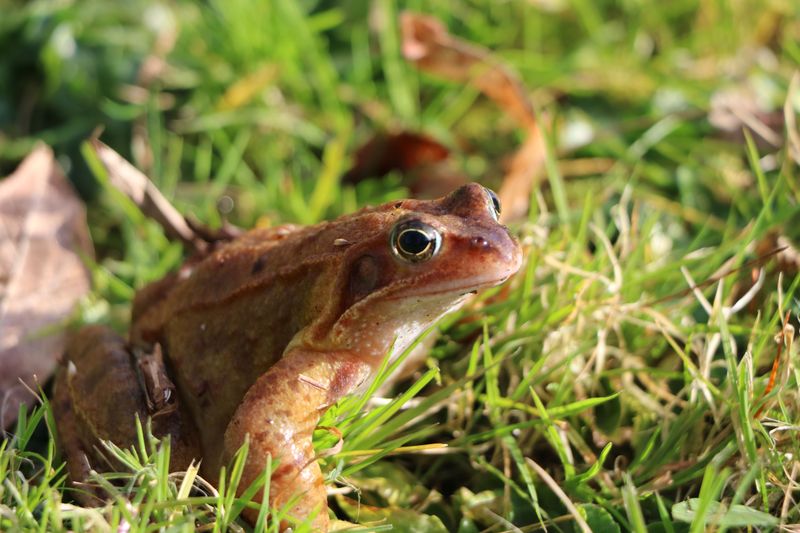
Frogs might just be the toughest little neighbors you have. Once temperatures fall, amphibians and reptiles slow way down in a resting state often called brumation.
Wood frogs, spring peepers, and gray treefrogs can tolerate freezing. They hide in shallow spots under leaves or logs, and special sugars in their bodies protect their cells while ice forms around them.
American toads take a different approach. They dig down into loose soil below the frost line, sometimes several feet deep, and stay there until spring warms the ground.
Turtles like painted turtles settle into the muddy bottoms of ponds. They can absorb a small amount of oxygen from the water while barely moving at all.
Garter snakes often gather in rock crevices, old foundations, or underground cavities, sometimes in groups.
That makes your garden layout matter more than you might think. Leaf piles, log edges, and undisturbed soil corners give these animals safe places to wait out the cold.
Try not to till or dig deeply in shady, leafy corners during late fall and winter. You could be disturbing a sleeping toad without ever knowing it.
8. Standing Coneflower Seed Heads Give Your Quiet Garden a Purpose
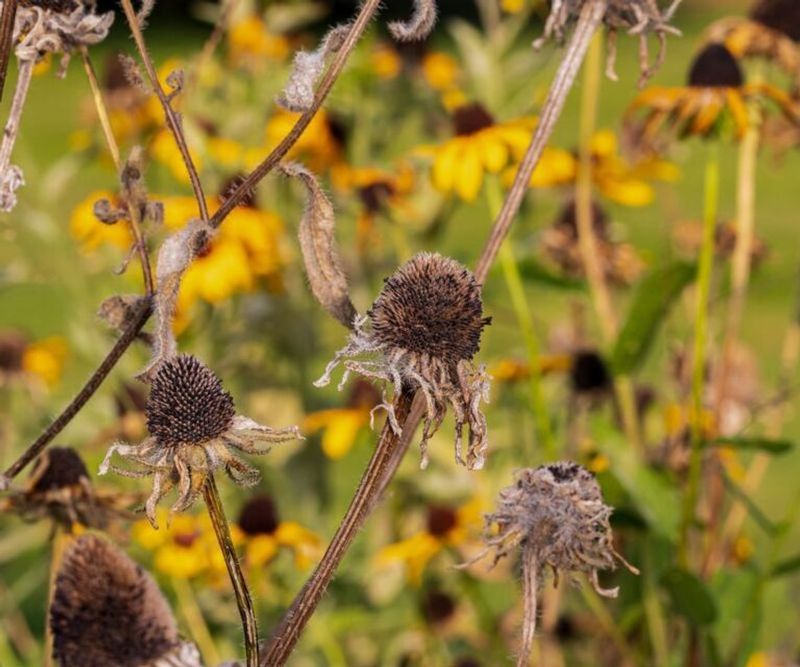
Personally, I love the look of frosted coneflower heads poking above a light snow. They also happen to be one of the kindest things you can leave for wildlife.
Michigan State University Extension encourages gardeners to hold off on cutting back every perennial in fall. Hollow stems shelter native bees, seed heads feed goldfinches and juncos, and leaf litter protects overwintering insects.
Black-eyed Susans, asters, and native grasses work well too. Winterberry holly adds bright red fruit for birds, and it is a native shrub, so it is a smart planting choice.
Diseased plants are the exception. Remove foliage with problems like powdery mildew or blight so issues do not carry into next year.
November is still a great time to plant spring bulbs such as daffodils, crocus, and alliums while the ground is workable. Add a layer of mulch after the soil cools to protect roots from freeze-thaw swings.
A heated birdbath helps a lot once water freezes. In spring, wait until temperatures stay above about 50 degrees before tidying up, giving sleeping insects time to emerge.
Your garden’s quiet season is really a gift to the creatures that make spring so lively.