The Pennsylvania Garden Cleanup Tasks That Reduces Black Widow Habitat More Than Any Treatment
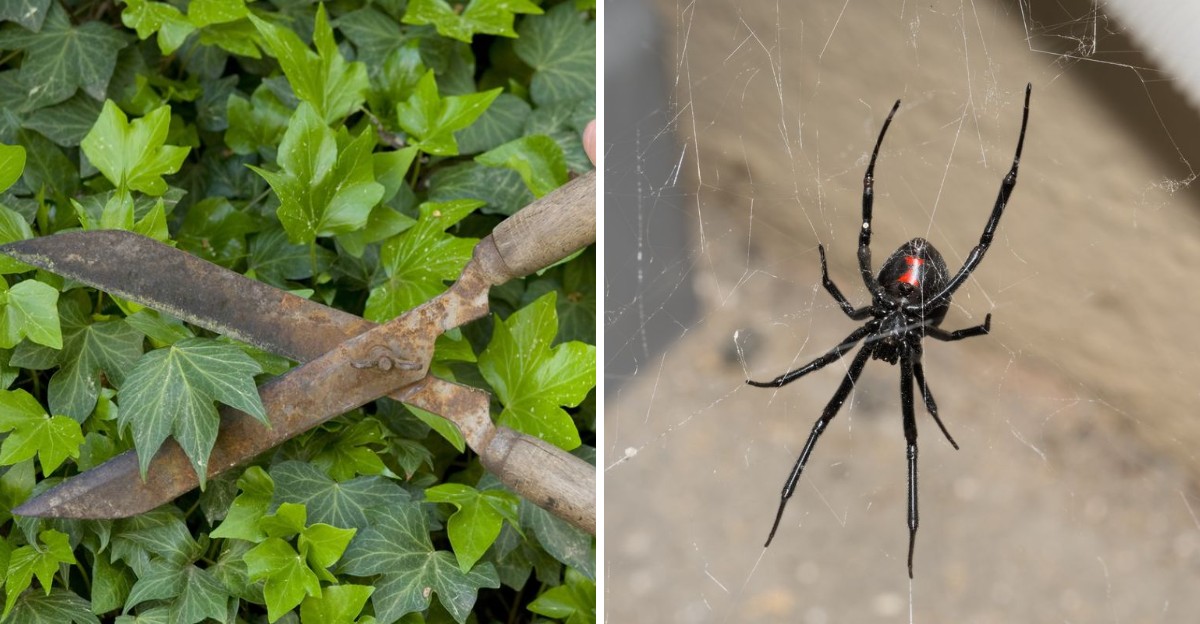
There’s a quiet corner in almost every backyard where sunlight rarely reaches. It smells like damp wood and old leaves, and spiders or other small creatures may be tucked into the sheltered spaces nearby.
Black widows occur in Pennsylvania, although Penn State notes that they are rarely encountered. Like many spiders, they tend to favor protected, relatively undisturbed places where webs can remain in place and prey is available.
That makes ordinary yard cleanup surprisingly useful. Removing unnecessary clutter, moving stored materials, and reducing sheltered spaces can make the area around a home less suitable for spiders.
This guide covers practical cleanup habits that can reduce potential spider hiding spots without treating every web in the garden as something to fear.
1. Clearing Woodpiles Around Pennsylvania Yards
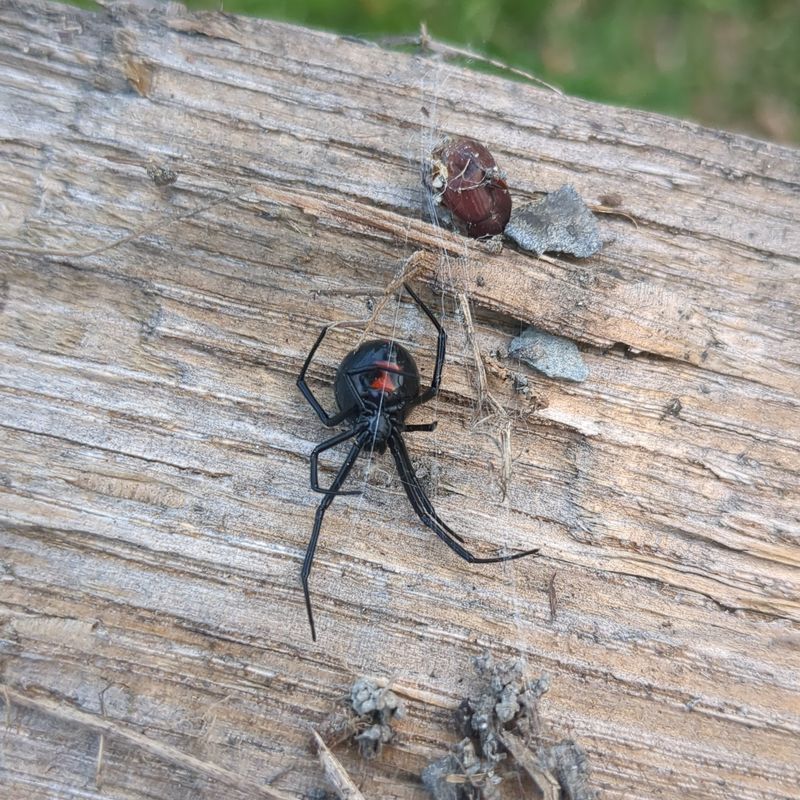
Firewood stacks are useful, but the protected spaces between logs can provide shelter for spiders.
Penn State specifically lists woodpiles and lumber stacks among the potential nesting sites worth managing around a home, and black widows can occasionally be found in woodpiles and other undisturbed cavities.
Keeping firewood directly against the house also creates additional sheltered areas close to doors, siding, and foundations. Moving the pile away from the building can reduce those hiding places and make inspection easier.
Store wood neatly and, when possible, keep it raised off the soil on a rack. Good organization makes it easier to see what is happening around the pile instead of leaving logs buried beneath weeds, leaves, and loose bark.
Before carrying firewood indoors during a Pennsylvania winter, inspect the logs and look beneath loose bark or into crevices.
Penn State specifically recommends leaving firewood outdoors until it is ready to go directly into a stove or fireplace because spiders sheltering in the wood may become active as it warms indoors.
Wear sturdy gloves when handling logs that have been sitting undisturbed. Avoid placing your fingers into gaps you cannot see clearly.
Keeping weeds, bark, boards, and other debris from accumulating around the base also removes additional sheltered spaces. The goal is not to make the yard spider-free, but to reduce the undisturbed hiding places that black widows and other spiders may use.
2. Removing Leaf Litter From Pennsylvania Flower Beds
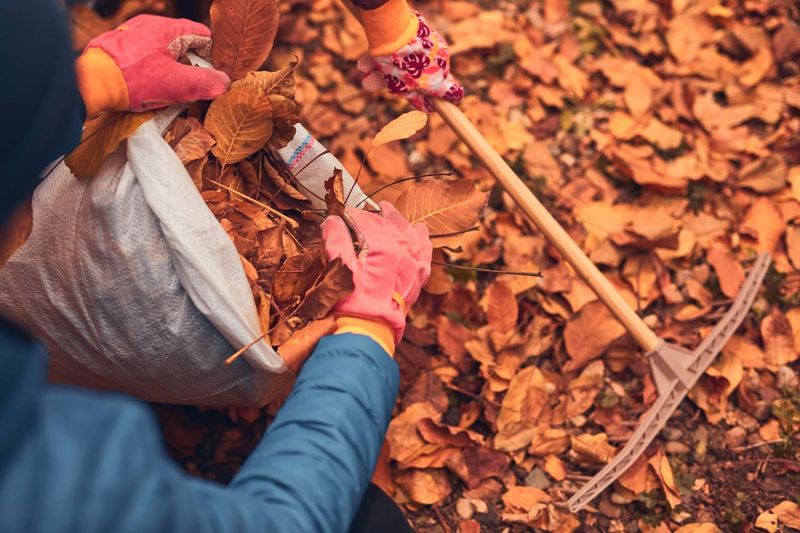
Fallen leaves play useful roles in gardens, including protecting soil and providing habitat for many beneficial organisms. Thick accumulations of neglected debris, however, can also create sheltered areas for insects and a variety of spiders.
That does not mean every Pennsylvania flower bed needs to be stripped bare. A balanced cleanup is more useful than removing every leaf, particularly because leaf litter can support beneficial insects and other wildlife.
Focus instead on heavy accumulations around foundations, stored objects, unused pots, boards, fences, and other places where debris creates protected spaces that remain undisturbed.
Removing unnecessary piles makes these areas easier to inspect and reduces potential shelter.
Use a lightweight rake around established plants and wear gloves when moving material that has been sitting untouched. If you encounter a messy cobweb near the ground, remember that the web alone does not identify a black widow.
Your Pennsylvania Garden Changes Every Week. Your Plan Should Too.
Gardening in Pennsylvania changes quickly throughout the season. Every Friday you’ll receive a simple weekly plan showing exactly what to plant, prune, fertilize, harvest, and protect so you never miss the right timing.
Many harmless cobweb-weaving spiders create irregular webs.
Avoid reaching blindly beneath leaves, boards, stones, or other covered areas. Penn State advises wearing gloves during yard work and using caution when reaching beneath objects where spiders may shelter.
Leaves you remove can still be used appropriately in compost or other parts of the landscape when they are free of problematic plant material.
A tidy garden does not need to be an empty garden. Concentrating cleanup around cluttered, frequently used areas can reduce hiding spots while preserving the ecological value of leaf litter elsewhere.
3. Cleaning Out Cluttered Pennsylvania Sheds And Garages
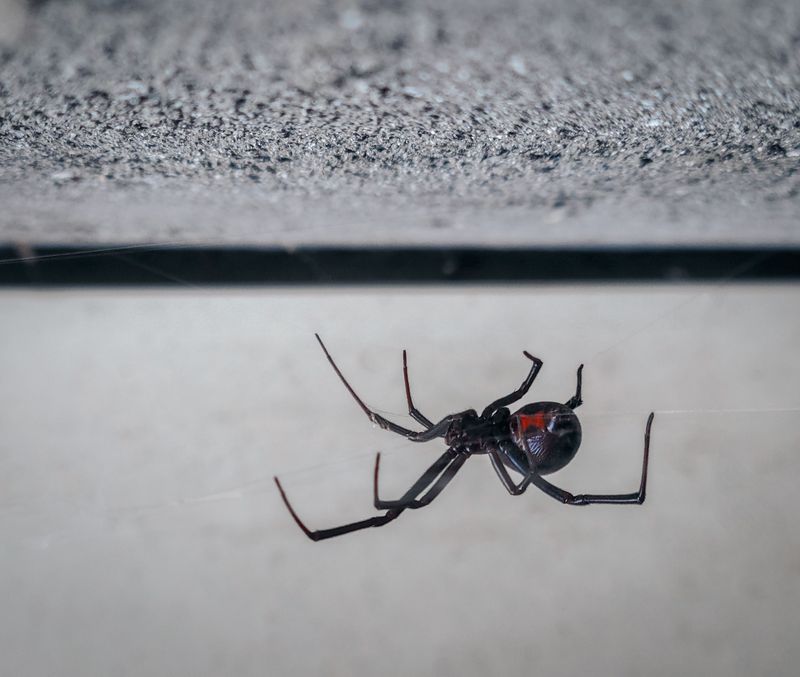
The garden shed is where unused pots, hoses, boxes, and tools tend to accumulate, and long-undisturbed storage areas can provide excellent shelter for spiders.
Penn State specifically recommends frequently cleaning and moving stored items in garages, basements, and storage spaces because disturbing these habitats can reduce spider numbers.
Start by carefully moving stored items so you can inspect areas that have been hidden for months. Sweep or vacuum webs from corners, beneath shelves, behind objects, and along walls.
Shake out gardening gloves, boots, bags, and other equipment before using them, particularly when they have been stored in an undisturbed location.
Black widows can occur in dark corners of barns, garages, woodpiles, and similar cavities, although encounters remain uncommon in Pennsylvania.
Plastic storage bins with secure lids can make frequently used supplies easier to organize and inspect than loose piles or open boxes. Shelving also keeps materials from accumulating in dense heaps on the floor.
Seal obvious gaps around doors and exterior walls where practical. Penn State recommends closing exterior openings and installing weather stripping or door thresholds as part of general spider management.
Lighting can make dark storage corners easier for people to inspect, but simply leaving a light on should not be treated as a reliable spider repellent. Exterior lights may even attract insects that spiders feed on.
Cleaning a shed once or twice during the gardening season also prevents clutter from remaining undisturbed indefinitely. The simpler the storage area is to inspect, the fewer unnoticed shelter sites it provides.
4. Tidying Rock Walls And Pennsylvania Landscaping Stones
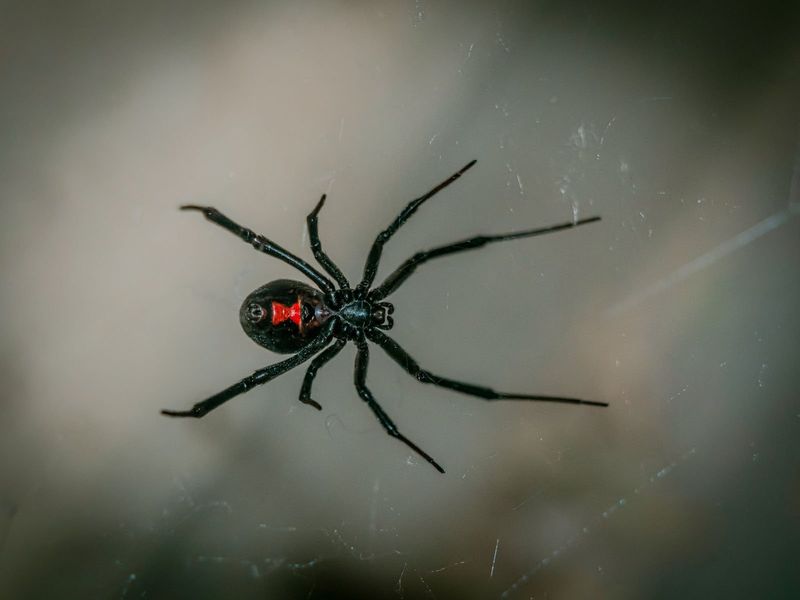
Stone walls and landscape rocks naturally contain cracks and crevices, and those sheltered spaces can be used by spiders and other small animals.
Penn State specifically lists rock piles among potential spider nesting sites around homes, while black widows are known to shelter beneath stones and in protected cavities.
A permanent retaining wall does not need to be dismantled simply because spiders may use crevices. Instead, concentrate on unnecessary clutter that collects around it.
Pull excessive weeds from the base, sweep away accumulated debris where appropriate, and remove loose boards, pots, or materials that have been leaning against the wall for long periods.
These steps make the area easier to see and reduce additional protected spaces.
Use gloves when shifting loose stones and avoid putting your hands into cracks you cannot inspect. A flashlight can help when checking sheltered areas before gardening or moving materials.
Loose piles of unused stone deserve more attention than an intact wall because they create numerous undisturbed cavities. If stones are being saved for future projects, stacking them neatly can make the area easier to monitor.
Trimming overly dense vegetation around frequently used walkways or work areas can also make inspection easier. There is no need to remove healthy landscape plants simply because spiders might use them.
Regular cleanup cannot prevent spiders from using every rock crevice, nor should that be the goal. It simply reduces unnecessary shelter and makes areas where people work easier to inspect safely.
5. Managing Overgrown Pennsylvania Ground Cover Plants
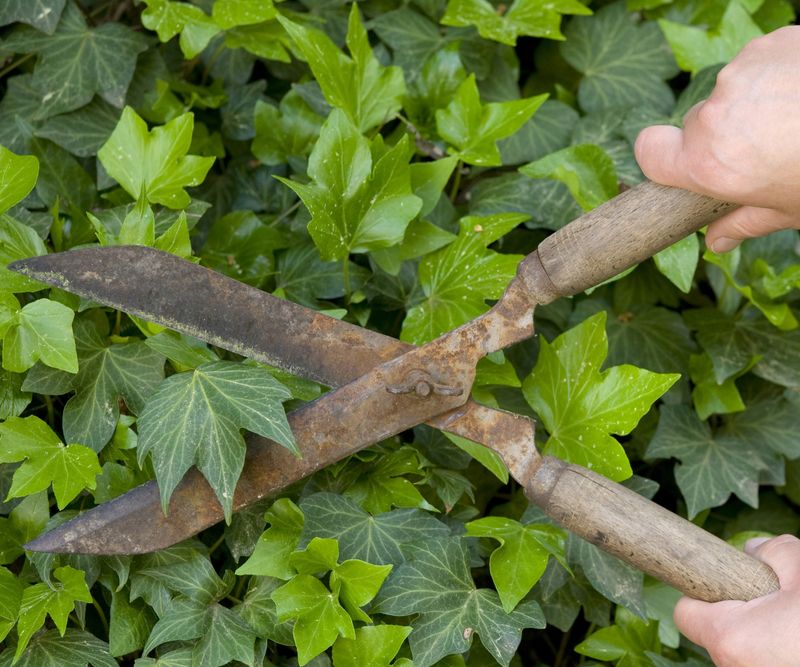
Dense ground covers create shaded spaces close to the soil, and many kinds of spiders use vegetation as habitat. Ivy, pachysandra, and similar plants may contain webs, but finding spiders there does not mean black widows are present.
In fact, Penn State identifies grass spiders as particularly common in Pennsylvania ground covers such as ivy, pachysandra, and periwinkle. These are different spiders and are commonly encountered around yards.
For areas close to doors, foundations, patios, or places where people frequently reach into plants, keeping growth manageable can make inspection and maintenance easier.
Trim vegetation that has grown heavily over walkways or structures and remove piles of old stems or discarded materials hidden beneath it.
Do not assume that damp ground cover specifically attracts black widows. Widow spiders are better characterized as favoring dark, protected, undisturbed locations near the ground rather than requiring constantly moist conditions.
Wear gloves and long sleeves when reaching into thick vegetation, especially around stones, boards, pots, or other objects hidden beneath the foliage. Look before placing your hands into spaces you cannot see.
Keeping plants appropriately spaced and maintained also benefits the planting itself by allowing gardeners to inspect stems and remove unwanted debris.
There is no need to eliminate healthy ground cover simply to discourage spiders. The more useful approach is to prevent neglected clutter from disappearing beneath it and remaining undisturbed for long periods.
6. Clearing Debris Piles In Pennsylvania Backyards
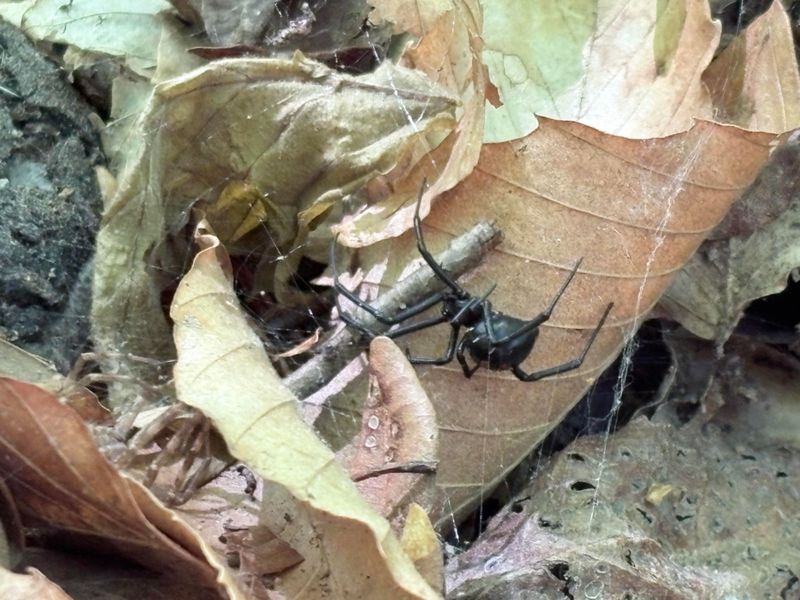
Old boards, broken pots, bricks, pipes, and branches have a way of collecting in forgotten corners.
Those piles create numerous protected cavities, and Penn State specifically recommends reducing discarded materials, woodpiles, rock piles, brush, and similar nesting sites as part of spider management.
Set aside time to remove materials you no longer need and organize anything worth keeping. A neat stack on a rack or shelf is much easier to inspect than a heap that has remained untouched for several seasons.
Pay particular attention to boards, bricks, stones, pipes, overturned containers, and other items that create dark spaces close to the ground. These are useful hiding places for many small animals, including spiders.
Wear sturdy gloves when moving materials and avoid reaching beneath long-undisturbed objects without looking first. Penn State specifically recommends caution when reaching beneath stones, logs, firewood, furniture, and other places where spiders may shelter.
Start at an accessible edge of a debris pile rather than reaching directly into the center. Moving items carefully also gives you a better view of what is beneath them.
Once the pile is cleared, remove unnecessary weeds and loose debris from the surrounding area. You do not need to sterilize the ground or remove every natural object from the landscape.
Reducing long-neglected clutter simply takes away some of the dark, protected locations where black widows and other spiders may establish webs.
It is one of the most directly supported cleanup measures homeowners can take around frequently used spaces.
7. Inspecting Outdoor Furniture Across Pennsylvania Patios
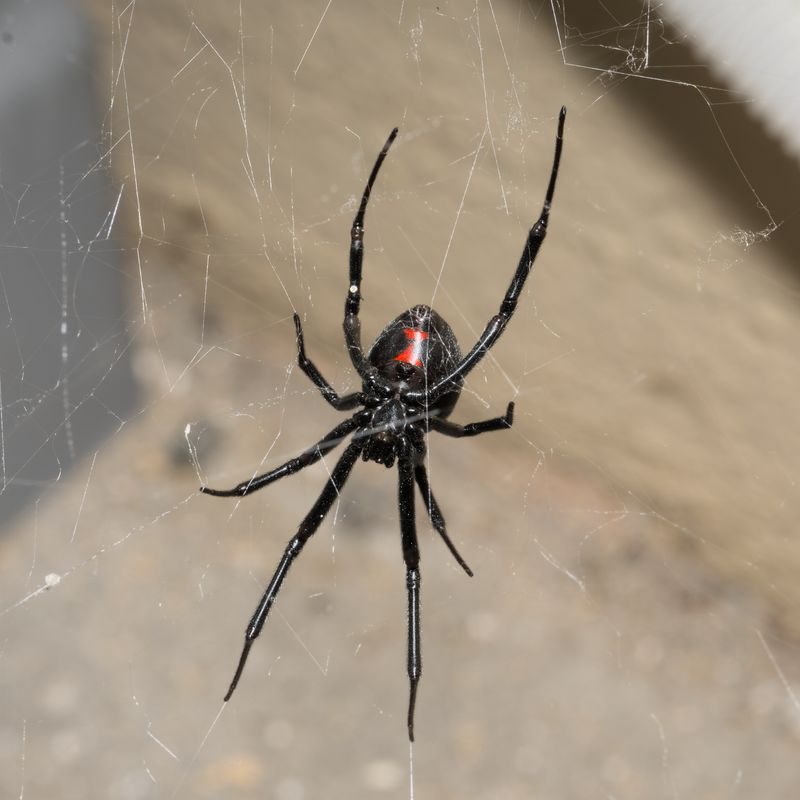
Patio furniture contains more sheltered spaces than it appears to from above. The undersides of tables, chairs, grills, benches, and stored equipment can remain shaded and undisturbed for weeks, making them potential web sites for several kinds of spiders.
Pennsylvania pest-management guidance specifically identifies the undersides of outdoor wooden furniture, including corners where legs and seats are joined, as places worth checking for black widow webs.
That makes inspection particularly useful before using furniture that has been stored or left untouched.
Turn chairs carefully and look beneath tabletops, seats, braces, and joints. A broom or vacuum can remove unwanted webs without requiring you to put your hands directly into hidden corners.
Shake out umbrellas and inspect folds before opening or moving them. Cushions and outdoor fabrics are easier to manage when stored neatly rather than left in piles where insects and spiders can shelter.
Moving furniture periodically also disturbs areas that would otherwise remain untouched. This does not guarantee that spiders will stay away, but frequent disturbance makes long-term web sites less stable.
Wear gloves when handling a set that has been unused for a long period, and look before reaching into recessed areas.
Most spiders around Pennsylvania homes are harmless and beneficial predators of insects, so finding an ordinary spider beneath a chair is not automatically a reason for concern.
Regular inspection is primarily about avoiding unexpected contact with anything sheltering where hands will soon go.
8. Sealing Gaps Around Pennsylvania Home Foundations
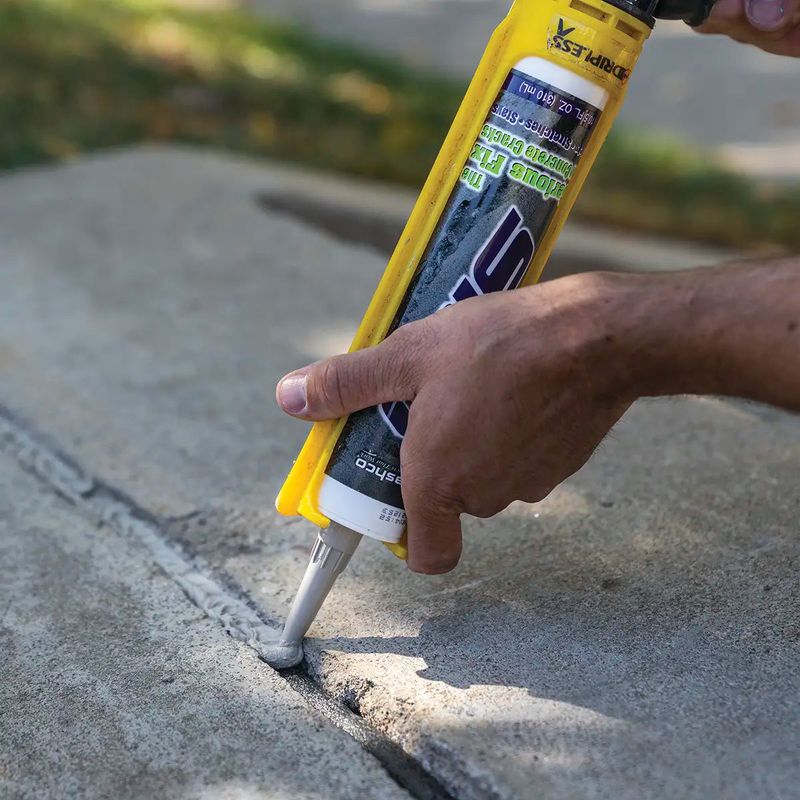
The line where the garden meets the house contains plenty of small openings that insects and spiders may use. Cracks around foundations, doors, windows, utility penetrations, and other exterior gaps can provide protected spaces or possible entry points.
Penn State recommends closing openings in exterior walls and installing weather stripping and thresholds at the bottoms of doors as part of general spider management. These measures can also help exclude many other small pests.
Walk around the house periodically and inspect obvious gaps around windows, doors, vents, siding, pipes, and foundation areas. Use an appropriate building sealant where repairs are suitable rather than assuming every crack needs the same material.
Keep unused pots, boards, firewood, and other clutter from accumulating directly against the foundation. Removing those materials reduces the number of sheltered spaces immediately beside the building.
Shrubs do not need to disappear from foundation beds, but keeping them maintained can make walls and ground-level openings easier to inspect. Avoid allowing discarded materials and dense weeds to create hidden pockets against the structure.
Sweep or vacuum unwanted webs from accessible corners around doors, windows, garages, and basement entrances. Repair damaged screens and address gaps beneath exterior doors when necessary.
Sealing a home cannot prevent every spider encounter, and black widows remain rarely encountered in Pennsylvania.
Combined with reducing woodpiles, rock piles, debris, and other undisturbed shelter, however, exclusion can make the immediate area around the home less accommodating to spiders and easier to monitor.