The September Task That Decides If Your North Carolina Spirea Blooms Bigger Next Spring
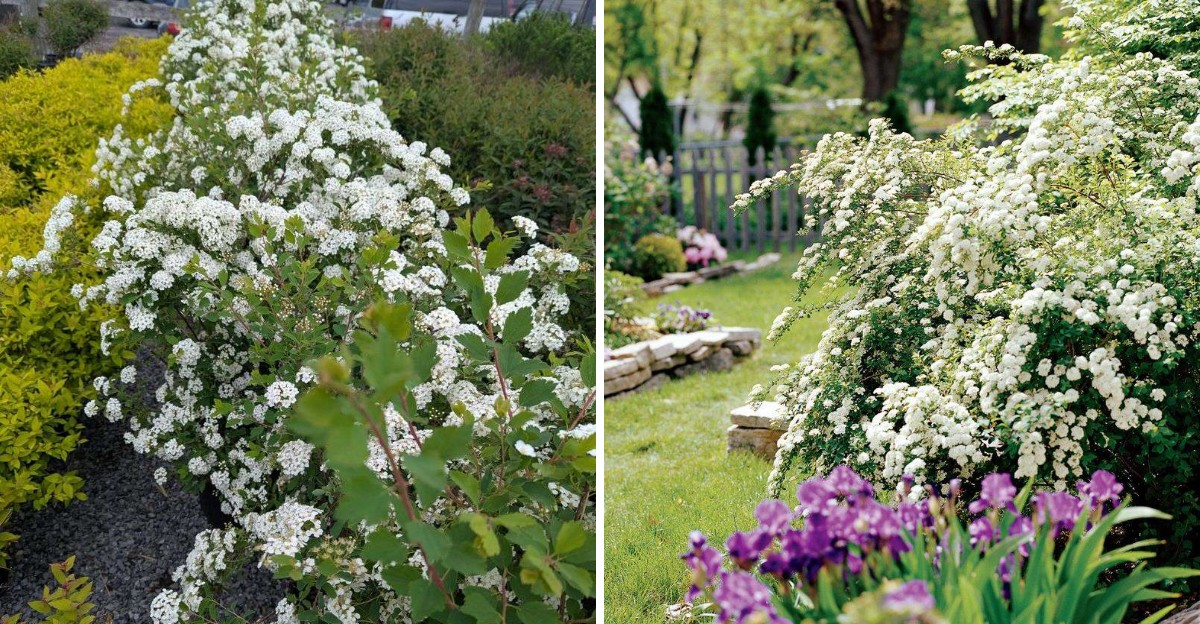
Spring-blooming spireas like bridal wreath don’t wait until spring to start planning their next flower show, they’re already quietly forming next year’s buds on old wood right now, in the middle of September.
A single mistimed pruning cut this month can remove the exact growth responsible for that upcoming bloom, leaving the shrub noticeably sparser and less impressive than it’s actually capable of being.
And because spirea won’t correct that mistake on its own or produce a second flush of buds until the following year rolls around, this small window carries a lot more weight than it looks like it should.
Getting the timing right now is really the only chance to influence how full that spring display turns out.
1. Stop Unnecessary Fall Pruning
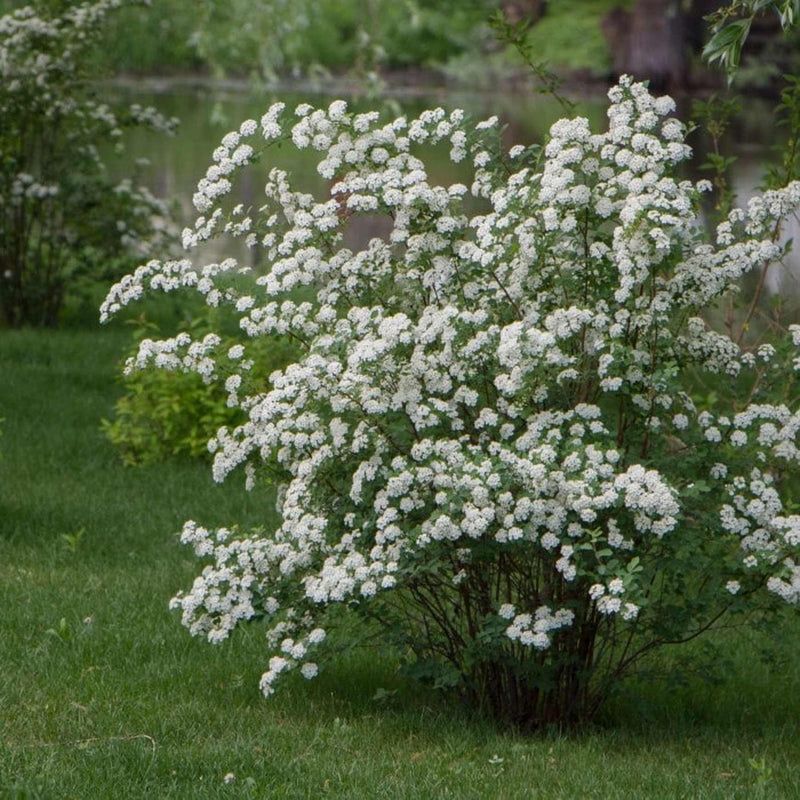
Here is a secret that surprises a lot of gardeners: many spireas, including the popular bridal wreath type, form next spring’s flower buds on stems that already exist. Those buds start developing months before you ever see a bloom.
When you grab the shears in September and cut back healthy branches, you are often snipping off the very buds that would have opened into flowers. The plant does not have enough time before winter to grow new bud-bearing wood.
That means fewer blossoms and a thinner show come spring. It helps to picture your shrub as a plant that is quietly planning ahead. All summer and into early fall, it stores energy and sets tiny buds along its stems.
A heavy trim erases that hard work in a single afternoon. If your spirea looks a little wild, resist the urge to shape it now. Wait until the right season, which for spring bloomers is usually right after the flowers fade in late spring.
That timing lets you tidy the shape without sacrificing next year’s color. There is one exception worth remembering.
Removing branches that are broken, damaged, or clearly unhealthy is fine any time, since those stems will not produce good flowers anyway.
By keeping your hands off the healthy wood in September, you protect the buds that matter most. It is one of the easiest things you can do, and it pays off with a fuller, more colorful shrub when the warm days return.
2. Know Which Spirea You Grow
Not all spireas play by the same rules, and knowing your type is the key to timing everything correctly. There are two main groups, and each one flowers in its own way.
The first group blooms on old wood, meaning stems that grew the year before. Bridal wreath spirea is a classic example, with those graceful white sprays that cascade like a fountain in spring.
These shrubs set their buds in the previous season, so cutting in fall removes future flowers.
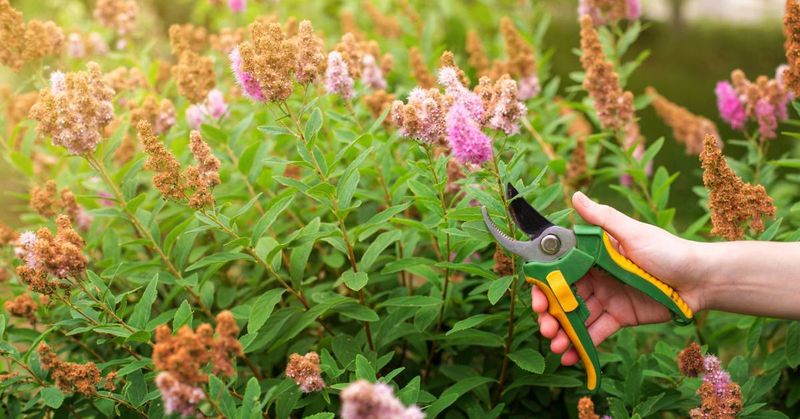
The second group blooms on new wood, or growth that appears in the current year. Many pink and reddish summer bloomers fall into this category.
Because they flower on fresh stems, they can handle pruning in late winter or very early spring without losing their color.
Your North Carolina Garden Changes Every Week. Your Plan Should Too.
Gardening in North Carolina changes quickly throughout the season. Every Friday you’ll receive a simple weekly plan showing exactly what to plant, prune, fertilize, harvest, and protect so you never miss the right timing.
Figuring out which one you have makes all the difference. Look at when your shrub flowers. A spring bloomer with white, arching branches is almost certainly an old-wood type that you should leave alone in fall.
A summer bloomer with rounded pink clusters is likely a new-wood type with more flexible timing. If you are unsure, snap a photo and ask at a local North Carolina garden center, where staff know the varieties that grow well in your area.
Once you know your spirea’s habit, every other decision gets easier. You will prune at the right moment, protect the buds that count, and reward yourself with a shrub that blooms bigger and brighter each season instead of leaving you guessing.
3. Keep Roots Hydrated During Dry Fall Weather
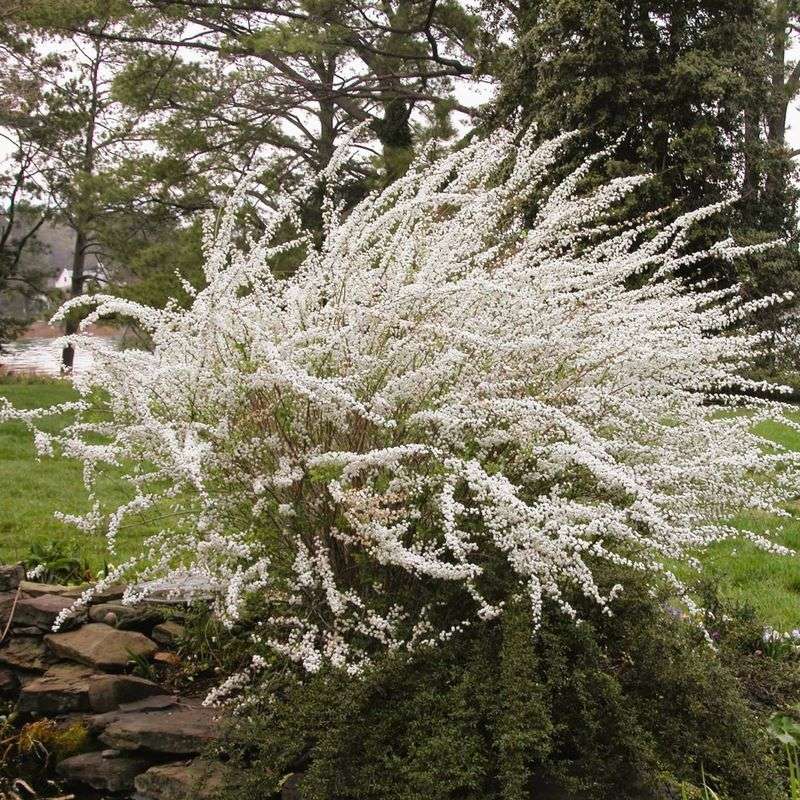
Fall in North Carolina can turn surprisingly dry, and thirsty roots are one of the sneakiest reasons spireas struggle the following spring. A plant that goes into winter parched enters dormancy already weakened.
Water is what fuels the shrub as it stores energy for the cold months ahead. When the soil dries out too much, roots cannot do their job, and the whole plant slows down.
Come spring, a stressed shrub often produces fewer and smaller flowers. The fix is refreshingly simple. During stretches without rain, give your spirea a deep, slow drink so moisture reaches down into the root zone.
A quick splash on the surface will not cut it, since deep watering encourages stronger roots. Stick your finger a couple of inches into the soil to check. If it feels dry, it is time to water.
If it still feels damp, wait a day or two so you do not overdo it. Morning is the best time to water, giving leaves and soil a chance to settle before evening. Aim for consistency rather than flooding the plant all at once.
Keep this up until the ground begins to freeze or steady fall rains return. Once winter truly arrives and the shrub is fully dormant, its water needs drop way down.
By keeping roots comfortably hydrated through those dry autumn weeks, you send your spirea into winter strong and ready. That healthy foundation is exactly what powers a fuller, more vibrant burst of blooms when spring finally arrives.
4. Mulch The Root Zone Correctly
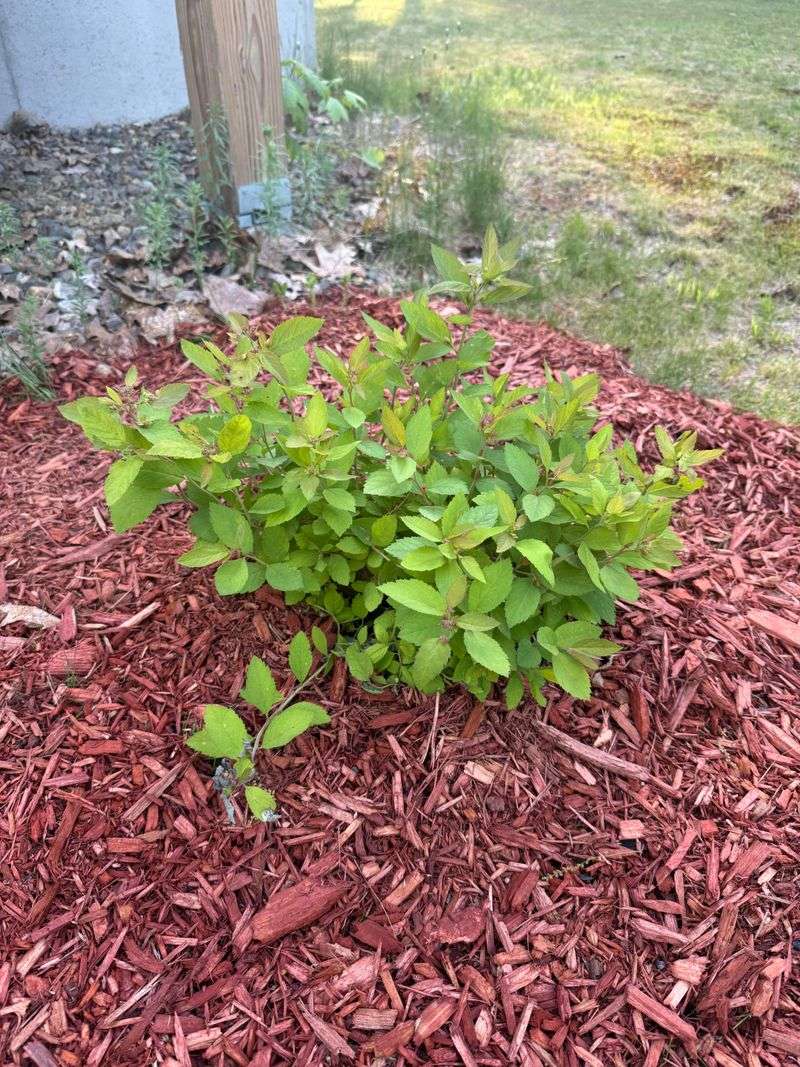
A good layer of mulch is like a cozy blanket for your spirea’s roots, and fall is the perfect time to tuck it in. Done right, it protects the plant through every temperature swing winter throws at it.
Organic mulch such as shredded bark or leaf compost does several helpful things at once. It holds moisture in the soil so roots stay hydrated longer, and it shields those roots from sudden cold snaps and warm-ups that can stress the plant.
Spread a layer about two to three inches thick around the base of the shrub. That depth is enough to insulate without smothering the ground beneath it.
Here is the part people often get wrong. Keep the mulch a few inches away from the stems instead of piling it up against them. Mulch pressed against the wood traps moisture and can invite rot or pests.
Think of it like a donut shape rather than a volcano. Leave a little breathing room in the center so air can reach the crown of the plant.
As the mulch slowly breaks down, it feeds the soil and improves its texture, giving roots an even better place to grow. That means healthier growth and a stronger comeback in spring.
Refresh the layer as needed, since mulch settles and thins over time. With this simple step, you create a stable, moist, and protected home for your spirea’s roots, setting the stage for a shrub that returns full of energy and ready to bloom generously.
5. Avoid Heavy Late Fertilizer
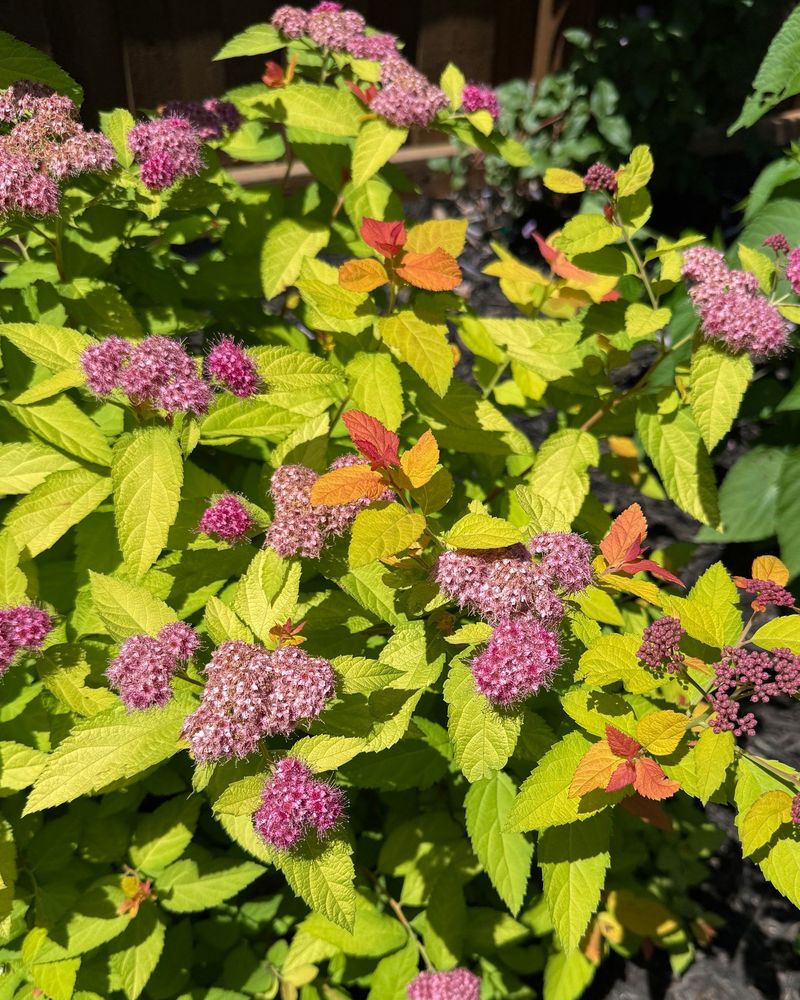
It feels natural to want to feed your plants in fall, but piling on fertilizer now can backfire on your spirea. Too much nitrogen late in the season causes trouble rather than growth you can use.
When you flood the plant with nitrogen, it responds by pushing out tender new shoots. That fresh growth is soft and delicate, which sounds nice until the temperatures start to drop.
Cool weather is hard on tender growth. Those new shoots do not have time to toughen up before cold arrives, so they often get damaged, wasting the plant’s energy and leaving it weaker heading into winter.
A spirea should be slowing down in fall, not racing to grow. Its natural rhythm is to store energy in the roots and prepare for dormancy, and heavy feeding fights against that plan.
The smarter move is to hold off on strong fertilizers as the season winds down. If your soil needs a boost, the best time to feed spirea is early spring, when the plant is waking up and ready to use the nutrients.
You can still support the plant gently. A thin layer of compost adds mild, slow nutrients without forcing a growth spurt, and it improves the soil at the same time.
By skipping the heavy late-season feeding, you let your shrub follow its natural cycle and store strength where it counts. That steady, well-rested plant is far more likely to reward you with a big, healthy flush of flowers once warmer days return.
6. Remove Only Damaged Or Diseased Growth
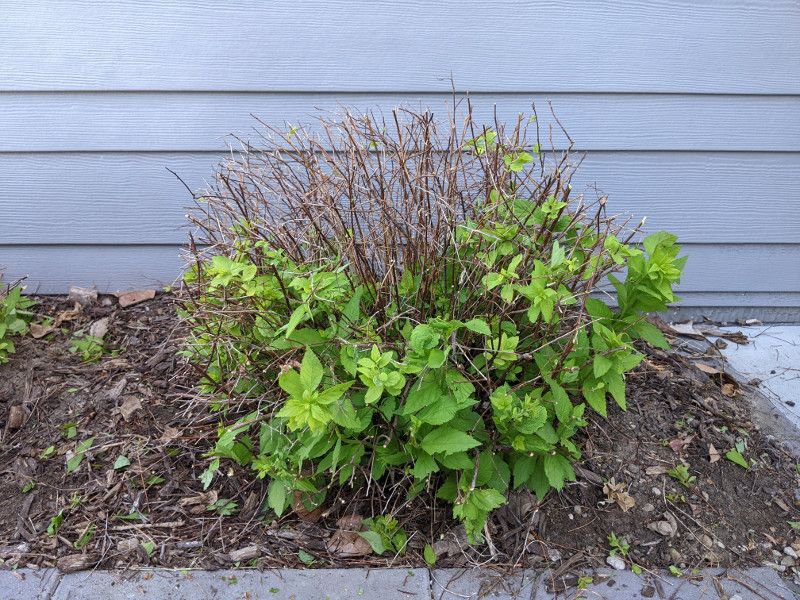
There is a big difference between cleaning up a plant and reshaping it, and understanding that line saves your spring flowers. In fall, cleanup is welcome while heavy shaping is not.
Some branches truly should go. Stems that are broken, clearly unhealthy, or showing signs of disease will not produce good flowers, so trimming them away helps the whole shrub stay strong.
Removing these problem branches also stops disease from spreading. A stem with spots, cankers, or rot can pass trouble to healthy wood, so taking it out protects the rest of the plant.
The trap is going further than that. Once the shears are out, it is tempting to keep snipping and shaping, but routine trimming in fall removes the healthy stems that carry next spring’s buds.
Keep your goal clear before you start. You are looking for damaged and unhealthy wood only, not tidying the overall shape or size of the shrub.
Use clean, sharp tools and cut just above a healthy point on each problem branch. Wiping your blades between plants keeps you from carrying disease around the garden.
If a branch looks perfectly fine and healthy, leave it alone no matter how much you want a neater outline. That healthy wood is exactly what blooms.
By focusing only on the branches that need to go, you get a cleaner, safer shrub without sacrificing its flowering power. Save the real shaping for after the spring show, and your spirea will thank you with a fuller wave of color.
7. Check The Plant’s Growing Conditions
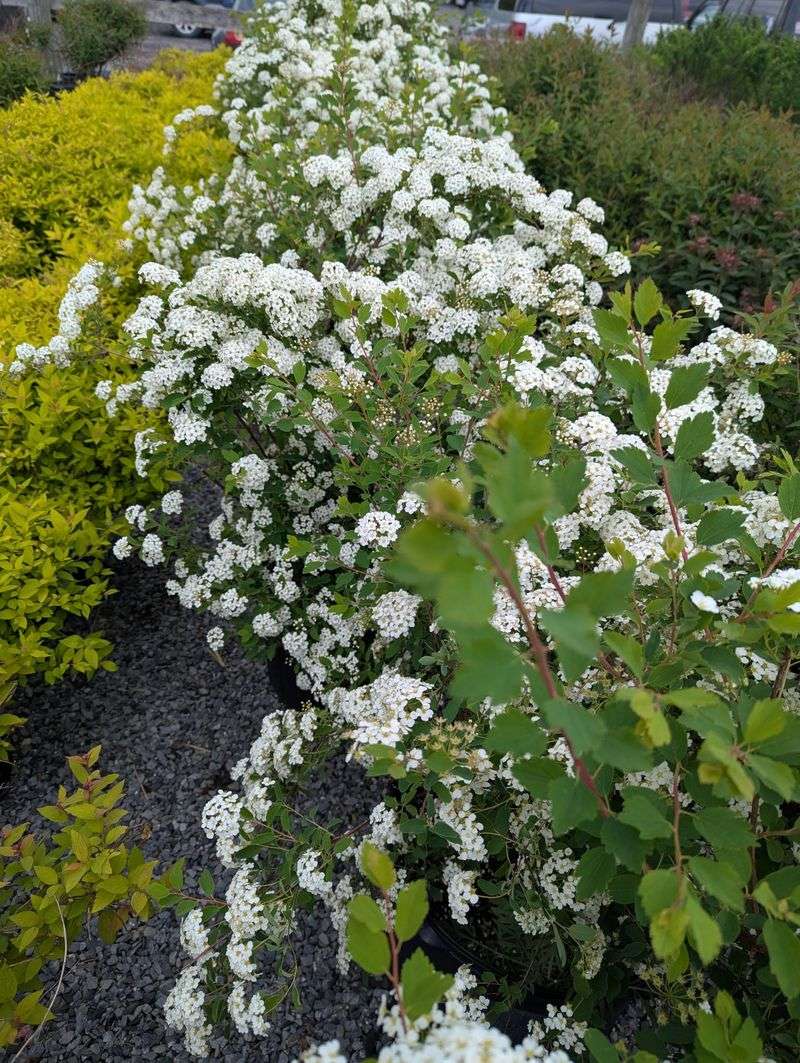
Sometimes the reason a spirea underperforms has nothing to do with pruning and everything to do with where it lives. Fall is a great moment to take a step back and study its surroundings.
Spireas love the sun. Most bloom their best with plenty of direct light, so a shrub tucked into heavy shade will produce fewer flowers no matter how carefully you care for it.
Take note of how much light your plant actually gets. If nearby trees or structures have grown and started blocking the sun, that shade could be quietly limiting your blooms.
Soil matters just as much. Spireas prefer well-drained ground, and roots sitting in soggy soil struggle to stay healthy, which shows up as weak growth and sparse flowers.
Check how water behaves around your shrub after a good rain. If puddles linger for a long time, drainage may be an issue you can improve with compost or a raised planting area.
Fall is also the season when moving a plant is possible if the spot truly is not working. A young spirea in the wrong location often thrives once it is relocated to a sunnier, better-draining home.
Small changes can make a real difference. Trimming back a shading branch from a nearby tree or improving the soil gives your shrub a better shot at strong growth.
When you fix the stress factors around the plant, you remove the hidden roadblocks to blooming. A spirea in the right conditions naturally rewards you with a healthier, more generous flower display.
8. Prepare For Spring Flower Production
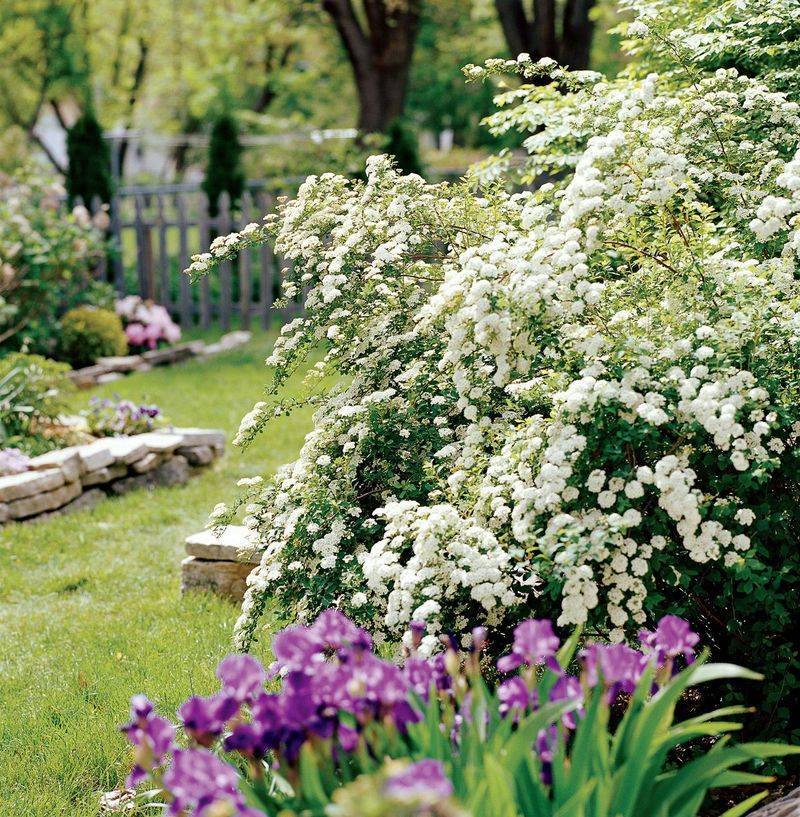
Everything you do in fall builds toward one exciting payoff: a shrub loaded with flowers when spring arrives. Think of these steps as pieces of a plan that work together.
Protecting the existing stems is the heart of it. Those branches carry the flower buds for spring bloomers like bridal wreath spirea, so leaving healthy wood untouched keeps your future color safe.
Healthy roots power the whole show. By watering during dry spells and mulching the root zone, you give the plant a strong, hydrated base that stores energy through winter.
Avoiding stress is just as important. Skipping heavy late fertilizer and holding off on unnecessary pruning lets the shrub follow its natural rhythm instead of scrambling to recover.
Good growing conditions tie it all together. A spirea planted in sunlight with well-drained soil has fewer struggles and more energy to pour into blooms.
When these habits line up, your shrub heads into winter calm, protected, and full of stored strength. That is exactly the setup for a bigger, brighter flush of flowers.
Picture next spring for a moment. Those arching branches covered in blossoms are the direct result of the quiet care you gave in September.
Gardening rewards patience, and fall is where spring success really begins. A little attention now, spread across these simple tasks, adds up to a shrub that dazzles.
Give your North Carolina spirea this thoughtful head start, and it will pay you back with one of the fullest, most cheerful displays your garden has ever shown.