The Pennsylvania Holiday Plants To Keep Away From Pets
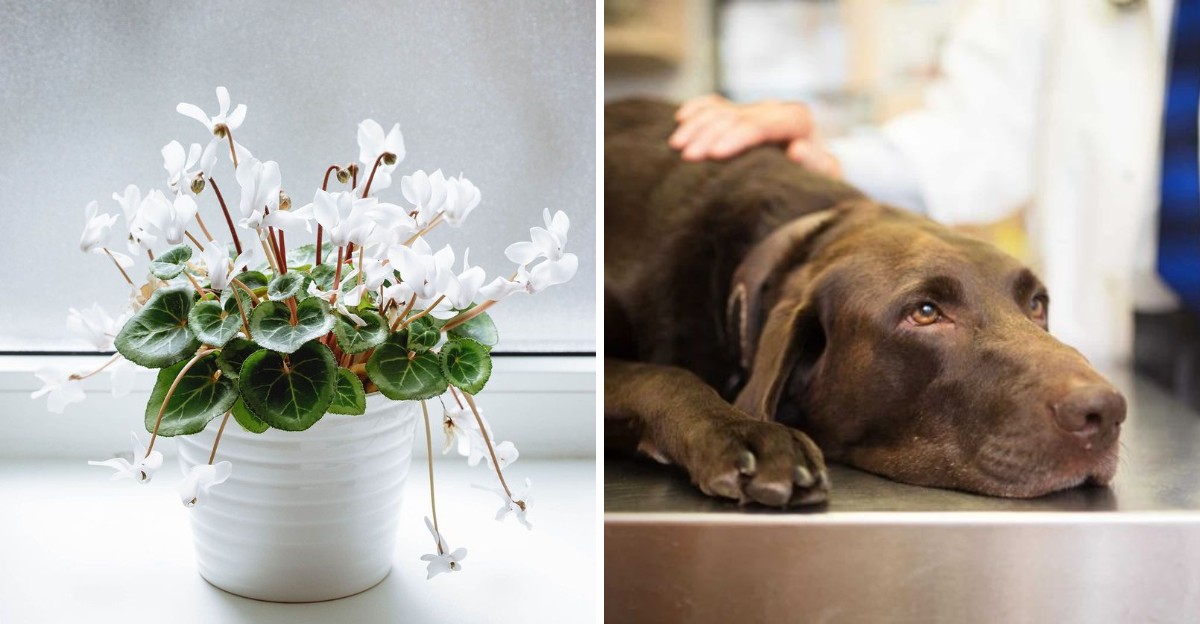
Licking a little pollen off its fur can land a curious cat in the emergency vet clinic. That pollen comes from a flower people happily tuck into holiday bouquets every single winter here in Pennsylvania.
Believe it or not, several festive favorites sitting on mantels and coffee tables carry compounds that upset pets. Some cause mild tummy trouble, while a few can change heart rhythms after just a small, curious nibble.
I have to admit, I used to walk right past those red berries without a second thought. Then my own cat started chewing a centerpiece, and suddenly every green leaf in the house looked suspicious.
Pennsylvania winters keep pets indoors longer, so they spend more time sniffing around our seasonal decorations. Which cheerful plant on your windowsill deserves a much higher shelf, or maybe a spot behind a closed door?
1. Holly
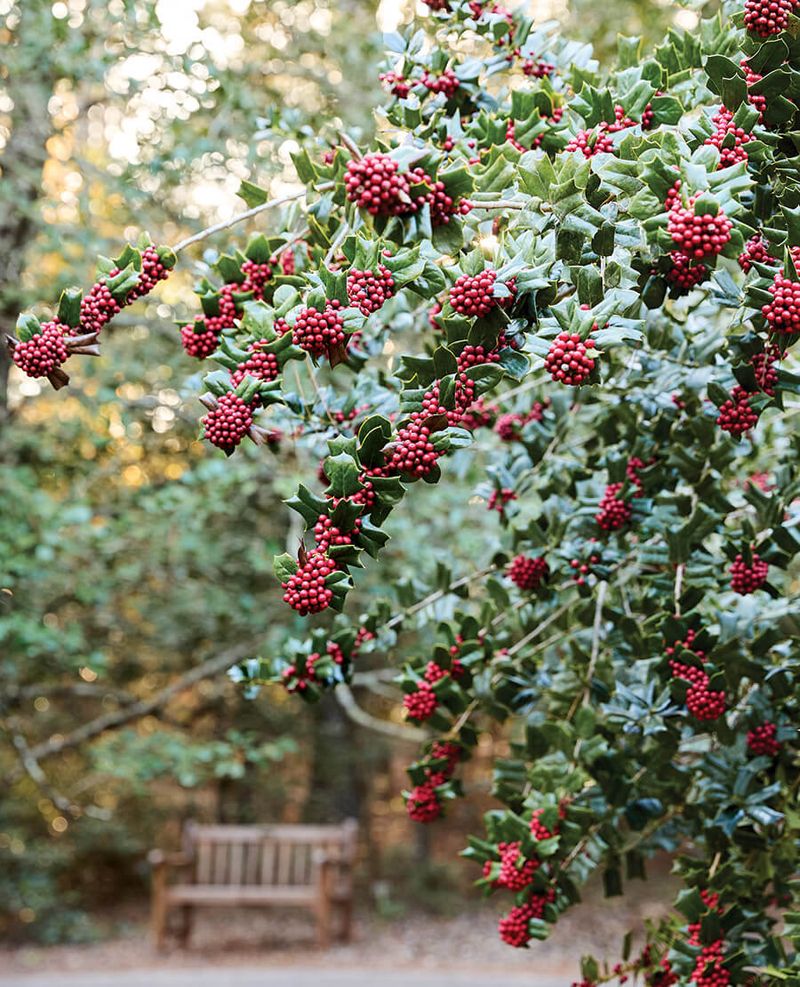
Those glossy, spiny leaves look like they were designed for a greeting card, but pets see something chewable instead.
Holly berries pop with color against winter snow, and that bright red shade can tempt a bored puppy fast.
American holly, or Ilex opaca, grows wild in southeastern Pennsylvania woodlands and shows up in plenty of local yards.
Cut branches often land in wreaths and garlands, which puts them right at nose level for curious dogs.
According to the ASPCA, holly contains saponins that can irritate the stomachs of both dogs and cats. Vomiting and diarrhea are the usual results, along with a droopy, low-energy mood for a while afterward.
The prickly leaves add another problem, since those sharp edges can scratch tender mouths and gums pretty quickly.
You might notice extra drooling or head shaking after your pet grabs a mouthful of prickly greenery.
Berries tend to carry more of the irritating compounds than the leaves, so fallen ones deserve quick cleanup. I like to check under my wreath every morning, because dried berries love to roll under furniture.
Personally, I hang holly high on the front door instead of draping it across low tables indoors. Artificial sprigs give the same cheerful look without any risk, and they last for many seasons too.
Holly toxicity is usually considered mild to moderate, but a call to your vet still makes good sense. Keep the Pet Poison Helpline number handy, since quick advice beats guessing during a busy holiday week.
2. Mistletoe
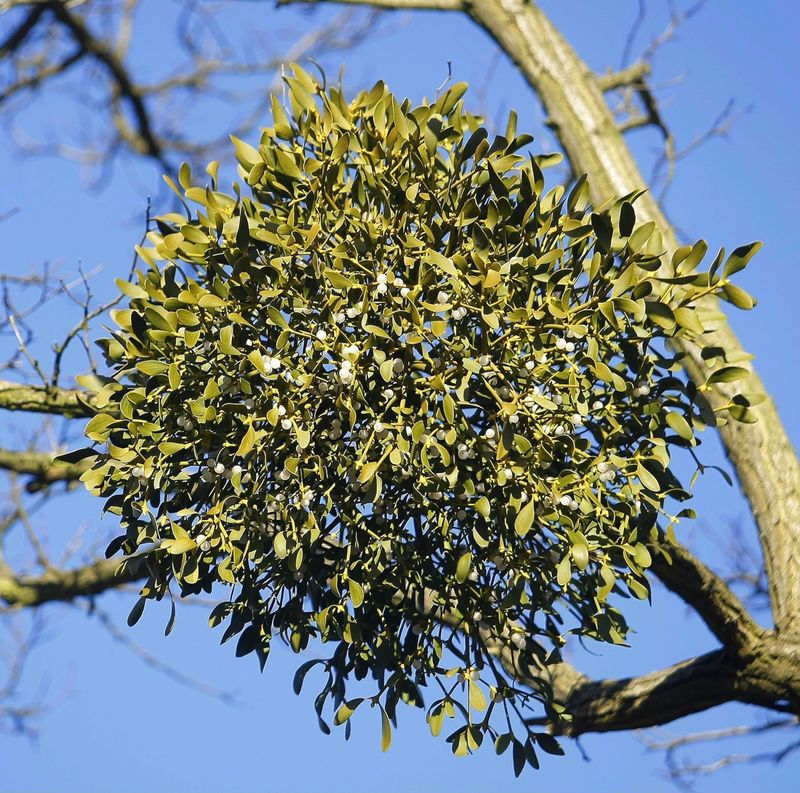
Kissing under a sprig of mistletoe sounds romantic, until your cat decides those little white berries look like toys. That tiny bundle above the doorway carries compounds that can affect both the gut and the heart.
Believe it or not, American mistletoe, Phoradendron leucarpum, is a parasite that grows on hardwood branches in Pennsylvania.
It pulls water and nutrients from host trees, staying green while the rest of the canopy stands bare.
Veterinary sources note that European mistletoe, Viscum album, tends to be more toxic than our American type. Still, both kinds contain lectins and phoratoxins, so neither belongs anywhere a pet can reach it.
Mild cases often bring drooling and vomiting, along with a pet who suddenly ignores its favorite dinner bowl.
Larger amounts may cause an unusual heart rate or tremors that need emergency veterinary care right away.
The sneaky part is how mistletoe sheds, since dried berries and leaves drop quietly onto the floor below. Pets spend lots of time near doorways, waiting for visitors, so fallen bits rarely go unnoticed for long.
I truly believe a fake sprig works just as well for holiday smooches and keeps everyone much safer. Many craft stores sell realistic versions, and you can tie them up with ribbon in about two minutes.
If you prefer the real thing, hang it securely and place a small tray underneath to catch droppings. Sweep that area daily, and toss the whole bundle once the holidays wrap up and guests head home.
3. Amaryllis
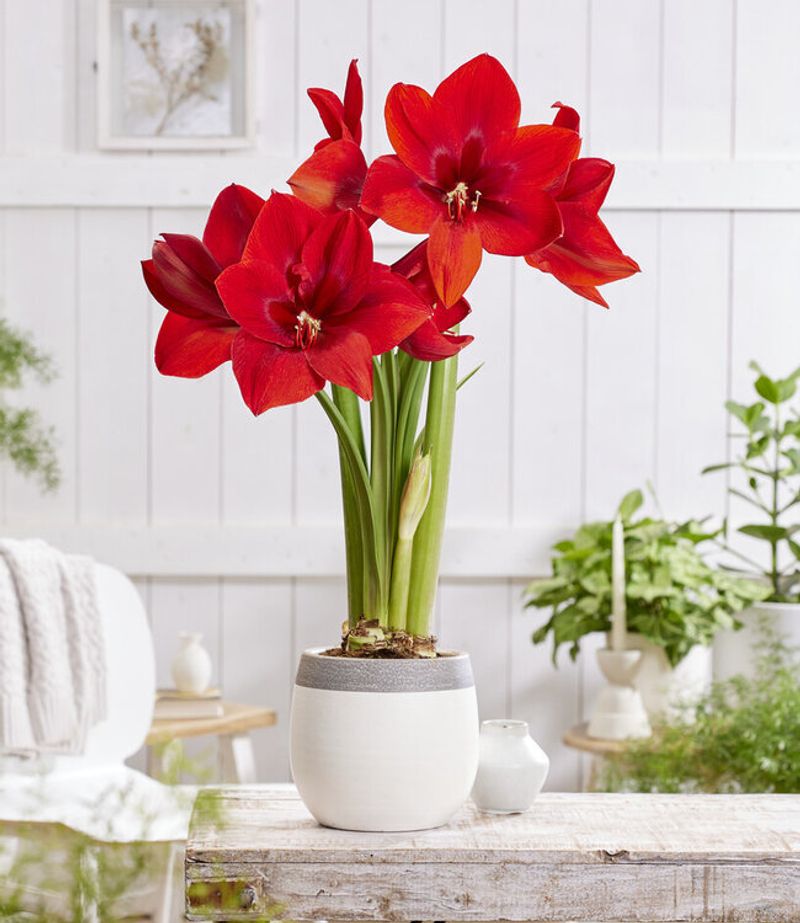
Few holiday gifts grow as dramatically as an amaryllis bulb, shooting up a thick stalk in just weeks. Those giant trumpet blooms in red, white, or striped shades feel like fireworks sitting on a windowsill.
The plant sold everywhere in December is usually Hippeastrum, a South American relative of the true belladonna lily.
Gardeners force the bulbs indoors because the tender bulbs cannot survive outdoor winters across most of Pennsylvania.
Every part of the plant contains lycorine, an alkaloid that can make dogs and cats feel miserable fast. The bulb holds the highest concentration, which matters a lot if your pup loves digging through potting soil.
Typical signs include drooling and vomiting, plus belly pain that can make pets unusually restless or quiet. Bigger exposures may lead to tremors or low blood pressure, so prompt veterinary help really matters here.
To my surprise, amaryllis is not linked to kidney failure in cats, unlike the true lilies people confuse it with. That difference matters, but it does not make the plant safe, especially for small pets that eat quickly.
You need to store unplanted bulbs in a closed cabinet, since loose ones look a lot like chew toys. Paper bags on the counter rarely stop a determined dog, and bulbs often get batted around by cats.
Personally, I grow mine on a high shelf with a heavy pot, so curious paws cannot tip it. Once blooms fade, trim the stalk and keep the leafy plant just as protected while it recharges.
4. Cyclamen
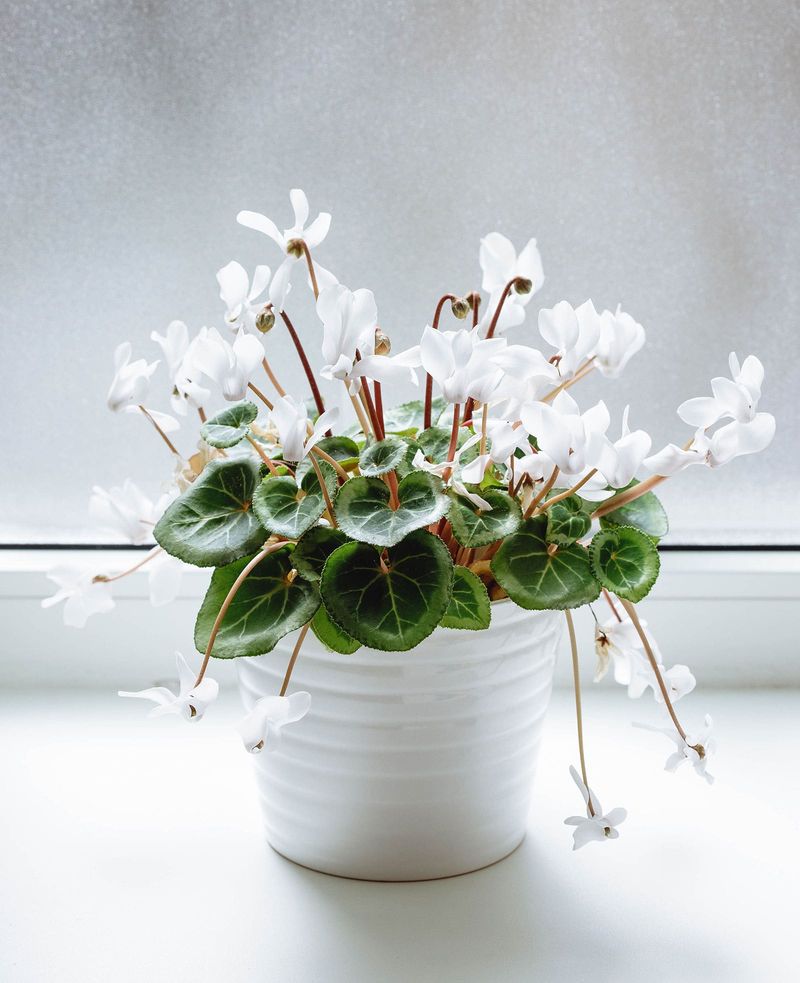
Those swept-back petals look like tiny butterflies hovering above heart-shaped leaves with lovely silver marbling patterns.
Cyclamen thrives in cool rooms, which makes it a favorite gift when chilly weather settles in for months.
The houseplant version is Cyclamen persicum, originally from rocky hillsides around the eastern Mediterranean and nearby lands. One old nickname is sowbread, because pigs reportedly dug up and ate the round tubers in the wild.
Pigs might handle those tubers, but dogs and cats react badly to the terpenoid saponins hiding inside. All parts of the plant contain them, though the tuber below the soil packs the strongest punch.
Most pets that nibble leaves or flowers end up with drooling and an upset stomach for a while. Eating large amounts of tuber is more serious, with possible heart rhythm changes or seizures needing urgent care.
What surprises me most is how easily a digging dog can reach that tuber in a shallow pot. Cats are trouble too, since they sometimes use roomy houseplant pots as an unofficial litter box.
You can cover the soil with a decorative mesh or smooth stones to discourage digging paws. A hanging planter or a high plant stand works even better, keeping blooms visible but safely out of reach.
Cyclamen also likes bright, indirect light and temperatures around sixty degrees, so a cool sunroom suits it nicely. Water from below, letting the pot soak briefly, and dump any extra water so pets cannot drink it.
5. Christmas Rose
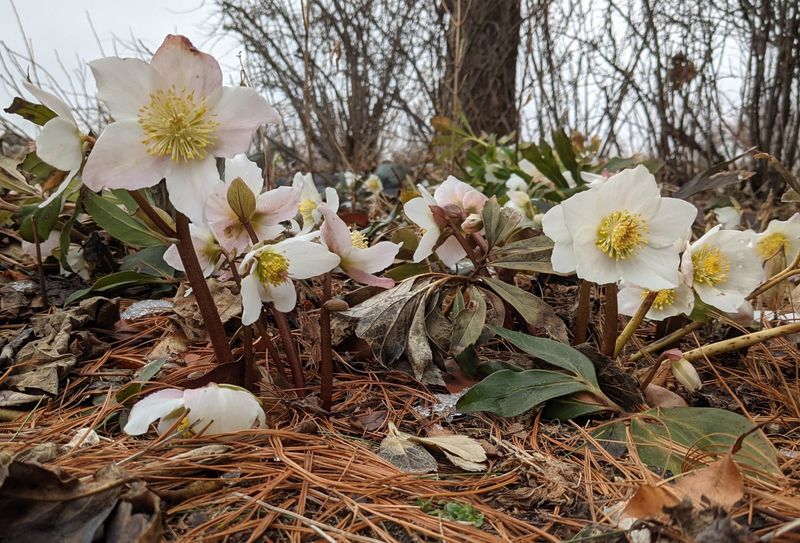
Snow can blanket the garden bed, and the Christmas rose still pushes up creamy white flowers through the cold. Helleborus niger earned its holiday name, though it often blooms later in winter than December in colder places.
It is hardy in USDA zones 3 through 8, so it handles Pennsylvania winters with surprising grace. Shady spots with rich, well-drained soil suit it best, especially under deciduous trees that let winter sun through.
Here’s a fun twist: this lovely bloom is not a rose at all, but a member of the buttercup family. Like many relatives, it carries irritating compounds, including cardiac glycosides that can affect a pet’s heart.
Every part of the plant is toxic to dogs and cats, from the roots up to the flowers. Chewing can bring drooling and stomach pain, and some pets get noticeably thirsty or sluggish afterward.
Larger amounts may cause heart rate or rhythm changes, which means a vet visit should happen fast. The sap can also irritate skin, so I slip on gloves before trimming any old, tattered leaves.
Outdoor clumps may tempt pets less, since the leathery leaves taste bitter, but puppies chew almost anything. Fence off the bed or plant it in a corner your dog rarely visits on bathroom breaks.
Cut stems look gorgeous in a winter centerpiece, so set the arrangement where cats cannot jump nearby. Toss wilted blooms promptly, and wipe up any dropped petals before a curious nose finds them.
6. Lilies
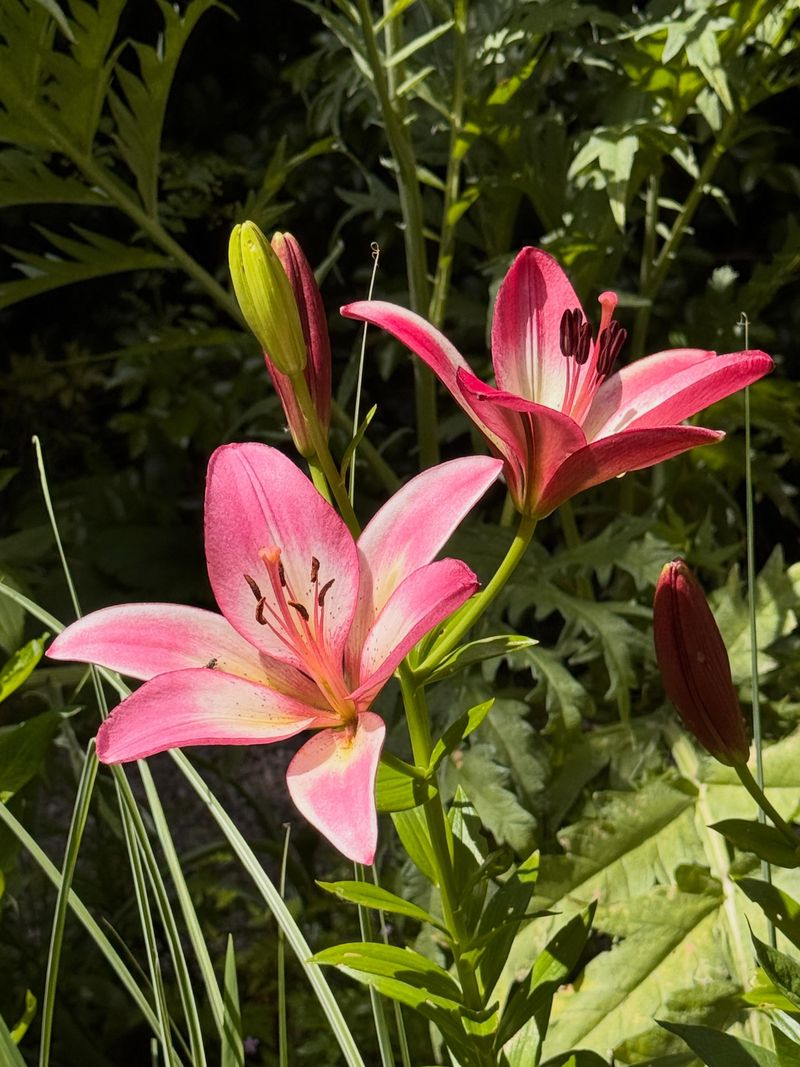
One lily bouquet on the dining table can turn a cozy evening into an emergency vet trip for cats. True lilies and daylilies are among the most dangerous plants a cat can touch, and it takes a surprisingly small amount to cause harm.
Licking a little pollen from fur or sipping vase water can lead to acute kidney failure within days. Even a small bite of a leaf or petal is enough to cause serious trouble for a feline.
The flowers belong to Lilium, like Easter and Stargazer lilies, or Hemerocallis, the common orange daylily. Scientists have not identified the exact toxin yet, which honestly makes these blooms feel even more mysterious to me.
Florists tuck Stargazers and Asiatic lilies into holiday arrangements, so gift bouquets deserve a careful look before display. I truly believe the kindest thing to do is ask senders to skip lilies if you have cats.
Early signs often include vomiting and a sudden loss of appetite, sometimes showing up within just a few hours. Fast treatment matters enormously, so call your vet right away instead of waiting to see what happens.
Dogs are much more resistant, usually developing only a mild upset stomach rather than any kidney damage. Still, a pup with a tummy ache during the holidays is no fun for anyone in the household.
If a lily bouquet arrives, the safest choice is giving it to a cat-free friend or removing it. Swap in cat-friendlier blooms like roses or sunflowers, which add plenty of cheer without the scary side effects.
7. Yew

Glossy dark needles and bright red berries make yew look like it was planted just for holiday cards. Sadly, this tidy evergreen ranks among the most dangerous plants for both pets and people alike.
Japanese yew, Taxus cuspidata, fills foundation beds and clipped hedges in many Pennsylvania neighborhoods and busy shopping centers.
Our native Canada yew, Taxus canadensis, grows wild in cool, shady forests across parts of the state too.
The needles and seeds contain taxine alkaloids, which can disrupt heart function with little or no warning. The red fleshy cup around each seed is often considered harmless, but the seed inside is highly poisonous.
Veterinary sources warn that a small mouthful of needles can cause severe trouble for an average-sized dog. Signs may include tremors and a slow heart rate, though some animals show no clear warning signs first.
There is no safe amount and no home remedy, so any suspected nibble needs emergency veterinary care immediately. Bring a clipping of the plant along, since it helps the vet confirm exactly what your pet ate.
Clippings from holiday hedge trimming are a sneaky risk, because pets happily drag fallen branches around the yard. I rake up every scrap after pruning and bag it before the dog heads outside to explore.
Skip yew in wreaths and swags, and choose lower-risk greenery for decorating spots your pets can reach.
If you’re planting new shrubs next spring, ask your local extension office about safer evergreen options for families with pets.