You Reseeded and Your New York Lawn Is Still Patchy. Here’s What Went Wrong
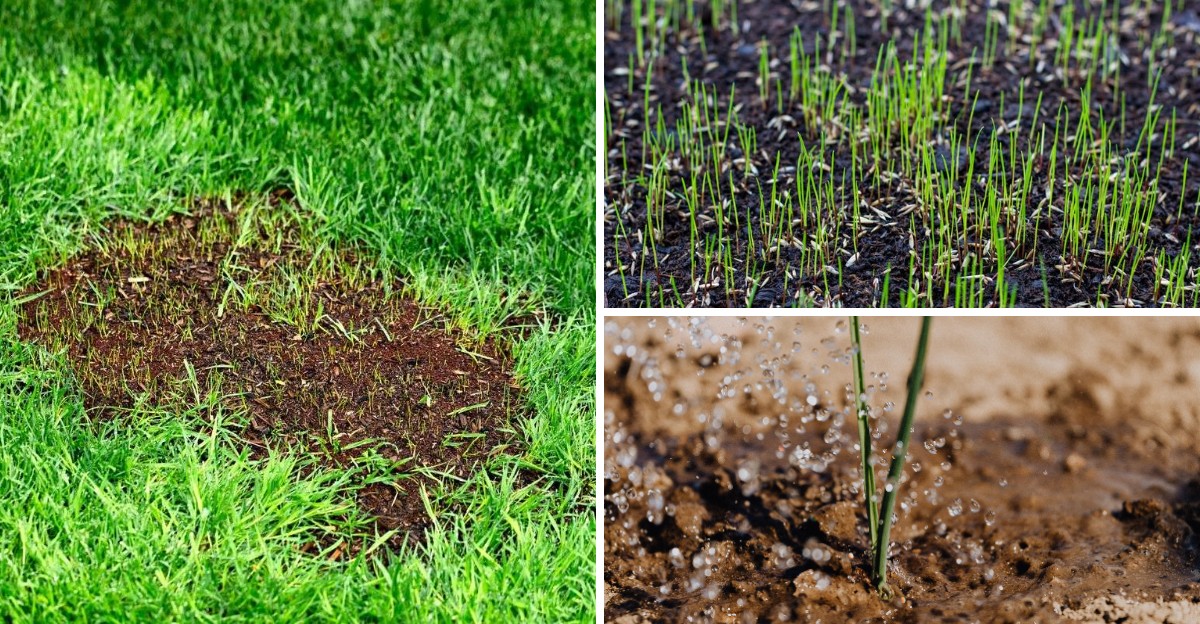
A single grass seed can sprout, run out of water for one sunny afternoon, and give up before you ever notice it. That tiny window between soaked and parched decides the fate of whole patches.
New York lawns grow mostly cool-season grasses like Kentucky bluegrass, ryegrass, and fescues. These grasses have strong opinions about soil warmth, sunlight, and timing. Ignore those preferences, and they sulk.
Let me be straight with you. Most patchy results have little to do with bad seed or bad luck. They usually trace back to a few small choices made weeks before the first green blade showed up.
I still remember the bag of seed I blamed for my thin front yard. The real problem was sitting right under my feet, and it might be under yours too.
Those Bare Lawn Patches Started With Something You Did Before the Seed Bag Opened
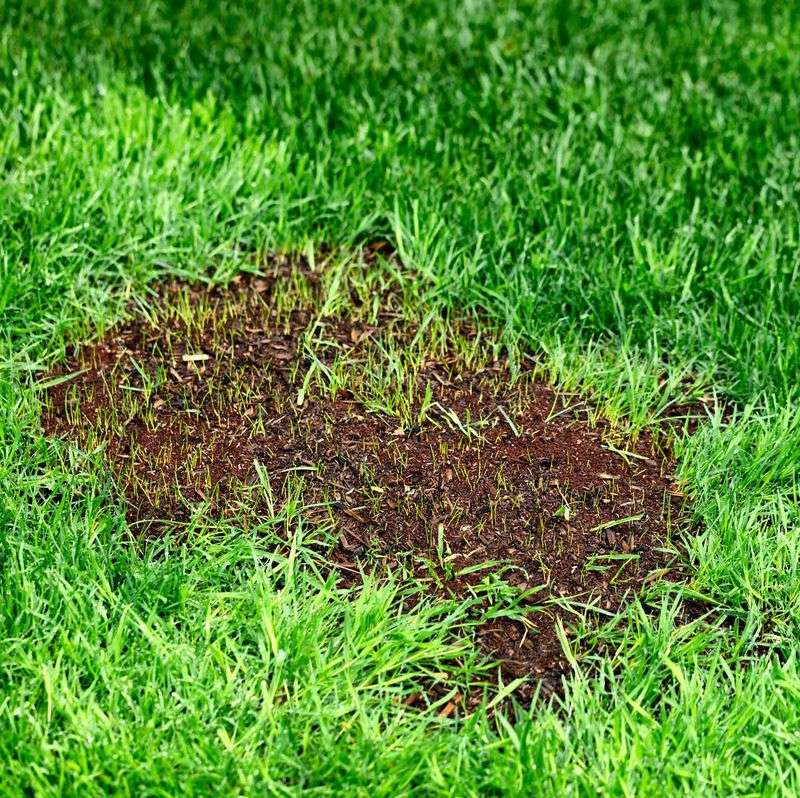
Most failed reseeding jobs go wrong on day one, not week three. If you scattered seed over hard, crusty soil or an old layer of thatch, a lot of it never touched dirt at all.
Grass seed needs firm seed-to-soil contact to sprout. Seeds sitting on top of thatch or packed clay dry out fast, get washed into low spots, or become a snack for sparrows.
Cornell turfgrass experts point out that poor contact is one of the top reasons overseeding disappoints.
Your patches may also be telling a bigger story. If grass thinned in the same spots before, something there is working against it, like compaction, shade, poor drainage, or grubs.
New seed alone rarely fixes the reason grass left in the first place.
So before you buy another bag, walk your yard. Push a screwdriver into a bare spot and a healthy spot.
If it slides easily in one and fights you in the other, you found a clue.
Next time, rake the bare areas hard enough to expose loose soil. Core aerate larger zones, then seed right after so seeds drop into the holes.
A light layer of compost or a thin topdressing of soil helps seeds settle in. Gently roll or tamp the area so seeds stay put.
Small prep steps like these often make the biggest difference.
Late Summer Is When New York Grass Seed Really Wants to Sprout
Timing matters more than most of us want to admit. I once seeded in mid-May because the weather felt perfect, and by July my new grass looked like it had been through a hair dryer.
Cool-season grasses grow best when soil is warm and air is turning cooler. In most of the state, Cornell recommends seeding from roughly mid-August to mid-September.
Long Island and the New York City area can often stretch into late September, while the Adirondacks and higher areas of the Southern Tier should aim for the earlier end.
Spring seeding can work, but it comes with problems. Seedlings have only a few weeks to build roots before summer heat and dry spells arrive.
Crabgrass also sprouts in spring, and it loves bare soil as much as your new grass does.
Seeding too late in fall causes the opposite trouble. Young grass needs about six to eight weeks of growth to toughen up before hard frost.
Tiny seedlings caught by an early freeze can heave out of the soil or thin over winter.
If your reseeding happened in late spring or mid-October, the calendar may explain your patches. Mark your planner for the third week of August.
Your future lawn will thank you with thicker, sturdier growth that holds up to next summer.
Thirsty Seedlings Need Light Sprinkles More Than Big Soaks
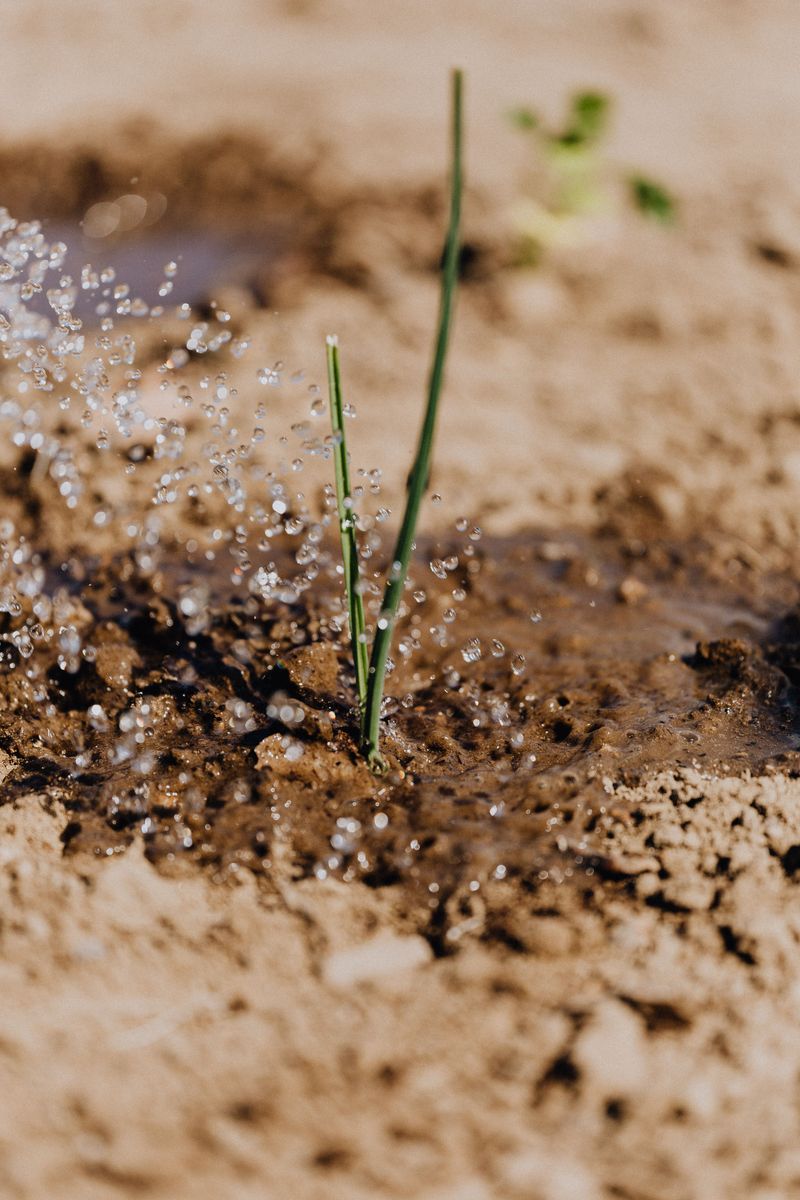
Here is a confession. For years I watered new seed like an established lawn, one long soak every few days.
The result was a spotty mess.
Germinating seed is fragile. Once a seed swells and starts sprouting, letting the top half inch of soil dry out can stop it in its tracks.
On a breezy, sunny September afternoon, that can happen within hours.
Light, frequent watering works much better at first. Aim to keep the surface steadily damp, which often means watering two or three times a day for short sessions.
Early morning, midday, and late afternoon runs are a solid plan during warm weather.
Too much water causes its own headaches. Heavy soaking can float seed into puddles, leaving bare stripes and clumps of crowded sprouts.
Soggy soil also invites damping-off and other seedling diseases.
As the grass reaches about an inch tall, start stretching things out. Water less often but a bit deeper, which pushes roots downward.
By the time you mow a few times, you can shift to normal lawn watering, about an inch a week including rain.
A cheap hose timer can be a lifesaver here. It keeps the routine steady even when work, errands, or a weekend trip pull you away from the yard.
Packed Clay and Sour Soil Can Starve Young Grass Roots
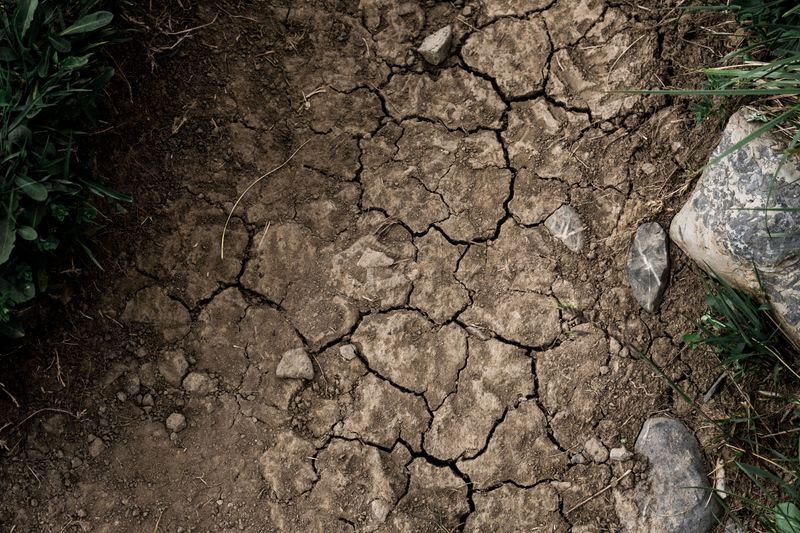
Soil is the quiet boss of every lawn. Brand new roots are thin and weak, and they cannot push through soil that feels like a parking lot.
Compaction is common in New York yards, especially where kids play, dogs run, or construction equipment once rolled through. Heavy clay in parts of the state makes it worse.
Water sits on top, air stays out, and seedlings struggle to grow past the surface.
Core aeration helps a lot. It pulls small plugs of soil out, opening space for roots, water, and air.
Doing it right before seeding gives each seed a cozy little pocket to land in.
Then there is pH. Most lawn grasses prefer soil around 6.0 to 7.0, and many northeastern soils lean more acidic.
When pH drops too low, nutrients like phosphorus become harder for grass to use, even if they are present.
A soil test removes the guesswork. Your local Cornell Cooperative Extension office can point you to testing options, often for a modest fee.
The report will tell you whether lime is needed and how much.
Lime works slowly, so it is best applied months ahead or alongside fall seeding for long-term benefit. Pairing that with a little compost improves soil structure over time.
Healthy soil grows grass that fills in on its own.
That Bargain Grass Seed Mix May Not Suit Your Shady Yard
Grass seed bags look alike on the shelf, but what is inside can vary wildly. I once bought a cheap mix and later found it was mostly annual ryegrass, which faded after one season.
Read the label carefully. Look for named turfgrass types, a low weed seed percentage, and little to no filler.
Annual ryegrass sprouts fast and looks great briefly, but it does not stick around.
Matching grass to conditions is just as important. Kentucky bluegrass loves sun and spreads to fill gaps, though it is slow to sprout.
Perennial ryegrass germinates quickly and handles foot traffic. Tall fescue roots deeply and copes well with heat and drought.
Fine fescues are the go-to choice for shade and low-maintenance spots.
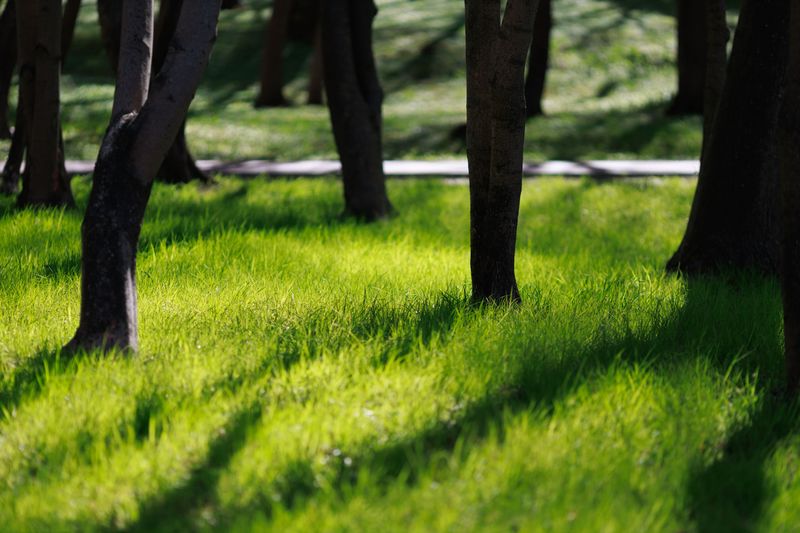
Many yards have big trees like maples and oaks. Under those canopies, sun-loving grasses thin out quickly no matter how often you reseed.
Fine fescues tolerate shade better, but even they need some sunlight, roughly four hours a day.
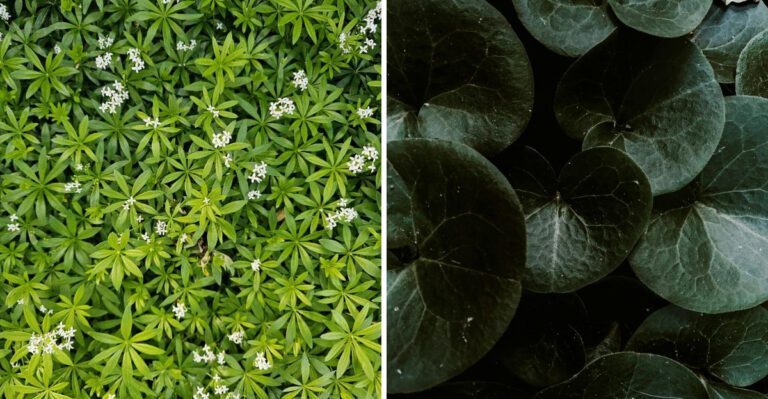
For deep shade, consider a shade-friendly groundcover or mulched bed instead of fighting nature. Native options like wild ginger or Pennsylvania sedge can look lovely there.
Choosing seed by spot, not by price, saves money in the long run. One smart bag beats three disappointing ones.
Crabgrass Preventer Can Block Your New Grass Seed Too
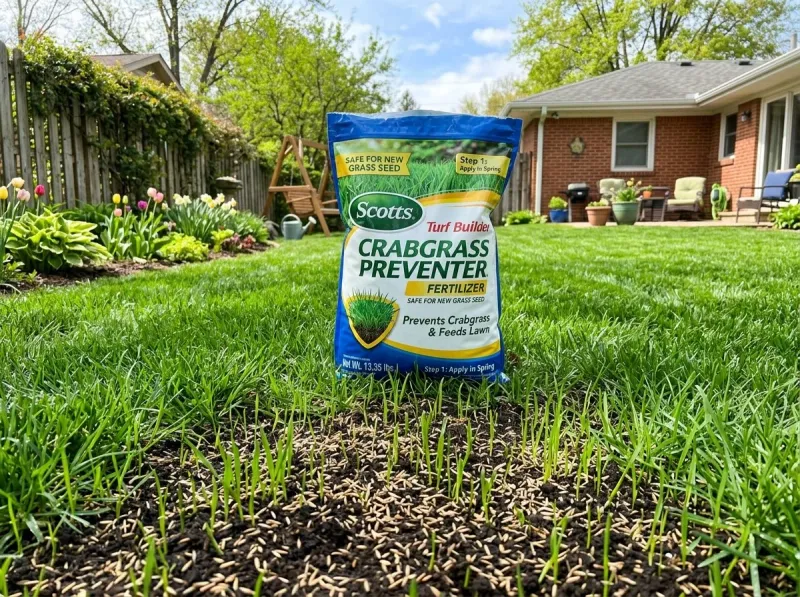
This mistake surprises a lot of people. Many popular spring lawn products contain a pre-emergent herbicide meant to stop crabgrass.
Those chemicals do not know the difference between weed seeds and grass seed.
Spread one in April, then reseed in May, and your new grass may barely show up. Most of these products keep working for weeks or even months.
Check the label for a waiting period before seeding.
There are exceptions. Products containing mesotrione or siduron are labeled for use at seeding time.
Always read the bag closely, because brand names can be confusing.
Weeds themselves are another rival. Crabgrass, plantain, and clover move into bare soil quickly.
In spring, crabgrass seedlings often outgrow young lawn grass and shade it out.
That is one more reason fall seeding shines. Crabgrass is winding down by September, so new grass faces far less competition.
Broadleaf weed treatment products can also harm seedlings. Most labels suggest waiting until new grass has been mowed several times, often three or four, before spraying.
Hand pulling is a safer option early on.
Before your next attempt, review everything you applied that year. A quick look at old receipts or product labels might explain a mystery patch better than any guess.
Grubs Under the Turf Might Be Munching Your Hard Work
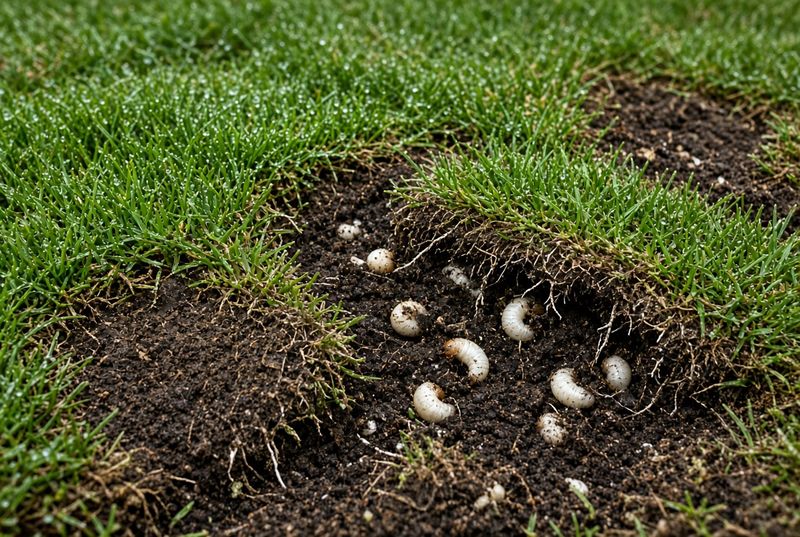
Sometimes the culprit lives a couple inches underground. White grubs, the C-shaped larvae of Japanese beetles, European chafers, and other beetles, feed on grass roots across New York.
Grub damage often shows up in late summer and early fall. Grass turns brown in irregular patches, and the turf lifts like loose carpet because roots are gone.
Skunks, raccoons, and crows digging in your lawn are another strong hint.
To check, cut a one-square-foot piece of sod on three sides and peel it back. Cornell suggests treatment is usually worth considering only when you find around ten or more grubs per square foot.
A few grubs are normal and healthy lawns tolerate them.
Disease can also cause patches. Seedlings in warm, wet conditions may suffer from damping-off or pythium blight.
Overwatering and thick seeding rates make these problems more likely.
Birds deserve an honorable mention too. Uncovered seed is an easy meal.
A thin layer of straw or peat moss helps hide it and holds moisture as a bonus.
Before you reseed the same spot again, play detective. Figure out whether something is eating roots, rotting seedlings, or carrying off seed.
Solving the cause first keeps your next round from vanishing the same way.
Mowing Too Soon Can Undo Fresh Grass Seedlings
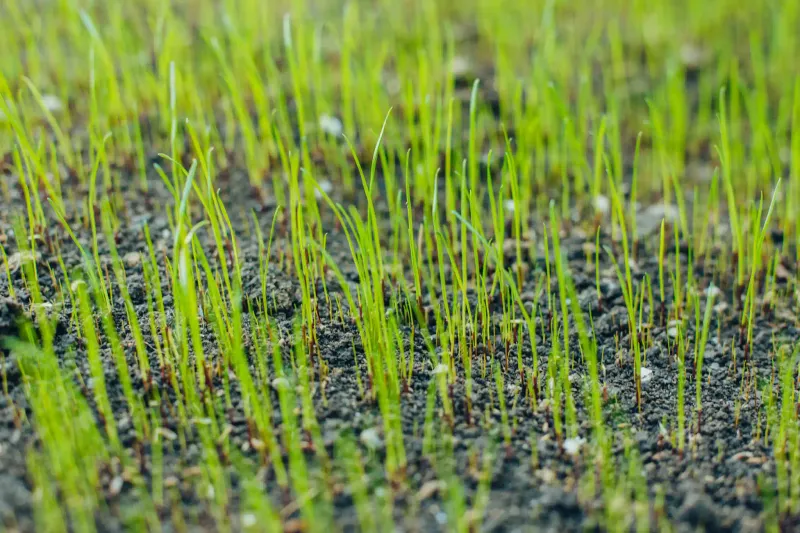
Patience might be the most underrated lawn tool. Once new grass appears, it is tempting to treat it like the rest of the yard, but young blades need gentle handling.
Hold off mowing until the seedlings reach about three to four inches tall. Then cut no more than a third of the blade, using a sharp mower blade so you slice rather than tear.
Mowing when soil is wet can rip tiny plants out or leave ruts.
Keep foot traffic, pets, and play off the area for several weeks. A few stakes and string remind everyone to tiptoe around it.
Feeding matters too. A starter fertilizer at seeding helps roots, but heavy nitrogen soon after can push leaf growth at the expense of roots.
New York also limits phosphorus in lawn fertilizer, though it is allowed when establishing a new lawn or when a soil test shows a need.
Finally, look at results with fair eyes. Kentucky bluegrass can take two to three weeks to sprout, so a thin look early on is normal.
Fescues and ryegrass come up faster.
If gaps remain by early fall, overseed them lightly with the right timing and care. A thick, even lawn usually comes from steady effort over a season or two.