Plant These Pennsylvania Native Ground Covers In July To Help Reduce Weeds In Bare Spots
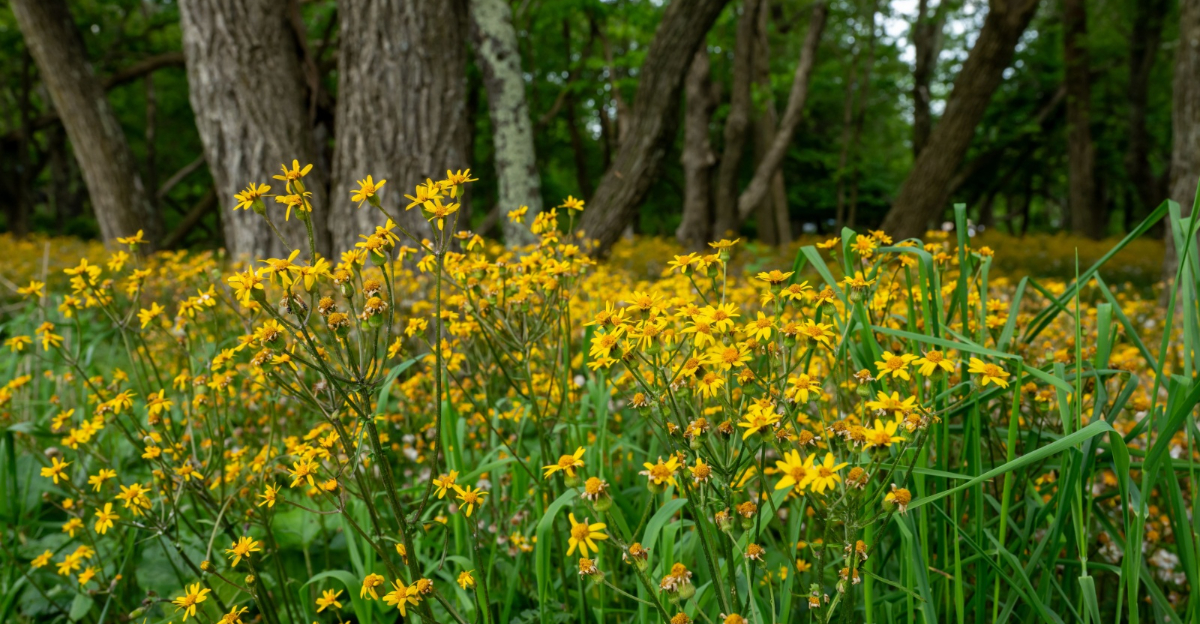
Bare soil in a Pennsylvania yard during July is basically a weed’s dream come true.
Warm temperatures, occasional rain, and all that open space add up to ideal conditions for opportunistic seedlings to move in fast and start claiming territory before you have had a chance to think through a plan.
It is one of those situations that tends to feel minor until it really is not.
Native ground covers are one of the more satisfying long-term answers to this problem, gradually spreading to cover open soil and competing with weeds for light and space in a way that gets more effective each season.
July is a workable planting window if you choose a cooler or overcast day and stay on top of watering, though spring and early fall tend to offer gentler establishment conditions across most of Pennsylvania.
1. Barren Strawberry Can Create A Thick Carpet Near The Ground
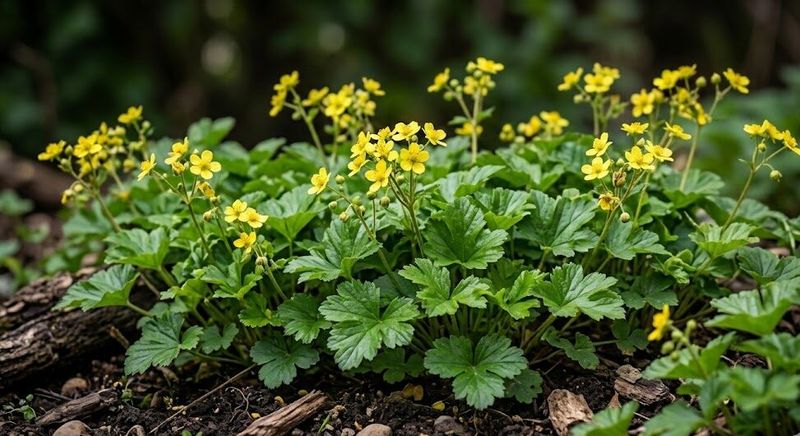
Geum fragarioides, sometimes still listed under its older botanical name Waldsteinia fragarioides, is a quietly tough little plant that earns its place in a Pennsylvania garden without asking for much in return.
Its foliage closely resembles a strawberry plant, with toothed leaflets that stay low and form a spreading mat near the soil surface.
Small yellow flowers appear in spring, giving the planting a cheerful early-season look before summer heat sets in.
One important clarification: barren strawberry does not produce edible fruit. The name comes from its resemblance to a true strawberry, not from any culinary use.
Gardeners who want wildlife value will find more fruit production in wild strawberry instead, though barren strawberry still offers some habitat benefit through its flowers.
This plant handles sun or partial shade reasonably well, making it adaptable for Pennsylvania yards where light conditions shift throughout the day.
It spreads through short rhizomes and gradually builds a mat that may help limit space available for weed seedlings once the planting fills in.
Full coverage can take more than one growing season, depending on spacing, soil quality, and site conditions.
For July planting, remove existing weeds thoroughly before installing container-grown plants. Apply roughly 2 to 3 inches of mulch between young plants to help hold moisture and reduce weed germination.
Keep mulch away from the plant crowns, and water based on soil moisture rather than a set schedule.
2. Canadian Wild Ginger Can Fill Difficult Shady Spaces
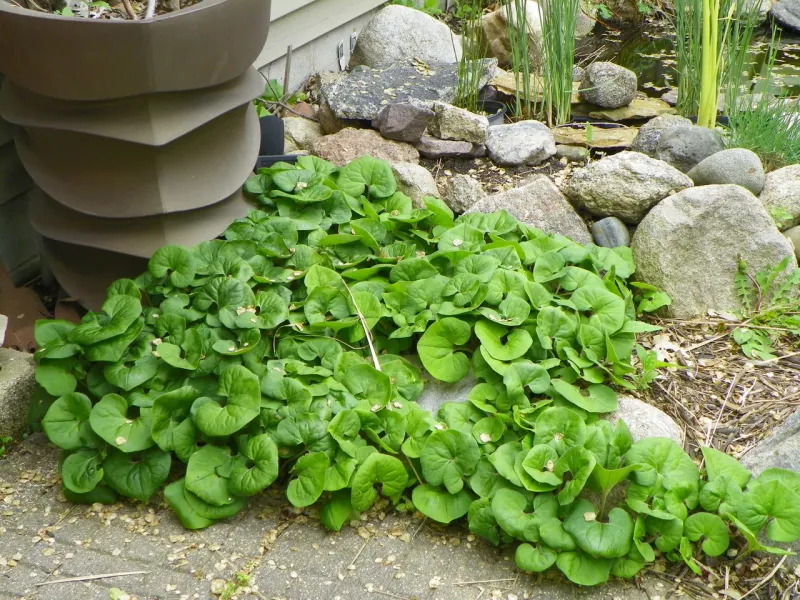
Asarum canadense, commonly called Canadian wild ginger, is a Pennsylvania-native woodland plant that handles the kind of deep, shaded spots where most other ground covers simply refuse to cooperate.
Its broad, heart-shaped leaves are soft to the touch and grow close to the ground, forming a lush-looking layer that feels right at home beneath deciduous trees or along shaded pathways.
A quick note worth mentioning: Canadian wild ginger is not the culinary ginger used in cooking. The two plants are unrelated, and the roots of Asarum canadense should not be consumed.
The name comes from a faint aromatic scent in the foliage and roots rather than from any shared use with cooking spices.
Your Pennsylvania Garden Changes Every Week. Your Plan Should Too.
Gardening in Pennsylvania changes quickly throughout the season. Every Friday you’ll receive a simple weekly plan showing exactly what to plant, prune, fertilize, harvest, and protect so you never miss the right timing.
This plant spreads through underground rhizomes and gradually expands outward from the original planting. It generally performs best in woodland-type soil with decent organic matter and moderate moisture.
Heavy clay, poorly drained ground, or dry sandy soil may slow its growth or reduce its overall appearance over time. Forming a continuous colony can take several seasons, so patience is genuinely part of the process here.
For July planting in Pennsylvania, choose an overcast day or a cooler stretch of weather if possible. Water the plants well before and after installation.
Woodland sites tend to hold moisture better than open beds, which works in your favor during summer. Remove existing weeds before planting, since established perennial weeds will not disappear simply because a ground cover moves in nearby.
3. Green-And-Gold Brings Color To Partly Shaded Bare Spots
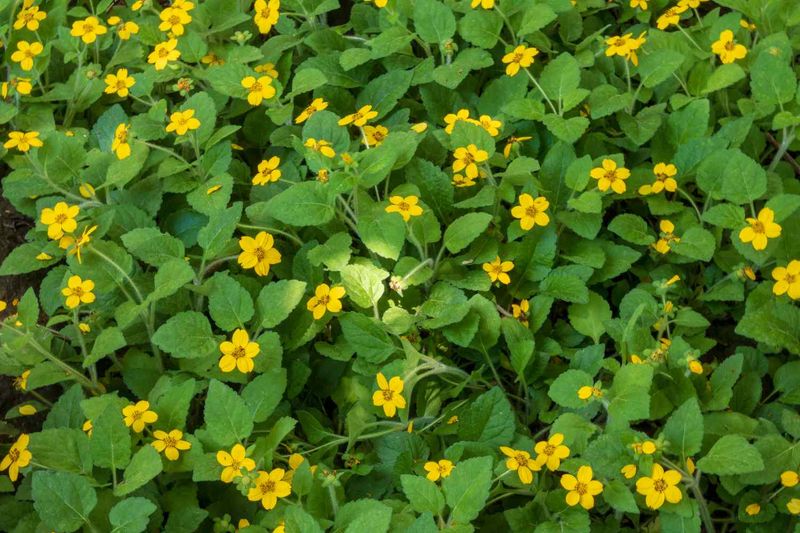
Chrysogonum virginianum, known by the common name green-and-gold, offers something that many shade-tolerant ground covers cannot: cheerful yellow flowers that appear over a long season rather than just a brief spring flush.
The plant stays low and spreads through short surface runners, gradually filling in along partly shaded borders, woodland edges, and the areas between open-canopied shrubs where bare ground tends to collect weed seedlings.
Green-and-gold tends to work best in partial shade rather than deep, dry shade or full summer sun. In Pennsylvania gardens, a spot that receives morning light and afternoon shade often suits it well.
The spreading rate and overall density can vary depending on the specific selection planted and the moisture and light conditions at the site, so results may differ between yards even when care is similar.
Along pathways, beneath deciduous shrubs, or at the front of a naturalistic border, this plant offers both visual interest and gradual soil coverage.
Once established, it may help reduce available space for weed seedlings by covering the ground and competing for light at the soil surface.
New plantings, however, will still have gaps that require hand weeding while the plant spreads and settles in.
July planting works with healthy container-grown green-and-gold if you pay close attention to watering. Soil should stay evenly moist but not waterlogged.
Mulching between plants helps conserve moisture during dry Pennsylvania summer weather without smothering the spreading stems. Remove all existing weeds before planting to give this native a fair start.
4. Wild Strawberry Can Spread Across Open Soil With Runners
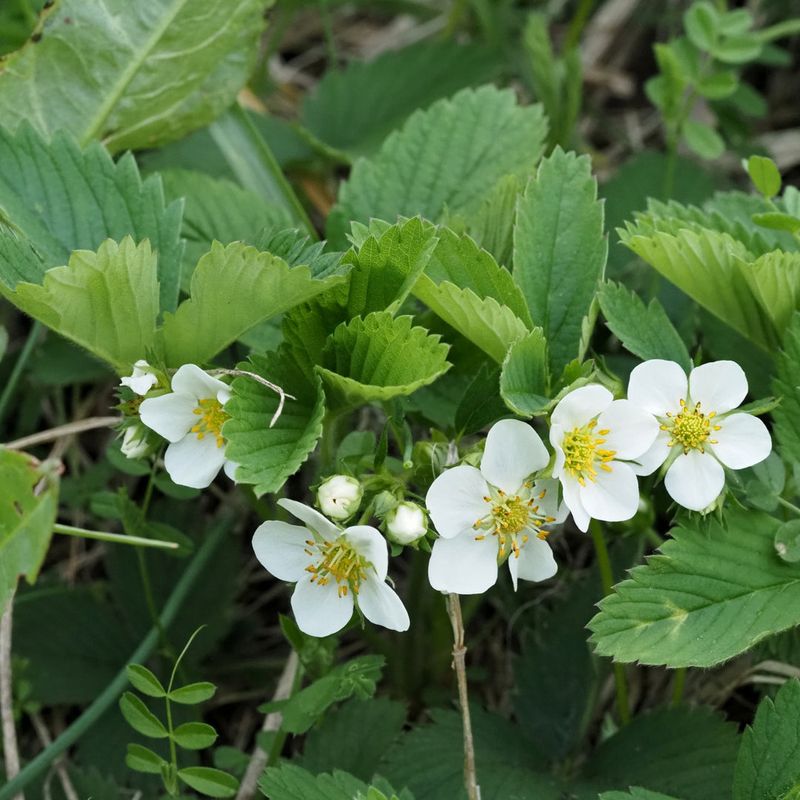
Fragaria virginiana, the native wild strawberry, is one of the more energetic spreaders among Pennsylvania’s native ground covers, and that energy is exactly what makes it useful for filling open soil in sunny or partly shaded spots.
The plant sends out aboveground runners called stolons that root where they touch the ground, gradually reaching outward from the original planting and knitting together a low, leafy cover over time.
White flowers appear in spring and may be followed by small, intensely flavored red fruits when pollination conditions are favorable.
Gardeners should keep in mind that birds, deer, and other wildlife often find the fruit before people do, so treating this plant as a purely edible crop tends to lead to disappointment.
Its real value in the landscape lies in its spreading habit and its support for native pollinators during flowering.
Wild strawberry handles a range of light conditions, from full sun to partial shade, and tolerates variable soil moisture reasonably well.
It can spread beyond a defined planting area over time, so gardeners who prefer tidy edges may want to install it in spots where natural spreading is acceptable rather than in beds with rigid borders.
Planting in July requires careful attention. Water container-grown plants before and after installation, and check soil moisture regularly during dry spells.
Remove existing weeds thoroughly before planting, because runners spreading into weedy ground will not outcompete established perennial weeds on their own. Mulching between plants helps reduce weed germination while the runners fill the gaps.
5. Creeping Phlox Can Soften Moist Woodland Borders
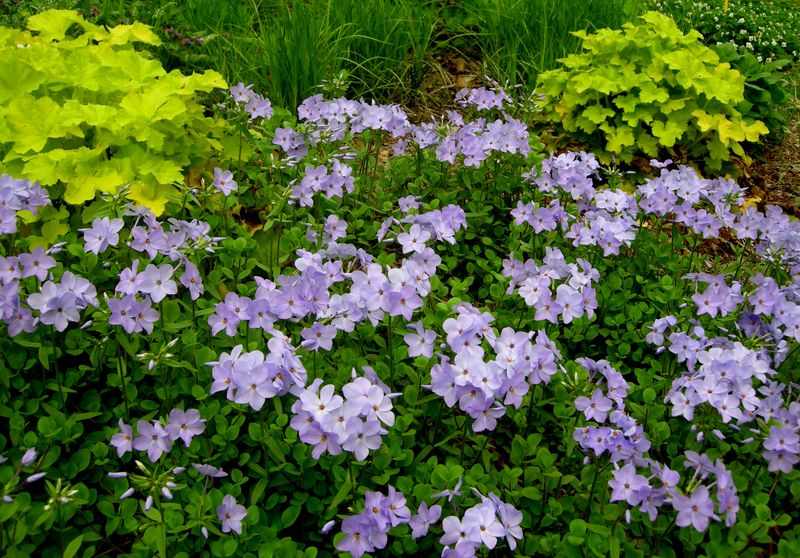
Phlox stolonifera, commonly called creeping phlox, is a woodland-edge native that earns its name through a genuinely creeping growth habit.
Its stems spread along the soil surface and root where they make contact with the ground, gradually building a soft, low layer along moist borders, shaded pathways, and the edges of naturalistic beds in Pennsylvania yards.
An important distinction worth making: creeping phlox is not the same plant as moss phlox. Phlox stolonifera prefers partial shade and consistently moist, well-drained soil, while moss phlox thrives in open sun and dry conditions.
Choosing the wrong plant for the wrong site is one of the more common reasons native ground covers struggle after installation, so matching the plant to the actual moisture and light conditions at your site matters considerably.
Creeping phlox is not suited to hot, exposed slopes or ground that dries out quickly in summer. It fits much better along the shaded side of a garden, beneath open-canopied trees, or along a moist woodland border where moisture lingers after rain.
Spring flowers are one of its most appealing features, appearing in clusters above the foliage before summer arrives.
For July planting in Pennsylvania, look for a cooler or overcast stretch of days before installing container-grown plants. Water thoroughly before planting, and keep the soil consistently moist without creating standing water.
Remove existing weeds from the site first, and apply mulch between plants to help moderate soil temperature and reduce moisture loss during summer heat.
6. Moss Phlox Can Cover Sunny Well-Drained Slopes
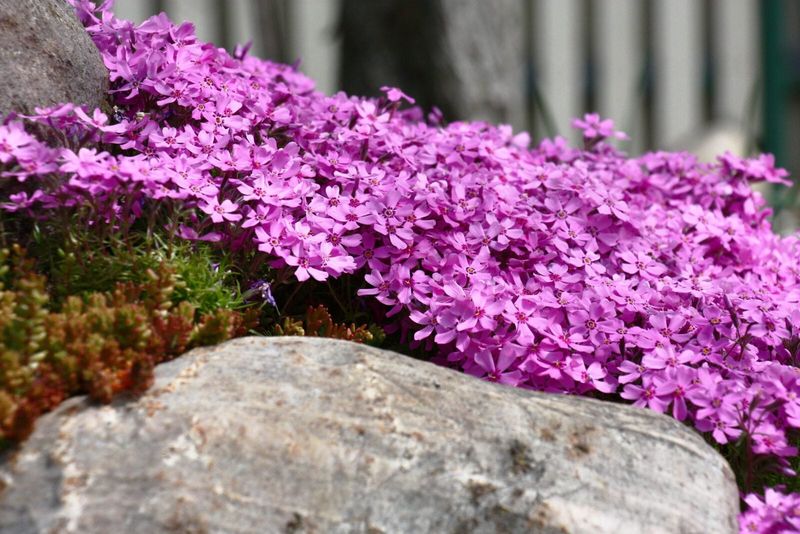
Sunny slopes and retaining-wall edges in Pennsylvania can be some of the most challenging spots in the yard to keep covered. Soil erodes, moisture drains away fast, and many plants simply give up in those conditions.
Phlox subulata, known as moss phlox, is a low, mat-forming native that genuinely fits those tough, well-drained, sun-exposed sites where other ground covers would struggle.
Its fine, needlelike foliage forms a dense cushion that stays low to the ground year-round. In spring, the plant covers itself in small flowers that create a striking visual display before most of the garden has fully woken up for the season.
Flower colors vary by cultivar, and gardeners should look at plants in bloom before purchasing if a specific color matters to them.
Poor drainage and consistently wet soil may create problems for moss phlox, so avoid planting it in low spots or heavy clay that holds water.
It is much more at home on a slope, at the front of a dry border, or tucked into gaps along a rock garden where water moves away freely after rain.
July planting on sunny slopes requires extra attention because the heat and dryness at those sites can stress newly installed plants quickly.
Water container-grown plants well before installation, check soil moisture every day or two during dry weather, and consider planting during a cooler period if a heat wave is forecast.
Mulch between plants lightly to conserve moisture without holding excessive water around the foliage.
7. Golden Ragwort Can Build Colonies In Moist Shade
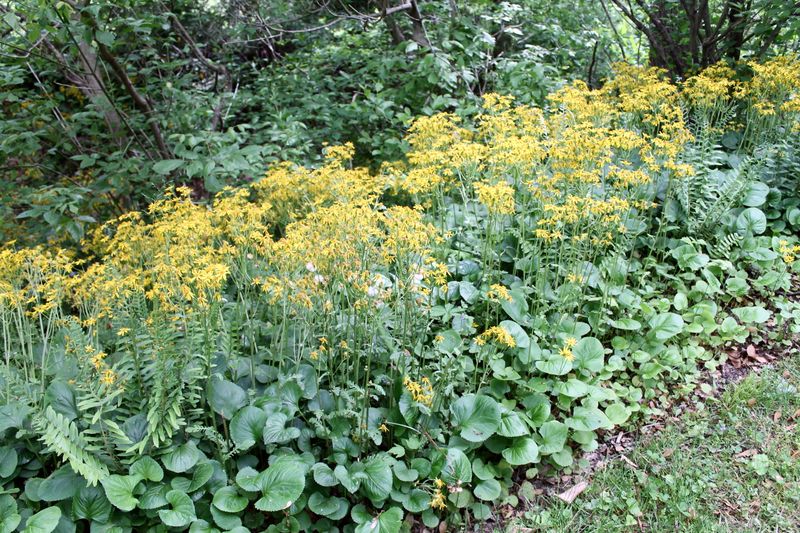
Packera aurea, commonly known as golden ragwort, is a colony-forming native perennial that can transform a moist, shaded corner of a Pennsylvania yard from a weed magnet into a lively, naturalistic planting.
Its rounded basal leaves form a low rosette close to the ground, and in spring the plant sends up stems topped with cheerful yellow flowers that attract early pollinators when little else is blooming.
Golden ragwort spreads through both rhizomes and self-seeding, which means it can expand assertively where conditions suit it well. Gardeners who have limited space or who want to keep plantings contained should think carefully about where they place this one.
Near rain-garden margins, along moist woodland edges, or beneath large deciduous trees where moisture tends to linger, it can fill space productively and with genuine visual appeal.
It is worth noting that golden ragwort may spread into neighboring areas over time if moisture and shade conditions extend beyond the original planting zone.
Removing unwanted seedlings while they are small is much easier than managing an established colony that has moved into unintended spots.
That said, in the right setting, its colony-building tendency is exactly what makes it useful for covering bare, moist ground.
For July planting, choose a site that naturally holds some moisture and does not bake in afternoon sun. Water container-grown plants before and after installation, and apply mulch between plants to help retain soil moisture.
Remove all existing weeds from the site first, and plan to hand-weed between plants while the colony expands through its first growing season.
8. Pennsylvania Sedge Can Create A Soft Layer Beneath Trees
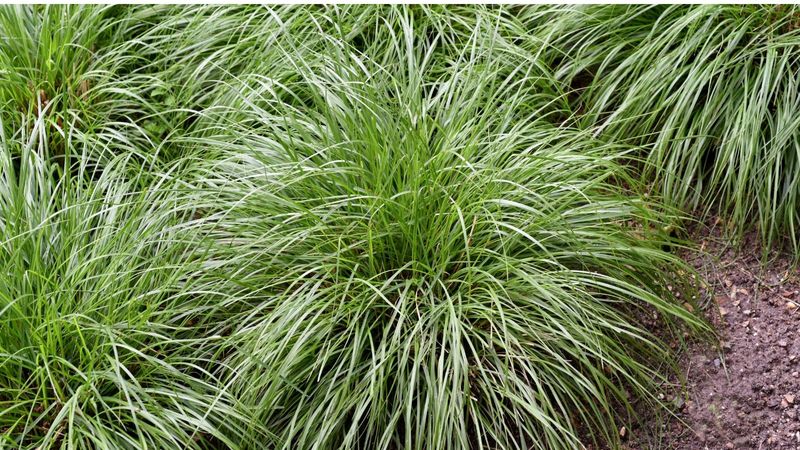
Carex pensylvanica, Pennsylvania sedge, has a name that feels right at home in this region, and its performance in shaded Pennsylvania landscapes tends to match that sense of belonging.
The plant forms a fine-textured, grasslike layer that arches softly near the ground, creating a naturalistic look beneath deciduous trees, along woodland paths, and within native matrix plantings where a low, quiet ground layer is exactly what the space needs.
Pennsylvania sedge spreads through rhizomes and gradually expands outward over time, though it tends to form a soft, open cover rather than the dense, uniform carpet that some gardeners might expect from a turf-style ground cover. Its texture and movement in a light breeze give shaded beds a relaxed, woodland feel that pairs naturally with ferns, wildflowers, and spring bulbs.
Heavy tree-root competition, prolonged dry spells, and repeated close mowing may limit the plant’s performance or affect its overall appearance.
In sites with dense surface roots and very little rainfall, growth may be slower or less even than in a more accommodating woodland setting.
This sedge generally performs best when the soil retains some organic matter and does not dry out completely between rain events.
Planting container-grown Pennsylvania sedge in July is workable, but shaded sites are gentler for establishment than open, sunny beds during summer heat.
Water plants before and after installation, apply mulch between them to conserve moisture, and remove existing weeds from the site before planting.
Expect the planting to fill in gradually over one or more growing seasons rather than closing the gaps by fall.