7 Reasons Why Your Bird Of Paradise Isn’t Blooming In Pennsylvania (And How To Fix It)
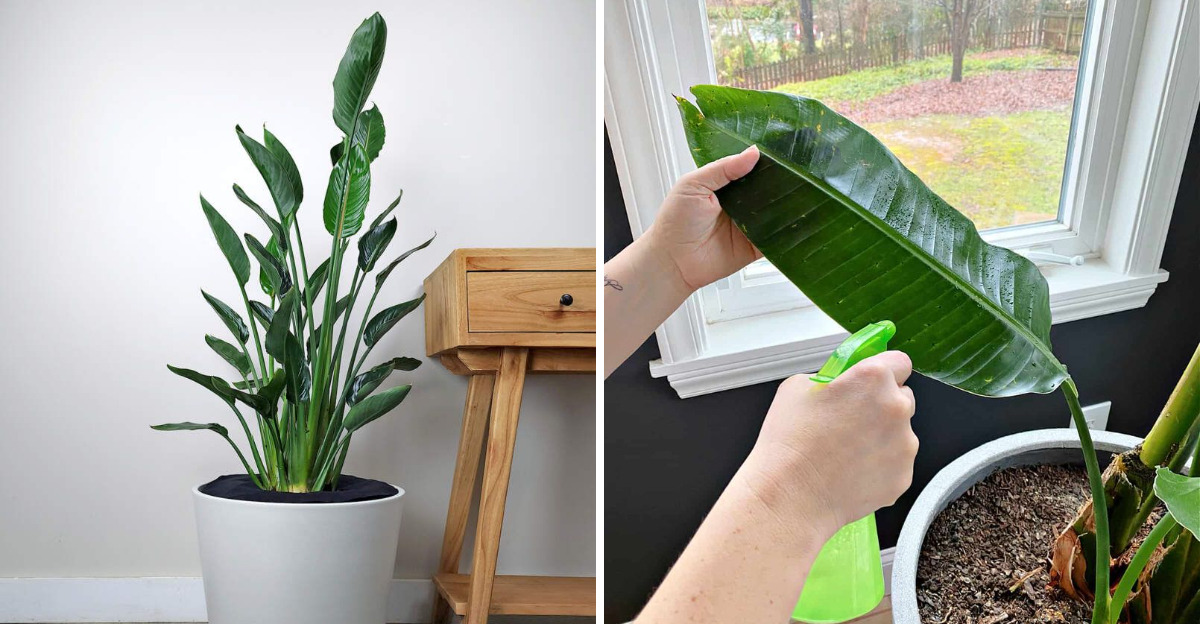
Bird of paradise is one of the most visually striking plants a Pennsylvania gardener can attempt to grow, and the blooms it produces when everything goes right are genuinely worth the effort.
Getting it to actually flower in Pennsylvania is where the challenge begins, because this plant has strong opinions about its conditions and the Pennsylvania climate does not naturally check every box on its list.
A healthy, well-established bird of paradise that refuses to bloom is one of the more frustrating situations in container and indoor gardening, especially because the plant looks fine from the outside while something is quietly preventing it from doing the one thing most people grew it for.
Bloom failure here almost always has a specific cause, and several of the most common ones are directly related to how Pennsylvania’s shorter seasons, lower light levels, and indoor winter conditions affect a plant that originated somewhere considerably warmer and brighter.
Finding the real reason is the only path to fixing it.
1. The Plant Is Too Young
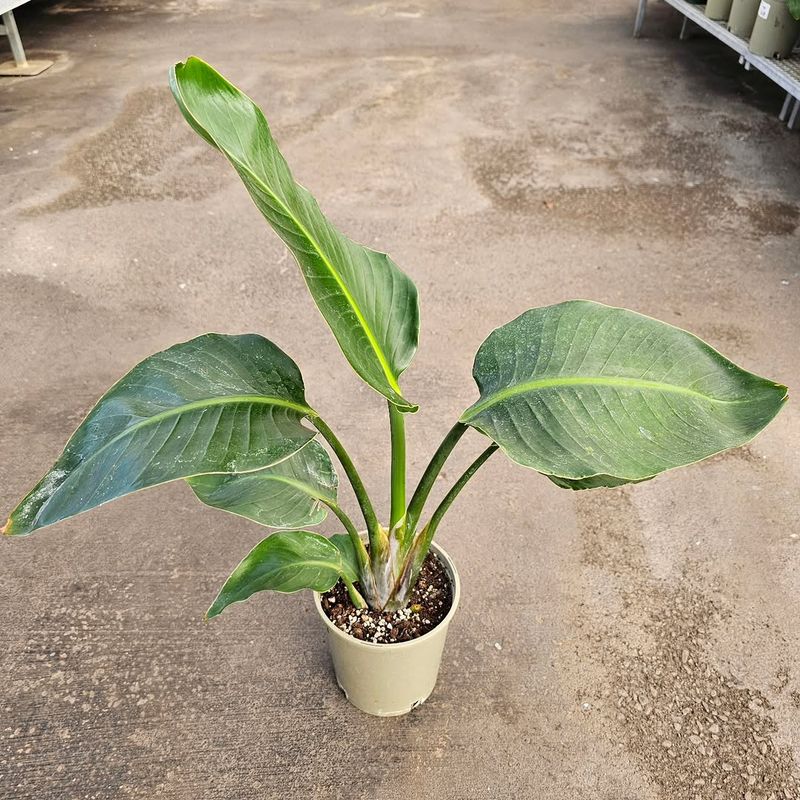
Patience might be the most underrated gardening skill out there. If your Bird of Paradise has never bloomed before, the very first thing to consider is its age.
These plants are known for taking their sweet time before producing flowers, and that is completely normal behavior for the species.
Birds of Paradise typically need to be at least 3 to 5 years old before they start blooming. If your plant was grown from seed, you might be waiting even longer, sometimes up to 7 or 10 years.
That might sound like forever, but the reward is absolutely worth it when those gorgeous blooms finally appear.
Young plants put most of their energy into building a strong root system and growing big, healthy leaves. Flowering comes later, once the plant feels established and mature enough to support blooms.
Trying to rush this process can actually backfire and stress the plant. One helpful tip is to check when you first got the plant. If it came as a small seedling or a very young cutting, you may simply need more time.
Buying a more mature plant from a nursery can speed things up if you want blooms sooner. Keep caring for it consistently and avoid making big changes like frequent repotting or moving it around too much.
A stable, well-cared-for plant will reach blooming age faster than one that gets constantly disrupted. Trust the process and let your plant grow at its own pace.
2. Not Enough Sunlight
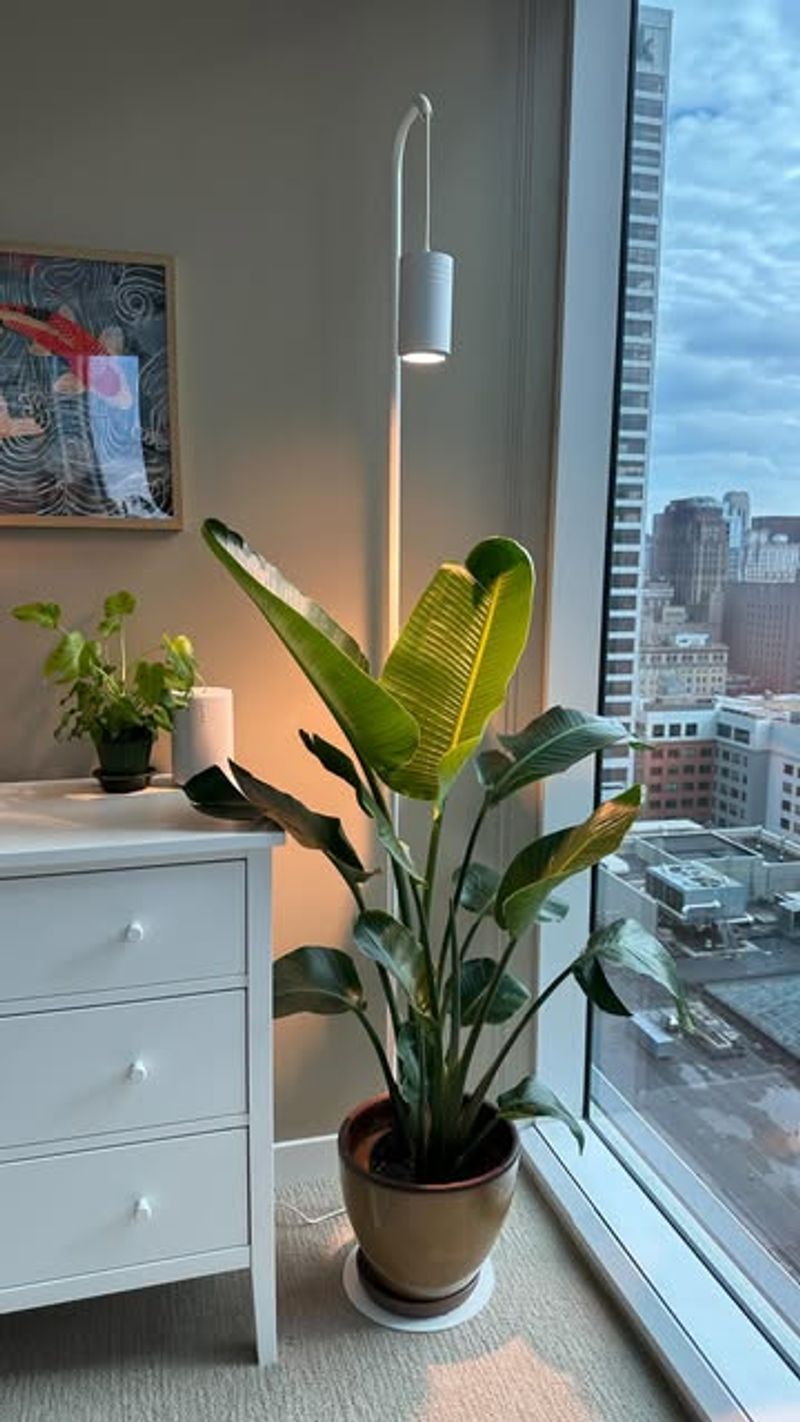
Sunlight is basically fuel for a Bird of Paradise. Without enough of it, the plant simply cannot gather the energy it needs to produce flowers.
This is one of the most common reasons these plants refuse to bloom, especially when grown indoors in Pennsylvania.
Bird of Paradise plants are tropical by nature. In their native South Africa, they bask in strong, direct sunlight for most of the day.
To bloom reliably, they need at least 6 hours of bright, direct sunlight every single day. Anything less, and flowering becomes very unlikely.
Your Pennsylvania Garden Changes Every Week. Your Plan Should Too.
Gardening in Pennsylvania changes quickly throughout the season. Every Friday you’ll receive a simple weekly plan showing exactly what to plant, prune, fertilize, harvest, and protect so you never miss the right timing.
In Pennsylvania, winter days are short and often cloudy, which makes it tough for indoor plants to get enough light. Even a south-facing window might not cut it during the colder months.
If your plant looks healthy but just will not bloom, low light is a strong suspect. Moving the plant to the brightest spot in your home is the first fix to try. A south-facing or west-facing window is usually the best choice.
During the warmer months from late spring through early fall, moving it outside to a sunny patio or deck can make a huge difference.
Supplemental grow lights are another great option for Pennsylvania winters. Full-spectrum LED grow lights placed close to the plant can mimic natural sunlight and help keep the plant energized year-round.
More light almost always means a better chance of seeing those beautiful blooms you have been hoping for.
3. Excess Nitrogen Fertilizer
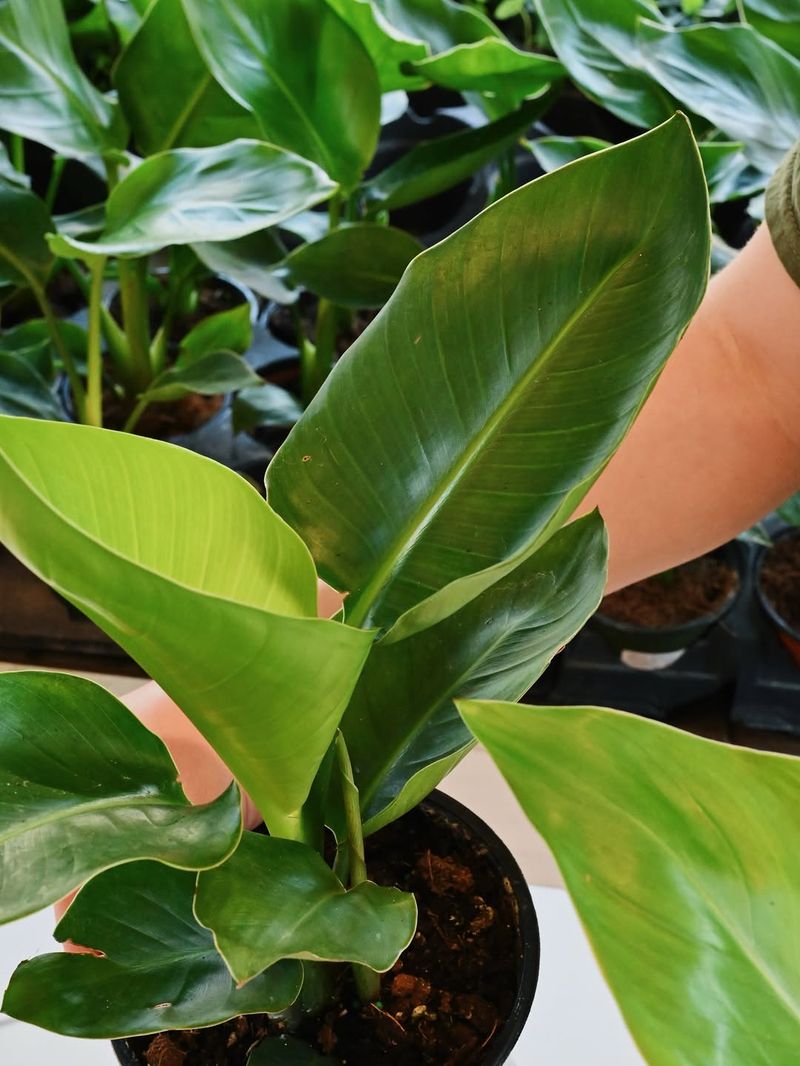
More fertilizer does not always mean more flowers. In fact, feeding your Bird of Paradise the wrong type of fertilizer can actually work against you in a pretty sneaky way.
If your plant is growing tons of big, beautiful leaves but zero blooms, excess nitrogen might be the culprit.
Nitrogen is the nutrient that plants use to grow lush, green foliage. It is great for leafy growth, but when there is too much of it, the plant focuses all its energy on leaves rather than flowers.
Think of it like a student who spends all their time on one subject and ignores the rest. Many general-purpose fertilizers are high in nitrogen, which makes them great for houseplants but not ideal for encouraging blooms.
Switching to a bloom-boosting fertilizer that is higher in phosphorus and potassium can help redirect the plant’s energy toward flowering. Look for products labeled with a higher second and third number in the NPK ratio.
A good feeding schedule for Bird of Paradise during the growing season is once a month from spring through summer. Reduce or stop fertilizing in the fall and winter when the plant naturally slows down.
Over-fertilizing during dormancy can also cause problems. Always follow the label instructions on any fertilizer product. Using too much, even the right kind, can burn roots and stress the plant.
A balanced, thoughtful feeding routine is far better than dumping a lot of product and hoping for the best.
4. Poor Soil Or Drainage
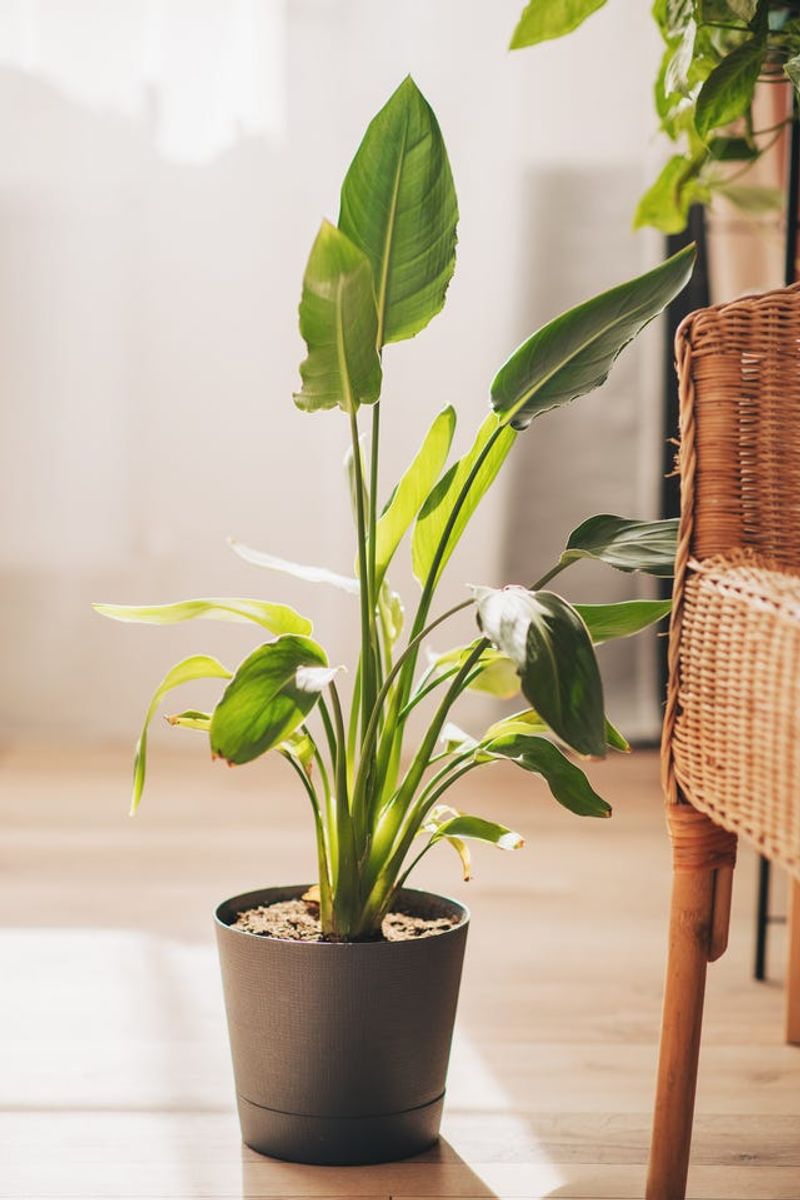
Roots that are sitting in soggy, compacted soil are not happy roots. And unhappy roots mean an unhappy plant that has no interest in producing flowers.
Soil quality and drainage are often overlooked, but they play a huge role in whether your Bird of Paradise ever blooms.
These plants need soil that drains well and does not hold too much moisture. When soil stays wet for too long, roots can struggle to breathe.
This puts the plant under stress, and a stressed plant shifts all its focus to survival rather than flowering.
Compacted soil is another issue, especially in outdoor garden beds. Over time, soil can become dense and hard, making it difficult for roots to spread and for water to drain properly. This can choke the root system and limit the plant’s overall health and vigor.
The fix is to use a high-quality, well-draining potting mix. A good blend for Bird of Paradise includes regular potting soil mixed with perlite or coarse sand to improve drainage.
Adding some compost or organic matter helps provide nutrients while keeping the soil loose and airy.
If your plant is in a pot, always make sure there are drainage holes at the bottom. Never let the pot sit in standing water.
For outdoor plants in Pennsylvania, consider raising the planting bed slightly or mixing in drainage-improving materials. Healthy, well-draining soil gives your plant the strong foundation it needs to eventually put out those show-stopping blooms.
5. Pot Or Root Stress
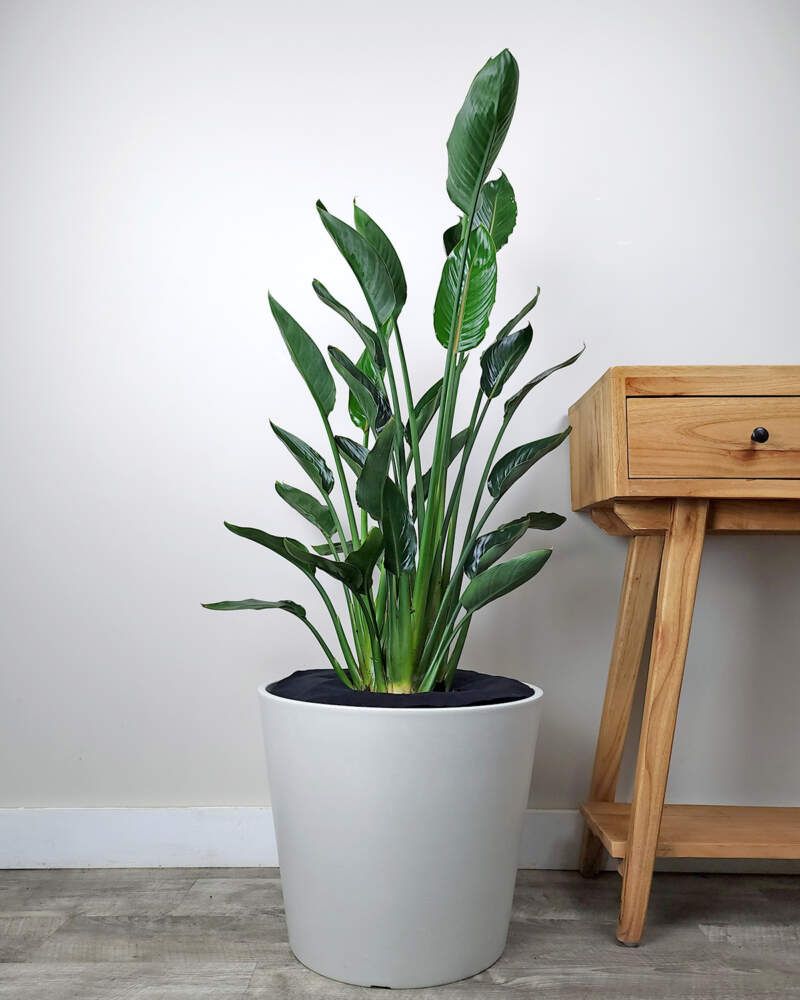
Here is something that surprises a lot of gardeners: Bird of Paradise plants actually bloom better when their roots are a little crowded. It sounds counterintuitive, but being slightly root-bound is one of the key triggers that encourages these plants to flower.
Give them too much space, and they may never bloom at all. When a plant is moved into a pot that is too large, it spends most of its energy growing roots to fill all that extra space. Flowering gets pushed to the back burner.
Similarly, repotting too often resets this process and keeps the plant in a constant state of root-building rather than blooming.
A good rule of thumb is to only repot your Bird of Paradise when roots are clearly overflowing from the drainage holes or the plant looks like it is truly struggling. Even then, only go up one pot size at a time.
Jumping to a much larger container is a common mistake that delays blooming by years. If you recently repotted into a big new container, be patient. The plant may need a full growing season or two to settle back into bloom-ready mode.
Avoid the urge to repot again, and just focus on providing good light, consistent watering, and proper feeding.
Keeping your Bird of Paradise slightly snug in its pot is one of the easiest ways to encourage blooming without changing anything else. Sometimes doing less is genuinely the best thing you can do for your plant.
6. Inconsistent Watering
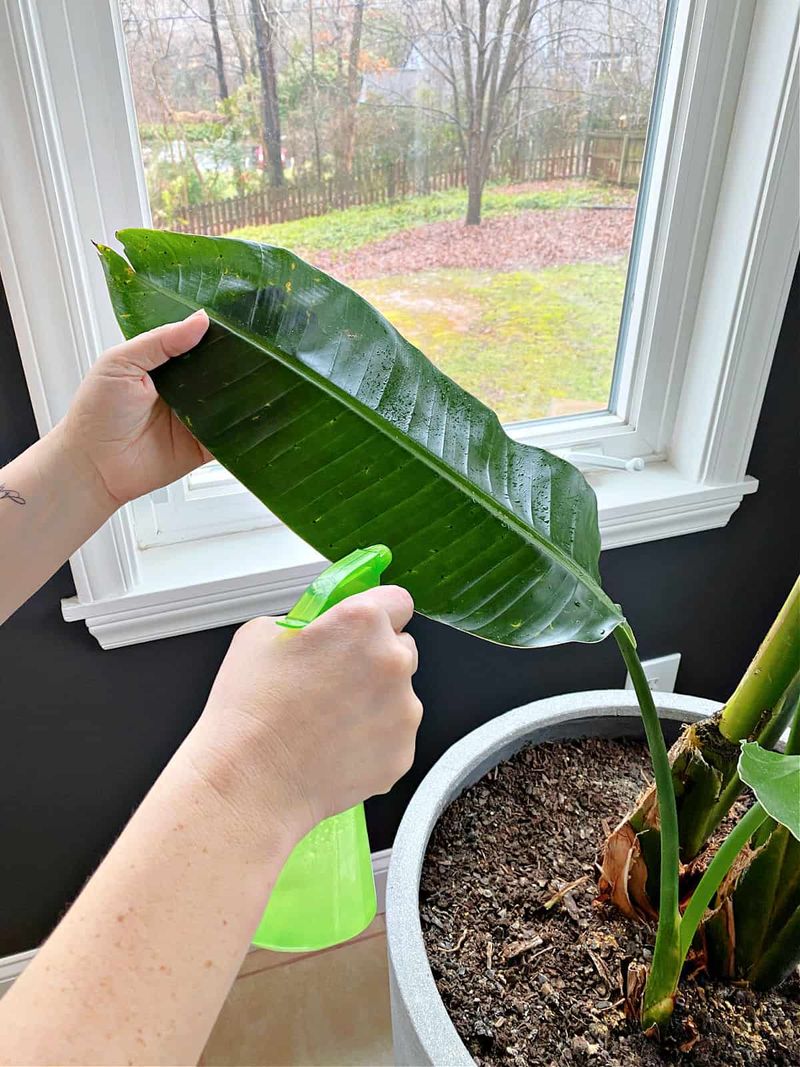
Watering might seem simple, but getting it right for a Bird of Paradise takes a little attention. Both too much and too little water can prevent buds from forming or cause them to drop before they even open.
Inconsistent watering is a sneaky problem that many plant owners do not immediately connect to a lack of blooms.
When the soil swings between bone dry and soaking wet, the plant experiences stress. Stress hormones kick in, and the plant goes into a kind of survival mode.
In that state, flowering is the last thing on its mind. Keeping moisture levels more stable helps the plant stay calm and focused on growth and blooming.
The goal is to water deeply but not too frequently. Allow the top inch or two of soil to dry out slightly between waterings.
When you do water, soak the soil thoroughly until water runs out of the drainage holes. This encourages roots to grow deep and strong.
In Pennsylvania, indoor plants may need less water in winter because growth slows down and the air is drier. Outdoor plants during hot summer months may need more frequent watering.
Checking the soil with your finger before watering is always a smarter move than following a fixed schedule.
Using a moisture meter is a helpful tool if you are unsure how wet or dry the soil really is. It takes the guesswork out of watering and helps you build a consistent routine.
A steady watering habit can make a real difference in whether your Bird of Paradise finally decides to bloom.
7. Climate And Seasonal Limitations
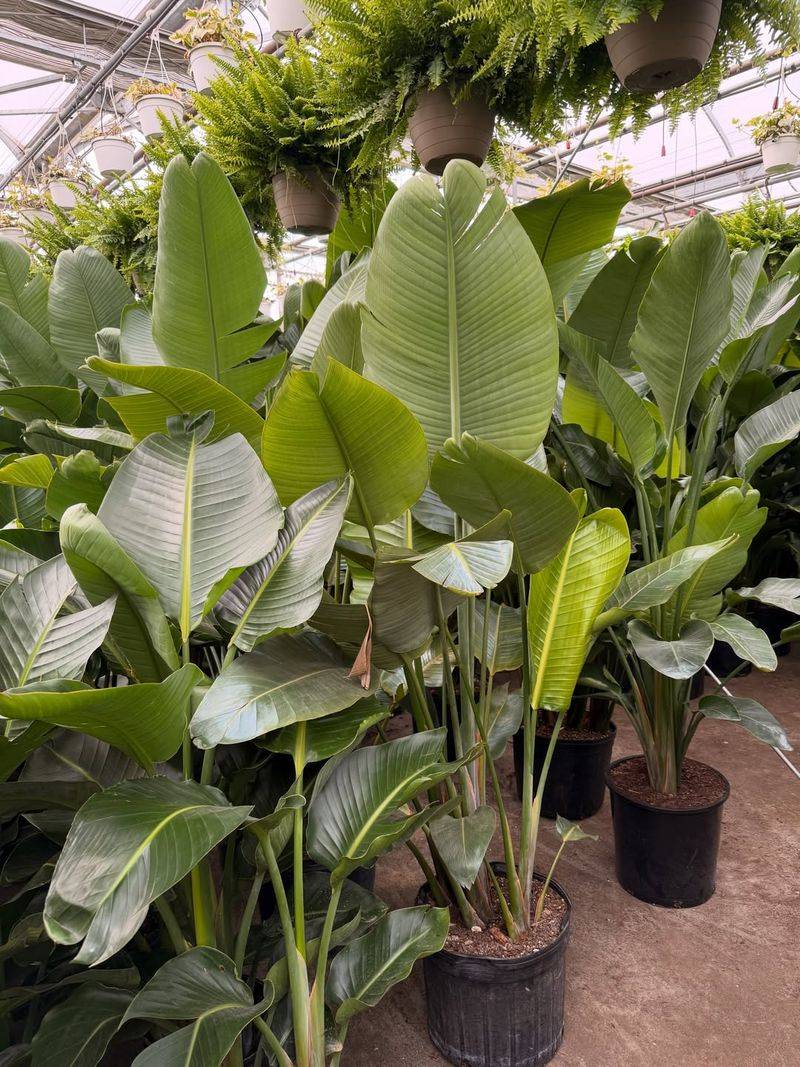
Pennsylvania is a beautiful state with four very distinct seasons, but it is not exactly tropical.
Bird of Paradise plants come from warm, sunny South Africa, where temperatures stay mild and the growing season is long. That climate gap is a real challenge for Pennsylvania gardeners who want to see blooms.
These plants need consistent warmth and long periods of bright sunlight to trigger flowering. Pennsylvania winters are cold, cloudy, and long.
Even indoors, the reduced daylight hours and cooler temperatures during fall and winter can put the plant into a semi-dormant state where blooming is just not going to happen.
The good news is that Pennsylvania summers can actually be quite warm and sunny, which gives your Bird of Paradise a real shot at blooming.
Moving the plant outside to a sunny spot once temperatures are reliably above 55 degrees Fahrenheit can make a big difference.
More sun and warmth during the growing season helps build up the energy reserves needed for flowering.
When nighttime temperatures start dropping in early fall, bring the plant back indoors before it gets too cold.
Exposure to temperatures below 50 degrees for extended periods can set the plant back significantly. A gradual transition between indoor and outdoor environments works best.
Maximizing every warm, sunny day during Pennsylvania’s summer is your best strategy. Place the plant in the sunniest outdoor spot you have, water consistently, and feed it with a bloom-boosting fertilizer.
Over time, this seasonal routine can absolutely lead to those breathtaking Bird of Paradise blooms you have been dreaming about.