The Pennsylvania Native Plants That Help Control Rats And Weeds At The Same Time
Rats and weeds showing up in a Pennsylvania garden at the same time is one of those double problems that feels deeply unfair.
Both take hold when you’re not watching closely enough, both spread faster than you’d expect, and dealing with one while the other continues unchecked rarely leads anywhere satisfying.
Most homeowners fight each problem separately with separate products and separate strategies, which works to a point but never quite feels finished. There’s a smarter approach. And it grows.
Certain native Pennsylvania plants address both problems simultaneously, doing it through natural mechanisms that work quietly in the background without chemicals, traps, or ongoing intervention.
Dense ground level growth that crowds out weeds before they establish. Scents and compounds that rats consistently avoid. Ecological functions that make a garden less hospitable to both without making it less hospitable to anything you actually want there.
These plants are beautiful, adapted to Pennsylvania’s climate, and far more useful than most gardeners realize.
1. Golden Groundsel
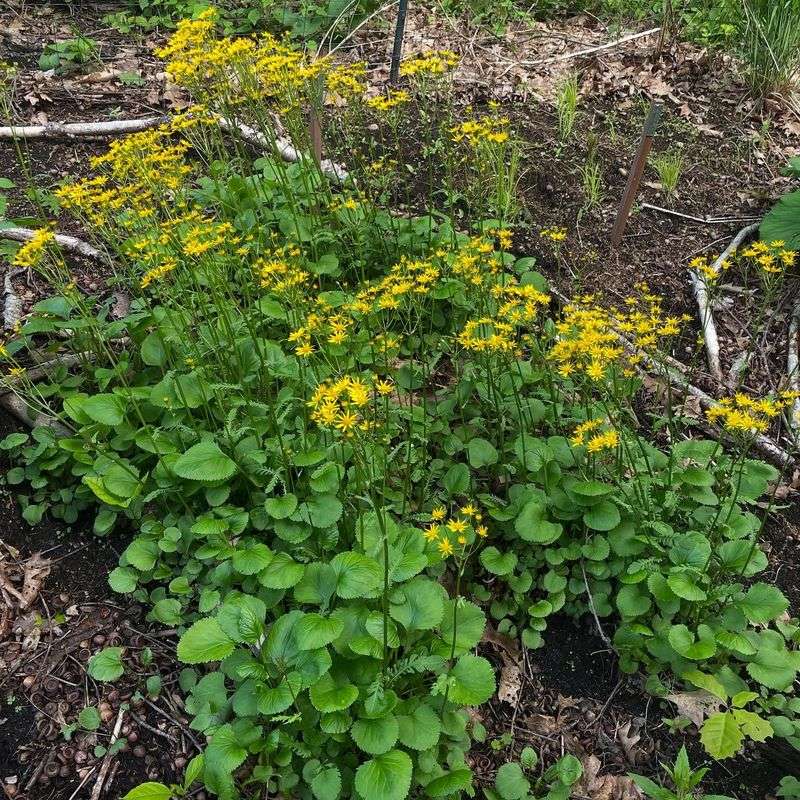
Bright yellow flowers might not be the first thing you picture when thinking about pest control, but Golden Groundsel earns its place on this list for good reason.
Native to Pennsylvania woodlands and meadow edges, this cheerful plant is a powerhouse at filling bare ground fast.
It spreads readily through runners and seeds, building dense colonies that leave little room for weeds to move in.
Golden Groundsel blooms in early spring, which is a bonus for pollinators like bees that are just waking up after winter. But beyond its looks, what really sets it apart is how aggressively it can colonize a bare patch of soil.
Plant a few starts in spring or fall, and within a couple of growing seasons, you may have a full, lush colony spreading across a problem area in your yard.
That dense colony habit is key for both weed suppression and rodent deterrence. Rats and mice prefer areas with loose soil, open ground, or piles of debris where they can burrow without being noticed.
A thick mat of Golden Groundsel removes that option. The ground beneath the plants stays shaded and covered, making it far less attractive as a nesting site.
Golden Groundsel grows best in part shade to full shade and moist soil, making it perfect for spots under trees or along the north side of a building. It reaches about 12 to 18 inches tall when in bloom and shorter the rest of the year.
Pair it with other native groundcovers for a layered look that keeps both weeds and rodents at bay throughout the seasons.
2. Pennsylvania Sedge
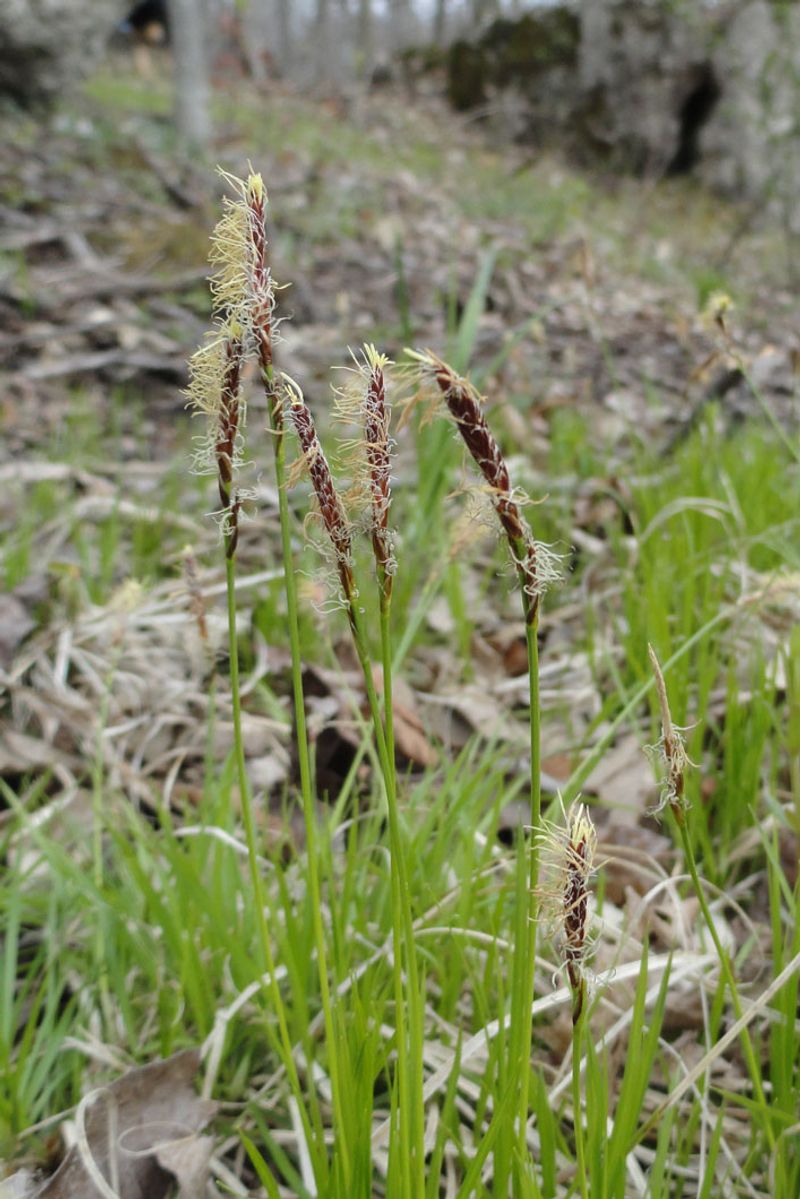
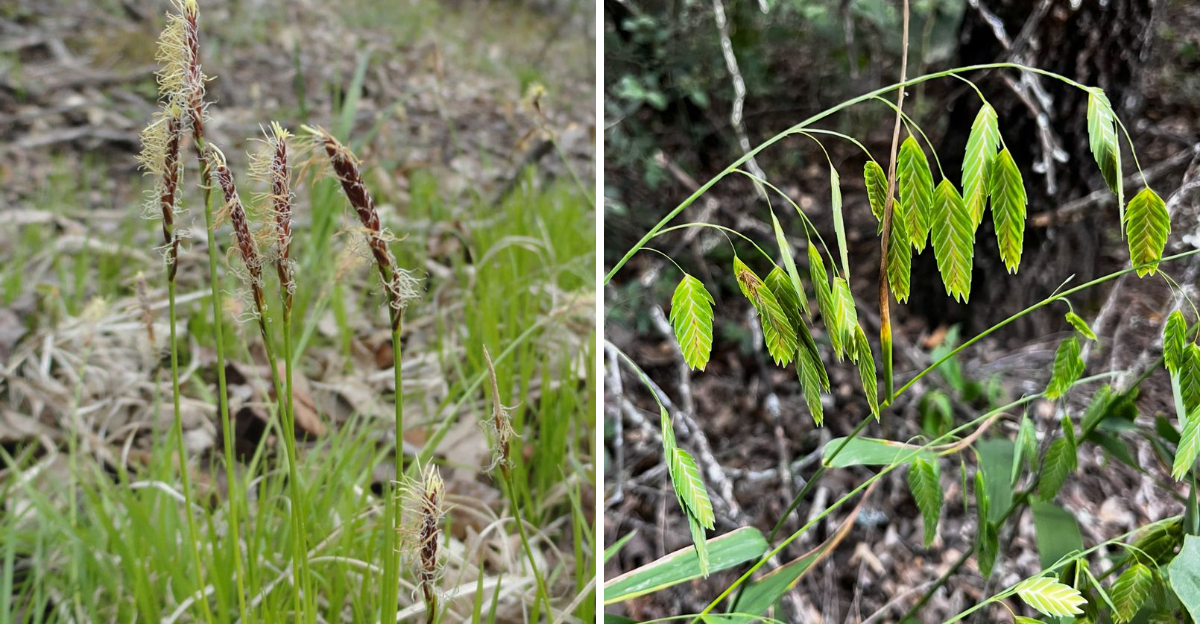
You might walk right past Pennsylvania Sedge without giving it a second thought, but this quiet little plant is one of the hardest workers in any native garden. It forms a low, spreading mat of fine, arching green blades that can grow just a few inches tall.
Unlike traditional lawn grass, it stays short and dense without needing constant mowing. Pennsylvania Sedge thrives in shady spots where other plants struggle. It does well under trees, along fences, and in areas where grass refuses to grow.
Your Pennsylvania Garden Changes Every Week. Your Plan Should Too.
Gardening in Pennsylvania changes quickly throughout the season. Every Friday you’ll receive a simple weekly plan showing exactly what to plant, prune, fertilize, harvest, and protect so you never miss the right timing.
Once it gets established, which usually takes one full growing season, it spreads gradually to fill in bare patches. That spreading habit is exactly what makes it so useful for weed control.
When the ground is covered tightly by sedge, there is simply not enough open soil for weed seeds to find a foothold. Fewer gaps in the ground also mean fewer attractive nesting spots for rats, who prefer areas with loose soil and scattered debris.
Pennsylvania Sedge keeps the surface too packed and shaded for easy digging. It is also a low-maintenance plant once it gets going. It does not need fertilizer, handles drought reasonably well, and rarely needs watering after its first year.
You can plant it from plugs or small pots purchased at native plant nurseries across the state. Space them about 12 inches apart and let nature do the rest.
Over time, you will have a soft, green, living carpet that crowds out weeds naturally and makes your yard far less appealing to unwanted rodents looking for a place to settle in.
3. Creeping Phlox
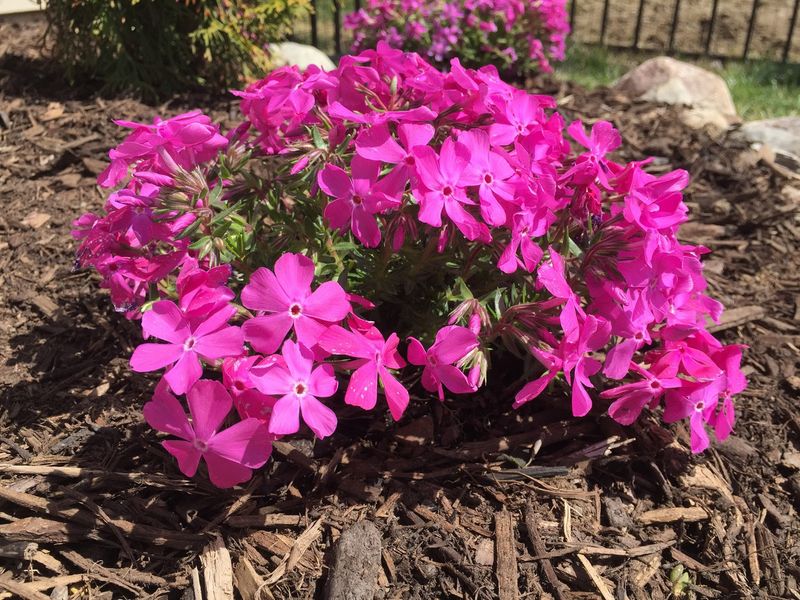
Few plants put on a show quite like Creeping Phlox in spring. When it blooms, it turns into a carpet of pink, purple, or white flowers that practically glows in the sunlight.
But once the blooms fade, it keeps right on working as a dense, evergreen mat that hugs the ground tightly for the rest of the year.
Slopes and hillsides are where Creeping Phlox really shines. Erosion is a common problem on sloped ground, and bare slopes are prime real estate for weeds to move in fast.
Creeping Phlox spreads along the surface with low, trailing stems that root as they go, creating a living blanket that holds soil in place and blocks weed growth at the same time. Once established, it is remarkably tough and drought-tolerant.
From a rodent standpoint, slopes covered with dense Creeping Phlox are much harder to burrow into than open, loose ground. Rats tend to avoid areas where the surface is tightly covered and where their movements are less hidden.
A full mat of Creeping Phlox removes the easy access points they look for when scouting a new location.
Creeping Phlox needs full sun to thrive and prefers well-drained soil. It grows only about 4 to 6 inches tall, so it never blocks views or crowds out taller plants in a mixed bed.
You can find it at most garden centers and native plant sales across Pennsylvania. Plant it in early spring or fall for best results, space plants about 12 to 18 inches apart, and let it spread naturally into a beautiful and hardworking groundcover.
4. Common Blue Violet
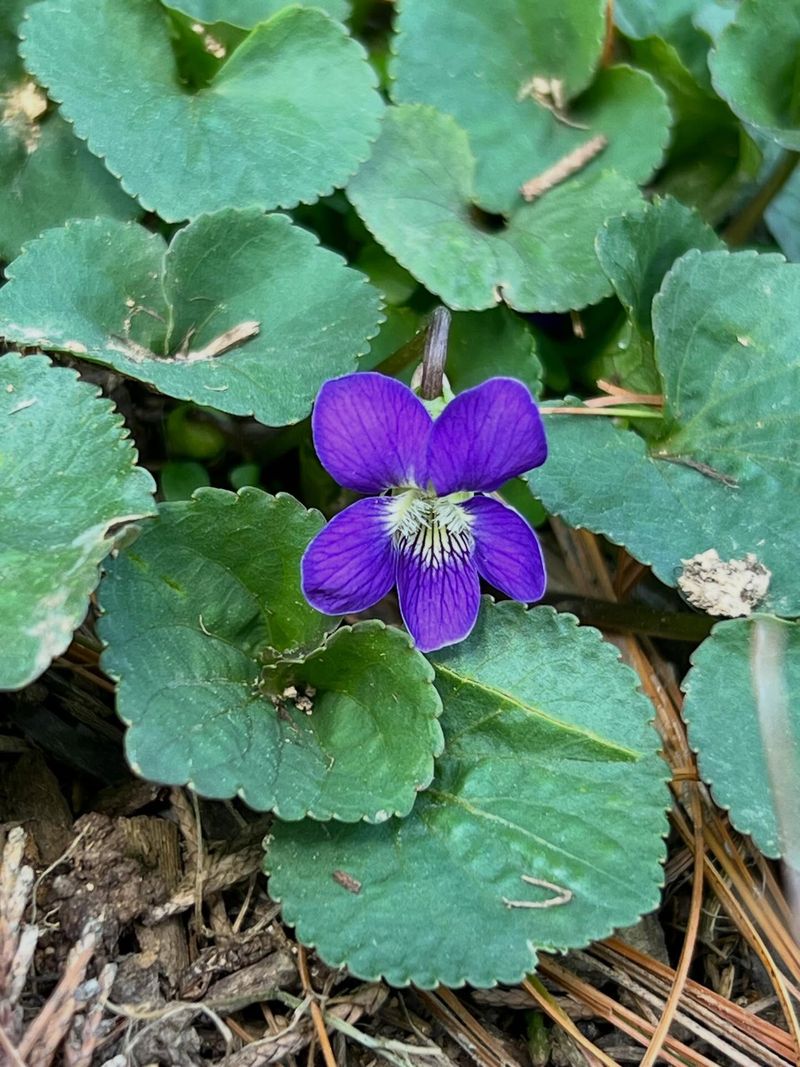
Common Blue Violet might look delicate, but do not let those sweet little purple flowers fool you. This native Pennsylvania plant is tough, determined, and excellent at claiming territory.
It spreads through underground rhizomes, forming substantial patches that can fill in a bare garden bed surprisingly quickly. Penn State actually recommends it as a reliable native groundcover for Pennsylvania landscapes.
The heart-shaped leaves of Common Blue Violet stay low to the ground and form a fairly dense canopy over the soil surface. That leafy cover shades out weed seeds, making it harder for invasive plants like crabgrass or chickweed to germinate and take hold.
In areas where you have struggled to keep weeds out of a shady or semi-shady bed, this violet can be a practical and attractive solution.
Rats and mice prefer areas with exposed soil and hidden pathways. A bed thickly planted with Common Blue Violet covers both of those issues.
The ground stays shaded and root-bound, which makes digging and burrowing much more difficult. Rodents tend to move on when a site offers too many obstacles and too little open ground.
As an added bonus, Common Blue Violet is a host plant for several fritillary butterfly species, so planting it actually helps local wildlife beyond just deterring pests. It grows well in part shade to full shade and tolerates average to moist soil conditions.
You can often find it growing wild in Pennsylvania woodlands, and it transplants well from small divisions. Space plants about 8 to 12 inches apart and allow them to naturalize on their own over time for maximum coverage.
5. Dwarf Tickseed
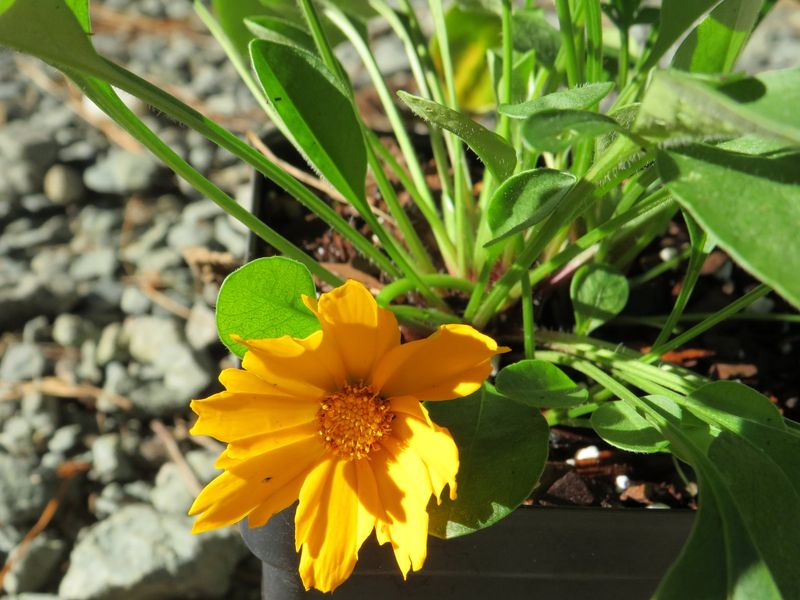
There is something almost scrappy about Dwarf Tickseed. It is small, sunny, and tougher than it looks.
This compact native perennial spreads by runners to gradually form cheerful colonies of bright yellow flowers that bloom from late spring through summer. While it looks like a garden decoration, it is quietly doing serious work below the surface.
Dwarf Tickseed reaches only about 6 to 12 inches tall, making it one of the lower-growing options in the Coreopsis family. Its spreading habit means it fills in ground space steadily over a few growing seasons.
As the colony grows denser, open soil becomes less available for weed seeds to land and sprout. Sunny garden borders and rock gardens are ideal spots for this plant to show off and suppress weeds at the same time.
The dense growth pattern also helps reduce rodent activity in the areas where it is planted. Rats look for loose, accessible soil and cover that lets them move around without being exposed.
A tightly packed colony of Dwarf Tickseed offers neither of those things. The runners and root mass create a firm, interlocked surface that is much less inviting than bare dirt.
Dwarf Tickseed is also one of the easiest native plants to grow in Pennsylvania. It tolerates poor soil, requires very little water once established, and thrives in full sun.
It is a great choice for dry, sunny slopes or the edges of driveways and walkways where weeds tend to pop up persistently. Plant it in spring, give it a season to settle in, and watch it gradually take over the space in the best possible way.
6. Coral Bells
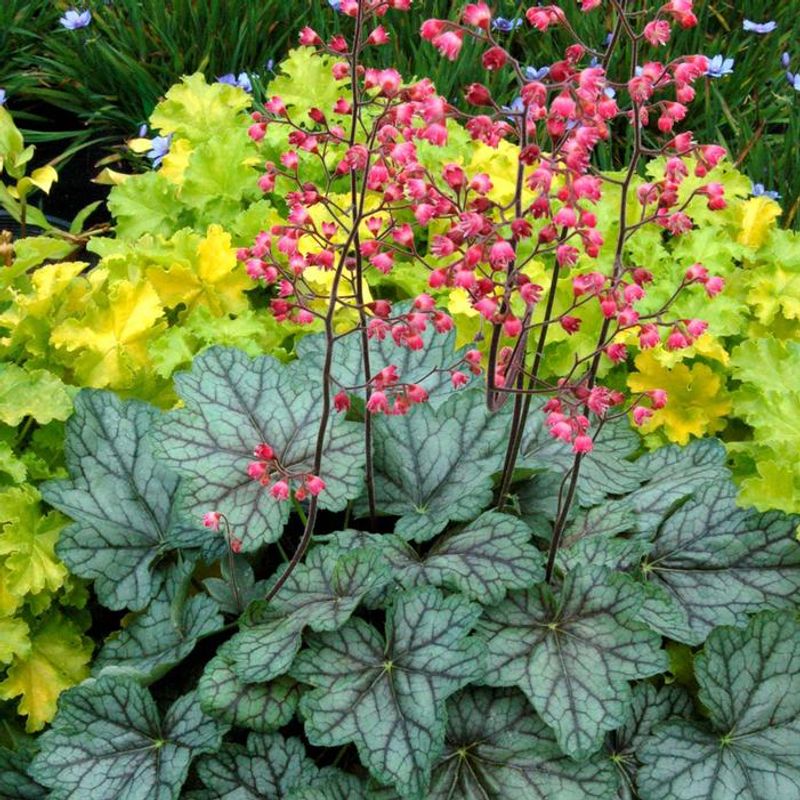
Walk through almost any Pennsylvania native plant sale and you will spot Coral Bells right away. The foliage comes in rich shades of burgundy, bronze, green, and silver, making it one of the most visually striking plants on this list.
But Coral Bells is not just a pretty face. Those leafy clumps do a solid job of covering soil in partly shaded beds where weeds love to sneak in.
Coral Bells, known botanically as Heuchera, forms tidy mounds of large, rounded leaves that stay relatively close to the ground. In a mixed native planting, it fills in the middle layer nicely, covering bare spots between taller plants and shorter groundcovers.
The leaf canopy keeps the soil beneath it shaded, which slows weed seed germination significantly. Planting Coral Bells in groups of three or more creates a more seamless coverage effect.
From a rodent-control standpoint, the thick clumps and dense root systems of Coral Bells make burrowing into the soil underneath much harder. Rats prefer easy digging and hidden pathways.
A well-planted bed of Coral Bells, mixed with other native groundcovers, removes both of those options and creates a less hospitable environment overall.
Coral Bells grows best in part shade, though some varieties tolerate more sun. It prefers well-drained soil and does not like sitting in standing water.
It is generally low maintenance once established, needing only occasional division every few years to stay vigorous. Look for Pennsylvania native varieties at local native plant nurseries.
Plant in early spring or fall, water regularly during the first season, and enjoy both the beauty and the practical benefits it brings to your yard.
7. River Oats
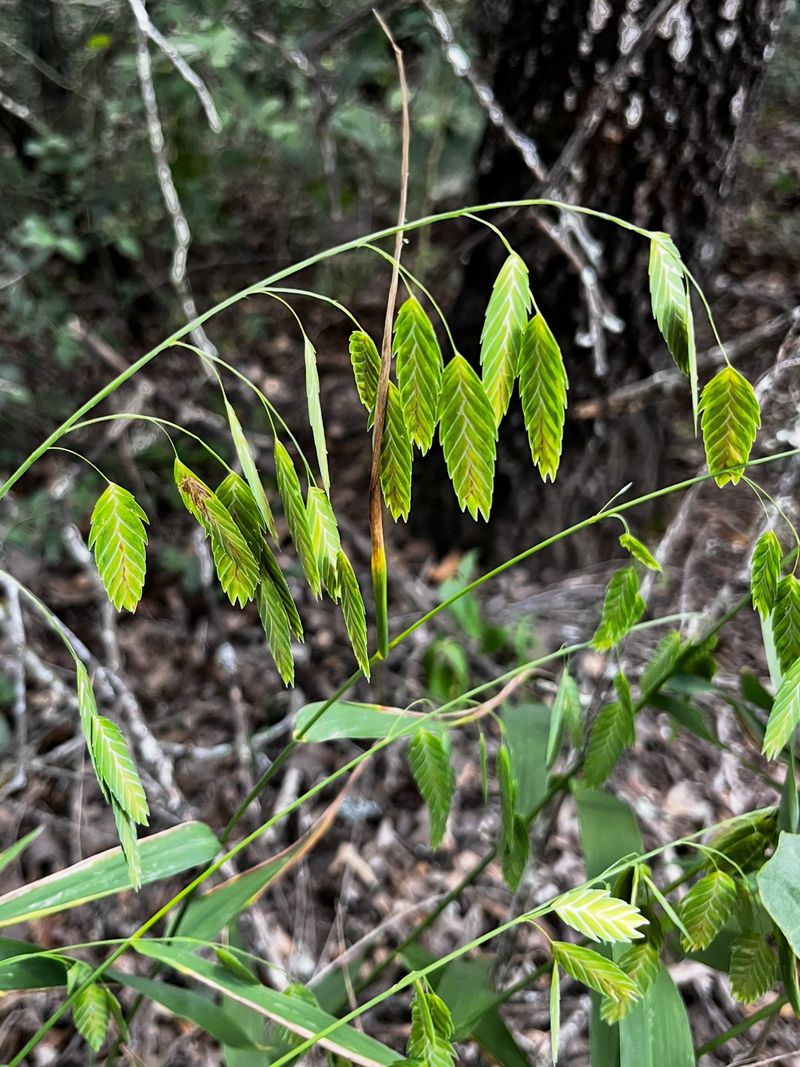
If you have a shady slope or a low-lying area in your Pennsylvania yard that seems impossible to tame, River Oats might be exactly what you need. This native ornamental grass is one of the most effective plants for covering difficult ground quickly.
It develops a strong, fibrous root mass and spreads readily by seed, forming dense colonies that stabilize slopes and crowd out weeds with impressive efficiency.
River Oats grows 2 to 4 feet tall and produces flat, oat-like seed heads that dangle and flutter in the breeze. Those seed heads are genuinely beautiful and give the plant a graceful, airy appearance even as it is doing heavy lifting below the surface.
The grass spreads well enough that you should plan for it to naturalize over time, which is actually the goal when using it as a weed-suppressing groundcover.
On slopes, River Oats is particularly valuable. Bare slopes erode easily, and erosion creates exactly the kind of loose, disturbed soil that both weeds and burrowing rodents find attractive.
A dense stand of River Oats covers that slope with a tangle of roots and stems that makes burrowing difficult and leaves almost no open soil for weed seeds to land in.
River Oats thrives in shade to part shade and tolerates moist to average soil conditions. It is one of the few native grasses that performs well in low-light environments, making it a standout choice for wooded yards or areas under large trees.
Plant it in spring or early fall, give it one season to establish, and it will reward you with years of low-maintenance, weed-fighting, rodent-deterring coverage that also happens to look beautiful in every season.